
Germany

The Land of Ideas
About
#Germany
#Deutschland
#Germany_Timeline
#Germany_History
#German_History
#Germany_History_Timeline
Life Classification
Country
Life ID
EL2605869982910
Verified Name
germany
Life Type
Entity Life
Life Editor(s)
History Editorial Network (HEN)
Life Privacy
Public
Subscription
Elite
Created On
2024-05-21
Updated On
2025-12-19
Connect
Related Lives

Ivory Coast
The Land of Tropical Beauties.

T20 WorldCup
Twenty 20 International

Aztec Civilization
Mesoamerican Civilization

Iran
The Land of Persia
The Presidents of the United States
Head of State
President of Chad
Head of the State

Comoros
A Blend of Cultures, Natural Beauty, and Challenges
Burkina Faso
The Heart of West Africa

2026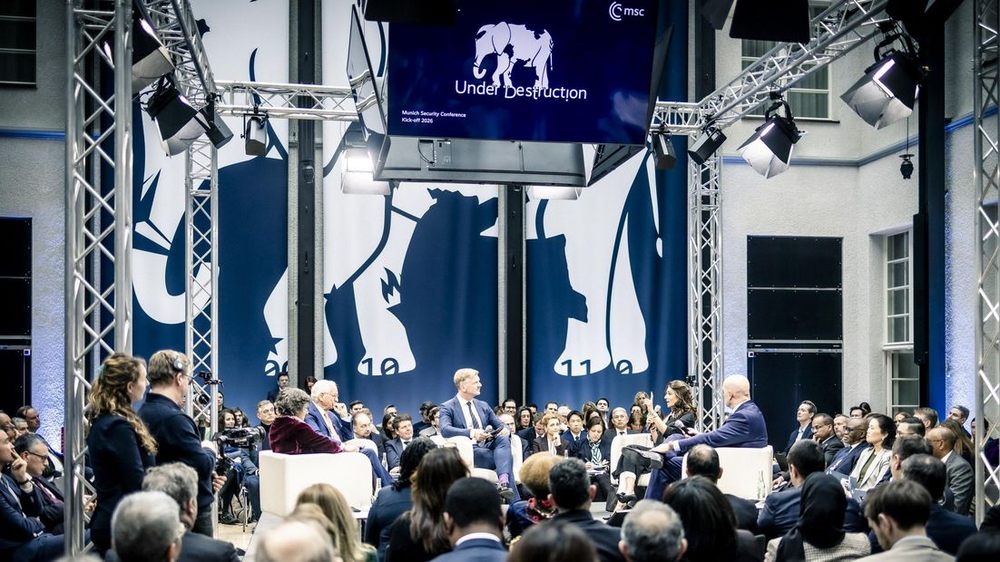
World leaders gathered in Munich, Germany, for the 2026 Munich Security Conference, where debates over the future of the transatlantic alliance, the war in Ukraine, and allegations surrounding the death of Russian opposition leader Alexei Navalny dominated the agenda. The annual conference, held at the Hotel Bayerischer Hof from 14/02/2026 to 16/02/2026, brought together heads of state, ministers, military officials, diplomats, and policy experts for a series of plenary sessions and closed-door meetings focused on global security challenges.
The Munich Security Conference (MSC), founded in 1963, has long served as a platform for transatlantic dialogue. In 2026, the central theme revolved around the durability of NATO unity amid shifting geopolitical pressures. Discussions included defense spending commitments, deterrence posture in Eastern Europe, and the strategic consequences of Russia’s continued military actions in Ukraine. Senior officials from NATO member states reiterated commitments to collective defense under Article 5, while acknowledging disparities in defense investment across Europe.
A major diplomatic development occurred during the conference when the United Kingdom, France, and Germany formally accused Russia of killing opposition leader Alexei Navalny using batrachotoxin, commonly referred to as a “dart frog toxin.” The coordinated statement alleged that forensic assessments pointed to exposure to the rare toxin, escalating tensions between Moscow and several European capitals. Russian authorities rejected the accusation. The renewed allegations triggered calls within the European Union for expanded sanctions and further investigation, and the issue was raised in multiple bilateral meetings on the sidelines of the conference.
The transatlantic relationship featured prominently in speeches by senior U.S. officials. U.S. Secretary of State Marco Rubio addressed European leaders, stating that Washington seeks to “revitalize” the alliance but emphasized that European governments must “step up” their own military capabilities. He pointed to defense spending targets, industrial capacity for arms production, and rapid-response readiness as areas requiring reinforcement. Several European leaders responded by highlighting recent increases in national defense budgets and expanded cooperation within NATO and the European Union’s defense frameworks.
The ongoing war in Ukraine shaped many of the conference’s sessions. Ahead of planned U.S.-brokered peace talks in Geneva, renewed drone strikes intensified hostilities on the battlefield. Ukrainian President Volodymyr Zelenskyy expressed concern that Kyiv was being asked to consider excessive concessions in potential negotiations with Russia. He reiterated Ukraine’s position that any settlement must respect territorial integrity and sovereignty. European officials underscored continued military and financial assistance to Ukraine, while also discussing pathways toward a negotiated outcome if conditions permit.
Beyond the headline issues, the conference agenda included cybersecurity threats, energy security in the wake of disrupted supply chains, instability in the Middle East, and the strategic implications of China’s global economic and military expansion. Panels addressed the resilience of democratic institutions against hybrid threats, including disinformation campaigns and cyber operations. Defense ministers met to review NATO’s forward deployments along its eastern flank and the modernization of air and missile defense systems.
Security measures in Munich were extensive, with heightened police presence and restricted access zones surrounding the venue. Demonstrations took place in parts of the city, with protest groups voicing opposition to arms transfers and calling for diplomatic solutions to ongoing conflicts. Organizers reported participation from dozens of countries and hundreds of delegates, maintaining the conference’s role as one of the world’s most prominent annual security forums.
View details2025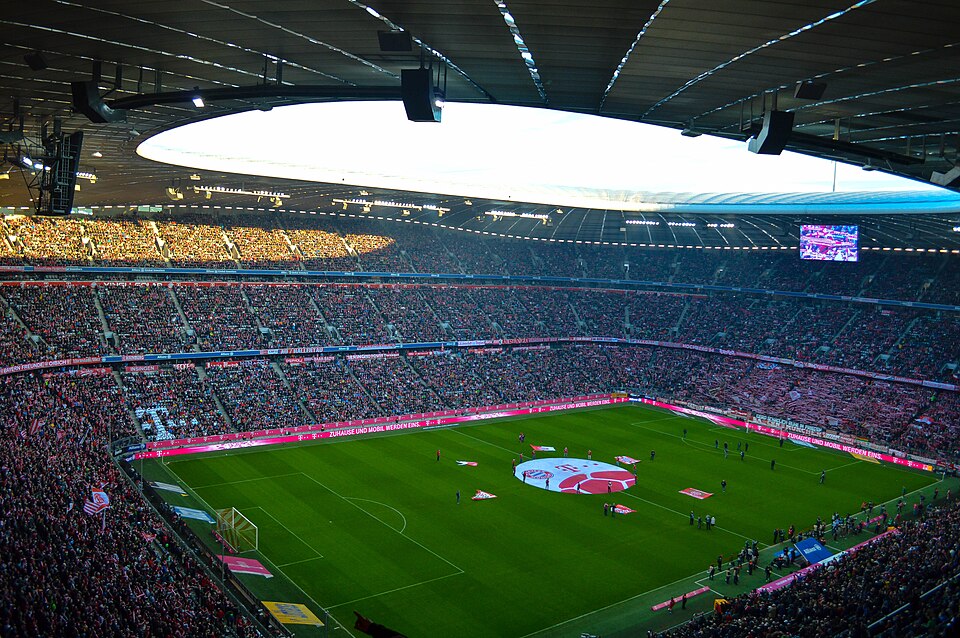
The UEFA Champions League final held in Munich marked a major highlight in the European football calendar, bringing together two of the continent’s top clubs for the season’s most prestigious match. Hosted at one of Germany’s premier football stadiums, the final benefited from Munich’s strong sporting infrastructure, efficient transport systems, and experience in organizing large-scale international events. The city welcomed thousands of supporters, officials, and media representatives, creating a vibrant atmosphere that reflected the global appeal of the competition. On the field, the final showcased high technical quality, tactical discipline, and intense competition, reinforcing the Champions League’s reputation as the pinnacle of club football in Europe.
The significance of hosting the final in Munich extended beyond the match itself. It strengthened Germany’s standing as a leading host of major sporting events and contributed to local economic activity through tourism, hospitality, and related services. For European football, the final served as a celebration of sporting excellence, fair competition, and international unity, drawing millions of viewers worldwide. It also provided players with a defining career moment and clubs with an opportunity to cement their place in football history. Overall, the UEFA Champions League final in Munich combined elite sport with cultural and economic impact, underscoring the enduring importance of football as a unifying global sport.
View detailsThe 80th anniversary of the end of World War II in Europe commemorates a pivotal moment in global history, marking the conclusion of six years of devastating conflict on the continent. Victory in Europe Day, or VE Day, celebrated the surrender of Nazi Germany in May 1945, bringing relief to millions and signaling the restoration of peace after widespread destruction, loss of life, and social upheaval. The anniversary provides an opportunity to honor the sacrifices of soldiers, civilians, and resistance movements, while reflecting on the immense human, economic, and cultural costs of the war. It also serves as a reminder of the resilience of European societies in rebuilding in the aftermath of conflict.
Observances of the 80th anniversary have included commemorative ceremonies, educational programs, and public reflections across Europe and globally. The milestone emphasizes the importance of historical memory in promoting peace, reconciliation, and understanding among nations. It also highlights lessons learned regarding the dangers of totalitarianism, intolerance, and war. By remembering both the triumphs and tragedies of World War II, the anniversary reinforces the value of international cooperation, human rights, and the pursuit of lasting stability. Overall, the 80th anniversary serves as a solemn yet hopeful reminder of the enduring impact of history on contemporary Europe and the global community.
View details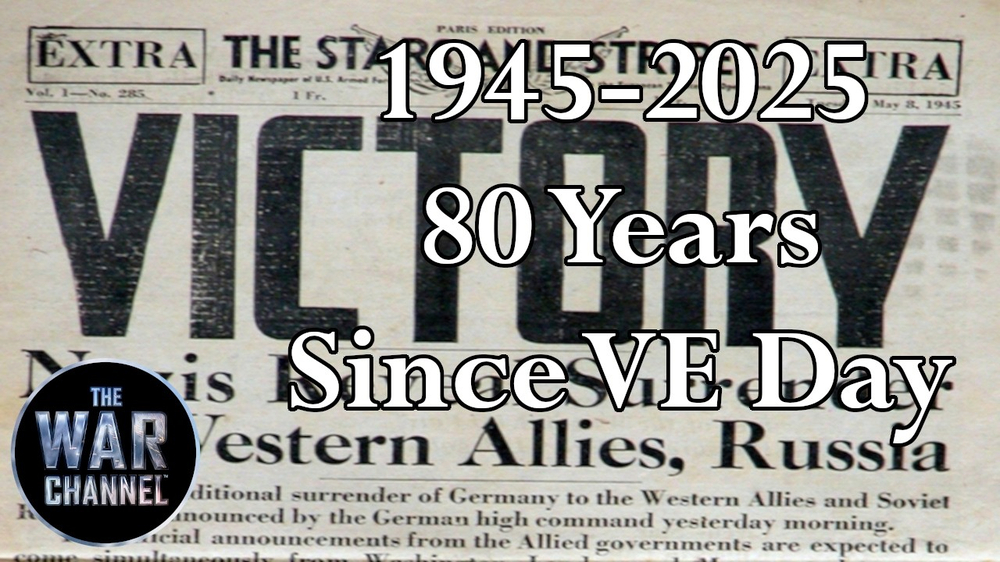
2024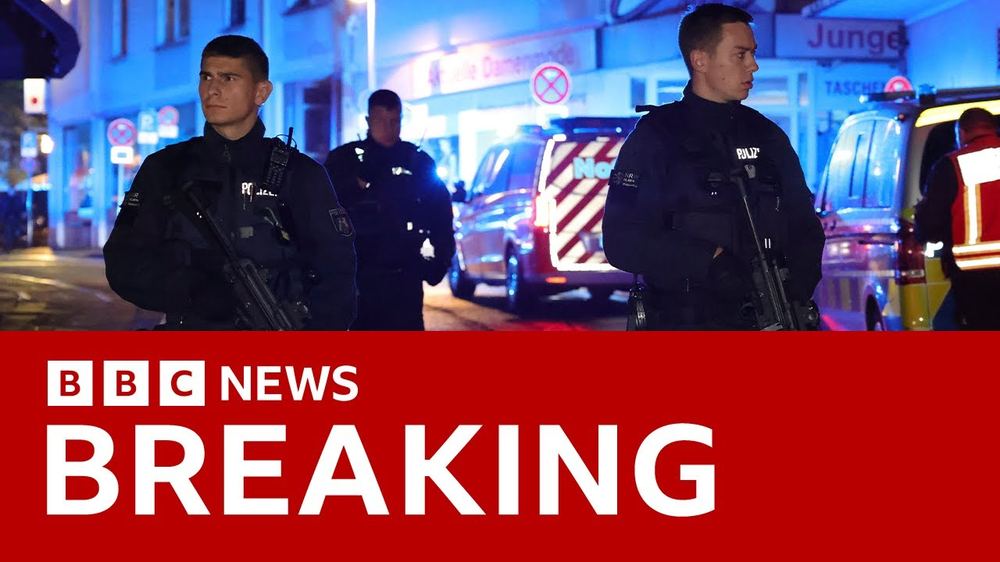
In Solingen, Germany, a Syrian immigrant fatally stabbed three individuals. This incident has intensified the ongoing debate on migration in Germany. The attacker, who had entered the country amidst the waves of refugees seeking asylum, underscores the complexities and challenges in the integration process. Germany has received more than a million refugees and asylum seekers since 2015, primarily from Syria, Afghanistan, and Iraq.
The local authorities confirmed that the victims included two German nationals and one foreigner, shedding light on the widespread consequences of such an event across different communities. Critics argue that this tragedy highlights the need for stricter immigration policies and more robust vetting processes. Conversely, advocates for refugees stress the importance of not generalizing the actions of an individual to an entire population group, emphasizing the vulnerabilities and hardships faced by many refugees.
Following the incident, there has been a noticeable rise in public demonstrations and political discourse focusing on the implications of migration on national security and social cohesion. Data from Eurostat indicates an increase in asylum applications and corresponding challenges in accommodating and integrating such a large number of immigrants into German society. The country has invested significantly in various integration programs, yet incidents such as this can amplify public fear and resistance to migration.
Law enforcement agencies have increased their presence and surveillance in response to the heightened tension, aiming to prevent further violence and maintain order. The debate around migration is poised to continue, influencing upcoming national elections and policy-making decisions.
This tragic event in Solingen serves as a critical point of reflection on the policies, societal responses, and the future of migration in Germany.
#MoofLife #MigrationDebate #GermanySecurity #IntegrationChallenges #RefugeesAndSafety
View detailsThe commencement of UEFA Euro 2024 marked an important event in the world of football, drawing attention from enthusiasts across the globe. Hosted in Germany, this edition of the tournament followed the traditional format, featuring 24 national teams competing across ten host cities, including Berlin, Munich, and Hamburg. Each city was equipped with top-tier stadiums, ensuring the capacity to host large crowds and offering a vibrant atmosphere for both the players and spectators.
Germany, with its rich footballing history, was chosen as the host nation through a meticulous selection process by UEFA, beating several other European bids. The tournament's organization was supported by comprehensive infrastructure and a strong commitment from the local authorities, ensuring that it would run smoothly.
The opening match took place at the Allianz Arena in Munich, with two qualified teams from the group stage facing off in front of a fully packed stadium. This moment marked the beginning of the competition, which is one of the most prestigious in European football and garners high viewership and attendance records. The economic impact on the host nation was significant, as the influx of international visitors boosted local businesses, hotels, and tourism-related services.
Players from across European leagues were seen representing their nations, adding to the excitement and competition level. The tournament's structure, consisting of a group stage followed by knockout rounds, fostered a dynamic and unpredictable environment, often leading to surprising outcomes.
UEFA Euro 2024 also incorporated advanced technologies, including VAR (Video Assistant Referee) and goal-line technology, ensuring fair play and accurate decisions. The tournament aimed to promote unity and celebrate the diverse cultures within Europe, encapsulating the spirit of sportsmanship.
On social media platforms, hashtags such as #MoofLife, #EURO2024, and #FootballFever trended, capturing the global enthusiasm for the event. Fans shared their experiences, predictions, and support for their favorite teams and players, creating a sense of community and engagement worldwide.
As the tournament progressed, it saw various records being set and broken, offering memorable moments that would be recounted in football history. The significance of this event extended beyond just sports, reflecting the unity and competitive spirit inherent in European culture.
#MoofLife #EURO2024 #FootballFever #UnityThroughSports
View details
2023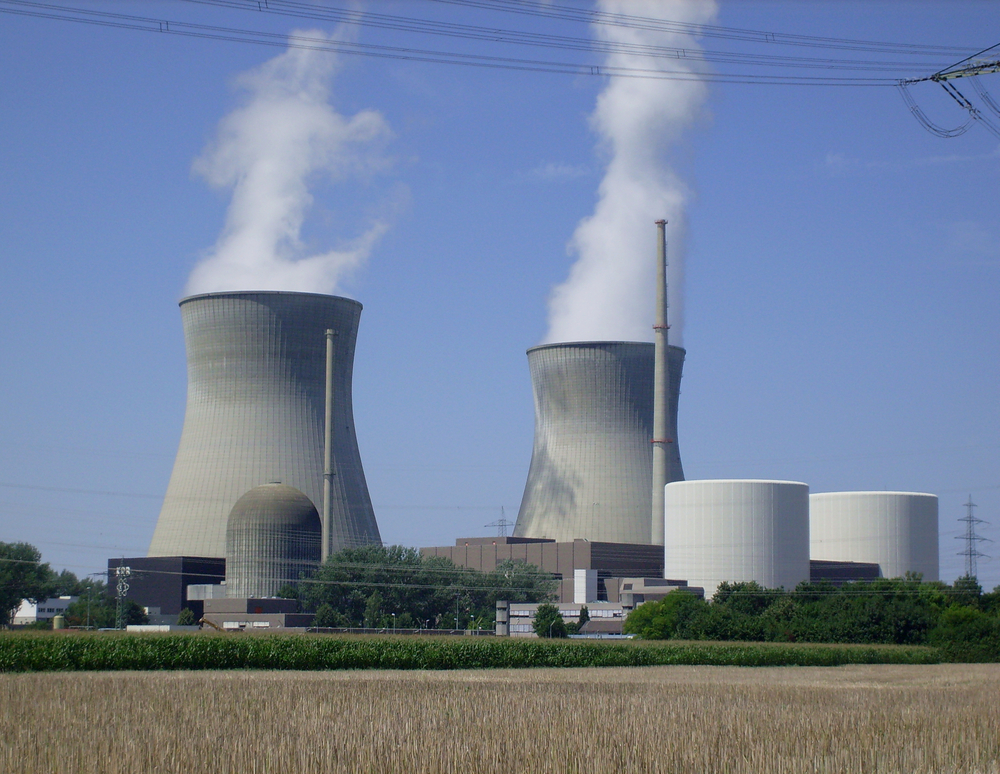
Germany made a strategic decision to phase out all of its nuclear power plants, marking a significant shift in the country's energy policy. This decision was driven by public concerns over safety and environmental impact, as well as the increasing focus on renewable energy sources. The phase-out plan had been in motion for years, with the government gradually reducing its reliance on nuclear power.
The closure of the nuclear power plants had a profound impact on Germany's energy landscape, requiring a greater emphasis on alternative sources such as wind, solar, and hydroelectric power. The country's transition to renewable energy sources was accelerated as a result of this move, positioning Germany as a global leader in sustainable energy practices.
The decision to phase out nuclear power plants also had economic implications, as the country had to invest in new infrastructure and technologies to support the transition. Despite the challenges, Germany saw this as a crucial step towards achieving its climate goals and reducing its carbon footprint.
Overall, Germany's decision to phase out all nuclear power plants was a significant milestone in its efforts to prioritize safety, sustainability, and innovation in the energy sector. #Germany #NuclearPhaseOut #RenewableEnergy #Sustainability
View details2022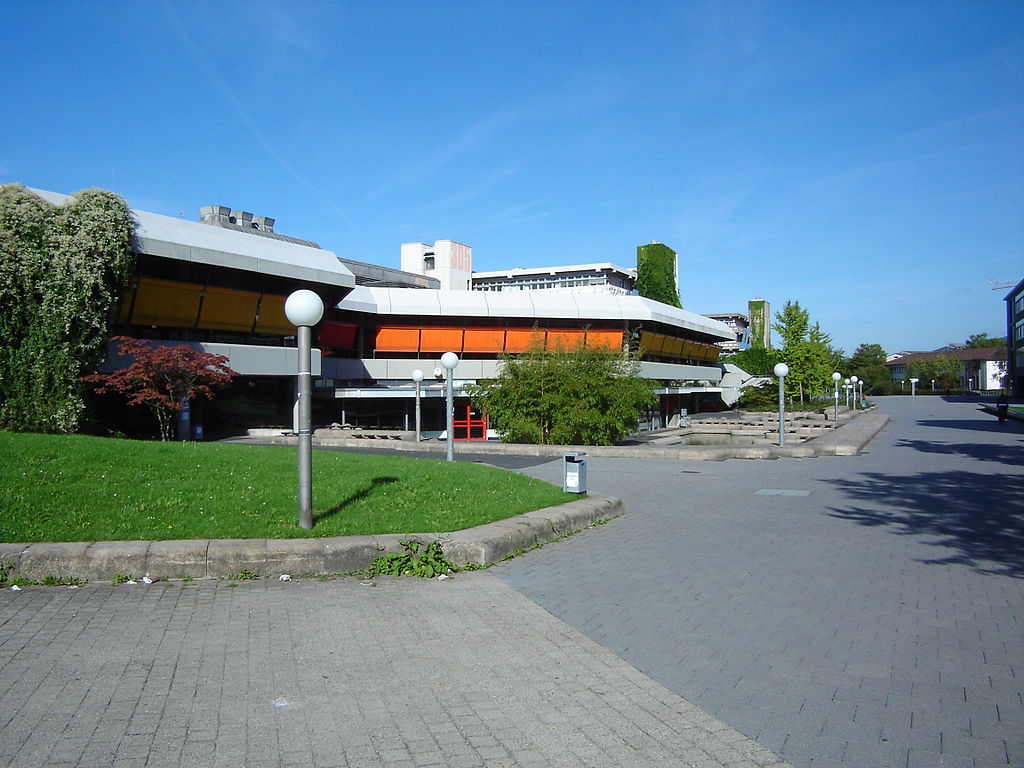
In Heidelberg, a shooting incident occurred at the University, leading to widespread panic and chaos. The shooter, a former student, entered the campus armed with a firearm, injuring several individuals before taking his own life. The motives behind the attack remain unclear, sparking debates about campus security measures and mental health support within educational institutions.
The repercussions of the shooting were deeply felt within the University community and reverberated throughout Germany. Students, faculty, and staff were left traumatized by the sudden violence that disrupted the academic environment. The event also prompted discussions on gun control laws and the importance of early intervention in identifying individuals at risk of committing such acts.
In response to the tragedy, counseling services were provided to support those affected cope with the emotional aftermath. Authorities launched investigations to understand the underlying factors that may have contributed to the assailant's actions, aiming to prevent similar incidents in the future.
#HeidelbergUniversity #ShootingIncident #CampusSafety #GunControl #MentalHealthAwareness
View details2021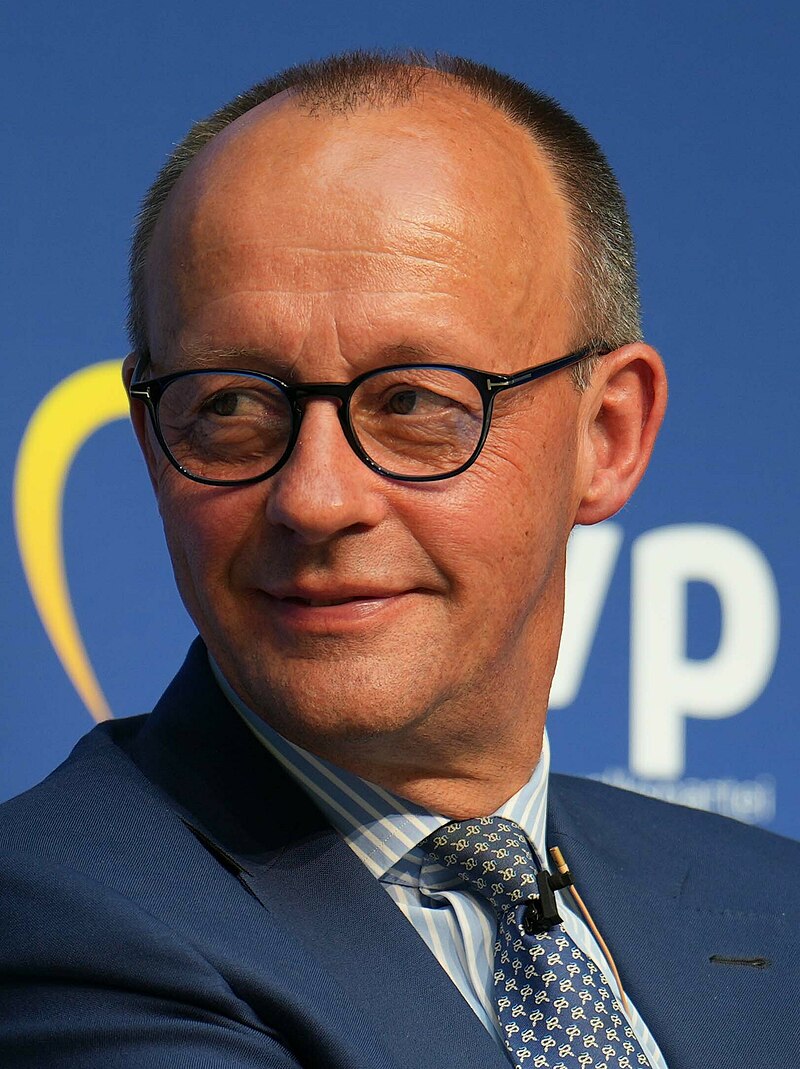
Friedrich Merz emerged victorious over Norbert Röttgen and Helge Braun in the race to become the leader of the Christian Democratic Union (CDU). Merz, a former parliamentary leader, secured the position after a competitive campaign within the party, positioning himself as a candidate for change and a return to traditional conservative values. The outcome marked a shift in leadership within the CDU, with Merz replacing Annegret Kramp-Karrenbauer.
Merz's victory signifies a potential reorientation of the CDU's policies and priorities, with his pledges to focus on economic growth, security, and a firm stance on migration resonating with party members. As a seasoned politician with a strong base of support, Merz is expected to bring a different leadership style to the party and potentially shape Germany's political direction moving forward. The election results reflect an internal recalibration within the CDU, as members rally behind a new figure to lead them through upcoming challenges and opportunities.
#FriedrichMerz #CDU #GermanPolitics #LeadershipChange
View detailsElections were held to the Bundestag where the Social Democratic Party (SPD), led by Olaf Scholz, emerged as the strongest party with 25.7% of the votes, surpassing the Christian Democratic Union/Christian Social Union (CDU/CSU), led by Armin Laschet, who secured 24.1% of the votes.
The SPD's victory marked a significant shift in German politics, as they reclaimed the lead in the Bundestag after years of trailing behind the CDU/CSU. The outcome reflected a desire for change among voters and signaled the potential for new policies and initiatives under Scholz's leadership.
As the largest party, the SPD was in a favorable position to form a coalition government, potentially with the Greens and the Free Democrats, in order to secure a majority in the Bundestag. This would likely shape the direction of German governance and policies in the coming term.
The election results not only highlighted the changing political landscape in Germany but also set the stage for potential reforms and collaborations between parties to address key issues facing the country.
#GermanElections #SPD #CDUCSU #CoalitionGovernment
View details
Armin Laschet emerged victorious in the election for the leader of the Christian Democratic Union (CDU), defeating his opponents Friedrich Merz and Norbert Röttgen. The CDU, one of Germany's leading political parties, plays a pivotal role in shaping the country's political landscape. Laschet, known for his moderate stance and experience as the Minister President of North Rhine-Westphalia, secured a significant win in this closely watched leadership contest.
His victory marks a shift towards continuity within the CDU, as Laschet is expected to follow in the footsteps of outgoing Chancellor Angela Merkel. With this win, Laschet is now poised to be a key figure in the upcoming federal elections and potentially Merkel's successor. The outcome of this leadership election is not only crucial for the CDU but also has implications for the future direction of Germany's domestic and foreign policies.
Laschet's leadership will be closely scrutinized as he navigates the challenges of managing the party's various factions and maintaining its position as a dominant force in German politics. His ability to unify the party and appeal to a broad range of voters will be essential as the CDU seeks to retain power in the face of a changing political landscape.#ArminLaschet #CDUleader #GermanyPolitics
View details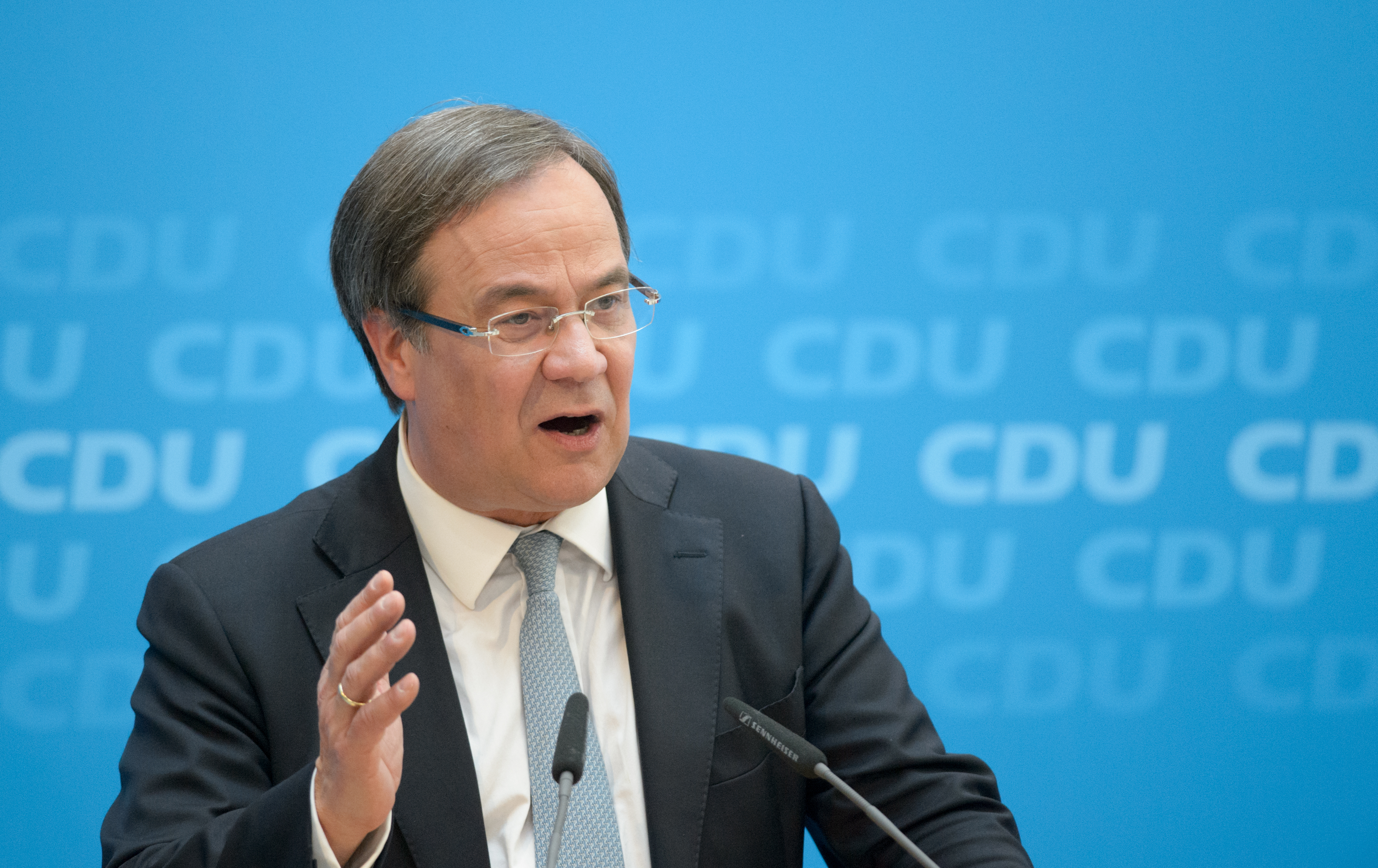
2020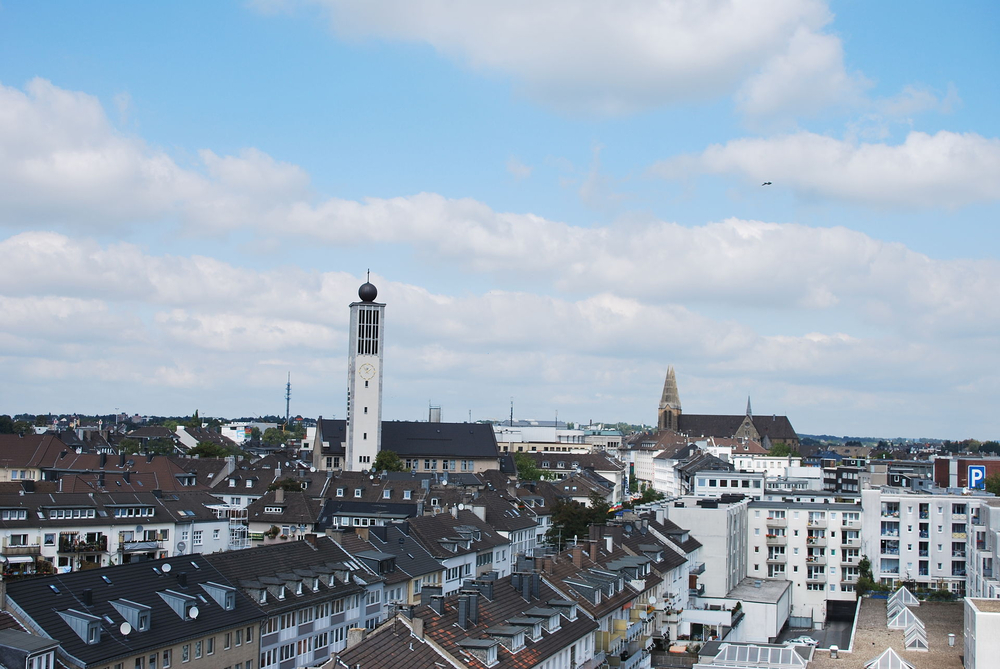
In 2020, the Solingen killings shocked Germany as five members of a Turkish-German family tragically lost their lives in an arson attack. The incident stemmed from long-standing xenophobic sentiments within the country. The family's house was set ablaze, resulting in the deaths of three children and two women, while surviving family members sustained severe injuries.
The attack sparked outrage, leading to widespread condemnation and calls for stricter measures against hate crimes and racism. It also highlighted the ongoing struggle against discrimination and intolerance faced by minority communities in Germany. The Solingen killings served as a painful reminder of the consequences of right-wing extremism and the importance of fostering inclusivity and combating prejudice.
In the aftermath of the tragedy, memorials were held to honor the victims and promote unity among diverse ethnic groups in the country. The German government reinforced its commitment to combating racism and supporting multiculturalism.
#SolingenKillings #Xenophobia #Germany #Multiculturalism #Unity.
View detailsRight-wing rioters attempted to storm the Reichstag building in Germany. The group gathered purportedly to protest against COVID-19 restrictions. They breached the security barriers and clashed with the police, prompting authorities to react swiftly to prevent further escalation.
The incident raised concerns about the rise of far-right extremism in the country and highlighted the need for increased security measures around government buildings. It also sparked a debate about the limits of freedom of speech and the responsibility of authorities to maintain public order.
The Reichstag building holds significant historical importance as the seat of the German parliament. The attempted breach by right-wing rioters was seen as a direct challenge to the country's democratic institutions and values.
The event ended with several arrests and injuries among both rioters and law enforcement officers. The images of the chaos and violence that unfolded outside the Reichstag building were widely shared, triggering condemnation from across the political spectrum.
#Germany #FarRight #ReichstagAttack #SecurityConcerns #DemocracyUnderThreat
View details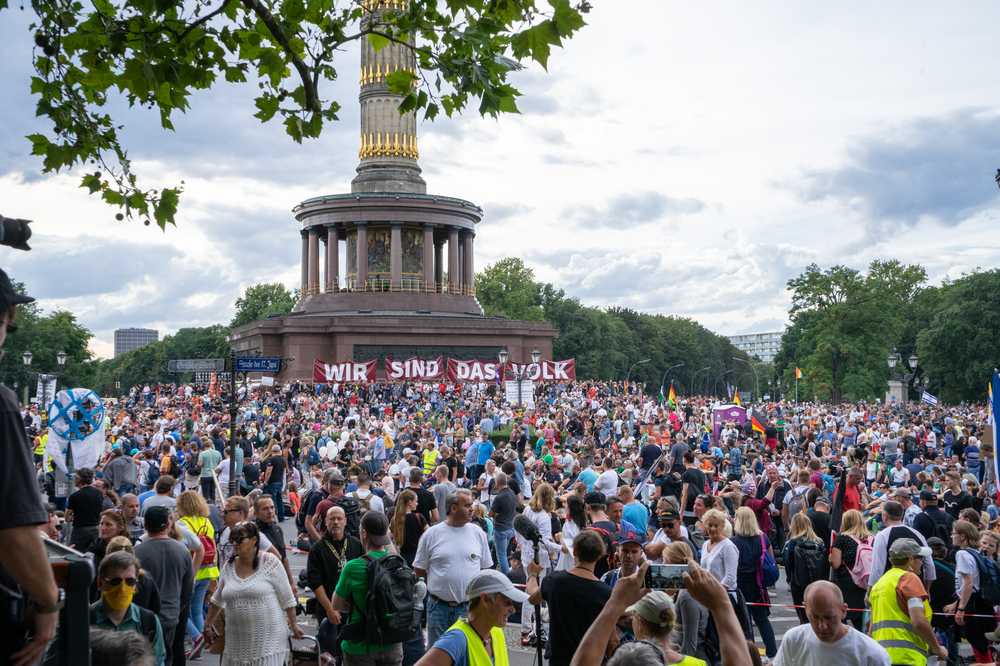
Russian opposition activist Alexei Navalny was transferred to Berlin for medical treatment after falling seriously ill due to a suspected poisoning. Navalny was initially hospitalized in Omsk, Russia, but his family and supporters insisted on his evacuation to Germany. The move was facilitated by the intervention of German Chancellor Angela Merkel, who offered to provide medical assistance in Berlin.
Navalny's arrival in Germany sparked international concern and calls for a transparent investigation into the circumstances surrounding his sudden illness. The German government, along with several other world leaders, expressed the need for a thorough inquiry into the suspected poisoning, which Navalny's allies believe was a deliberate attempt to silence and harm him.
The incident further strained the already tense relations between Russia and the West, with many countries condemning the alleged attack on Navalny. The activist's medical treatment in Berlin highlighted Germany's role as a safe haven for political dissidents and individuals seeking refuge from persecution.
Navalny's case brought attention to the dangers faced by critics of the Russian government and raised questions about the state of democracy and human rights in the country. The incident served as a reminder of the ongoing challenges to freedom of expression and political dissent in Russia. #AlexeiNavalny #Germany #PoliticalPersecution #HumanRights #Democracy
View details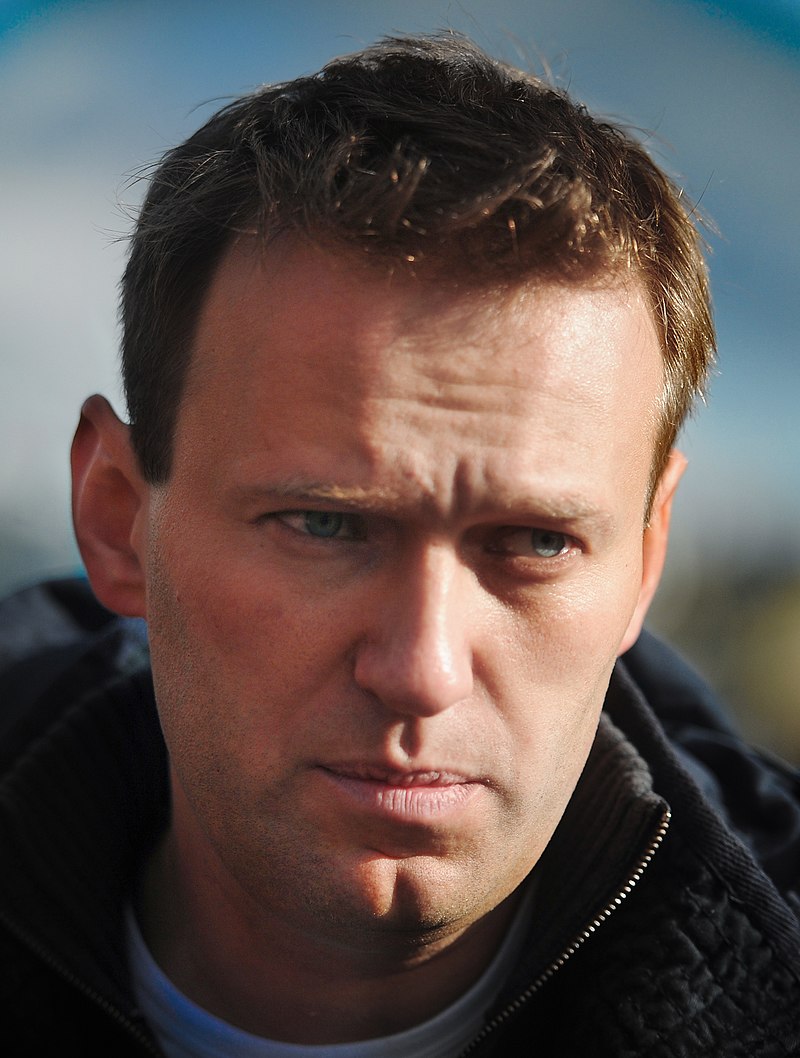
The Volkmarsen ramming attack was a tragic incident that took place during a carnival procession in Germany. A man drove his car into a crowd of spectators, injuring around 150 people, including children. The motive behind the attack remains unclear, but the perpetrator was arrested at the scene.
The incident caused shock and disbelief among the community, leading to an outpouring of support for the victims and their families. Authorities swiftly launched an investigation to determine the circumstances and motives behind the attack, ensuring the safety and security of the public.
The aftermath of the Volkmarsen ramming attack sparked conversations about public safety measures during large events and raised awareness about the importance of being vigilant in crowded spaces. It also highlighted the resilience and solidarity of the community in the face of such senseless violence.
#Volkmarsen #Germany #RammingAttack #CommunitySupport #PublicSafety
View detailsIn Hanau, Germany, a tragic event unfolded when a gunman carried out a series of shootings, targeting two shisha bars. The assailant then returned home and took his own life, resulting in a total of eleven individuals losing their lives, with several others injured. The perpetrator, who held far-right beliefs, left behind a manifesto filled with xenophobic and racist sentiments.
The Hanau shootings sent shockwaves through the community and the nation, sparking debates about the rise of far-right extremism and the need for greater efforts to combat hate crimes. The incident also highlighted concerns regarding the radicalization of individuals online and the potential consequences of unchecked extremist ideologies.
In the aftermath of the shootings, vigils were held to mourn the victims and show solidarity against hate and violence. The tragedy prompted calls for improved mental health support, stricter gun control measures, and enhanced efforts to address radicalization and extremism in the country.
#HanauShootings #Germany #Extremism #HateCrime #CommunitySolidarity
View details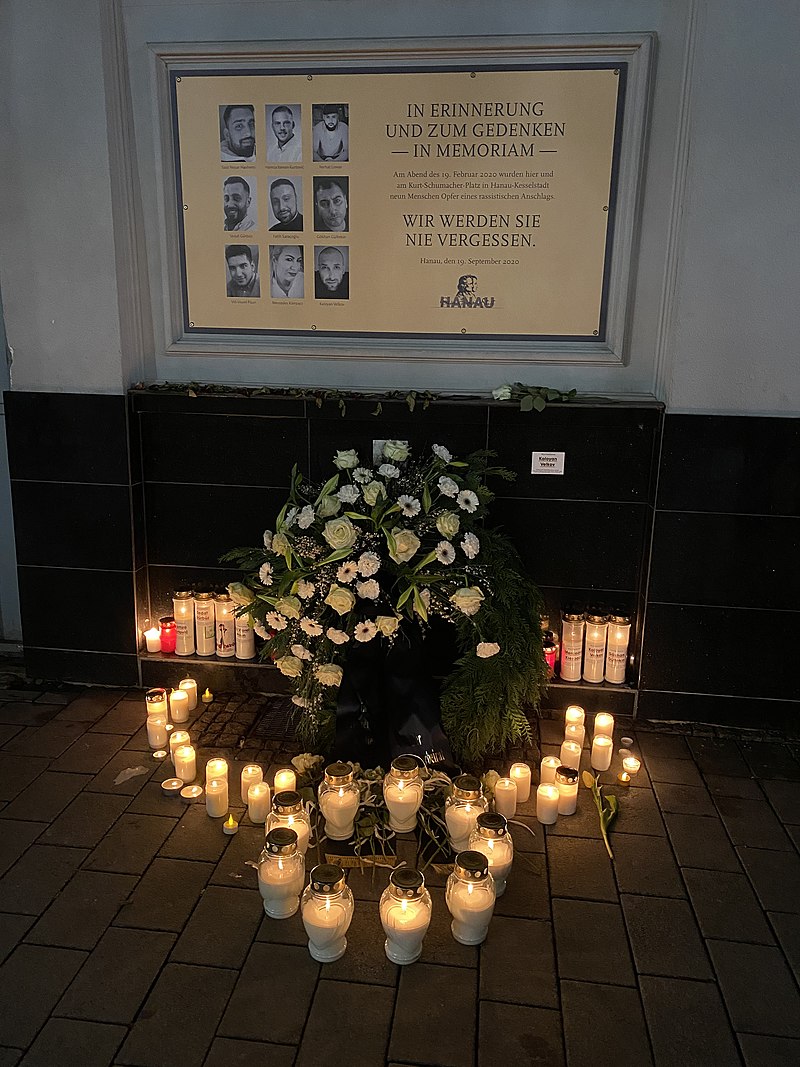
2018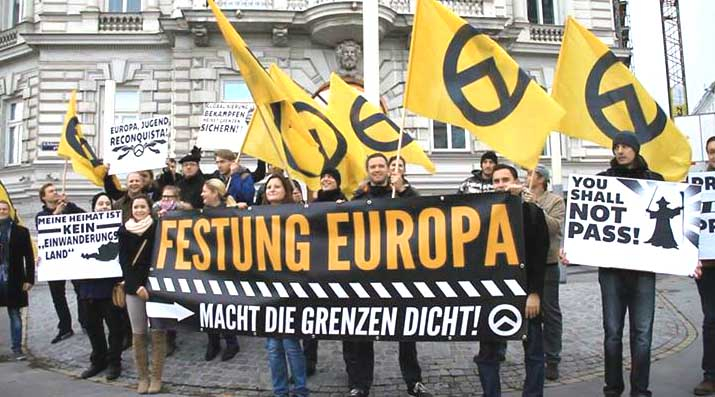
Following the detention of two migrants in Chemnitz over a fatal stabbing, violent anti-immigrant protests erupted in the eastern city. The incident sparked tension among locals, leading to a wave of demonstrations and clashes between far-right groups, counter-protesters, and police.
The protests highlighted deep-seated issues surrounding immigration, integration, and xenophobia in Germany. Politicians and authorities were called upon to address the underlying concerns fueling the unrest and to ensure the safety and well-being of all residents, regardless of their background.
The escalation of violence and the display of extremist sentiments in Chemnitz underscored the need for cohesive societal dialogue, policies, and actions to foster inclusivity, tolerance, and social cohesion in the face of divisive rhetoric and actions.
#ChemnitzProtests #ImmigrationDebate #XenophobiaInGermany
View details2016
In Wuerzburg and Ansbach, attacks by migrant Islamic State sympathizers left 17 people injured. The attacker in Wuerzburg, armed with a knife and an ax, injured multiple train passengers before being shot dead by the police. In Ansbach, a failed asylum seeker detonated an explosive device outside a music festival, injuring a number of people.
The incidents shocked the nation and raised concerns about the potential threat posed by individuals sympathetic to extremist ideologies. The attacks also reignited debates on immigration policies and national security measures in Germany, with authorities facing scrutiny over their handling of asylum seekers and potential security risks.
The attacks led to increased security measures in public spaces and transportation hubs across the country, while also prompting discussions on community integration and counterterrorism strategies. The injured victims received medical treatment, with some facing long-term physical and psychological repercussions.
The events in Wuerzburg and Ansbach highlighted the complex challenges faced by authorities in addressing radicalization and preventing extremist violence, underscoring the need for comprehensive approaches to enhance public safety and security. #Germany #IslamicState #SecurityConcerns
View details2015
Germany introduced a historic policy by implementing a national minimum wage of 8.50 euros per hour. This decision marked a significant shift in the country's labor market dynamics, where wage levels were largely determined by negotiations between employers and trade unions.
The introduction of the minimum wage aimed to combat income inequality, reduce poverty levels, and ensure fair compensation for workers across various industries. It also aimed to improve the overall standard of living for low-wage earners in Germany.
The new policy garnered mixed reactions from different stakeholders. Advocates praised the move as a step towards social justice and economic equality, while critics expressed concerns about potential job losses and increased operational costs for businesses.
Over time, studies would assess the actual impact of the minimum wage on employment rates, inflation, and overall economic growth in Germany. The implementation process involved adjustments for various sectors to accommodate the new wage floor gradually.
This decision by Germany to establish a national minimum wage demonstrated the government's commitment to addressing social issues and ensuring a more equitable distribution of wealth.
#Germany #MinimumWage #IncomeInequality #LaborMarket #SocialJustice
View details2014
The Renewable Energy Sources Act was ammended in Germany, aimed at fostering the growth of renewable energy. This legislative move was a response to the country's commitment to reducing carbon emissions and transitioning towards a more sustainable energy future. The act provided a framework for the expansion of renewable energy sources such as wind, solar, and biomass.
The impact of the act was significant, leading to a boom in the renewable energy sector in Germany. Investments in renewable energy projects increased, driving innovation and creating jobs in the green economy. The country became a global leader in renewable energy production, setting an example for other nations to follow.
With the enactment of the Renewable Energy Sources Act, Germany solidified its position as a pioneer in the transition to clean energy. The act laid the foundation for a more environmentally friendly energy system, reducing reliance on fossil fuels and promoting a greener future for generations to come.
#Germany #RenewableEnergy #Sustainability #GreenEconomy
View details2013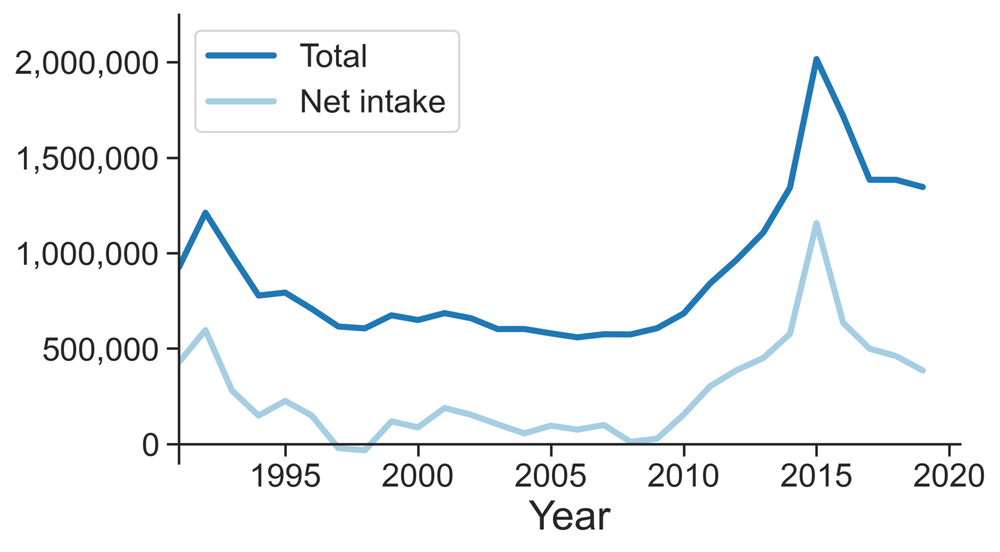
Germany observed a substantial influx of immigrants in 2012, marking the largest surge in almost two decades. The influx was primarily driven by economic factors, attracting individuals seeking job opportunities and better living conditions. The spike in immigration brought about a diverse demographic landscape within the country.
This wave of immigration had a notable impact on various aspects of German society. It bolstered the labor force, filling key gaps in industries and contributing to the overall economy. Additionally, cultural exchanges and integration efforts were on the rise as Germany welcomed people from diverse backgrounds. The increase in population also led to adjustments in infrastructure and social services to accommodate the growing numbers of residents.
Authorities implemented policies to manage the influx and facilitate the integration of newcomers into German society. Support systems and language programs were put in place to assist immigrants in adapting to their new environment. The surge in immigration highlighted the importance of fostering an inclusive and diverse community, promoting tolerance and understanding among all residents.
#Germany #ImmigrationSurge #DiversityIntegration
View details2008
Germany went into recession as economic data confirmed a sustained period of contraction. The nation's economy had been facing challenges, including global trade tensions, dwindling consumer confidence, and a decline in industrial production. These factors contributed to the decrease in GDP for consecutive quarters, meeting the criteria for a recession.
The declaration of recession had widespread repercussions, affecting businesses, investors, and households. Companies experienced a drop in demand for their goods and services, leading to potential job losses and financial instability. Investors faced uncertainty in the stock market, with shares plummeting in response to the economic downturn. Families grappled with the prospect of reduced income, hindering their ability to make purchases and investments.
Government officials and policymakers scrambled to implement strategies to revive the economy, such as stimulus packages and monetary easing. They aimed to stimulate growth, restore confidence, and mitigate the impact of the recession on various sectors. The road to recovery seemed daunting, with challenges ahead in navigating the competitive global market and rebuilding economic resilience.
#Germany #Recession #EconomicCrisis #GlobalTrade #PolicyResponse
View details2006
Germany achieved a milestone as unemployment dropped below 4 million for the first time in four years. The decrease in the number of unemployed individuals was a significant development for the country's economy.
This achievement was a testament to the efforts made to boost job creation and stimulate economic growth. It indicated a positive trend in the labor market, offering more opportunities for individuals seeking employment. The decline in unemployment was welcomed as it meant more people were able to secure stable jobs and contribute to the country's workforce.
The impact of this event extended beyond just numbers, as lower unemployment rates can lead to increased consumer spending, investment, and overall economic stability. It signaled a step in the right direction for the country's economy and was a cause for optimism among policymakers and the public.
Overall, the fall in unemployment below 4 million marked a turning point for Germany, highlighting progress in the labor market and providing hope for continued growth and prosperity. #Germany #Unemployment #EconomicGrowth
View detailsOn May 26, 2006, Berlin Central Station (Berlin Hauptbahnhof) was officially unveiled, marking a significant milestone in Germany's transportation infrastructure. This state-of-the-art station, located at the heart of Berlin, transformed the city's connectivity for both commuters and tourists, enhancing the overall efficiency and experience of rail travel in the region.
Background and Construction
The Berlin Hauptbahnhof project was a monumental engineering and architectural endeavor, spearheaded by the renowned architect Meinhard von Gerkan. The construction of the station began in 1995, following the reunification of Germany, with the aim to create a central transportation hub that could handle the increasing flow of passengers and become a symbol of the newly unified Berlin.
The station is built on the site of the former Lehrter Bahnhof, which had been a key transportation hub until it was heavily damaged during World War II and subsequently demolished. The design of the new Hauptbahnhof sought to integrate modern aesthetics with practical functionality, creating a space that was not only a transportation nexus but also an architectural landmark.
Architectural Features
Berlin Hauptbahnhof is an architectural marvel, characterized by its glass facade and intricate steel structures. The station boasts five levels, including two main train levels with tracks for long-distance, regional, and local trains. The upper level features east-west tracks, while the lower level accommodates north-south routes, ensuring seamless connectivity across various parts of Germany and beyond.
One of the most striking features of the station is its vast glass roof, which spans the length of the building, allowing natural light to flood the concourses and platforms. This design not only creates a welcoming atmosphere but also enhances energy efficiency by reducing the need for artificial lighting during the day.
Impact on Transportation
The inauguration of Berlin Hauptbahnhof significantly improved transportation links within Berlin and between the city and other major destinations. It became the central node in Germany's railway network, facilitating efficient travel across Europe. The station serves numerous high-speed ICE (InterCity Express) trains, regional trains, and S-Bahn services, providing comprehensive coverage and frequent service to various destinations.
For commuters, the station offers a convenient and efficient transit point, with easy access to Berlin's extensive public transportation system, including buses, trams, and the U-Bahn (subway). This interconnected network allows seamless transitions between different modes of transport, making daily commutes faster and more comfortable.
Tourist Attraction and Cultural Hub
Beyond its practical functionality, Berlin Hauptbahnhof has also become a notable tourist attraction and cultural hub. The station's central location makes it an ideal starting point for exploring Berlin's numerous historical and cultural landmarks, such as the Brandenburg Gate, Reichstag building, and Museum Island.
The station itself hosts various shops, restaurants, and cafes, offering a wide range of services and amenities to travelers and visitors. It is a bustling center of activity, reflecting the dynamic and cosmopolitan spirit of Berlin.
Hashtags
#MomentsOfLife #MoofLife_Moment #MoofLife #BerlinHauptbahnhof #TransportationHistory #ArchitecturalMarvel #BerlinLandmarks
View details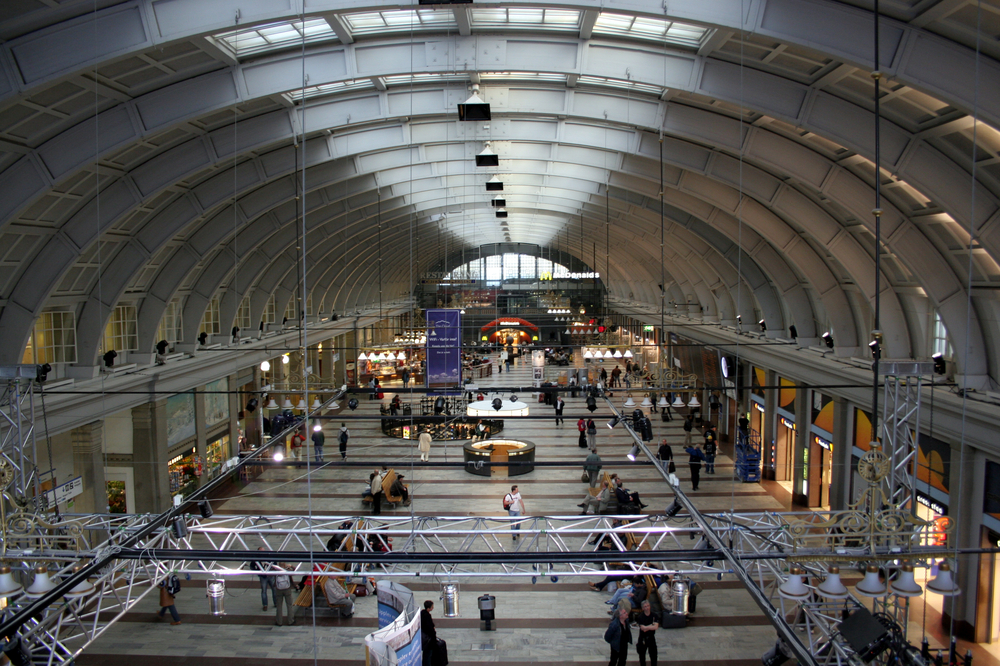
2005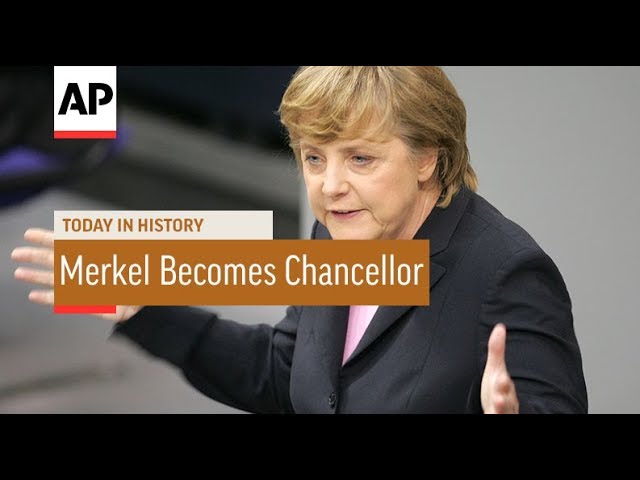
Angela Merkel made history by becoming Germany's first female Chancellor. Merkel, a trained physicist, entered politics after the fall of the Berlin Wall. She quickly rose through the ranks, becoming the leader of the Christian Democratic Union in 2000.
Merkel's Chancellorship marked a significant turning point in German politics. Known for her pragmatic leadership style, she faced challenges such as the European debt crisis and the refugee crisis. Merkel's steady hand and commitment to multilateralism earned her respect both at home and abroad.
During her time in office, Merkel focused on strengthening Germany's economy, promoting renewable energy, and fostering international cooperation. She played a key role in shaping European Union policies and championed the Paris Agreement on climate change.
Merkel's tenure as Chancellor came to an end in 2021, after 16 years in power. Her legacy as the first female Chancellor of Germany and one of the most powerful women in the world is undeniable. She paved the way for future generations of women in politics and continues to be a respected figure on the global stage.
#AngelaMerkel #Chancellor #Germany #WomenInPolitics #Leadership #Legacy
View details2000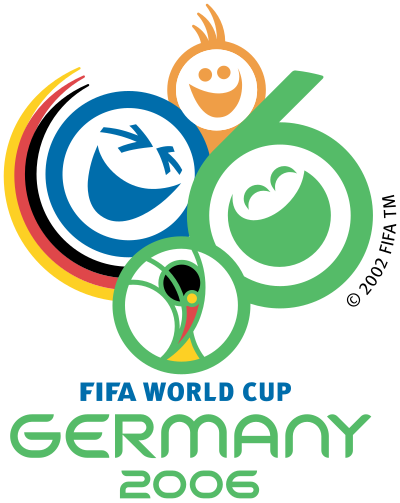
Germany secured the hosting rights for the 2006 FIFA World Cup after a competitive bidding process. The decision was a nod to Germany's rich football history and strong infrastructure. The event marked the return of the World Cup to Europe after a significant gap. Germany's successful bid was based on their excellent stadiums, efficient transport system, and passionate football culture. The announcement was met with joy and anticipation by football fans worldwide. The opportunity to host such a prestigious tournament was a moment of pride for the country and a chance to showcase its organizational capabilities on a global stage. The 2006 FIFA World Cup in Germany was poised to be a truly memorable event, promising top-class football and a festive atmosphere. #Germany #FIFAWorldCup #HostingRights
View details1999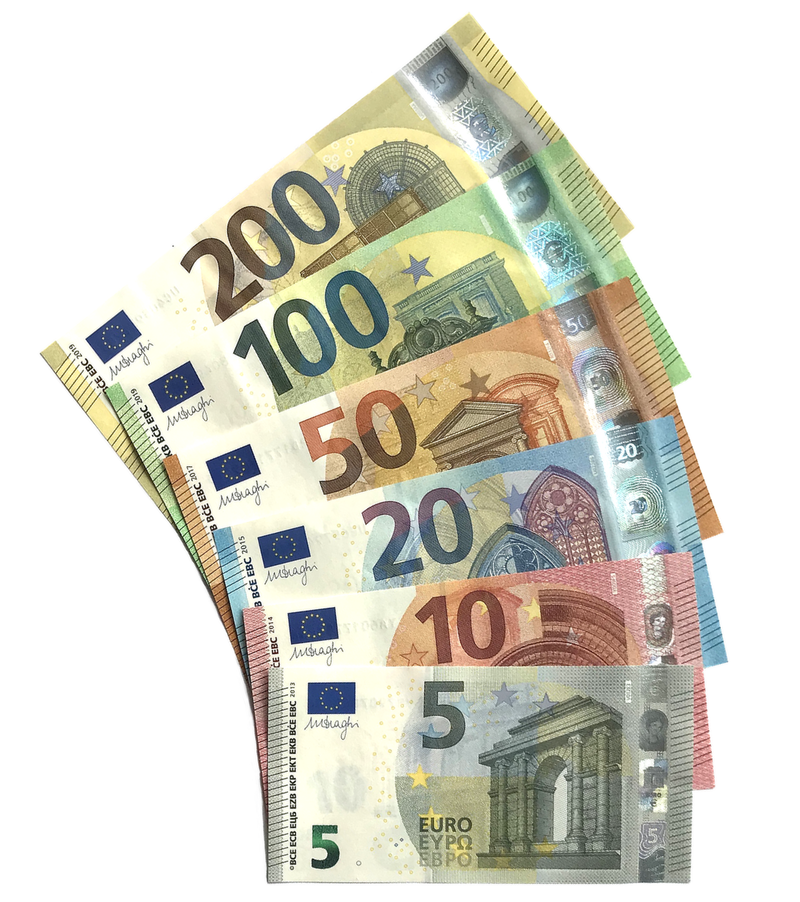
Germany's adoption of the Euro currency marked a significant shift in its economic landscape. The decision was part of the larger European Union initiative to create a single currency for trade and economic stability among member countries. Prior to this change, Germany had been using the Deutsche Mark as its national currency, a symbol of its post-World War II economic resurgence.
The adoption of the Euro brought benefits such as reduced exchange rate risk and simplified cross-border transactions within the Eurozone. It also signaled Germany's deeper integration into the European Union's economic framework, aligning its monetary policies with those of other member states. However, the transition was not without challenges, as some Germans were nostalgic for the familiar Deutsche Mark and concerned about potential inflation.
Despite initial skepticism, the Euro ultimately became a symbol of unity and economic strength for Germany within the Eurozone. The move cemented Germany's position as a key player in the European economy and paved the way for increased trade and investment opportunities across borders.
#Germany #EuroCurrency #EuropeanUnion #EconomicIntegration
View details1998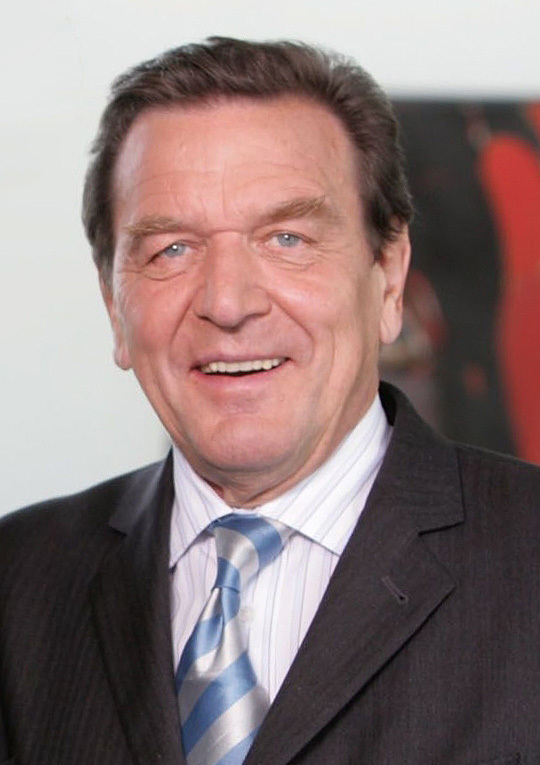
In 1998, Gerhard Schröder assumed office as the Chancellor of Germany after leading the Social Democratic Party to victory in the federal elections. Schröder's tenure marked a significant shift in German politics, with his center-left coalition emphasizing social welfare and economic reforms.
As Chancellor, Schröder implemented the Agenda 2010, a series of labor market and welfare state reforms aimed at boosting Germany's economy. His policies drew both praise and criticism, leading to debates on the balance between economic growth and social protection. Schröder's leadership also saw Germany navigating key global issues, including the European Union's expansion and the country's participation in international military missions.
Schröder's time in office was characterized by his strong personality and skillful negotiations, earning him respect on the world stage. However, his tenure faced challenges, particularly concerning economic stagnation and high unemployment rates. Despite this, Schröder's focus on modernizing Germany's economy and social systems left a lasting impact on the country's political landscape.
#GerhardSchröder #Chancellor #Germany #Agenda2010 #SocialDemocraticParty #EconomicReforms #GlobalLeadership
View details1994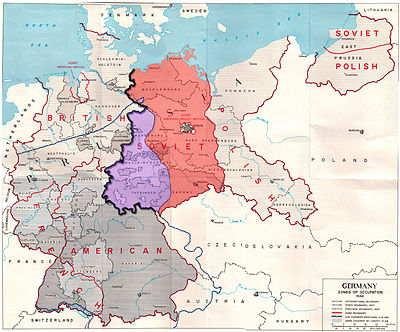
On September 2, 1994, a significant chapter in European history came to a close as the last Russian and Allied troops formally departed Berlin, symbolizing the end of a nearly five-decade-long military presence in Germany following World War II. This event marked not only the final withdrawal of foreign forces from Berlin but also underscored the full restoration of German sovereignty and the definitive end of the Cold War era.
Background: Post-War Occupation of Berlin
At the end of World War II in 1945, Germany was divided into four occupation zones, controlled by the Allied powers: the United States, the Soviet Union, the United Kingdom, and France. Berlin, the capital, located deep within the Soviet zone, was similarly divided into four sectors. The occupation of Berlin became one of the most symbolic and contentious aspects of the post-war settlement, eventually leading to the division of the city into East Berlin (controlled by the Soviet Union) and West Berlin (controlled by the Western Allies).
The tensions between the Soviet Union and the Western Allies over the governance of Germany and Berlin culminated in the Berlin Blockade of 1948-1949, followed by the construction of the Berlin Wall in 1961, which physically and ideologically divided the city for nearly 30 years. The presence of Allied troops in West Berlin and Soviet troops in East Berlin became a daily reminder of the broader Cold War conflict between East and West.
The Fall of the Berlin Wall and German Reunification
The Berlin Wall fell on November 9, 1989, following a wave of peaceful protests and political changes in East Germany, which were part of the broader collapse of communist regimes across Eastern Europe. The fall of the Wall paved the way for German reunification, which was formally completed on October 3, 1990. As Germany reunited, the presence of foreign troops, particularly those of the Soviet Union, became an issue to be addressed.
The Two Plus Four Agreement, signed in September 1990 by the two German states and the four Allied powers (the United States, the Soviet Union, the United Kingdom, and France), laid the groundwork for the withdrawal of foreign forces and affirmed Germany’s full sovereignty. The agreement stipulated that all Soviet troops would leave Germany by the end of 1994.
The Departure of Russian and Allied Troops
On September 2, 1994, the final ceremonies were held to mark the withdrawal of Russian and Allied troops from Berlin. This moment was deeply symbolic, as it represented the end of the occupation that had begun nearly 50 years earlier and the conclusion of the Allied military presence that had defined much of the Cold War era.
The farewell ceremonies included a large military parade and a formal gathering attended by high-ranking officials from Germany, Russia, the United States, the United Kingdom, and France. Russian President Boris Yeltsin and German Chancellor Helmut Kohl were among the dignitaries present, emphasizing the importance of this moment in the broader context of post-Cold War European relations.
The departure of the troops was not just the physical withdrawal of foreign soldiers; it was also a powerful symbol of the new Europe that had emerged after the Cold War—a Europe in which Germany was once again a fully sovereign state and a key player in the continent’s political and economic future.
Significance and Legacy
The withdrawal of Russian and Allied troops from Berlin on September 2, 1994, marked the end of an era. It was the final act in the long process of Germany’s recovery from the devastation of World War II and its subsequent division during the Cold War. The departure of the troops underscored the end of the division of Europe into East and West and the emergence of a new, unified Germany within a peaceful and cooperative Europe.
For Berliners, the day was a poignant reminder of the city’s turbulent history, but also a moment of pride and optimism as Berlin fully reclaimed its status as the capital of a united Germany.
The legacy of this event is seen in the transformed landscape of Berlin and Germany as a whole. The city has become a vibrant cultural and political center, while Germany has grown into a leading nation in Europe and the world, promoting peace, democracy, and unity.
#Berlin1994 #ColdWarEnd #GermanReunification #PostWWIIHistory #SovietWithdrawal #BerlinHistory #EndOfOccupation #MomentsOfLife #MoofLife_Moment #MoofLife
View details1990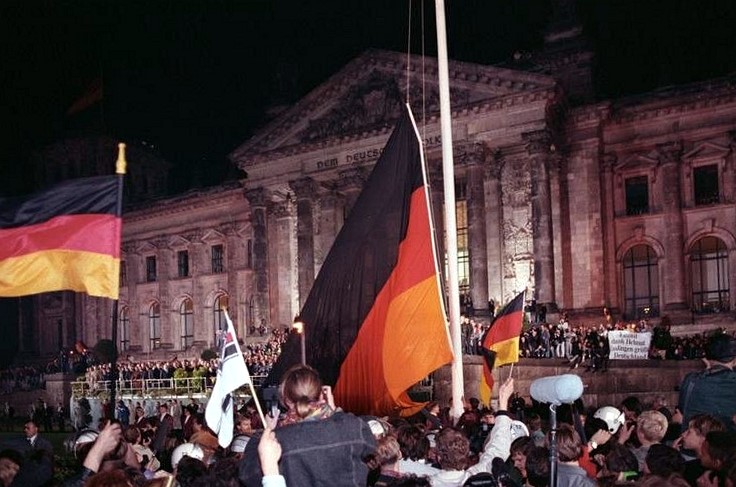
The Day of German Unity, celebrated annually on October 3rd, commemorates the reunification of East and West Germany in 1990. This historic day marks the end of a divided nation, brought about after the fall of the Berlin Wall in 1989. It symbolizes the triumph of unity, freedom, and democracy over decades of separation caused by the Cold War. The reunification process was a monumental event in European history, not only restoring Germany as a single country but also paving the way for a more integrated and peaceful Europe.
Celebrations across Germany reflect the significance of this momentous day, with large-scale events, cultural performances, and official ceremonies. Cities like Berlin and Bonn, which played pivotal roles during the reunification, become the epicenters of joyous gatherings and reflection. The Day of German Unity reminds people of the value of perseverance and the enduring spirit of togetherness that led to the reuniting of families, friends, and communities once torn apart by political differences.
#MomentsOfLife #MoofLife_Moment #MoofLife #GermanUnityDay #Reunification #UnityInDiversity #CelebrateFreedom
View details1989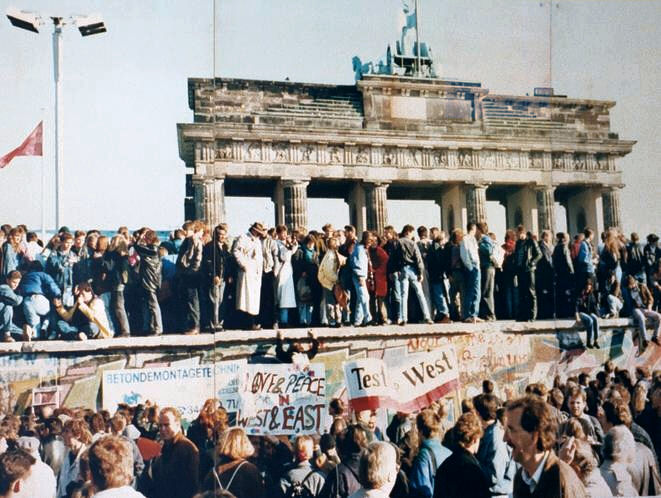
When the Berlin Wall fell, it symbolized the reunification of East and West Germany after decades of division. The wall was built in 1961 to prevent East Germans from fleeing to the West. As tensions between the two sides eased in the late 1980s, pressure mounted for change. On that historic day, the wall abruptly came down, paving the way for emotional reunions between families separated for years.
The event had a profound impact on Germany and the world, marking the end of the Cold War era. It signaled a new chapter of unity and freedom for the German people. The fall of the Berlin Wall not only transformed the political landscape of Europe but also inspired hope for democracy and human rights globally.
Today, the remnants of the wall serve as a poignant reminder of the challenges overcome and the resilience of the human spirit. The reunification of East and West Germany stands as a testament to the power of perseverance and the desire for a better future.
#BerlinWall #GermanReunification #ColdWarLegacy
View details