
Germany

The Land of Ideas
Related Lives

Ivory Coast
The Land of Tropical Beauties.

T20 WorldCup
Twenty 20 International

Aztec Civilization
Mesoamerican Civilization

Iran
The Land of Persia
Prime Minister of the United Kingdom
The Head of Government

Argentina
Land of the Tango

Mauritius
Island Rythms

Namibia
Landscapes of Resilience

1916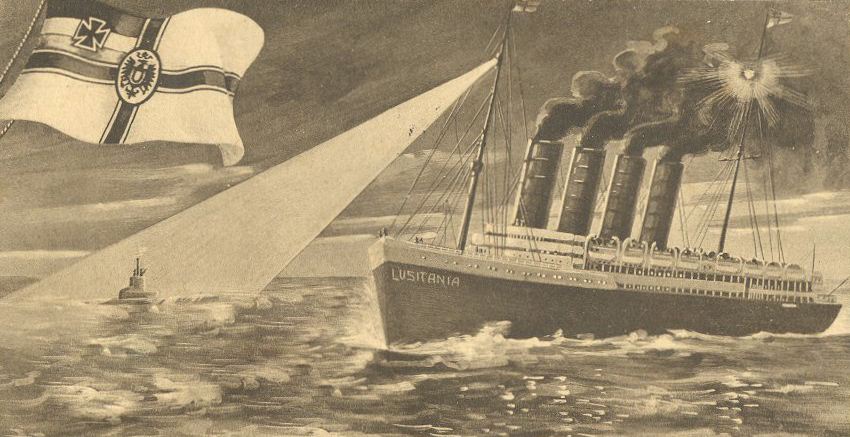
Germany initiated a campaign targeting ships in the Atlantic Ocean. The German navy employed U-boats to launch surprise attacks on various vessels, causing significant disruption to maritime transportation. This strategic move aimed to undermine supply lines to the Allied nations, particularly impacting the United Kingdom.
The attacks had far-reaching consequences, resulting in the loss of numerous cargo ships and endangering the lives of countless sailors. The increased naval hostilities posed a serious threat to the stability of international trade and heightened tensions during the conflict. As a response to these aggressive tactics, Allied forces intensified their efforts to counter the submarine menace through enhanced convoy systems and anti-submarine warfare measures.
Following these events, maritime warfare saw a shift in tactics and technology, with both sides seeking an edge in the battle for control of the seas. The situation underscored the challenges and risks involved in transatlantic shipping during wartime. The conflict's impact on global trade and strategic considerations brought to light the critical role played by maritime operations in World War II.
#Germany #AtlanticWarfare #NavalTactics #WorldWarII
View details1915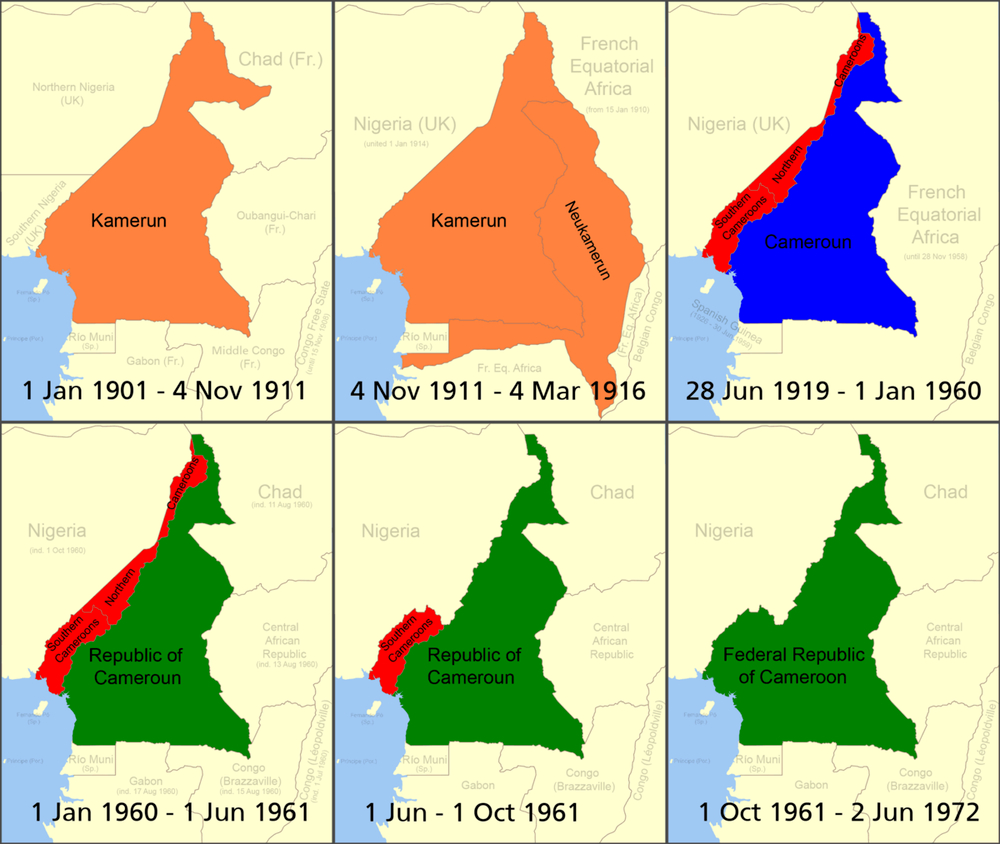
British and French troops launched a successful operation to conquer the German colony of Cameroon during World War I. This event was a crucial strategic victory for the Allies in their efforts to push back German forces in Africa. The campaign in Cameroon was intense and lasted for several months before the German colony finally fell under British and French control.
The conquest of Cameroon by British and French forces had a significant impact on the overall war effort. It deprived Germany of vital resources and territory, weakening their position in Africa and cutting off important supply lines. The defeat of German forces in Cameroon also boosted the morale of the Allied troops and further isolated Germany in the conflict.
This military operation marked a turning point in the African theatre of World War I and demonstrated the growing strength and coordination of the Allies. The success in Cameroon paved the way for further Allied advances in Africa and contributed to the eventual defeat of Germany in the war.
#WorldWarI #ColonialConflict #AlliedVictory #GermanColonization #AfricanTheatre
View detailsFollowing the Battle of the Falkland Islands, the German cruiser Dresden was pursued by the Royal Navy. With worn-out engines and dwindling coal supplies, the crew made the decision to scuttle the ship off the coast of Más a Tierra, Chile. The Dresden was the only surviving vessel of Vice Admiral Maximilian Graf von Spee's East Asia Squadron after their defeat in the Battle of the Falkland Islands.
The scuttling of the Dresden signified the end of the German naval presence in the Pacific during World War I. The Royal Navy's pursuit and subsequent sinking of the ship was a blow to German morale and a strategic victory for the Allies. The event highlighted the importance of naval superiority and logistics in wartime.
The crew of the Dresden were interned in Chile following the scuttling of their ship, marking the end of their time at sea during the war. The incident served as a reminder of the challenges faced by Germany in maintaining supply lines and effective naval operations in distant waters.
#GermanNavy #RoyalNavy #ScuttlingofDresden #WorldWarI
View details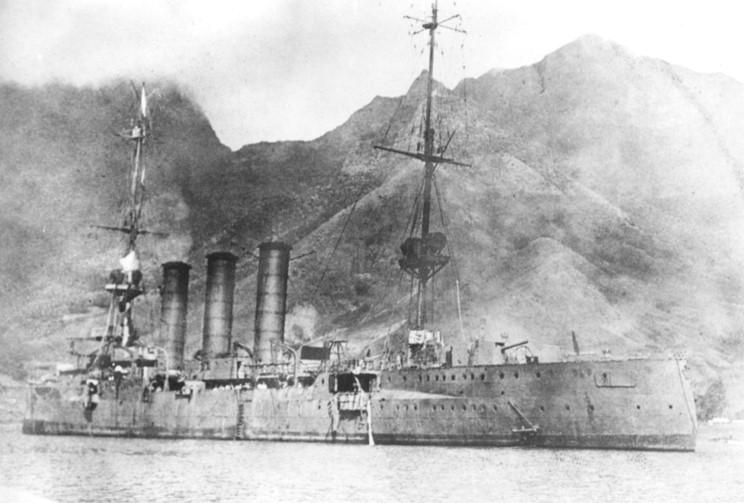
During WWI, the British imposed a blockade on all German ports to cut off essential supplies. This strategic move aimed to weaken Germany's economy and military capabilities by restricting imports such as food, weapons, and raw materials. The blockade significantly impacted Germany's ability to sustain its war efforts, leading to shortages and economic hardships for the German population.
The British blockade had severe consequences for Germany, causing widespread famine, malnutrition, and public unrest. The scarcity of resources and inability to trade with other nations exacerbated the already challenging conditions of war for Germany. The blockade also contributed to the eventual surrender of Germany in the war, as the country faced increasing pressure and struggles due to the lack of vital supplies.
This event marked a turning point in WWI, as the British blockade played a crucial role in isolating and weakening Germany. It underscored the importance of naval power and control of maritime trade routes in modern warfare. The blockade's impact on Germany's economy and society highlighted the devastating effects of such a strategic maneuver during a time of conflict.
#BritishBlockade #GermanPorts #WWI #EconomicWarfare
View details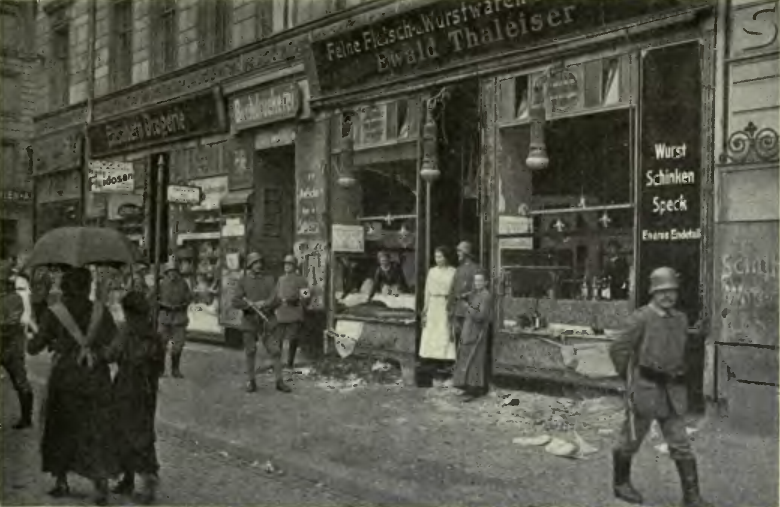
During WWI, the French forces launched an offensive in the Champagne region to drive back the German forces. The intense battle resulted in the French gaining only a few hundred yards of ground at the cost of 50,000 casualties. The fierce fighting in the region led to significant losses on both sides, with the French suffering a high number of casualties in their attempt to push the Germans back.
The offensive in Champagne showcased the brutal reality of trench warfare, where gains in territory were minimal compared to the staggering loss of life. The outcome of the battle highlighted the challenges faced by both sides in breaking the deadlock on the Western Front.
The event underscored the high human cost of the war and the strategic challenges of achieving significant advances in the face of entrenched defenses. It served as a grim reminder of the brutality and futility of the conflict as both sides grappled for control of the region.
#WWI #ChampagneOffensive #FrenchvsGerman #TrenchWarfare
View details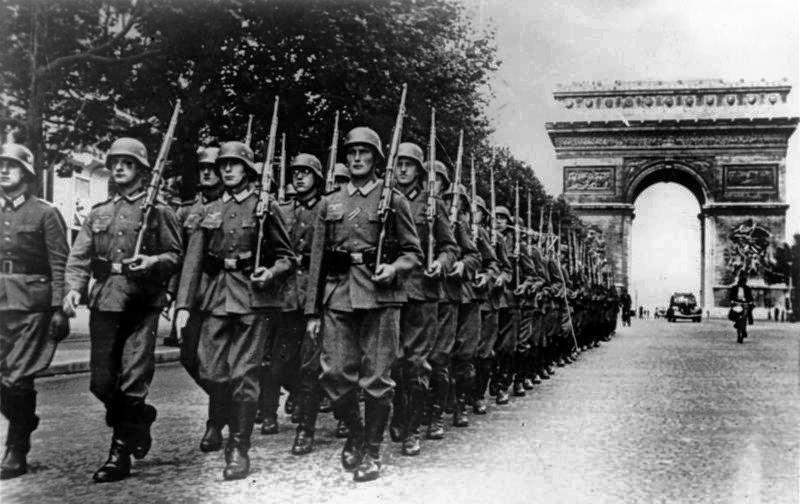
During the early stages of World War I, tensions escalated as Germany intensified its submarine warfare. In February, the American merchant ship Carib fell victim to a German mine, while the Norwegian vessel Regin was torpedoed in the same waters. These aggressive tactics by Germany not only resulted in the loss of these two ships but also stirred international outrage.
The sinking of the Carib, although neutral at the time, drew the United States closer to entering the war against Germany. The incident raised concerns about the safety of American vessels navigating through the war zone in the North Sea. Additionally, the torpedoing of the Norwegian ship Regin further fueled discontent among neutral countries towards Germany's unrestricted submarine warfare strategy.
The sinking of the Carib and the torpedoing of the Regin brought to light the escalating conflict and the perilous conditions faced by ships navigating the waters amidst intense naval warfare. The events marked a turning point as the international community condemned Germany's aggressive tactics in the waters, sparking discussions about the need for maritime safety measures during wartime.
#WWI #Germany #submarinewarfare #neutralships #internationaloutrage #escalatingconflict
View details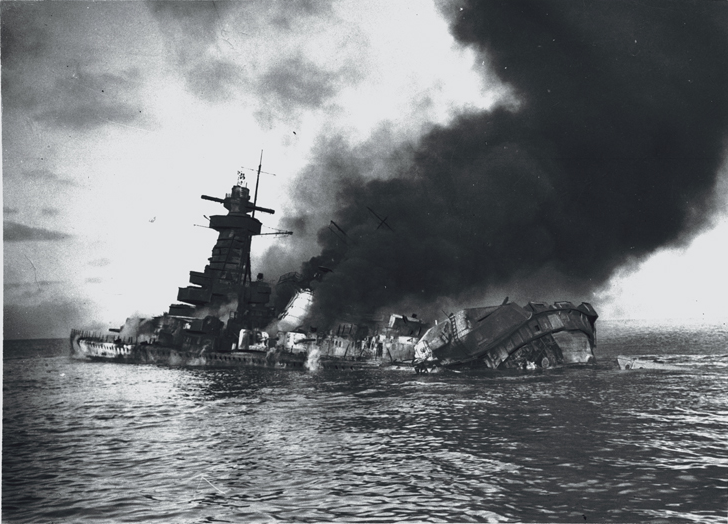
During the event, the Russian 20th Army corps found themselves encircled by the German 10th Army. Cut off from supply lines and outnumbered, the Russian troops faced a difficult situation. Faced with diminishing resources and unable to break free from the encirclement, the Russian forces ultimately surrendered to the German Army.
The surrender of the Russian 20th Army corps to the German forces had significant implications for the Eastern Front of World War I. It weakened the Russian military presence in the region and boosted the morale and strategic position of the German forces. This event marked a major victory for Germany, demonstrating their strength and ability to effectively execute military tactics.
The surrender of the Russian 20th Army corps to the German 10th Army highlighted the challenges faced by the Russian military during World War I and underscored the effectiveness of German military strategies. It also showcased the shifting dynamics of power and control in the conflict, emphasizing the importance of strategic positioning and supply lines in warfare.
#WorldWarI #Germany #RussianArmy #MilitaryStrategy
View details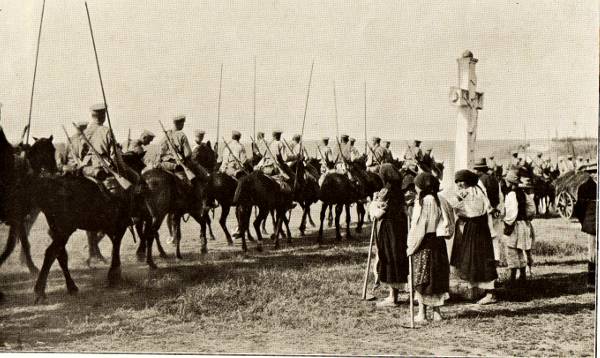
During World War I, Germany initiated a naval blockade against Britain to disrupt their supplies and weaken their economy. The strategy was to prevent essential goods from reaching Britain by sinking ships using submarines. This move aimed to cripple the British war effort and force them into surrender.
The blockade had a severe impact on Britain as food and supplies became scarce, leading to shortages and price hikes. The British government had to introduce rationing to ensure the population had access to basic necessities. The blockade also affected the morale of the British people and put a strain on the economy.
Despite its adverse effects, the blockade did not result in immediate surrender from Britain. Instead, it sparked outrage and resentment among the British population, strengthening their resolve to continue fighting. The blockade also drew criticism from neutral countries and raised concerns about the use of unrestricted submarine warfare.
Germany's blockade of Britain during World War I had significant consequences on both countries and the course of the war. It highlighted the use of economic warfare as a tactic and showcased the brutality of modern conflict.
#Germany #Blockade #Britain #WorldWarI #EconomicWarfare #SubmarineWarfare #History
View details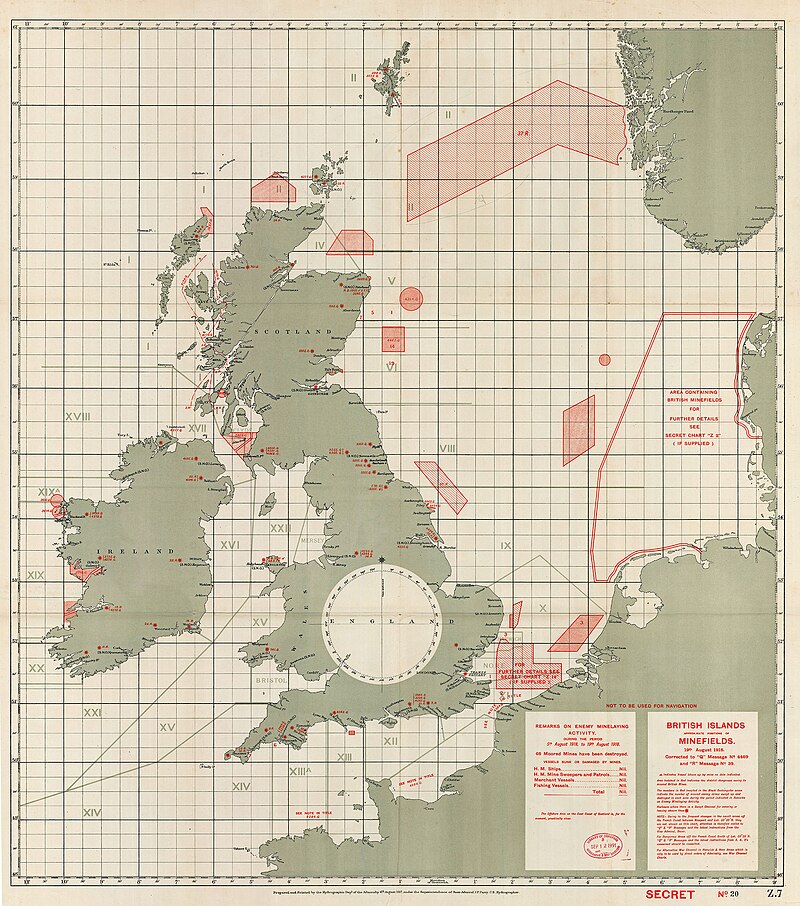
During the Battle of Champagne, French forces launched a major offensive in an attempt to push the German forces back into the Champagne region. The Champagne offensive was part of a larger strategic effort by the Allies to break through the German lines on the Western Front.
The French army, under the command of General Joseph Joffre, sought to regain territory lost to the Germans and relieve pressure on their British allies. The offensive involved a massive artillery bombardment followed by infantry attacks along a wide front.
Despite initial gains by the French, the German forces, well-entrenched and prepared for the assault, managed to hold their ground and repel the French advances. The battle soon turned into a bloody stalemate, with both sides suffering heavy casualties.
The offensive in the Champagne region highlighted the challenges of trench warfare and the difficulties of achieving breakthroughs on the Western Front. The French were unable to achieve their objectives, and the battle ultimately ended without significant territorial changes.
The Battle of Champagne underscored the brutal nature of World War I and the tenacity of both the French and German forces. It also demonstrated the limitations of offensive tactics in the face of modern defensive strategies.
#BattleOfChampagne #FrenchVsGerman #WorldWarI
View details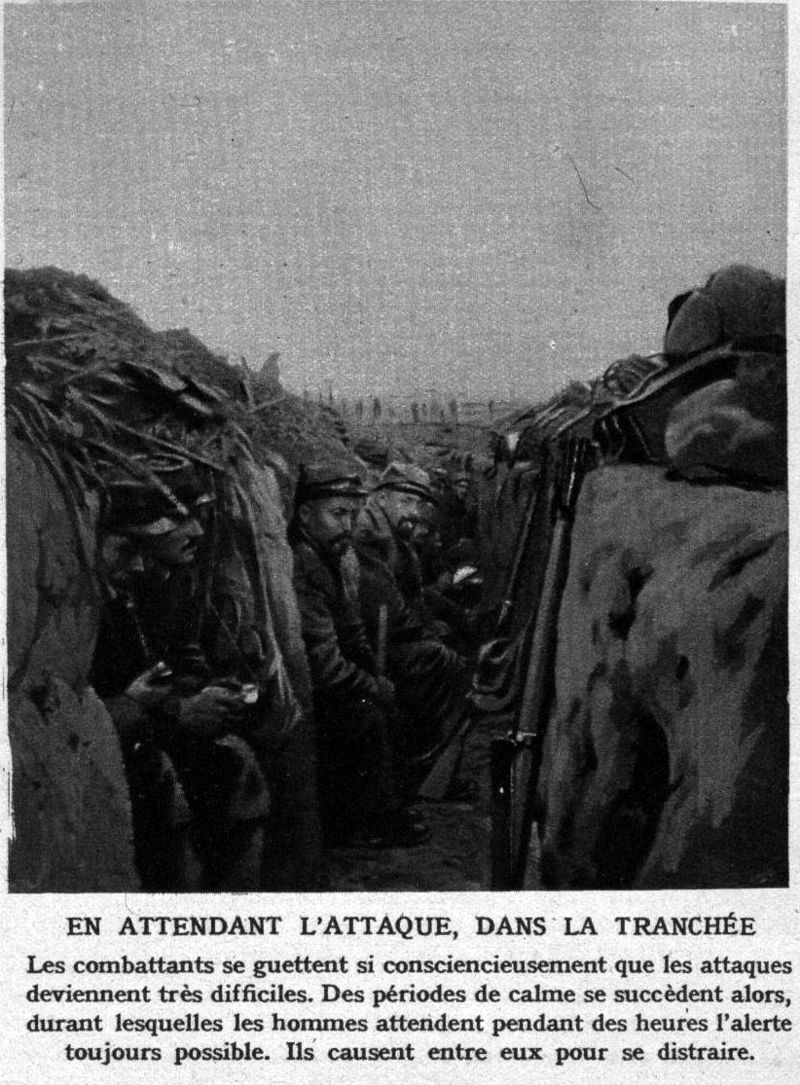
During the incident, US President Woodrow Wilson lodged a protest against Britain for utilizing US flags on British merchant ships to mislead the Germans. This deceptive tactic was employed by the British to safeguard their vessels from German attacks during the ongoing conflict. The use of American flags led to concerns over the safety of American ships, as the ruse could potentially provoke retaliatory measures from the Germans.
Wilson's objection signaled the delicate position the United States found itself in during World War I, caught between upholding its neutrality and safeguarding its interests. The protest emphasized the importance of respecting international agreements and the rights of neutral nations in times of war. The situation highlighted the complexities and consequences of warfare on global trade and diplomatic relations.
Ultimately, the protest by President Wilson underscored the challenges and ethical dilemmas faced by nations during periods of conflict, underscoring the need for clear rules and boundaries in warfare to protect innocent lives and maintain international stability.
#WoodrowWilson #USProtest #BritishDeception #WorldWarI #InternationalRelations #Neutrality
View details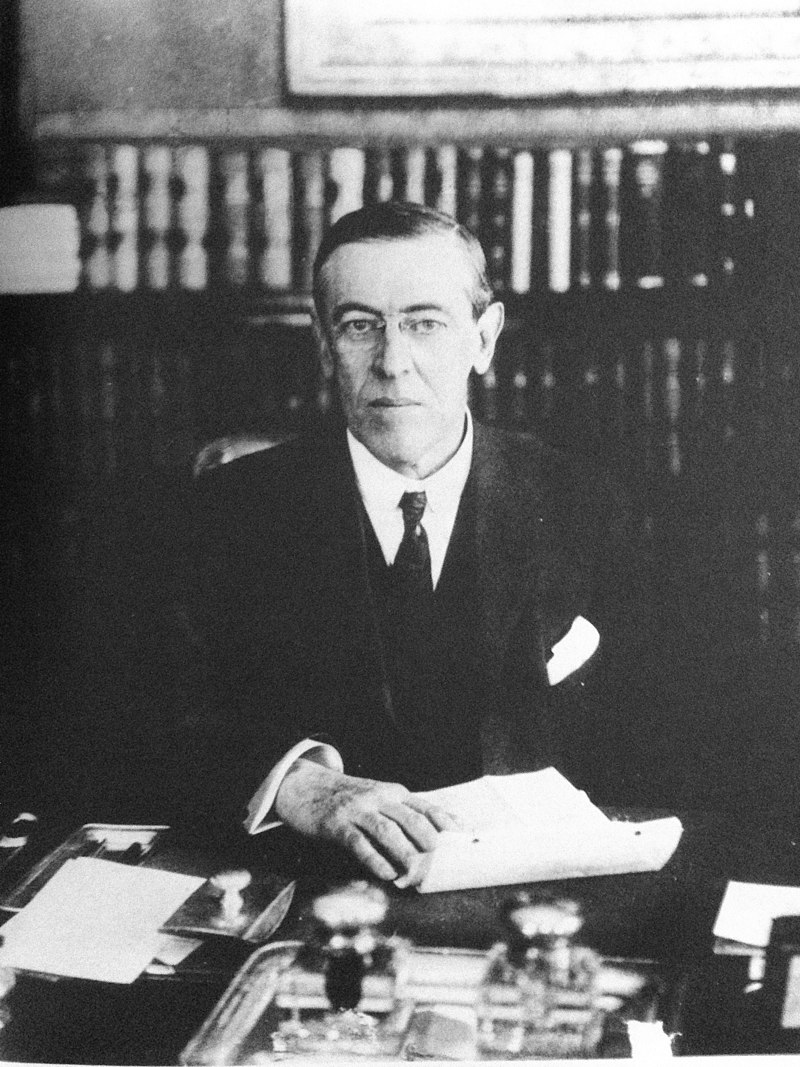
During the Second Battle of Masurian Lakes, German forces encircled a large Russian army, marking a crucial moment in World War I. The battle took place in the Masurian Lakes region, located in East Prussia. The Russian army, led by General Paul von Rennenkampf, found themselves trapped by the strategic maneuvers of German Generals Hindenburg and Ludendorff. Cut off from supply lines, the Russian forces faced severe shortages of food and ammunition.
The intense fighting lasted for several days, with the German forces gradually tightening the circle around the encircled Russian army. Despite attempts to break through the German lines, the Russian army suffered heavy casualties and was unable to escape the encirclement. In the end, over 90,000 Russian soldiers were captured, dealing a significant blow to the Eastern Front.
The outcome of the Second Battle of Masurian Lakes boosted German morale and solidified their position in the region. It also demonstrated the effectiveness of the German army's tactics and coordination. For the Russian forces, the defeat highlighted the shortcomings in their strategic planning and communication.
#Germany #WorldWarI #MilitaryStrategy
View details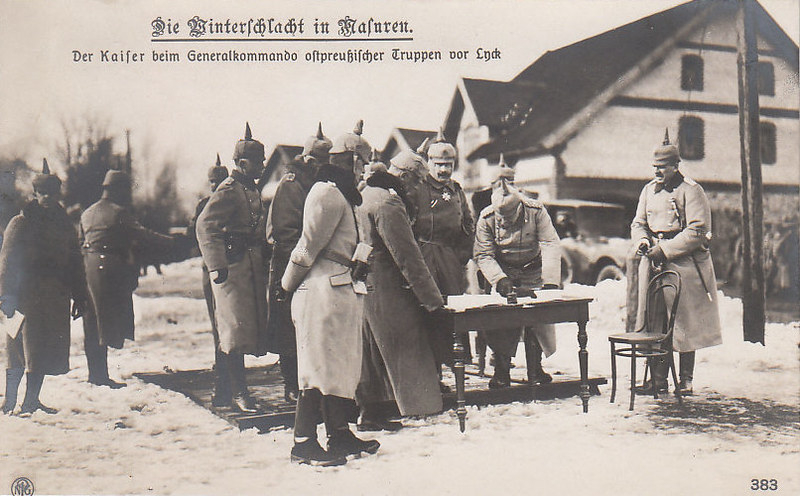
During World War I, the German army successfully reached the vital Suez Canal. This strategic waterway in Egypt held immense importance for British communication and supply lines. The German arrival at the canal instilled fear and uncertainty in the Allied forces. Although their presence was short-lived due to logistical constraints, it demonstrated Germany's military prowess and its ability to project power far from its borders. This event forced the Allies to reconsider their defensive strategies in the region and allocate more resources to protect the crucial water route. The German army's advance towards the Suez Canal highlighted the evolving nature of warfare during the conflict and the shifting power dynamics in the Middle East. The brief occupation of this key location by the German forces had long-lasting implications for the war efforts of both sides.
#GermanMilitary #WorldWarI #SuezCanal #Strategy #Allies #MiddleEast #MilitaryOccupation
View details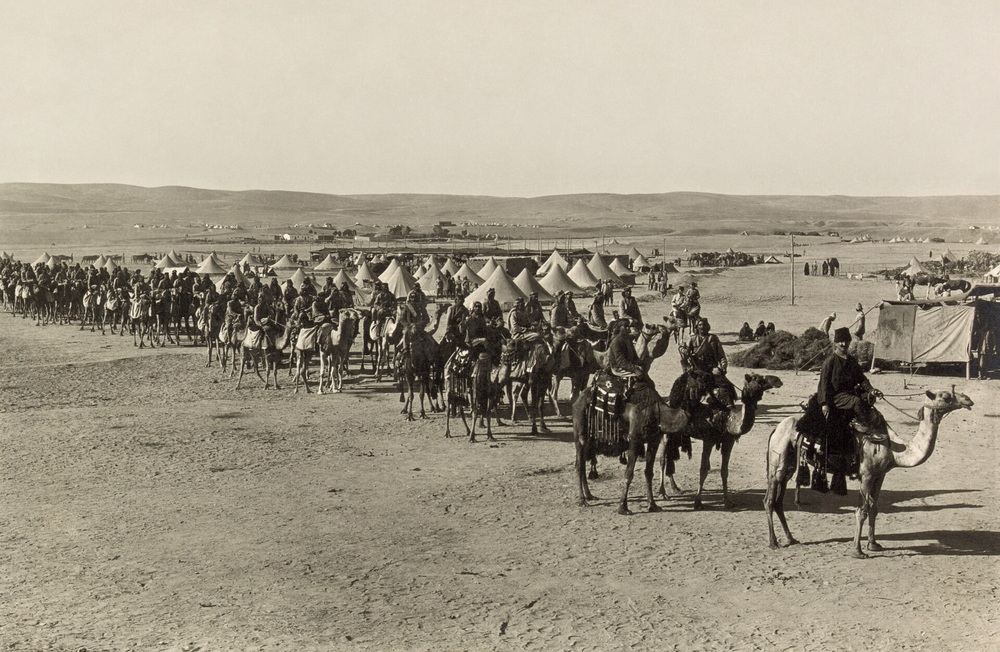
During the German submarine attack on Le Havre, a coastal town in France, the German navy targeted ships carrying supplies to the Allies. The attack aimed to disrupt the transportation of crucial resources, particularly munitions, to the western front. The submarines, equipped with torpedoes, navigated the English Channel and strategically engaged the supply ships.
The impact of the attack on Le Havre was severe, causing significant damage to the vessels and disrupting the flow of supplies to the Allies. The loss of resources hindered the French and British war efforts and posed a threat to their military operations. The attack highlighted the effectiveness of German submarine warfare and its ability to challenge Allied naval superiority in the region.
The German submarine attack on Le Havre emphasized the vulnerability of supply routes and the importance of maritime security during wartime. The event underscored the strategic significance of controlling key maritime passages and disrupting enemy supply lines. The repercussions of the attack reverberated throughout the conflict, influencing tactics and strategies employed by both sides.
#Germany #LeHavre #SubmarineAttack #MaritimeWarfare #WorldWarI
View details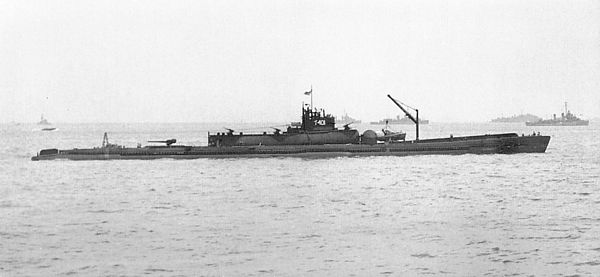
The German-British sea battle at Dogger Bank & Helgoland saw a confrontation between the two naval powers during World War I. The British Grand Fleet, led by Admiral Beatty, engaged the German High Seas Fleet, under Admiral Hipper, near the Dogger Bank in the North Sea. The British forces managed to inflict significant damage on the German fleet, leading to the sinking of the German flagship SMS Blücher.
This encounter at Dogger Bank was followed by another clash near Helgoland, where the British fleet launched a surprise attack on the German patrol ships. Despite the Germans putting up a fierce defense, the British were able to achieve a strategic victory by sinking several German vessels and severely weakening their naval capabilities.
The outcomes of these battles had a profound impact on the naval balance of power in the North Sea, with the British Navy establishing its dominance over the German fleet. The engagements also highlighted the importance of intelligence, communication, and tactical maneuvering in naval warfare during that era.
#DoggerBank #Helgoland #NavalBattle #WorldWarI #BritishNavy #GermanHighSeasFleet
View details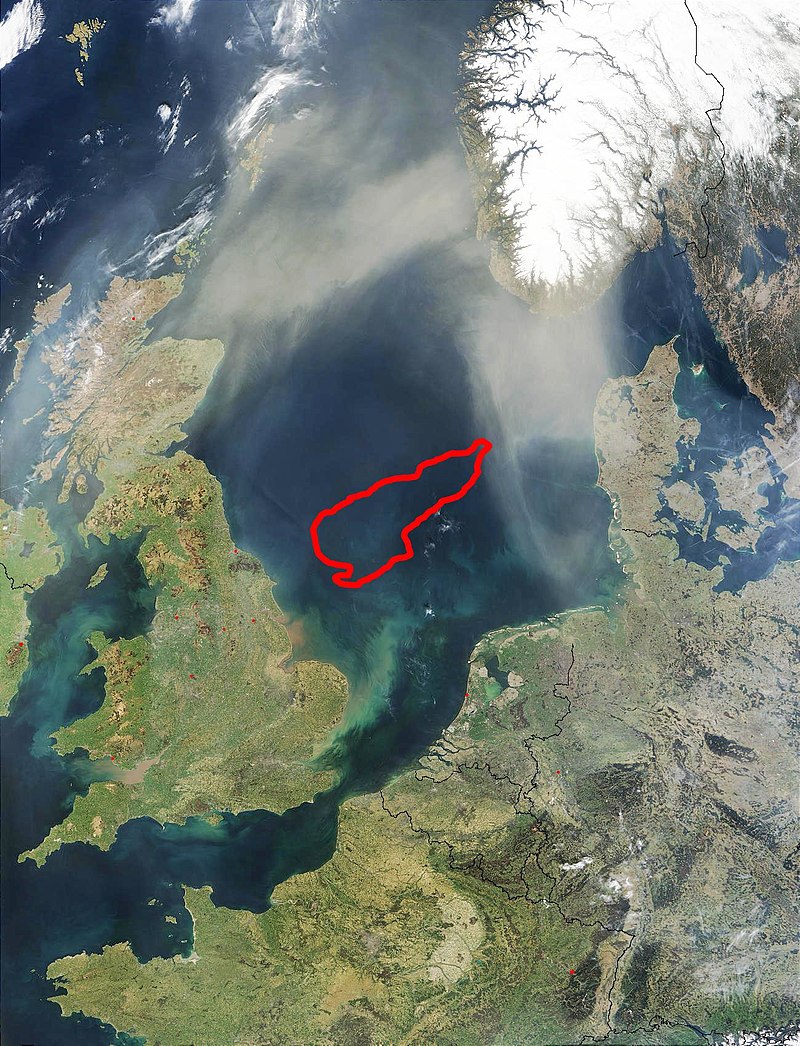
1914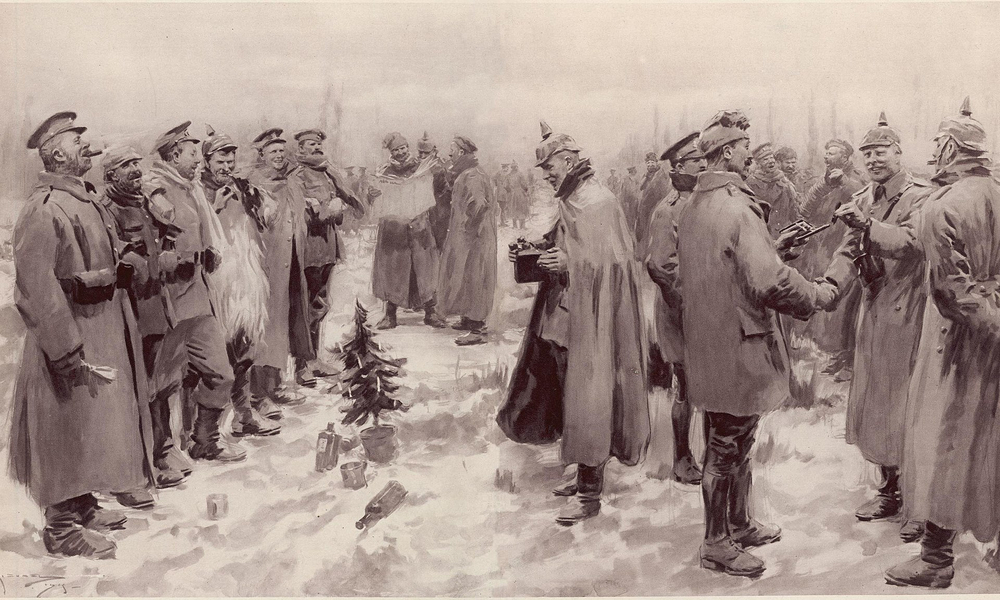
On December 25, 1914, during the early months of World War I, one of the most extraordinary and spontaneous events in the history of warfare occurred: the Christmas Truce. On this day, along various sections of the Western Front, British and German troops laid down their arms and emerged from their trenches to share moments of peace, camaraderie, and humanity amidst the brutality of war. This legendary event has become a poignant symbol of the possibility of peace and goodwill even in the darkest of times.
The Context
World War I had begun in July 1914 and quickly escalated into a deadly and prolonged conflict involving many of the world's great powers. By December 1914, the war had settled into a grueling and static trench warfare, with both sides entrenched in lines that stretched from the North Sea to the Swiss border. Life in the trenches was harsh, with soldiers facing constant danger from artillery bombardments, sniper fire, and the unsanitary conditions that bred diseases.
Prelude to the Truce
As Christmas approached, there were already signs that soldiers on both sides were weary of the relentless fighting. Letters and diaries from the front reveal that the Christmas season inspired thoughts of home and peace among the soldiers. Despite orders from high command to maintain vigilance and continue hostilities, a spirit of fraternization began to take hold.
The Truce
On Christmas Eve and Christmas Day, along various points of the Western Front, spontaneous truces broke out. The most notable accounts come from the British and German sectors. The truce began with carol singing, with soldiers singing Christmas songs across no man's land. Soon after, soldiers ventured out of their trenches to meet in the middle.
Key Events:
Exchanging Gifts: Soldiers exchanged small gifts such as food, tobacco, alcohol, and souvenirs. These gestures of goodwill were a stark contrast to the deadly exchanges of bullets and shells that usually characterized their interactions.
Joint Burials: In some areas, soldiers took the opportunity to retrieve and bury the bodies of their fallen comrades, providing a dignified farewell that the constant fighting had previously denied.
Football Matches: Perhaps the most enduring and symbolic event of the truce was the impromptu football (soccer) matches played between the British and German troops. While accounts of these matches vary, they have come to epitomize the humanity shared between the opposing sides.
The End of the Truce
The truce was not universal, nor did it last long. In many areas, fighting continued, and in others, the truce only lasted for a day or two before high command on both sides ordered a resumption of hostilities. The generals and political leaders were largely disapproving of the fraternization, fearing it would undermine the fighting spirit of their troops.
Legacy
The Christmas Truce of 1914 stands as a powerful reminder of the common humanity that binds all people, even those caught up in the machinery of war. It highlights the stark contrast between the desires of ordinary soldiers and the broader strategic objectives of their leaders.
Key Takeaways:
Human Spirit: The truce showcased the resilience of the human spirit and the desire for peace and connection even amidst the horrors of war.
War's Absurdity: The temporary peace highlighted the absurdity of the conflict, where men who could momentarily see each other as fellow human beings were otherwise expected to kill each other.
Symbol of Hope: The event has been immortalized in books, songs, films, and plays, serving as a symbol of hope and a call for peace in times of conflict.
#MomentsOfLife #MoofLife_Moment #MoofLife #ChristmasTruce #WWI #HumanityInWar #Peace #History #WesternFront #WarAndPeace
View detailsDuring the aerial attack on Dover, England, a German plane dropped multiple bombs targeting strategic locations. The attack was part of Germany's military campaign to weaken England's defenses and morale during the ongoing conflict. The sudden bombardment caught the residents of Dover off guard, causing widespread destruction and loss of life.
The impact of the bombing on Dover was severe, with buildings destroyed, infrastructure damaged, and many civilians injured or killed. The attack heightened tensions between Germany and England, fueling further hostility in the region. The event served as a grim reminder of the realities of war and the constant threat posed by enemy air raids.
In the aftermath of the bombing, emergency services scrambled to provide aid to the wounded and assess the extent of the damage. The resilience of the people of Dover was tested as they worked to rebuild and recover from the devastation wrought by the German attack.
#GermanAttack #DoverBombing #WWII #AerialAssault
View details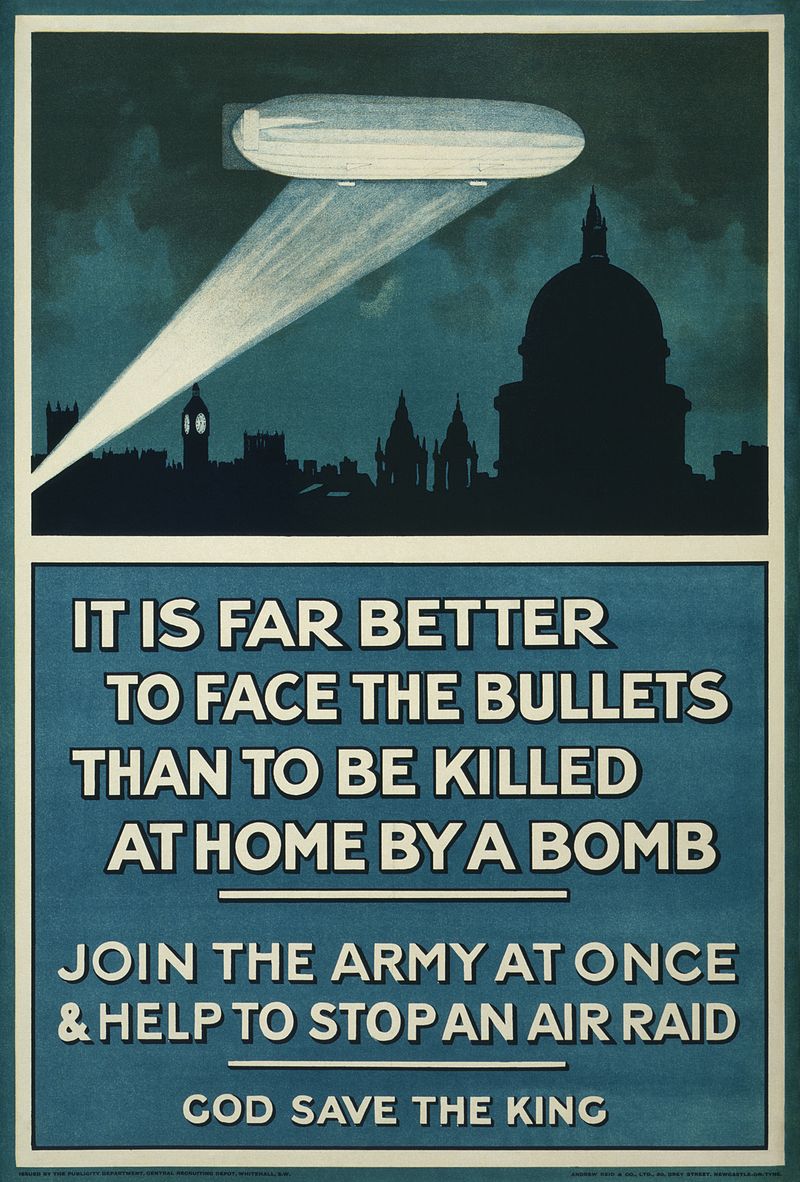
During the First Battle of the Marne, French and British forces successfully halted the German advance towards Paris. The battle took place during a critical stage of World War I, as the German army sought to swiftly defeat France before turning their focus to Russia in the east. However, the swift and decisive action by Allied forces helped prevent a German victory.
The battle began as German forces moved towards Paris but were met with strong resistance from the Allies. Despite being outnumbered, French and British troops managed to hold their positions and launch counterattacks. The battle lasted for several days, with both sides suffering heavy casualties. Ultimately, the German army was forced to retreat, marking a significant turning point in the war.
The outcome of the First Battle of the Marne had a lasting impact on the course of World War I. It demonstrated the resilience and determination of the Allied forces, while also dispelling the myth of German invincibility. The battle also foreshadowed the prolonged and grueling nature of the conflict on the Western Front.
#FirstBattleoftheMarne #WorldWarI #GermanAdvance #AlliedResistance #Paris #HistoricTurningPoint
View details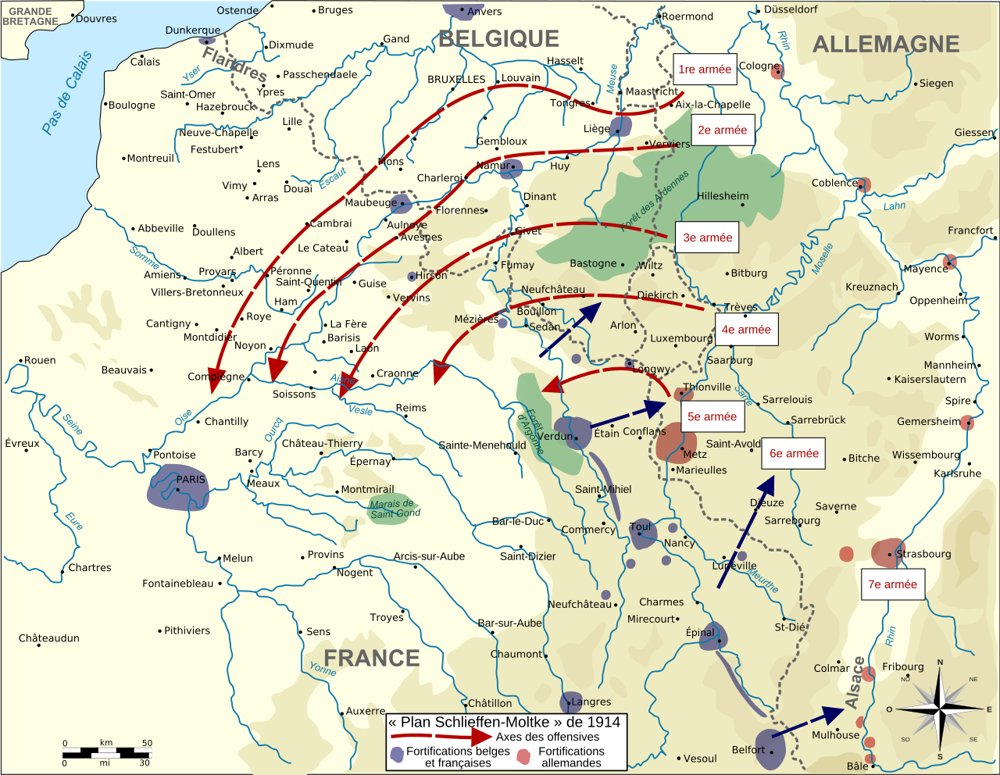
During the military campaign, German forces implemented the Schlieffen Plan, crossing neutral Belgium to enter France. As they advanced towards Paris, they were met with strong resistance from the French and British armies. The Battle of the Marne ensued, leading to a crucial confrontation in northern France.
The Battle of the Marne involved intense combat, with both sides suffering heavy casualties. However, the German advancement was halted, and their forces were pushed back. This marked a turning point in the war, as the Allies successfully defended Paris and prevented a quick German victory.
The outcome of the Battle of the Marne had significant implications for the rest of the conflict. It shattered German hopes for a swift victory in the west and led to a prolonged and grueling war of attrition. The battle also solidified the Western Front, where trench warfare would dominate for years to come.
The event highlighted the resilience and determination of the Allied forces in the face of a formidable enemy. It showcased the importance of strategic planning and the ability to adapt to changing circumstances on the battlefield.
#GermanMilitaryCampaign #BattleoftheMarne #AlliedResistance
View details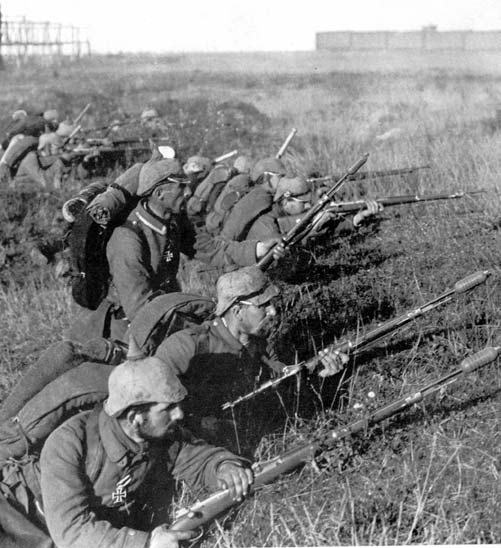
During the occupation of Belgium, German troops looted valuable possessions from Belgian citizens. This act of plundering had grave consequences on the Belgian population, who suffered great losses. The confiscated items included personal belongings, artworks, and precious metals. The Germans justified their actions as requisitions to support their war effort. The plundering left a deep scar on the Belgian people, causing widespread distress and hardship. The looting also sparked international outrage and condemnation.
The German troops' plundering of Belgium had a lasting impact on the country's cultural heritage and economy. Many stolen artworks and valuables were never recovered, leading to irreplaceable losses. The event highlighted the brutality and disregard for civilian property rights during wartime. The looting also fueled resentment towards the German forces among the Belgian population, contributing to a sense of injustice and violation.
#GermanOccupation #BelgiumPlundered #CulturalHeritageLoss #WarAtrocities
View details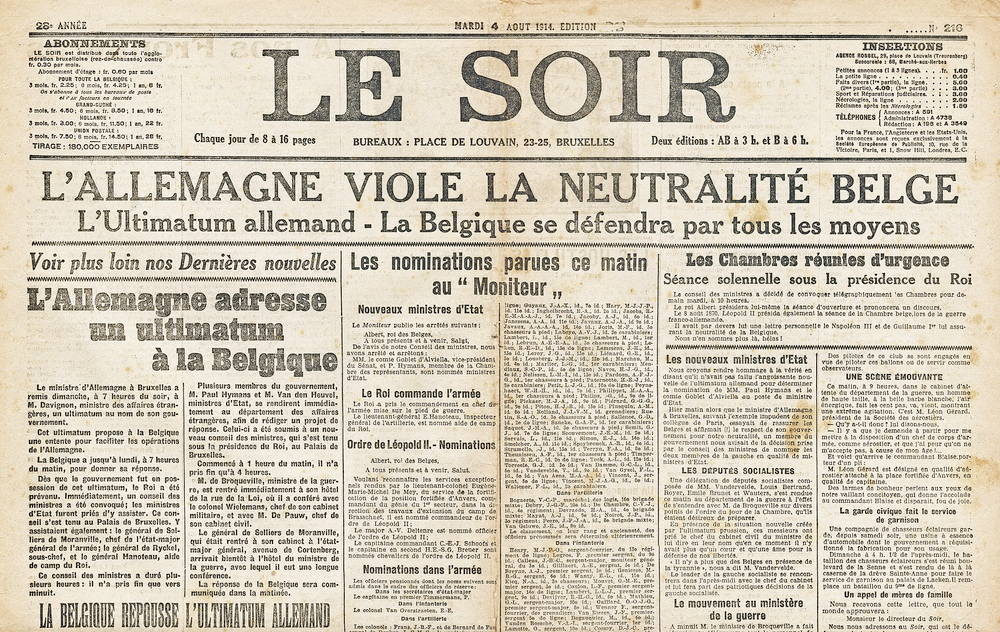
The events from August 17 to August 22, 1914, set the stage for the pivotal Battle of Tannenberg during World War I. This prelude captures the early maneuvers and critical decisions that led to one of the most decisive engagements on the Eastern Front between the German and Russian Empires.
The Russian Advance Begins
On August 17, 1914, the Russian First Army, commanded by General Pavel Rennenkampf, began its advance into East Prussia. This movement caught the Germans off guard, as they underestimated the speed and preparedness of the Russian forces. Contrary to German expectations, the Russian mobilization had started earlier, on July 25, instead of the widely believed date of July 30. The First Army crossed the border, moving westward, setting the stage for the initial clashes between the two great powers.
As Rennenkampf's troops pushed into East Prussia, the German Eighth Army, led by General Maximilian von Prittwitz, prepared to counter the invasion. The Germans were spread thin across the region, and their strategy involved taking advantage of their interior lines to quickly concentrate forces against the advancing Russians.
The Battle of Gumbinnen: A Fateful Encounter
On August 20, the German Eighth Army initiated a preemptive strike against Rennenkampf's forces near Gumbinnen. Prittwitz, hoping to catch the Russians off guard, ordered an attack involving three German corps. General Hermann von François's I Corps struck first, launching a surprise dawn assault on the Russian XX Corps. Initially, the German forces achieved some success, with François's men inflicting heavy casualties on the Russians. However, as the day wore on, the Russians, though low on ammunition, managed to mount a stiff resistance.
The Russian artillery, in particular, proved devastating, halting the German advance and inflicting significant losses. The German assault faltered as fatigue and the intense summer heat took their toll on the troops. By the afternoon, the Russian forces had regrouped and launched a counterattack that sent Mackensen's XVII Corps into disarray. The German lines buckled, and Prittwitz, fearing a complete rout, ordered a general retreat.
Prittwitz's Dilemma and the German Response
The retreat from Gumbinnen threw the German high command into panic. Prittwitz, recognizing the danger of being outflanked by the advancing Russian Second Army under General Alexander Samsonov, considered withdrawing the Eighth Army to the Vistula River, effectively abandoning East Prussia. This prospect alarmed the German leadership in Berlin, as it threatened to expose the heart of Germany to Russian invasion.
Prittwitz's indecision and the chaotic situation on the ground prompted the German high command, under the direction of Field Marshal Helmuth von Moltke the Younger, to take drastic action. On August 21, Moltke made the critical decision to relieve Prittwitz and his chief of staff, Alfred von Waldersee, of their duties. In their place, Moltke appointed General Paul von Hindenburg, a retired veteran, as the new commander of the Eighth Army, with Major General Erich Ludendorff as his chief of staff. The duo, who would become central figures in the German war effort, were tasked with stabilizing the situation and countering the Russian advance.
The Stage is Set for Tannenberg
By August 22, Hindenburg and Ludendorff were on their way to take command, and the German Eighth Army began repositioning its forces to face the imminent threat from Samsonov's Second Army. The German I Corps, under François, was ordered to relocate by rail to reinforce the XX Corps, which was facing Samsonov's main thrust. Meanwhile, Rennenkampf's First Army, believing the Germans were in full retreat, paused its advance, losing contact with the German forces. This pause proved critical, as it gave Hindenburg and Ludendorff the time they needed to execute their plans.
The Russians, though advancing, were plagued by logistical issues. Their supply lines were stretched, and communication between the First and Second Armies was poor. These difficulties would soon contribute to the catastrophic Russian defeat at Tannenberg.
Prelude to a Decisive Battle
The events of August 17–22, 1914, thus set the stage for the Battle of Tannenberg, a battle that would see the German forces, under their new command, decisively defeat Samsonov's Second Army. The maneuvering, the decisions made, and the initial clashes during this prelude were critical in shaping the outcome of the battle, which would not only crush the Russian advance into East Prussia but also elevate Hindenburg and Ludendorff to the status of national heroes in Germany.
This prelude is a testament to the chaos and uncertainty of early World War I, where rapid decisions and the fog of war could dramatically alter the course of history within days.
#BattleOfTannenberg #WorldWarI #EasternFront #GermanArmy #RussianArmy #MomentsOfLife #MoofLife_Moment #MoofLife
View details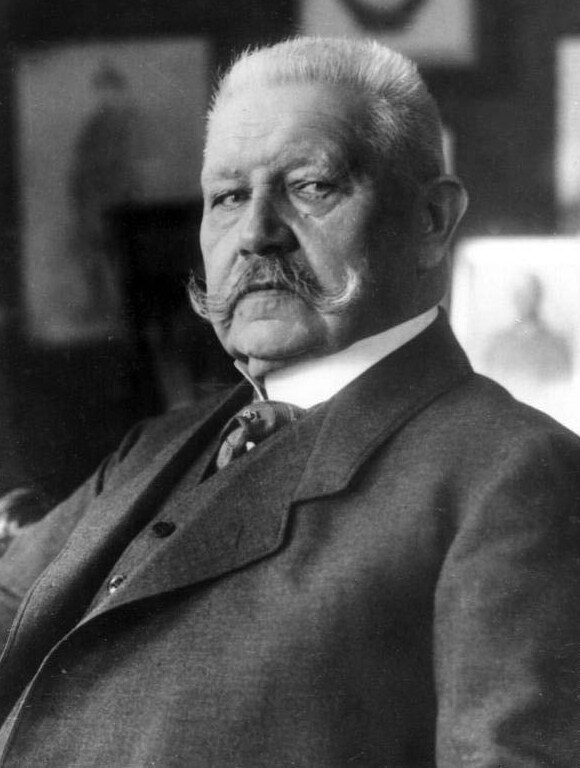
Germany's decision to declare war on Belgium marked a turning point in the sequence of events that led to Britain also declaring war on Germany. Belgium's neutrality had been guaranteed by international treaties, and Germany's violation of this neutrality sparked outrage among many nations. Britain saw this violation as a threat to the balance of power in Europe and felt compelled to defend Belgium. The declaration of war between Britain and Germany cemented Britain's commitment to supporting its allies and protecting its strategic interests.
The impact of this event was profound, deepening the alliances and enmities that would shape the course of World War I. Germany's actions further isolated them diplomatically and drew more countries into the conflict. The declaration of war on Belgium and Britain served to escalate tensions and set the stage for a long and devastating war.
The event of Germany declaring war on Belgium and Britain responding with a declaration of war on Germany was a significant escalation of hostilities that would have far-reaching consequences. It not only solidified alliances and brought more countries into the conflict but also set the stage for the wider involvement of nations in what would become a global conflict. #Germany #Belgium #Britain #War #WWI #Alliances #Neutrality #Escalation.
View detailsGermany declared war on France and advanced its main armies through Belgium towards Paris, aiming to swiftly capture the city from the north. The invasion plan, known as the Schlieffen Plan, was designed to avoid a two-front war with France and Russia. By violating Belgium's neutrality, Germany sought to outflank the French forces and achieve a quick victory.
The decision to go through Belgium sparked international condemnation and drew Britain into the conflict, as they were committed to defending Belgian neutrality. The rapid German advance through Belgium shocked the Allies and nearly led to the capture of Paris, but the French resistance and the famous Battle of the Marne halted the German offensive.
The event marked a crucial turning point in the early stages of World War I, shifting the focus from a localized conflict to a broader European war. The violation of Belgian neutrality and the aggressive German tactics contributed to shaping the narrative of the war and influencing public opinion in favor of the Allied powers.
#Germany #France #Belgium #WorldWarI #Invasion #ParisCapture #SchlieffenPlan #BattleoftheMarne
View details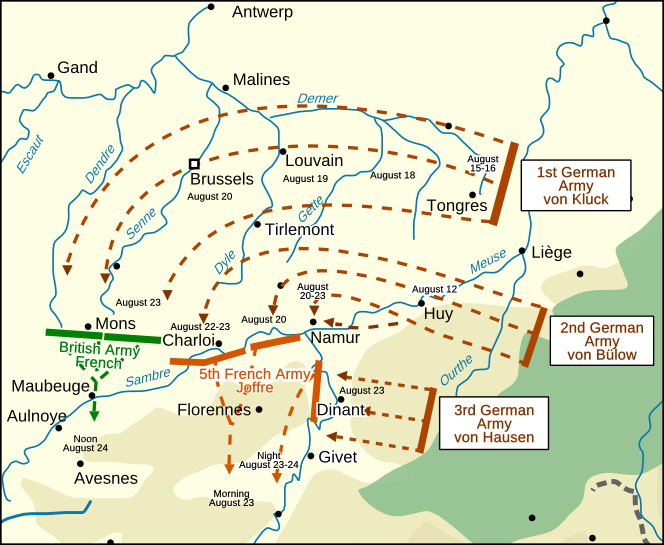
Germany declared war on Russia due to escalating tensions over military mobilization. The background of the event traces back to the complex network of alliances and treaties among European powers leading up to the outbreak of World War I. Germany felt compelled to act against Russia as part of its strategic military planning.
The impact of Germany declaring war on Russia was significant, as it ignited a chain reaction of alliances being activated, ultimately plunging the continent into a full-scale global conflict. The declaration of war marked a pivotal moment in the lead-up to World War I, shifting the dynamics of power and conflict among major European powers.
Germany's decision to declare war on Russia reflected a strategic move to gain military advantage and assert dominance in the region. The event underscored the intricate web of alliances and rivalries that characterized the geopolitical landscape of early 20th-century Europe.
#Germany #Russia #DeclarationOfWar #WorldWarI #Geopolitics
View details
1912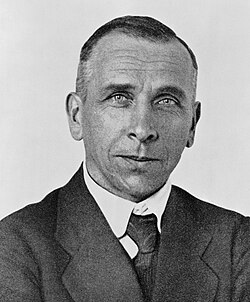
On 6 January 1912, German meteorologist and geophysicist Alfred Wegener delivered a landmark lecture at the Senckenberg Museum in Frankfurt, presenting his early hypothesis that Earth’s continents were once joined and later drifted apart - an idea that would later help shape modern plate tectonics.
At a scientific meeting in Frankfurt, Wegener challenged the prevailing belief that continents were fixed in place. He argued that major landmasses had once formed a single connected supercontinent and later separated, pointing to clues such as the striking “fit” of continental margins (notably South America and Africa), matching geological structures, shared fossils across oceans, and paleoclimate indicators.
The reception was contentious: many specialists rejected the idea at the time, largely because no convincing physical mechanism was accepted to explain how continents could move. Yet Wegener’s synthesis persisted - published soon after and expanded into his 1915 book The Origin of Continents and Oceans - and decades later, new evidence from seafloor spreading and global geophysics turned continental drift from controversy into cornerstone science.
Why this mattered?
- It reframed Earth as a dynamic planet with moving continents, not a static surface.
- It became a foundational steppingstone toward plate tectonics, one of the most important unifying theories in Earth science.
View details1890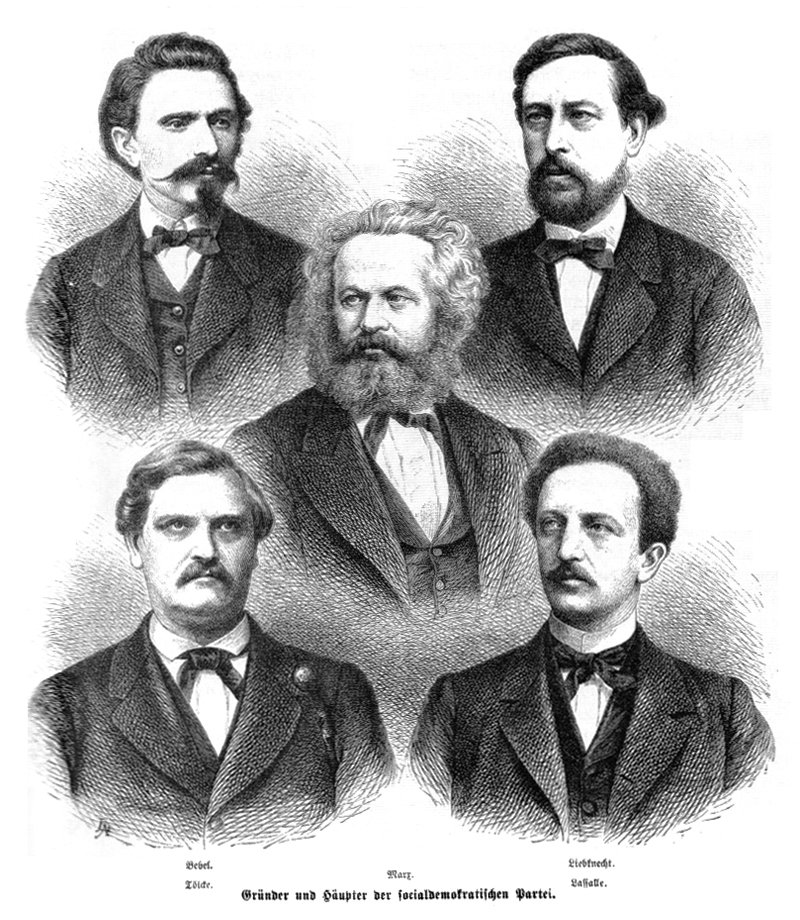
In 1890, the founding of the Social Democratic Party of Germany marked the culmination of a growing workers' movement. The party emerged from various socialist and labor organizations that had been advocating for workers' rights and social reforms.
The background of this event can be traced back to the industrialization of Germany, which led to harsh working conditions and low wages for many laborers. Discontent among workers grew, fueling strikes and protests across the country. As the movement gained momentum, the need for a unified political voice became evident.
The establishment of the Social Democratic Party provided a platform for workers to push for better working conditions, higher wages, and social welfare programs. The party quickly grew in influence, attracting a large following among the working class. Its founding was a significant milestone in the history of the labor movement in Germany.
The impact of the Social Democratic Party of Germany was profound, shaping the country's political landscape for decades to come. It played a key role in advocating for workers' rights, influencing policies, and participating in government. The party's legacy can still be seen in modern-day Germany's social welfare system and labor laws.
#SocialDemocraticParty #WorkersMovement #LaborRights #Germany
View details1884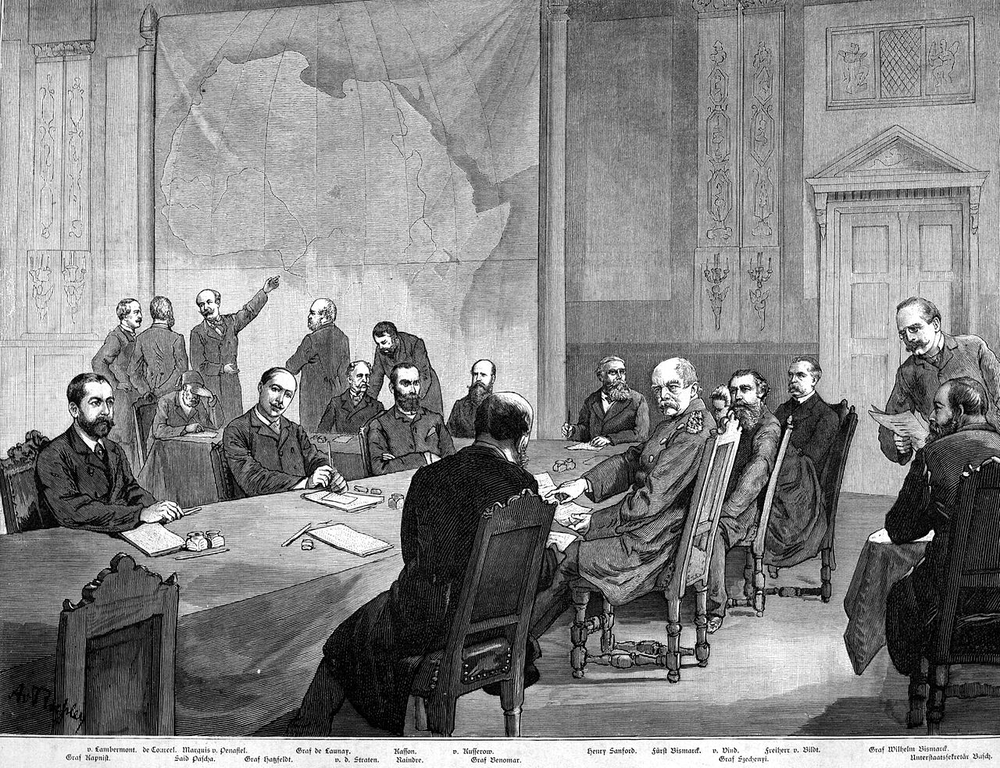
The Berlin Conference was convened to regulate European colonization and trade in Africa. The conference was attended by European powers and resulted in the infamous scramble for Africa. The African continent was divided into territories without regard for ethnic or cultural boundaries, with Germany playing a significant role in acquiring colonies in Africa. This event marked a turning point in the colonization of Africa by European powers and paved the way for the exploitation and subjugation of African nations.
The impact of the Berlin Conference was profound, leading to the destabilization of African societies, exploitation of resources, and imposition of colonial rule. The division of Africa by European powers had long-lasting consequences, including political instability, economic exploitation, and social upheaval. The legacy of the Berlin Conference continues to be felt in Africa to this day, shaping the continent's history and development.
#BerlinConference #EuropeanColonization #ScrambleforAfrica #Colonialism #AfricanHistory #Imperialism
View details1871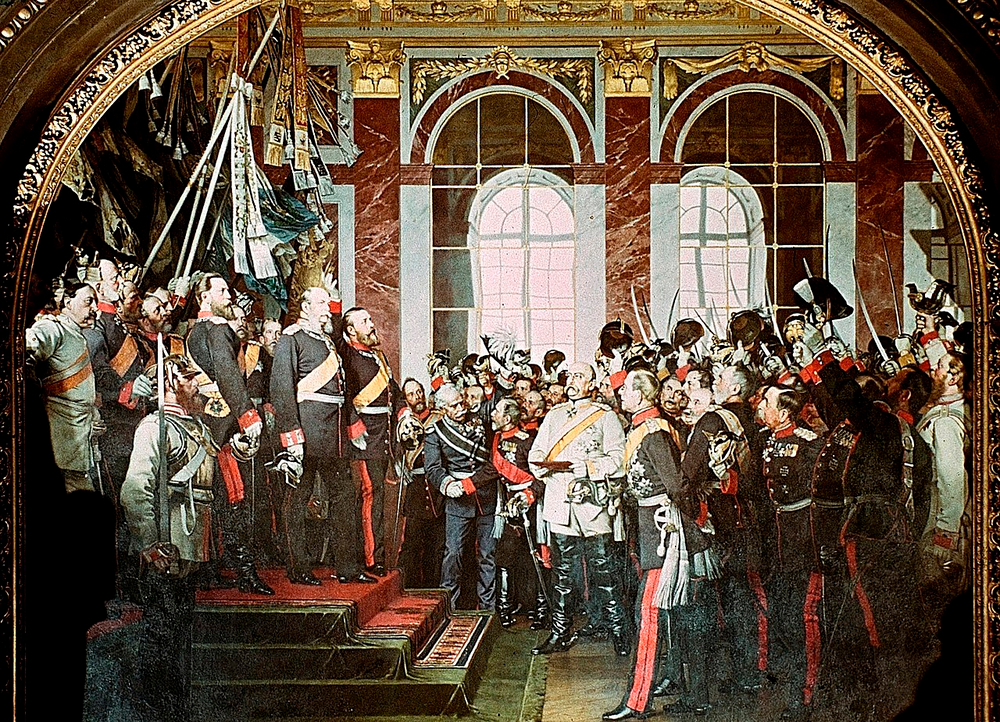
After years of division, the various German states united to form the German Empire. The unification was largely orchestrated by Prussia, led by Chancellor Otto von Bismarck, who utilized diplomatic strategies and military force to achieve this goal. The Franco-Prussian War played a pivotal role, uniting the southern German states in a common cause against France.
The unification of Germany had a significant impact on the balance of power in Europe. The new German Empire emerged as a dominant force, challenging the traditional power dynamics on the continent. This led to shifts in alliances and tensions among European nations. Internally, the unification brought about economic growth and industrial development, strengthening Germany's position as a major player on the world stage.
The legacy of the unification of Germany can still be seen today. It laid the foundation for the rise of Germany as a leading industrial and military power in Europe. The event also fostered a sense of national identity among the German people, shaping the country's cultural and political landscape for years to come.
#GermanEmpire #OttoVonBismarck #FrancoPrussianWar #EuropeanBalanceOfPower
View details1848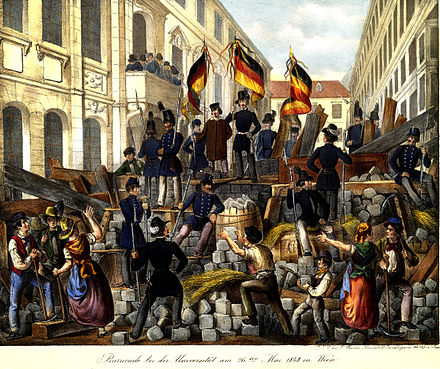
The Revolutions of 1848 in Germany marked a series of uprisings fueled by growing discontent among the people. The revolutions were driven by a desire for political reforms, increased civil liberties, and nationalism. Citizens, inspired by revolutionary movements in other parts of Europe, took to the streets demanding change. The unrest spread rapidly throughout the German states, leading to the establishment of revolutionary governments in some regions.
The impact of the revolutions was significant. Although short-lived, they led to the abolition of feudal privileges, the establishment of constitutional monarchies, and the granting of basic rights to citizens. The events of 1848 also contributed to the growth of nationalism and paved the way for the unification of Germany later in the century.
The Revolutions of 1848 in Germany highlighted the power of the people to effect change and shaped the course of the country's future. The uprisings served as a catalyst for social and political progress, leaving a lasting impact on the nation's history.
#Germany #Revolutions1848 #Nationalism #PoliticalChange #ConstitutionalMonarchy
View details1815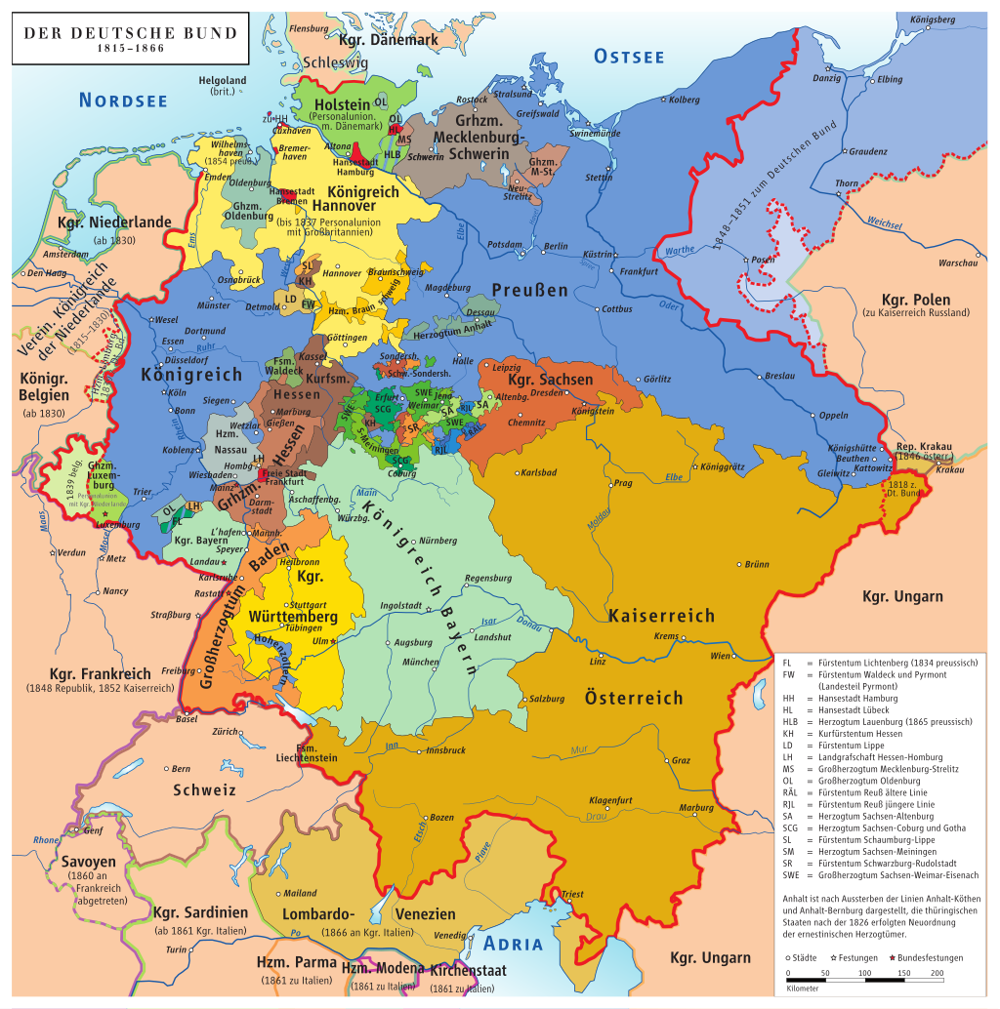
Following the defeat of Napoleon Bonaparte at the Battle of Waterloo, the German Confederation was formed by the Congress of Vienna in an attempt to establish a stable political order in Central Europe. Comprising of 39 German states, the confederation aimed to maintain the balance of power and prevent further French expansion. It emphasized principles of mutual defense and cooperation among member states while preserving their individual sovereignty.
The Confederation was led by Austria and Prussia, the two dominant German-speaking powers, in a system characterized by a federal diet and a federal assembly. Despite its efforts to promote unity, the Confederation faced challenges due to differing interests and rivalries among its members. It also laid the groundwork for the eventual unification of Germany under Prussian leadership in 1871.
The formation of the German Confederation marked a significant step towards the reorganization of Europe after the Napoleonic Wars, shaping the political landscape of the region for years to come. It set the stage for the rise of nationalism and the eventual emergence of a unified German state. The legacy of the Confederation continues to influence Germany's federal structure and diplomatic relations in the modern era.
#GermanConfederation #CongressOfVienna #EuropeanHistory #PoliticalUnity
View details1814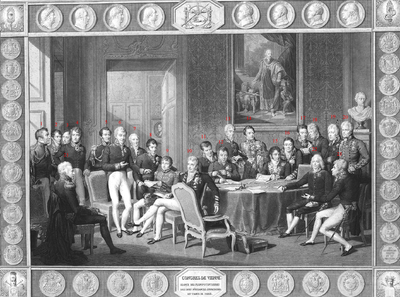
The Congress of Vienna was a diplomatic conference that aimed to reorganize Europe after the Napoleonic Wars. Representing major powers such as Austria, Britain, Russia, and Prussia, the delegates sought to establish a new balance of power and prevent future conflicts. Led by key figures like Klemens von Metternich, the Congress aimed to restore monarchies and redraw territorial borders. As a result, the German Confederation was created to replace the dissolved Holy Roman Empire, promoting a sense of unity and stability in the region. Moreover, the Congress introduced the principle of legitimacy, ensuring the return of legitimate rulers to their thrones. The decisions made at the Congress of Vienna had lasting effects on the political landscape of Europe for years to come, setting the stage for a period of relative peace and stability. The outcomes of this event reshaped the geographical and political boundaries of Germany and fostered a climate of cooperation and compromise among European powers. #CongressOfVienna #EuropeanDiplomacy #GermanConfederation #BalanceOfPower
View details