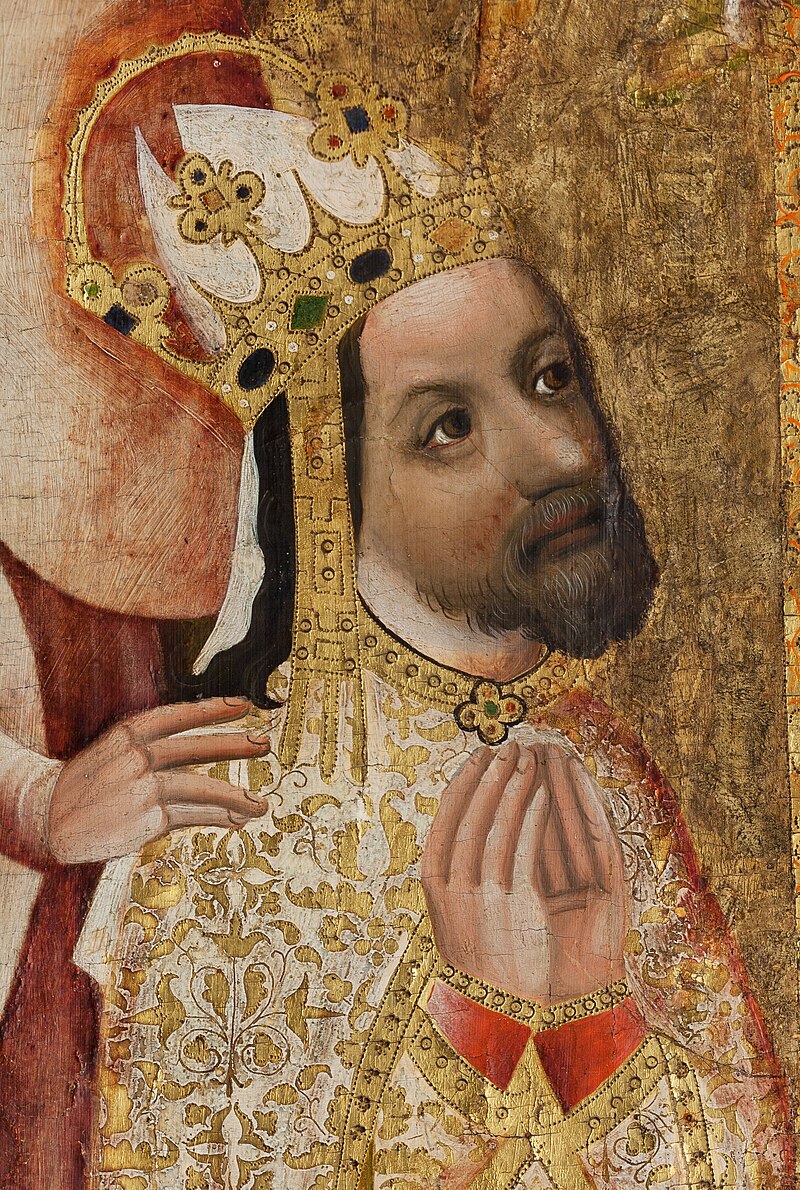
Saxon uprising challenges Emperor Henry IV in medieval power struggle.
Germany

Political
3 min read
Updated By: History Editorial Network (HEN)
Published:
In 1073, a significant event unfolded in Germany, when a momentous uprising known as the Great Saxon Revolt erupted against Emperor Henry IV. The revolt was a culmination of longstanding tensions between the Saxons and the imperial rule of Henry IV.
The Saxons, led by powerful nobles and magnates such as Otto of Nordheim and Magnus of Saxony, rebelled against Henry IV's attempts to consolidate power and exert influence over their territories. The Saxons sought to assert their autonomy and resist the emperor's control.
The revolt had far-reaching consequences, plunging the region into a protracted period of conflict and instability. Battles were fought, alliances shifted, and blood was shed as both sides vied for supremacy. The revolt marked a significant challenge to the authority of the emperor and highlighted the deep-seated divisions within the German realm.
Ultimately, the Great Saxon Revolt against Emperor Henry IV had a lasting impact on the political landscape of Germany, reshaping power dynamics and laying the groundwork for future conflicts and power struggles. The legacy of this revolt reverberated throughout the region for years to come, serving as a reminder of the complex interplay between regional autonomy and imperial authority in medieval Germany.
#GreatSaxonRevolt #EmperorHenryIV #SaxonAutonomy #MedievalGermany
Primary Reference
Saxon revolt of 1073–1075 - Wikipedia

Explore the Life Moments of
 AI Twin