
Prime Minister of the United Kingdom

The Head of Government
About
#UKPM
#UKPolitics
#ModernBritain
Life Classifications
Politician, United Kingdom
Life ID
EL8338250312032
Verified Name
u-k-p-m
Life Type
Entity Life
Life Editor(s)
History Editorial Network (HEN)
Life Privacy
Public
Subscription
Elite
Created On
2024-05-16
Updated On
2025-11-13
Connect
Related Lives

Laos
Land of a Million Elephants

Ivory Coast
The Land of Tropical Beauties.

T20 WorldCup
Twenty 20 International

Aztec Civilization
Mesoamerican Civilization

Australia
The Land Down Under

Turkey
The Land of Singing Trees

Slovakia
Heart of Europe

Russia
The Slavic Giant

2026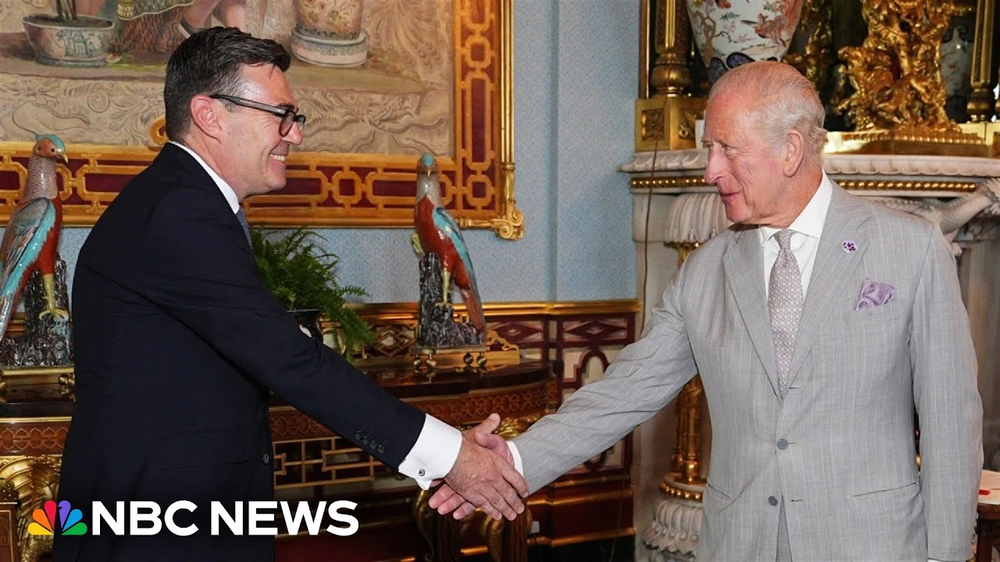
On 20/07/2026, Andy Burnham was officially appointed Prime Minister of the United Kingdom by King Charles III after Keir Starmer resigned from office. Burnham, who had served as Mayor of Greater Manchester since 2017, became prime minister following his election as leader of the governing Labour Party. Under the UK's parliamentary system, a governing party can change its leader and prime minister without holding a general election. Burnham became the seventh British prime minister in a decade and the first prime minister to belong simultaneously to the Labour Party and the Co operative Party.
The transition began with Starmer delivering a farewell statement outside 10 Downing Street, where he reflected on his two years in office before travelling to Buckingham Palace to formally resign. Shortly afterward, Burnham met King Charles III, who invited him to form a new government. Following the audience, Burnham returned to Downing Street and delivered his first speech as prime minister, promising to serve as a "circuit breaker for British politics." He pledged to reshape the country's political and economic framework through a long term plan aimed at improving living standards, strengthening regional government, and restoring political stability after years of frequent leadership changes.
Burnham announced several immediate priorities, including a commitment to end rough sleeping in England. The Prime Minister's Office confirmed an additional £340 million over five years would be allocated from the housing department's existing budget to support homelessness initiatives. He also outlined plans to introduce early cost of living measures and continue work on devolving greater powers from Westminster to local and regional authorities, reflecting policies he had championed during his tenure in Greater Manchester.
Burnham unveiled a new cabinet shortly after taking office. In one of the most closely watched appointments, John Healey became Chancellor of the Exchequer, after former Chancellor Rachel Reeves confirmed she would not serve in the new government. Louise Haigh was appointed First Secretary of State, while other cabinet positions were reshaped as Burnham assembled his administration. The new prime minister also emphasized regional devolution, later establishing a "No. 10 North" office in Manchester to symbolize his commitment to distributing political and economic power more evenly across the United Kingdom.
Why This Moment Matters:
Andy Burnham's appointment marked the beginning of a new phase for the Labour government following an internal leadership transition rather than a general election. His administration placed regional devolution and constitutional reform at the center of its agenda, reflecting a shift toward redistributing decision making beyond Westminster while seeking to stabilize British politics after a decade of frequent changes in national leadership.
View details2024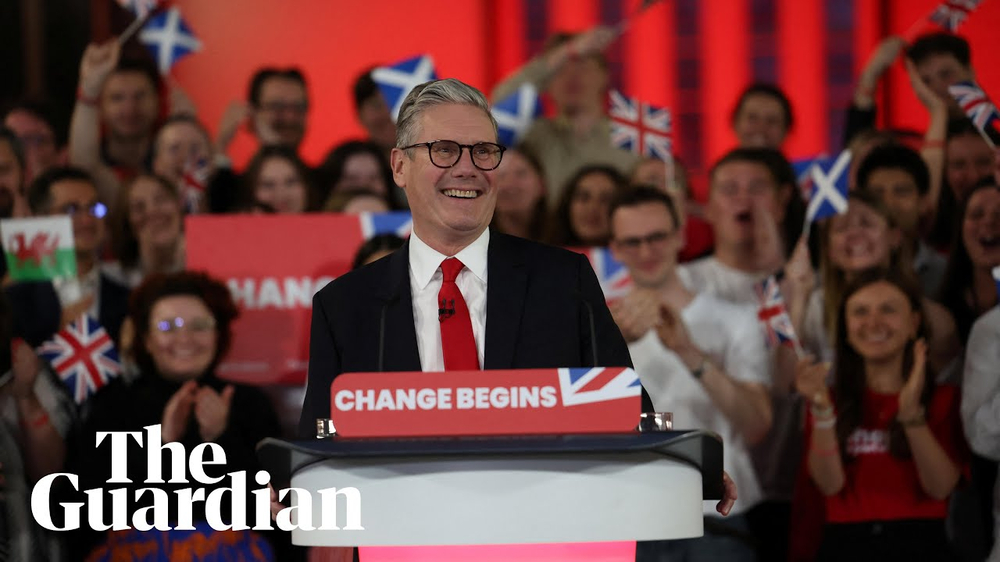
On July 5, 2024, Keir Starmer ascended to the position of Prime Minister of the United Kingdom, marking a significant shift in the country's political landscape. As the leader of the Labour Party, Starmer's rise to power followed a period of extensive political campaigning, strategic shifts within the party, and a national election that reflected changing sentiments among the British electorate.
Background and Rise to Leadership
Keir Starmer's political journey began well before he entered Parliament. Born on September 2, 1962, in Southwark, London, he pursued a career in law, becoming a renowned barrister and serving as the Director of Public Prosecutions from 2008 to 2013. His legal background earned him a reputation for being meticulous, principled, and effective—a profile that later shaped his political persona.
Starmer entered the political arena as the Member of Parliament (MP) for Holborn and St Pancras in 2015. He quickly rose through the ranks, becoming a prominent figure within the Labour Party, particularly known for his roles in the Shadow Cabinet. In April 2020, he was elected leader of the Labour Party, succeeding Jeremy Corbyn. Starmer's leadership marked a departure from Corbyn's more left-leaning policies, positioning Labour as a more centrist alternative to the Conservative Party.
2024 General Election
The path to Starmer's premiership was paved by the general election held in June 2024. This election was crucial, coming at a time when the United Kingdom faced significant challenges, including the aftermath of Brexit, economic pressures, and social issues that had been exacerbated by the COVID-19 pandemic. The Conservative Party, led by Rishi Sunak, had been in power since 2010, and many voters felt it was time for change.
Starmer's campaign focused on key issues such as revitalizing the National Health Service (NHS), addressing economic inequality, and implementing sustainable environmental policies. His message of pragmatic progressivism resonated with a broad spectrum of voters, including those disillusioned by the status quo. The Labour Party's manifesto promised investment in public services, a fairer economy, and a strong commitment to tackling climate change.
The Election Results
The election results were a testament to the shifting political dynamics in the UK. Labour achieved a decisive victory, securing a majority in the House of Commons. This win was seen not only as a mandate for Starmer but also as a call for new leadership to address the pressing issues facing the country. The Conservative Party, while still a significant force, found itself relegated to the opposition, reflecting a significant change in public sentiment.
Keir Starmer's Premiership
On July 4, 2024, Keir Starmer was officially sworn in as the Prime Minister. His premiership began with a focus on unity and rebuilding trust in government institutions. Starmer's inaugural address emphasized the need for collaboration across party lines and a commitment to serving all citizens, regardless of their political affiliations.
One of Starmer's first acts as Prime Minister was to announce a comprehensive review of the public health system, aiming to ensure that the NHS was adequately funded and equipped to meet future challenges. He also prioritized economic reforms designed to reduce inequality, promote job growth, and support businesses in transitioning to greener practices.
Internationally, Starmer sought to strengthen the UK's relationships with its European neighbors and other global partners, emphasizing a cooperative approach to trade, security, and climate change. His legal background and experience in international law positioned him as a knowledgeable and credible leader on the world stage.
#MomentsOfLife #MoofLife_Moment #MoofLife #KeirStarmer #UKPolitics #2024Elections #LabourParty #BritishPrimeMinister #PoliticalChange #ProgressiveLeadership
View details2022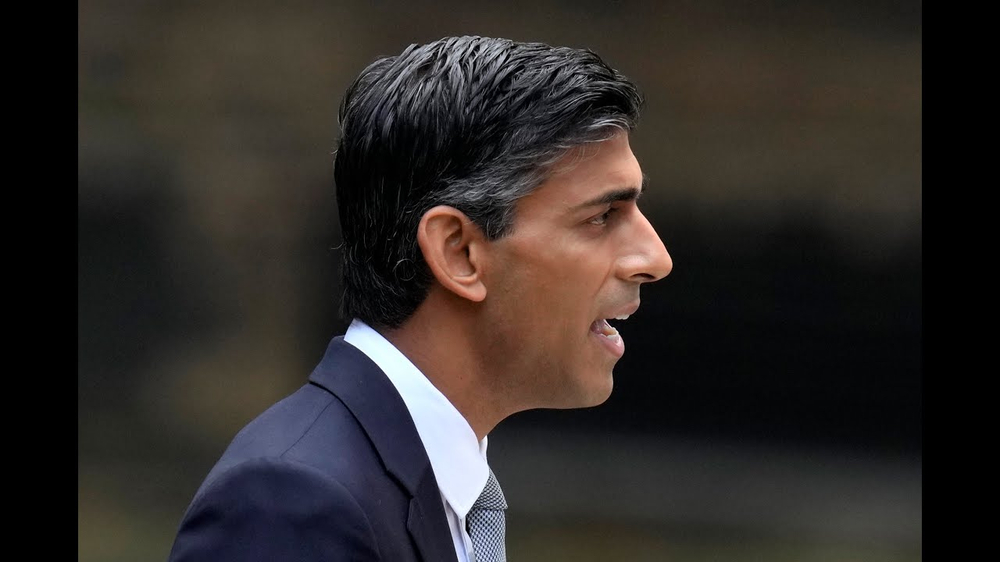
On October 25, 2022, Rishi Sunak became the Prime Minister of the United Kingdom, marking a significant moment in British political history. His ascent to the highest office in the UK government followed a turbulent period within the Conservative Party and the country at large.
Rishi Sunak's rise to prominence in British politics was swift. Born on May 12, 1980, in Southampton, England, to Indian parents, Sunak was educated at Oxford University and Stanford University, where he earned an MBA. Before entering politics, he had a successful career in investment banking and as a partner at a hedge fund.
Sunak was elected as the Member of Parliament (MP) for Richmond, North Yorkshire, in 2015. His competence and dedication were quickly recognized, leading to his appointment as Chief Secretary to the Treasury in July 2019. However, it was his tenure as Chancellor of the Exchequer, starting in February 2020, that truly showcased his capabilities. As Chancellor, Sunak was at the forefront of the UK's economic response to the COVID-19 pandemic, implementing significant fiscal measures such as the furlough scheme, which supported millions of jobs and businesses during the crisis.
The pathway to Sunak's premiership was paved by the resignation of Prime Minister Liz Truss, who had only been in office for 44 days, making her the shortest-serving Prime Minister in UK history. Truss’s resignation came in the wake of a controversial mini-budget that led to economic turmoil and a loss of confidence within her party and the public. The Conservative Party, facing immense pressure to stabilize the government and economy, turned to Sunak for leadership.
On October 24, 2022, Rishi Sunak was elected unopposed as the leader of the Conservative Party. The following day, he officially became Prime Minister after being invited to form a government by King Charles III. This moment was historic for several reasons. Sunak became the first British Asian and the first Hindu to hold the office of Prime Minister. His appointment was a landmark in the representation of ethnic minorities in British politics, reflecting the increasing diversity within the UK.
Sunak’s premiership began with an immediate focus on addressing the economic challenges facing the country. The UK was grappling with high inflation, energy crises, and the ongoing impacts of the pandemic. Sunak emphasized the need for stability, fiscal responsibility, and unity within his party to steer the country through these difficult times.
In his first speech as Prime Minister outside 10 Downing Street, Sunak acknowledged the gravity of the situation and the sacrifices required from the British people. He committed to correcting the economic mistakes made by his predecessor and restoring trust in the government’s handling of the economy. His leadership was seen as a return to a more cautious and pragmatic approach, contrasting sharply with the ideological fervor that characterized the brief Truss administration.
Sunak’s background and experience as Chancellor provided him with a solid foundation to tackle the economic issues at hand. His policies and decisions would be closely scrutinized as he navigated the UK through a period of significant uncertainty. Nonetheless, his appointment was met with cautious optimism by markets and many within his party, who viewed him as a steady hand capable of restoring confidence and stability.
The historical significance of Rishi Sunak’s premiership cannot be overstated. His rise to Prime Minister represents a major step forward for diversity and inclusion in British politics. It also underscores the dynamic and sometimes volatile nature of political leadership in the UK, where rapid changes can reflect broader societal shifts and the urgent needs of the moment.
As Prime Minister, Sunak faced the daunting task of uniting his party and the country, addressing economic challenges, and rebuilding trust in government. His tenure would ultimately be judged by his ability to deliver on these promises and lead the UK towards a more stable and prosperous future.
#MomentsOfLife #MoofLife_Moment #MoofLife #RishiSunak #UKPolitics #DiversityInLeadership #EconomicStability #HistoricalLeadership
View detailsOn September 6, 2022, Liz Truss became the Prime Minister of the United Kingdom, succeeding Boris Johnson. Her premiership was marked by unprecedented economic challenges and political turmoil, making her tenure one of the shortest and most turbulent in British history.
Liz Truss, born on July 26, 1975, in Oxford, was educated at Merton College, Oxford, where she studied Philosophy, Politics, and Economics (PPE). Before entering politics, she worked as an economist and was involved in the energy and telecommunications sectors. Truss entered Parliament as the Conservative MP for South West Norfolk in 2010. Her rise within the Conservative Party was notable for her various ministerial roles, including Secretary of State for Environment, Food and Rural Affairs, Secretary of State for International Trade, and Foreign Secretary.
Truss’s path to the premiership began with the resignation of Boris Johnson in July 2022, following a series of scandals and a loss of confidence within his party. The Conservative Party leadership contest saw Truss competing against Rishi Sunak, the former Chancellor of the Exchequer. Truss’s campaign focused on tax cuts, deregulation, and a commitment to conservative economic principles, resonating with the party’s grassroots members. She was elected as the leader of the Conservative Party on September 5, 2022.
Upon becoming Prime Minister, Truss immediately faced a daunting array of challenges. The UK was grappling with a cost-of-living crisis, soaring energy prices, and inflation exacerbated by the global economic fallout from the COVID-19 pandemic and the war in Ukraine. Truss’s response to these crises was to implement a bold economic strategy centered on significant tax cuts and supply-side reforms aimed at stimulating growth.
On September 23, 2022, Chancellor Kwasi Kwarteng announced a mini-budget that included the largest tax cuts in the UK since 1972, totaling £45 billion, funded through increased borrowing. The mini-budget included measures such as scrapping the top rate of income tax, reversing a planned increase in corporation tax, and cutting National Insurance contributions. These measures were intended to boost investment and economic growth, but they were introduced without accompanying spending cuts or detailed plans to manage the increased borrowing.
The reaction to the mini-budget was immediate and severe. Financial markets reacted negatively, with the pound plummeting to historic lows against the dollar and bond yields spiking, leading to higher borrowing costs for the government. The turmoil in the financial markets prompted the Bank of England to intervene to stabilize the situation. The economic fallout from the mini-budget eroded confidence in Truss’s leadership and economic strategy, both within her party and among the general public.
As criticism mounted, Truss faced growing pressure to reverse the mini-budget’s measures. On October 14, 2022, she dismissed Chancellor Kwarteng and appointed Jeremy Hunt as his successor. Hunt quickly reversed almost all the tax cuts announced in the mini-budget in an effort to restore fiscal stability and confidence. Despite these reversals, the political damage was done.
Truss’s premiership was further undermined by a series of political missteps and resignations within her government. Her handling of the economy and loss of support from key figures within the Conservative Party made her position increasingly untenable. On October 20, 2022, after just 45 days in office, Truss announced her resignation, making her the shortest-serving Prime Minister in UK history. She remained in office until October 25, 2022, when Rishi Sunak succeeded her following a brief leadership contest.
Liz Truss’s brief tenure as Prime Minister is a stark reminder of the challenges and risks of implementing rapid and radical economic changes. Her rise and fall highlight the volatility of contemporary British politics and the profound impact of economic policy decisions on political stability. Truss’s time in office will be remembered for its dramatic economic upheaval and its significant, albeit short-lived, impact on the UK’s political landscape.
#MomentsOfLife #MoofLife_Moment #MoofLife #LizTruss #UKPolitics #EconomicPolicy #ConservativeParty #BritishPrimeMinister
View details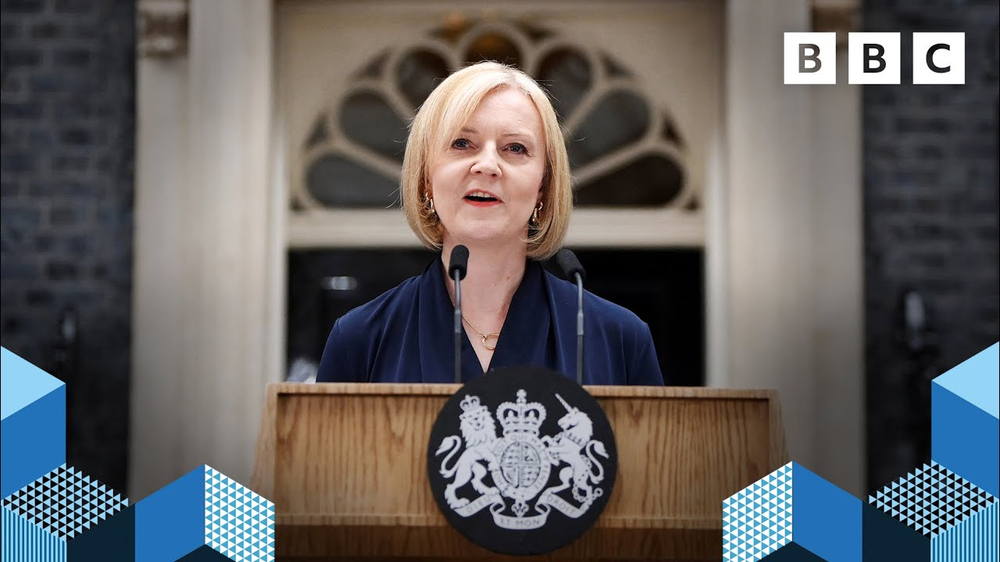
2019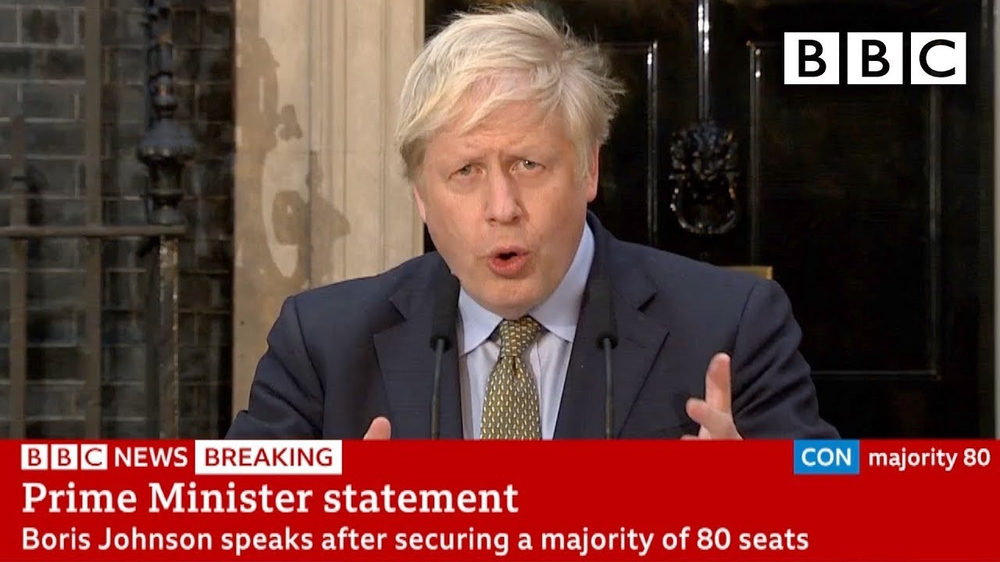
On July 24, 2019, Boris Johnson became the Prime Minister of the United Kingdom, marking a pivotal moment in British politics. His ascent to the highest office came after a dramatic series of events that underscored the nation's ongoing struggle with Brexit, the process of leaving the European Union.
Boris Johnson, born on June 19, 1964, in New York City, had a colorful and varied career before becoming Prime Minister. Educated at Eton College and Balliol College, Oxford, Johnson worked as a journalist before entering politics. His tenure as the editor of The Spectator and later as the Mayor of London from 2008 to 2016 helped him establish a public persona characterized by charisma, wit, and a propensity for controversy.
Johnson's path to 10 Downing Street was shaped by his prominent role in the Brexit referendum of 2016, where he emerged as a leading voice for the Leave campaign. His vigorous advocacy for Brexit resonated with a significant portion of the British electorate, helping to tip the balance in favor of leaving the EU. After the referendum, Johnson served as Foreign Secretary under Prime Minister Theresa May, although his tenure was marked by disagreements over her approach to Brexit.
By mid-2019, the Conservative Party was in turmoil. Theresa May's inability to secure parliamentary approval for her Brexit deal led to her resignation as party leader and Prime Minister. Johnson, with his staunch Brexit stance and broad appeal among Conservative Party members, won the subsequent leadership contest decisively. On July 23, 2019, he was elected leader of the Conservative Party, and the following day, he was invited by Queen Elizabeth II to form a government, officially becoming Prime Minister.
Johnson’s premiership began with a clear and uncompromising message: to deliver Brexit by October 31, 2019, "do or die." This set the stage for a highly contentious period in British politics. Johnson faced immediate challenges, including a deeply divided Parliament and significant opposition both within his party and from other political factions.
One of Johnson's first significant acts as Prime Minister was to prorogue Parliament, a move intended to curtail debate and prevent efforts to block a no-deal Brexit. This decision was met with widespread criticism and legal challenges, culminating in a historic ruling by the UK Supreme Court that the prorogation was unlawful.
Despite these setbacks, Johnson's determination to achieve Brexit resonated with many voters. His rhetoric and actions reflected a bold, sometimes controversial, approach to governance. He emphasized the need for decisive action and portrayed himself as a leader who would break the deadlock and deliver on the referendum's mandate.
The political landscape dramatically shifted following Johnson’s decision to call a snap general election in December 2019. Campaigning on a platform to "Get Brexit Done," Johnson led the Conservative Party to a landslide victory, securing an 80-seat majority in the House of Commons. This mandate allowed him to pass the Withdrawal Agreement, finally enabling the UK to leave the EU on January 31, 2020.
Johnson's early tenure as Prime Minister was dominated by the Brexit saga, but soon other challenges emerged, most notably the COVID-19 pandemic. His government's response to the pandemic was critical in shaping public perception of his leadership. Johnson himself contracted the virus in April 2020, which underscored the severity of the crisis.
Throughout his time in office, Johnson's leadership style, characterized by populist rhetoric, charismatic communication, and sometimes polarizing decisions, continued to shape his political legacy. His ability to navigate the complexities of Brexit, secure electoral success, and manage unprecedented crises like the pandemic have defined his premiership.
Boris Johnson's time as Prime Minister was marked by significant achievements and controversies alike. His impact on British politics, particularly regarding Brexit, is profound. As a leader, he exemplified a blend of traditional conservatism with modern populist tactics, leaving an indelible mark on the UK's political landscape.
#MomentsOfLife #MoofLife_Moment #MoofLife #BorisJohnson #UKPolitics #Brexit #PoliticalLeadership #ConservativeParty #BritishPrimeMinister
View details2016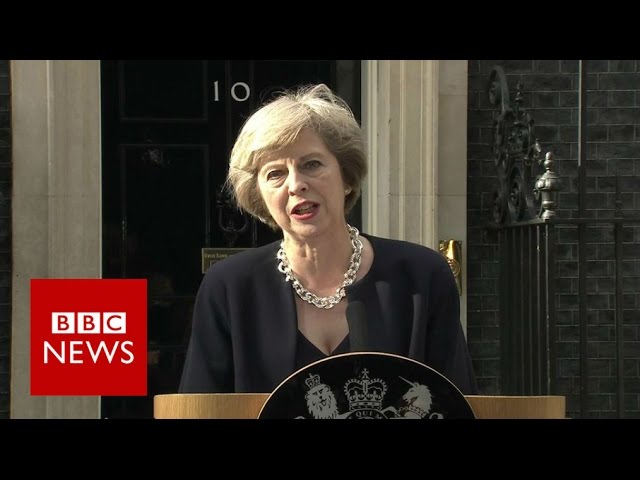
On July 13, 2016, Theresa May became the Prime Minister of the United Kingdom, succeeding David Cameron. Her rise to the premiership occurred during one of the most tumultuous periods in recent British political history, marked by the aftermath of the Brexit referendum.
Theresa May, born on October 1, 1956, in Eastbourne, East Sussex, was educated at St Hugh's College, Oxford, where she studied geography. She embarked on a career in banking before entering politics. May was elected as the Member of Parliament (MP) for Maidenhead in 1997. Over the years, she established herself as a capable and dedicated public servant, holding various roles, including Chairman of the Conservative Party and Home Secretary.
May's tenure as Home Secretary from 2010 to 2016 under David Cameron was notable for her strong stance on immigration and her efforts to reform the police force. Her reputation for diligence and competence earned her respect within the Conservative Party and positioned her as a serious contender for party leadership.
The Brexit referendum on June 23, 2016, in which 52% of voters opted to leave the European Union, triggered David Cameron's resignation, as he had campaigned for Remain. The ensuing leadership contest within the Conservative Party saw several prominent figures, including Boris Johnson and Michael Gove, fall by the wayside. Ultimately, Theresa May emerged as the consensus candidate, winning the support of a broad cross-section of the party.
On July 11, 2016, after her last remaining rival, Andrea Leadsom, withdrew from the race, May was confirmed as the new leader of the Conservative Party. Two days later, she was invited by Queen Elizabeth II to form a government, officially becoming the UK's second female Prime Minister, following in the footsteps of Margaret Thatcher.
In her first speech outside 10 Downing Street, May set the tone for her premiership by emphasizing unity, social justice, and her commitment to making Britain work "for everyone, not just the privileged few." She pledged to address the deep divisions exposed by the Brexit vote and to negotiate a Brexit deal that would honor the referendum result while safeguarding the nation's interests.
One of May's first significant actions as Prime Minister was to establish the Department for Exiting the European Union, appointing David Davis as Secretary of State for Brexit. She also made key appointments, including Boris Johnson as Foreign Secretary, to bring together a Cabinet that could manage the complex and contentious process of leaving the EU.
The defining issue of May's premiership was undoubtedly Brexit. She outlined her approach in a landmark speech at Lancaster House in January 2017, where she laid out her 12-point plan for Brexit, including leaving the single market and the customs union while seeking a comprehensive free trade agreement with the EU. Her mantra, "Brexit means Brexit," aimed to reassure Leave voters that their decision would be implemented fully.
In an effort to strengthen her mandate, May called a snap general election in April 2017, hoping to increase her parliamentary majority and secure a stronger position in Brexit negotiations. However, the election, held in June 2017, resulted in a hung parliament. The Conservatives lost their majority and had to rely on a confidence-and-supply agreement with the Democratic Unionist Party (DUP) to stay in power. This outcome weakened May's position both domestically and in negotiations with the EU.
The subsequent Brexit negotiations were fraught with difficulties. May's proposed withdrawal agreement faced fierce opposition from various factions within Parliament. Key points of contention included the Irish backstop, designed to prevent a hard border between Northern Ireland and the Republic of Ireland, which many MPs feared could trap the UK in a permanent customs union with the EU.
May's withdrawal agreement was rejected by Parliament three times, leading to significant political turmoil. Despite her efforts to find a compromise and her appeals for unity, she was unable to secure the necessary support for her deal. The repeated defeats led to increasing pressure from within her party and the wider political spectrum.
On May 24, 2019, Theresa May announced her resignation as leader of the Conservative Party, effective June 7, 2019, acknowledging that she had been unable to deliver Brexit. She remained as Prime Minister until July 24, 2019, when Boris Johnson succeeded her following a leadership contest within the Conservative Party.
Theresa May's premiership was marked by her determination to navigate the UK through the unprecedented challenge of Brexit, her commitment to public service, and her resilience in the face of immense political pressures. Her legacy is closely tied to the Brexit process, highlighting the complexities and divisions that have characterized this defining period in British politics.
#MomentsOfLife #MoofLife_Moment #MoofLife #TheresaMay
View details2010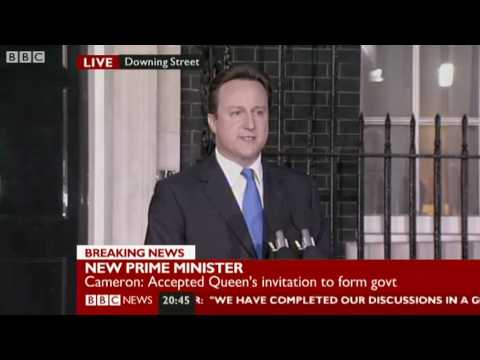
David Cameron became the Prime Minister of the United Kingdom on May 11, 2010, marking the beginning of a new era in British politics. His ascent to the premiership followed a closely contested general election and ended 13 years of Labour Party governance under Tony Blair and Gordon Brown.
David Cameron was born on October 9, 1966, in London. He was educated at Eton College and later at Brasenose College, Oxford, where he studied Philosophy, Politics, and Economics (PPE). His early career included a stint as a special adviser and in public relations before he entered Parliament as the MP for Witney in 2001.
Cameron's rise within the Conservative Party was rapid. By 2005, he was elected as the party leader, succeeding Michael Howard. At 39, Cameron was the youngest leader of the Conservative Party since William Pitt the Younger. His leadership style was characterized by a modernizing agenda aimed at broadening the party's appeal, focusing on issues such as climate change, social justice, and public services, in an effort to shed the "nasty party" image that had plagued the Conservatives in the past.
The 2010 general election resulted in a hung parliament, with no single party achieving a majority. The Conservatives won the most seats but fell short of an outright majority, leading to five days of negotiations. Ultimately, Cameron formed a coalition government with the Liberal Democrats, led by Nick Clegg, who became Deputy Prime Minister. This coalition was the first of its kind in the UK since World War II.
As Prime Minister, Cameron's government prioritized economic austerity, aiming to reduce the national deficit following the 2008 financial crisis. Chancellor of the Exchequer George Osborne introduced significant spending cuts and tax reforms as part of this austerity agenda. These measures were controversial and sparked widespread public debate and protest.
Cameron's tenure was also marked by several significant policy achievements and reforms. His government introduced the Health and Social Care Act, which reformed the NHS, and the Welfare Reform Act, which aimed to overhaul the benefits system. Education reforms included the expansion of academies and free schools. Additionally, the government passed the Marriage (Same Sex Couples) Act 2013, legalizing same-sex marriage in England and Wales, a landmark move for LGBT rights in the UK.
Foreign policy during Cameron's premiership included active involvement in international affairs, such as military intervention in Libya in 2011, and efforts to address the Syrian civil war and the rise of ISIS. Cameron also sought to renegotiate the UK's relationship with the European Union, promising and eventually delivering a referendum on EU membership.
The question of EU membership defined the later years of Cameron's premiership. In response to growing Euroscepticism within his party and the rise of the UK Independence Party (UKIP), Cameron promised an in-out referendum on EU membership if the Conservatives won the 2015 general election. The Conservatives achieved a surprising majority in that election, largely credited to Cameron's leadership and campaign strategy.
On June 23, 2016, the EU referendum was held, and 51.9% of voters chose to leave the European Union. Cameron had campaigned for the UK to remain in the EU and had warned of the economic and political risks of Brexit. The result was a significant political and personal defeat for him. The following day, Cameron announced his resignation, stating that fresh leadership was needed to guide the country through the Brexit process. He officially stepped down on July 13, 2016, and was succeeded by Theresa May.
David Cameron's time as Prime Minister was characterized by significant economic, social, and political changes. His efforts to modernize the Conservative Party, implement austerity measures, and navigate the complexities of coalition government were significant aspects of his legacy. However, his decision to hold the EU referendum and its outcome ultimately defined his premiership, leaving a lasting impact on the UK's political landscape.
#MomentsOfLife #MoofLife_Moment #MoofLife #DavidCameron #UKPolitics #Brexit #PoliticalLeadership #ConservativeParty #BritishPrimeMinister
View details2007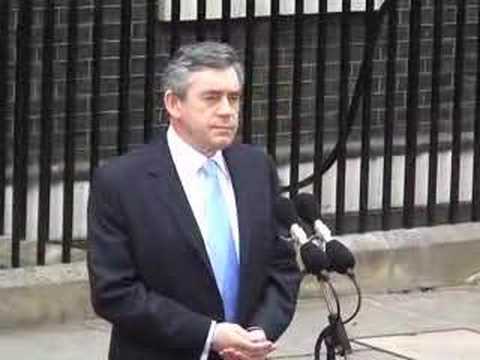
On June 27, 2007, Gordon Brown became the Prime Minister of the United Kingdom, succeeding Tony Blair. His premiership marked the culmination of a long political career within the Labour Party and was characterized by significant economic challenges and pivotal global events.
Gordon Brown was born on February 20, 1951, in Giffnock, Scotland. He was educated at the University of Edinburgh, where he earned a Ph.D. in History. Brown entered politics early, becoming an MP for Dunfermline East in 1983. Over the years, he established himself as a key figure within the Labour Party, known for his intellectual rigor and dedication to social justice.
Brown's partnership with Tony Blair was crucial to the modernization of the Labour Party, leading to the landslide victory in the 1997 general election. As Chancellor of the Exchequer from 1997 to 2007, Brown was instrumental in shaping the UK's economic policy. He presided over a period of sustained economic growth and implemented significant reforms, such as granting independence to the Bank of England and introducing tax credits to support working families.
The transition from Blair to Brown had been anticipated for years. Known for his ambition and vision for the country, Brown had often been seen as the intellectual driving force behind New Labour. When Blair announced his intention to step down in 2007, Brown emerged as the natural successor, winning the leadership of the Labour Party unopposed.
Brown’s tenure as Prime Minister began with a focus on domestic issues and a commitment to social justice. He prioritized education, healthcare, and addressing child poverty. However, his premiership was soon dominated by a series of crises that tested his leadership.
One of the first major challenges Brown faced was the global financial crisis of 2007-2008. The collapse of major financial institutions and the ensuing economic turmoil required swift and decisive action. Brown played a critical role in orchestrating the UK's response to the crisis, implementing a bank rescue package that involved the partial nationalization of several banks and injecting capital to stabilize the financial system. His actions were credited with helping to prevent a complete collapse of the UK banking sector.
Internationally, Brown was a key player in coordinating the global response to the financial crisis. He advocated for international cooperation and stimulus measures at the G20 summit in London in April 2009, which led to significant commitments from world leaders to support the global economy. Brown's efforts were widely recognized and praised for their impact on mitigating the worst effects of the crisis.
Despite his strong leadership during the financial crisis, Brown's premiership was marred by political challenges and declining popularity. The Labour Party faced internal divisions, and Brown struggled to connect with voters in the same way that Blair had. His reserved and serious demeanor, while respected, lacked the charismatic appeal that had characterized Blair's leadership.
The 2010 general election resulted in a hung parliament, with no party winning an outright majority. After days of negotiations, the Conservative Party, led by David Cameron, formed a coalition government with the Liberal Democrats. Brown announced his resignation as Prime Minister and Labour Party leader on May 11, 2010, paving the way for Cameron to take office.
Gordon Brown's legacy as Prime Minister is complex. He is remembered for his decisive action during the global financial crisis and his commitment to social justice. However, his tenure was also marked by political difficulties and a failure to secure a lasting mandate from the electorate. Brown returned to the backbenches after leaving office and continued to be an influential voice in public life, focusing on global issues such as education and international development.
Brown's time as Prime Minister underscored the unpredictable nature of political leadership and the profound impact of global events on national governance. His leadership during one of the most challenging economic periods in recent history remains a significant aspect of his legacy.
#MomentsOfLife #MoofLife_Moment #MoofLife #GordonBrown #UKPolitics #FinancialCrisis #LabourParty #BritishPrimeMinister
View details1997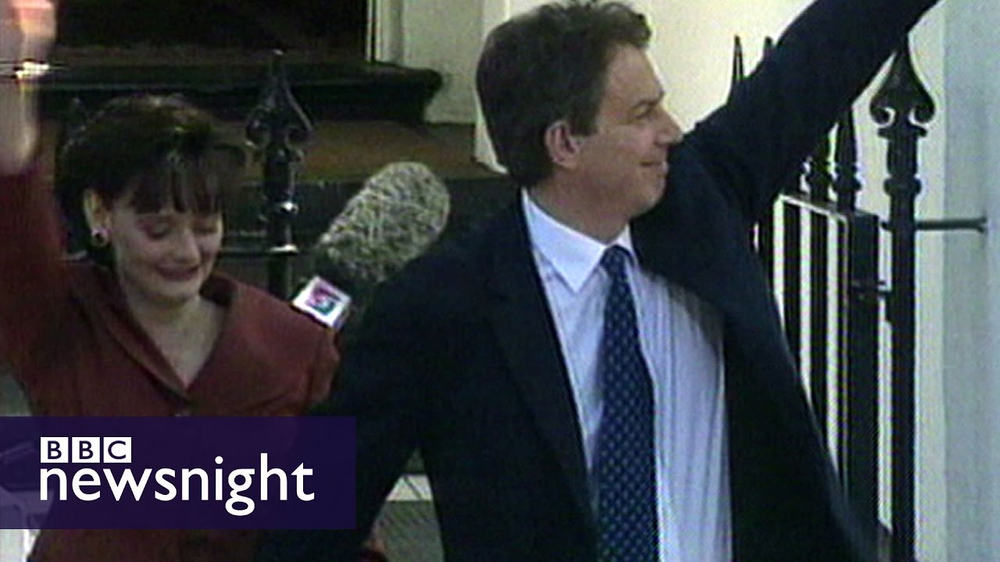
On May 2, 1997, Tony Blair became the Prime Minister of the United Kingdom, leading the Labour Party to a historic landslide victory that ended 18 years of Conservative rule. His premiership marked the beginning of a new era in British politics, characterized by significant domestic reforms and an active role in international affairs.
Tony Blair was born on May 6, 1953, in Edinburgh, Scotland. He studied at St. John's College, Oxford, where he read jurisprudence, and subsequently trained as a lawyer. Blair entered politics as the Member of Parliament (MP) for Sedgefield in 1983. His rapid rise within the Labour Party was driven by his charismatic personality, eloquent communication skills, and a vision to modernize the party.
Blair's ascent to the party leadership came in 1994, following the sudden death of John Smith. As leader, Blair rebranded the Labour Party as "New Labour," distancing it from its traditional socialist image. He embraced a centrist approach, combining free-market policies with a commitment to social justice, encapsulated in the phrase "Third Way." This rebranding was instrumental in broadening the party's appeal to middle-class voters who had previously supported the Conservatives.
The 1997 general election was a watershed moment. Labour's campaign, centered on the themes of "New Labour, New Britain" and a pledge to revitalize public services, resonated with an electorate weary of years of Conservative governance marked by economic turmoil and political scandals. Labour won 418 seats, the largest majority in the party's history, while the Conservatives suffered their worst defeat since 1832.
As Prime Minister, Blair embarked on an ambitious agenda of domestic reform. His government introduced the National Minimum Wage, established the Sure Start program to support early childhood education, and enacted significant constitutional changes, including devolution for Scotland and Wales, and the reform of the House of Lords. Blair's administration also prioritized education and healthcare, increasing funding for schools and the National Health Service (NHS).
One of Blair's most significant achievements was the Good Friday Agreement in 1998, which brought an end to decades of violent conflict in Northern Ireland. The peace process, facilitated by intensive negotiations and the involvement of key political figures from Northern Ireland, the Republic of Ireland, and the United States, resulted in a power-sharing arrangement that significantly reduced sectarian violence and established a framework for political stability in the region.
Blair's foreign policy was characterized by an active and interventionist stance. He forged a close relationship with US President Bill Clinton, and later with President George W. Bush. This "special relationship" was pivotal in shaping Blair's foreign policy decisions, particularly in relation to military interventions. Blair supported NATO's intervention in Kosovo in 1999 and played a key role in the international response to the Sierra Leone Civil War in 2000.
However, Blair's legacy is most controversially defined by his decision to support the US-led invasion of Iraq in 2003. The justification for the invasion was the alleged presence of weapons of mass destruction (WMDs) in Iraq, a claim that was later discredited. The war, which led to the toppling of Saddam Hussein but also resulted in significant loss of life and long-term instability in the region, provoked widespread protests and severely impacted Blair's popularity. The Chilcot Inquiry, published in 2016, criticized the way the decision to go to war was made and the handling of its aftermath.
Despite the controversies surrounding Iraq, Blair won two more general elections in 2001 and 2005, albeit with reduced majorities. His ability to win three consecutive terms was unprecedented for the Labour Party and underscored his electoral appeal.
In 2007, Blair announced his resignation, and Gordon Brown, his long-time Chancellor of the Exchequer, succeeded him as Prime Minister. After leaving office, Blair remained active in public life, focusing on international issues through the Tony Blair Institute for Global Change and his role as a Middle East envoy.
Tony Blair's premiership left a profound impact on the UK. His domestic reforms modernized the Labour Party and addressed key social issues, while his foreign policy decisions, particularly regarding Iraq, continue to spark debate. Blair's legacy is a complex blend of transformative achievements and contentious decisions, reflecting the challenges and responsibilities of leadership in a rapidly changing world.
#MomentsOfLife #MoofLife_Moment #MoofLife #TonyBlair #UKPolitics #NewLabour #GoodFridayAgreement #BritishPrimeMinister #IraqWar #DomesticReforms
View details1990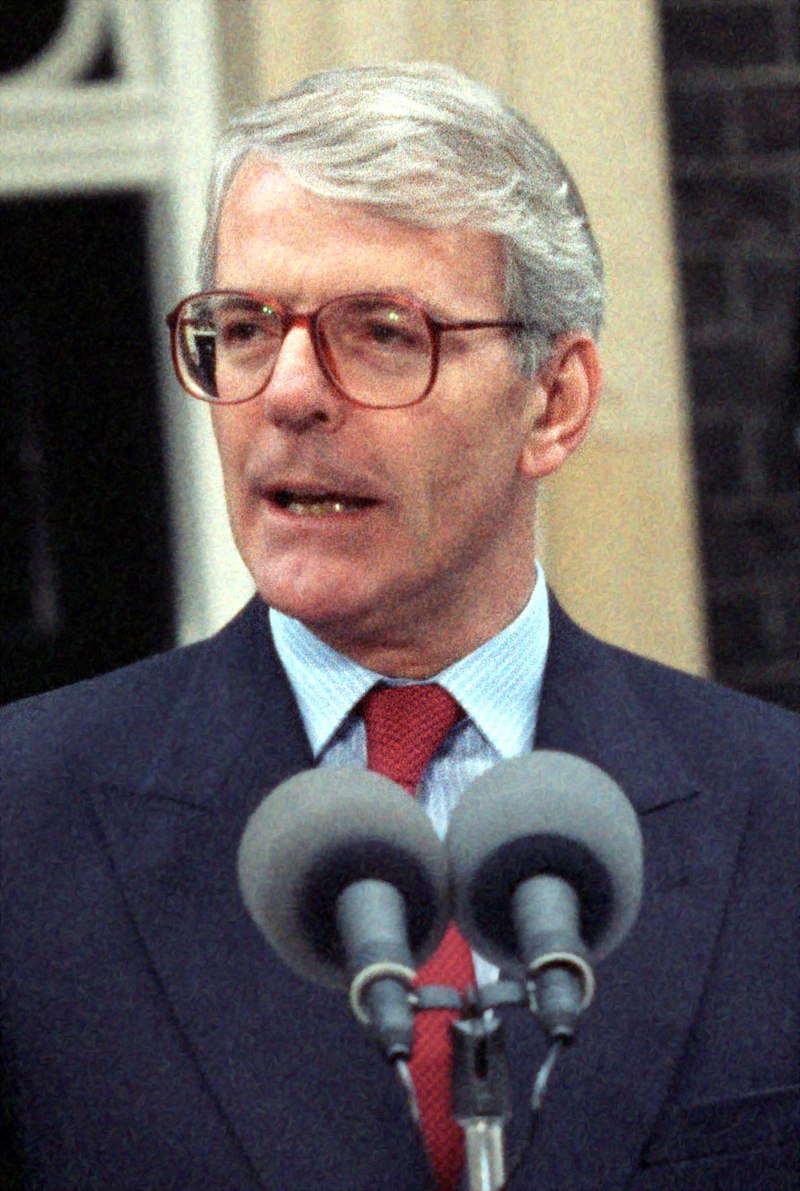
On November 28, 1990, John Major replaced Margaret Thatcher as the Prime Minister of the United Kingdom. The appointment came after a dramatic leadership challenge within the Conservative Party. Major, who had previously served as Chancellor of the Exchequer, stepped into the role during a period of significant political turbulence.
Major's appointment marked a turning point in British politics. As Prime Minister, he focused on issues such as education reform, the economy, and Northern Ireland. His government also faced challenges such as the breakup of Yugoslavia and the Gulf War.
Under Major's leadership, the Conservative Party won the 1992 general election, defying expectations. However, his time in office was also marked by internal party divisions and scandals, including controversies over Europe and allegations of sleaze.
The legacy of John Major's premiership continues to be a topic of debate among historians and political analysts. His tenure is remembered for its accomplishments and challenges during a crucial period in British history.
#JohnMajor #UKPrimeMinister #ConservativeParty #PoliticalHistory #LeadershipChallenge #UKPolitics
View details1979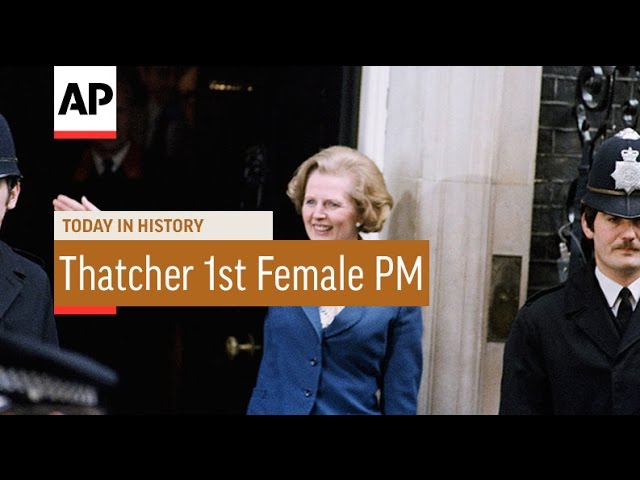
On May 4, 1979, Margaret Thatcher became the first female Prime Minister of the United Kingdom, marking a transformative moment in British political history. Her election ushered in a new era defined by her distinctive brand of conservatism, later known as "Thatcherism," which profoundly reshaped the UK's economic and political landscape.
Margaret Hilda Thatcher, née Roberts, was born on October 13, 1925, in Grantham, Lincolnshire. She studied chemistry at Somerville College, Oxford, and later trained as a barrister. Thatcher entered politics as the Conservative MP for Finchley in 1959, steadily rising through the ranks. Her sharp intellect, strong work ethic, and clear ideological vision quickly distinguished her within the Conservative Party.
Thatcher's path to the premiership began with her appointment as Secretary of State for Education and Science in 1970 under Prime Minister Edward Heath. Her tenure was controversial, particularly for her decision to cut funding for free milk in schools, earning her the moniker "Thatcher, the Milk Snatcher." Despite this, her resolve and clear policy direction garnered respect within her party.
In 1975, after the Conservatives lost the general election and Heath's leadership was questioned, Thatcher challenged him for the party leadership and won, becoming the first woman to lead a major political party in the UK. Her leadership style was assertive and uncompromising, traits that would define her time as Prime Minister.
The 1979 general election was held against a backdrop of economic turmoil and widespread industrial unrest, epitomized by the "Winter of Discontent" in 1978-1979, when a series of strikes paralyzed the country. The Labour government, led by James Callaghan, struggled to manage the crisis, leading to a loss of public confidence. Thatcher's Conservative Party capitalized on this discontent, promising a new direction focused on reducing the power of trade unions, cutting taxes, and curbing inflation.
Thatcher's victory in the 1979 election was decisive, ending 15 years of Labour dominance. Her government immediately set about implementing a series of radical economic reforms aimed at reducing the state's role in the economy and promoting free-market principles. Key policies included privatizing state-owned industries, deregulating the financial sector, and introducing measures to reduce the power and influence of trade unions.
One of the most significant early actions of Thatcher's government was the passage of the Employment Act 1980, which restricted the power of trade unions. This set the stage for her confrontations with the unions, most notably during the miners' strike of 1984-1985. Thatcher's government stood firm against the strike, eventually leading to a significant weakening of the trade union movement in the UK.
Thatcher's economic policies, while controversial, resulted in a period of significant transformation. Her government cut public spending, reduced income tax rates, and encouraged private enterprise. These measures were credited with reducing inflation and stimulating economic growth, but they also led to increased unemployment and social inequality. Thatcher's belief in individual responsibility and entrepreneurialism became central tenets of her political philosophy.
Internationally, Thatcher maintained a strong and assertive foreign policy. She formed a close alliance with US President Ronald Reagan, sharing a commitment to free-market economics and a strong stance against the Soviet Union. Thatcher's leadership during the Falklands War in 1982, when British forces successfully retook the Falkland Islands from Argentine occupation, bolstered her reputation for decisiveness and determination.
Thatcher's approach to Europe was more complex. While she supported the UK's membership in the European Economic Community (EEC), she was skeptical of further political integration. Her famous 1988 Bruges speech articulated her vision of a Europe based on cooperation between sovereign nations rather than a federalist superstate.
Despite facing significant opposition, both from within her party and the public, Thatcher's political acumen and clear ideological vision allowed her to win three consecutive general elections (1979, 1983, and 1987). However, her third term saw increasing dissent over her policies, particularly the introduction of the Community Charge, known as the "poll tax." The unpopularity of this policy, combined with internal party divisions, led to her resignation in November 1990.
Margaret Thatcher's legacy is deeply polarizing. She is hailed by supporters for revitalizing the British economy, curbing the power of the unions, and strengthening the UK's global standing. Critics argue that her policies exacerbated social divisions and led to significant economic hardship for many. Regardless of one's view, Thatcher's impact on the UK was profound and enduring, making her one of the most significant political figures of
View details1976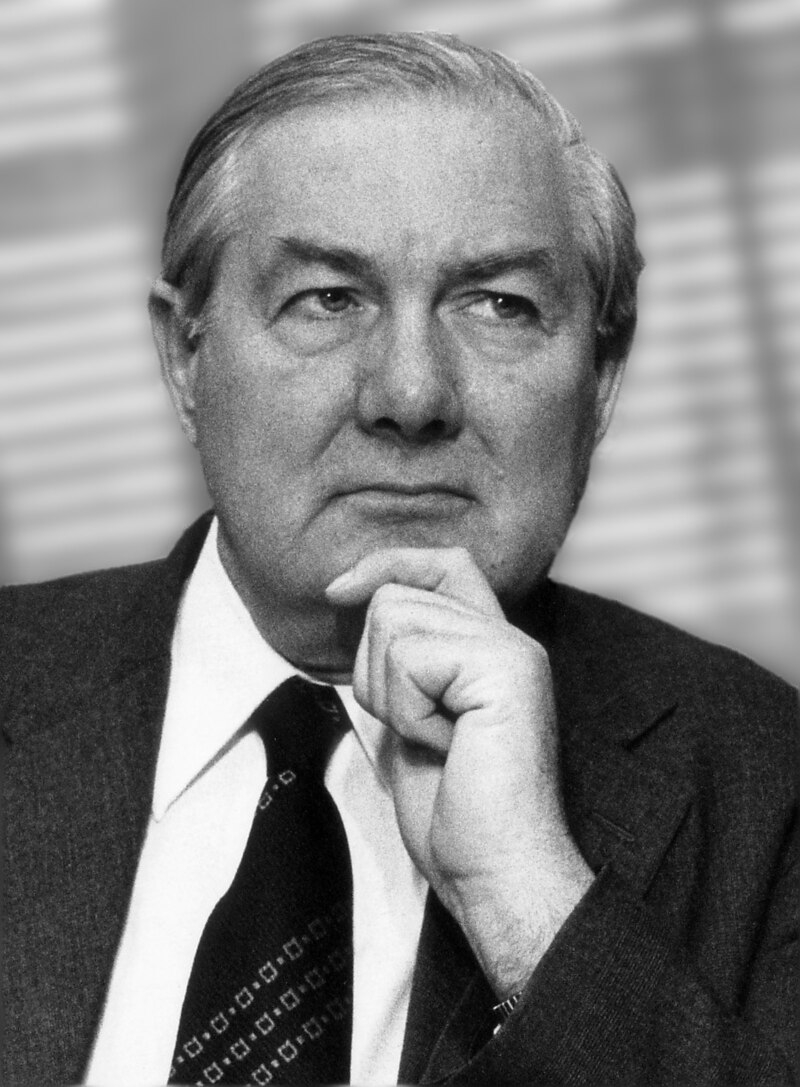
On April 5, 1976, James Callaghan succeeded Harold Wilson as the Prime Minister of the United Kingdom, following Wilson's unexpected resignation. Callaghan's rise to the prime ministership marked a significant moment in British political history, as he became the first person to have held all four of the Great Offices of State: Chancellor of the Exchequer, Home Secretary, Foreign Secretary, and finally, Prime Minister. His tenure as Prime Minister came during a challenging period for the UK, characterized by economic difficulties, industrial unrest, and the ongoing Northern Ireland conflict.
Callaghan's time in office was particularly marked by the Winter of Discontent (1978-1979), a period of widespread strikes by public sector workers demanding pay increases in response to rising inflation. These events, alongside the economic challenges, significantly impacted public opinion and contributed to the electoral defeat of the Labour Party in the 1979 general election, leading to the rise of Margaret Thatcher's Conservative government. Callaghan’s leadership is often remembered for its efforts to navigate through these turbulent times with a focus on consensus and social democracy.
#JamesCallaghan #UKPrimeMinister #1970sBritain #WinterOfDiscontent #BritishPoliticalHistory
View details1974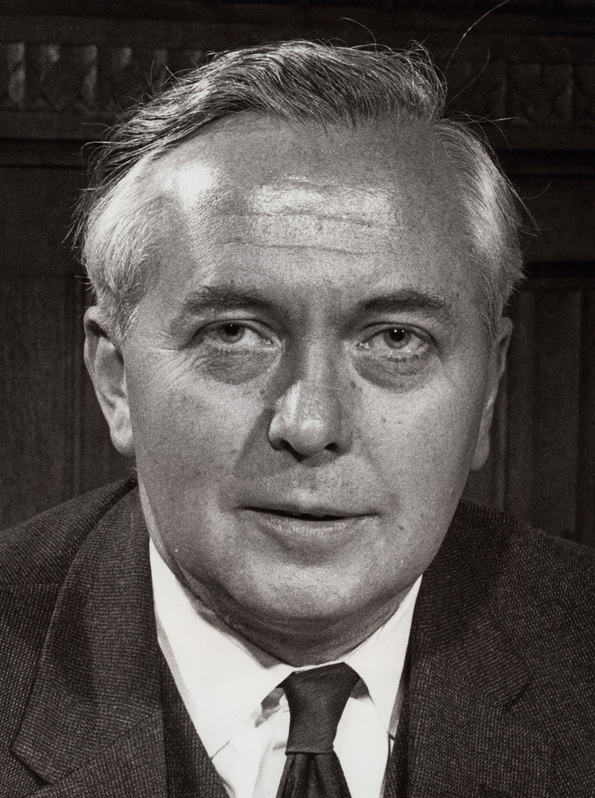
Harold Wilson began his second term as Prime Minister of the United Kingdom. Wilson, a member of the Labour Party, faced challenges such as a global oil crisis and domestic economic instability.
During his second term, Wilson worked on issues like trade union reforms and regional development policies. He also had to navigate the UK's entry into the European Economic Community (EEC), which was a contentious issue at the time.
Wilson's leadership during this period had a significant impact on the UK's political landscape. His focus on social reform and economic modernization left a lasting legacy in British politics.
The appointment of Harold Wilson for a second term marked a critical juncture in the history of the UK government, highlighting the complexities of governance during a time of both national and international challenges.
#HaroldWilson #UKpolitics #LabourParty #EconomicChallenges
View details1970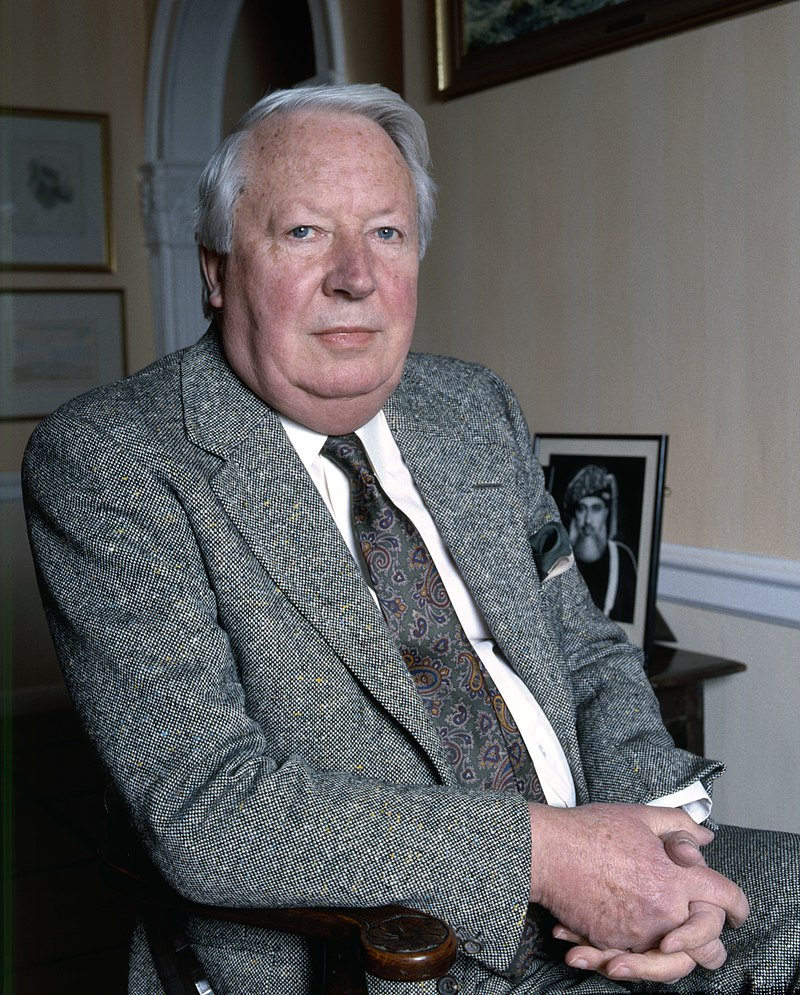
On June 19, 1970, Sir Edward Heath became the Prime Minister of the United Kingdom. Heath, a member of the Conservative Party, succeeded Harold Wilson following the general election. He was known for his strong stance on European integration and led the UK into joining the European Economic Community in 1973. During his time in office, Heath faced various challenges, including economic struggles and conflicts with trade unions.
Heath's appointment marked a shift in British politics towards a more conservative leadership. His policies aimed to address issues such as inflation and unemployment while also promoting closer ties with Europe. However, his tenure was marred by unrest within the country, particularly during the miners' strikes in the early 1970s.
Despite facing criticism for his handling of domestic affairs, Heath's dedication to European relations was a defining aspect of his premiership. His government's commitment to European unity laid the groundwork for the UK's future engagements with the European Union.
#EdwardHeath #PrimeMinister #UK #ConservativeParty #EuropeanIntegration
View details1964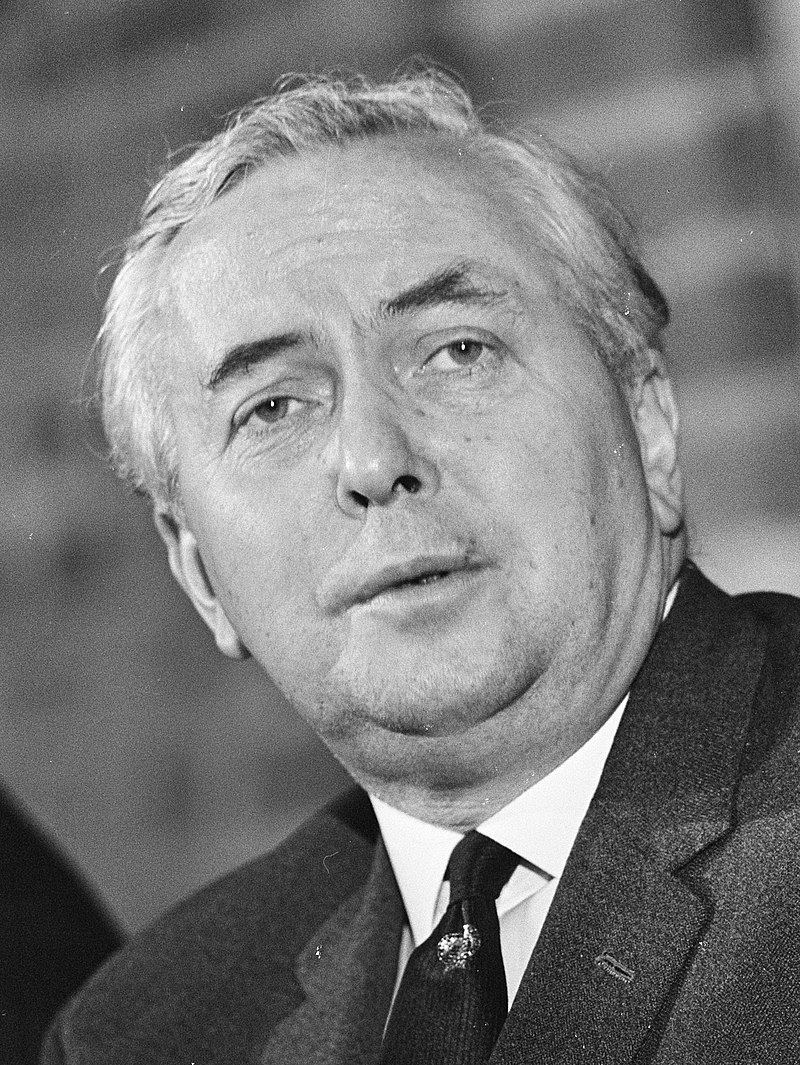
In October 16, 1964, Harold Wilson was appointed as the Prime Minister of the United Kingdom. Prior to his appointment, Wilson had served as the leader of the Labour Party. He became the youngest Prime Minister of the 20th century at the age of 48.
Wilson's appointment came after the Labour Party won the general election, defeating the Conservative Party. His tenure as Prime Minister marked a shift towards modernizing policies and reforms in various sectors including health, education, and welfare. Wilson's government focused on improving the country's economic stability and social welfare programs.
During his time in office, Wilson faced challenges such as labor strikes, economic downturns, and tensions within his party. Despite these challenges, he was known for his wit, charisma, and ability to navigate through difficult political situations.
Harold Wilson's appointment as Prime Minister in 1964 marked a significant moment in British political history. His leadership style and policies left a lasting impact on the country's social and economic landscape. #HaroldWilson #UKPrimeMinister #LabourParty #PoliticalHistory
View details1963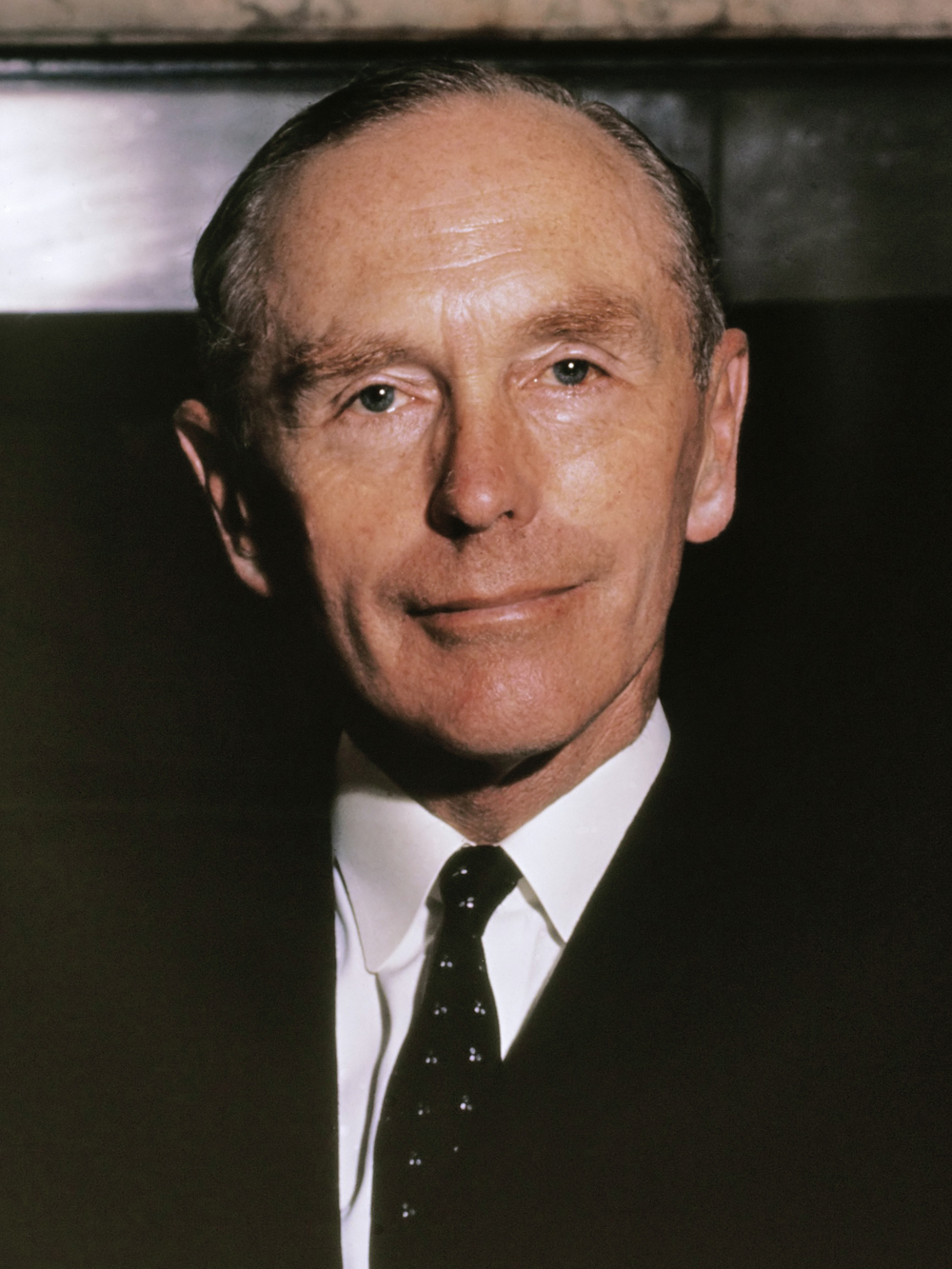
On this day, Alec Douglas-Home was appointed as the Prime Minister of the United Kingdom. He succeeded Harold Macmillan after the latter's resignation. Alec Douglas-Home was a member of the Conservative Party and had previously served as the Foreign Secretary.
The appointment of Douglas-Home came at a challenging time for the UK, with issues such as the Cold War and decolonization posing significant challenges. His tenure as Prime Minister was marked by efforts to address these challenges, including working to improve relations with other global powers and managing the UK's transition from a colonial power to a modern nation.
Despite facing criticism over his selection process as Prime Minister, Douglas-Home worked diligently to lead the country during this turbulent period. His government focused on domestic issues like education reform and economic policy, aiming to address the needs of the British population.
Overall, Alec Douglas-Home's appointment as Prime Minister in 1963 was a significant moment in UK political history. His efforts to navigate international challenges and implement domestic reforms left a lasting impact on the country. #AlecDouglasHome #UKPrimeMinister #PoliticalHistory
View details1957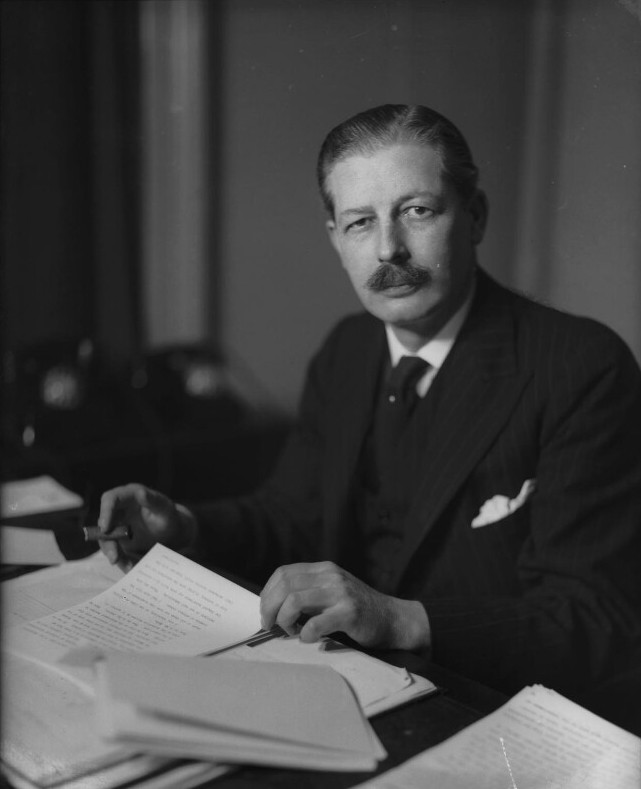
On 1/10/1957, Harold Macmillan became the UK Prime Minister following the resignation of Anthony Eden. Macmillan faced challenges such as the Suez Crisis and economic issues during his tenure. His appointment brought a sense of stability after a period of political turmoil.
Macmillan's policies focused on modernizing the UK and rebuilding relationships with the US and Europe. He aimed to improve living standards and strengthen the economy through various reforms. His leadership style was known for being pragmatic and diplomatic.
The impact of Harold Macmillan as Prime Minister was significant in shaping the direction of post-war Britain. His efforts to stabilize the country and promote economic growth were widely recognized. Macmillan's ability to navigate domestic and international challenges earned him respect both at home and abroad.
In conclusion, Harold Macmillan's appointment as UK Prime Minister in 1/10/1957 marked a turning point in British politics. His leadership and policies had a lasting impact on the country's direction. #HaroldMacmillan #UKPrimeMinister #PoliticalStability
View details1955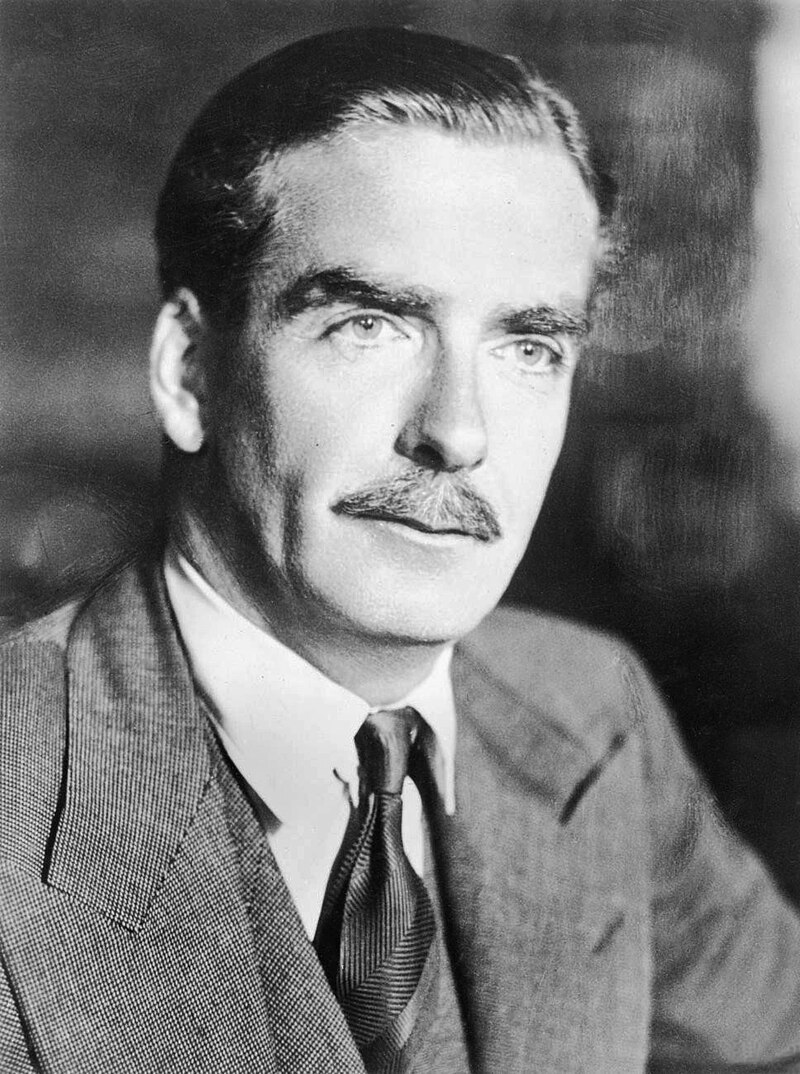
On that day, Anthony Eden became the Prime Minister of the United Kingdom following the resignation of Winston Churchill. Eden, who had previously served as the Foreign Secretary, took the reins of the government during a period of significant global challenges, including the Cold War and decolonization.
Eden's tenure as Prime Minister was marked by the Suez Crisis in 1956, a military conflict that severely damaged his reputation and ultimately led to his resignation. Despite initial public support for the intervention in Egypt, international pressure forced a British withdrawal, tarnishing Eden's legacy.
The appointment of Anthony Eden as Prime Minister in 1955 signaled a transition in British leadership and ushered in a new phase in the country's foreign policy. His time in office was characterized by both achievements and setbacks, with the Suez Crisis overshadowing much of his tenure.
#AnthonyEden #UKPrimeMinister #SuezCrisis #PoliticalTransition
View details1951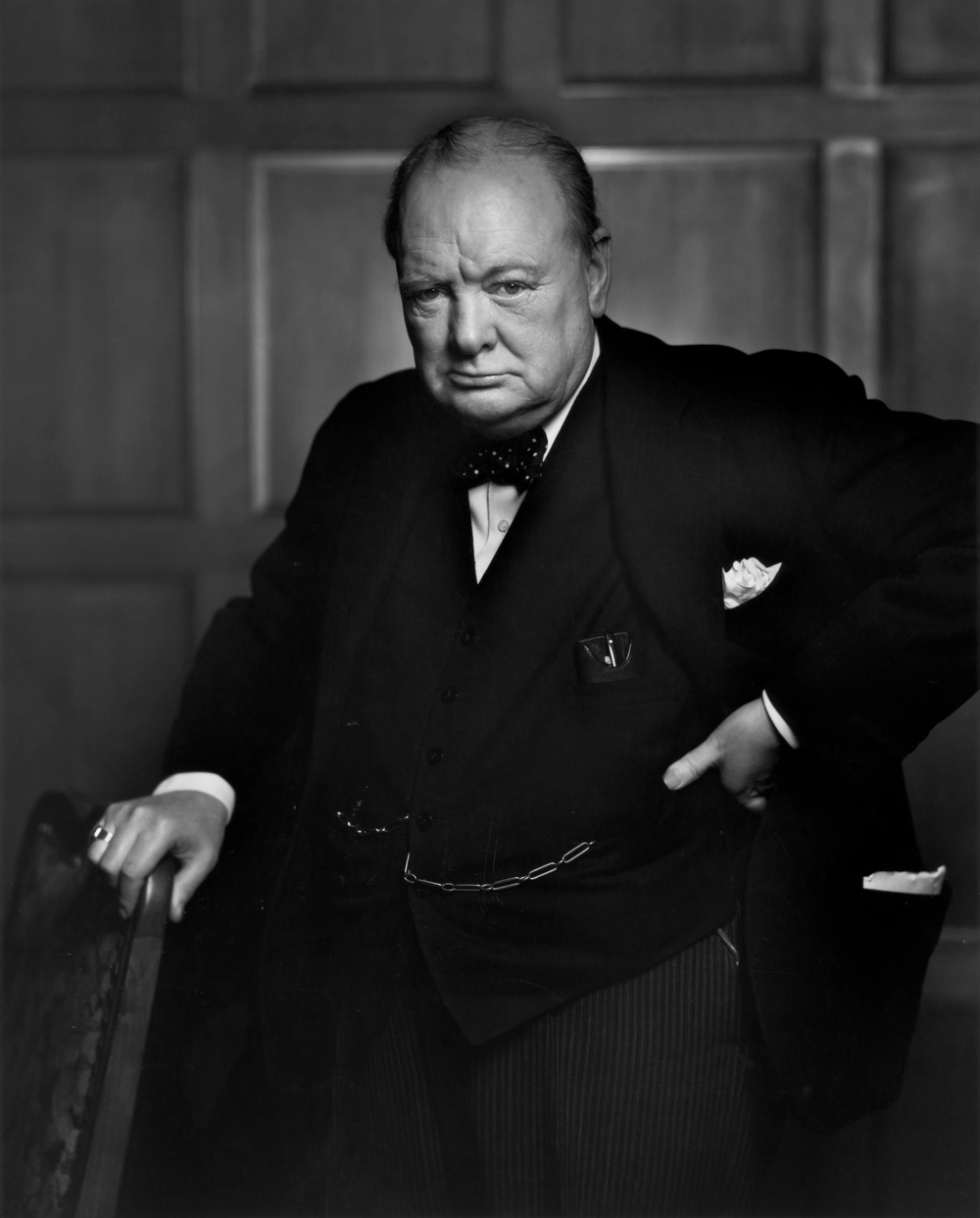
Winston Churchill secured a second term as Prime Minister of the United Kingdom in 10/26/1951, marking a significant political milestone. The conservative leader, known for his strong leadership during WWII, faced challenges in rebuilding the post-war British economy. His policies focused on rearmament, reducing government spending, and strengthening alliances with the United States.
Churchill's second term saw him grappling with issues such as the escalating Cold War tensions and the rise of decolonization movements in the British Empire. Despite criticism from some quarters, his assertive approach on the international stage garnered respect and solidified his reputation as a statesman.
His tenure also witnessed the beginning of important social reforms in areas such as healthcare and education. Churchill's emphasis on national unity and his inspiring rhetoric resonated with the British public, earning him widespread support.
The second term of Winston Churchill as Prime Minister remains a pivotal moment in British political history, shaping the country's trajectory during a period of significant global change.
#WinstonChurchill #PrimeMinister #PoliticalHistory #UKPolitics
View details1945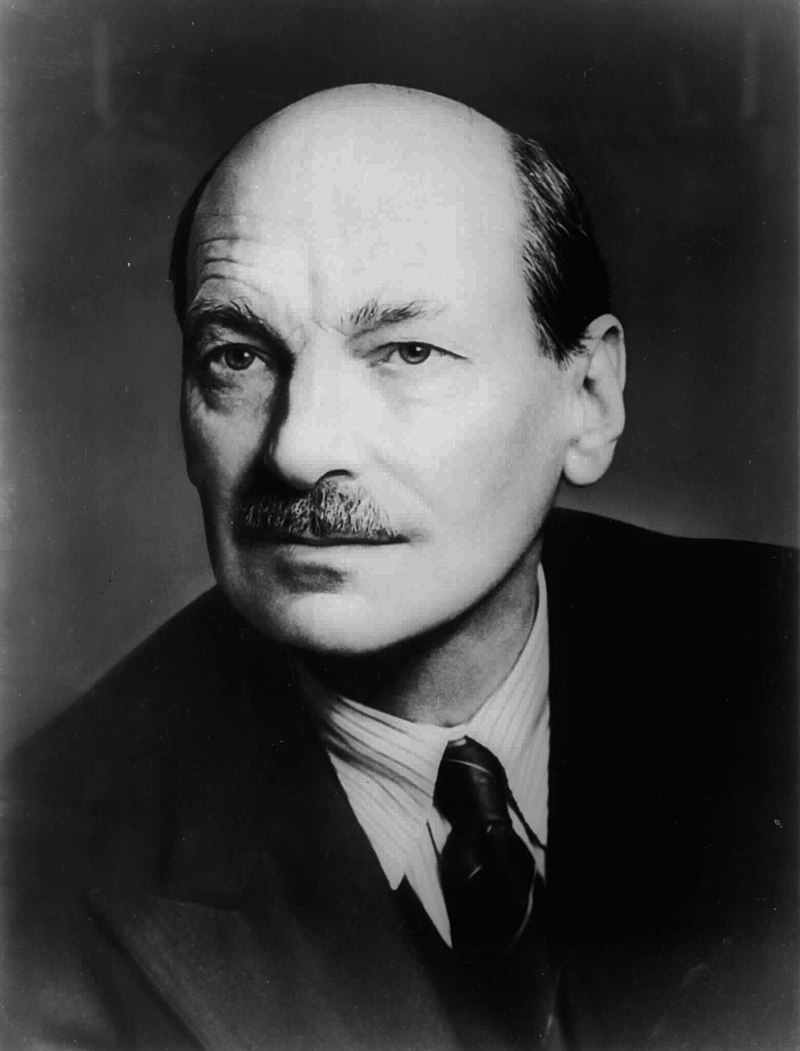
Following a decisive victory in the general elections, Clement Attlee assumed the role of Prime Minister of the United Kingdom. He took office during a crucial moment in history, with the end of World War II looming. Attlee’s leadership was pivotal in implementing key reforms in areas such as healthcare, education, and housing, laying the foundation for the modern welfare state.
Attlee’s tenure saw the nationalization of major industries, the creation of the National Health Service, and the start of decolonization efforts. His government also played a vital role in rebuilding the country in the aftermath of the war, focusing on social policies to ensure a fairer society for all citizens.
The appointment of Clement Attlee as Prime Minister marked a significant shift in British politics towards the left, setting the stage for a new era of social reform and government intervention in the economy. His leadership style was characterized by pragmatism and a strong sense of social responsibility, leading to enduring changes that have shaped the country to this day.
#ClementAttlee #UKPrimeMinister #WelfareState #SocialReform #PostWWII
View details1940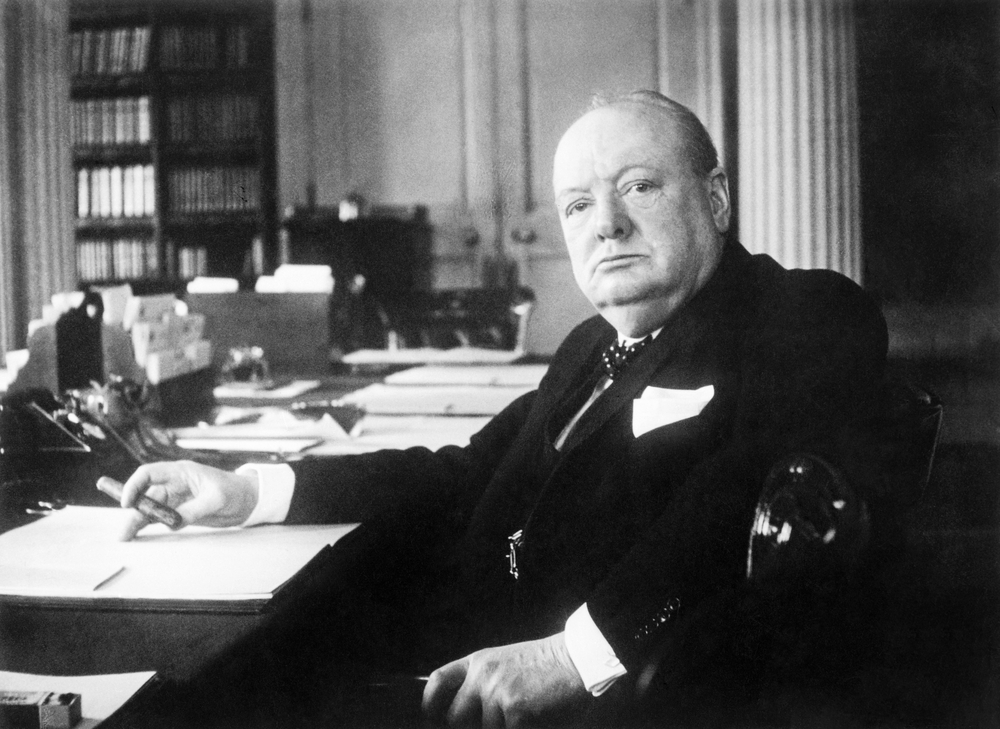
In May 10, 1940, Winston Churchill became the Prime Minister of the United Kingdom during a critical time in history. He took office as the British Empire faced the escalating threat of Nazi Germany during World War II. Churchill's leadership was crucial in rallying the nation against the German forces, delivering powerful speeches that inspired hope and determination among the British people.
Churchill's appointment marked a turning point in the war effort, as he quickly established himself as a formidable wartime leader. His steadfast resolve and strategic vision played a significant role in shaping the outcome of the war. Under his guidance, the UK forged alliances with other nations, including the Soviet Union and the United States, strengthening the coalition against the Axis powers.
Throughout his tenure as Prime Minister, Churchill's leadership proved instrumental in guiding the UK through some of the darkest moments of the war. His decision-making and unwavering commitment to victory earned him widespread respect both at home and abroad. Winston Churchill's tenure as Prime Minister during this tumultuous period left an indelible mark on the course of history.
#WinstonChurchill #PrimeMinister #WorldWarII #Leadership #UnitedKingdom
View details1937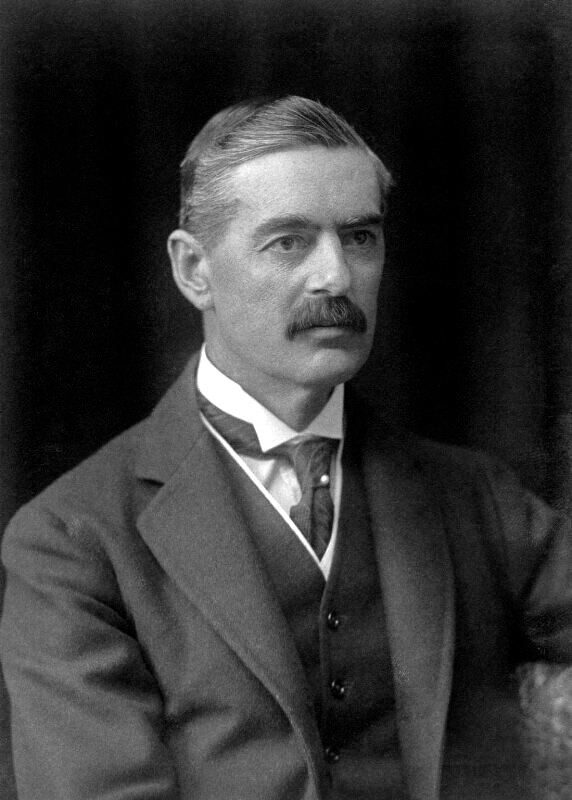
Neville Chamberlain, known for his appeasement policy towards Nazi Germany, became the Prime Minister of the United Kingdom after the resignation of Stanley Baldwin. Chamberlain's political career began in local government, eventually serving as Minister of Health and Chancellor of the Exchequer. As Prime Minister, his main focus was on foreign policy, particularly in dealing with Adolf Hitler's aggressive expansion in Europe.
Chamberlain's approach of appeasement involved making concessions to avoid conflict, famously culminating in the Munich Agreement of 1938. However, this policy was heavily criticized for failing to prevent World War II. Despite his efforts to maintain peace, the German invasion of Poland ultimately led to Britain declaring war on Germany in 1939, marking the beginning of Chamberlain's downfall.
The Neville Chamberlain event of 5/28/1937 marks a pivotal moment in UK history, as Chamberlain's leadership during a critical time of international tension continues to be debated. His legacy is complex, seen as both a well-intentioned leader trying to avoid war and a symbol of failed diplomatic efforts in the face of aggression.
#NevilleChamberlain #UKPrimeMinister #AppeasementPolicy #MunichAgreement #WorldWarII
View details1935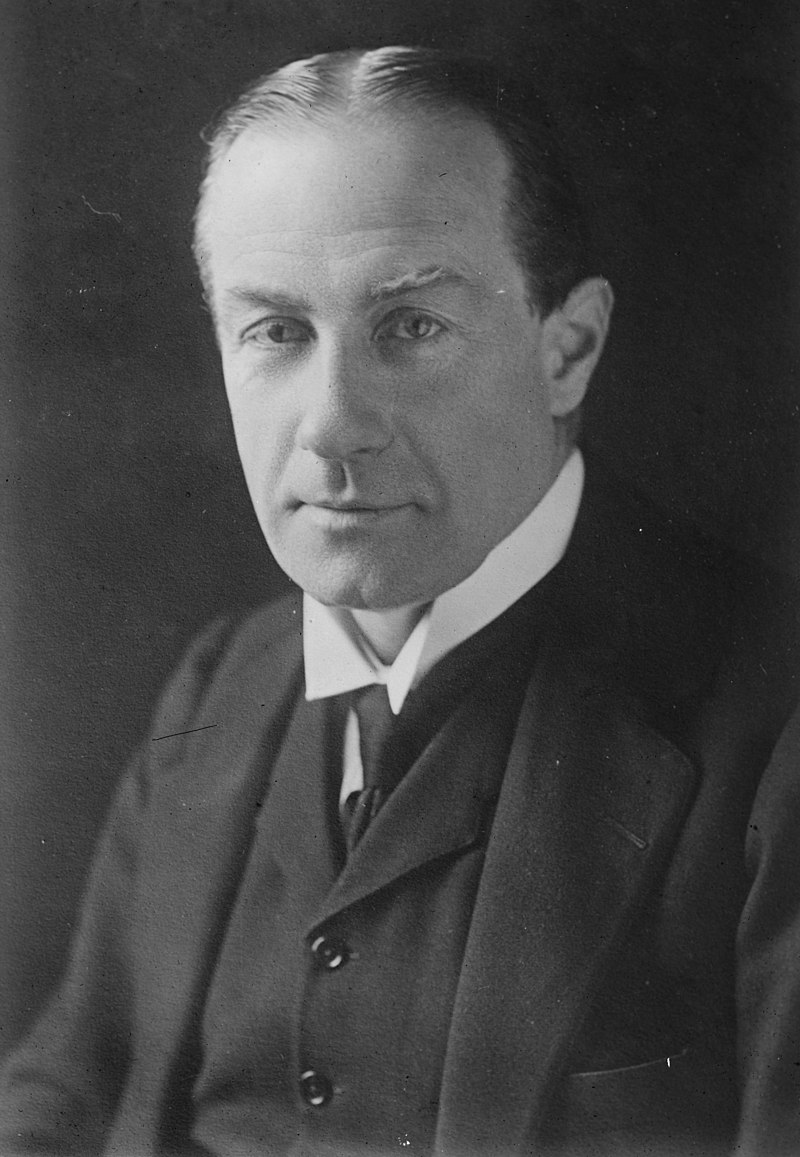
Stanley Baldwin secured his third term as the Prime Minister of the United Kingdom in an event that marked a significant milestone in British political history. Baldwin's leadership was characterized by a strong sense of continuity and stability during a period of social and economic challenges. With his pragmatic approach to governance, Baldwin aimed to unite the country and navigate it through turbulent times.
Baldwin's tenure was marked by key achievements and challenges, including his efforts to address the lingering effects of the Great Depression and maintain peace amidst rising global tensions. His leadership style was defined by a commitment to consensus-building and a focus on the common good. Baldwin's third term as Prime Minister further solidified his legacy as a respected and capable statesman.
The impact of Baldwin's third term extended beyond his time in office, shaping the course of British politics for years to come. His ability to navigate complex political landscapes and steer the country through both internal and external challenges earned him a place in the annals of British political history.
#StanleyBaldwin #UKpolitics #PrimeMinister
View details1929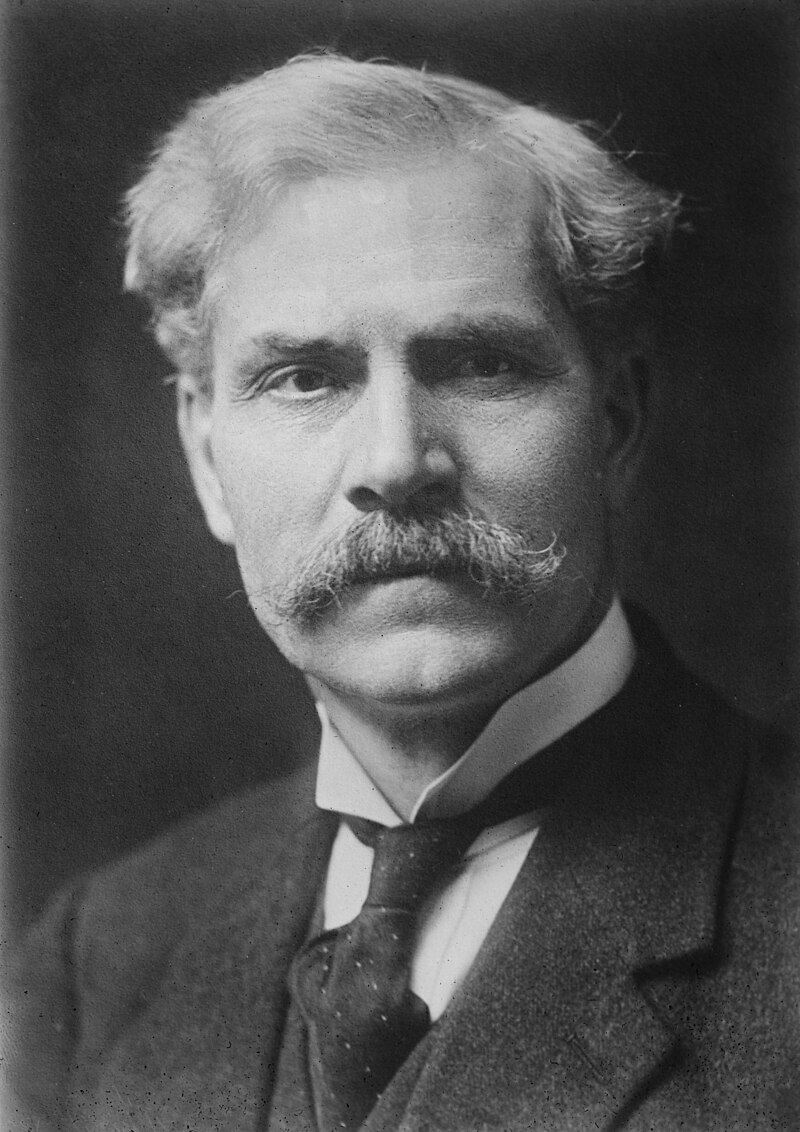
Following a general election where no party gained a majority, Ramsay MacDonald was appointed as the Prime Minister of the United Kingdom for the second time. Leading a minority Labour government, MacDonald faced challenges in navigating political dynamics within the House of Commons. To secure support, he formed a coalition with the Liberal Party.
During his second term, MacDonald focused on addressing economic issues, including high levels of unemployment caused by the Great Depression. His government implemented various measures to stabilize the economy and provide relief to those affected by the economic downturn. However, internal conflicts within the Labour Party and disagreements within the coalition strained the government's effectiveness.
MacDonald's second term as Prime Minister marked a period of political complexity and economic hardship in the UK. Despite his efforts to govern amidst challenging circumstances, his coalition government faced mounting difficulties and was unable to fully resolve the pressing issues of the time.
#RamsayMacDonald #UKPrimeMinister #GreatDepression #CoalitionGovernment #EconomicChallenges
View details1924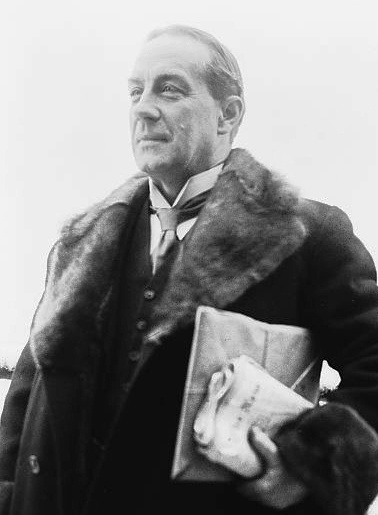
Elected for a second term as Prime Minister, Stanley Baldwin assumed leadership in pivotal times. Baldwin's return marked continuity in the UK's political landscape amidst economic uncertainties. He confronted challenges arising from post-war adjustments and labor disputes.
Baldwin's tenure saw the country navigating through intricate foreign policies and domestic reforms. His leadership style and ability to navigate through political complexities contributed to stabilizing the nation. Baldwin's emphasis on unity and compromise resonated in his governance approach.
During his second term, Baldwin worked towards fostering social cohesion and economic recovery. His initiatives aimed at addressing pressing issues and promoting national unity. Baldwin's policies aimed at revitalizing the economy and maintaining socio-political stability.
Baldwin's second term as Prime Minister left a lasting impact on the UK's political history. He steered the nation through turbulent times with a focus on pragmatic solutions and collaboration. Baldwin's political acumen and commitment to governance shaped the course of the country's progress.
#StanleyBaldwin #UKPrimeMinister #PoliticalLeadership #EconomicRecovery #NationalUnity
View detailsRamsay MacDonald was appointed as the UK's first Labour Prime Minister, marking a significant shift in British political history. Born in Scotland, MacDonald founded the Labour Party and led them to victory in the general elections. His appointment symbolized the growing influence of the working class in British politics.
During his tenure, MacDonald focused on social reform, aiming to improve the living conditions of the working-class population. He implemented policies to tackle unemployment, poverty, and housing issues, earning him support from various segments of society.
One of the key challenges MacDonald faced during his time as Prime Minister was navigating the complexities of a coalition government. Balancing the interests of different parties proved to be a delicate task, leading to internal conflicts within his administration.
Despite facing criticism and challenges, MacDonald's appointment as the UK's first Labour Prime Minister paved the way for future Labour leaders to make significant contributions to British politics. #RamsayMacDonald #LabourParty #UKPolitics #SocialReform.
View details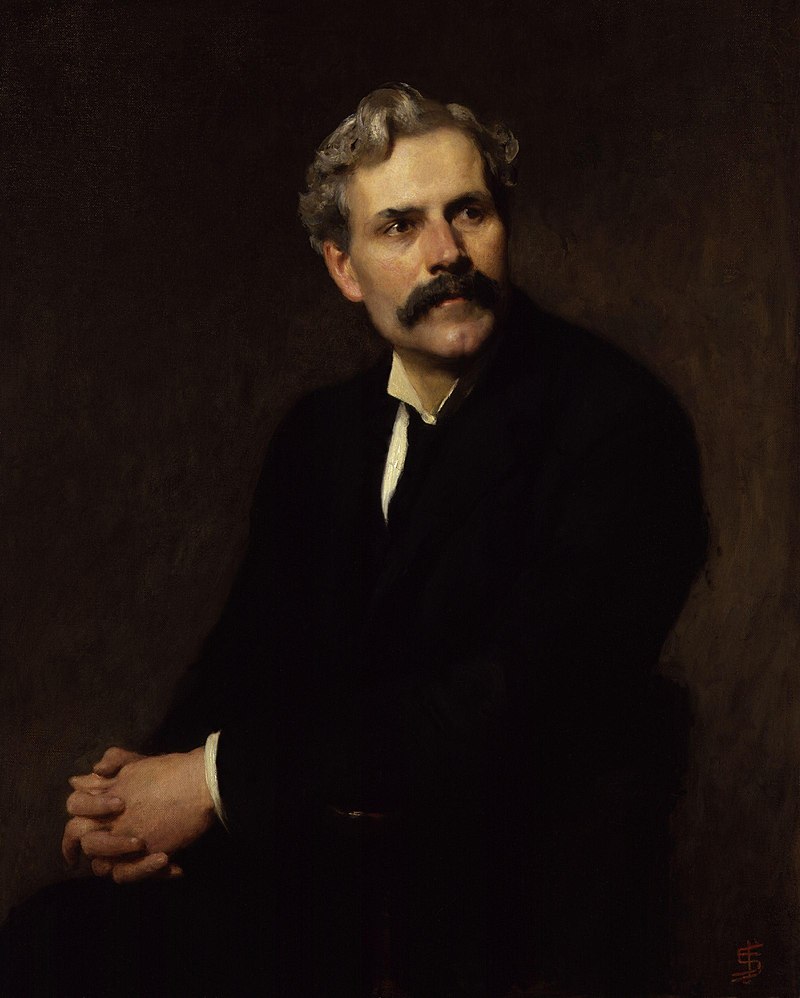
1923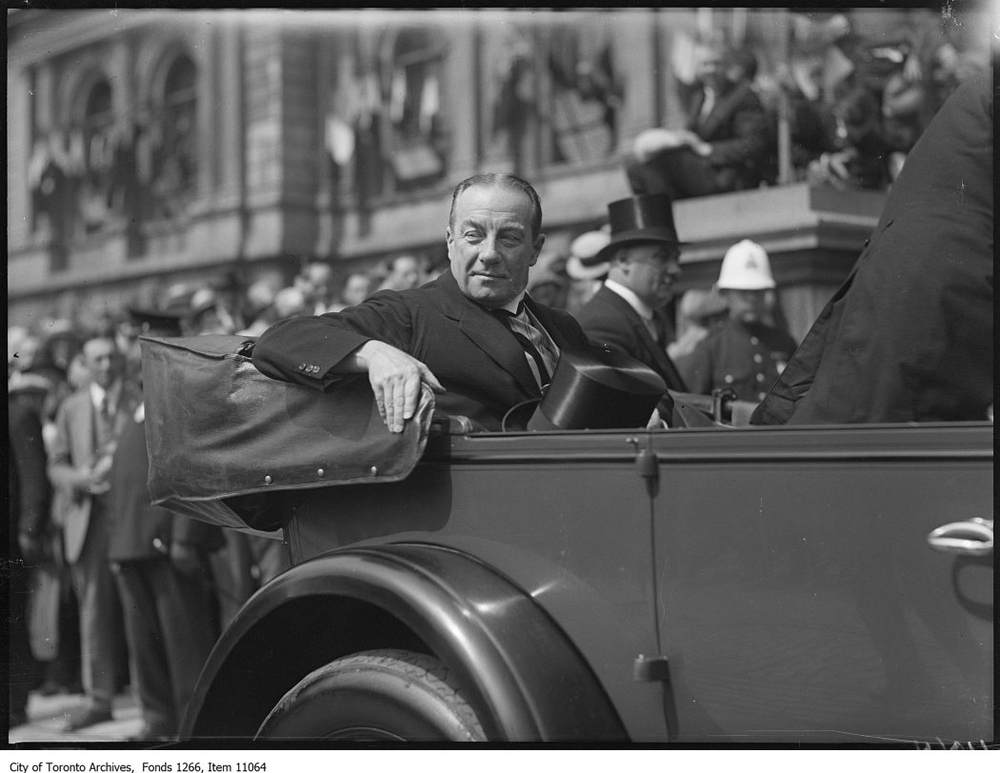
On May 22, 1923, Stanley Baldwin became the Prime Minister of the United Kingdom for the first time, marking the beginning of a significant political career that would span over two decades and include three separate terms as Prime Minister. Baldwin’s ascent to the premiership came during a period of considerable social and economic change in Britain, and his leadership would leave a lasting impact on the nation's political landscape.
Background and Political Career
Stanley Baldwin was born on August 3, 1867, into a wealthy industrial family in Bewdley, Worcestershire. He was educated at Harrow School and Trinity College, Cambridge, before joining the family iron and steel business. Baldwin entered politics in 1908 as a Conservative Member of Parliament for Bewdley, succeeding his father. His early political career was marked by a gradual rise through the ranks, culminating in his appointment as President of the Board of Trade in 1921 under Prime Minister David Lloyd George.
Baldwin’s Path to Premiership
The political climate of the early 1920s was turbulent. The Conservative Party, under the leadership of Andrew Bonar Law, had grown increasingly dissatisfied with the coalition government led by Lloyd George. In October 1922, Bonar Law decided to withdraw the Conservatives from the coalition, leading to the fall of Lloyd George’s government. Bonar Law then became Prime Minister, but his tenure was cut short by illness, and he resigned in May 1923.
Baldwin, who had served as Chancellor of the Exchequer in Bonar Law’s brief administration, emerged as the consensus candidate to succeed him. On May 22, 1923, he was appointed Prime Minister, beginning his first term in office.
Baldwin’s first term was brief but eventful. One of his primary concerns was addressing the economic difficulties facing Britain in the post-World War I era. He aimed to stabilize the economy and reduce unemployment, but his policies met with mixed success. One of his most controversial decisions was his proposal to impose tariffs on foreign imports to protect British industry, which he hoped would revive the struggling economy. This protectionist stance, however, was deeply divisive and led to significant opposition within his own party and the country.
In December 1923, Baldwin called a general election to seek a mandate for his tariff proposals. The election resulted in a hung parliament, with no party gaining an outright majority. The Conservatives won the most seats, but the Labour Party, led by Ramsay MacDonald, formed a minority government with the support of the Liberals. Baldwin thus resigned in January 1924, ending his first term as Prime Minister after just seven months in office.
#MomentsOfLife #MoofLife_Moment #MoofLife #StanleyBaldwin #UKPrimeMinister #1923History #BritishPolitics #ConservativeParty #PoliticalLeadership #20thCenturyHistory
View details1922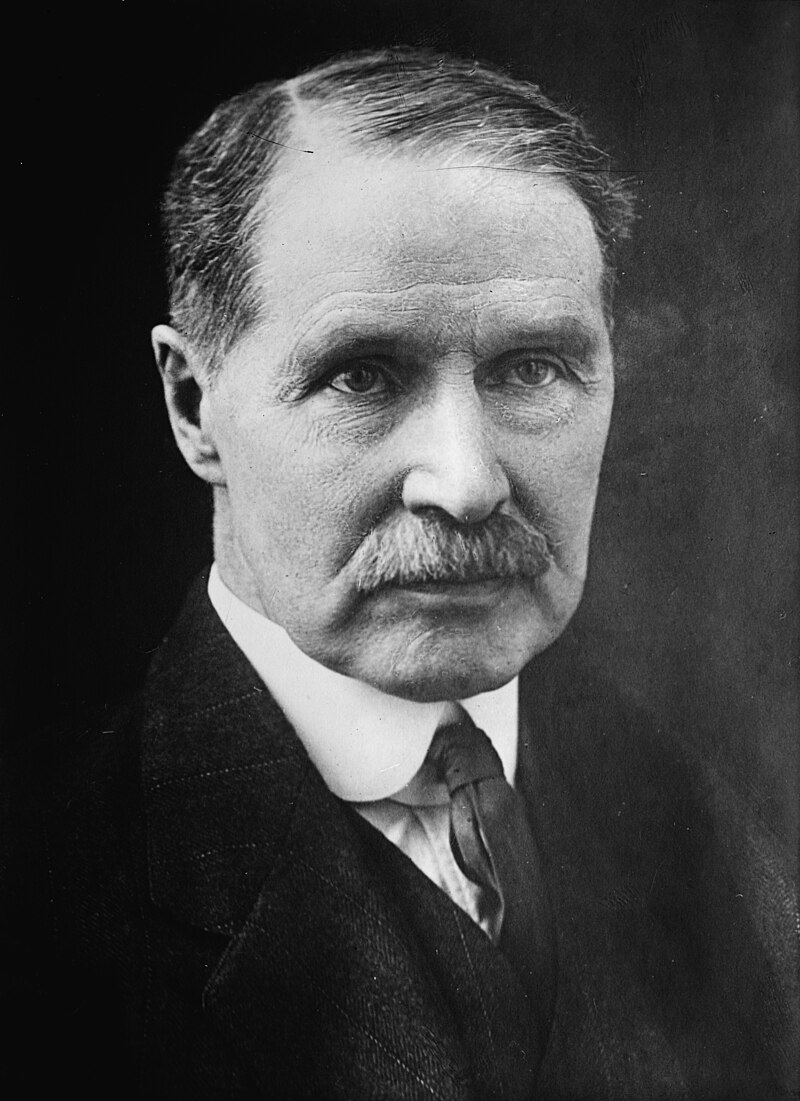
During the Bonar Law event, there was a momentous shift in UK's political landscape. Bonar Law became the Prime Minister, succeeding David Lloyd George. The appointment marked a return to Conservative leadership after a period of coalition government. Law's tenure was brief but impactful as he navigated the country through challenges post-World War I. His focus on economic stability and restoring national confidence resonated with the public. Law's leadership style was noted for his pragmatism and firm determination in addressing pressing issues like unemployment and industrial strife.
The Bonar Law era reshaped the policy direction of the government. His emphasis on fiscal responsibility and strengthening ties with the British Empire left a lasting legacy. The appointment of Law signaled a renewed Conservative dominance that would shape UK politics for years to come. Law's sudden resignation due to health reasons brought a sense of uncertainty, yet his short-lived premiership left a mark on the country's political history.
#BonarLaw #UKPrimeMinister #PoliticalShift #ConservativeLeadership #Legacy
View details1916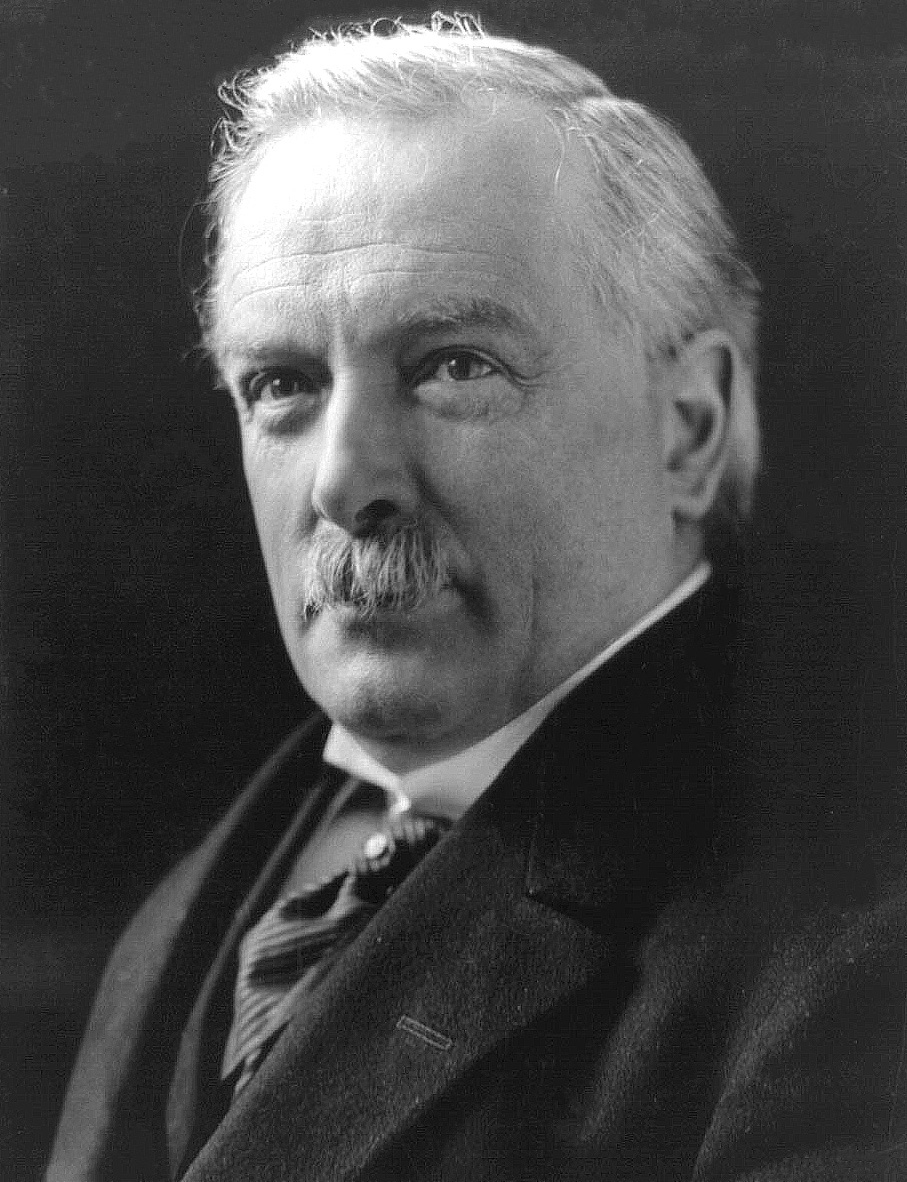
In 1916, David Lloyd George became the Prime Minister of the United Kingdom. Following the resignation of H. H. Asquith, Lloyd George, known for his strong leadership during World War I, was appointed to lead the country during a critical time. His tenure was marked by his vigorous prosecution of the war and his efforts to mobilize the nation's resources.
As Prime Minister, Lloyd George implemented various reforms to improve the war effort and boost morale. He established the Ministry of Munitions to oversee weapons production, introduced labour reforms to increase industrial output, and worked to strengthen alliances with other Allied powers. His dynamic leadership style and strategic decision-making played a significant role in steering the UK through the challenges of the war.
Lloyd George's appointment as Prime Minister brought a new sense of determination and direction to the British government. His initiatives and policies helped to reinvigorate the war effort and bolster national unity. His legacy as a wartime leader remains influential in British history.
#DavidLloydGeorge #PrimeMinisterUK #WorldWarILeader #GovernmentReforms
View details1908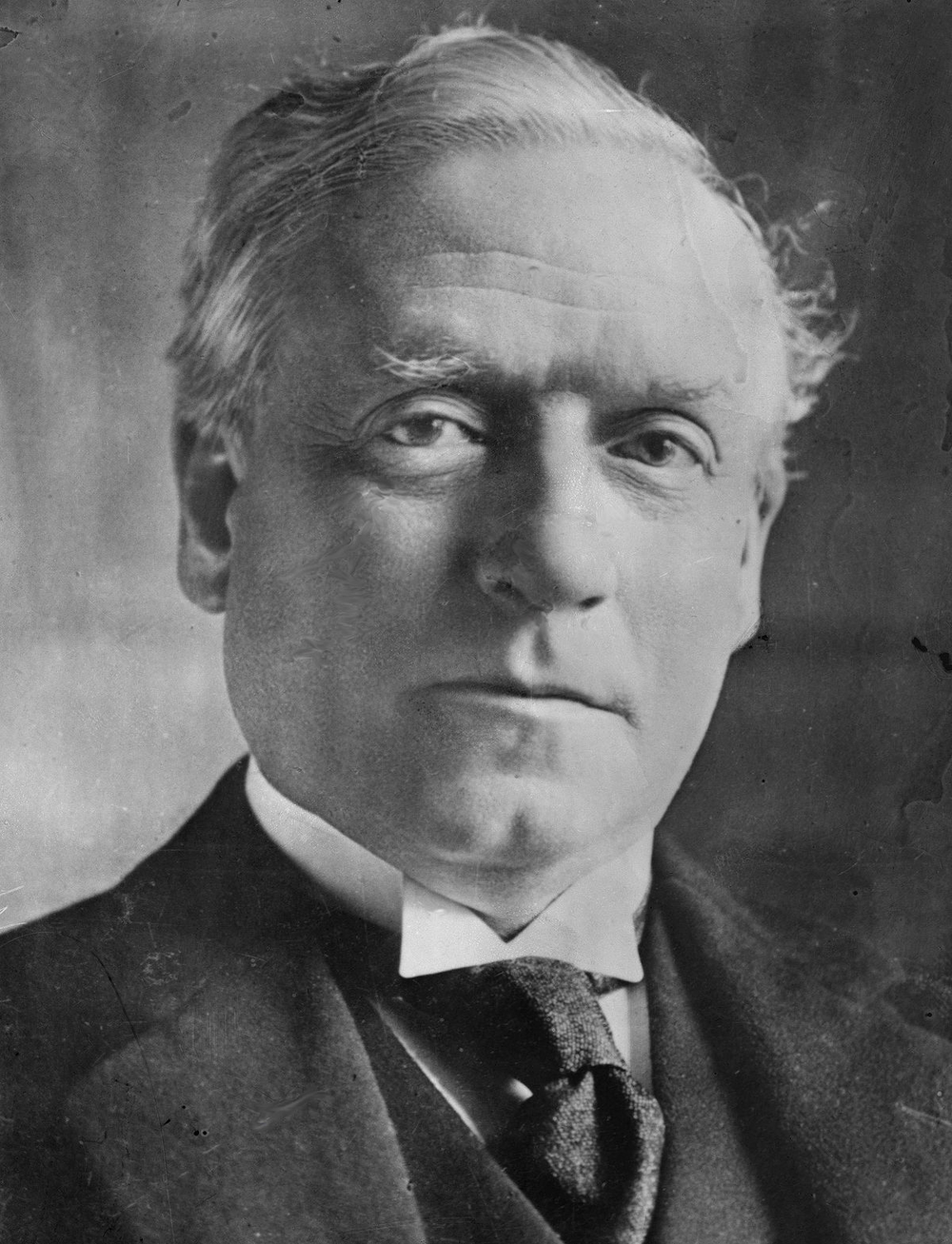
On the day of H. H. Asquith's appointment, a new chapter unfolded in British politics. Herbert Henry Asquith, a seasoned politician from the Liberal Party, took office as the Prime Minister following the resignation of Sir Henry Campbell-Bannerman. Asquith's extensive experience in government and his reputation as a skilled orator positioned him as a natural choice for the role.
During his time as Prime Minister, Asquith faced significant challenges, including leading the country through the early stages of World War I. His leadership during this tumultuous period was marked by his ability to navigate complex political landscapes and make tough decisions to steer the nation during times of crisis.
Asquith's tenure also saw the implementation of important social and political reforms, such as the introduction of old-age pensions and labor exchanges. These initiatives aimed to improve the welfare of British citizens and address pressing social issues of the time.
Overall, H. H. Asquith's appointment as Prime Minister marked a pivotal moment in British history. His leadership style, policy decisions, and handling of challenging circumstances left a lasting impact on the country's political landscape.
#H_H_Asquith #PrimeMinister #UKPolitics #Reforms #Leadership
View details