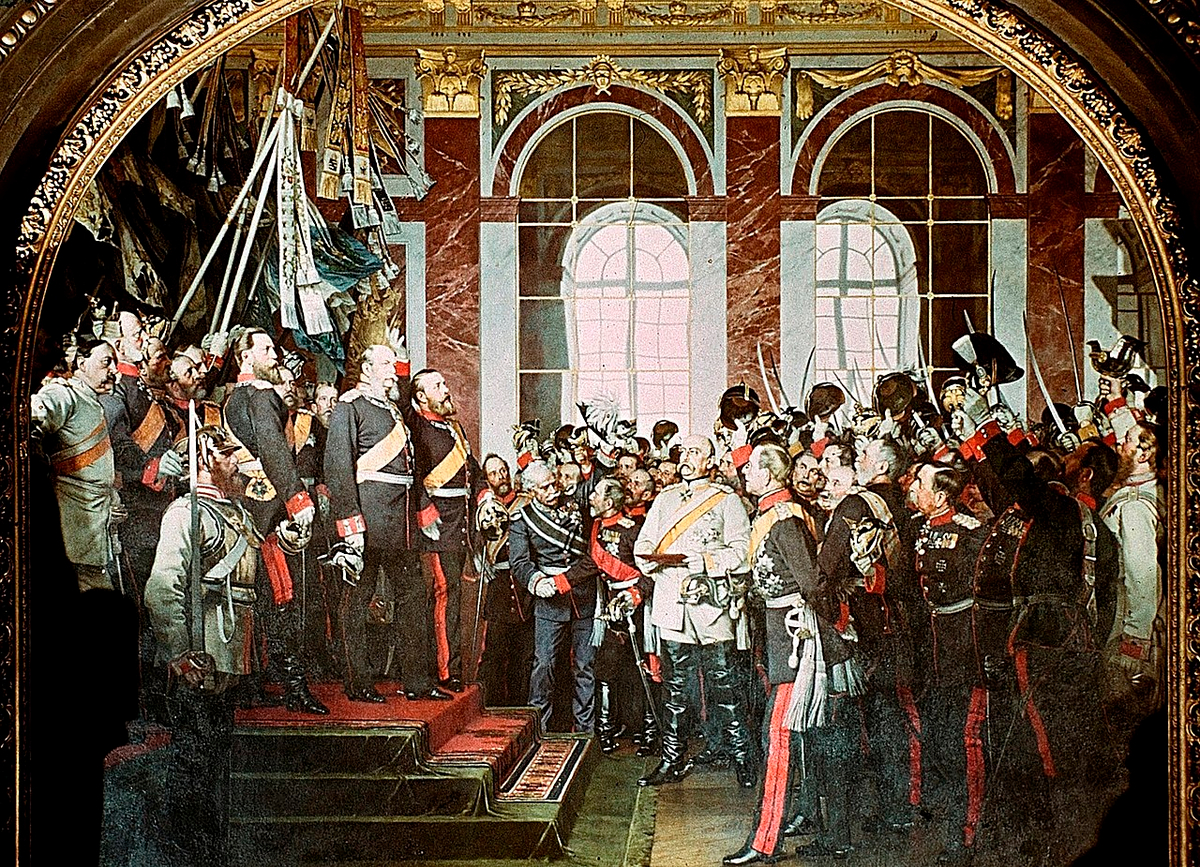
The Unification Process: Historic merging of states leading to unified nation formation.
Germany
Political
EuropeanBalanceOfPower
3 min read
Updated By: History Editorial Network (HEN)
Published:
After years of division, the various German states united to form the German Empire. The unification was largely orchestrated by Prussia, led by Chancellor Otto von Bismarck, who utilized diplomatic strategies and military force to achieve this goal. The Franco-Prussian War played a pivotal role, uniting the southern German states in a common cause against France.
The unification of Germany had a significant impact on the balance of power in Europe. The new German Empire emerged as a dominant force, challenging the traditional power dynamics on the continent. This led to shifts in alliances and tensions among European nations. Internally, the unification brought about economic growth and industrial development, strengthening Germany's position as a major player on the world stage.
The legacy of the unification of Germany can still be seen today. It laid the foundation for the rise of Germany as a leading industrial and military power in Europe. The event also fostered a sense of national identity among the German people, shaping the country's cultural and political landscape for years to come.
#GermanEmpire #OttoVonBismarck #FrancoPrussianWar #EuropeanBalanceOfPower
Primary Reference
Proclamation of the German Empire, 1871 | Palace of Versailles
Explore the Life Moments of
 AI Twin