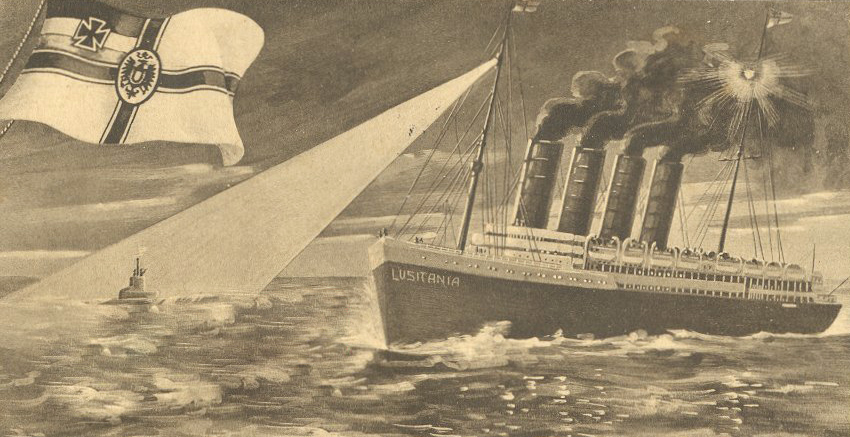
Germany starts targeting vessels in the Atlantic with aggressive actions at sea.
Germany

Global Trade
Military
3 min read
Updated By: History Editorial Network (HEN)
Published:
Germany initiated a campaign targeting ships in the Atlantic Ocean. The German navy employed U-boats to launch surprise attacks on various vessels, causing significant disruption to maritime transportation. This strategic move aimed to undermine supply lines to the Allied nations, particularly impacting the United Kingdom.
The attacks had far-reaching consequences, resulting in the loss of numerous cargo ships and endangering the lives of countless sailors. The increased naval hostilities posed a serious threat to the stability of international trade and heightened tensions during the conflict. As a response to these aggressive tactics, Allied forces intensified their efforts to counter the submarine menace through enhanced convoy systems and anti-submarine warfare measures.
Following these events, maritime warfare saw a shift in tactics and technology, with both sides seeking an edge in the battle for control of the seas. The situation underscored the challenges and risks involved in transatlantic shipping during wartime. The conflict's impact on global trade and strategic considerations brought to light the critical role played by maritime operations in World War II.
#Germany #AtlanticWarfare #NavalTactics #WorldWarII
Primary Reference
Topic: Counter-piracy operations (2008-2016) - NATO

Explore the Life Moments of
 AI Twin