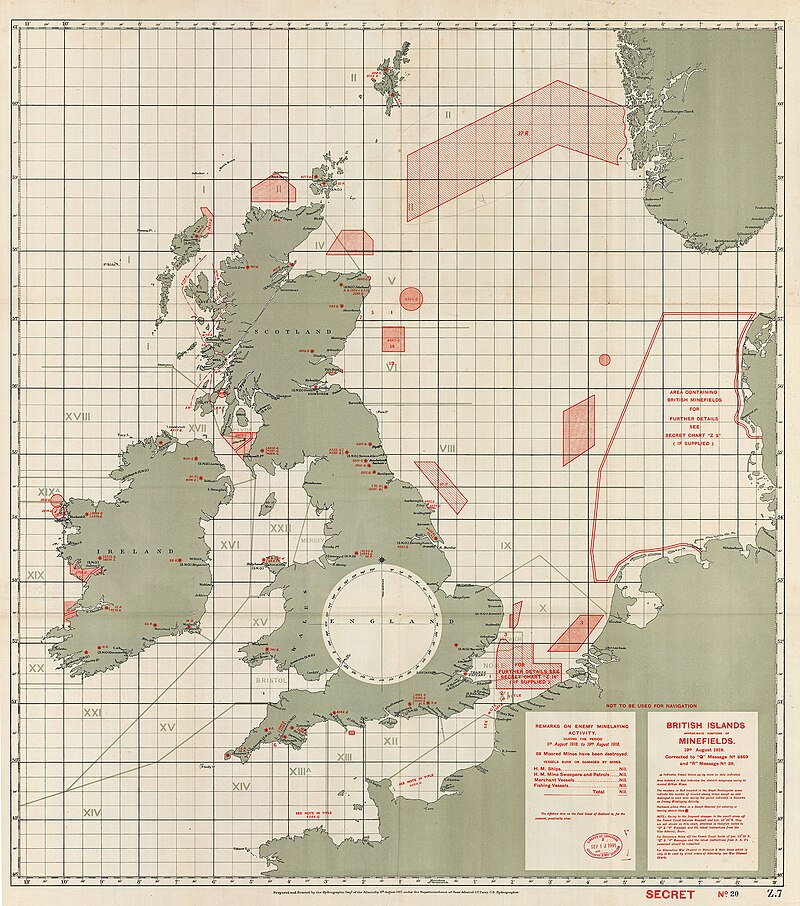
Germany initiates a blockade against Britain, impacting maritime trade and relations between the two nations.
Germany
Economic Warfare
3 min read
Updated By: History Editorial Network (HEN)
Published:
During World War I, Germany initiated a naval blockade against Britain to disrupt their supplies and weaken their economy. The strategy was to prevent essential goods from reaching Britain by sinking ships using submarines. This move aimed to cripple the British war effort and force them into surrender.
The blockade had a severe impact on Britain as food and supplies became scarce, leading to shortages and price hikes. The British government had to introduce rationing to ensure the population had access to basic necessities. The blockade also affected the morale of the British people and put a strain on the economy.
Despite its adverse effects, the blockade did not result in immediate surrender from Britain. Instead, it sparked outrage and resentment among the British population, strengthening their resolve to continue fighting. The blockade also drew criticism from neutral countries and raised concerns about the use of unrestricted submarine warfare.
Germany's blockade of Britain during World War I had significant consequences on both countries and the course of the war. It highlighted the use of economic warfare as a tactic and showcased the brutality of modern conflict.
#Germany #Blockade #Britain #WorldWarI #EconomicWarfare #SubmarineWarfare #History

Explore the Life Moments of
 AI Twin