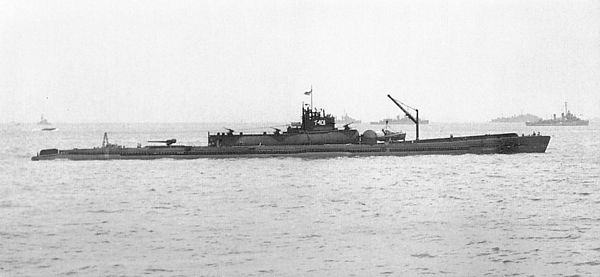
Submarine attack on Le Havre during WWI caused civilian casualties and ship sinkings.
Germany
Global Trade
Military
3 min read
Updated By: History Editorial Network (HEN)
Published:
During the German submarine attack on Le Havre, a coastal town in France, the German navy targeted ships carrying supplies to the Allies. The attack aimed to disrupt the transportation of crucial resources, particularly munitions, to the western front. The submarines, equipped with torpedoes, navigated the English Channel and strategically engaged the supply ships.
The impact of the attack on Le Havre was severe, causing significant damage to the vessels and disrupting the flow of supplies to the Allies. The loss of resources hindered the French and British war efforts and posed a threat to their military operations. The attack highlighted the effectiveness of German submarine warfare and its ability to challenge Allied naval superiority in the region.
The German submarine attack on Le Havre emphasized the vulnerability of supply routes and the importance of maritime security during wartime. The event underscored the strategic significance of controlling key maritime passages and disrupting enemy supply lines. The repercussions of the attack reverberated throughout the conflict, influencing tactics and strategies employed by both sides.
#Germany #LeHavre #SubmarineAttack #MaritimeWarfare #WorldWarI

Explore the Life Moments of
 AI Twin