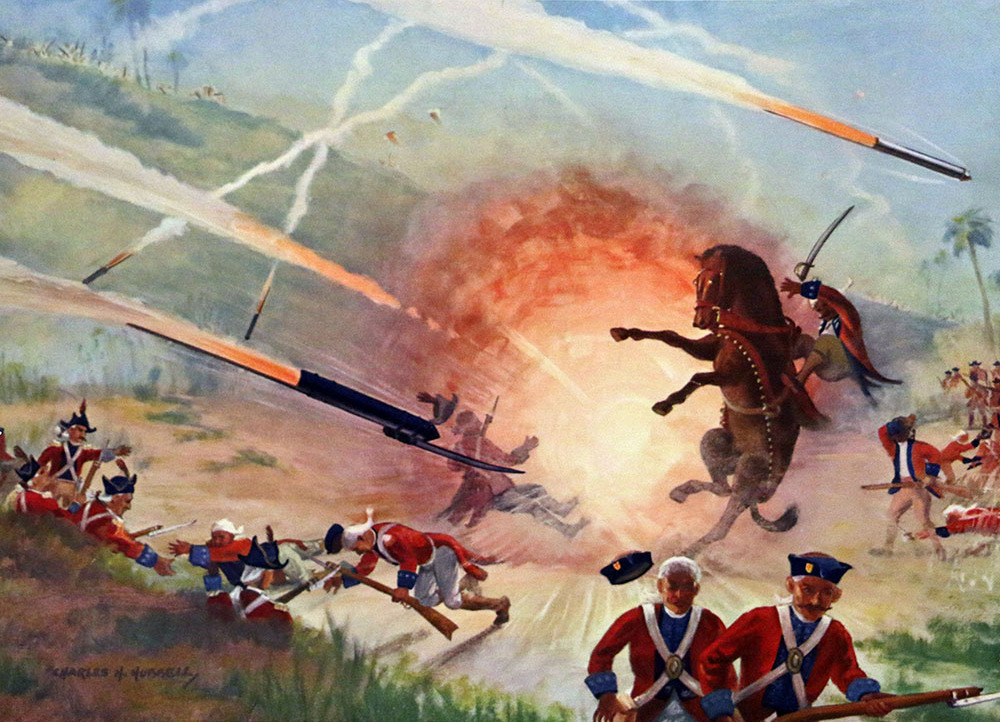
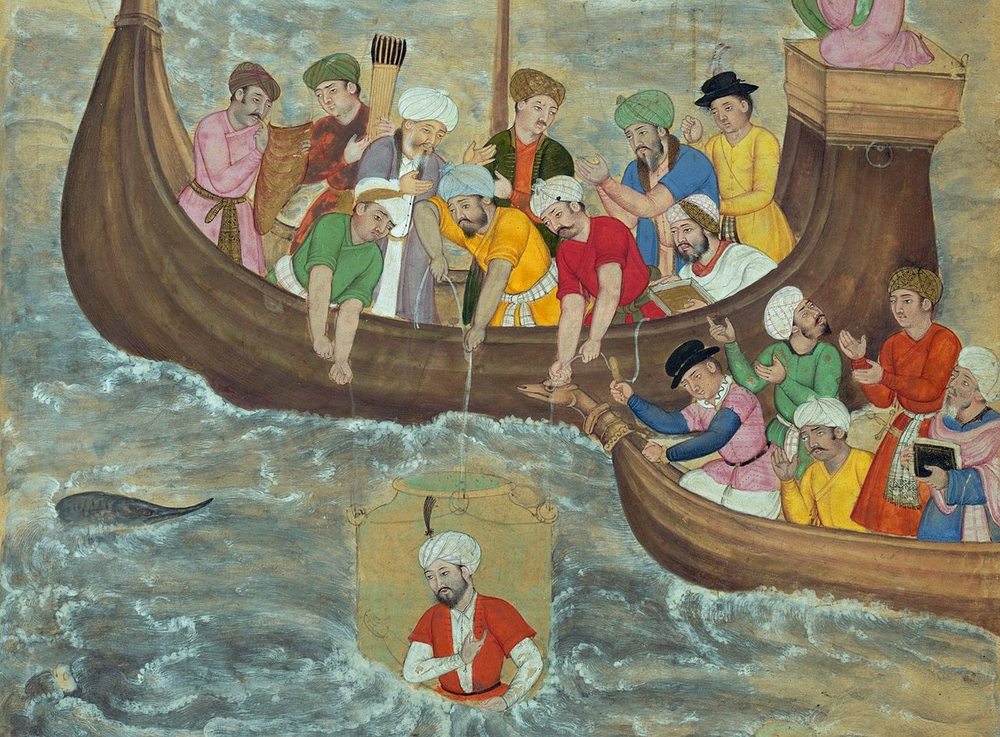
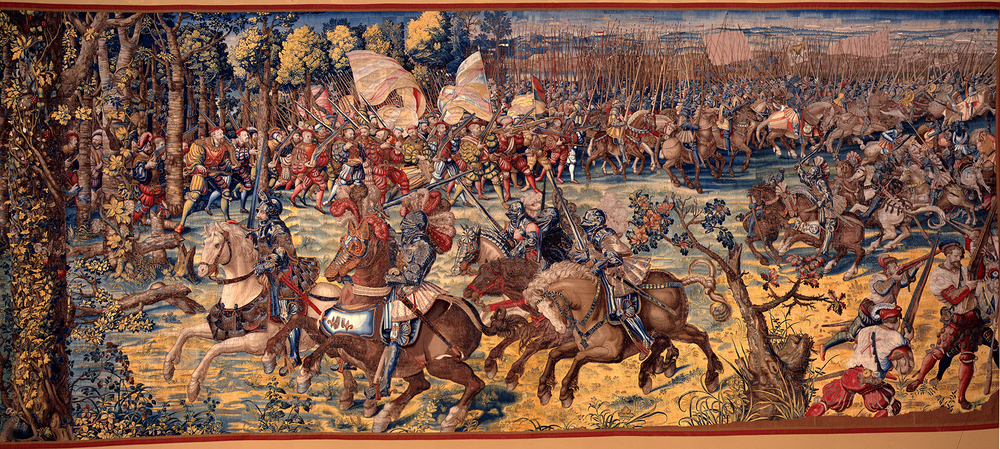
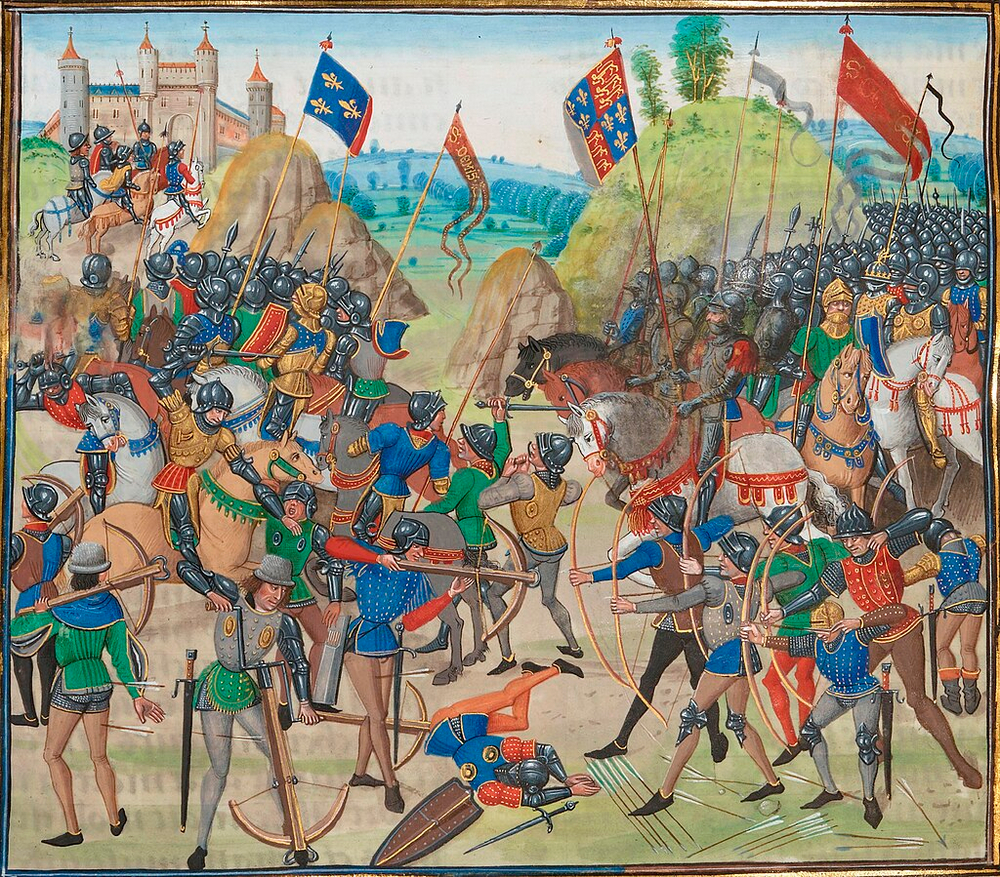
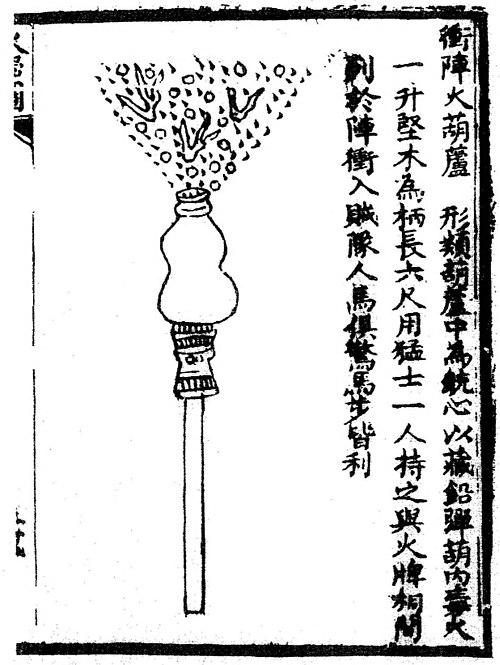
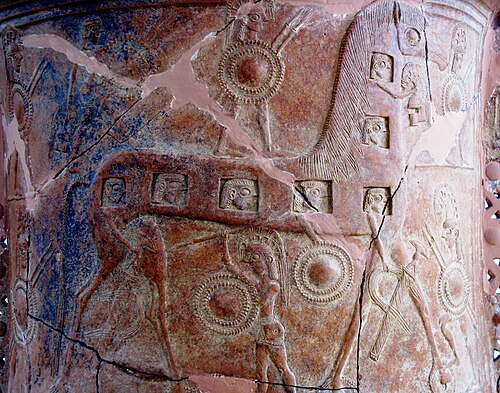
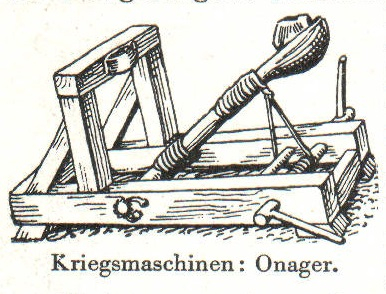
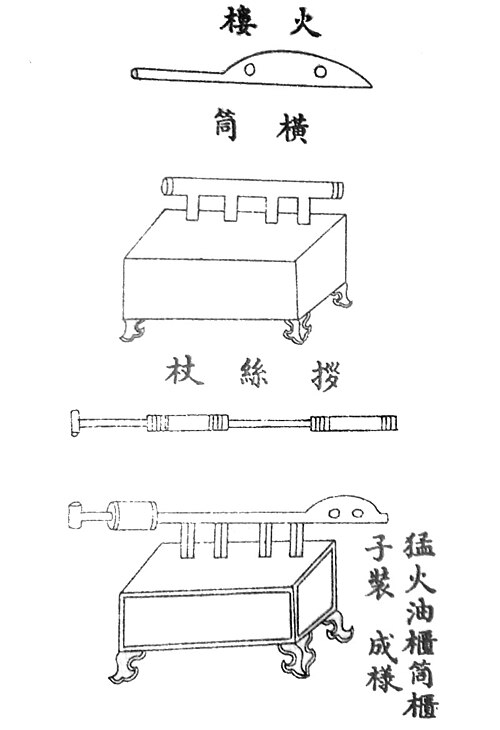
The history of war technology is a chronicle of human ingenuity driven by the need to gain advantage in conflict. From the earliest days of civilization, weapons and tools of war have evolved alongside societies. Stone-tipped spears and bows and arrows were among the first weapons used by early humans, eventually giving way to metal swords, chariots, and armor in the ancient world. Civilizations such as the Greeks, Romans, and Chinese contributed significantly to military innovation—with inventions like the phalanx formation, siege engines, and gunpowder. The Middle Ages saw the rise of fortified castles, longbows, and early cannons, while the Renaissance brought more advanced firearms and naval warfare techniques.
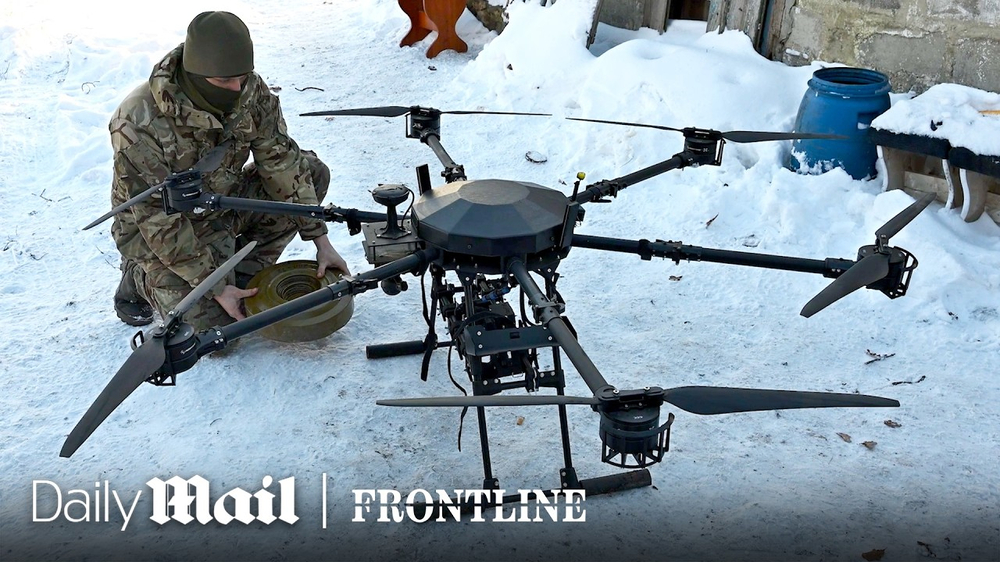
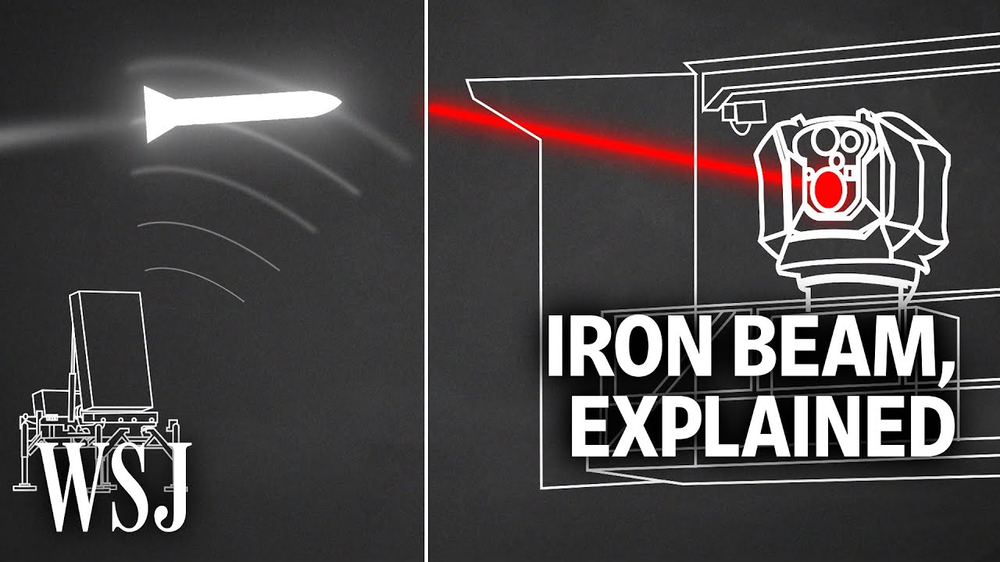
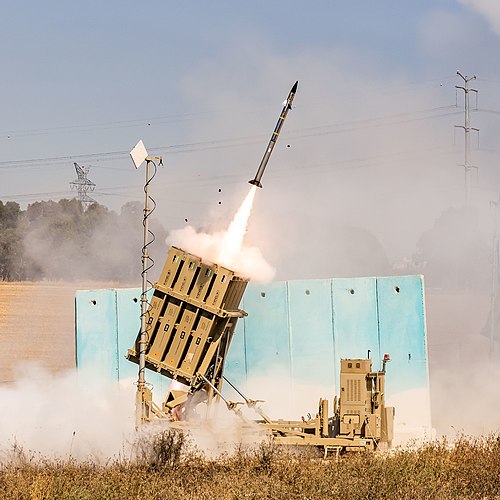
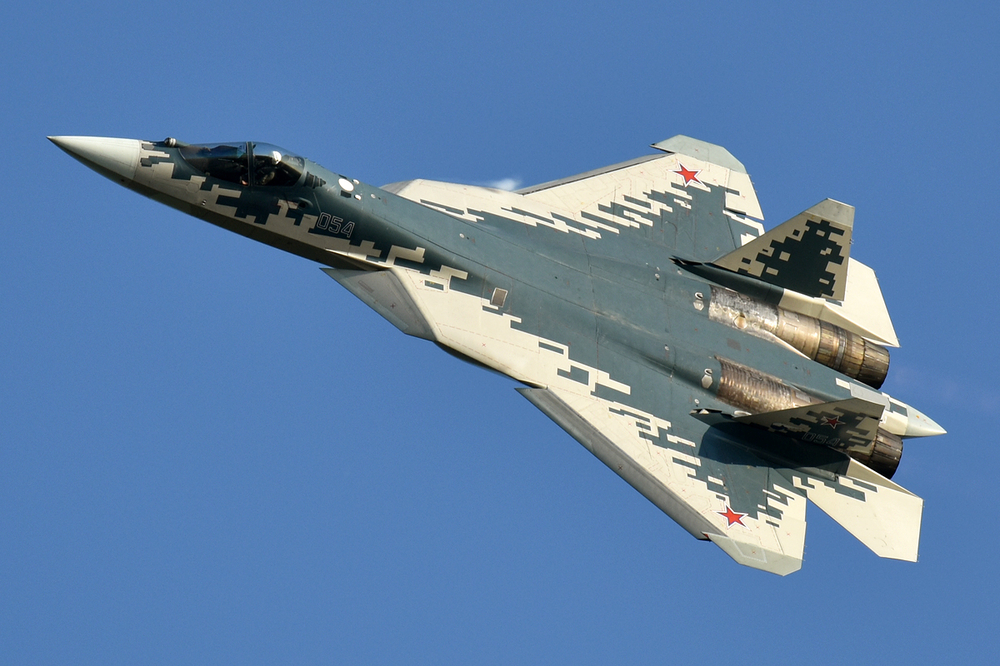
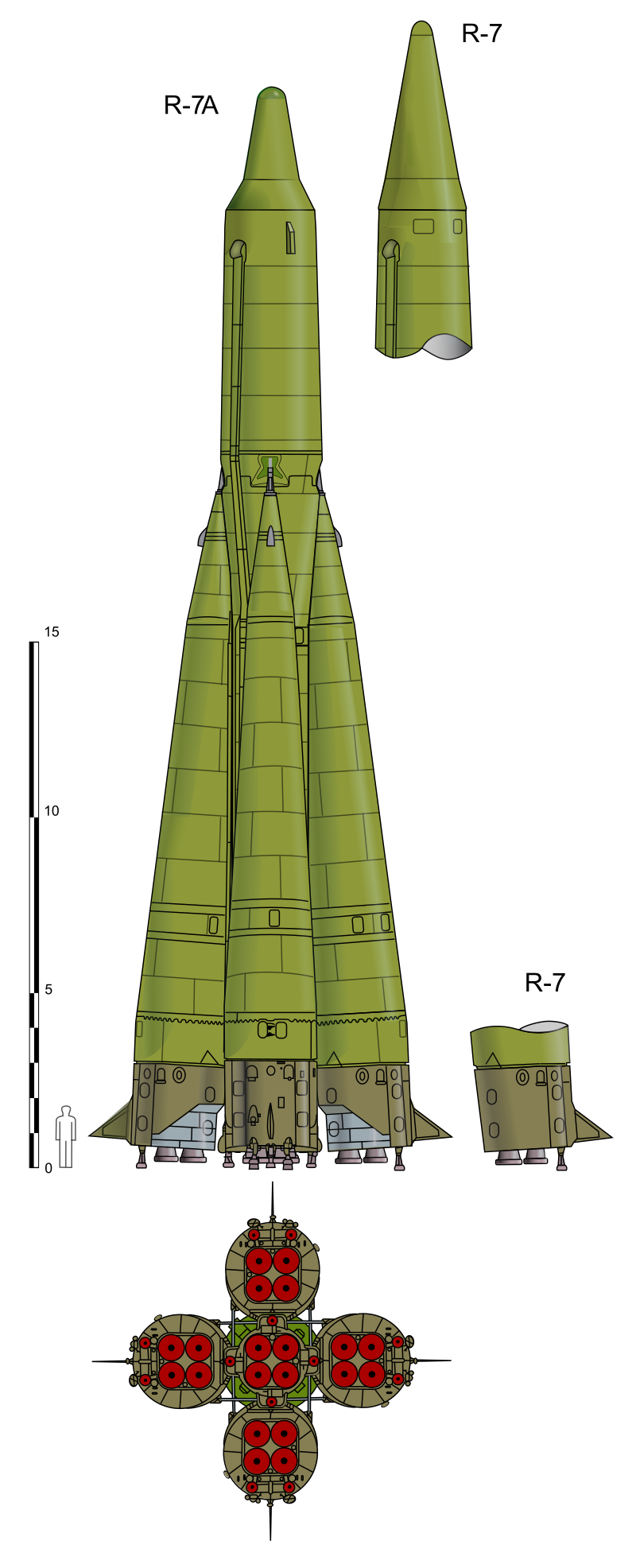
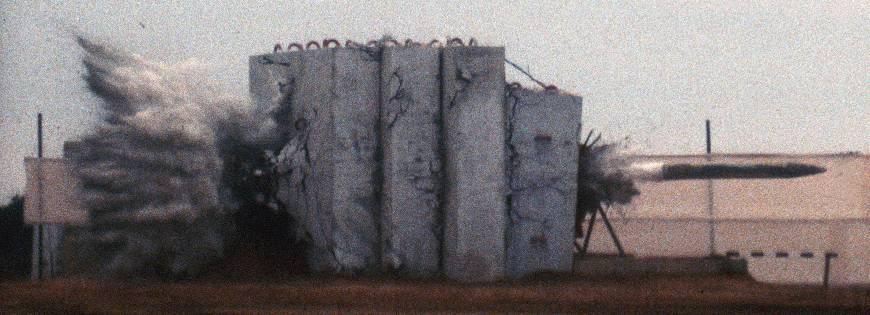
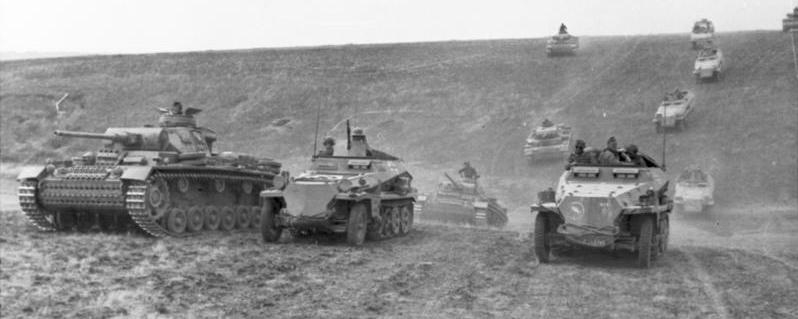
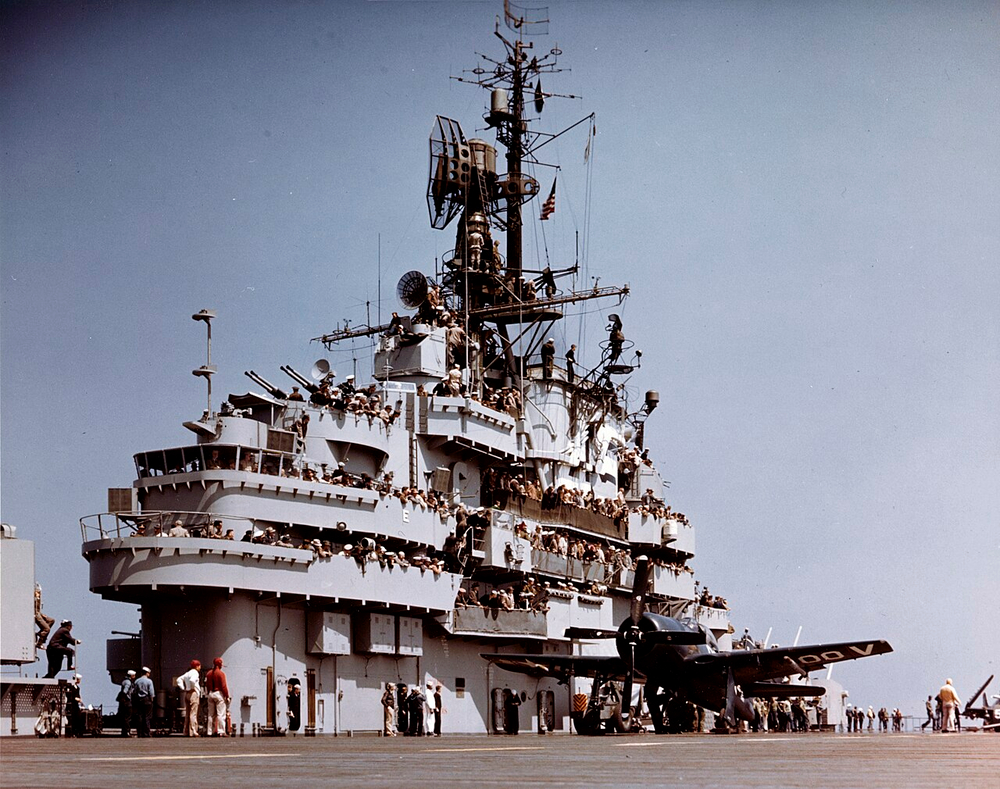
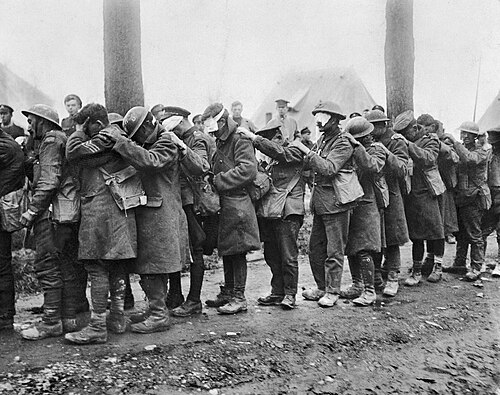
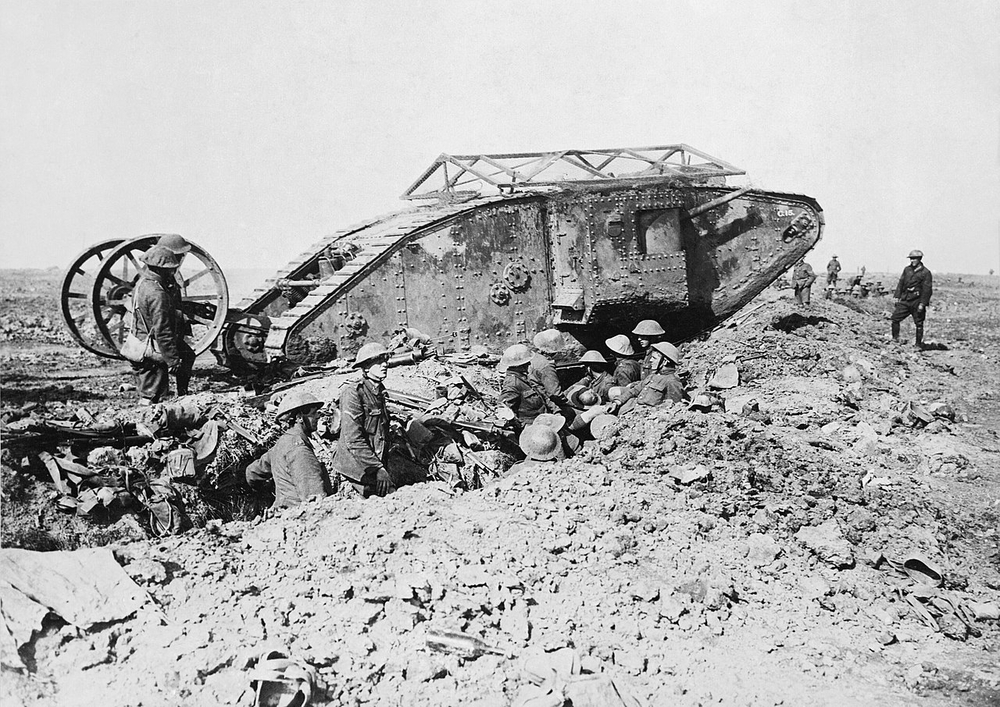
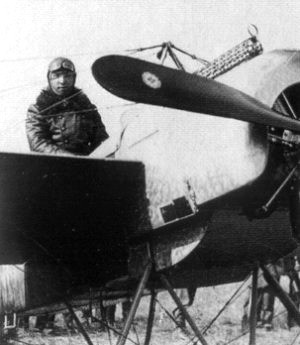
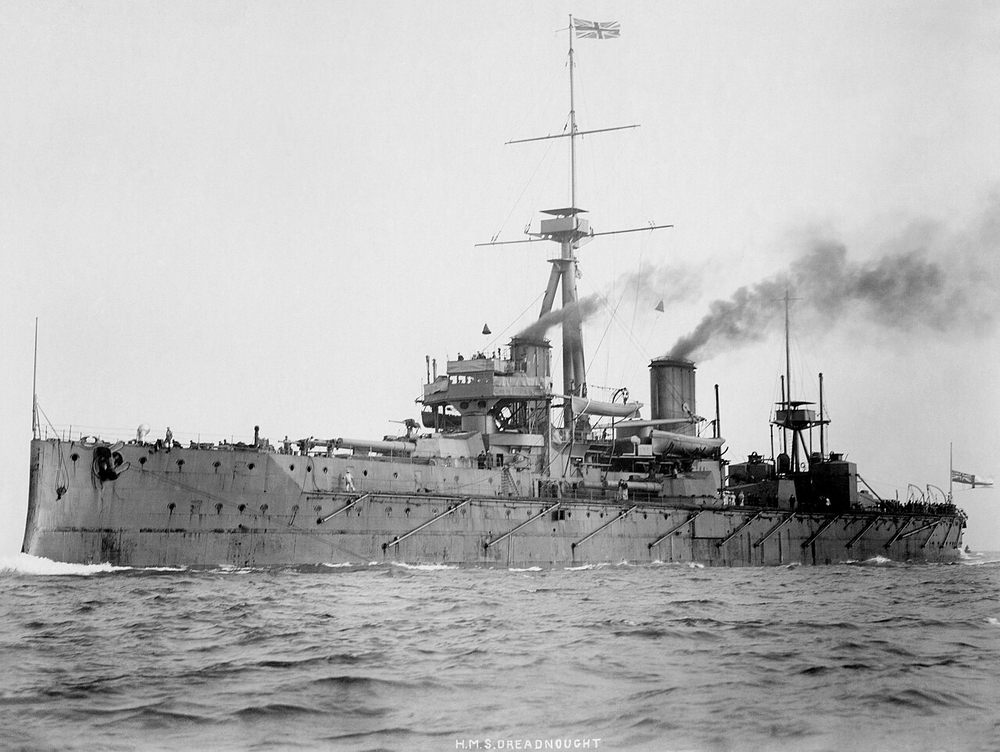
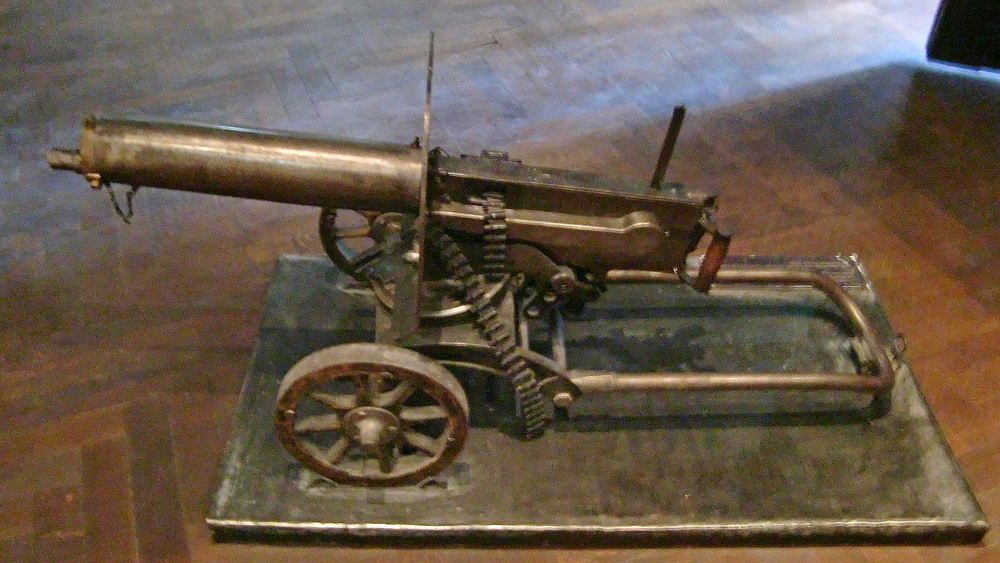
The Industrial Revolution dramatically accelerated the pace of war technology, introducing rifled barrels, machine guns, ironclad ships, and railways for rapid troop movement. World War I marked the emergence of modern warfare with tanks, chemical weapons, and airplanes. In World War II, innovation surged with radar, jet engines, nuclear weapons, and the use of computing for codebreaking. The Cold War era witnessed the development of intercontinental ballistic missiles (ICBMs), stealth aircraft, and satellite surveillance. In the 21st century, war technology has expanded into cyberspace, autonomous systems, drones, and directed-energy weapons. This ever-evolving arsenal reflects not only the progress of science and engineering but also the complex ethical and strategic challenges that come with each new advancement.
\#MomentsOfLife #MoofLife\_Moment #MoofLife #WarTechnology #MilitaryHistory #WeaponsOfWar #InnovationInWarfare #HumanConflict