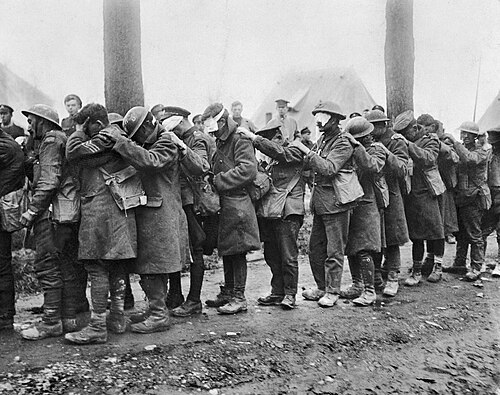
use of Chemical Weapons.
4 min read
Updated By: History Editorial Network (HEN)
Published:
The use of chemical weapons during the First World War marked a grim turning point in modern warfare. Initially pioneered by Germany, the deployment of poison gas was partly a strategic response to resource shortages caused by naval blockades, which hindered their ability to manufacture traditional explosives. With its powerful dye industry capable of mass-producing chlorine and organic chemicals, Germany found a ready-made solution in chemical warfare. Industrial scientists like Fritz Haber became central figures in weapon development, blending the boundaries between civilian industry and military objectives. This collaboration led to a range of weaponized chemicals designed to cause mass disruption and casualties on the battlefield.
The British quickly responded to German gas attacks by initiating their own chemical weapons program, establishing research facilities like Porton Down. This site not only supported wartime gas development but also evolved into a longstanding center for military science, continuing its operations into the modern era. The arms race in chemical weapons saw the development of increasingly lethal agents, including mustard gas and nerve agents like tabun. These substances inflicted severe physical and psychological trauma on soldiers and civilians alike, cementing chemical weapons as a harrowing legacy of industrialized warfare. The enduring secrecy and continued research into chemical agents even after World War I underscore the dark potential of science when co-opted by military interests.
\#MomentsOfLife #MoofLife\_Moment #MoofLife #HistoryOfWarfare #ChemicalWeapons #WWI #ScientificWarfare #PortonDown #FritzHaber

Explore the Life Moments of
 AI Twin