Intercontinental ballistic missiles Introduced by USSR
3 min read
Updated By: History Editorial Network (HEN)
Published:
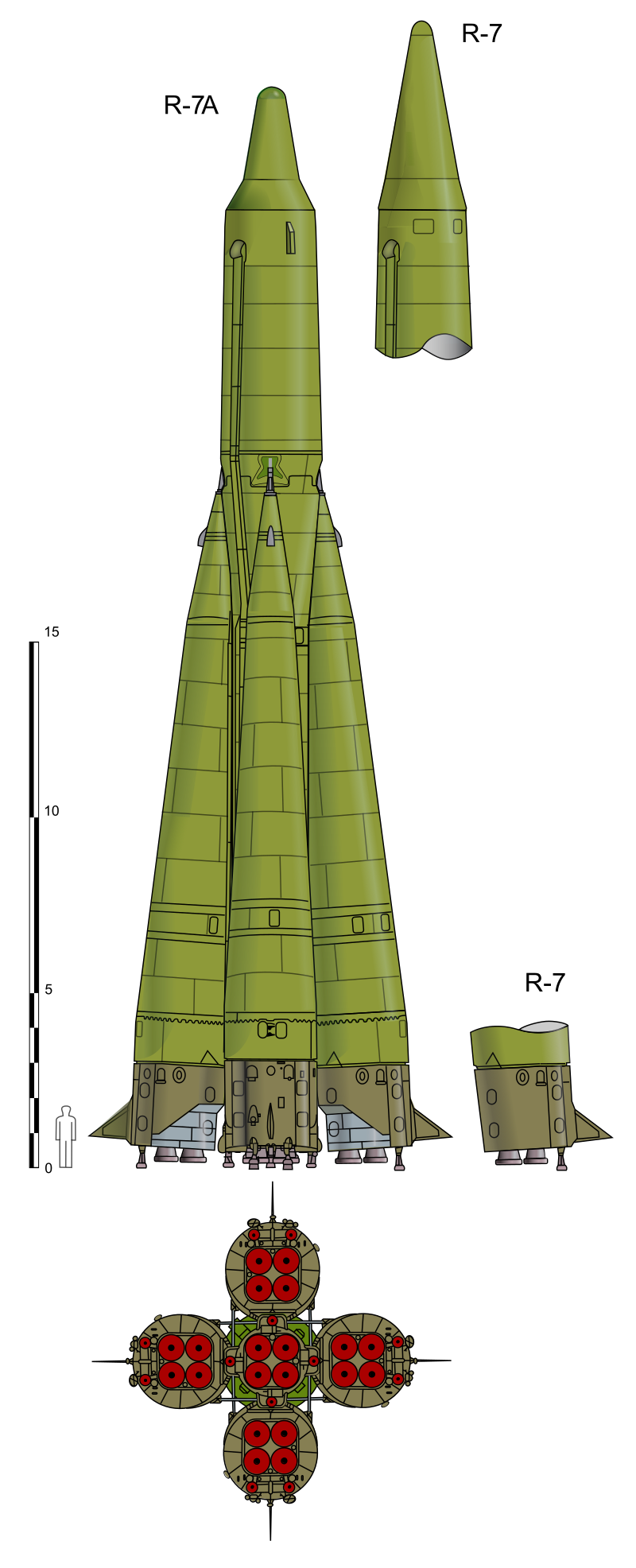
The introduction of intercontinental ballistic missiles (ICBMs) by the Soviet Union in the 1950s marked a dramatic turning point in Cold War geopolitics. The R-7 Semyorka, launched in 1957, was the world’s first ICBM, capable of delivering a nuclear warhead across continents. This technological breakthrough allowed the USSR to strike virtually any location on the globe, fundamentally altering the balance of power and intensifying the nuclear arms race with the United States. The development of ICBMs added a new dimension to deterrence strategies and significantly increased the stakes of global conflict.
With ICBMs, the concept of mutually assured destruction became more plausible than ever before. These weapons could be launched within minutes, making surprise attacks a terrifying possibility and forcing nations to invest heavily in early warning systems and second-strike capabilities. The deployment of ICBMs by both superpowers entrenched a period of fear and strategic posturing, where diplomacy often played out in the shadow of devastating potential. Even today, the legacy of ICBMs continues to shape global security policies and international relations.
\#MomentsOfLife #MoofLife\_Moment #MoofLife #ColdWar #ICBM #NuclearArmsRace #GlobalSecurity

Explore the Life Moments of
 AI Twin