Use of Battleships
4 min read
Updated By: History Editorial Network (HEN)
Published:
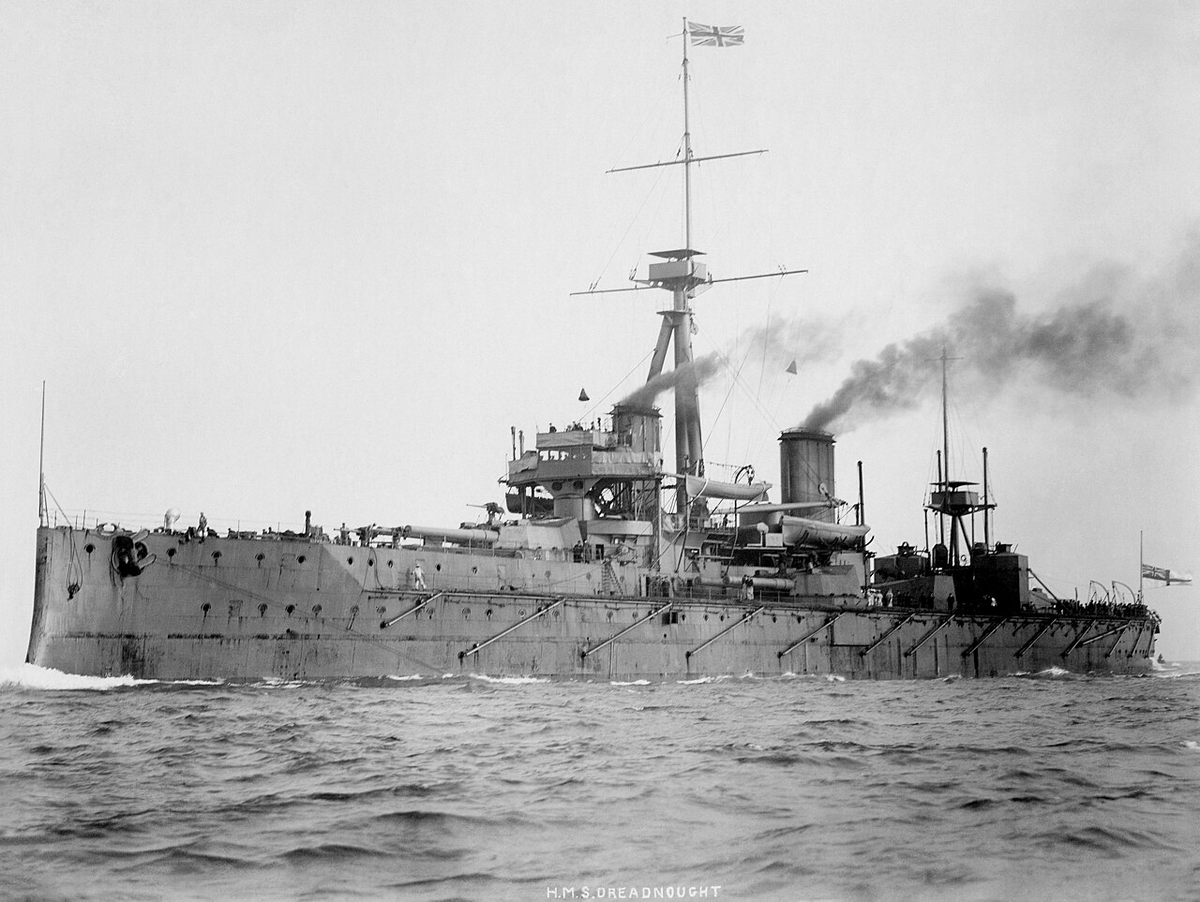
The use of battleships reached its zenith during the early 1900s through World War II, marking an era where naval supremacy was defined by these colossal warships. These vessels, built with thick armor and armed with massive artillery, symbolized a nation's military prowess and industrial strength. The launch of HMS *Dreadnought* in 1906 revolutionized naval architecture and warfare, rendering previous battleship designs obsolete. Its speed, firepower, and use of turbine engines set the standard for what became known as "dreadnoughts," igniting a global naval arms race among major powers. The dreadnought design reshaped naval strategy, emphasizing gunnery duels between capital ships over close combat or ramming tactics used in earlier centuries.
During World War II, battleships like the German *Bismarck* and the American *USS Missouri* became iconic symbols of their nations' sea power. The *Bismarck* was infamous for sinking the British battlecruiser *HMS Hood*, before being hunted down and destroyed in one of the most dramatic naval chases of the war. Meanwhile, the *USS Missouri* would go down in history as the site where Japan officially surrendered in 1945, ending the war. Despite their might, the role of battleships diminished by the war’s end due to the rise of air power and aircraft carriers, which proved more versatile and decisive in modern naval warfare. Yet, the image of the battleship remains a powerful symbol of 20th-century military ambition and technological advancement.
\#MomentsOfLife #MoofLife\_Moment #MoofLife #History #NavalWarfare #Battleships #WWII #MilitaryHistory

Explore the Life Moments of
 AI Twin