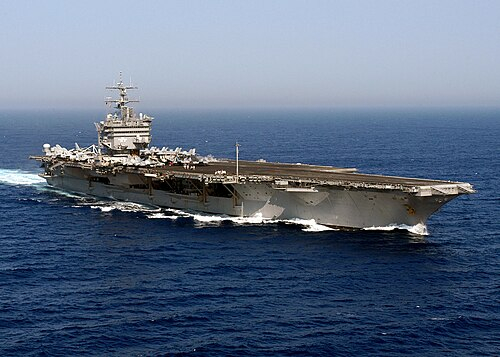
The rise of aircraft carriers
3 min read
Updated By: History Editorial Network (HEN)
Published:
The rise of aircraft carriers during World War II marked a transformative shift in naval warfare, turning the seas into arenas for aerial dominance. Unlike traditional battleships that relied on heavy guns, aircraft carriers functioned as mobile airbases, capable of projecting air power across vast oceans. The USS *Enterprise*, launched in 1936, became one of the most decorated ships of the war, playing a pivotal role in key battles such as Midway and the Philippine Sea. Carriers allowed navies to strike targets hundreds of miles away, changing the dynamics of maritime strategy and making air superiority a decisive factor in naval engagements.
World War II demonstrated that control of the skies could dictate the outcome of battles at sea. Carrier-based aircraft could scout, intercept, bomb, and defend, giving nations with strong carrier fleets a strategic edge. The success of these vessels during the war established them as the core of modern naval power, a status they still hold today. Modern supercarriers, far more advanced but rooted in WWII innovations, continue to project global influence and power. The evolution of the aircraft carrier stands as a symbol of the fusion between air and sea power in modern military doctrine.
\#MomentsOfLife #MoofLife\_Moment #MoofLife #WWIIHistory #AircraftCarriers #NavalWarfare #USSEnterprise #AirPowerAtSea

Explore the Life Moments of
 AI Twin