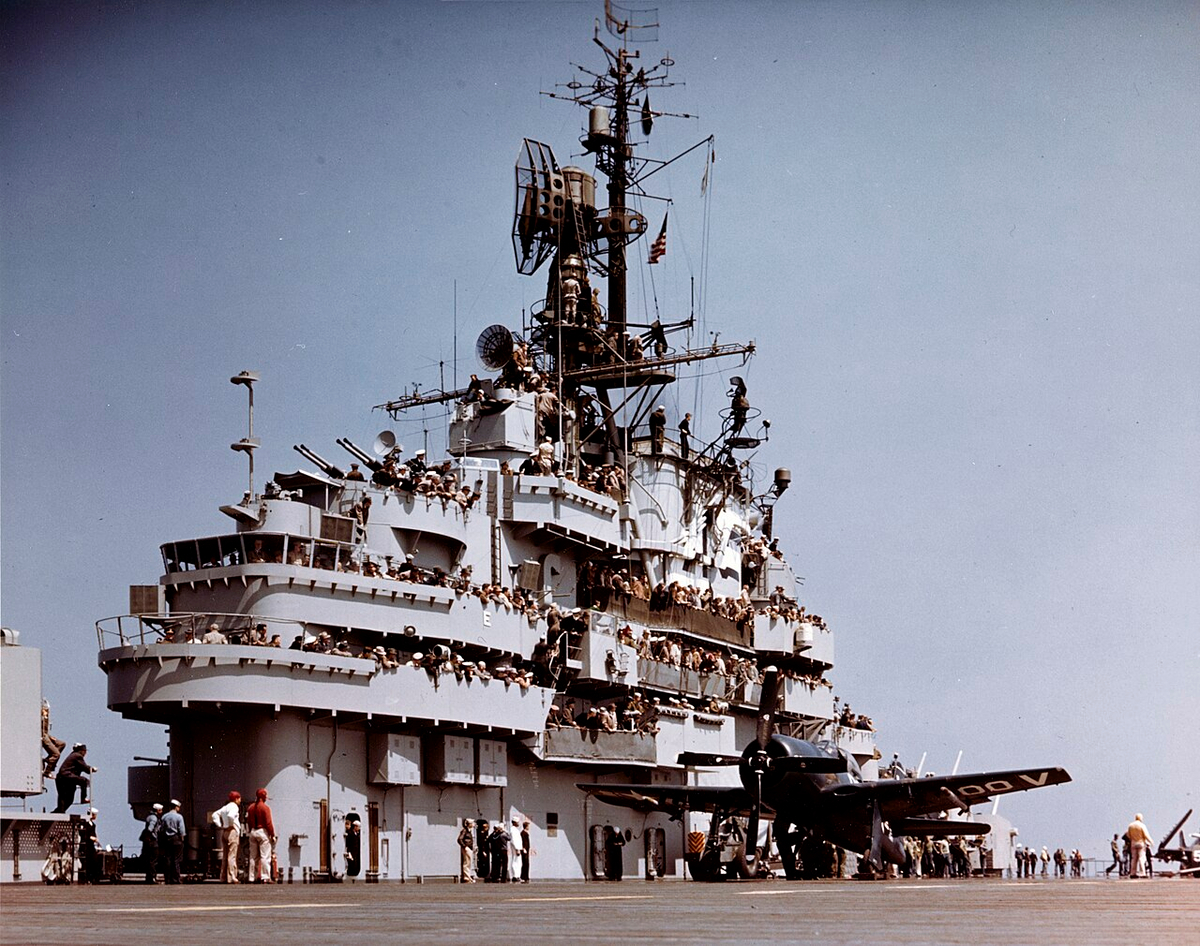
Development of Radar Defense Systems
4 min read
Updated By: History Editorial Network (HEN)
Published:
During World War II, radar technology became a pivotal asset in the defense strategies of the Allied powers, with British physicists taking the lead in pioneering long-wave radar systems. These early radar systems proved vital for detecting incoming German air attacks, particularly during the Blitz, allowing for timely countermeasures and significantly bolstering air defense. While the British focused on long-wave radar, they entrusted the development of more precise short-wave—or microwave—radar systems to the United States. This transatlantic collaboration marked a critical step in the technological evolution of wartime science, enabling the detection of smaller and faster aircraft with greater accuracy.
In the U.S., institutions like MIT and Stanford became hubs for radar research, where thousands of academic physicists and engineers not involved in the Manhattan Project focused their efforts. Their work led to the refinement of microwave radar technology and its application in proximity fuzes—sophisticated devices that detonated explosive shells at optimal distances from their targets. These fuzes dramatically improved the U.S. Navy’s defensive capabilities, particularly against kamikaze attacks in the Pacific Theater. Beyond their wartime use, advances in microwave technology laid the groundwork for future innovations in defense research and electronic warfare, running parallel to the scientific legacy of the Manhattan Project.
\#MomentsOfLife #MoofLife\_Moment #MoofLife #RadarInnovation #WWIITechnology #MicrowaveRadar #ScientificLegacy #DefenseResearch

Explore the Life Moments of
 AI Twin