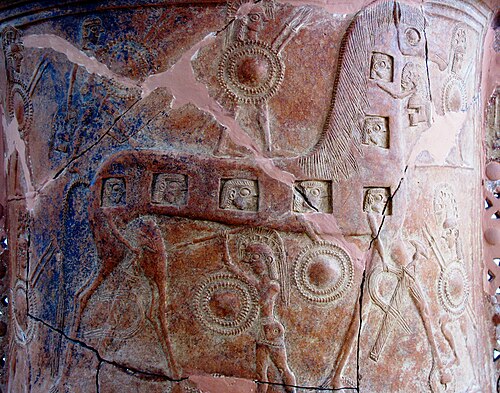
The story of the Trojan Horse represents early psychological warfare.
3 min read
Updated By: History Editorial Network (HEN)
Published:
The story of the Trojan Horse, rooted in Greek mythology and popularized by works such as Virgil's *Aeneid*, tells of a cunning ploy by the Greeks to finally breach the walls of Troy during the Trojan War. According to legend, the Greeks constructed a massive wooden horse and hid a select group of elite soldiers inside it, presenting it as a peace offering and a symbol of surrender. The Trojans, believing the war was over and the gift genuine, brought the horse into their fortified city. That night, under the cover of darkness, the hidden Greek warriors emerged, opened the city gates for their returning army, and brought about Troy’s ultimate downfall.
While its historical accuracy remains debated, the tale of the Trojan Horse endures as a powerful metaphor for deception and strategic manipulation in warfare. It illustrates how psychological tactics can be just as potent as brute force. The story has since become a timeless lesson in caution, underscoring the dangers of misplaced trust and the effectiveness of outsmarting one's opponent through guile and creativity. The Trojan Horse remains an iconic symbol in both military strategy and cultural lore, reflecting humanity's long-standing fascination with cunning over confrontation.
\#MomentsOfLife #MoofLife\_Moment #MoofLife #TrojanHorse #AncientWarfare #PsychologicalWarfare #GreekMythology #DeceptionInWar

Explore the Life Moments of
 AI Twin