Experimentation and testing of railguns
4 min read
Updated By: History Editorial Network (HEN)
Published:
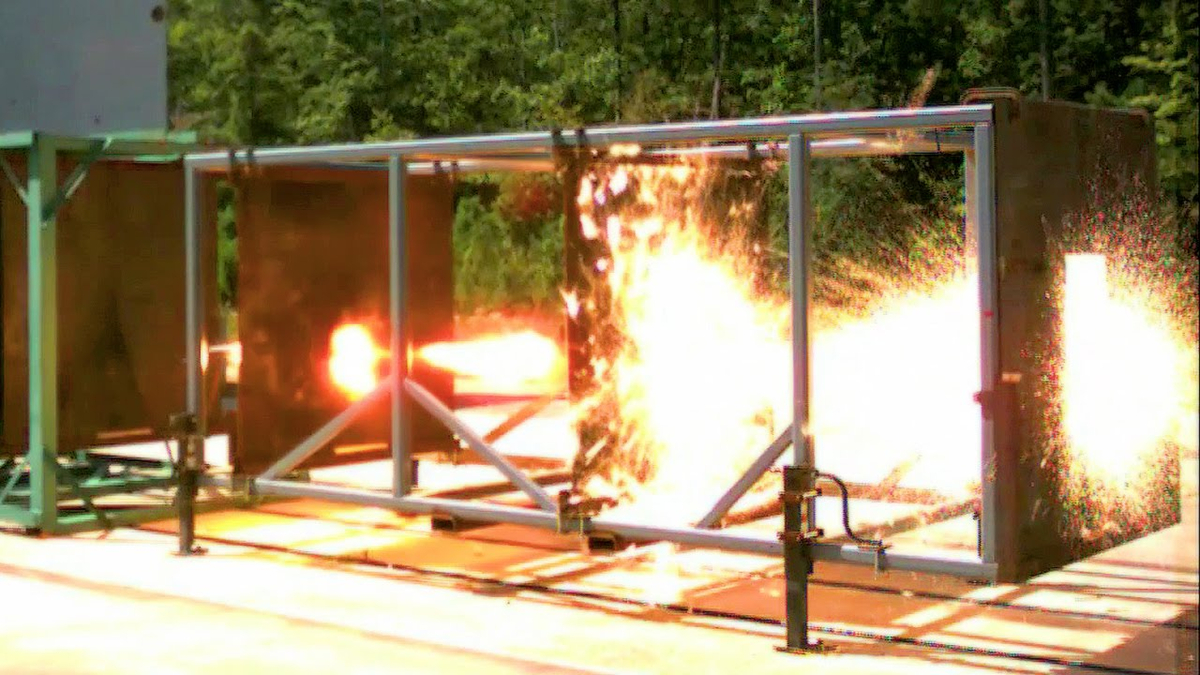
Experimentation and testing of railguns represent some of the most ambitious efforts in modern military science to develop next-generation weaponry. Railguns utilize electromagnetic forces to launch projectiles at extremely high speeds, often exceeding Mach 6, without the use of traditional chemical explosives. This concept has attracted significant attention from military research agencies, particularly in the United States, where the Navy has led numerous railgun development programs. Over the past two decades, extensive testing has been conducted to improve the durability of the rails, the efficiency of power systems, and the accuracy of high-velocity projectiles.
Despite notable progress in testing phases—such as successful launches at the Naval Surface Warfare Center and other military testing facilities—the railgun has faced considerable challenges. These include the immense electrical power required for operation, wear and tear on components from repeated high-energy firings, and the integration of such systems onto naval vessels. Although the U.S. Navy scaled back its railgun program in recent years, other countries like China have reportedly continued their own tests, suggesting that the race for practical electromagnetic weaponry is far from over. Railgun experimentation, even without immediate deployment, has significantly advanced research in energy storage, materials science, and directed-energy systems.
\#MomentsOfLife #MoofLife\_Moment #MoofLife #Railgun #MilitaryTech #WeaponDevelopment #FutureWarfare #ElectromagneticWeapons

Explore the Life Moments of
 AI Twin