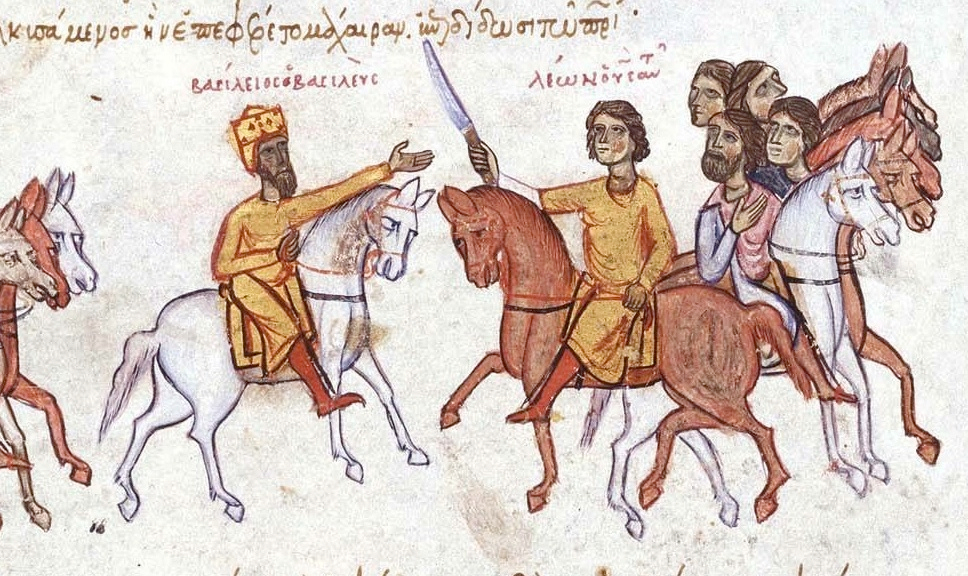
The introduction of the stirrup into Europe,
3 min read
Updated By: History Editorial Network (HEN)
Published:
The introduction of the stirrup into Europe, around the 8th century CE, transformed mounted warfare and reshaped the structure of medieval society. By providing riders with greater balance and support, the stirrup allowed them to remain firmly seated while wielding weapons, delivering powerful charges and strikes from horseback. This seemingly simple innovation gave rise to the dominance of cavalry units, particularly the heavily armored knights who would come to define medieval European warfare. With stirrups, mounted soldiers became more effective in both offense and defense, enabling new tactics and battlefield formations.
The stirrup's influence extended beyond the battlefield. As cavalry became the elite force of European armies, the social and political landscape shifted accordingly. Landholding and feudal obligations were often tied to mounted military service, cementing the knight as a central figure in medieval culture and governance. The image of the armored knight—heroic, noble, and deadly—endures as a powerful symbol of this era. The stirrup, though modest in appearance, was a key catalyst in the evolution of both military power and medieval hierarchy.
\#MomentsOfLife #MoofLife\_Moment #MoofLife #MedievalHistory #CavalryPower #StirrupRevolution #KnightsOfEurope #MilitaryInnovation #HistoryUnfolded

Explore the Life Moments of
 AI Twin