
Belgium

The Heart of Europe.
About
#Belgium
#Brussels
#Chocolate
Life Classification
Country
Life ID
EL2958154942904
Verified Name
belgium
Life Type
Entity Life
Life Editor(s)
History Editorial Network (HEN)
Life Privacy
Public
Subscription
Elite
Created On
2024-03-01
Updated On
2025-12-19
Connect
Related Lives

Slovenia
Green Heart of Europe

Poland
The Land of a Thousand Lakes

Mexico
The Land of the Maya

Finland
Land of a Thousand Lakes

Norway
Land of Fjords and Northern Lights

Azerbaijan
The Land of Fire

South Korea
The Land of Morning Calm

Chad
Heart of the Sahel

2026
An estimated 30,000 to 50,000 demonstrators reportedly gathered in Brussels, Belgium, on 09/10/2026 to protest the economic and social policies of Prime Minister Bart De Wever's federal government. Trade union members, teachers, students, and civil society organisations opposed proposed budget reductions, pension reforms, and changes to social benefits. The demonstration reflected concerns about the effects of fiscal consolidation measures on workers, pensioners, and households, as the government pursued reforms intended to address Belgium's public finances.
The protest formed part of broader opposition to the coalition government's economic programme, which includes changes to pension eligibility, unemployment benefits, and public expenditure. Belgian trade unions have organised repeated demonstrations and industrial actions against these policies since De Wever became prime minister in February 2025. Participants called for stronger social protections and greater consideration of workers' purchasing power. The reported turnout and specific outcomes of the 09/10/2026 demonstration require independent confirmation.
View details2025
In a harrowing escalation of Europe's energy fragility, a massive continent-wide blackout plunged swathes of the continent into darkness on November 4, 2025, with Belgium reeling from severe power outages that left over 5 million households in the dark for up to 12 hours. Triggered by a catastrophic grid cascade reminiscent of the 2006 blackout-stemming from a high-voltage line failure in Germany amid peak winter demand and surging renewables-the failure rippled across interconnected systems, splitting the ENTSO-E network into isolated segments. Belgium's Elia Group reported a 40% demand plunge, halting Brussels trams, stranding Eurostar passengers at Midi station, and blacking out hospitals reliant on diesel backups, while mobile networks buckled under overload.
The outage, Europe's worst since 2006, also hammered France, Italy, Spain, Portugal, Germany, and the Netherlands, affecting 15-20 million users total and costing an estimated €2 billion in lost productivity. Minor flickers hit Poland, Switzerland, Czechia, Greece, and even Morocco via undersea links. Authorities invoked emergency protocols, with nuclear plants in Belgium and France auto-shutdowns averting worse, but traffic chaos ensued as signals failed, sparking minor collisions.
Proponents of grid modernization, including EU Energy Commissioner Kadri Simson, decry the event as a wake-up call to bolster inertia from phasing out fossil baseloads, urging €50 billion in smart tech and storage investments by 2030. Critics, from green skeptics to cyber-threat hawks, blame over-reliance on intermittent wind and solar-Belgium's 25% renewable mix-for amplifying vulnerabilities, while dismissing sabotage theories amid Russia's hybrid war shadows. As lights flickered back by midnight, this blackout underscores a brittle energy mosaic: resilient yet perilously thin, demanding urgent fortification against climate whims and geopolitical tempests in an electrified age.
View details2024
During the Belgian federal elections, the New Flemish Alliance (N-VA) maintained its position as the largest political party in the country. Despite predictions of a possible decrease in their influence, the N-VA secured a significant proportion of the votes, reaffirming its leadership in the Flemish region. The N-VA's strong performance continued to position them as a central figure in the political landscape of Belgium.
In contrast, the Open Vld, another major party in Belgium, experienced a notable decline in their seat count. This shift in voter support highlighted changing political dynamics and preferences within the Belgian electorate. Various analysts pointed to factors such as economic policies, immigration, and regional autonomy as key influences affecting voter sentiment during this election cycle.
The electoral results demonstrated the N-VA's sustained appeal among Flemish voters, with the party focusing heavily on issues of regional identity and economic reform. The Open Vld’s loss could be attributed to their controversial stand on several policy matters that perhaps did not resonate well with their traditional voter base.
According to final results, the N-VA won 27% of the vote, slightly increasing their share compared with the previous election. Meanwhile, Open Vld saw their share drop from 18% to 12%, translating into a loss of six parliamentary seats.
The implications of these results were far-reaching. They indicated a continued fragmentation within the Belgian political system, complicating the formation of the federal government. Coalition talks became imperative to form a stable government and address pressing national issues.
The election underscored the political divides between Flemish and Walloon regions, highlighting disparities in voter priorities and expectations. The performance of smaller parties also suggested a growing appetite for diversification in political representation.
#MoofLife captures these dynamic political changes and the evolving landscape in Belgian politics. The narrative remains crucial for understanding the multifaceted nature of political power play within Belgium and its impact on governance and policy-making.
View details2018
The Belgian government collapsed following a dispute over a UN migration pact. The coalition split over Prime Minister Charles Michel's decision to sign the non-binding agreement, leading to the resignation of government representatives from the N-VA party. The migration pact aimed to set out guidelines for safe, orderly, and regular migration, but the N-VA objected, viewing it as a threat to Belgium's sovereignty.
The resignation of the N-VA ministers left the government without a parliamentary majority, prompting Michel to announce his intention to tender his resignation to the king. The collapse of the government jeopardized the country's stability and raised concerns about its ability to navigate future challenges. In the aftermath of the crisis, Michel stated his commitment to lead a caretaker government until elections could be held.
The dispute over the migration pact highlighted deep divisions within Belgian politics, with different parties advocating contrasting approaches to migration and international cooperation. The collapse of the government underscored the challenges of maintaining unity in a diverse political landscape and raised questions about the future direction of Belgian governance.
The event sparked debate both within Belgium and internationally, with supporters of the pact emphasizing the importance of global cooperation on migration issues, while critics raised concerns about national sovereignty and control over borders. The fallout from the government's collapse was felt not only in Belgium but also in other European countries grappling with similar debates over migration policy and international agreements.
#Belgium #MigrationPact #GovernmentCollapse #PoliticalDivisions
View details2016
On the UNESCO Cultural Heritage List, Belgian beer was included, recognizing its significance in the country's culture and history. Belgium's beer-brewing tradition dates back to the Middle Ages, with distinctive brewing techniques and a wide variety of beer styles. The art of brewing and enjoying beer plays a central role in social gatherings, culinary experiences, and festivals in Belgium.
This recognition highlights the cultural importance of Belgian beer, not just as a beverage but as a symbol of national identity and heritage. By being added to the UNESCO list, Belgian beer joins other intangible cultural treasures like the Mediterranean diet and traditional Mexican cuisine. This acknowledgment helps preserve and promote Belgium's brewing heritage, ensuring its continued enjoyment for future generations.
The UNESCO listing also brings attention to the craftsmanship, expertise, and diversity within Belgium's brewing industry. With over 1,500 different types of beer produced in the country, Belgian breweries are known for their innovation and quality. This recognition can boost tourism, as beer enthusiasts from around the world may be drawn to Belgium to experience its rich beer culture firsthand.
Overall, the addition of Belgian beer to the UNESCO Cultural Heritage List underscores the country's dedication to preserving its unique traditions and ensuring their longevity. It celebrates the artistry and cultural significance of brewing in Belgium, emphasizing the role of beer in bringing people together and fostering a sense of community and pride.
#UNESCO #Belgium #BeerCulture #CulturalHeritage #BrewingTradition
View detailsIn Belgium, a series of coordinated terrorist attacks targeted the Brussels airport and a metro station. The perpetrators, linked to the extremist group ISIS, detonated explosives, resulting in numerous casualties and injuries. The attacks sent shockwaves through the country and the international community, raising concerns about security and the threat of terrorism.
As a known hub for international travel, the Brussels airport was bustling with passengers when two suicide bombers struck the departure hall. The explosions caused chaos and destruction, leaving many people trapped under debris and in need of urgent medical attention. Simultaneously, another suicide bomber targeted a metro station in the city, adding to the devastation and fear gripping the Belgian capital.
In the aftermath of the attacks, the Belgian authorities launched large-scale investigations to apprehend those responsible and prevent future incidents. The country raised its threat level to the highest degree, heightening security measures and deploying additional resources to safeguard its citizens and visitors. The attacks led to a significant loss of life, injuries, and trauma, deeply affecting the fabric of Belgian society and its sense of security.
The repercussions of the terrorist attacks in Brussels reverberated globally, prompting solidarity and support from countries around the world. The incident served as a stark reminder of the persistent threat posed by extremist ideologies and the importance of international cooperation in combating terrorism. The people of Belgium mourned the loss of innocent lives and stood united in defiance against those seeking to sow fear and division.
#BrusselsAttacks #Terrorism #BelgiumStrong #GlobalSecurity
View details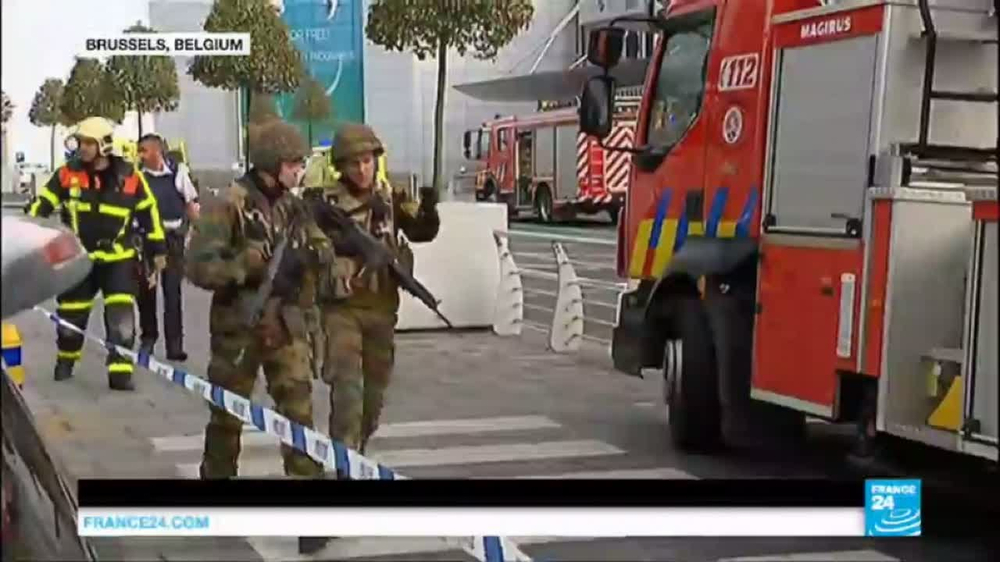
2003
Belgium became one of the first countries in the world to legalize same-sex marriage, marking a historic milestone for LGBTQ rights. This progressive move came after years of activism and advocacy by the LGBTQ community, pushing for equal rights and recognition under the law.
The journey towards legalizing same-sex marriage in Belgium began with the decriminalization of homosexual acts in 1795. However, it wasn't until the early 2000s that significant progress was made towards achieving marriage equality. In 2003, after much debate and deliberation, the Belgian Parliament passed a bill allowing same-sex couples to marry and adopt children.
The impact of legalizing same-sex marriage in Belgium was profound. It was a pivotal moment for the LGBTQ community, granting them the same rights and protections afforded to heterosexual couples. This legal recognition also symbolized a shift towards a more inclusive and tolerant society, promoting equality and diversity.
With this landmark legislation, Belgium set an example for other countries around the world to follow, paving the way for greater acceptance and recognition of LGBTQ rights. The decision to legalize same-sex marriage showcased Belgium's commitment to upholding fundamental human rights and promoting equality for all its citizens.
The legalization of same-sex marriage in Belgium was a triumph for the LGBTQ rights movement, demonstrating that love knows no boundaries. It was a momentous occasion that celebrated diversity, acceptance, and equality for all individuals, regardless of sexual orientation. The impact of this decision reverberated far beyond the borders of Belgium, inspiring progress and change on a global scale.
#Belgium #SameSexMarriage #LGBTQRights #Equality #LoveIsLove #Progress #Inclusion
View details2002
Belgium adopted the euro as its official currency, marking a milestone in the country's economic integration with the European Union. The decision to join the Eurozone was part of a broader effort to promote economic stability, facilitate cross-border trade, and strengthen ties with other EU member states.
The transition to the euro involved extensive planning and coordination between the Belgian government, financial institutions, and businesses. The switch from the Belgian franc to the euro required adjusting prices, updating financial systems, and educating the public about the new currency. Despite initial challenges and some resistance, the adoption of the euro ultimately streamlined transactions, eliminated exchange rate uncertainties, and promoted a sense of unity among European nations.
The introduction of the euro had a profound impact on Belgium's economy, influencing inflation rates, interest rates, and overall competitiveness. It also enhanced Belgium's standing within the EU and underscored the country's commitment to European integration. The euro became a symbol of Belgium's close ties with its European neighbors and a testament to the country's embrace of a shared currency and economic framework.
In the years following the adoption of the euro, Belgium continued to benefit from increased trade, investment, and financial stability within the Eurozone. The euro's status as a global reserve currency further boosted Belgium's international standing and facilitated economic growth. While challenges such as economic downturns and sovereign debt crises tested the resilience of the euro, Belgium remained committed to the common currency and the principles of European cooperation.
Overall, the adoption of the euro as Belgium's official currency marked a significant step towards deeper economic integration and cooperation within the European Union. It reflected Belgium's commitment to a unified European market and a shared vision of prosperity and stability for all member states.
#Eurozone #EconomicIntegration #EuropeanUnion #CurrencyAdoption #Belgium
View details1996
In 1950, Belgium took a historical step by abolishing the death penalty, becoming one of the first countries in the world to do so. The decision was a result of evolving societal values and a shift towards a more humane justice system.
The abolition of the death penalty in Belgium marked a significant turning point in the country's legal history. It reflected a growing recognition of the importance of protecting human rights and promoting a more progressive approach to criminal justice. The decision also underscored Belgium's commitment to upholding the principles of dignity and respect for all individuals.
The impact of abolishing the death penalty in Belgium was far-reaching. It not only symbolized a break from a more punitive past, but also set a precedent for other countries to follow suit. By renouncing capital punishment, Belgium demonstrated its belief in rehabilitation and reintegration as key elements of the justice system. The abolition also contributed to a broader international movement towards the abolition of the death penalty.
The decision to abolish the death penalty in Belgium was met with widespread support from human rights organizations and the international community. It was hailed as a progressive and enlightened move that aligned with modern principles of justice and human rights. The abolition highlighted Belgium's commitment to fostering a more just and equitable society for all its citizens.
In conclusion, the abolition of the death penalty in Belgium in 1950 was a landmark moment in the country's history and a testament to its commitment to human rights and justice. It represented a significant step towards a more compassionate and fair legal system. The legacy of this decision continues to inspire efforts towards a more just and humane world. #Belgium #AbolitionOfDeathPenalty #HumanRights #Justice #ProgressiveApproach
View details1985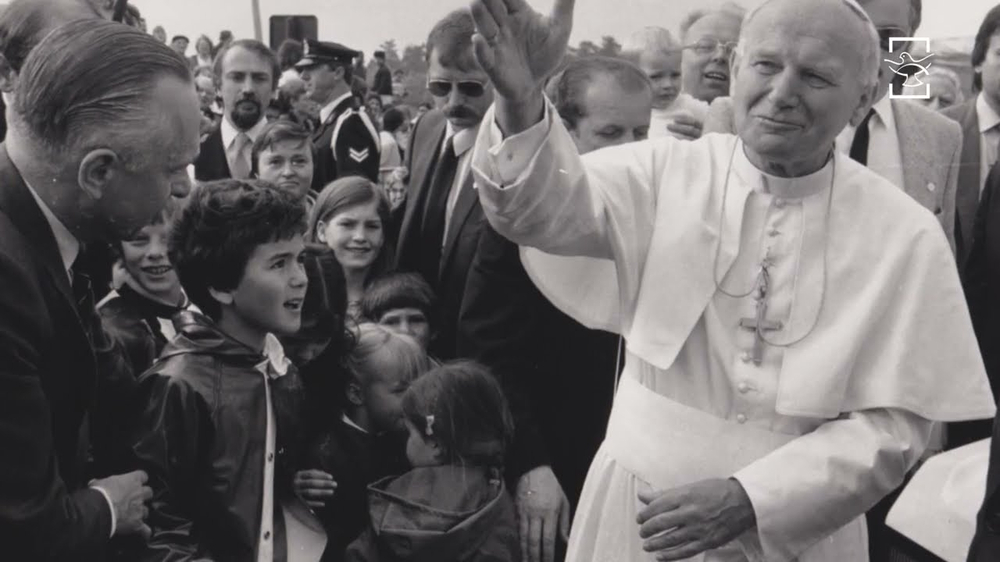
Pope John Paul II arrived in Belgium on May 16, 1985, for a historic visit. This marked the first time a pope had visited the country in over three decades. The visit was met with immense excitement and anticipation from the Belgian Catholic community.
During his time in Belgium, Pope John Paul II held various events and masses, drawing large crowds of faithful followers. His visit provided a sense of unity and hope for many Belgians, as they gathered to hear his messages of peace, love, and reconciliation.
The Pope's visit had a significant impact on the people of Belgium, fostering a sense of spiritual renewal and solidarity within the Catholic community. His presence also brought attention to important social issues, such as the need for compassion and understanding towards others.
Overall, Pope John Paul II's visit to Belgium left a lasting impression on the country, inspiring many to deepen their faith and work towards a more harmonious society. His message of love and unity resonated with Belgians long after his departure, leaving a legacy of hope and goodwill.
#PopeJohnPaulII #BelgiumVisit #CatholicCommunity #Unity #Hope #Peace
View details1965
The Wallon party was established in Belgium in 1965, echoing the longstanding cultural and linguistic divide within the country. The party was formed to advocate for the interests of the French-speaking population of Wallonia, seeking to address their economic and social concerns within the Belgian political landscape.
The emergence of the Wallon party marked a significant shift in Belgian politics, as it highlighted the deep-seated differences between the Dutch-speaking Flemish region and the French-speaking Wallonia. The party aimed to give a political voice to the Walloons, who felt marginalized within the predominantly Flemish political environment.
The establishment of the Wallon party had a notable impact on the Belgian political scene, leading to increased discussions and negotiations around issues such as language rights, regional autonomy, and economic disparities between the two regions. The party's presence in political debates helped raise awareness of the unique challenges faced by the Walloon population and pushed for greater recognition of their cultural identity.
Over the years, the Wallon party has continued to be a significant player in Belgian politics, advocating for policies that benefit the French-speaking community in Wallonia. It has played a key role in shaping the political landscape, influencing decisions on issues ranging from language legislation to regional development strategies.
The formation of the Wallon party in 1965 underscores the complex linguistic and cultural dynamics that have long defined Belgium's political landscape. It serves as a reminder of the ongoing importance of recognizing and addressing the diverse needs and perspectives of different communities within the country.
#Belgium #WallonParty #CulturalDivide #PoliticalRepresentation #RegionalAutonomy
View details1960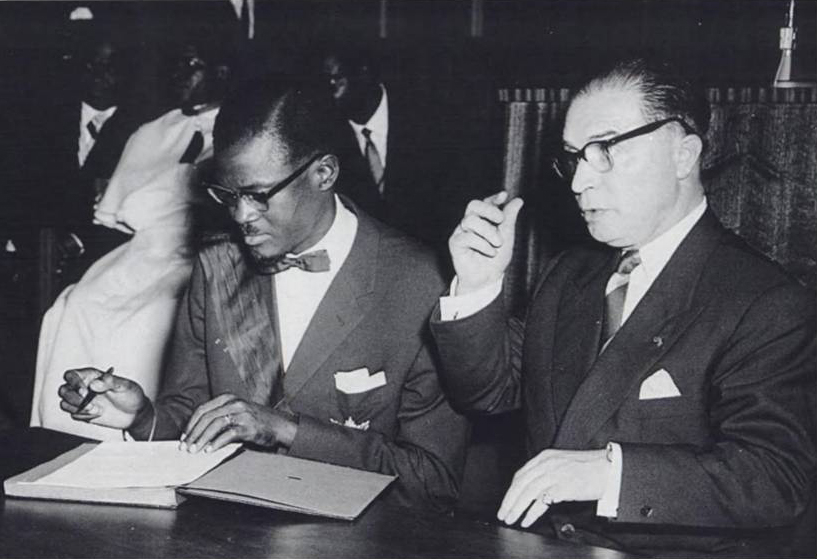
The Belgian Congo, a colony of Belgium, gained independence after years of exploitation and colonization. The European nation controlled the vast African territory for decades, extracting resources and imposing its rule on the native population. The independence movement in the Belgian Congo had been gaining momentum, with local leaders advocating for self-governance and an end to colonial oppression.
On the day of independence, celebrations were held across the country as the people rejoiced in their newfound freedom. However, the transition to independence was not smooth. Political instability, ethnic tensions, and economic challenges plagued the newly independent nation. The departure of Belgian officials left a power vacuum that was difficult to fill, leading to internal strife and conflict.
The legacy of Belgian colonialism in the Congo would continue to impact the country for years to come. The exploitation of resources, the imposition of artificial borders, and the legacy of divide-and-rule policies left a lasting mark on the Congolese society. The struggle for political stability, economic development, and national unity would shape the country's trajectory in the post-independence era.
The independence of the Belgian Congo marked a turning point in the history of Africa, inspiring nationalist movements across the continent and contributing to the wave of decolonization that swept through the region in the following years. The struggles and challenges faced by the Congolese people in the aftermath of independence serve as a reminder of the complex legacies of colonialism and the enduring quest for freedom and self-determination.
#BelgianCongo #Independence #Colonialism #Decolonization
View details1957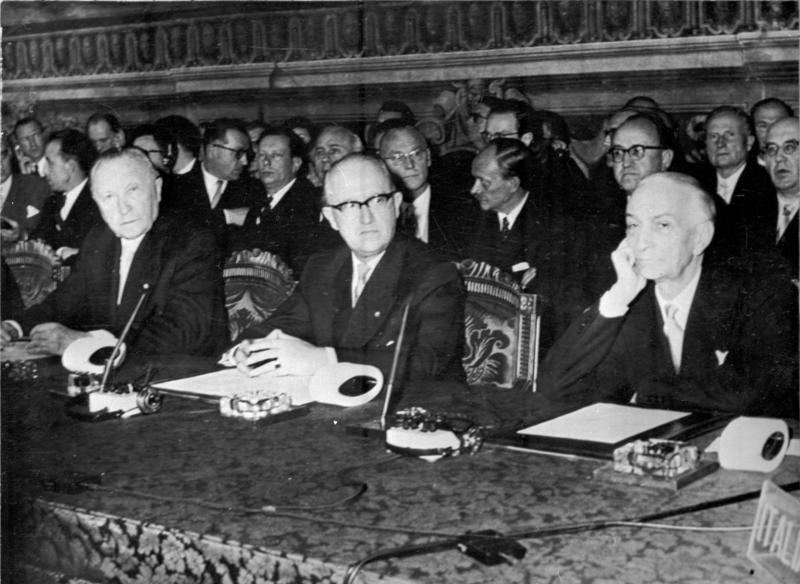
The Treaty of Rome was signed in Belgium by six founding countries: France, West Germany, Italy, Luxembourg, the Netherlands, and Belgium. This historical agreement laid the foundation for the European Economic Community, establishing a common market among the signatory nations. By promoting economic cooperation and trade integration, the treaty aimed to foster stability and prosperity in post-World War II Europe.
The Treaty of Rome had a lasting impact on the European continent, paving the way for the eventual formation of the European Union. It led to the abolition of trade barriers and the implementation of common policies in areas such as agriculture, competition, and trade. The treaty also symbolized a commitment to peace and unity among nations that had previously been torn apart by conflict.
In the years following the signing of the Treaty of Rome, the European Economic Community evolved into a political and economic union, with additional countries joining and deepening integration through various treaties and agreements. The principles enshrined in the treaty continue to shape the functioning of the European Union today, influencing policies and decision-making at the supranational level.
The signing of the Treaty of Rome marked a pivotal moment in European history, bringing together countries with diverse histories and cultures in pursuit of common goals. It set a precedent for cooperation and solidarity that continues to guide the European project. The legacy of the treaty is evident in the European Union's emphasis on unity, peace, and prosperity for its member states and citizens.
#TreatyOfRome #EuropeanIntegration #UnityInDiversity #Belgium #EuropeanUnion
View details1944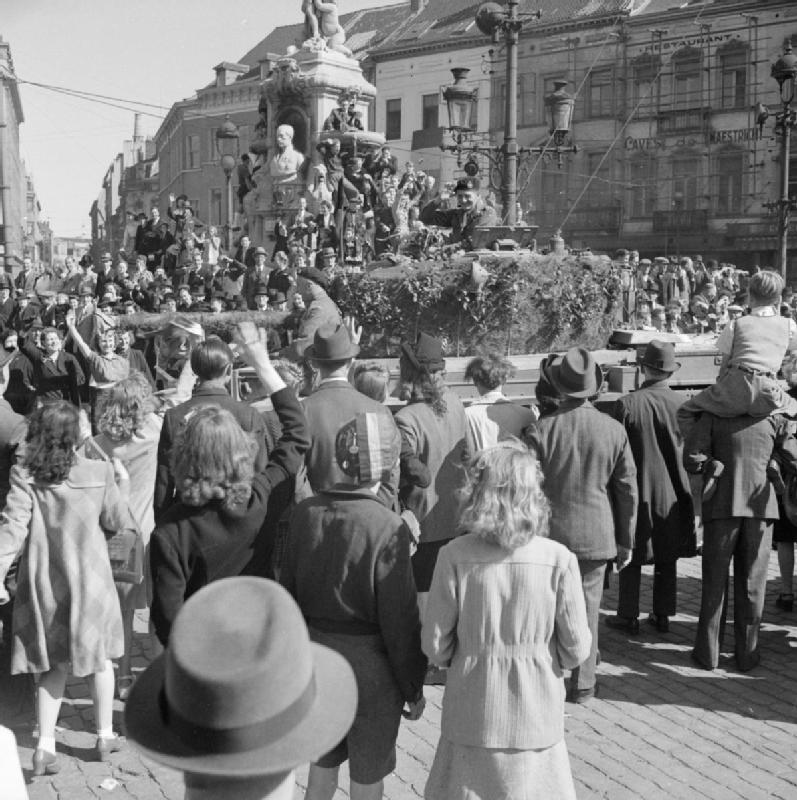
During World War II, the Liberation of Belgium marked a crucial turning point in the country's history. Following years of German occupation, Allied forces launched a massive offensive to free Belgium from the oppressive rule. The operation aimed to restore freedom and democracy to the Belgian people, who had endured hardship and suffering under the Nazi regime.
The Liberation of Belgium had a profound impact on the nation, bringing joy and relief to the population. Belgian citizens celebrated the arrival of the Allied troops as a symbol of hope and liberation. The successful campaign also helped weaken the German forces and pave the way for the eventual defeat of the Axis powers in Europe.
One of the key battles during the liberation was the Battle of the Bulge, where Allied forces fought fiercely against a last-ditch German offensive. The intense fighting resulted in significant casualties on both sides, but ultimately the Allies emerged victorious, securing Belgium's liberation.
The liberation of Belgium not only freed the country from occupation but also restored the Belgian government and institutions, allowing for the rebuilding of the nation. The event played a crucial role in shaping the post-war landscape of Europe and laid the foundation for the country's recovery and reconciliation.
Overall, the Liberation of Belgium stands as a testament to the resilience and courage of the Belgian people in the face of adversity. It serves as a reminder of the sacrifices made by soldiers and civilians alike in the fight for freedom and democracy. #LiberationofBelgium #WWII #AlliedForces #Freedom #History
View details1940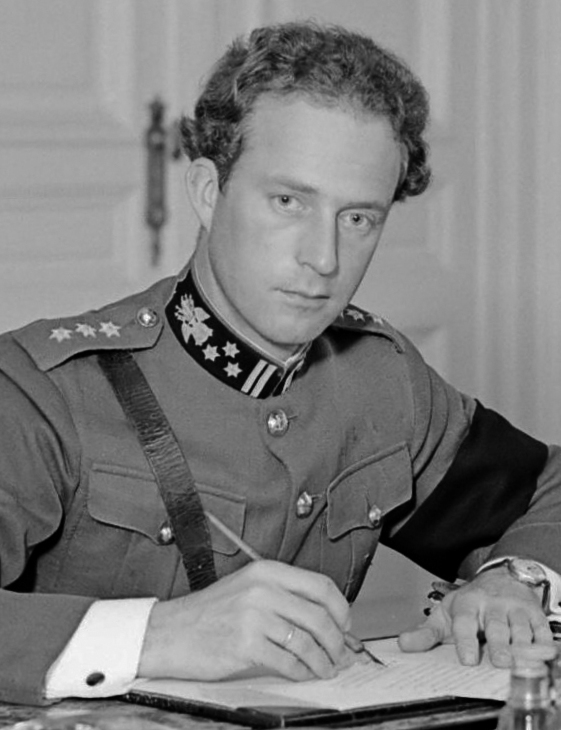
In May 1940, during World War II, Belgium surrendered to Germany after a swift and intense invasion. King Leopold III, facing overwhelming military forces, made the difficult decision to give himself up to the German forces. The surrender came after weeks of fierce fighting that left much of the country in ruins.
The invasion of Belgium by Nazi Germany was part of the larger Blitzkrieg strategy to quickly defeat and occupy several Western European countries. Despite putting up a brave resistance, the Belgian army was no match for the German military machine, which utilized superior tactics and firepower to swiftly overcome Belgian defenses.
King Leopold III's decision to surrender was met with mixed reactions. Some saw it as a pragmatic move to spare further destruction and loss of life, while others criticized him for capitulating to the enemy. The king was taken as a prisoner of war by the Germans and spent the rest of the war in captivity, a controversial figure in Belgian history.
The surrender of Belgium had far-reaching consequences for the country and its people. Under German occupation, the Belgian population faced hardships, including food shortages, forced labor, and restrictions on their freedom. Resistance movements emerged to oppose the occupiers, leading to a long and difficult period of clandestine warfare and repression.
Despite the surrender, the spirit of resilience and resistance remained strong among many Belgians, laying the groundwork for a unified effort to rebuild and recover after the war. The events of that fateful period continue to be remembered as a testament to the courage and determination of the Belgian people in the face of adversity.
#Belgium #WorldWarII #Surrender #Occupation #KingLeopoldIII #Resistance
View detailsThe German invasion of Belgium during World War II was a pivotal military campaign that occurred in the early stages of the war. The invasion was part of the larger German strategy to conquer Western Europe. The German forces, under the command of General von Bock, launched a swift and brutal assault on Belgium, bypassing the heavily fortified Maginot Line in France.
The invasion of Belgium had a significant impact on the course of the war in Europe. By capturing Belgium, the German forces were able to outflank the French and British armies, forcing them to retreat and ultimately leading to the fall of France. The Belgian army put up a valiant defense, but they were ultimately overwhelmed by the superior German forces and the Blitzkrieg tactics employed by the invading army.
The German invasion of Belgium also had devastating consequences for the Belgian civilian population. Cities and towns were bombed, and many civilians were killed or displaced by the fighting. The occupation of Belgium by the German forces would last for the duration of the war, and the Belgian people would endure years of hardship and oppression under German rule.
Ultimately, the German invasion of Belgium was a key turning point in World War II, paving the way for German dominance in Western Europe and shaping the course of the conflict for years to come.
#GermanInvasion #Belgium #WorldWarII #MilitaryCampaign #Occupation
View details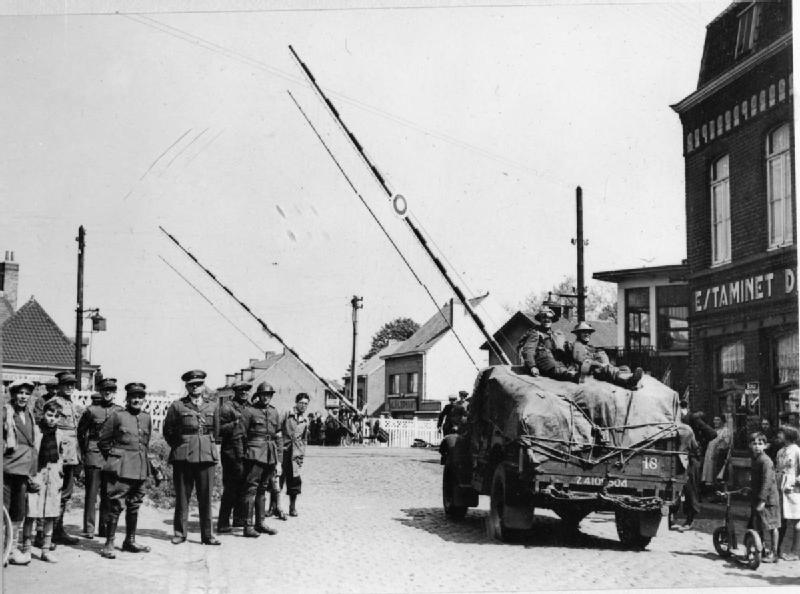
1934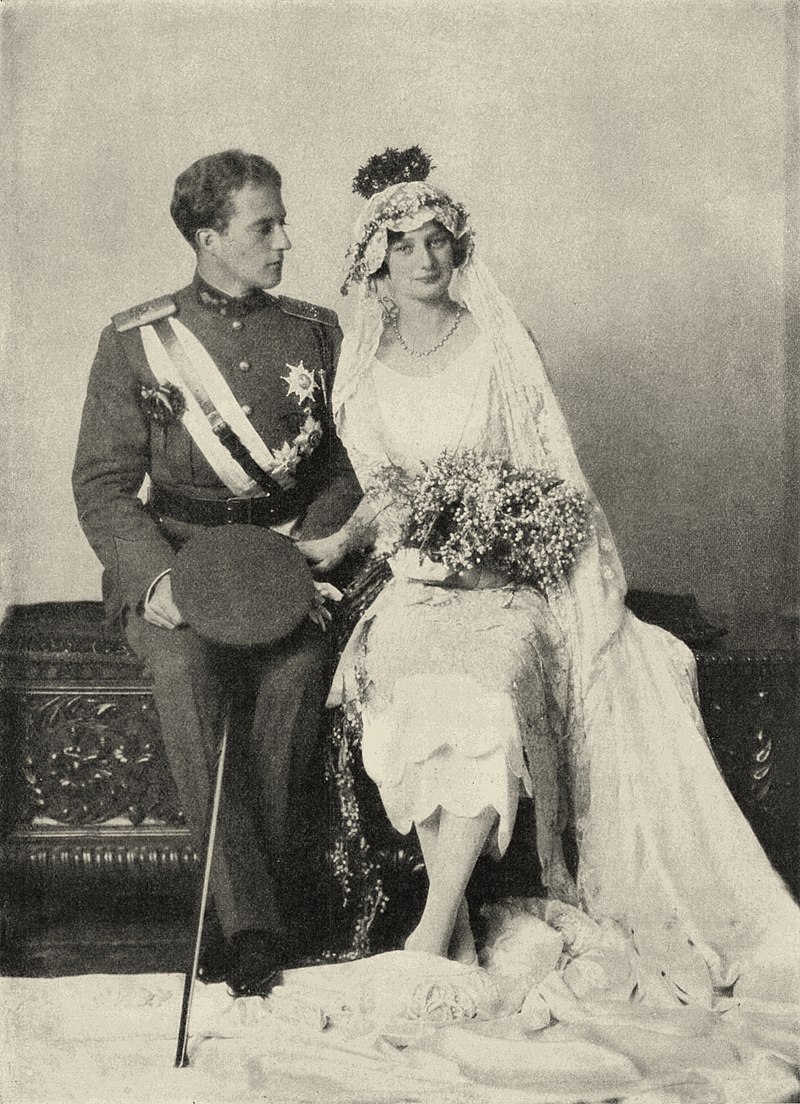
Amidst political tensions, King Leopold III ascended the throne of Belgium following his father's death. The coronation was a pivotal moment in Belgian history, marking a new era for the monarchy. Despite controversies surrounding Leopold's leadership and decisions, the coronation symbolized continuity and stability for the nation. The ceremony was attended by dignitaries and representatives from around the world, highlighting Belgium's significance on the global stage.
As King Leopold III took the oath, he pledged to uphold the constitution and serve his people faithfully. His reign was marked by both triumphs and challenges, including his controversial stance during World War II, which led to his eventual abdication. However, during his coronation, the focus was on optimism and unity, as the Belgian people celebrated the continuity of their monarchy.
The coronation of King Leopold III had a lasting impact on Belgium's monarchy and society. It solidified the country's royal traditions and reinforced the importance of the monarchy as a symbol of national identity. Despite the controversies that would later cloud Leopold's reign, his coronation remains a significant moment in Belgian history, reflecting a time of hope and unity for the nation.
The event underscored Belgium's place in the global community and highlighted the country's rich cultural heritage. It was a moment of pomp and ceremony, but also of deep significance for the Belgian people, who viewed the coronation as a reaffirmation of their values and traditions.
#KingLeopoldIII #BelgiumMonarchy #HistoricEvent
View details1925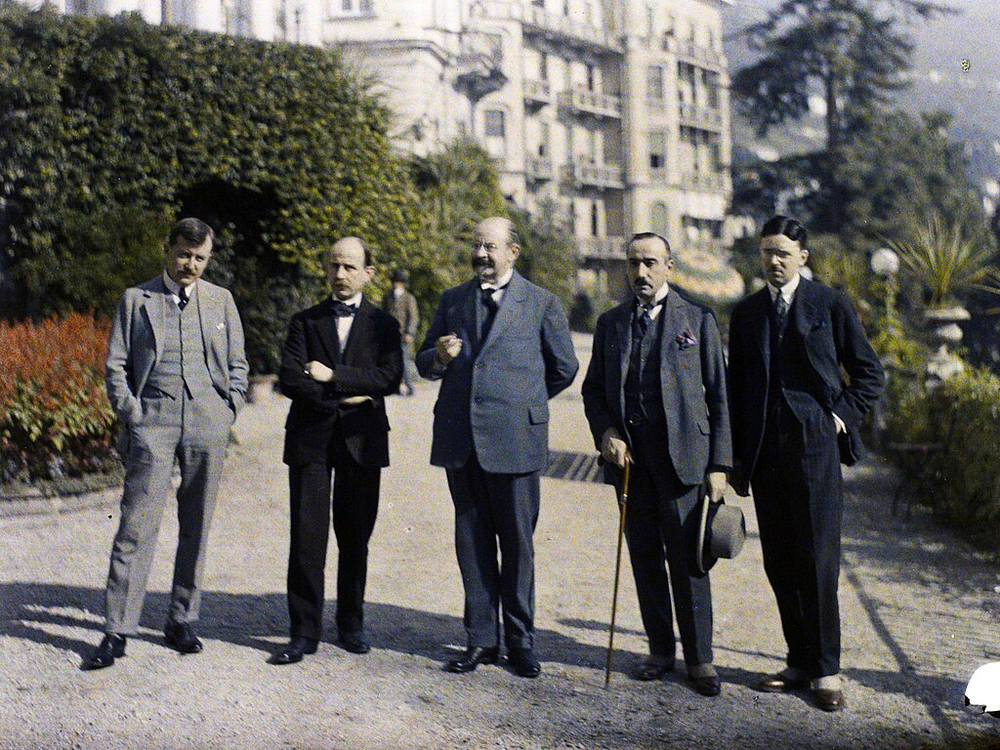
Belgium decided to terminate its participation in the Locarno Pact, an agreement aimed at ensuring peace in Europe following World War I. The pact, signed in 1925, sought to normalize relations between Germany and its neighbors by guaranteeing their mutual borders.
Belgium's withdrawal from the pact came amidst growing tension and uncertainty in Europe, amplified by the rising power of Nazi Germany under Adolf Hitler. The Belgian government, concerned about the implications of the pact in the face of Germany's increasingly aggressive foreign policy, chose to prioritize its own national security interests.
The decision by Belgium to end its commitment to the Locarno Pact had significant repercussions. It signaled a shift in European geopolitics, indicating a waning confidence in collective security agreements. The move by Belgium also foreshadowed the eventual collapse of the pact, which failed to prevent the outbreak of World War II just a few years later.
Belgium's withdrawal from the Locarno Pact underscored the challenges facing European nations in reconciling the pursuit of peace with safeguarding their own sovereignty in a volatile international landscape. It served as a reminder of the limitations of diplomatic agreements in the face of aggressive expansionism and militarism.
The event reflects the complexities of interwar European politics, marked by competing national interests and the failure of collective security mechanisms to prevent conflict. Belgium's decision to end its participation in the Locarno Pact stands as a cautionary tale about the fragility of peace agreements in times of escalating tensions and geopolitical uncertainty.
#Belgium #LocarnoPact #EuropeanPolitics #PeaceAgreements #WorldWarII
View details1924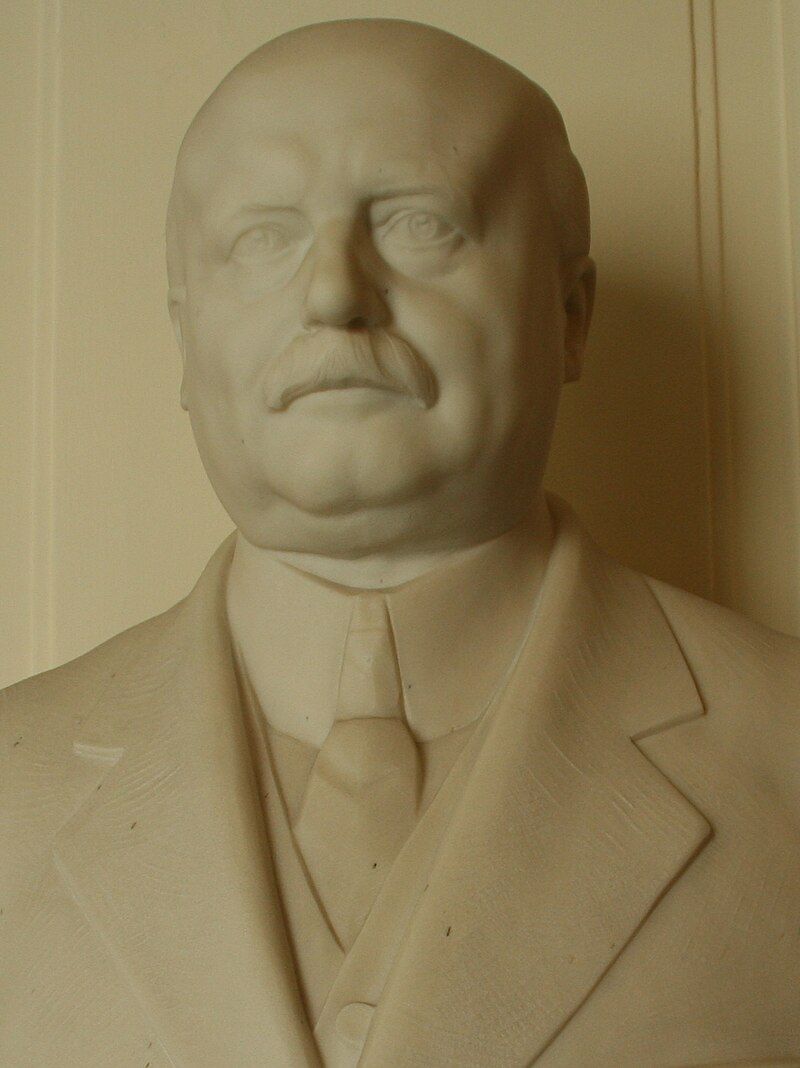
Amid mounting political tensions and economic challenges, the Theunis government in Belgium collapsed. The government, led by Prime Minister Aloys Van de Vyvere, faced criticism for its handling of the country's financial crisis and struggles to address social unrest.
Van de Vyvere's conservative government was unable to gain enough support in the Chamber of Representatives to pass vital legislation and implement much-needed reforms. This lack of consensus and growing discontent among the populace ultimately led to the government's downfall.
The fall of the Theunis government had immediate repercussions on Belgium's political landscape and the economy. The country plunged into a period of uncertainty as efforts to form a new government began. The crisis further exacerbated Belgium's economic woes, as investors and citizens alike expressed concerns about the future stability of the country.
The resignation of the Theunis government underscored the deep-seated challenges facing Belgium at the time, including labor strikes, inflation, and a widening wealth gap. The event highlighted the need for effective leadership and cohesive policymaking to steer the country out of crisis.
The political upheaval in Belgium reverberated across Europe, drawing attention to the precarious state of affairs in the aftermath of World War I. The fall of the Theunis government served as a stark reminder of the fragility of post-war democracies and the importance of addressing socioeconomic disparities to prevent further instability.
#Belgium #governmentcollapse #economiccrisis #politicalunrest
View details1923
In November 24, 1923, Radio Belgium made history by conducting its inaugural transmission. The concept of radio broadcasting was still in its infancy, with only a handful of countries experimenting with this innovative form of communication. At this time, Belgium was eager to join the ranks of nations utilizing radio technology to reach a wider audience.
The first transmission by Radio Belgium marked the beginning of a new era in the country's media landscape. This development provided Belgians with access to real-time information, music, and entertainment, revolutionizing the way news and culture were disseminated. The broadcast symbolized a leap forward in communication, allowing information to be shared swiftly and efficiently across borders.
The impact of Radio Belgium's maiden transmission was felt not only within the country but also beyond its borders. The broadcast served as a testament to Belgium's commitment to embracing technological advancements and fostering connectivity among its citizens. This historic event paved the way for future innovations in the field of broadcasting, influencing the evolution of media around the world.
Radio Belgium's first transmission remains a key milestone in the country's cultural and technological history. It set the stage for a more interconnected society, where information could be transmitted instantaneously to a wide audience. This groundbreaking moment encapsulated Belgium's progressive spirit and its dedication to embracing modern forms of communication.
#RadioBelgium #Innovation #MediaEvolution #TechnologicalAdvancements #CulturalHistory
View detailsIn 1923, Belgium marked a crucial milestone with the launch of SABENA airlines. Founded as Société Anonyme Belge d'Exploitation de la Navigation Aérienne (SABENA), the airline aimed to connect Belgium with the world. The airline had humble beginnings, starting with a route from Belgium to the Belgian Congo. Over time, SABENA expanded its network to cover Europe, Africa, and later, the Americas and Asia, becoming a key player in international air travel.
The launch of SABENA was a significant step for Belgium, boosting its presence in the global aviation industry. The airline not only facilitated passenger travel but also played a vital role in cargo transportation, boosting trade and commerce for the country. SABENA's services symbolized Belgium's progress and ambition in the field of aviation, showcasing its technological advancements and commitment to international connectivity.
As SABENA grew, it became known for its quality service and innovative approach to air travel. The airline introduced new routes, modern aircraft, and improved services, earning a reputation for reliability and efficiency. SABENA's distinctive livery and logo became recognizable symbols of Belgian aviation, representing the country's identity on the global stage.
The impact of SABENA's launch reverberated beyond Belgium, influencing the wider aviation industry. The airline's success inspired other European carriers and contributed to the development of international air travel as a whole. SABENA's legacy continues to be remembered as a pioneering force in Belgian aviation history, leaving a lasting impact on the country's identity and global connectivity.
#BelgiumAirTravel #SABENAAirlines #AviationHistory
View details
1921
After the end of World War I, tensions were high in Europe due to the Treaty of Versailles. Belgium, feeling threatened by Germany's intentions, saw the occupation of Düsseldorf as a strategic move to secure its borders and protect its interests. The Belgian Army marched into the city, asserting control and establishing a temporary occupation.
The occupation of Düsseldorf by the Belgian Army had significant implications for both Belgium and Germany. For Belgium, it was a proactive measure to safeguard its territory and ensure stability in the region. By occupying Düsseldorf, Belgium aimed to prevent any potential German aggression and maintain a buffer zone along its border.
The occupation also sent a clear message to Germany about Belgium's commitment to defending its sovereignty and national security. Additionally, the presence of the Belgian Army in Düsseldorf served as a warning to other nations not to underestimate Belgium's willingness to take decisive action to protect its interests.
On the other hand, for Germany, the occupation was a reminder of the consequences of its actions during World War I. It highlighted the post-war reality of Germany's diminished power and the need to adhere to the terms of the Treaty of Versailles. The occupation of Düsseldorf symbolized the loss of German territory and the imposition of foreign authority, fueling resentment and tensions in the country.
Overall, the Belgian Army's occupation of Düsseldorf was a strategic move born out of geopolitical concerns and a desire to maintain stability in the aftermath of World War I. It underscored the complex dynamics at play in Europe during this turbulent period and the lasting impact of the war on the region's political landscape.
#Belgium #DüsseldorfOccupation #TreatyofVersailles #Geopolitics
View details1920
In 1920, Belgium initiated the provision of old age pensions, marking a pivotal moment in the country's social welfare system. This initiative aimed to support elderly citizens who had contributed to society during their working years. The implementation of old age pensions brought about a positive impact on the elderly population, ensuring financial security and a better quality of life in their later years.
The introduction of old age pensions in Belgium was a significant milestone in the country's efforts to provide social security and uphold the well-being of its citizens. It reflected a commitment to honoring the contributions of the elderly and recognizing their rights to a dignified retirement. By offering financial assistance to seniors, the government fostered a sense of social solidarity and ensured that older individuals could enjoy their post-retirement years with a sense of security and peace of mind.
The initiation of old age pensions in Belgium not only addressed the immediate needs of the elderly population but also set a precedent for future social welfare initiatives in the country. It paved the way for a more comprehensive and inclusive approach to caring for vulnerable members of society and highlighted the government's responsibility to safeguard the well-being of its citizens across all stages of life.
Overall, the introduction of old age pensions in Belgium was a turning point in the country's social policy, emphasizing the importance of providing support and assistance to aging populations. It underscored the values of solidarity, compassion, and respect for the elderly, shaping a more inclusive and caring society for generations to come. #Belgium #OldAgePensions #SocialWelfare #ElderlyCare
View details1914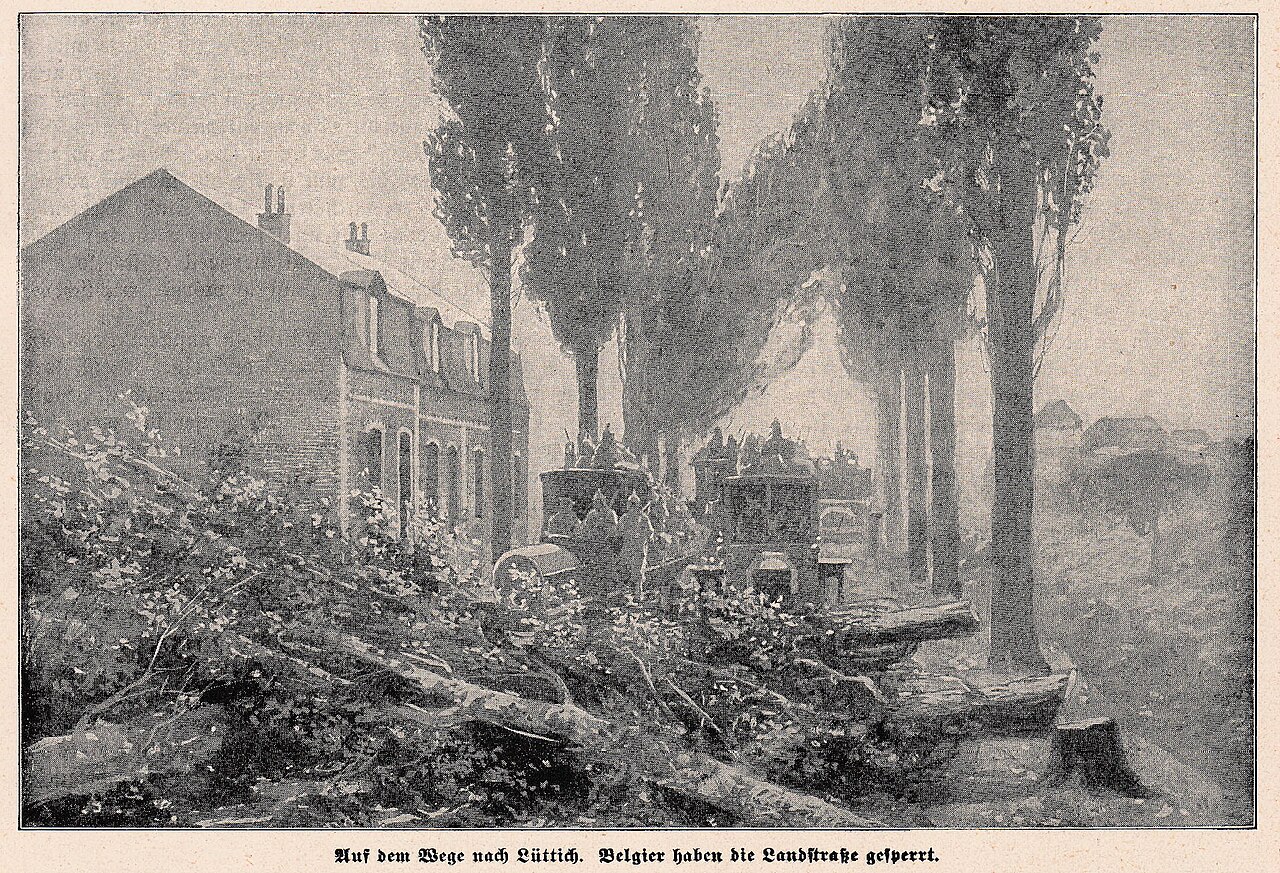
In August 7, 1914, during World War I, the German army invaded and occupied the city of Liege, Belgium. This strategic move by the Germans was a part of their larger offensive plan to swiftly advance through Belgium towards France. Liege was a crucial city to control due to its fortifications that posed a significant obstacle to the German army's advancement.
The occupation of Liege had a profound impact on the Belgian population and the course of the war. The German invasion caused widespread panic and displacement among civilians, leading to massive refugee movements. The fierce resistance put up by Belgian forces in Liege delayed the German advance, buying valuable time for the Allies to mobilize their defenses and strengthen their positions.
The fall of Liege marked the beginning of a brutal occupation by the German forces, with civilians enduring harsh living conditions under German military rule. The occupation of Liege also sparked international outrage, as Belgium's neutrality had been violated by the German invasion. The atrocities committed by the German army during their occupation of Belgium would later be widely condemned by the international community.
The occupation of Liege by the German army during World War I serves as a poignant reminder of the devastating human cost of war and the resilience of those who endured its hardships. The events of that fateful day in Liege continue to be remembered as a testament to the bravery and sacrifice of the Belgian people in the face of overwhelming adversity.
#Liege #GermanOccupation #WorldWarI #Belgium #MilitaryHistory
View detailsIn the early stages of World War I, Germany declared war on Belgium as part of their military strategy to swiftly advance towards France. Belgium's refusal to allow German troops to pass through their territory led to German forces invading the country. This violation of Belgian neutrality sparked outrage internationally, as it was seen as a breach of international law.
In response to Germany's aggression towards Belgium, Britain issued an ultimatum demanding the withdrawal of German forces. When the ultimatum was ignored, Britain declared war on Germany. This marked a significant turning point in the conflict as it expanded the scope of the war beyond continental Europe and drew in major global powers.
The invasion of Belgium and Britain's subsequent entry into the war had far-reaching consequences. It solidified alliances between European powers and escalated the conflict into a truly global war. The declaration of war on Germany by Britain also had a profound impact on the course of the war, as the British Empire's resources and military strength played a crucial role in the eventual Allied victory.
The events surrounding Germany's declaration of war on Belgium and Britain's subsequent declaration of war on Germany were pivotal moments in World War I. These actions set the stage for a long and brutal conflict that would reshape the political landscape of Europe and the world for years to come.
#WWI #Belgium #Germany #Britain #DeclarationofWar #GlobalConflict #AlliedVictory
View details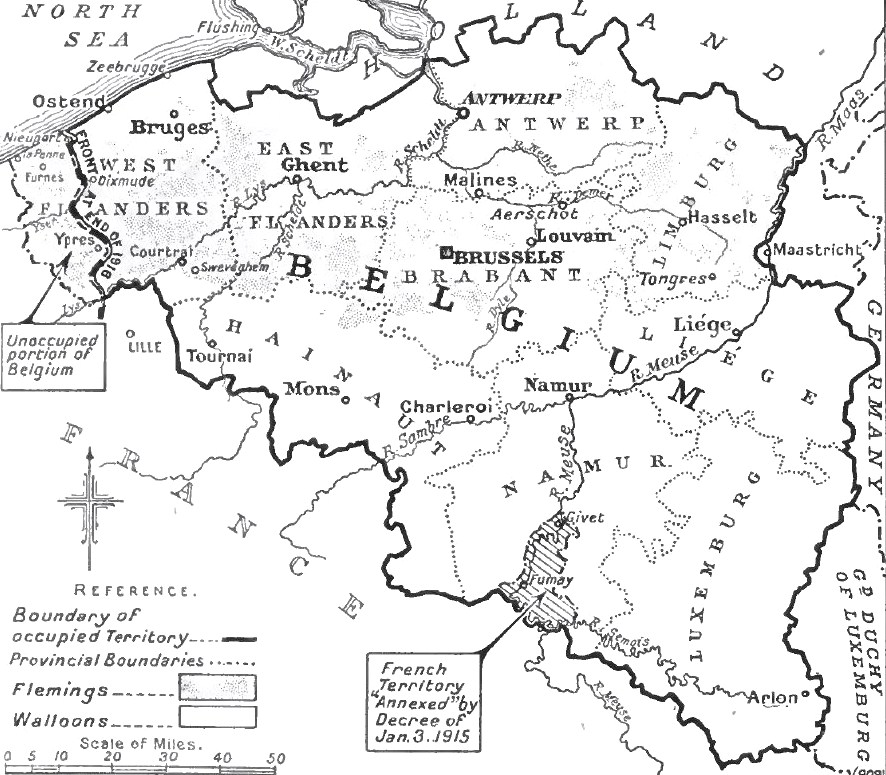
1908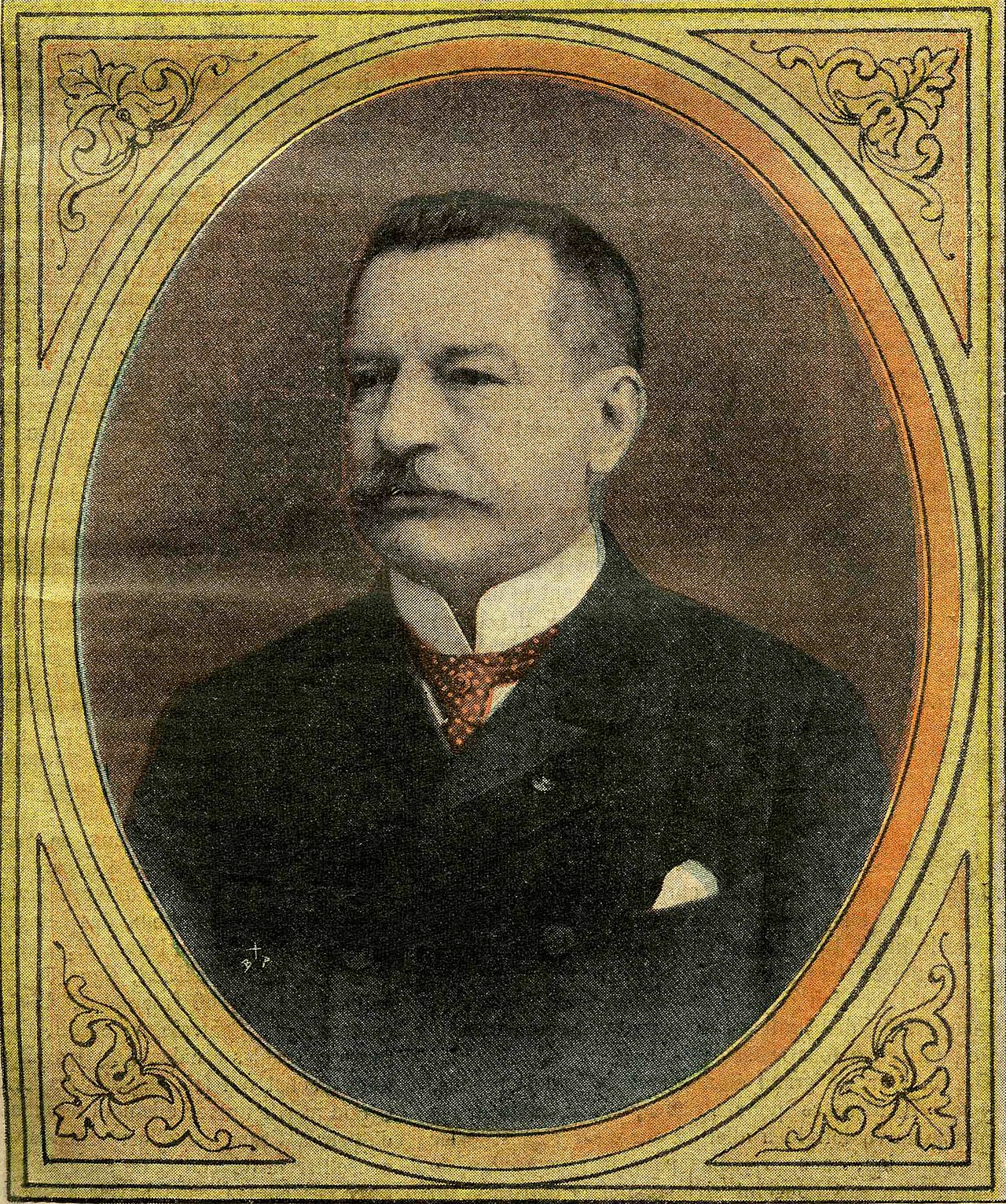
In 1908, Belgium held a parliamentary election that was significant due to the emergence of Catholic socialist and liberal parties. The election reflected the political landscape of the country during that period, with a growing focus on social and religious issues.
The Catholic Party had traditionally held a strong presence in the Belgian political scene, representing conservative and religious interests. However, the rise of the socialist and liberal movements led to a more diverse and competitive electoral environment. The emergence of these new parties brought forth a shift in the policy discourse, with discussions centered around workers' rights, social welfare, and the separation of church and state.
The election saw a high voter turnout as citizens were eager to voice their opinions on these evolving political ideologies. The Catholic socialist and liberal parties managed to secure a significant number of seats in the parliament, challenging the long-standing dominance of the Catholic Party. This shift in power dynamics indicated a changing mentality among Belgian voters, who were increasingly prioritizing social and economic issues in their political decision-making.
The impact of the 1908 Belgium Catholic socialist/liberal parliamentary election was profound, paving the way for future political developments in the country. It marked a turning point in Belgian politics, signaling the growing influence of socialist and liberal ideologies alongside the traditional Catholic stronghold. The results of the election spurred further debates and reforms, shaping the course of governance and policy-making in Belgium for years to come.
#BelgiumHistory #PoliticalShift #ParliamentaryElection
View details1907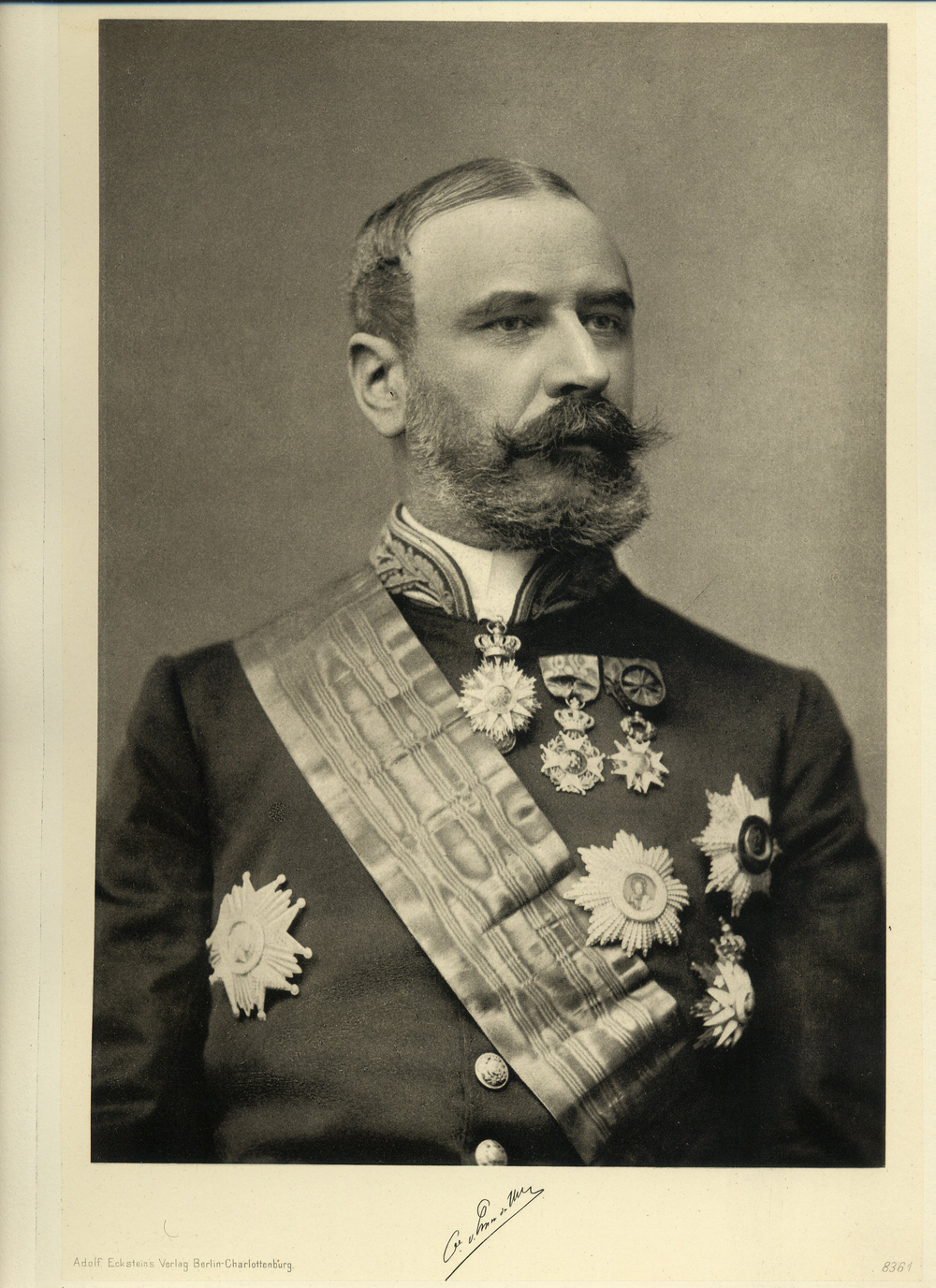
Paul Smet de Naeyer's government in Belgium came to an end due to mounting tensions within the ruling coalition. Smet de Naeyer, known for his conservative policies, faced opposition from various factions over issues such as electoral reform and language laws. The breaking point came when a controversial education bill was introduced, leading to widespread protests and further fracturing the government.
The resignation of Smet de Naeyer's government had a significant impact on Belgian politics. It marked a period of instability as new coalitions were formed, causing a shift in power dynamics that would have lasting effects on the country's governance. The event also highlighted the deep-seated divisions within Belgium, particularly between the Dutch-speaking Flemish and French-speaking Walloons, as linguistic issues played a key role in the government's downfall.
The aftermath of the government's resignation saw a period of political realignment and restructuring as various parties jockeyed for influence. It paved the way for new leaders to emerge, each vying to shape the direction of Belgian politics in the years to come. The legacy of Smet de Naeyer's government resignation continued to reverberate through the halls of power, influencing policies and decisions long after the event itself.
#Belgium #GovernmentResignation #PoliticalInstability #LinguisticDivisions
View detailsJules Baron de Trooz assumed leadership in forming the Belgian government. Known for his political acumen, Trooz navigated a fragmented landscape to establish a coalition. His government aimed to address mounting socio-economic challenges and bridge political divides within the nation.
Trooz's appointment marked a turning point in Belgian politics, bringing a sense of stability and unity. His coalition comprised diverse groups, reflecting a commitment to inclusive governance. Trooz prioritized economic reforms, focusing on bolstering industries and improving infrastructure. These efforts were crucial for Belgium's burgeoning industrialization and international competitiveness.
Under Trooz's leadership, the Belgian government initiated social welfare programs to uplift marginalized communities. Education reforms were also implemented to promote literacy and skill development among the populace. Trooz's tenure saw a period of relative prosperity and social progress, laying the foundation for future advancements.
The formation of Trooz's government heralded a period of political recalibration in Belgium. His ability to navigate complex interests and foster collaboration set a precedent for inclusive governance. The legacy of Trooz's administration resonated in Belgium's political landscape, influencing subsequent administrations to prioritize unity and progress.
#JulesBarondeTrooz #BelgianGovernment #PoliticalStability #EconomicReforms #SocialProgress
View details
1902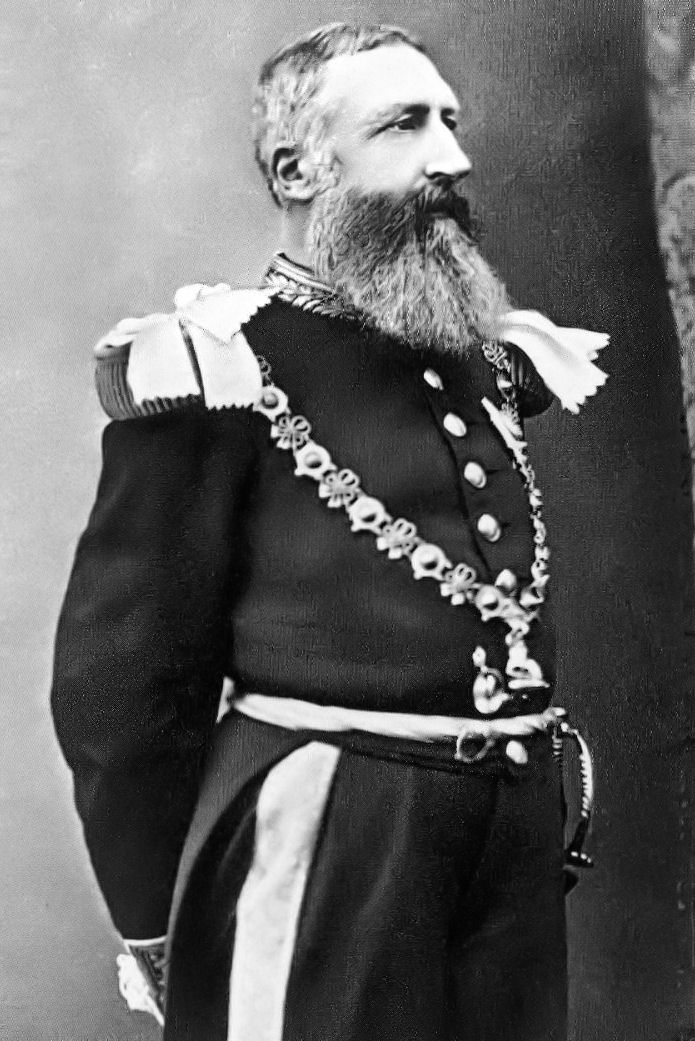
Leopold II, King of Belgium, narrowly escaped an assassination attempt by an Italian anarchist. The incident occurred while the King was traveling in a procession in Brussels. The anarchist, armed with a revolver, managed to fire two shots at the King but missed both times.
The failed assassination attempt had a significant impact on the security measures put in place for the King and heightened concerns about the safety of the royal family. It also led to increased surveillance on potential threats by Belgian authorities.
The attempted assassination highlighted the growing trend of anarchist violence in Europe during the early 20th century, as political tensions and social unrest fueled radical ideologies. Leopold II's reputation as a colonial ruler, particularly in the Congo Free State, where he was accused of brutality and exploitation, may have contributed to the attacker's motives.
Despite the close call, Leopold II continued his reign until his death, facing growing criticism for his colonial policies. The failed assassination attempt served as a reminder of the risks faced by political leaders and the ongoing challenges of maintaining security in the face of anarchist threats.
The incident underscores the complex political environment in Europe during the early 20th century and the tensions surrounding imperialism, colonialism, and the rise of radical ideologies.
#LeopoldII #Belgium #AssassinationAttempt #AnarchistThreat #PoliticalTensions
View details1899
Following a period of political instability in Belgium, the government of Vandenpeereboom came into formation. The cabinet was formed under the leadership of Paul de Smet de Naeyer and consisted of conservative and Catholic members. The government aimed to address economic issues, particularly regarding public finances and the budget.
This government's formation marked a shift towards a more conservative approach to governance in Belgium. It was seen as a response to the preceding liberal administration's perceived failures in managing the country's economic challenges. The Vandenpeereboom government emphasized fiscal responsibility and stability, garnering support from those who sought a more disciplined economic policy.
The impact of the Vandenpeereboom government was significant in shaping Belgium's political landscape at the time. Its policies focused on promoting economic growth and ensuring financial prudence, which resonated with many in the country. The government's tenure saw efforts to strengthen Belgium's financial position and restore confidence in its economic prospects.
The formation of the Vandenpeereboom government reflected the shifting political dynamics within Belgium during that period. It highlighted the growing influence of conservative and Catholic factions in the country's governance, signaling a departure from the dominance of liberal ideologies in previous administrations.
Overall, the establishment of the Belgium government of Vandenpeereboom was a pivotal moment in the country's political history. It represented a turning point towards a more conservative and economically focused governance approach, setting the stage for future developments in Belgium's political landscape. #Belgium #VandenpeereboomGovernment #PoliticalHistory #EconomicPolicy
View details