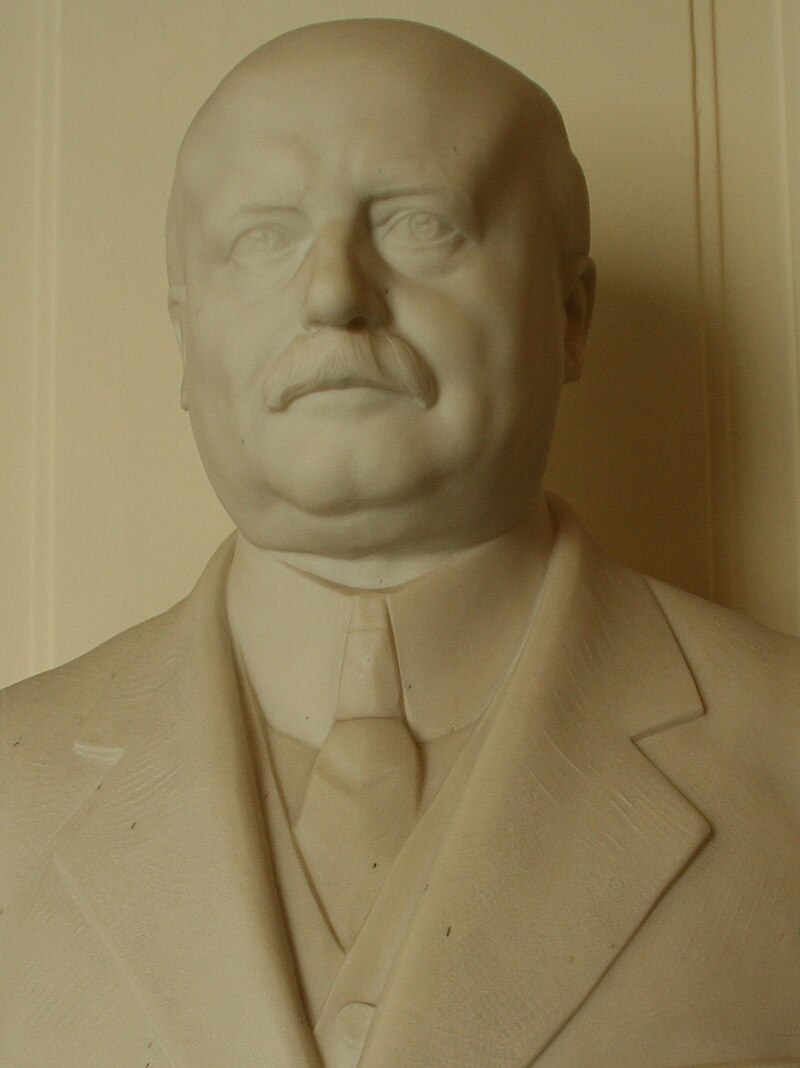
Theunis government collapse
Belgium
Political
Economic Downturn
4 min read
Updated By: History Editorial Network (HEN)
Published:
Amid mounting political tensions and economic challenges, the Theunis government in Belgium collapsed. The government, led by Prime Minister Aloys Van de Vyvere, faced criticism for its handling of the country's financial crisis and struggles to address social unrest.
Van de Vyvere's conservative government was unable to gain enough support in the Chamber of Representatives to pass vital legislation and implement much-needed reforms. This lack of consensus and growing discontent among the populace ultimately led to the government's downfall.
The fall of the Theunis government had immediate repercussions on Belgium's political landscape and the economy. The country plunged into a period of uncertainty as efforts to form a new government began. The crisis further exacerbated Belgium's economic woes, as investors and citizens alike expressed concerns about the future stability of the country.
The resignation of the Theunis government underscored the deep-seated challenges facing Belgium at the time, including labor strikes, inflation, and a widening wealth gap. The event highlighted the need for effective leadership and cohesive policymaking to steer the country out of crisis.
The political upheaval in Belgium reverberated across Europe, drawing attention to the precarious state of affairs in the aftermath of World War I. The fall of the Theunis government served as a stark reminder of the fragility of post-war democracies and the importance of addressing socioeconomic disparities to prevent further instability.
#Belgium #governmentcollapse #economiccrisis #politicalunrest

Explore the Life Moments of
 AI Twin