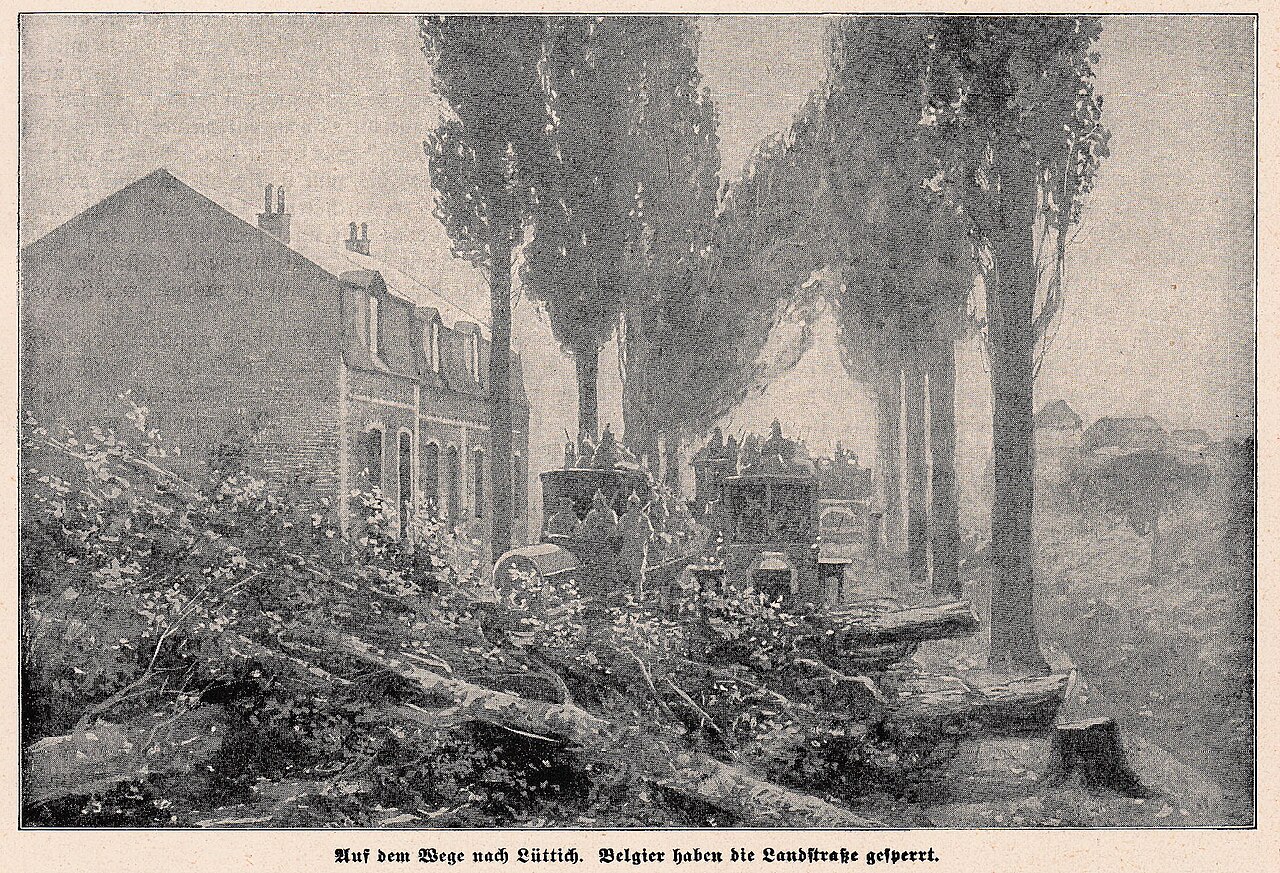
German Army Occupies City of Liege
Belgium
Military
4 min read
Updated By: History Editorial Network (HEN)
Published:
In August 7, 1914, during World War I, the German army invaded and occupied the city of Liege, Belgium. This strategic move by the Germans was a part of their larger offensive plan to swiftly advance through Belgium towards France. Liege was a crucial city to control due to its fortifications that posed a significant obstacle to the German army's advancement.
The occupation of Liege had a profound impact on the Belgian population and the course of the war. The German invasion caused widespread panic and displacement among civilians, leading to massive refugee movements. The fierce resistance put up by Belgian forces in Liege delayed the German advance, buying valuable time for the Allies to mobilize their defenses and strengthen their positions.
The fall of Liege marked the beginning of a brutal occupation by the German forces, with civilians enduring harsh living conditions under German military rule. The occupation of Liege also sparked international outrage, as Belgium's neutrality had been violated by the German invasion. The atrocities committed by the German army during their occupation of Belgium would later be widely condemned by the international community.
The occupation of Liege by the German army during World War I serves as a poignant reminder of the devastating human cost of war and the resilience of those who endured its hardships. The events of that fateful day in Liege continue to be remembered as a testament to the bravery and sacrifice of the Belgian people in the face of overwhelming adversity.
#Liege #GermanOccupation #WorldWarI #Belgium #MilitaryHistory

Explore the Life Moments of
 AI Twin