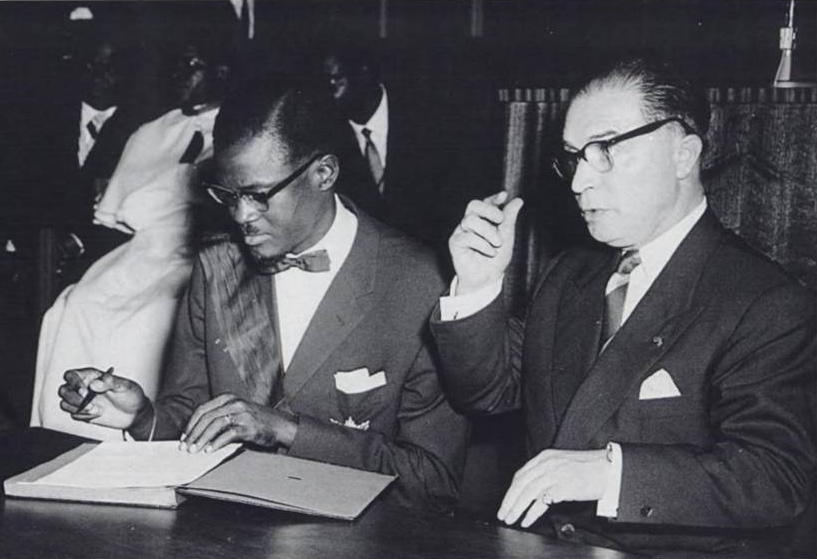
Independence of the Congo
Belgium

Political
4 min read
Updated By: History Editorial Network (HEN)
Published:
The Belgian Congo, a colony of Belgium, gained independence after years of exploitation and colonization. The European nation controlled the vast African territory for decades, extracting resources and imposing its rule on the native population. The independence movement in the Belgian Congo had been gaining momentum, with local leaders advocating for self-governance and an end to colonial oppression.
On the day of independence, celebrations were held across the country as the people rejoiced in their newfound freedom. However, the transition to independence was not smooth. Political instability, ethnic tensions, and economic challenges plagued the newly independent nation. The departure of Belgian officials left a power vacuum that was difficult to fill, leading to internal strife and conflict.
The legacy of Belgian colonialism in the Congo would continue to impact the country for years to come. The exploitation of resources, the imposition of artificial borders, and the legacy of divide-and-rule policies left a lasting mark on the Congolese society. The struggle for political stability, economic development, and national unity would shape the country's trajectory in the post-independence era.
The independence of the Belgian Congo marked a turning point in the history of Africa, inspiring nationalist movements across the continent and contributing to the wave of decolonization that swept through the region in the following years. The struggles and challenges faced by the Congolese people in the aftermath of independence serve as a reminder of the complex legacies of colonialism and the enduring quest for freedom and self-determination.
#BelgianCongo #Independence #Colonialism #Decolonization

Explore the Life Moments of
 AI Twin