World War II Liberation - Operation Beginning with Allied Forces in 1944.
Belgium

War
4 min read
Updated By: History Editorial Network (HEN)
Published:
During World War II, the Liberation of Belgium marked a crucial turning point in the country's history. Following years of German occupation, Allied forces launched a massive offensive to free Belgium from the oppressive rule. The operation aimed to restore freedom and democracy to the Belgian people, who had endured hardship and suffering under the Nazi regime.
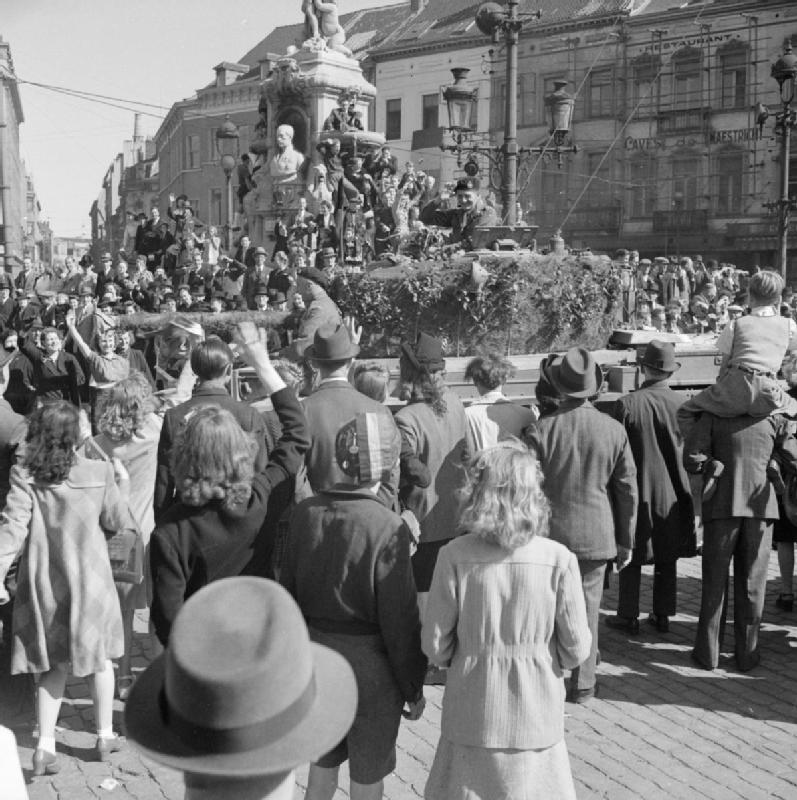
The Liberation of Belgium had a profound impact on the nation, bringing joy and relief to the population. Belgian citizens celebrated the arrival of the Allied troops as a symbol of hope and liberation. The successful campaign also helped weaken the German forces and pave the way for the eventual defeat of the Axis powers in Europe.
One of the key battles during the liberation was the Battle of the Bulge, where Allied forces fought fiercely against a last-ditch German offensive. The intense fighting resulted in significant casualties on both sides, but ultimately the Allies emerged victorious, securing Belgium's liberation.
The liberation of Belgium not only freed the country from occupation but also restored the Belgian government and institutions, allowing for the rebuilding of the nation. The event played a crucial role in shaping the post-war landscape of Europe and laid the foundation for the country's recovery and reconciliation.
Overall, the Liberation of Belgium stands as a testament to the resilience and courage of the Belgian people in the face of adversity. It serves as a reminder of the sacrifices made by soldiers and civilians alike in the fight for freedom and democracy. #LiberationofBelgium #WWII #AlliedForces #Freedom #History

Explore the Life Moments of
 AI Twin