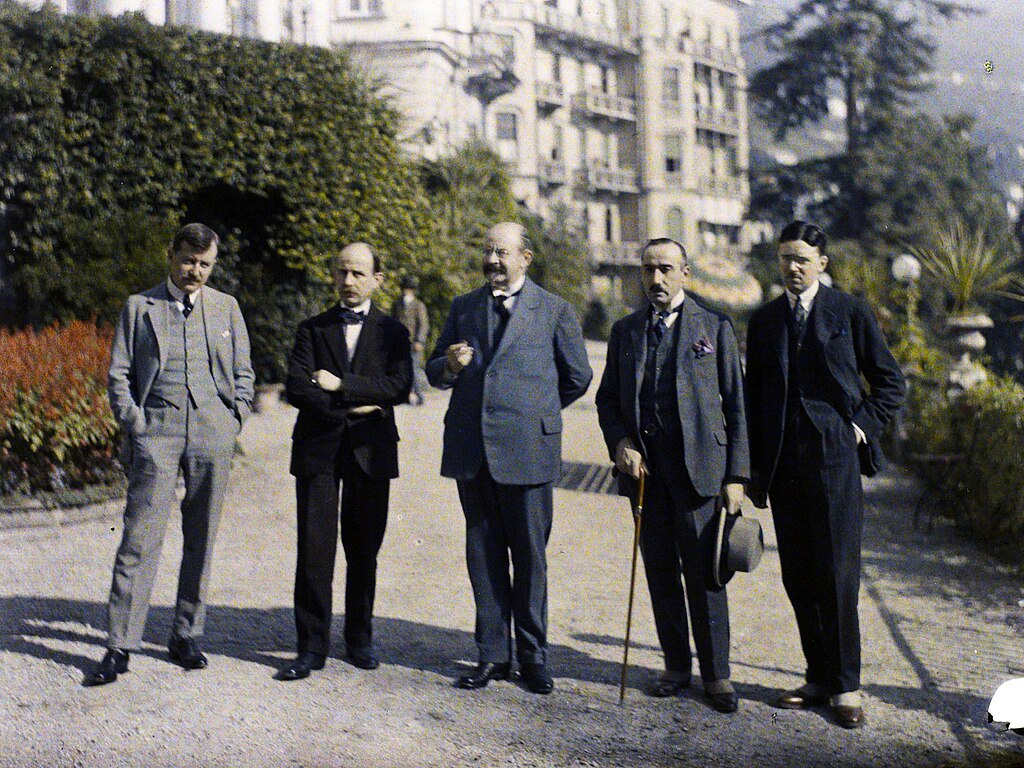
End of Locarno Pact in Belgium
Belgium
Political
Global Trade
4 min read
Updated By: History Editorial Network (HEN)
Published:
Belgium decided to terminate its participation in the Locarno Pact, an agreement aimed at ensuring peace in Europe following World War I. The pact, signed in 1925, sought to normalize relations between Germany and its neighbors by guaranteeing their mutual borders.
Belgium's withdrawal from the pact came amidst growing tension and uncertainty in Europe, amplified by the rising power of Nazi Germany under Adolf Hitler. The Belgian government, concerned about the implications of the pact in the face of Germany's increasingly aggressive foreign policy, chose to prioritize its own national security interests.
The decision by Belgium to end its commitment to the Locarno Pact had significant repercussions. It signaled a shift in European geopolitics, indicating a waning confidence in collective security agreements. The move by Belgium also foreshadowed the eventual collapse of the pact, which failed to prevent the outbreak of World War II just a few years later.
Belgium's withdrawal from the Locarno Pact underscored the challenges facing European nations in reconciling the pursuit of peace with safeguarding their own sovereignty in a volatile international landscape. It served as a reminder of the limitations of diplomatic agreements in the face of aggressive expansionism and militarism.
The event reflects the complexities of interwar European politics, marked by competing national interests and the failure of collective security mechanisms to prevent conflict. Belgium's decision to end its participation in the Locarno Pact stands as a cautionary tale about the fragility of peace agreements in times of escalating tensions and geopolitical uncertainty.
#Belgium #LocarnoPact #EuropeanPolitics #PeaceAgreements #WorldWarII

Explore the Life Moments of
 AI Twin