
Belgium

The Heart of Europe.
Related Lives

Slovenia
Green Heart of Europe

Poland
The Land of a Thousand Lakes

Mexico
The Land of the Maya

Finland
Land of a Thousand Lakes

Honduras
Heart of Central America

The Prime Ministers of Italy
The President of the Council of Ministers

Cape Verde
Jewel of the Atlantic

Andorra
Hidden Gem of the Pyrenees

1897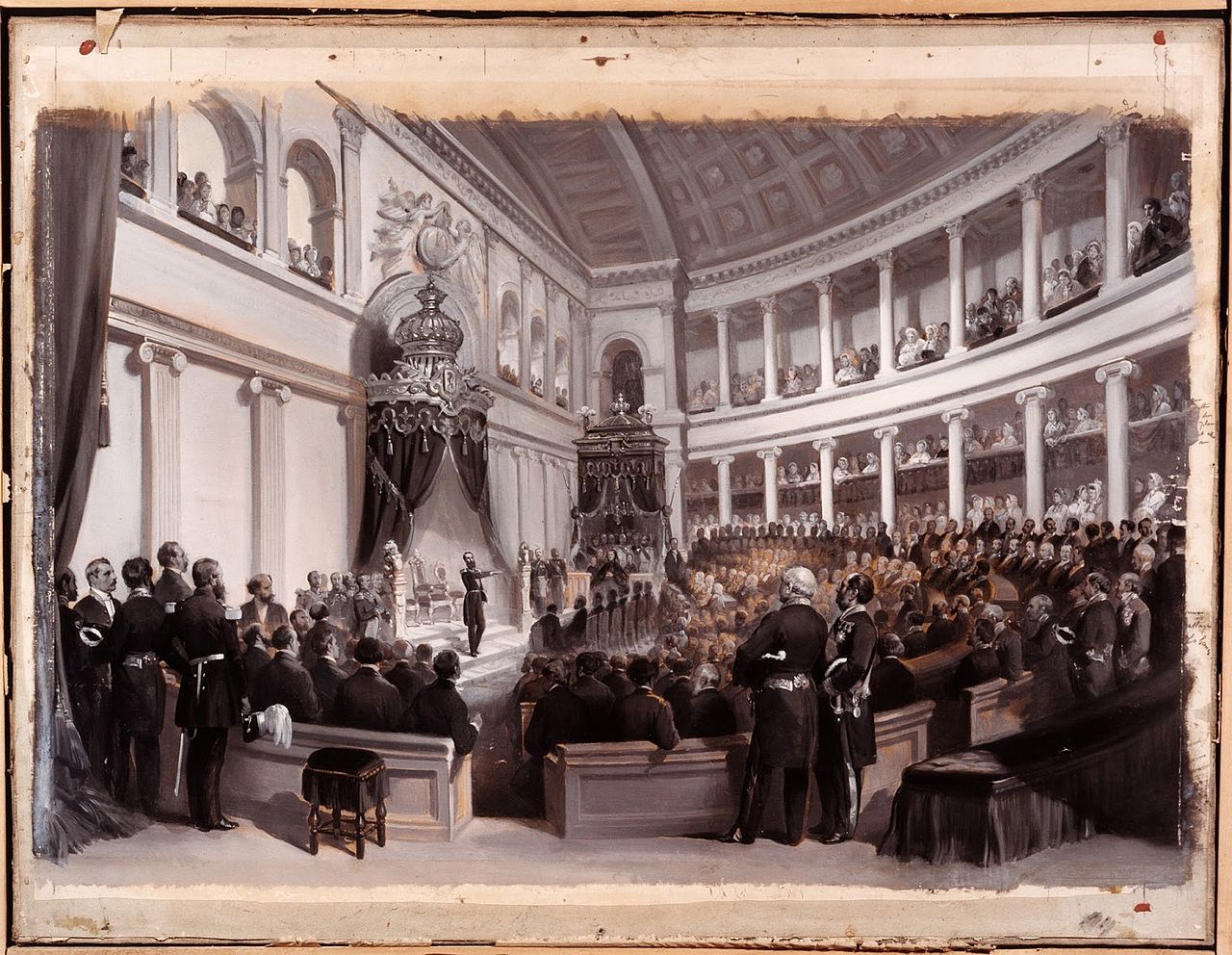
King Leopold II of Belgium ascended to the throne following the death of his father, King Leopold I. The new monarch faced the task of solidifying his rule and expanding Belgium's influence. Known for his ambitions in colonialism, Leopold II saw an opportunity to further his interests by asserting control over the Congo Free State in Africa. This move aimed to boost Belgium's global presence and access valuable resources.
Taking the Belgian crown marked a pivotal moment in Leopold II's reign, setting the stage for his controversial legacy in Africa. Under his rule, the Congo Free State experienced exploitation and atrocities as the king aimed to profit from its resources. This dark chapter in Belgian history included forced labor, brutality towards the indigenous population, and the exploitation of natural riches.
The impact of Leopold II's reign went beyond Belgium's borders, drawing international attention to the human rights abuses in the Congo Free State. Activists and journalists exposed the atrocities, leading to condemnation from the global community. The king's actions sparked debates on colonialism and ethical governance, highlighting the need for accountability and oversight in colonial territories.
The reign of King Leopold II symbolizes the complex and often dark history of European colonialism in Africa. His ambitions for power and wealth left a lasting impact on the Congo and its people, underscoring the exploitative nature of colonial rule. The legacy of Leopold II continues to spark discussions on historical injustices, reparations, and the importance of acknowledging past wrongs.
#KingLeopoldII #BelgianColonialism #CongoFreeState #HistoricalInjustice #HumanRightsAbuses #ColonialLegacy #GlobalImpact
View details1895
In 1895, Belgium implemented a law making Roman Catholic education compulsory. This decision was influenced by the country's history of religious conflict and the desire to establish a unified national identity. Under this new law, children in Belgium were required to receive their primary education in Roman Catholic schools, regardless of their personal religious beliefs.
The impact of this mandate was significant. It solidified the connection between the Roman Catholic Church and the Belgian state, reinforcing the Church's role in shaping education and social values. This move also aimed to promote social cohesion among the diverse population of Belgium, which was divided along religious and linguistic lines.
The compulsory Roman Catholic education policy sparked debate and controversy. Critics argued that it infringed upon the rights of parents to choose the type of education they wanted for their children. Some saw it as a way for the Roman Catholic Church to assert its influence and control over the educational system.
Despite the criticisms, the law remained in place for many years, shaping the educational landscape of Belgium. It laid the foundation for the prominent role of Roman Catholic schools in the country's education system, which continues to this day.
The implementation of compulsory Roman Catholic education in Belgium was a complex and contentious issue that reflected the historical, cultural, and social dynamics of the country. This event underscores the intricate relationship between religion, education, and state policies in shaping national identity and social cohesion. #Belgium #CompulsoryEducation #RomanCatholic #NationalIdentity
View details1889
Belgium established pioneering legislation on women's and child labor, reshaping labor norms. The new regulations limited the working hours for women and children in factories, aiming to improve working conditions. This intricate development emerged in response to the mounting concerns surrounding the exploitation of vulnerable groups within the industrial sector.
The legislation marked a turning point in Belgium's labor history, setting a precedent for other nations to follow suit in prioritizing the well-being of female and juvenile workers. The decree underscored the nation's commitment to social progress and human rights, garnering acclaim from advocacy groups worldwide.
As a direct result of the policy change, women and children encountered reduced risks of exploitation and abuse in the workplace. Employers were compelled to adhere to strict guidelines, ensuring fair treatment and just remuneration for all laborers. The enactment brought about a notable shift in societal attitudes towards gender and age discrimination in employment, promoting equality and dignity for all workers.
The Belgium rules on women and child labor law embody a landmark advancement in labor rights and serve as a testament to the power of legislation in fostering equitable and humane working conditions. The decisive action taken by the Belgian authorities continues to resonate today, inspiring ongoing efforts to protect the most vulnerable members of the workforce.
#BelgiumLaborLaw #GenderEquality #ChildRights #SocialJustice
View details1888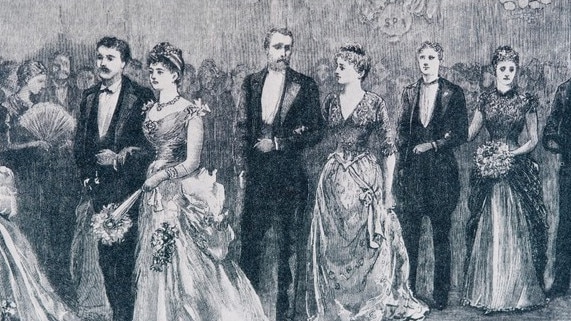
In the historical town of Spa, Belgium, one of the earliest documented modern beauty contests took place. This event marked a significant shift in societal norms, showcasing a new form of entertainment and leisure. As participants gathered from different regions, the beauty contest attracted widespread attention, drawing in spectators eager to witness this novel competition.
The beauty contest in Spa, Belgium, brought together women who competed based on their physical appearance and charm, challenging traditional notions of beauty and femininity. The event reflected the changing attitudes towards public competitions and the growing fascination with aesthetics. It also highlighted the emerging concept of leisure activities centered around beauty and fashion.
The impact of this beauty contest extended beyond Spa, Belgium, sparking conversations about beauty standards and individuality. By celebrating diversity and unique attributes, the event challenged conventional ideas of beauty, empowering women to embrace their distinct features.
Overall, the beauty contest in Spa, Belgium, signaled a shift towards a more inclusive and diverse approach to beauty, paving the way for future competitions and shaping societal views on aesthetics and individuality.
#BeautyContest #SpaBelgium #HistoricalEvent #Empowerment #CulturalShift
View details1885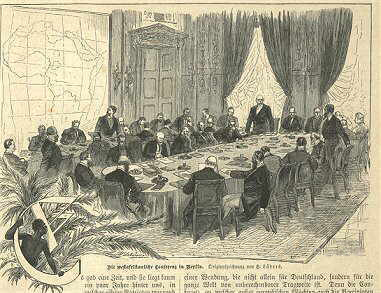
King Leopold II of Belgium, driven by a quest for colonial expansion and personal enrichment, claimed the Congo region as his own private colony. Under the facade of humanitarian missions and civilizing efforts, Leopold cruelly exploited the land and its people for profit.
The establishment of the Congo Free State as Leopold's personal possession had far-reaching consequences for the region. The exploitation and brutality inflicted on the Congolese people during Leopold's reign are well-documented, with reports of forced labor, mutilations, and mass killings. The resources of the Congo, particularly ivory and rubber, were ruthlessly extracted to fill Leopold's coffers.
The impact of Leopold's colonial endeavor reverberated beyond the atrocities committed. It sparked international outrage and led to the scrutiny of colonial practices. Eventually, pressure mounted on Belgium to hand over control of the Congo to the state, marking the end of Leopold's tyrannical rule over the region.
This event underscores the dark legacy of European colonialism in Africa, highlighting the exploitation and suffering inflicted on indigenous populations in the pursuit of wealth and power. It serves as a cautionary tale against unchecked imperialism and the importance of holding colonial powers accountable for their actions.
#Belgium #Colonialism #Exploitation #HumanitarianAbuse #Congo #Legacy ofImperialism
View details1882
The Bell Telephone Company of Antwerp Belgium was established as a subsidiary of the American Bell Telephone Company. It aimed to expand the telephone services in Belgium, following the success of the parent company in the United States. The company worked on introducing modern communication services to the Belgian population, leveraging the latest technology and expertise from the American telecommunications industry.
The formation of the Bell Telephone Company of Antwerp Belgium marked a pivotal moment in the history of telecommunications in the country. It brought about significant advancements in the way people communicated, enabling faster and more efficient connections over long distances. The company's presence also fostered economic growth by creating job opportunities and supporting the development of infrastructure necessary for telecommunications.
As a subsidiary of the American Bell Telephone Company, the Antwerp branch had access to cutting-edge innovations in the field of telecommunications. This allowed them to quickly establish a reliable network and offer high-quality services to their customers. The company's operations had a lasting impact on the way Belgians communicated, revolutionizing the country's telecommunication sector.
The establishment of the Bell Telephone Company of Antwerp Belgium laid the foundation for the modern telecommunications industry in the region. It set a precedent for further advancements in communication technology and paved the way for future developments in the field. The company's legacy can still be seen in the sophisticated telecommunications network that serves Belgium today, reflecting its enduring influence on the country's communication infrastructure.
#BellTelephone #AntwerpBelgium #Telecommunications #Innovation
View details1871
In Belgium, the disbandment of the salt tax was a significant decision that aimed to address the challenges faced by the population. The salt tax had existed for years and had been a burden on the citizens, as salt was an essential commodity for daily life. The high tax on salt had led to increased prices, making it difficult for many people to afford this basic necessity.
The abolition of the salt tax had a direct impact on the cost of living for the average Belgian citizen. With the tax lifted, the prices of salt decreased significantly, making it more accessible to the general population. This change had a positive effect on households, as they could now purchase salt without having to bear the heavy tax burden.
Furthermore, the disbandment of the salt tax also had broader economic implications. By removing this tax, the government was able to stimulate consumption and encourage economic growth. The lower prices of salt meant that people had more disposable income to spend on other goods and services, thereby boosting overall economic activity in the country.
Overall, the decision to disband the salt tax in Belgium was a pivotal moment in the country's history. It not only relieved the financial strain on individuals and families but also contributed to the growth of the economy. The move towards a more equitable tax system ensured that essential goods like salt were more affordable and accessible to all members of society.
#BelgiumHistory #TaxReform #EconomicGrowth #GovernmentPolicy
View details1870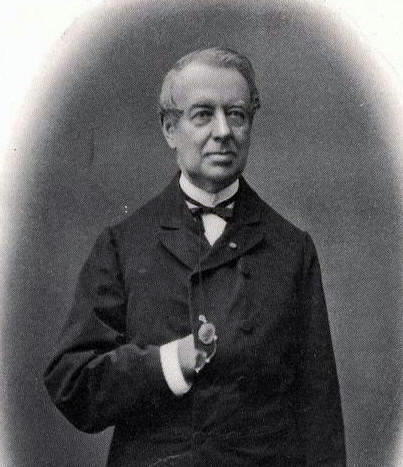
Jules Joseph d'Anethan became the tenth Prime Minister of Belgium after being elected to the position. His appointment came during a crucial period in Belgian history, marked by political unrest and shifting alliances. D'Anethan, a skilled diplomat and experienced politician, took office with the task of navigating the complex political landscape and uniting the country under his leadership.
During his tenure, d'Anethan focused on stabilizing the government, improving economic conditions, and promoting social cohesion. He implemented various reform measures to address the country's pressing issues and fostered collaboration among different political factions. D'Anethan's leadership style emphasized consensus-building and compromise, which helped to mitigate tensions and promote unity within the Belgian government.
Under d'Anethan's prime ministership, Belgium experienced a period of relative political stability and economic growth. His policies laid the groundwork for future advancements in infrastructure, education, and social welfare. D'Anethan's efforts to strengthen Belgium's position on the international stage also brought about improvements in diplomatic relations and trade agreements with other countries.
Overall, d'Anethan's election as Prime Minister of Belgium marked a significant turning point in the country's political landscape. His leadership and statesmanship helped to steer Belgium through a challenging period and set the stage for future progress and development.
#JulesJosephdAnethan #PrimeMinister #Belgium #PoliticalLeadership #Unity #Diplomacy
View details1846
In June 1846, the Belgian Liberal Party was formed, marking a pivotal moment in the country's political landscape. Emerging during a period of social and economic change, the party aimed to promote liberal ideologies such as constitutionalism, free trade, and individual freedoms.
The background of the formation of the Belgian Liberal Party stemmed from the growing dissatisfaction with the ruling conservative government and the desire for political reform. Liberals advocated for a more progressive and inclusive government that would better represent the interests of the people.
The impact of the Belgian Liberal Party's formation was significant as it provided a platform for like-minded individuals to come together and push for political change. The party quickly gained traction and support among the urban middle class, intellectuals, and businessmen who shared their vision for a more liberal and democratic Belgium.
One of the most notable achievements of the Belgian Liberal Party was its role in the drafting of the Belgian Constitution of 1831, which established the country as a constitutional monarchy and laid the foundation for a more representative government. The party's influence continued to grow, leading to reforms in areas such as education, labor rights, and infrastructure development.
The formation of the Belgian Liberal Party marked a turning point in Belgian politics, ushering in an era of increased liberalism and progressivism. Its legacy continues to be felt in the country's political landscape to this day, with liberal ideologies playing a prominent role in shaping government policies and decisions.
#BelgianLiberalParty #PoliticalReform #Liberalism #BelgianHistory #ConstitutionalMonarchy
View details1839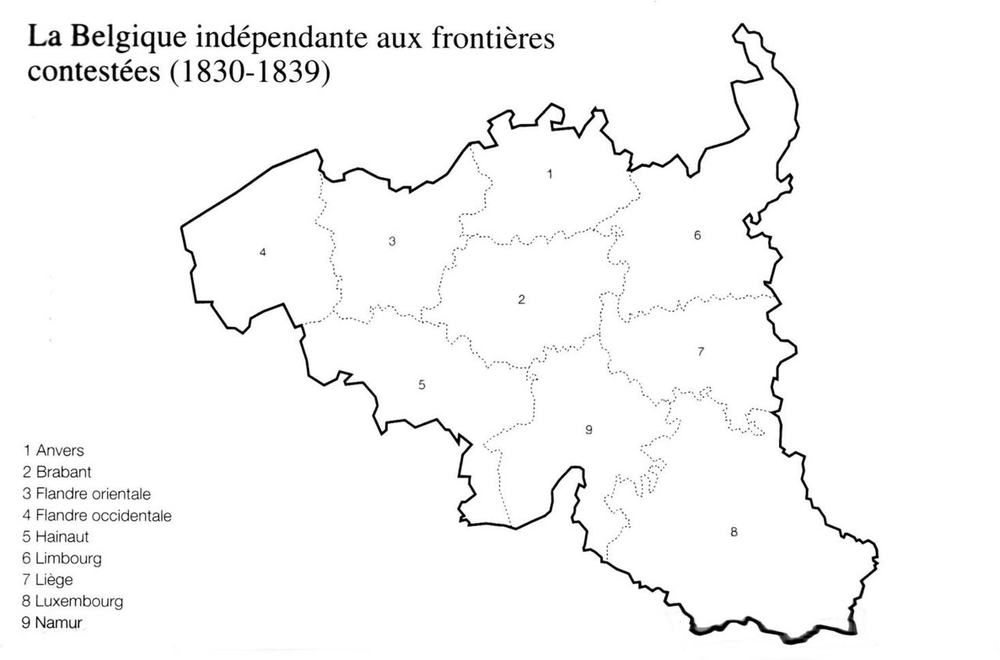
Amid rising tensions in Europe, Netherlands and Belgium jointly declared their neutrality to safeguard their nations from being drawn into potential conflicts. The decision was a strategic move to avoid being entangled in escalating international disputes and to protect their borders and citizens. This proclamation aimed to maintain peace and sovereignty by abstaining from involvement in military alliances and conflicts.
The neutrality declaration by Netherlands and Belgium had significant implications for the geopolitical landscape of Europe. By choosing neutrality, both countries sought to uphold their principles of non-intervention and non-aggression, emphasizing their commitment to staying out of entangling alliances and conflicts. This decision underscored their dedication to prioritizing national security and avoiding the devastating impacts of war.
The declaration of neutrality by Netherlands and Belgium came at a crucial moment when tensions were mounting across the continent. By choosing a stance of non-involvement, both nations aimed to preserve their autonomy and independence while navigating the complex web of international relations. This declaration signaled their determination to chart their own course and protect their interests amidst a volatile and uncertain political climate.
The decision of Netherlands and Belgium to declare neutrality during this period resonated with their long-standing commitment to peace and stability. Both nations recognized the importance of safeguarding their borders and ensuring the well-being of their populations during times of uncertainty and conflict. Their joint declaration reflected a strategic maneuver to safeguard their sovereignty and promote diplomatic solutions to potential crises.
#Netherlands #Belgium #Neutrality #Peace #Sovereignty #Europe
View details1835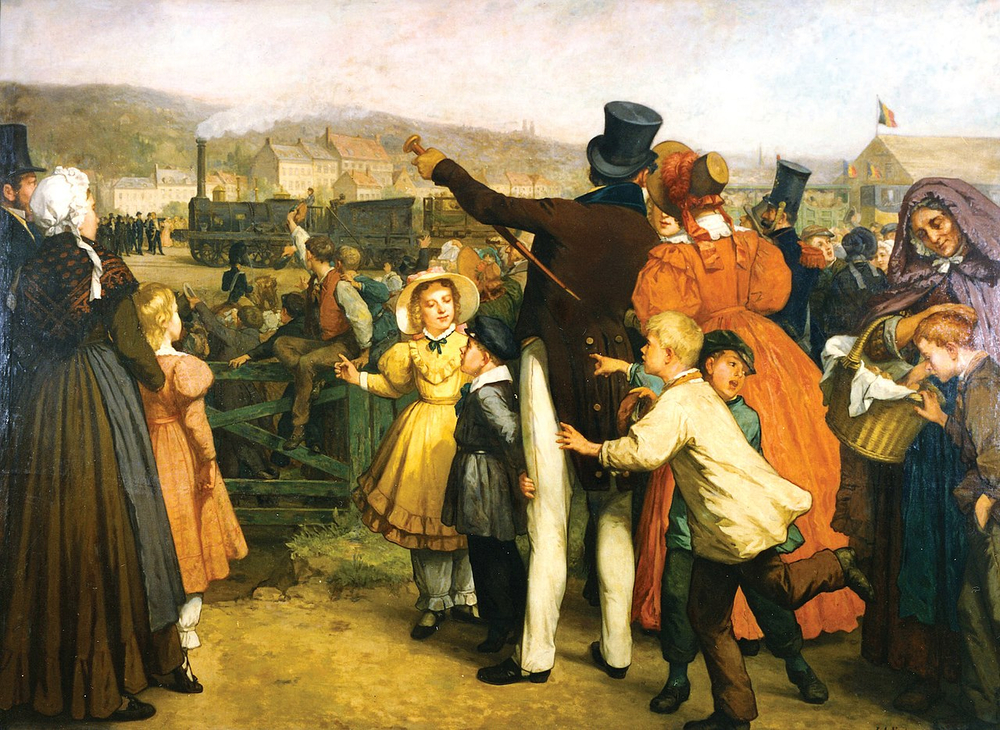
In 1834, construction initiated on the inaugural Belgian railway line linking Brussels and Mechelen. The project stemmed from increasing industrialization, spurring the necessity for efficient transportation. This railway aimed to enhance connectivity, facilitating the movement of goods and people between two prominent cities.
The advent of the railway brought about a transformative impact on Belgian society. It revolutionized the concept of transportation, providing a faster and more reliable mode of travel compared to traditional methods. The efficiency of the railway facilitated economic growth by boosting trade and commerce between Brussels and Mechelen. Additionally, the railway facilitated a shift towards a more interconnected society, fostering cultural exchange and social integration between the two cities.
The inauguration of the first Belgian railway line marked a pivotal moment in the country's industrial development. It symbolized Belgium's commitment to progress and innovation, setting a precedent for future advancements in transportation infrastructure. The success of this project laid the foundation for the expansion of the railway network throughout Belgium, further solidifying its position as a hub of industry and commerce in Europe.
Overall, the commencement of construction on the Brussels-Mechelen railway line in 1834 was a milestone that propelled Belgium into a new era of connectivity and modernization. It not only revolutionized transportation within the country but also played a significant role in shaping the socio-economic landscape of Belgium. The legacy of this pioneering railway project continues to resonate, underscoring the importance of innovation and infrastructure development in driving progress and growth.
#Belgium #RailwayDevelopment #Industrialization #ConnectivityHistoricalEvent #TransportationInnovation
View details1833
In Zonhoven, Belgium, history was made as the Treaty of Zonhoven was signed between the Kingdom of the Netherlands and Belgium. This treaty marked the end of a longstanding border dispute between the two neighboring countries.
The background of the Treaty of Zonhoven can be traced back to the Congress of Vienna in 1815, where the borders of Europe were redrawn in the aftermath of the Napoleonic Wars. The area around Zonhoven was one of the contested regions, with both the Netherlands and Belgium claiming ownership.
The signing of the treaty had a significant impact on the region, as it finally resolved the territorial conflict and established a clear border between the two nations. This led to improved relations and cooperation between the Netherlands and Belgium, setting the stage for future diplomatic endeavors.
One of the key provisions of the Treaty of Zonhoven was the demarcation of the border based on geographical features, ensuring a fair and equitable division of the land. This helped prevent any future disputes over the region and provided a sense of stability and security for both countries.
Overall, the Treaty of Zonhoven was a pivotal moment in the history of Belgium and the Netherlands, as it not only resolved a longstanding border dispute but also paved the way for stronger bilateral relations between the two nations. It stands as a testament to the power of diplomacy in resolving conflicts and promoting peace.
#TreatyofZonhoven #Belgium #Netherlands #BorderDispute #Diplomacy
View details1832
In 1832, during the Belgian Revolution, French forces succeeded in liberating the city of Antwerp from Dutch control. The Dutch had previously held onto Antwerp after the creation of the Kingdom of Belgium, leading to ongoing conflicts. The French, in support of the Belgian independence movement, advanced towards Antwerp and managed to secure the city after intense fighting.
The liberation of Antwerp by the French was a crucial moment in the Belgian Revolution, as it significantly weakened Dutch influence in the region. The event also bolstered the morale of Belgian revolutionaries and furthered their cause for independence. The French intervention played a vital role in shifting the power dynamics in favor of the Belgians, ultimately leading to the recognition of Belgium as an independent nation by major European powers.
The impact of the French takeover of Antwerp reverberated beyond the city itself, sending a strong message to the Dutch forces and solidifying international support for the Belgian cause. The successful liberation of Antwerp marked a turning point in the conflict, demonstrating the determination of the Belgian revolutionaries and their allies to secure independence from Dutch rule.
The event underscored the interconnectedness of European powers during the 19th century and highlighted the complexities of the political landscape in the aftermath of the Napoleonic Wars. The liberation of Antwerp stood as a symbol of resistance against foreign domination and a step towards the establishment of Belgium as a sovereign state.
#BelgianRevolution #FrenchIntervention #AntwerpLiberation #EuropeanPolitics
View details1831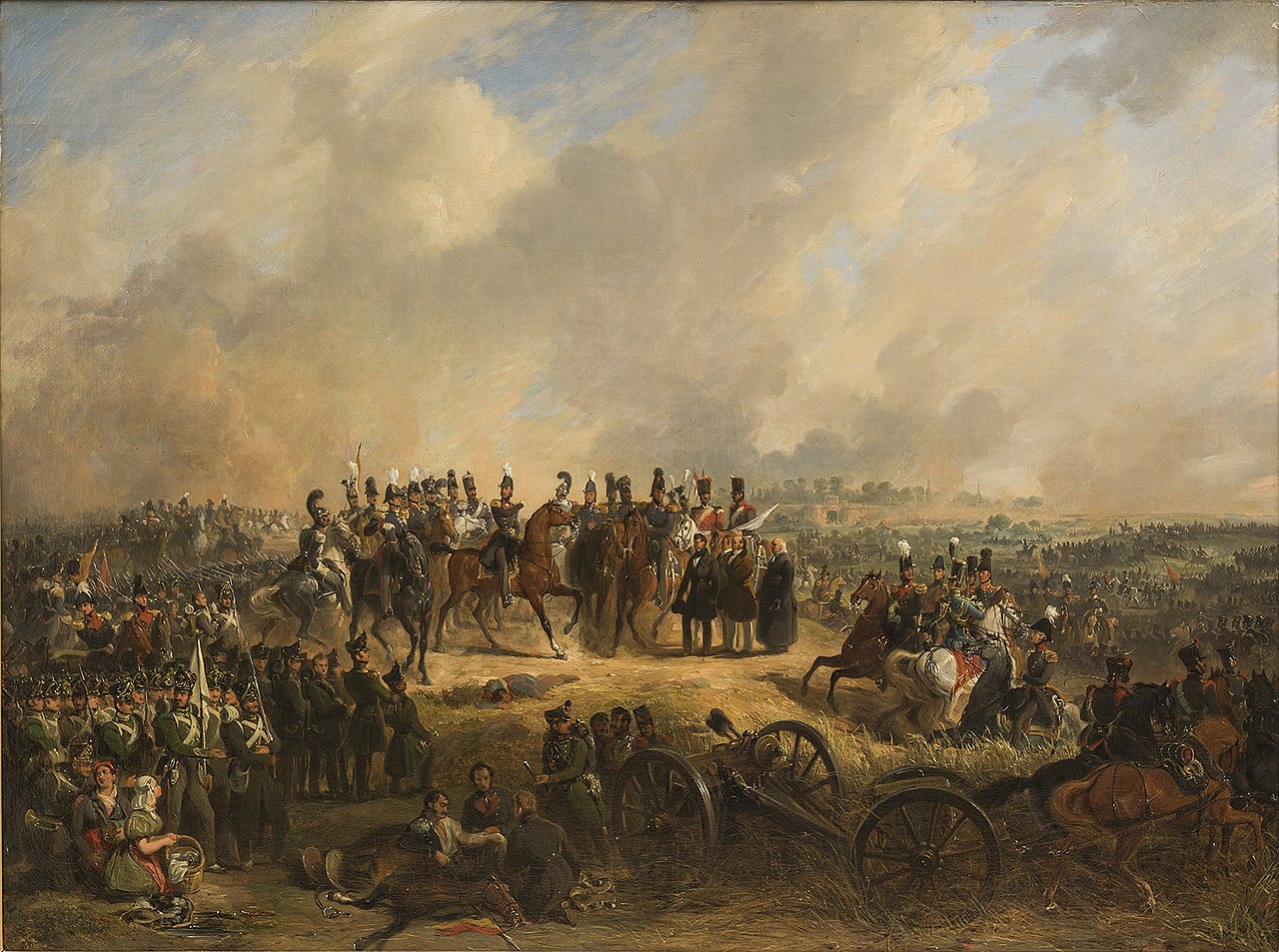
In August 1831, the Battle of Hasselt took place, marking a significant event in the Belgian Revolution. The confrontation unfolded as the Dutch army launched an offensive against Belgian forces to reclaim control over the city of Hasselt. The Dutch army, well-equipped and determined, engaged in a fierce battle against the Belgians, who were fighting for independence and sovereignty.
The conflict stemmed from the larger political turmoil following the Belgian declaration of independence from the United Kingdom of the Netherlands in 1830. The Dutch King William I sought to reassert authority over the rebellious Belgian provinces, leading to military clashes throughout the region. The Battle of Hasselt was a pivotal moment in this struggle for power, as the Dutch army aimed to quash Belgian resistance and assert control over strategic territories.
The outcome of the Battle of Hasselt was decisive, with the Dutch army successfully driving out the Belgian forces and solidifying their hold over the city. This victory bolstered Dutch morale and strategic position in the ongoing conflict, while dealing a blow to Belgian aspirations for independence. The aftermath of the battle saw heightened tensions and continued fighting between the two sides, fueling further bloodshed and unrest in the region.
The Battle of Hasselt reflected the broader dynamics of the Belgian Revolution, characterized by shifting alliances, military confrontations, and aspirations for self-determination. The conflict between the Dutch and Belgian forces underscored the complexities of nation-building and sovereignty in the early 19th century, leaving a lasting impact on the political landscape of Europe.
#BattleofHasselt #BelgianRevolution #DutchArmy #Independence #Sovereignty #MilitaryConflict
View detailsBeginning a ten-day campaign, the Dutch army occupied Belgium in 1831. The conflict arose due to Belgium declaring its independence from the Netherlands, following the Belgian Revolution. Disputes over territory and political differences intensified, leading to the Dutch army's intervention.
The occupation met with resistance from Belgian forces and civilians. The Belgian army engaged in skirmishes with the Dutch, while the civilian population supported the Belgian cause through various means. The ten-day campaign marked a significant escalation in the conflict, with both sides vying for control of key strategic locations.
The Dutch occupation had a profound impact on Belgium. It incited patriotic fervor and strengthened the resolve of the Belgian people to resist foreign rule. The occupation also drew international attention, with other European powers closely monitoring the situation. This event ultimately contributed to shaping Belgium's national identity and garnering support for its independence.
As the ten-day campaign unfolded, Belgium's fight for sovereignty gained momentum. The occupation by the Dutch army galvanized the Belgian resistance, culminating in the eventual withdrawal of the Dutch forces. The conflict underscored the determination of the Belgian people to secure their independence and establish themselves as a sovereign nation.
#BelgiumIndependence #DutchOccupation #BelgianRevolution #TenDayCampaign
View details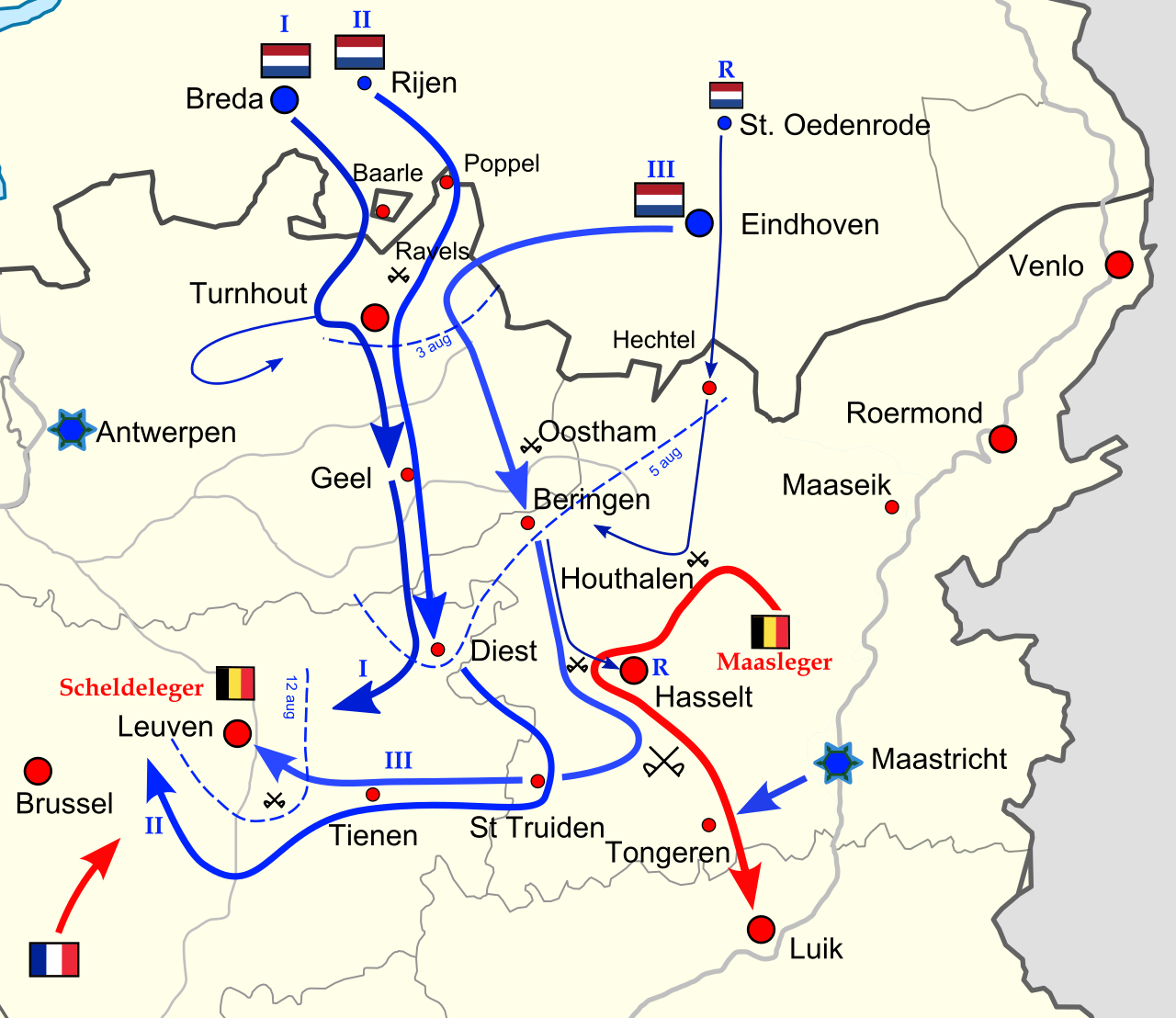
In July 1831, Leopold of Saxe-Coburg and Gotha became the inaugural monarch of Belgium, crowned as King Leopold I. The newly formed nation was established after gaining independence from the Kingdom of the Netherlands in a revolution against Dutch rule.
Leopold I brought stability and unity to the newly formed Belgian state, which was a constitutional monarchy. His reign was marked by diplomatic prowess, successfully navigating the complex political landscape of Europe. His marriage to Louise of Orléans further solidified his ties to other European royal families.
As the first King of the Belgians, Leopold I worked towards building a strong national identity and fostering a sense of unity among the diverse regions of Belgium. He focused on economic development, modernization, and infrastructure projects to boost the country's growth.
Under his rule, Belgium saw industrial advancements and economic prosperity, establishing itself as a key player in the Industrial Revolution. King Leopold I's reign laid the foundation for Belgium's future success as a constitutional monarchy, ensuring stability and progress for generations to come.
His legacy as the founding monarch of Belgium endures to this day, with his contributions to the country's development still remembered and honored. King Leopold I's reign symbolizes the beginning of a new era for Belgium, shaping its identity and trajectory as an independent nation in Europe.
#KingLeopoldI #BelgiumMonarchy #FoundingKing #EuropeanHistory
View details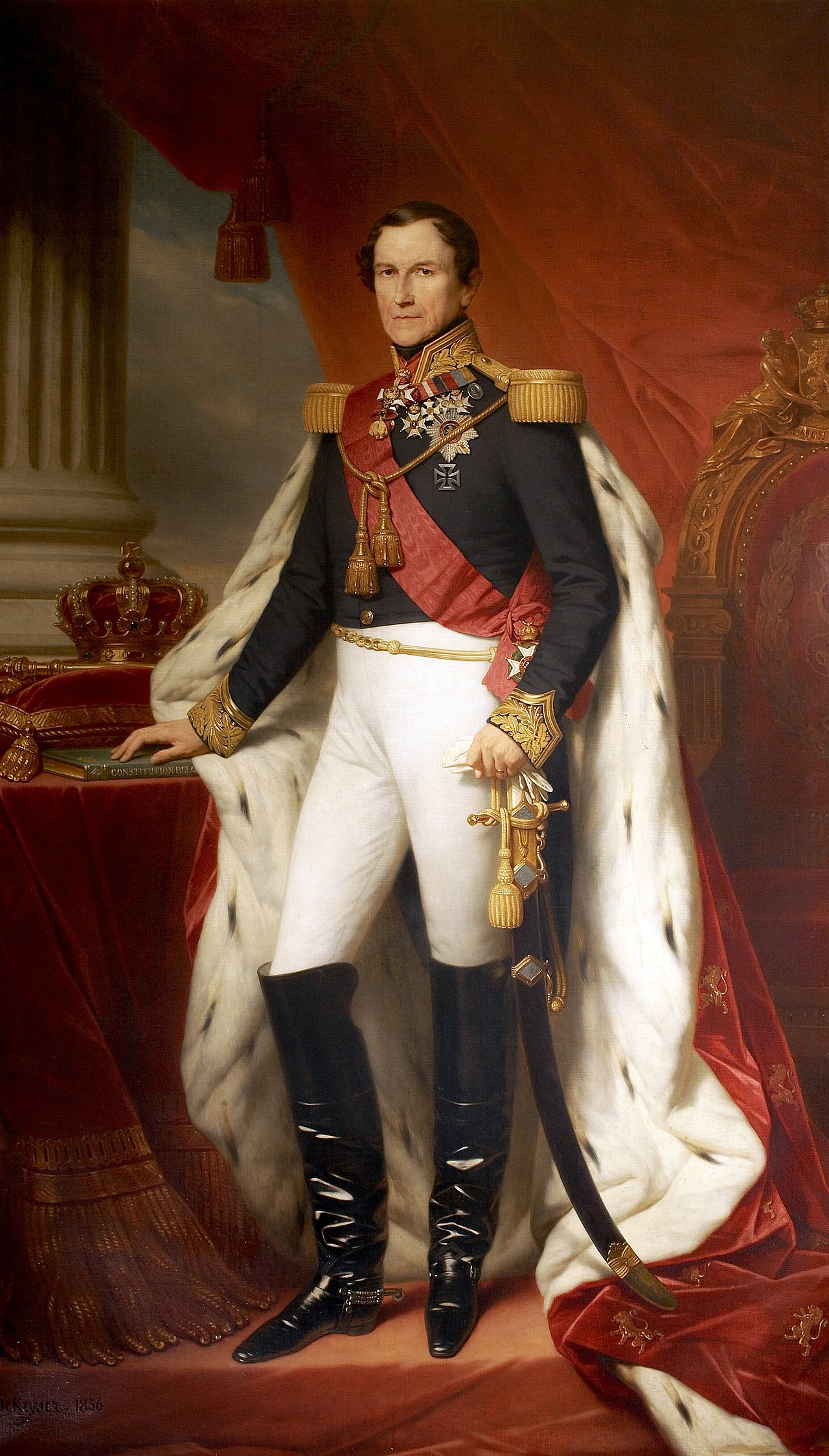
In 1831, Belgium adopted its Constitution following its secession from the Kingdom of the Netherlands. The adoption of the Constitution marked a turning point in Belgian history, establishing a framework for governance and outlining the rights and responsibilities of its citizens.
The background of Belgium's adoption of its Constitution can be traced back to the Belgian Revolution of 1830, during which the people of Belgium rebelled against Dutch rule. The revolution culminated in Belgian independence and the establishment of a new, sovereign state. The need for a Constitution arose in order to formalize the principles upon which this new nation would be built.
The impact of Belgium adopting its Constitution was profound. It provided the country with a set of fundamental laws that would guide its development as a democratic and constitutional monarchy. The Constitution laid out the organization of the government, the division of powers, and the protection of individual liberties. It served as a cornerstone of Belgian society, shaping the nation's political institutions and legal system.
Key provisions within the Constitution included the establishment of a bicameral parliamentary system, the recognition of freedom of speech and religion, and the protection of minority rights. These principles contributed to the stability and prosperity of Belgium as it navigated its nascent years as an independent nation.
In conclusion, Belgium adopting its Constitution in 1831 was a pivotal moment in the country's history. It formalized the break from Dutch rule and set the stage for Belgium's development as a sovereign state. The Constitution provided a framework for governance and enshrined the rights and freedoms of its citizens, shaping the nation's identity for years to come. #Belgium #Constitution #Independence
View details
1830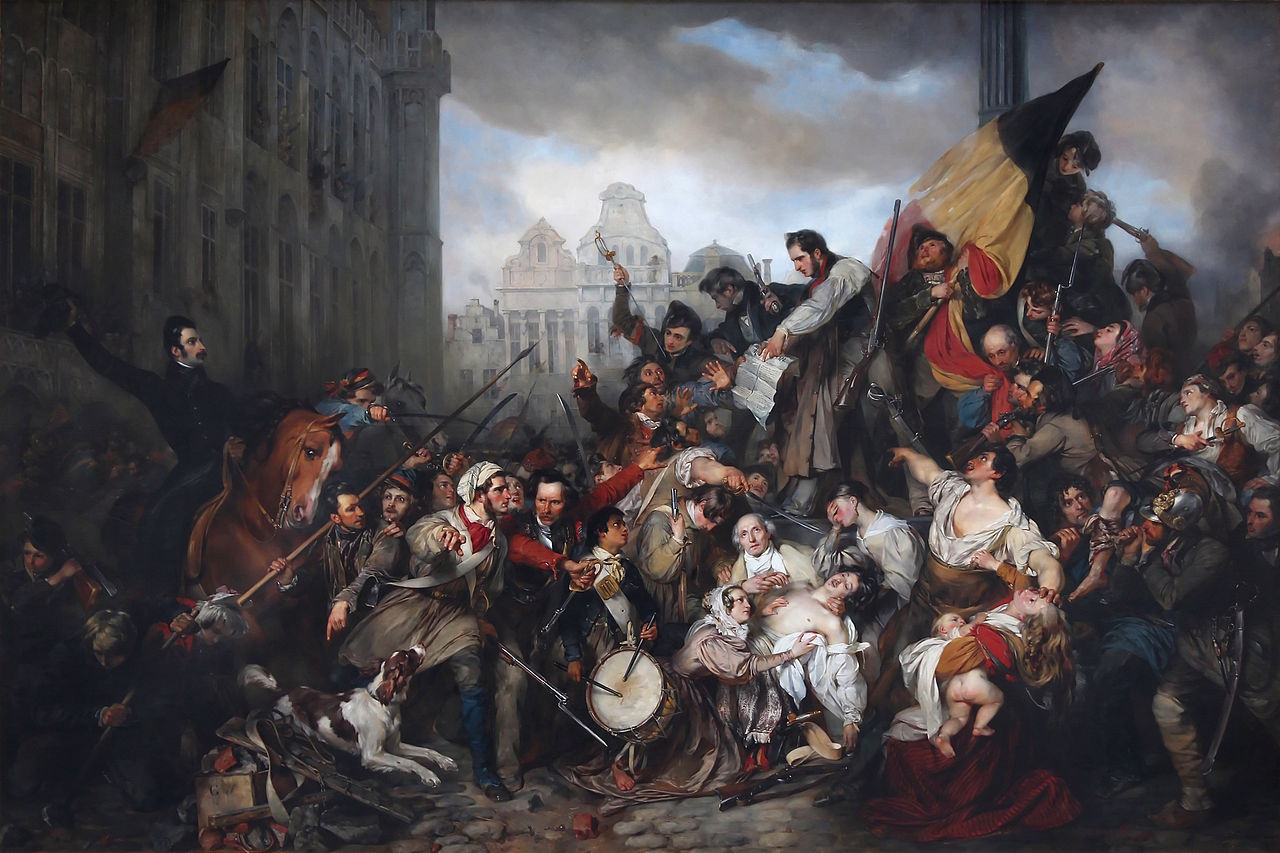
In 1830, tensions between the people of Belgium and the United Kingdom of the Netherlands reached a breaking point, leading to the Belgian Revolution. The Belgians were dissatisfied with the Dutch King's authoritarian rule and his favoritism towards the northern provinces over the southern regions comprising modern-day Belgium.
The revolution began with a performance at the Brussels opera house, sparking protests that quickly escalated into violent clashes between Belgian civilians and Dutch troops. As the conflict grew, Belgian revolutionaries declared their independence from the United Kingdom of the Netherlands.
The revolution culminated in the establishment of an independent Belgian state, recognized by major European powers in 1831. Leopold of Saxe-Coburg, a German prince, was chosen as the first King of the Belgians. The new nation adopted a liberal constitution, guaranteeing freedoms and rights to its citizens.
The Belgian Revolution had far-reaching implications, not only for Belgium but also for the broader European political landscape. It inspired other nationalist movements across Europe and contributed to the wave of revolutions that swept the continent in the 19th century. Belgium's successful bid for independence set a precedent for self-determination and influenced subsequent struggles for national sovereignty.
Today, Belgium celebrates the legacy of the revolution as a defining moment in its history, commemorating the courage and determination of those who fought for freedom and independence. The events of that time continue to shape Belgium's national identity and its commitment to democracy and individual rights.
#BelgianRevolution #Independence #Nationalism #EuropeanHistory
View details1815
In 1815, Napoleon Bonaparte faced off against the Duke of Wellington and Gebhard Leberecht von Blücher in the Battle of Waterloo. The battle took place in present-day Belgium and marked the end of Napoleon's rule as the Emperor of France.
Napoleon had returned to power after his exile in Elba, seeking to regain control of France and expand his empire. The Duke of Wellington, leading the British and their allies, joined forces with von Blücher's Prussian troops to confront Napoleon's army.
The battle was fierce and lasted throughout the day, with both sides suffering heavy casualties. Despite Napoleon's tactical skills and experienced troops, the combined forces of Wellington and von Blücher ultimately proved to be too much for the French army. By the end of the day, Napoleon's forces were defeated, marking a decisive victory for the Allied forces.
The defeat at Waterloo spelled the end of Napoleon's reign and his ambitions of European domination. He would soon abdicate the throne for the final time and be exiled to the remote island of St. Helena, where he would spend the remainder of his days.
The Battle of Waterloo had far-reaching consequences, not only for Napoleon but also for Europe as a whole. It brought an end to years of conflict and uncertainty, paving the way for a new era of peace and stability on the continent.
The outcomes of the battle would shape the future of Europe for years to come, solidifying the power of the Allied forces and reshaping the political landscape of the region. Waterloo would be remembered as a turning point in history, marking the fall of one of the most iconic figures of the era.
#BattleOfWaterloo #NapoleonBonaparte #DukeOfWellington #VonBlücher #EndOfAnEra #EuropeanHistory
View details1795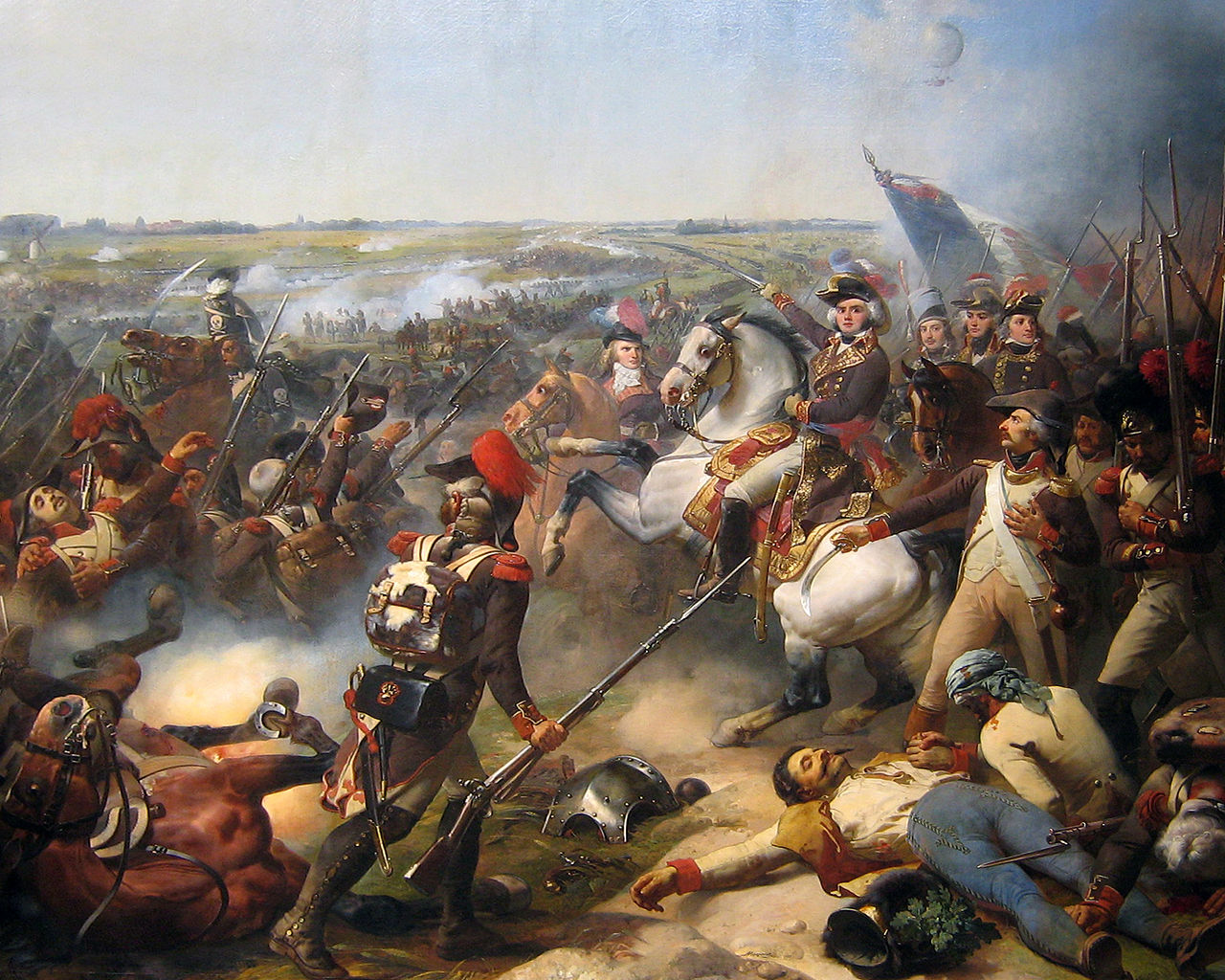
In the year 1795, Belgium was conquered by France after a series of military campaigns. This conquest was a result of the French Revolutionary Wars that had been ongoing since 1792. The French armies, led by General Lazare Hoche, successfully invaded and took control of the region, which was then known as the Austrian Netherlands.
The conquest of Belgium by France had far-reaching consequences for the region. It marked the end of Austrian rule in the area and the beginning of a period of French domination that lasted until the defeat of Napoleon at the Battle of Waterloo in 1815. During this time, Belgium was incorporated into the French Republic and underwent significant political, social, and economic changes.
The French introduced new laws and administrative systems in Belgium, aimed at centralizing power and promoting the ideals of the French Revolution. They abolished feudal privileges, promoted religious tolerance, and implemented measures to modernize the economy. While these reforms were met with resistance by some, they also laid the groundwork for the development of a more unified and centralized Belgian state in the future.
Overall, the conquest of Belgium by France had a profound impact on the region, shaping its history and identity for years to come. It represented a significant turning point in the political and social landscape of Belgium, setting the stage for the country's eventual independence in 1830.
#ConquestofBelgium #FrenchRevolutionaryWars #NapoleonicEra #BelgianHistory
View details1794
The Battle of Fleurus was a pivotal engagement during the French Revolutionary Wars. It took place in present-day Belgium between the French Republican Army, led by General Jean-Baptiste Jourdan, and the Austrian Army commanded by Prince Josias of Coburg. The battle marked the first successful use of aerial reconnaissance in military history, as the French used hot air balloons to gain an advantage over the Austrians.
The French forces utilized this intelligence to outmaneuver the Austrians, leading to a decisive victory. The Battle of Fleurus was significant for its strategic implications, as it secured French dominance in the region and allowed for the continued expansion of the revolutionary ideals throughout Europe. The outcome of the battle also had a direct impact on the political landscape, influencing the balance of power among European nations.
The French victory at Fleurus solidified their control over Belgium and facilitated their subsequent campaigns in the region. The battle demonstrated the effectiveness of new military tactics and technologies, showcasing the evolving nature of warfare during the Revolutionary era. The use of aerial reconnaissance in particular would have lasting repercussions on future military operations.
In conclusion, the Battle of Fleurus was a defining moment in the French Revolutionary Wars, demonstrating the importance of intelligence and innovation in military strategy. The implications of this battle reverberated throughout Europe, shaping the course of history in the region. #BattleofFleurus #FrenchRevolutionaryWars #MilitaryInnovation
View details1789_Jahann_Voeltz_(dis)
In October 1789, the Brabant Revolution unfolded in the region known today as Belgium, marking the onset of widespread resistance against Austrian governance. Grievances stemmed from the Austrian Habsburg rulers' imposition of taxes and infringement upon local autonomy. The people of Brabant, driven by a desire for independence and inspired by the ideals of the French Revolution, rose up in defiance.
The revolution gained momentum as key cities like Brussels joined the cause, forming committees to govern themselves independently of Austrian authority. The rebels, under the leadership of figures like Hendrik van der Noot, aimed to establish a democratic system that prioritized individual freedoms and representation.
The conflict escalated as Austrian forces sought to quell the uprising, leading to fierce battles and widespread unrest throughout the region. Despite facing military challenges, the revolutionaries persisted, bolstered by their commitment to securing self-governance and freedom from foreign domination.
Ultimately, the Brabant Revolution symbolized a turning point in Belgian history, setting the stage for future struggles for independence and self-determination. While the revolution itself did not immediately achieve its goals, it sparked a spirit of resistance that would endure and contribute to the eventual establishment of an independent Belgian state.
The Brabant Revolution against Austrian rule underscored the power of unity, resilience, and the pursuit of liberty in the face of oppressive governance. The events of that time continue to resonate in Belgian collective memory, serving as a reminder of the enduring quest for freedom and sovereignty. #BrabantRevolution #BelgianIndependence #FightForFreedom
View details1786
In Schaarbeek, Belgium, the Montplaisir Ceramic factory was established, marking a key development in the region's industrial landscape. The factory brought about a surge in employment opportunities, attracting skilled workers and craftsmen from neighboring areas.
The ceramic factory's debut ushered in a new era of artistic and practical production in Schaarbeek. With its state-of-the-art equipment and skilled workforce, the factory quickly gained a reputation for producing high-quality ceramic wares. Local markets were soon flooded with Montplaisir's intricate pottery, earning praise for its craftsmanship and unique designs.
As the factory thrived, it contributed significantly to the economic growth of Schaarbeek. The increased production and trade of ceramic goods bolstered the region's economy, attracting merchants and traders from afar. This newfound prosperity led to further investments in infrastructure and services, transforming Schaarbeek into a thriving hub of industry and commerce.
The establishment of the Montplaisir Ceramic factory in Schaarbeek was a pivotal moment in the region's history, leaving a lasting impact on its cultural and economic landscape. The factory's legacy lives on in the exquisite pieces of ceramic art that continue to be treasured and admired by collectors and enthusiasts worldwide.
#MontplaisirCeramic #Schaarbeek #BelgiumHistory #IndustrialRevolution
View details1748
In 1748, the Treaty of Aix-la-Chapelle concluded the War of the Austrian Succession. The conflict arose from disputes over the succession to various thrones in Europe. The treaty was signed to restore peace and boundaries to those that existed before the war.
One of the key points of the treaty was the return of all captured territories, which included Belgium, to their pre-war owners. The negotiation also involved the exchange of prisoners of war and the payment of war reparations in some cases. The treaty did not resolve the underlying issues that had led to the war, but it did bring a temporary halt to the hostilities.
The Treaty of Aix-la-Chapelle had a significant impact on the political landscape of Europe. It marked the end of a costly and destructive conflict and allowed for the reconstruction of war-torn regions. The treaty also highlighted the importance of diplomacy in resolving international disputes and set a precedent for future peace negotiations.
Despite its significance, the treaty was not able to prevent future conflicts in Europe. Tensions between the major powers persisted, leading to further wars in the years to come. However, the Treaty of Aix-la-Chapelle remains a notable moment in European history for its efforts to bring an end to the War of the Austrian Succession.
#TreatyofAixlaChapelle #WaroftheAustrianSuccession #Belgium #EuropeanHistory
View details1740
Maria Theresa of Austria assumed governance over the Austrian Netherlands following the death of her father, Charles VI. This marked a significant shift in the region's administration, as Maria Theresa was the first female ruler in the Habsburg dominions. Known for her strong leadership and reformist policies, Maria Theresa sought to centralize power and strengthen the economy of the Austrian Netherlands.
Under her rule, Maria Theresa implemented several reforms aimed at improving the infrastructure, education, and economy of the region. She also worked to promote trade and industry, leading to economic growth and increased prosperity for the people of the Austrian Netherlands. Additionally, Maria Theresa focused on cultural development, investing in the arts and education to enrich the lives of her subjects.
Maria Theresa's governance had a lasting impact on the Austrian Netherlands, laying the foundation for future developments in the region. Her reforms helped to modernize the administration and society of the Austrian Netherlands, setting the stage for continued progress in the years to come. The stability and prosperity experienced during her rule fostered a sense of loyalty and unity among the people, strengthening the region's ties to the Habsburg monarchy.
Overall, Maria Theresa's tenure as ruler of the Austrian Netherlands had a profound influence on the region, shaping its trajectory for years to come. Her legacy as a reformer and visionary leader continues to be remembered and celebrated in Belgian history.
#MariaTheresa #AustrianNetherlands #HabsburgMonarchy #BelgianHistory #Reforms
View details1713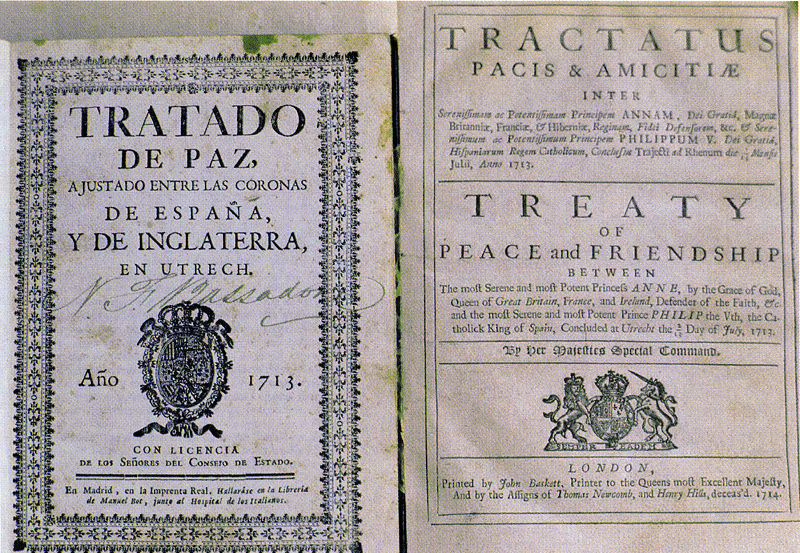
The Treaty of Utrecht was signed, concluding the protracted War of the Spanish Succession. The war, involving several European powers, was sparked by the death of the Spanish king without a direct heir, leading to a struggle for control over the Spanish Empire. The Treaty of Utrecht sought to bring stability to the region by establishing a balance of power among the major European nations.
The treaty had several significant implications. It recognized Philip V as the King of Spain, but ensured that the Spanish and French crowns would remain separate, preventing a single individual from ruling both countries. As part of the peace settlement, Spain ceded territories including Gibraltar to Britain and Sicily to Savoy. The Spanish Netherlands, now Belgium, was transferred to the Austrian Habsburgs.
The Treaty of Utrecht reshaped the geopolitical landscape of Europe by curbing the power of Spain and France, and elevating Britain as a dominant naval and colonial force. It marked the beginning of the rise of the British Empire and the decline of Spanish and French influence. The treaty also laid the groundwork for future diplomatic negotiations and treaties that would shape European politics for the centuries to come.
The signing of the Treaty of Utrecht was a pivotal moment in European history, setting the stage for a new era of power dynamics and alliances. It emphasized the importance of diplomacy and negotiation in resolving conflicts between nations. The legacy of the treaty continues to be felt in the modern world, influencing international relations and the concept of territorial sovereignty.
#TreatyofUtrecht #WaroftheSpanishSuccession #EuropeanDiplomacy #GeopoliticalShifts
View details1706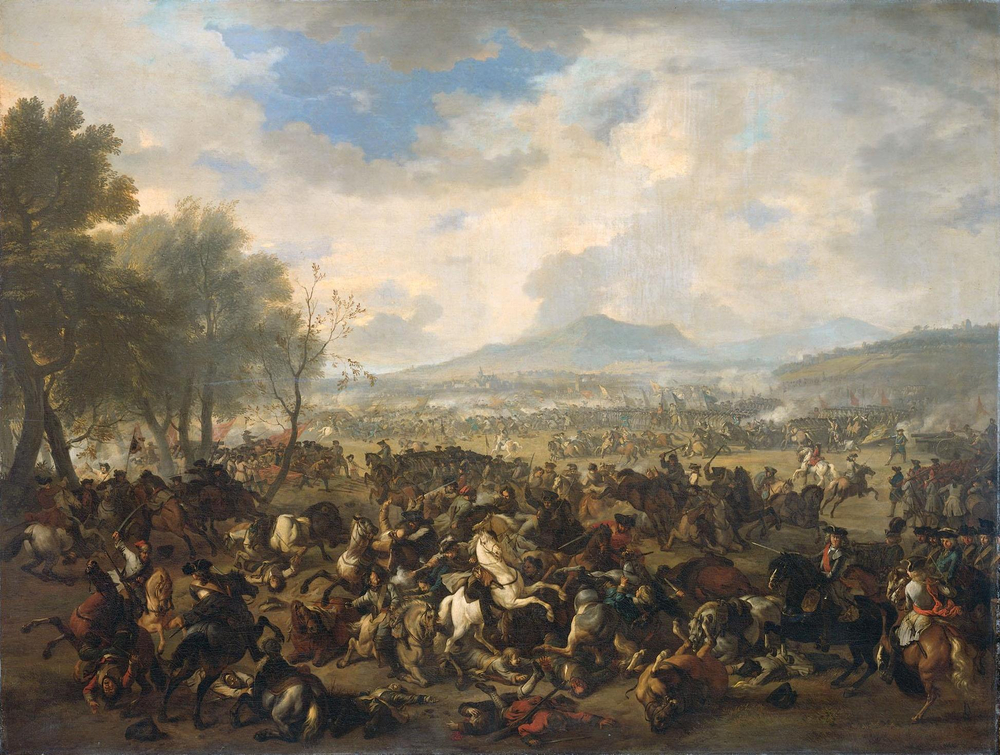
In the early 18th century, during the War of the Spanish Succession, the Battle of Ramillies took place near the village of Ramillies in present-day Belgium. The French army, led by Marshal Villeroi, faced off against the Allied forces commanded by the Duke of Marlborough, representing the Grand Alliance which included England, the Dutch Republic, and the Holy Roman Empire.
The battlefield was characterized by open fields, perfect for Marlborough's tactical maneuvers. His army used a classic flanking movement to outmaneuver and encircle the French, leading to a decisive victory for the Allies. The French suffered heavy casualties, and their defeat at Ramillies was a significant blow to their military prestige and territorial ambitions.
The repercussions of the Battle of Ramillies were felt across Europe. The victory bolstered the confidence of the Allies and secured their position in the Spanish Netherlands. It also paved the way for the subsequent capture of key French strongholds in the region. The battle shifted the balance of power in the war and weakened France's position, ultimately leading to the Treaty of Utrecht in 1713, which marked the beginning of the end of French dominance in Europe.
The Battle of Ramillies is remembered as a turning point in the War of the Spanish Succession, highlighting the importance of strategic planning and decisive action on the battlefield. It remains a symbol of the resilience and determination of the Allied forces in the face of formidable opposition.
#WarofSpanishSuccession #BattleofRamillies #AlliedVictory #EuropeanHistory #TreatyofUtrecht #MilitaryStrategy
View details1701
The War of the Spanish Succession was a significant conflict that arose from the lack of a clear line of succession to the Spanish throne. The situation was complicated by the vast territories under Spanish control, sparking fears of a single monarch wielding too much power. The war was fought between two major European alliances, the Grand Alliance and the Spanish Empire, with battles spanning several regions, including Belgium.
The Grand Alliance, comprising major European powers such as Austria, England, and the Dutch Republic, sought to prevent the unification of France and Spain under a single ruler, which would upset the balance of power in Europe. On the other hand, the Spanish Empire, supporting Philip V as the rightful heir, aimed to maintain its territorial integrity and sovereignty.
The conflict had significant consequences for the involved parties. The war led to the rise of new military tactics, including the extensive use of field armies and sieges. The Treaty of Utrecht, which ended the war, reshaped the European political landscape, granting certain territories to the victorious powers while recognizing Philip V as the King of Spain. The agreement also limited the power of the Spanish monarchy and curtailed the possibility of a single ruler controlling vast European territories.
The War of the Spanish Succession altered the dynamics of power in Europe, weakening the Spanish Empire and solidifying the influence of the Grand Alliance members. The conflict highlighted the importance of diplomatic negotiations in resolving complex international disputes and preventing large-scale conflicts. The aftermath of the war emphasized the necessity of maintaining a balance of power to avoid future conflicts and maintain stability in the region.
#WarOfSpanishSuccession #Belgium #EuropeanAlliances #TreatyOfUtrecht
View details1601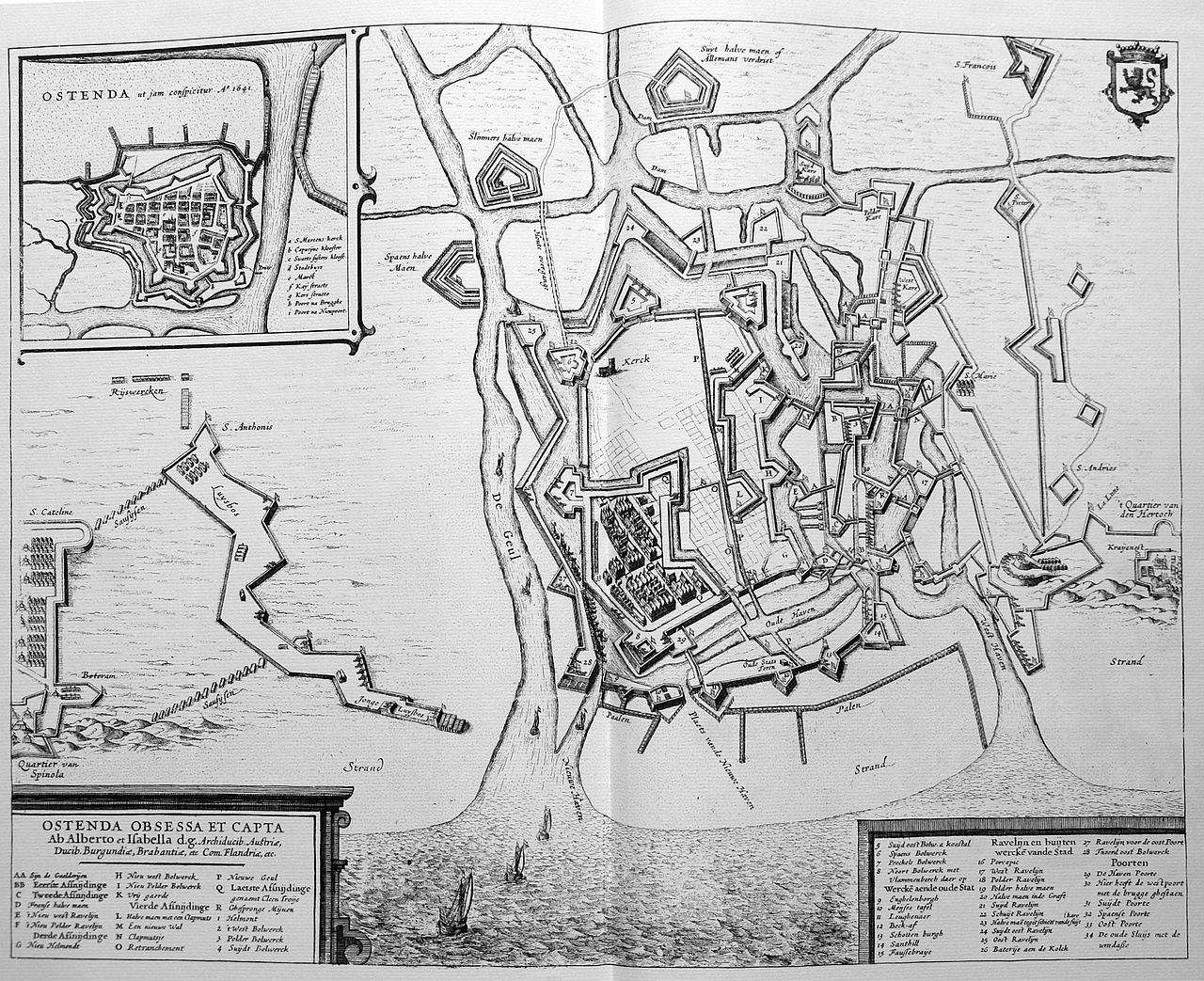
In Ostend, Belgium, the Spanish Army initiated the longest siege in the Eighty Years' War. The conflict was fueled by religious tensions and power struggles between the Spanish Habsburgs and the Dutch rebels. Ostend, a strategically located port city, became a focal point in the war due to its significance for trade and military control.
The siege of Ostend lasted for over three years, from July 5, 1601, to September 20, 1604. The Spanish Army, led by Archduke Albert of Austria, sought to capture the city from the Dutch rebels. The siege was marked by intense fighting, with both sides enduring significant casualties and hardships. The Spanish forces utilized innovative military tactics, such as the use of mining and counter-mining operations, to try and break the defenses of Ostend.
The impact of the siege of Ostend was profound. The prolonged conflict drained resources and manpower from both the Spanish and Dutch sides, leading to economic strain and political unrest. The siege also showcased the development of military technology and strategy during the early modern period, with both sides adapting to the challenges of siege warfare.
Ultimately, the siege of Ostend ended in a decisive victory for the Spanish Army, as they were able to capture the city and secure their control over the region. However, the high cost of the siege in terms of lives and resources highlighted the brutality and complexity of warfare during this period.
The siege of Ostend exemplifies the fierce and protracted nature of the Eighty Years' War, as well as the strategic importance of key cities in shaping the outcome of the conflict. It remains a significant event in the history of Belgium and the wider European struggle for power and influence. #Ostend #SpanishArmy #Siege #EightyYearsWar #Belgium
View details1568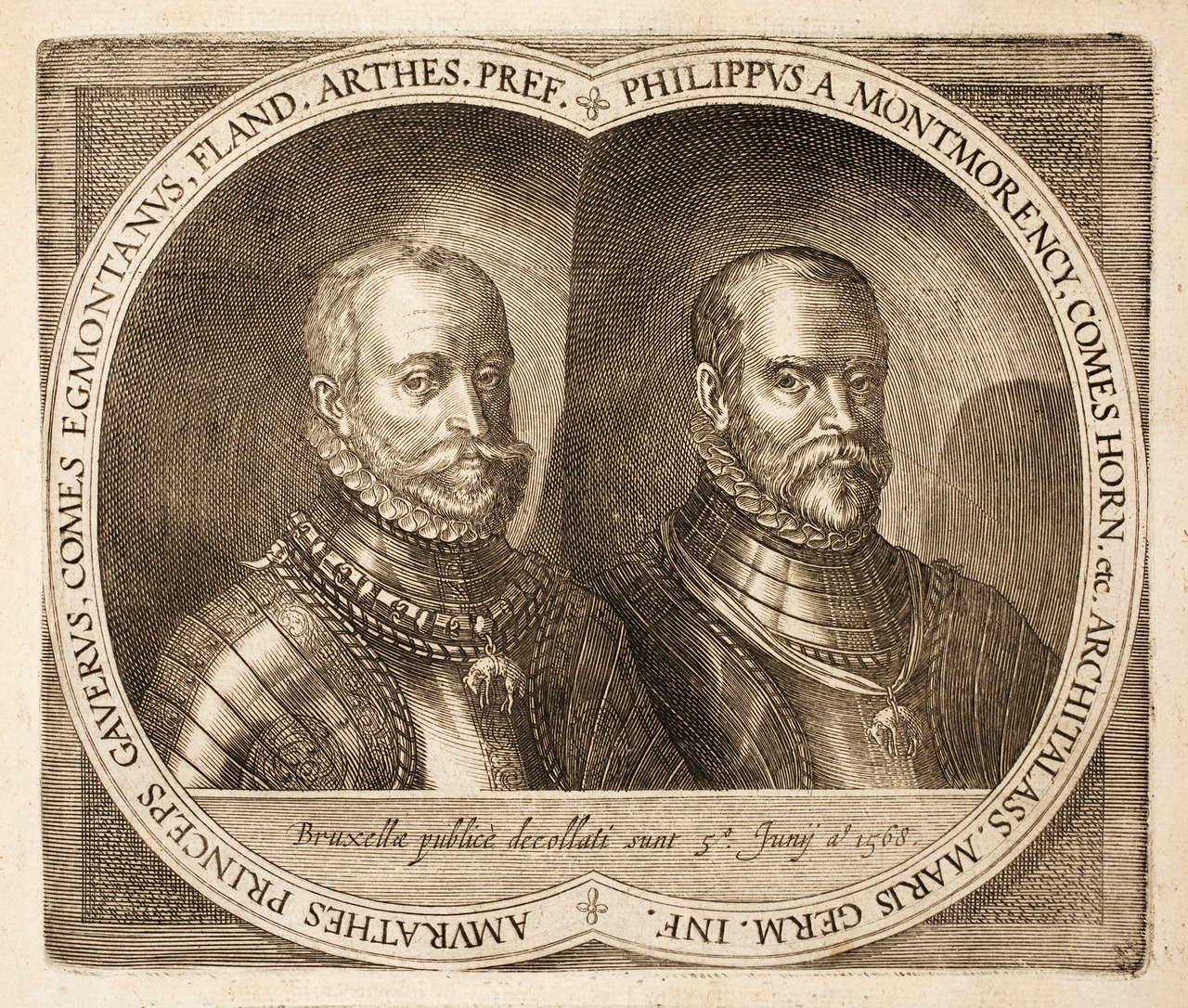
The Execution of the Count of Egmont and Count of Hoorn in Brussels was a pivotal event in the history of the Netherlands. The Counts were prominent leaders of the Dutch Revolt against Spanish rule, advocating for greater autonomy and religious freedom. Their public execution by the Spanish authorities sparked outrage across the Low Countries, leading to increased resistance and galvanizing support for the independence movement.
The Count of Egmont, a skilled military commander, and the Count of Hoorn, a respected statesman, were both arrested on charges of treason and heresy. Despite their noble status and previous loyalty to the Spanish Crown, they were swiftly sentenced to death. The brutal manner in which they were executed, through beheading in the main square of Brussels, shocked the local population and fueled anti-Spanish sentiments.
The deaths of Egmont and Hoorn became rallying cries for the Dutch rebels, strengthening their resolve to break free from Spanish oppression. The executions symbolized the tyranny of Spanish rule and the suppression of Dutch aspirations for self-determination. As news of the event spread, support for the rebel cause swelled, drawing in more followers and resources for the struggle.
The execution of the Count of Egmont and Count of Hoorn in Brussels marked a turning point in the Dutch Revolt, propelling the movement towards full-fledged independence. The tragedy brought together disparate factions united in their desire to resist Spanish domination and fight for their rights. The legacy of the Counts' sacrifice endured as a reminder of the high price of freedom and the resilience of the Dutch people in the face of adversity.
#DutchRevolt #Independence #Resistance #Brussels #SpanishRule #Netherlands #CountofEgmont #CountofHoorn
View details