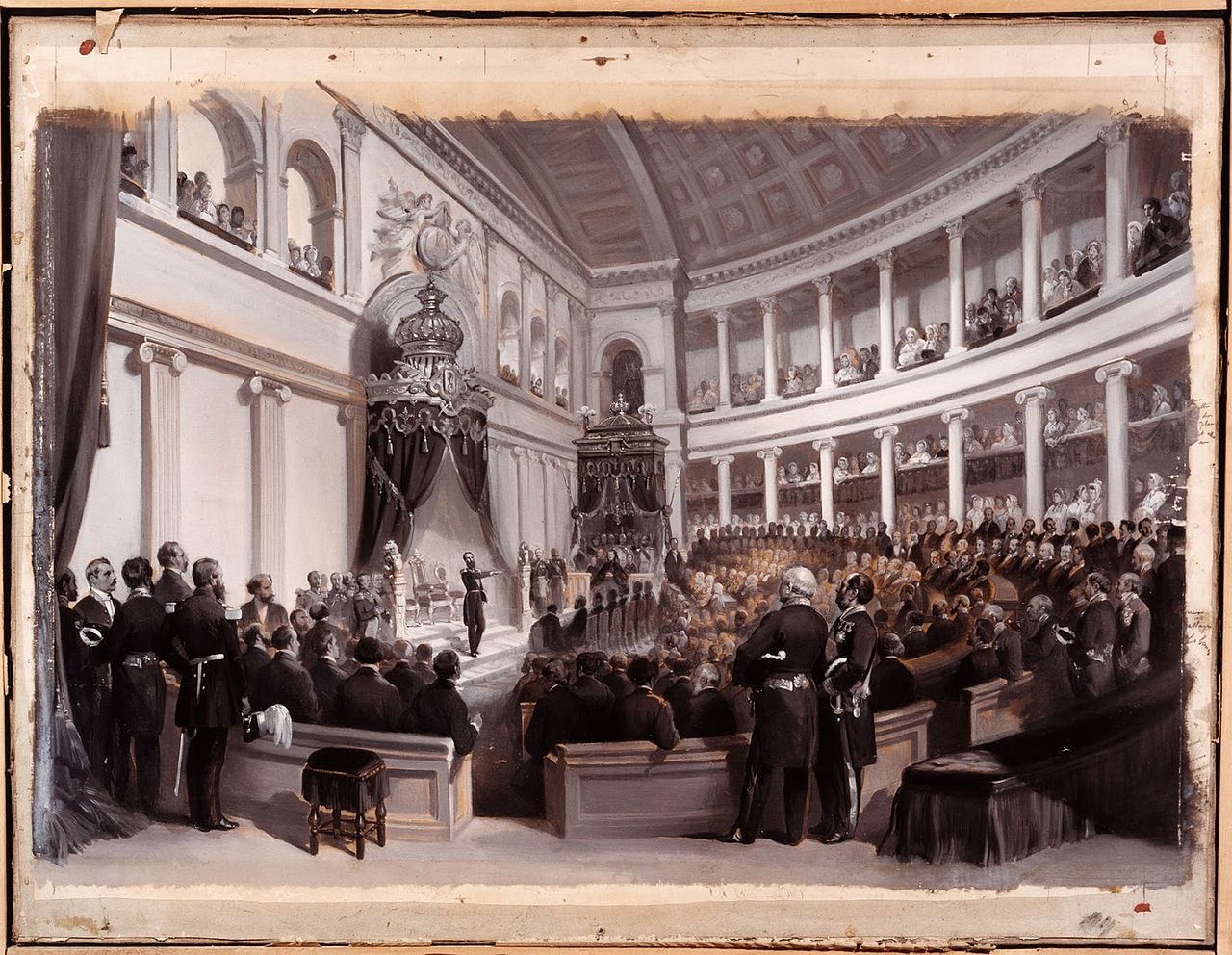
King Leopold II's Ascension to the Throne
Belgium
Political
Global Trade
4 min read
Updated By: History Editorial Network (HEN)
Published:
King Leopold II of Belgium ascended to the throne following the death of his father, King Leopold I. The new monarch faced the task of solidifying his rule and expanding Belgium's influence. Known for his ambitions in colonialism, Leopold II saw an opportunity to further his interests by asserting control over the Congo Free State in Africa. This move aimed to boost Belgium's global presence and access valuable resources.
Taking the Belgian crown marked a pivotal moment in Leopold II's reign, setting the stage for his controversial legacy in Africa. Under his rule, the Congo Free State experienced exploitation and atrocities as the king aimed to profit from its resources. This dark chapter in Belgian history included forced labor, brutality towards the indigenous population, and the exploitation of natural riches.
The impact of Leopold II's reign went beyond Belgium's borders, drawing international attention to the human rights abuses in the Congo Free State. Activists and journalists exposed the atrocities, leading to condemnation from the global community. The king's actions sparked debates on colonialism and ethical governance, highlighting the need for accountability and oversight in colonial territories.
The reign of King Leopold II symbolizes the complex and often dark history of European colonialism in Africa. His ambitions for power and wealth left a lasting impact on the Congo and its people, underscoring the exploitative nature of colonial rule. The legacy of Leopold II continues to spark discussions on historical injustices, reparations, and the importance of acknowledging past wrongs.
#KingLeopoldII #BelgianColonialism #CongoFreeState #HistoricalInjustice #HumanRightsAbuses #ColonialLegacy #GlobalImpact

Explore the Life Moments of
 AI Twin