
Belgium

The Heart of Europe.









1566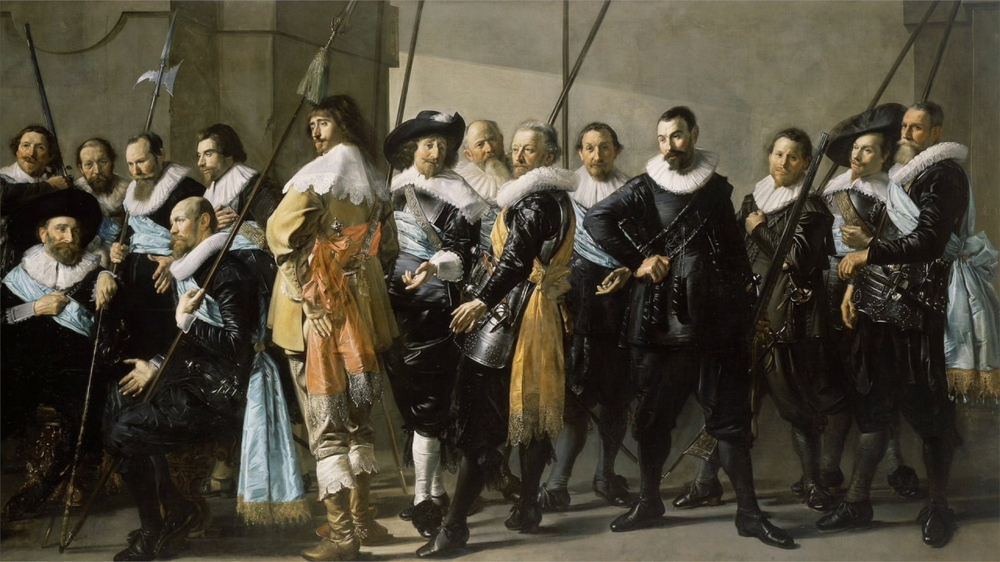
The Eighty Years' War commenced as Habsburg Spain and the Dutch Republic entered a prolonged conflict. The Dutch people sought to break free from the oppressive rule of the Spanish Crown due to religious and economic disparities. Tensions had been escalating for years, with the Dutch growing increasingly resentful of Spanish dominance.
The immediate impact of the war was marked by fierce battles and widespread destruction across the region. The Dutch Republic, despite being outnumbered and outgunned, displayed remarkable resilience and determination. The conflict not only reshaped the political landscape of the Low Countries but also had far-reaching consequences for European geopolitics.
The Dutch Republic's eventual triumph over Habsburg Spain marked a critical turning point in European history. It paved the way for the rise of the Dutch Golden Age and the emergence of the Netherlands as a major maritime and economic power. The war also solidified the principles of religious tolerance and self-determination in the region, setting an example for the rest of Europe to follow.
The Eighty Years' War laid the foundation for the modern-day nation of Belgium, as it played a crucial role in shaping its cultural, political, and economic identity. The conflict remains a key moment in Belgian history, symbolizing the enduring spirit of resistance and independence that defines the nation to this day.
#EightyYearsWar #HabsburgSpain #DutchRepublic #BelgianHistory #Independence #EuropeanGeopolitics
View details1555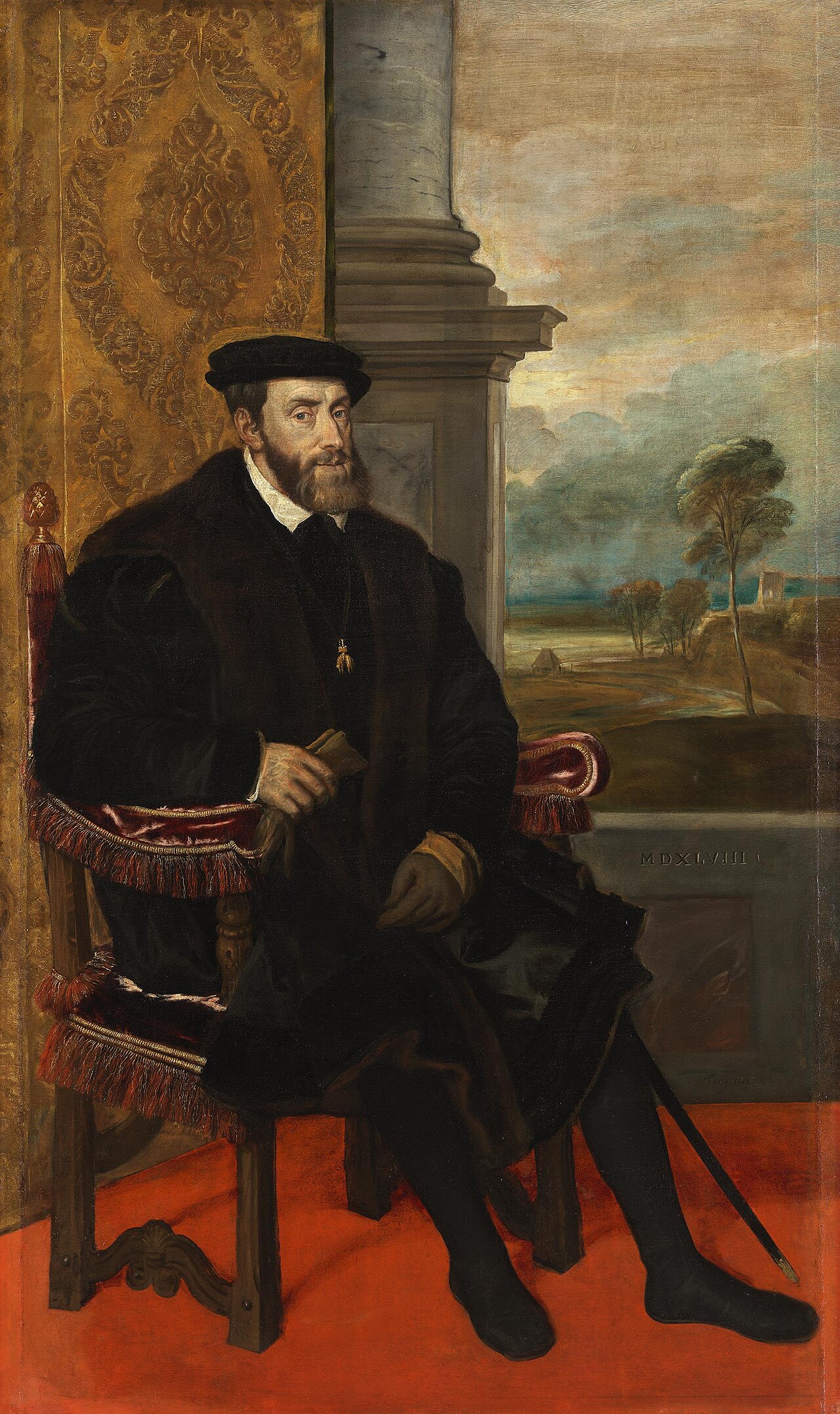
The Abdication of Holy Roman Emperor Charles V in favor of his son Philip II of Spain marked a pivotal moment in European history. Charles V, one of the most powerful rulers of his time, inherited a vast empire encompassing territories in Europe, the Americas, and beyond. Faced with challenges such as religious conflicts and administrative burdens, Charles V decided to step down and retire to a monastery.
Charles V abdicated the throne in a grand ceremony in Brussels, Belgium, where he handed over his titles and responsibilities to his son, Philip II. This peaceful transfer of power ensured stability within the empire and secured a smooth transition of leadership. The event symbolized the shift from the Renaissance to the Reformation era, as Charles V had been a key figure in combating the spread of Protestantism in his realms.
Philip II of Spain, who succeeded his father, inherited a vast and diverse empire that posed numerous political and religious challenges. Under Philip II's rule, the Spanish Empire reached its zenith but also faced economic decline and military setbacks. The abdication of Charles V set the stage for Philip II's reign, which would be characterized by conflicts such as the Eighty Years' War and the Anglo-Spanish War.
Overall, the abdication of Charles V in favor of Philip II had far-reaching consequences for Europe and its colonies. It reflected the complexities of imperial governance and the shifting religious landscape of the time. The event in Brussels remains a significant historical milestone that shaped the course of European history for years to come.
#AbdicationofCharlesV #PhilipIIofSpain #EuropeanHistory #Belgium #ImperialSuccession #ReligiousConflicts
View details1549
In the year 1549, Jews faced expulsion from Ghent, Belgium. This event was rooted in the anti-Semitic sentiments prevalent in Europe during the time. The Jewish community in Ghent, like in many other parts of Europe, faced discrimination and persecution.
The expulsions were part of a larger pattern of persecution against Jews in various European cities, driven by religious prejudices and economic rivalries. Jews were often used as scapegoats for societal issues and were subjected to frequent discrimination. In Ghent, these sentiments culminated in the expulsion of the Jewish population from the city.
The expulsion of Jews from Ghent had a significant impact on the Jewish community, forcing them to leave behind their homes and livelihoods. Many were left displaced and vulnerable, with nowhere to go. This event reflects a darker period in history when intolerance and discrimination were rampant.
The expulsion of Jews from Ghent serves as a reminder of the long history of anti-Semitism in Europe and the challenges faced by Jewish communities in the region. It underscores the importance of understanding and confronting intolerance and discrimination in all its forms.
#Expulsion #AntiSemitism #Discrimination #Europe #History
View details1457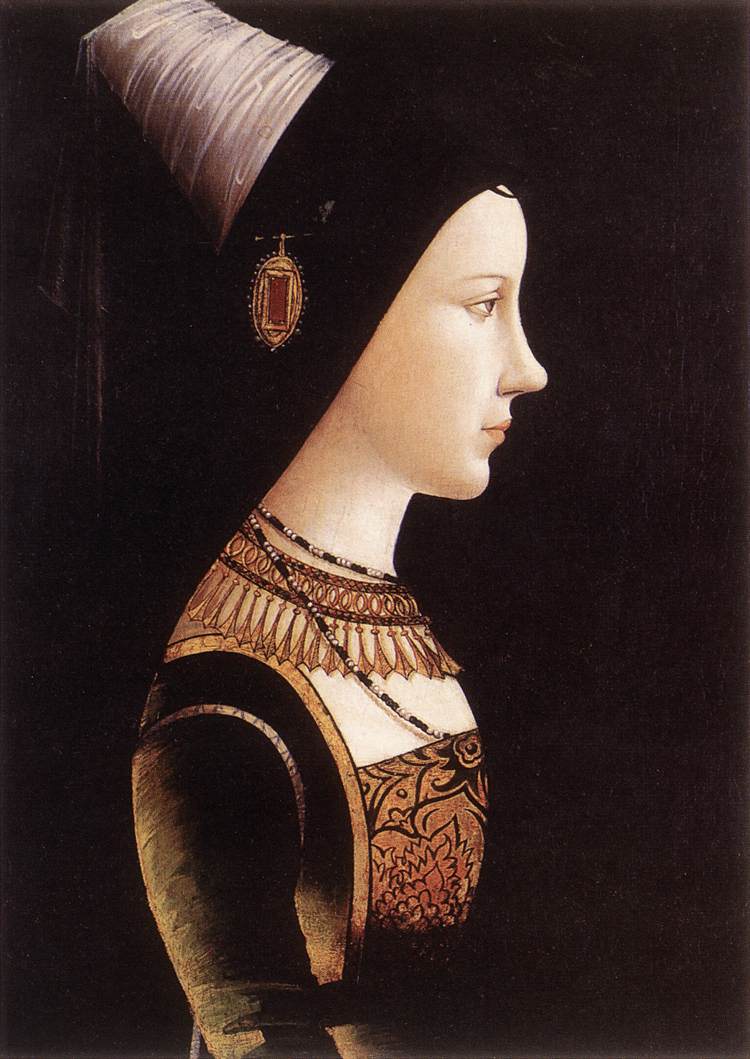
Mary of Burgundy was born as the only child of Charles the Bold, Duke of Burgundy, and Isabella of Bourbon. Her birth was met with great excitement as she was set to inherit the Burgundian Netherlands, a wealthy and influential territory in Europe. Maria's position as heiress made her a valuable political pawn, sparking interest from neighboring kingdoms seeking to solidify alliances through marriage.
Maria's upbringing was carefully orchestrated to prepare her for her future role as ruler. She received a comprehensive education, learning multiple languages and studying the arts and sciences. Despite her young age, she displayed intelligence and maturity beyond her years.
As Maria grew older, suitors vied for her hand in marriage, eager to claim the wealth and power that came with her inheritance. Eventually, she married Maximilian of Austria, further solidifying the Habsburg dynasty's influence in the region.
Maria's reign was marked by internal strife and external threats, as rival factions sought to control her territories. Tragically, her life was cut short at a young age, leaving her young son Philip the Fair as her heir. Maria's legacy lived on through her descendants, who would go on to shape the course of European history.
The birth of Maria of Burgundy marked a turning point in the history of the Burgundian Netherlands. Her inheritance set off a series of power struggles and alliances that would shape the political landscape of Europe for years to come. Her legacy as a powerful female ruler continues to be remembered and celebrated today.
#MariaOfBurgundy #BurgundianNetherlands #Heiress #Belgium #HabsburgDynasty #EuropeanHistory.
View details1435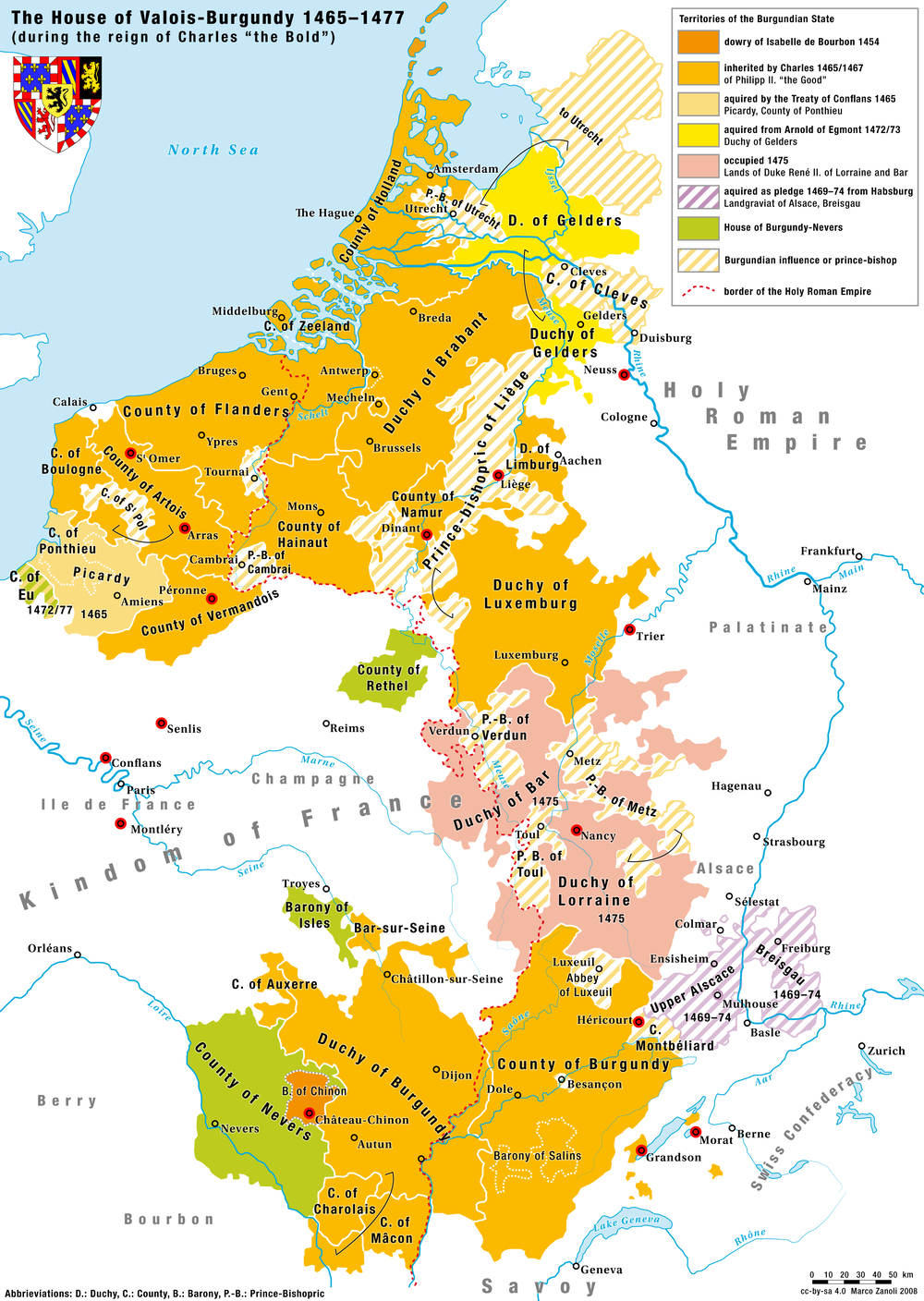
The Treaty of Arras between Louis XI of France and Philip the Good of Burgundy marked a significant diplomatic agreement in the history of Belgium. It aimed to resolve the ongoing conflict between the Valois monarchy of France and the powerful Duchy of Burgundy. The strained relations between the two parties were a result of territorial disputes and power struggles in the region.
Philip the Good, known for his political acumen, sought to secure Burgundian interests through negotiations with the French crown. Louis XI, on the other hand, faced internal challenges within France and saw an opportunity for a strategic alliance with Burgundy. The Treaty of Arras solidified their reconciliation, with Philip agreeing to support Louis against rebellious factions in exchange for territorial concessions.
The treaty also emphasized the importance of maintaining peace and stability in the region, as both parties recognized the benefits of cooperation over conflict. This agreement marked a turning point in Franco-Burgundian relations, setting the stage for a period of relative peace and cooperation between the two powers.
The Treaty of Arras had a lasting impact on the political landscape of Belgium, shaping alliances and power dynamics for years to come. It not only secured Burgundian interests but also paved the way for closer ties between Burgundy and France. The diplomatic skills of Philip the Good and Louis XI were instrumental in achieving a mutually beneficial agreement that helped to maintain peace in the region.
#TreatyofArras #LouisXI #PhiliptheGood #Burgundy #France #Belgium #Diplomacy #HistoricAgreement
View details1425
In the 15th century, the University of Leuven was established in Belgium, quickly becoming a renowned center for learning and research. Originally founded by Pope Martin V, the university grew in prominence due to its focus on theology, philosophy, law, and medicine.
The University of Leuven attracted scholars and students from all over Europe, contributing to a diverse academic environment. Its emphasis on humanism and innovative teaching methods helped shape future generations of thinkers and leaders. The university's library became one of the most significant in Europe, housing rare manuscripts and valuable texts.
Over the centuries, the University of Leuven evolved with the changing academic landscape, continuously adapting to new fields of study and research. Its commitment to excellence in education led to numerous groundbreaking discoveries and developments in various disciplines.
The establishment of the University of Leuven had a lasting impact on academia and intellectual thought. Its legacy can be seen in the numerous influential figures who studied or taught at the university, as well as in the ongoing reputation of Leuven as a center of innovation and knowledge.
Today, the University of Leuven continues to uphold its tradition of excellence in education and research, attracting students and scholars from around the world. With a rich history spanning centuries, the university remains a key player in the global academic community.
#UniversityofLeuven #CenterforLearning #Research #Belgium #AcademicExcellence
View details1419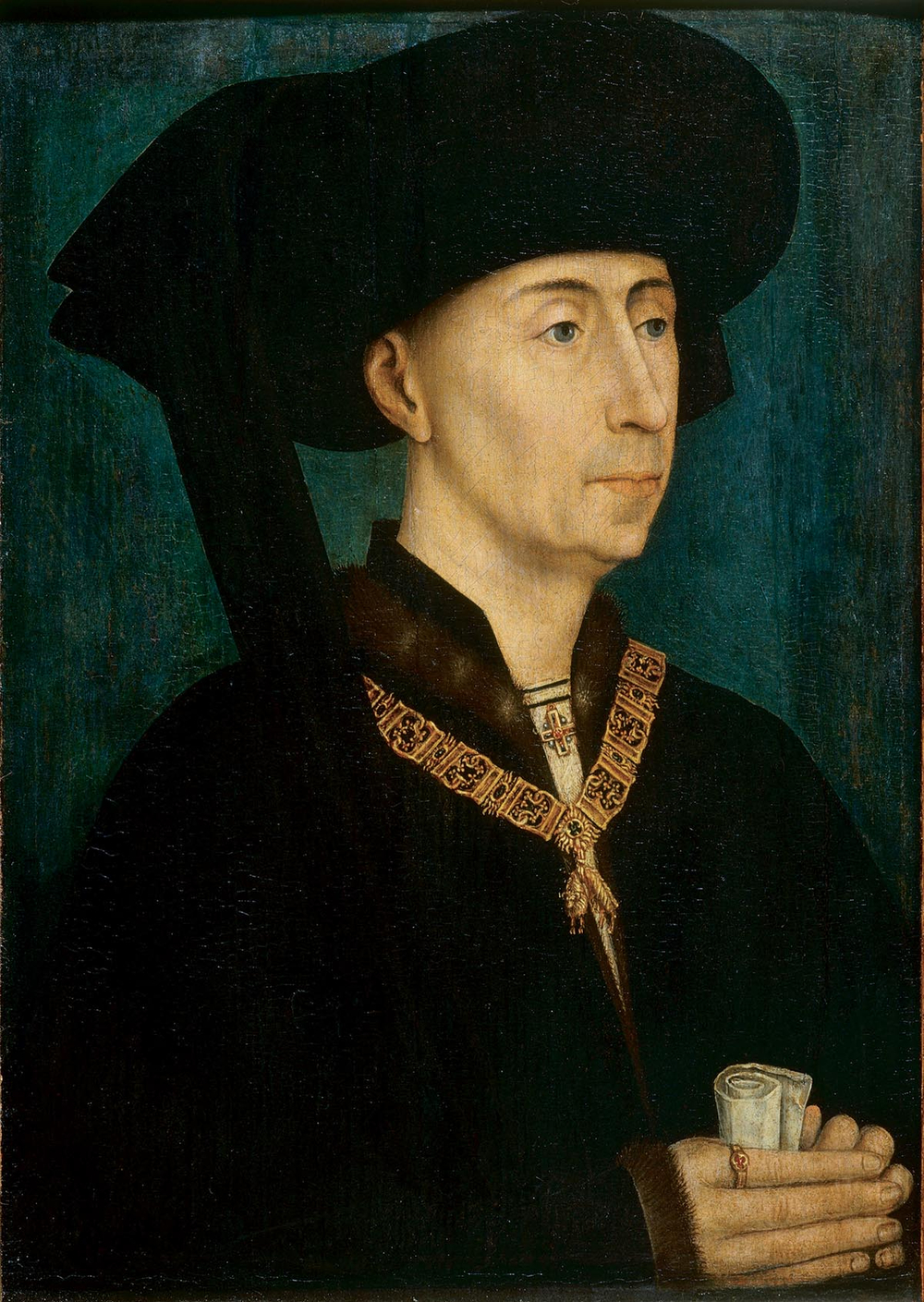
In 1419, Philip the Good ascended to the position of Duke of Burgundy, a significant moment in the history of Belgium. Philip inherited the title from his father, John the Fearless, who was assassinated in 1419. As the new ruler, Philip the Good was determined, ambitious, and skilled in political maneuvering.
Philip the Good's rule marked a period of great prosperity and expansion for Burgundy. He was known for his diplomatic skills in forming alliances and expanding Burgundian territories through strategic marriages and conquests. Philip strengthened his power by centralizing the government, modernizing the military, and fostering economic growth through efficient administration and trade policies.
Under Philip's reign, the Duchy of Burgundy became a major political and cultural center in Europe. He was a patron of the arts, supporting renowned artists such as Jan van Eyck and leading scholars of the time. Philip's court in Burgundy became a hub of innovation and cultural exchange, attracting intellectuals, artists, and merchants from across the continent.
Philip the Good's rule had a lasting impact on the history of Belgium and the wider European region. His policies laid the foundation for the future prosperity of Burgundy and established its position as a key player in European politics. The stability and prosperity of Burgundy under Philip's rule attracted skilled workers and merchants to the region, contributing to its economic development and cultural richness.
The legacy of Philip the Good as Duke of Burgundy is still visible in modern-day Belgium, with many architectural marvels and cultural treasures from his time well-preserved. His shrewd political strategies and patronage of the arts continue to inspire admiration and study.
#PhiliptheGood #DukeofBurgundy #BelgiumHistory #MedievalEurope
View details1369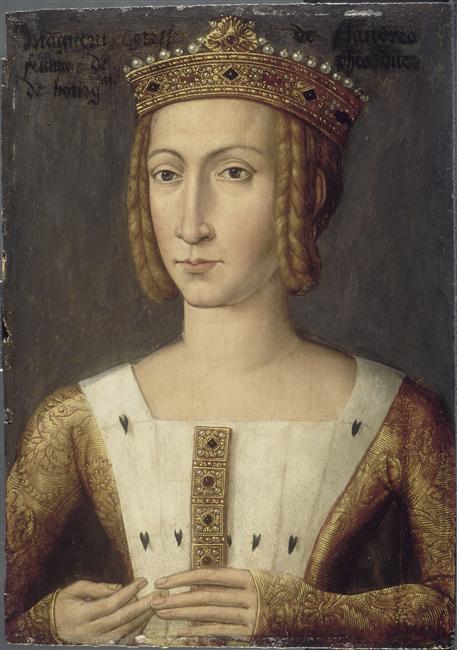
The marriage of Margaret III of Flanders and Philip the Bold, Duke of Burgundy, was a pivotal union that reshaped the political landscape of Europe during the late 14th century. Margaret, the heiress of Flanders, Artois, and Burgundy, brought vast territories and considerable wealth to the marriage, consolidating power in the hands of Philip and his descendants.
The union between Margaret and Philip solidified an alliance between Flanders and Burgundy, strengthening their position in the ongoing conflicts and power struggles in the region. It also laid the foundation for the rise of the powerful Burgundian branch of the Valois dynasty, which would play a significant role in European politics for centuries to come.
As Duke of Burgundy, Philip was able to expand his influence and territories through his marriage to Margaret, ultimately creating a formidable and wealthy duchy that would rival the power of the French monarchy. The marriage also brought stability to the region, as it united two powerful and influential noble houses in a strategic alliance.
The wedding ceremony itself was a grand affair, attended by nobles and dignitaries from across Europe, showcasing the wealth and prestige of the bride and groom. The festivities lasted for days, with feasting, jousting tournaments, and displays of wealth and power that solidified the couple's status as one of the most prominent in Europe.
Overall, the marriage of Margaret III of Flanders and Philip the Bold was a transformative event that reshaped the political landscape of Europe, laying the groundwork for the rise of the powerful Burgundian dynasty and cementing the alliance between Flanders and Burgundy for generations to come.
#MargaretIII #PhiliptheBold #Burgundy #Flanders #EuropeanPolitics
View details1350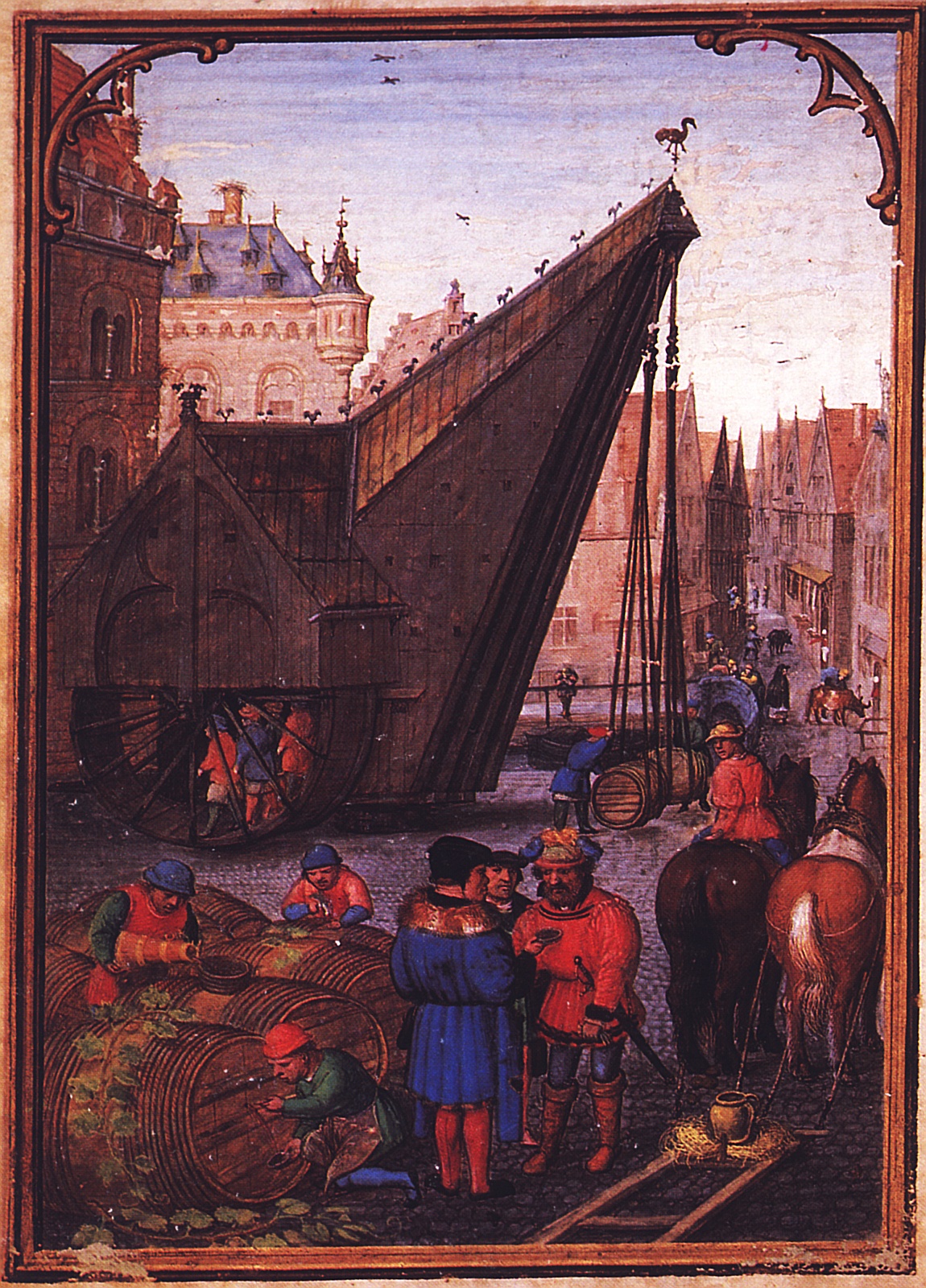
In 1350, Bruges in Belgium emerged as a prominent commercial hub in Europe. This transformation was catalyzed by its strategic location, connecting trade routes from Northern Europe to the Mediterranean. The city's access to the North Sea also facilitated maritime trade activities.
As Bruges flourished, it attracted merchants and traders from across the continent, fostering a cosmopolitan environment. The city became known for its bustling markets, where goods such as wool, textiles, and spices were exchanged. The presence of wealthy merchants led to the growth of banking and financial services in Bruges, further enhancing its commercial stature.
The rise of Bruges as a commercial center had a significant impact on the European economy. The city played a crucial role in the trade networks of the time, facilitating the exchange of goods between regions and contributing to the overall prosperity of Europe. Its success also spurred innovation in trade and finance, setting precedents for future commercial practices.
Bruges' commercial ascendance was not without challenges. Competition from other cities and the shifting dynamics of European trade posed threats to its position. However, the city's resilience and adaptability allowed it to maintain its status as a leading commercial city well into the future.
Today, the legacy of Bruges as a key commercial center in Europe is evident in its well-preserved medieval architecture and vibrant markets. The city continues to attract visitors from around the world, drawn to its rich history and cultural heritage.
#BrugesCommercialHub #EuropeanTrade #MedievalEconomy #BelgiumCities
View details1346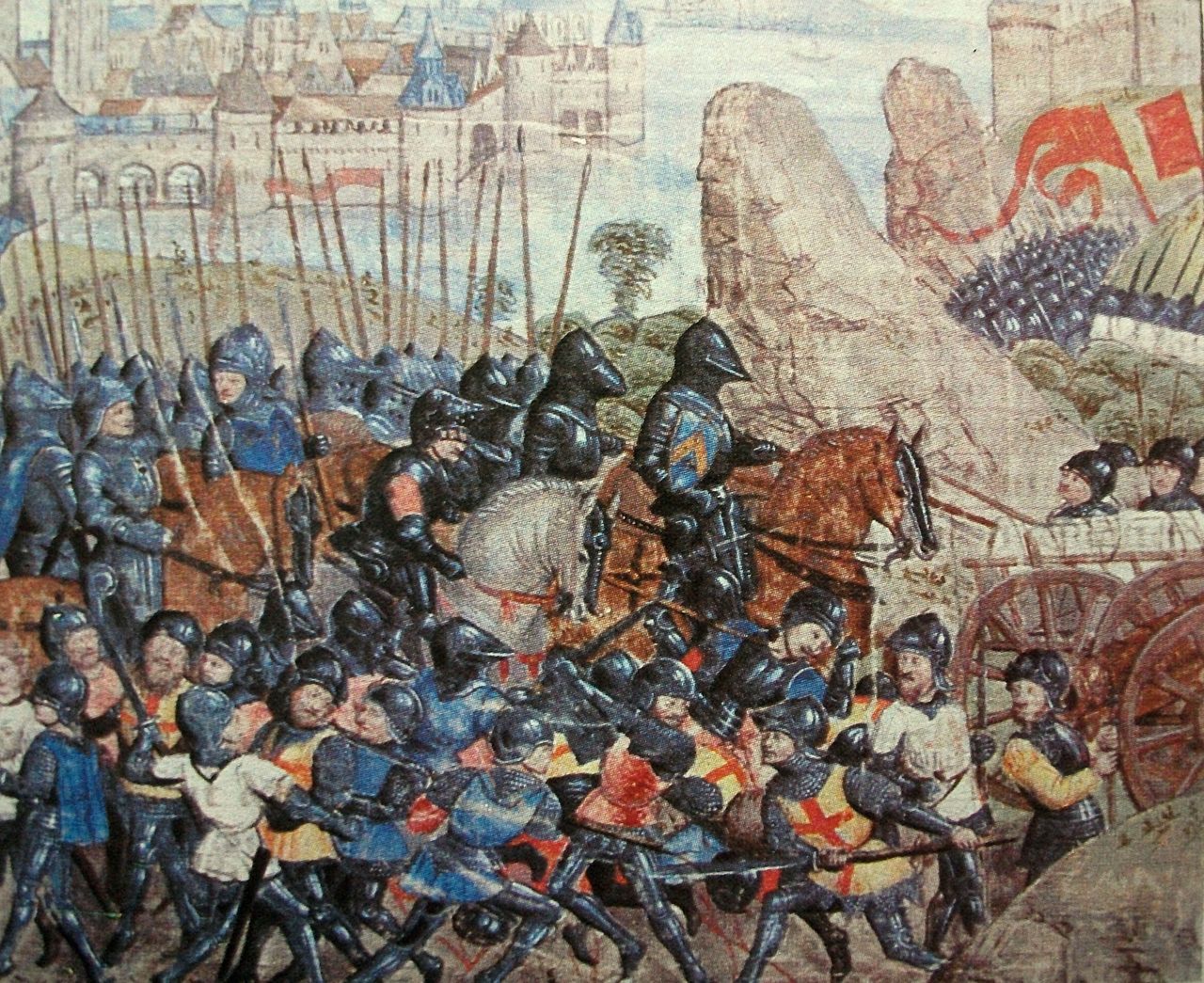
During the Hundred Years' War, the Siege of Calais took place. This event involved a prolonged military blockade of the city by the English forces, led by King Edward III. Calais was a strategic port city in the northernmost part of France, making it a valuable asset for controlling trade routes and military movements.
The siege began after the English army defeated the French at the Battle of Crécy. Edward III sought to capture Calais to secure a foothold in France and assert English dominance in the region. The siege lasted for almost a year, with the inhabitants of Calais enduring great hardships, including famine and disease.
Despite the difficult conditions, the defenders of Calais, under the leadership of Jean de Vienne, refused to surrender. The city held out against the English forces, demonstrating their resilience and determination. Eventually, the lack of supplies and the overwhelming strength of the English army forced the French to consider surrender.
The terms of surrender were harsh, with Edward III demanding the surrender of six prominent citizens of Calais, who were to be handed over for execution. However, Queen Philippa of England interceded on their behalf, persuading Edward III to spare their lives. This act of mercy has since become a symbol of courage and self-sacrifice.
The Siege of Calais had a significant impact on the course of the Hundred Years' War. It highlighted the brutality of medieval warfare and the suffering endured by civilians caught in the midst of conflict. The event also demonstrated the importance of strategic strongholds in controlling territory and influencing the outcome of battles.
Overall, the Siege of Calais was a defining moment in the history of the Hundred Years' War, showcasing the resilience of the defenders and the complexities of medieval warfare. It remains a symbol of courage, sacrifice, and the high cost of conflict. #SiegeofCalais #HundredYearsWar #MedievalHistory #MilitaryHistory
View details1304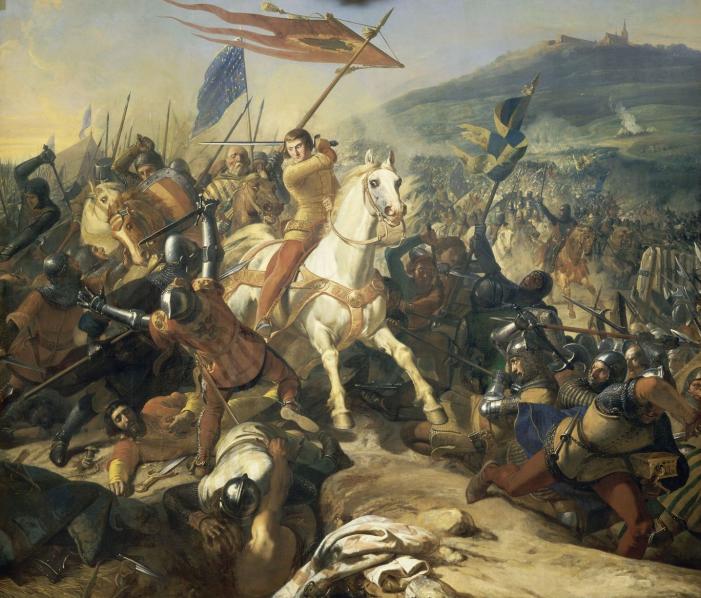
The Battle of Mons-en-Pévèle was a pivotal conflict during the Franco-Flemish War. It took place near the town of Mons-en-Pévèle in present-day Belgium. The war was fought between the French royal forces, led by Philip IV, and the Flemish rebels, led by Guy of Dampierre.
Tensions between the French crown and the wealthy Flemish cities had been escalating for years due to economic grievances and political disputes. The Flemish rebels sought greater autonomy and rights, leading to a series of clashes with the French monarchy. The Battle of Mons-en-Pévèle marked a significant turning point in the conflict.
Despite being outnumbered, the Flemish rebels managed to secure a strategic advantage by positioning themselves effectively on the battlefield. The French cavalry, considered one of the best in Europe at the time, faced fierce resistance from the Flemish infantry. The well-coordinated tactics of the rebels and their determination to defend their land played a crucial role in the outcome of the battle.
The French suffered heavy losses during the intense fighting, forcing Philip IV to eventually retreat and negotiate a truce with the Flemish rebels. The Battle of Mons-en-Pévèle demonstrated the resilience and military prowess of the Flemish forces, challenging the dominance of the French monarchy in the region.
This historic battle has since been commemorated in literature and folklore as a symbol of Flemish resistance against external aggression. The legacy of the conflict continues to influence regional identity and pride in Belgium.
#FrancoFlemishWar #FlemishRebels #BattleofMonsenPévèle #BelgiumHitory
View details1302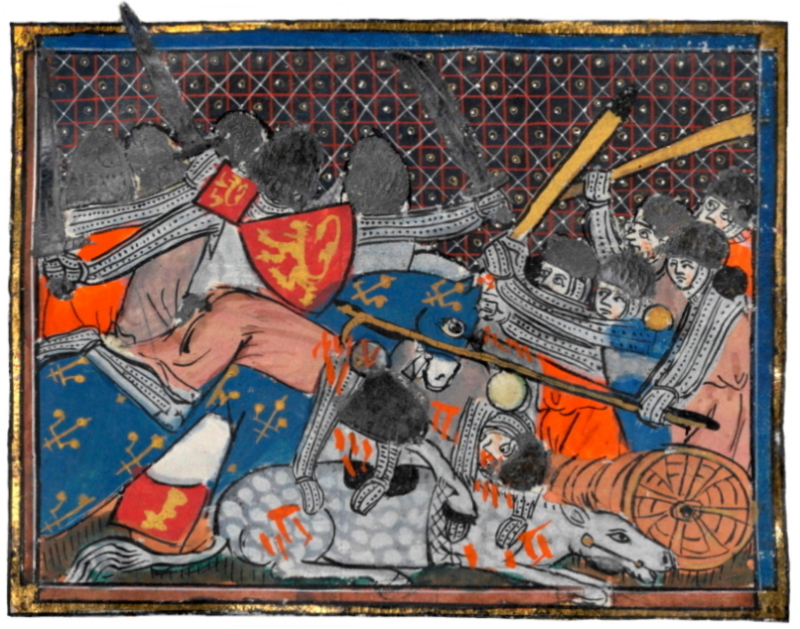
In the medieval history of Belgium, the Battle of the Golden Spurs was a significant confrontation between French forces and Flemish militias. The conflict arose due to political tensions and attempts by the French to assert control over the prosperous Flemish region.
The battle unfolded near the town of Kortrijk, as the outnumbered Flemish fighters strategically positioned themselves on advantageous terrain against the heavily armored French cavalry. The Flemish forces consisted largely of infantry and peasant militia, while the French army comprised of knights and men-at-arms.
Despite being outnumbered and lacking in traditional military training, the Flemish fighters displayed remarkable resilience and determination in the face of the French onslaught. Using tactics that took advantage of the marshy terrain, the Flemish managed to encircle and defeat the French forces.
The outcome of the Battle of the Golden Spurs was a decisive victory for the Flemish militias, resulting in heavy losses for the French army. This unexpected defeat dealt a significant blow to French ambitions in the region and bolstered Flemish autonomy.
The Battle of the Golden Spurs is commemorated in Belgium as a symbol of Flemish national identity and resistance against external domination. The event has come to represent the enduring spirit of independence and defiance in the face of adversity.
#BattleOfTheGoldenSpurs #FlemishIndependence #MedievalHistory
#Belgium #Kortrijk #FrenchConquest
View detailsThe Bruges Matins was a pivotal event that unfolded in the city of Bruges, Belgium. The unrest stemmed from tensions between the local population and their French overlords. The French had imposed heavy taxes and asserted their authority over the Flemish territories, causing resentment among the Flemish people. The breaking point came when a French garrison in Bruges insulted and assaulted the local women.
Incited by this provocation, the Flemish rose up in a spontaneous uprising. On that fateful day, the church bells rang out, signaling to the citizens to take up arms against the French oppressors. The rebellion quickly spread throughout the city, with the Flemish attacking and expelling the French forces from Bruges. The Bruges Matins marked the beginning of a wider Flemish uprising against French rule in the region.
The repercussions of the Bruges Matins were significant. The Flemish victory in Bruges inspired other towns in Flanders to revolt against their French rulers. This event ultimately led to the famous Battle of the Golden Spurs, where the Flemish rebels achieved a resounding victory over the French army. The outcome of these events reshaped the political landscape of the region, weakening French control and bolstering the autonomy of Flanders.
The Bruges Matins serves as a symbol of Flemish resistance against foreign oppression and as a testament to the power of popular uprisings in shaping history. It underscores the enduring spirit of independence and defiance among the Flemish people. Today, the Bruges Matins remains a cherished moment in Belgium's history, highlighting the importance of unity and perseverance in the face of adversity.
#BrugesMatins #FlemishUprising #FrenchOppression #BelgiumHistory
View details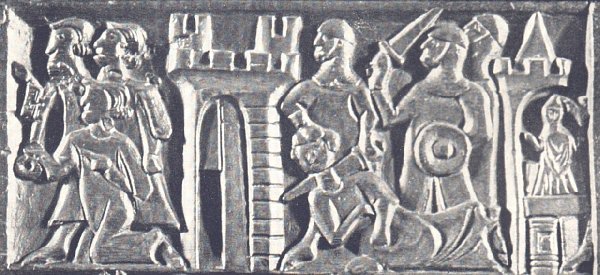
1242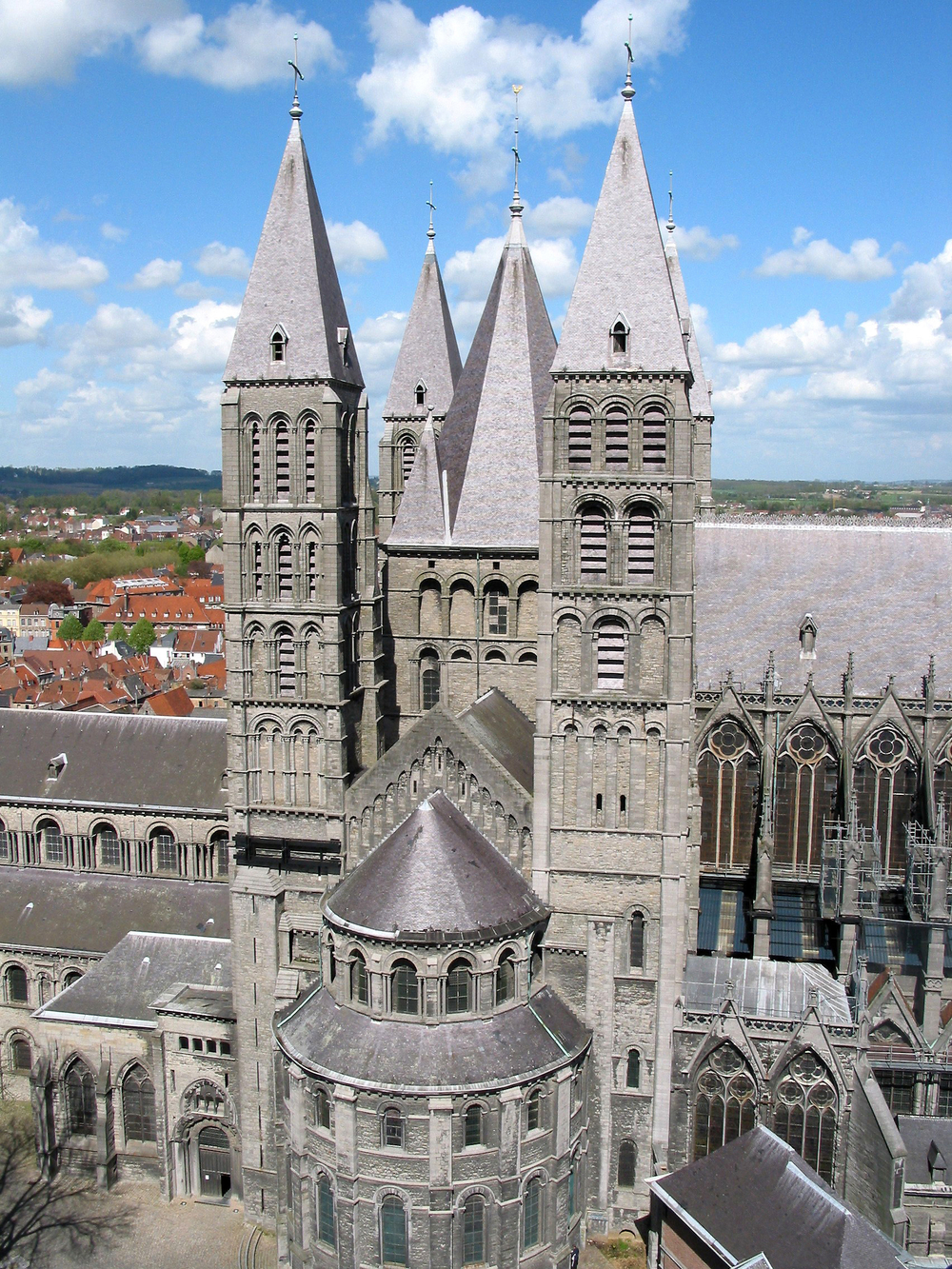
In 1242, the construction of the Cathedral of Our Lady in Tournai officially began. The cathedral was initiated in the Romanesque style but later transitioned into the Gothic architectural style, showcasing a blend of both styles throughout its structure. Tournai, located in present-day Belgium, was a significant religious and cultural center during the Middle Ages, and the construction of the cathedral reinforced its importance.
The Cathedral of Our Lady in Tournai was designed to be a grand religious edifice, reflecting the power and influence of the Catholic Church in the region. The cathedral's construction drew skilled artisans and craftsmen from across Europe, contributing to the exchange of architectural techniques and styles in the region. The intricate carvings, imposing spires, and vast stained glass windows of the cathedral served as a testament to the wealth and devotion of the city's inhabitants.
As the construction of the Cathedral of Our Lady progressed, it became a focal point for religious ceremonies, community gatherings, and artistic expression. The cathedral's completion would take several decades, with various architects and builders leaving their mark on the structure. Upon its completion, the Cathedral of Our Lady in Tournai stood as a remarkable example of Gothic architecture in the region, attracting pilgrims, tourists, and scholars alike.
Today, the Cathedral of Our Lady in Tournai continues to be a prominent landmark in the city, drawing visitors from around the world to marvel at its architectural splendor and rich history. The cathedral stands as a symbol of the enduring legacy of religious devotion, artistic craftsmanship, and cultural exchange that characterized the Middle Ages in Belgium. #CathedralOfOurLady #Tournai #GothicArchitecture #BelgiumHistoricalSite
View details1183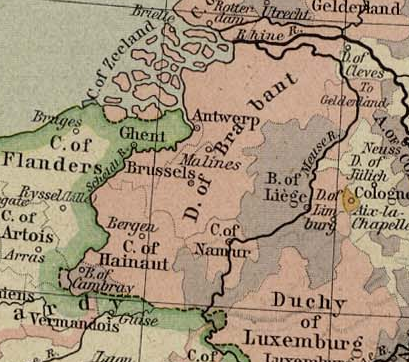
In the 12th century, the Duchy of Brabant was established, consolidating various territories under one ruler. This unification greatly enhanced the region's political stability and economic prosperity. The Duchy played a crucial role in the development of the Low Countries during the Middle Ages.
The leaders of the Duchy of Brabant were powerful, exerting influence over trade routes and fostering a flourishing market economy. The strategic location of Brabant allowed for increased trade with neighboring regions, further boosting its wealth and importance.
The establishment of the Duchy of Brabant solidified the region's identity and autonomy, laying the foundation for future growth and cultural development. It became a center of art, architecture, and education, attracting scholars and artists from far and wide.
The Duchy of Brabant's influence extended beyond its borders, shaping the political landscape of the Low Countries and playing a significant role in European affairs. It formed alliances, engaged in conflicts, and participated in crucial diplomatic negotiations, leaving a lasting impact on the region's history.
To this day, the legacy of the Duchy of Brabant endures in the modern-day region of Belgium. Its rich history and cultural heritage continue to be celebrated and preserved by the people, contributing to Belgium's diverse and vibrant identity.
#DuchyOfBrabant #BelgiumHistory #EconomicProsperity #CulturalDevelopment
View details1180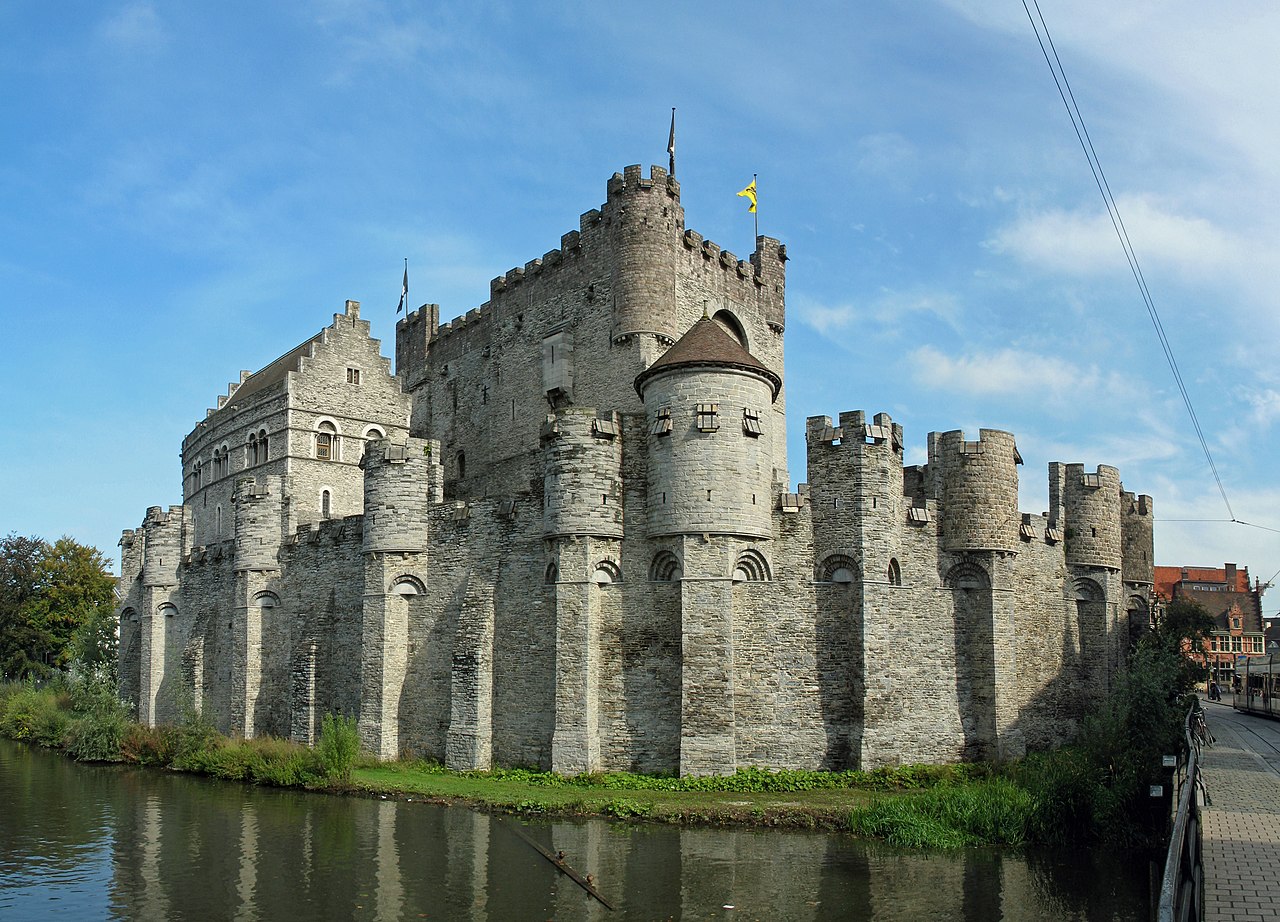
Philip of Alsace, the Count of Flanders, embarked on the construction of the imposing Gravensteen Castle in Ghent. The castle served as a symbol of his power and authority over the region. Positioned strategically along the River Lys, it facilitated control over trade routes and provided a stronghold in times of unrest. The fortress, with its massive walls and defensive towers, was a statement of feudal dominance.
The construction of the Gravensteen Castle had a significant impact on the surrounding area. It led to the growth and development of Ghent as a thriving center of commerce and politics. The presence of the castle attracted settlers and tradesmen, contributing to the city's prosperity. The imposing structure also served as a deterrent to potential aggressors, enhancing security and stability in the region.
Over the centuries, the castle witnessed various events, including being used as a courthouse and a prison. Despite periods of neglect, it was eventually restored to its former grandeur in the 19th century and stands as a testament to medieval architecture and engineering.
The Gravensteen Castle continues to attract visitors from around the world, offering a glimpse into the history and heritage of Belgium. Its well-preserved structure and fascinating exhibits provide insights into life during the Middle Ages. The castle's eerie dungeons and imposing battlements evoke a sense of awe and intrigue, making it a popular destination for history enthusiasts and tourists alike.
#GravensteenCastle #PhilipofAlsace #MedievalArchitecture #Ghent #BelgiumHeritage
View details1071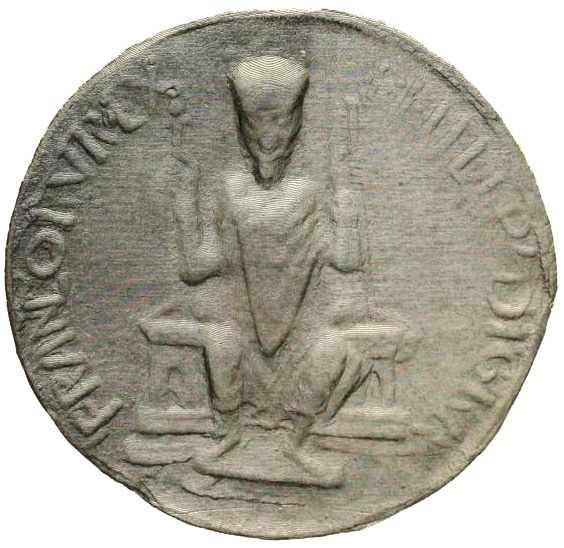
The Battle of Cassel was a pivotal conflict between the forces of the French king, Philip I, and a coalition of Flemish and Norman rebels led by Robert the Frisian. The backdrop of the battle was a power struggle between the French monarchy and the ambitious vassals in the region, seeking to assert their autonomy.
The clash took place near the town of Cassel in present-day Belgium, where both sides engaged in fierce combat for control over the territory. The strength of the rebellious alliance, comprising seasoned warriors and a disciplined army, posed a significant challenge to the royal forces. The conflict escalated as the battle raged on, resulting in heavy casualties on both sides.
Ultimately, the Battle of Cassel culminated in a decisive victory for Robert the Frisian and his coalition, who successfully repelled the French king's advances. The defeat dealt a blow to Philip I's authority in the region, weakening his grip on the rebellious territories. The outcome of the battle reshaped the political landscape, setting the stage for continued power struggles and conflicts in the region.
The Battle of Cassel stands as a testament to the complex feudal dynamics and shifting allegiances in medieval Europe. It highlights the enduring struggle for power and autonomy among feudal lords and monarchs during that era, shaping the course of history in the region. The legacy of the battle reverberated through the subsequent conflicts and alliances that emerged in the aftermath.
#BattleofCassel #FrenchMonarchy #MedievalEurope #PowerStruggle #PoliticalHistory
View details1057
Frederik van Lotharingen, a notable figure of Belgium, made history by becoming the first Belgium Pope, taking on the name Stephen IX (X). His election marked a significant moment in the Vatican, as it brought a fresh perspective and leadership style to the Papacy. Van Lotharingen's background as a respected clergyman and his diplomatic skills played a crucial role in his ascension to the papal throne.
Being elected as Pope was not only a personal achievement for van Lotharingen but also a momentous occasion for Belgium as a nation. It elevated the country's status on the global stage and showcased the influence of Belgian clergy within the Catholic Church. Van Lotharingen's papacy brought attention to Belgium's rich religious history and the contributions of its people to the church.
Van Lotharingen's tenure as Pope was marked by efforts to promote unity within the church, resolve conflicts, and address key issues facing the clergy and the faithful. His diplomatic approach and commitment to upholding the teachings of the church earned him respect both within the Vatican and among the wider Catholic community.
The election of Frederik van Lotharingen as Pope Stephen IX (X) left a lasting impact on Belgium, solidifying its presence in the highest echelons of the Catholic Church. It served as a testament to the country's deep-rooted religious traditions and the caliber of its clergy. Van Lotharingen's legacy continues to be remembered and celebrated in Belgium and beyond, inspiring future generations of Belgian Catholics to pursue leadership roles within the church.
#BelgiumHistory #PapalElection #CatholicChurch #Diplomacy
View details0862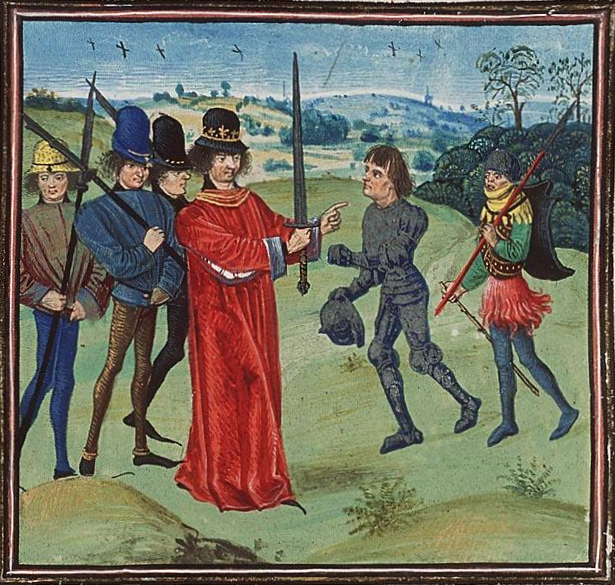
The establishment of the County of Flanders marked a pivotal moment in the history of the region. Situated in present-day Belgium, the County of Flanders emerged as a result of the division of the Carolingian Empire. Baldwin I, a nobleman of Viking origin, became the first Count of Flanders and played a crucial role in consolidating power and expanding the territory.
The strategic location of Flanders, with access to trade routes and the North Sea, allowed the county to flourish economically. The prosperous wool industry fueled the region's growth, leading to the development of vibrant urban centers such as Bruges and Ghent. As Flanders prospered, its influence in the region increased, attracting the attention of neighboring powers.
Over time, the Counts of Flanders became prominent figures in European politics, forming alliances and rivalries with other feudal lords and even royalty. The county's unique position as a cultural crossroads between France, Germany, and England contributed to its rich artistic and architectural heritage, evident in landmarks like the Cloth Hall in Ypres and the Belfry of Bruges.
The formation of the County of Flanders had a lasting impact on the region, shaping its political, economic, and cultural landscape for centuries to come. The Counts of Flanders wielded considerable power and influence, playing a role in the tumultuous events of the Middle Ages, including the Crusades and conflicts with the French monarchy.
Today, the legacy of the County of Flanders endures in the distinct identity of the Flemish people and their contribution to the tapestry of Belgian culture. The region's medieval past continues to be celebrated through festivals, traditions, and architectural treasures, attracting visitors from around the world.
#CountyOfFlanders #BelgianHistory #MedievalEurope #CulturalHeritage
View details0843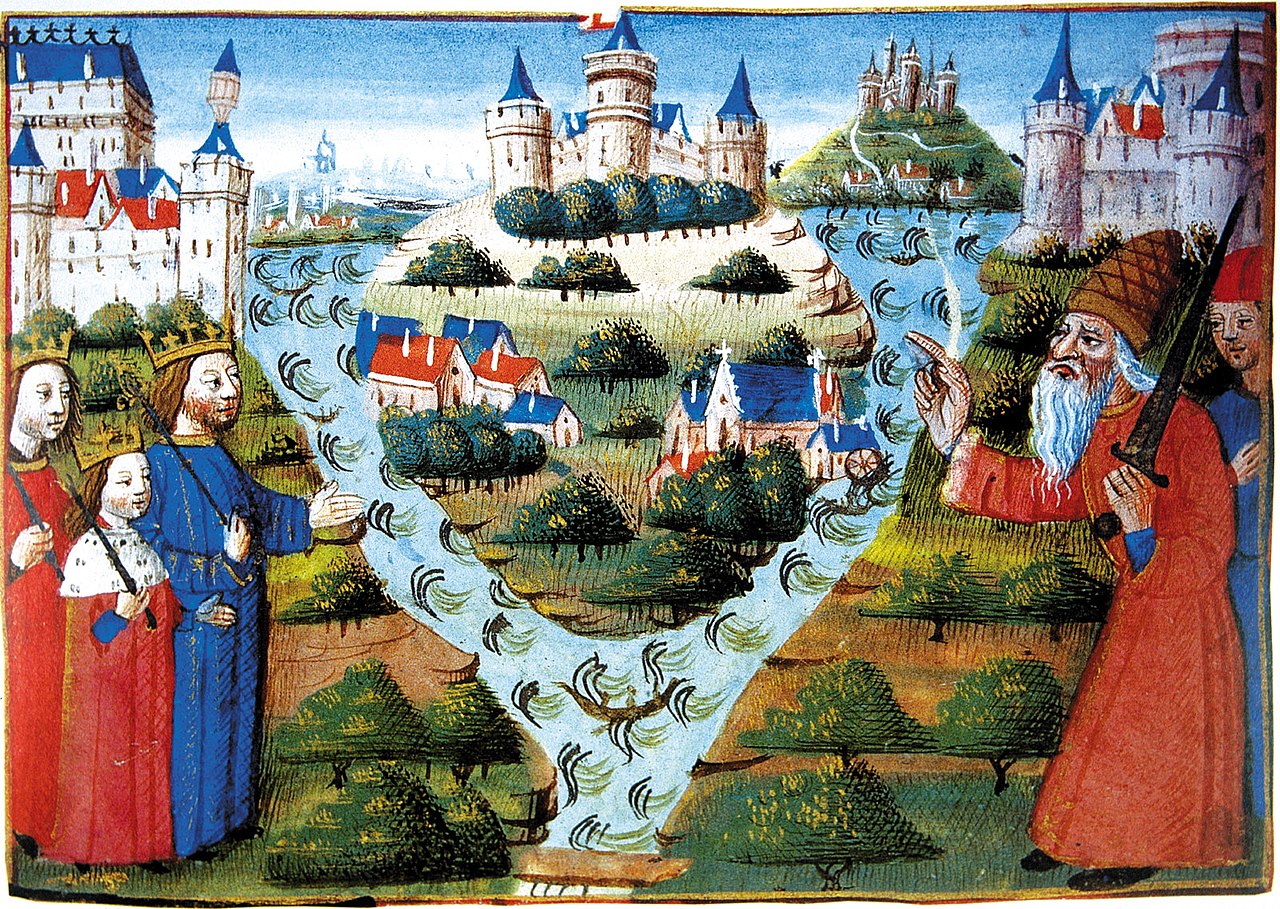
In the aftermath of a turbulent period following the death of Emperor Charlemagne, the Treaty of Verdun emerged as a pivotal agreement in the shaping of Europe’s political landscape. The treaty saw the division of the vast Carolingian Empire among Charlemagne’s grandsons, resulting in the establishment of distinct realms. One of these territories, known as the Kingdom of Lotharingia, encompassed regions that would later form part of present-day Belgium.
The division of the Carolingian Empire through the Treaty of Verdun laid the foundation for the emergence of the Kingdom of Lotharingia, an area that covered a significant portion of modern Belgium. The political ramifications of this division were far-reaching, setting the stage for future power struggles and shaping the identities of the emerging European nations. Belgium, in particular, found itself situated within the boundaries of this new kingdom, marking the beginning of its unique historical trajectory within the region.
The formation of the Kingdom of Lotharingia within the broader context of the Treaty of Verdun underscored the complexities of medieval power dynamics and the challenges of maintaining territorial unity in the wake of a powerful ruler’s passing. The treaty's implications reverberated throughout Europe, influencing alliances, conflicts, and the evolution of distinct political entities.
The Kingdom of Lotharingia, which included territories that would eventually become part of present-day Belgium, thus holds a crucial place in the historical narrative of the region. The events surrounding the Treaty of Verdun created a legacy that would shape the geopolitical realities of Europe for centuries to come, leaving an indelible mark on the history of Belgium and its neighboring lands.
#TreatyofVerdun #KingdomofLotharingia #BelgiumHistory
View details0486
The Battle of Soissons took place between the Romans and the Franks. The Frankish leader, Clovis I, aimed to expand his kingdom and assert his dominance. The Romans, commanded by Syagrius, sought to maintain control of their territory in present-day Belgium.
The Roman army was well-trained and organized, but faced a fierce Frankish force known for their skilled cavalry. Despite putting up a valiant fight, the Romans were eventually defeated by the Franks. Syagrius fled the battlefield but was captured and later executed.
The outcome of the Battle of Soissons marked a significant turning point in the region's history. The victory solidified Clovis I's power and established the Merovingian Kingdom as a dominant force in the area. This conquest laid the foundation for the eventual unification of the Frankish territories and the establishment of the Kingdom of Belgium.
The defeat of the Romans by the Franks also symbolized the decline of the Western Roman Empire and the emergence of new powers in Europe. It marked the beginning of the Franks' rise to prominence and their eventual conversion to Christianity under Clovis I.
The Battle of Soissons is a reminder of the tumultuous and ever-changing political landscape of early medieval Europe. It underscores the constant struggle for power and control among different factions vying for dominance in the region.
#BattleOfSoissons #RomanEmpire #FrankishKingdom #ClovisI #MerovingianDynasty #MedievalEurope #BelgiumHistory
View details