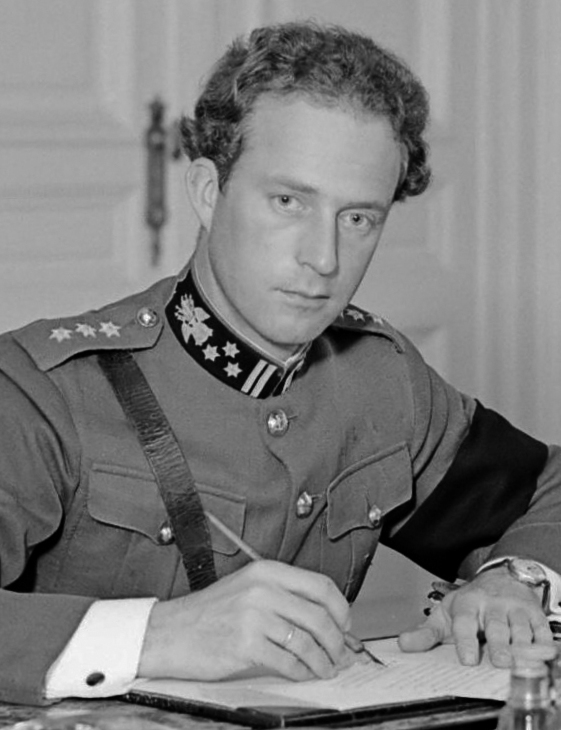
King Leopold III surrenders to Germany
Belgium

War
4 min read
Updated By: History Editorial Network (HEN)
Published:
In May 1940, during World War II, Belgium surrendered to Germany after a swift and intense invasion. King Leopold III, facing overwhelming military forces, made the difficult decision to give himself up to the German forces. The surrender came after weeks of fierce fighting that left much of the country in ruins.
The invasion of Belgium by Nazi Germany was part of the larger Blitzkrieg strategy to quickly defeat and occupy several Western European countries. Despite putting up a brave resistance, the Belgian army was no match for the German military machine, which utilized superior tactics and firepower to swiftly overcome Belgian defenses.
King Leopold III's decision to surrender was met with mixed reactions. Some saw it as a pragmatic move to spare further destruction and loss of life, while others criticized him for capitulating to the enemy. The king was taken as a prisoner of war by the Germans and spent the rest of the war in captivity, a controversial figure in Belgian history.
The surrender of Belgium had far-reaching consequences for the country and its people. Under German occupation, the Belgian population faced hardships, including food shortages, forced labor, and restrictions on their freedom. Resistance movements emerged to oppose the occupiers, leading to a long and difficult period of clandestine warfare and repression.
Despite the surrender, the spirit of resilience and resistance remained strong among many Belgians, laying the groundwork for a unified effort to rebuild and recover after the war. The events of that fateful period continue to be remembered as a testament to the courage and determination of the Belgian people in the face of adversity.
#Belgium #WorldWarII #Surrender #Occupation #KingLeopoldIII #Resistance

Explore the Life Moments of
 AI Twin