
Afghanistan

The Jewel of Central Asia
Related Lives

Sri Lanka
The Pearl of the Indian Ocean

Mystery Films
The Silent Clue

Tonga
Polynesian Gem

Monarchy of the United Kingdom
The enduring legacy of the Royal Family.

Mauritius
Island Rythms

Chile
Land of poets and penguins.

Mexico
The Land of the Maya

Belgium
The Heart of Europe.

1960
In 1960, Afghanistan became a prominent destination on the renowned Hippie Trail, drawing a significant number of European and American travelers seeking adventure and cultural experiences. The rugged terrain, ancient cities, and vibrant bazaars of Afghanistan captured the imaginations of many young people looking to break free from societal norms and explore the mystique of the East.
The impact of this influx of hippie travelers was felt across the country, particularly in cities like Kabul and Herat, where Western cafes, markets selling hippie clothing, and communal living spaces sprang up to cater to the growing demand. This cultural exchange between East and West led to a fusion of ideas, music, and fashion, influencing both the local population and the traveling hippies.
As more and more travelers made their way along the Hippie Trail to Afghanistan, the country's reputation as a bohemian paradise grew, attracting even greater numbers of adventurous souls seeking enlightenment and spiritual growth. The legacy of this period continues to shape perceptions of Afghanistan as a place of unconventional beauty and cross-cultural encounters.
#HippieTrail #CulturalExchange #AfghanistanAdventure
View details1955
During the Cold War, Afghanistan decided to declare its neutrality as a strategic move to ensure its sovereignty and avoid being drawn into the rivalries between the United States and the Soviet Union. This policy of non-alignment was a proactive measure by the Afghan government to maintain independence and promote peace in the region.
The declaration of neutrality by Afghanistan had significant implications for its foreign relations. By staying neutral, the country aimed to strengthen its ties with various nations, avoiding alignment with any particular bloc. This decision allowed Afghanistan to engage in diplomatic relationships with a broader range of countries and pursue its own national interests without being influenced by the superpower rivalry.
This move also helped Afghanistan to navigate the challenging geopolitical landscape of the Cold War era, safeguarding its borders and internal stability. The declaration of neutrality underscored Afghanistan's commitment to charting its own course and maintaining a stance of non-interference in the affairs of other nations.
Overall, Afghanistan's declaration of neutrality during the Cold War was a strategic decision that shaped its foreign policy and enhanced its position on the international stage. It symbolized the country's commitment to sovereignty, diplomacy, and independence in a complex and turbulent global environment. #Afghanistan #Neutrality #ColdWar #Diplomacy
View details1923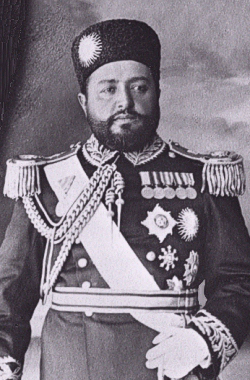
Following years of political turmoil, Habibullah Khan implemented a new constitution in Afghanistan. The constitution aimed to modernize the country by establishing civil rights for its citizens and creating a legislative assembly. This move marked a significant departure from the traditional autocratic rule in the region.
Under the new constitution, Afghan citizens were granted fundamental rights, including freedom of speech, press, and assembly. Additionally, the establishment of a legislative assembly allowed for elected representatives to participate in the governance of the country, providing a platform for diverse voices to be heard.
The introduction of the new constitution by Habibullah Khan had a transformative impact on Afghan society, paving the way for increased political participation and the protection of individual rights. It signified a step towards democratization and modernization in the country, setting a precedent for future reforms.
This pivotal moment in Afghan history underscores the importance of governmental reform and the empowerment of the Afghan people in shaping their own future. Habibullah Khan's decision to implement the constitution was a turning point in the country's political development, laying the groundwork for a more inclusive and representative system of governance.
#Afghanistan #Constitution #CivilRights #LegislativeAssembly #PoliticalReform #Democratization
View details1919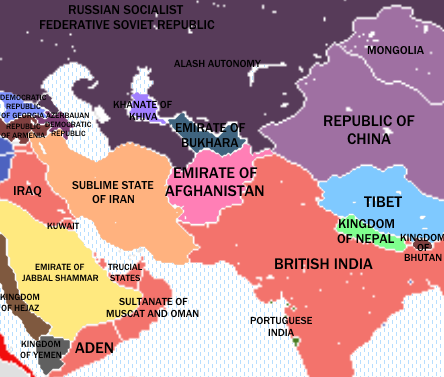
In the historic event of Afghanistan gaining full independence, the Treaty of Rawalpindi was signed, marking the end of British influence in the region. The treaty was a significant milestone in Afghanistan's history, as it solidified the country's sovereignty and allowed it to govern itself without external interference. This independence was a long-awaited achievement for the Afghan people, who had struggled against colonial domination for years.
Following the signing of the Treaty of Rawalpindi, Afghanistan was able to assert its autonomy in both internal and external affairs. The agreement paved the way for the country to chart its own political, economic, and social course, free from foreign control. This newfound independence brought a sense of pride and empowerment to the Afghan nation, fostering a renewed sense of national identity and unity.
The Treaty of Rawalpindi not only reshaped the geopolitical landscape of the region but also served as a symbol of Afghanistan's resilience and determination to safeguard its freedom. It was a testament to the courage and tenacity of the Afghan people in standing up for their rights and securing their independence against all odds.
#AfghanistanIndependence #TreatyofRawalpindi #EndOfBritishInfluence
View details1893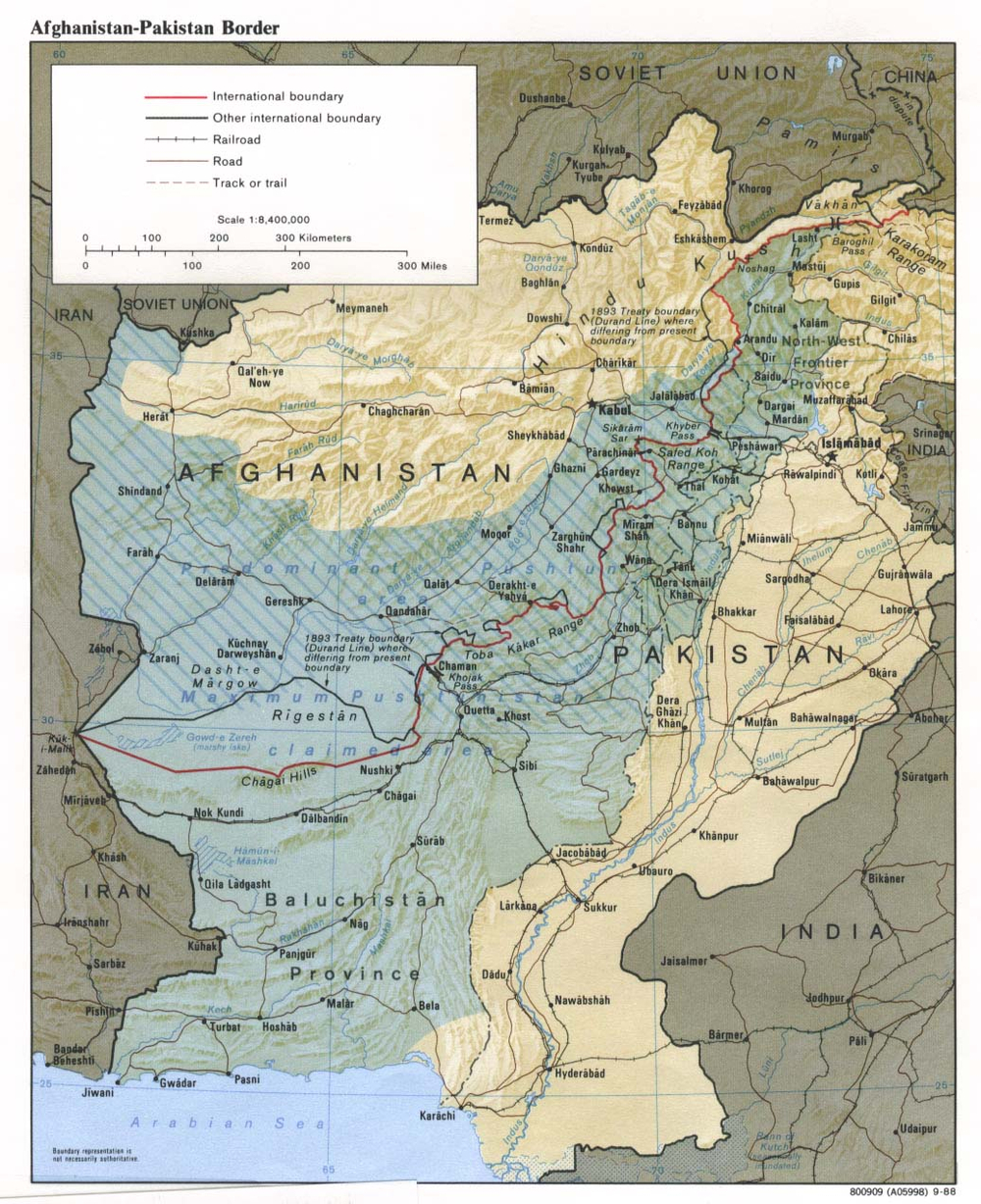
The Durand Line Agreement was a pivotal agreement between British India and Afghanistan, which marked the establishment of the border between the two countries. The agreement was named after Sir Mortimer Durand, the foreign secretary of British India at the time. This agreement aimed to secure British strategic interests in the region, particularly to block Russian influence in Afghanistan.
The Durand Line Agreement had significant implications for the people living in the region, as it divided tribes and ethnic groups between the two nations. This division later contributed to tensions and conflicts in the border region. Despite being agreed upon by both parties, Afghanistan never fully accepted the Durand Line as its official border and continues to claim parts of present-day Pakistan as its territory.
The Durand Line Agreement remains a contentious issue in the region, with ongoing disputes and cross-border movements affecting both countries. The border continues to be a point of contention between Afghanistan and Pakistan, impacting their diplomatic relations and regional stability.
#DurandLineAgreement #Afghanistan #BritishIndia #BorderDispute #RegionalStability
View details1880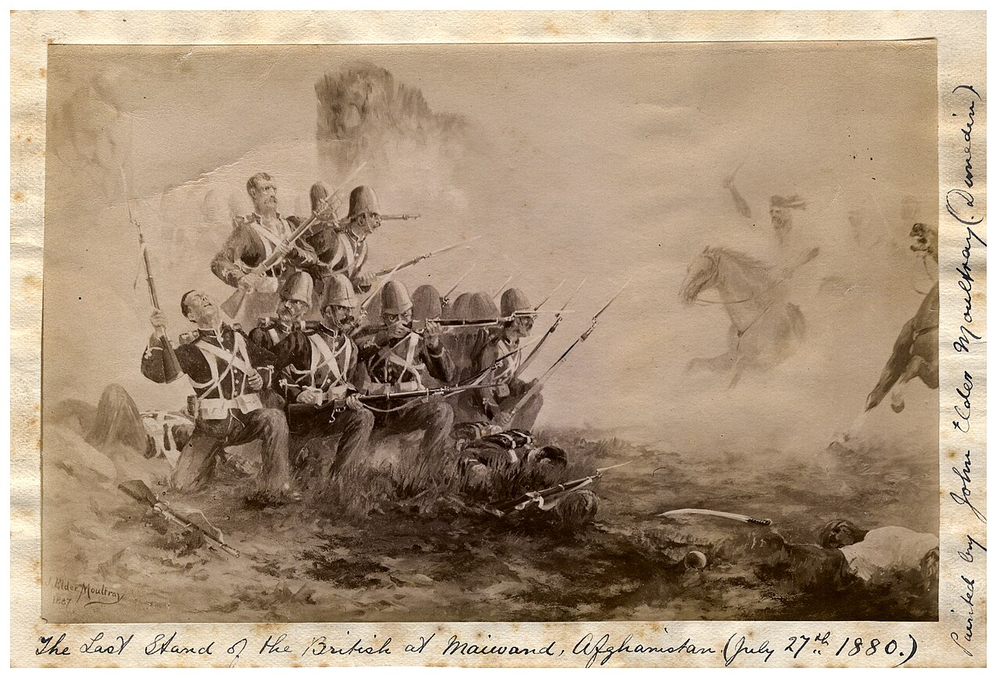
In the Battle of Maiwand, Afghan forces clashed with British troops during the Second Anglo-Afghan War. The British aimed to secure the region and maintain control, yet the Afghans fiercely resisted, leading to one of the war's most significant encounters. The Afghan forces, led by Ayub Khan, inflicted heavy casualties on the British army, resulting in a decisive victory for the Afghans.
The aftermath of the battle had far-reaching consequences, boosting Afghan morale and galvanizing their resistance against British colonial rule. The British suffered a severe blow to their military reputation, signaling a challenging period in the ongoing conflict with Afghan tribes. The Battle of Maiwand symbolized the Afghan people's determination to defend their land and independence against foreign invaders.
Despite being outnumbered and facing better-equipped enemies, the Afghan forces' tactical prowess and fierce fighting spirit emerged victorious at Maiwand. This historic battle remains etched in Afghan history as a testament to the resilience and bravery of the Afghan people against imperial aggression.
#Afghanistan #BattleofMaiwand #SecondAngloAfghanWar #BritishTroops #AfghanForces #HistoricBattle
View detailsAbdur Rahman Khan's ascension as the Emir of Afghanistan signaled the start of the Barakzai dynasty's rule. Emerging in the aftermath of political unrest, Khan aimed to centralize power and curb tribal insurrections. He implemented reforms, including building a professional army and establishing a strong central administration.
Under Khan's leadership, Afghanistan experienced stability and modernization, with efforts to improve infrastructure and relations with neighboring countries. The new ruler's policies helped Afghanistan assert its sovereignty and independence on the international stage. His reign laid the foundation for the modernization and consolidation of the Afghan state.
The reign of the Barakzai dynasty was characterized by efforts to strengthen national identity and territorial integrity, marking a notable chapter in Afghanistan's history. The legacy of Abdur Rahman Khan's rule had a lasting impact on shaping the country's political landscape for years to come.
#AbdurRahmanKhan #BarakzaiDynasty #AfghanistanHistory #PoliticalModernization
View details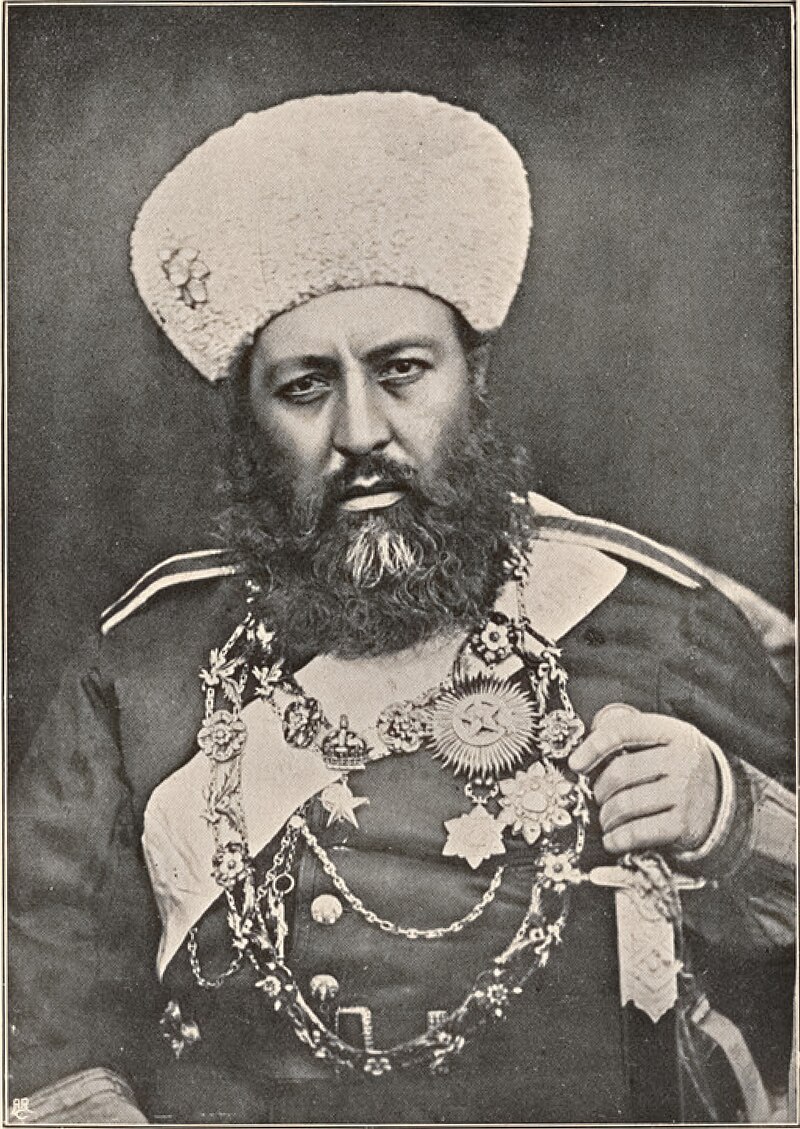
1879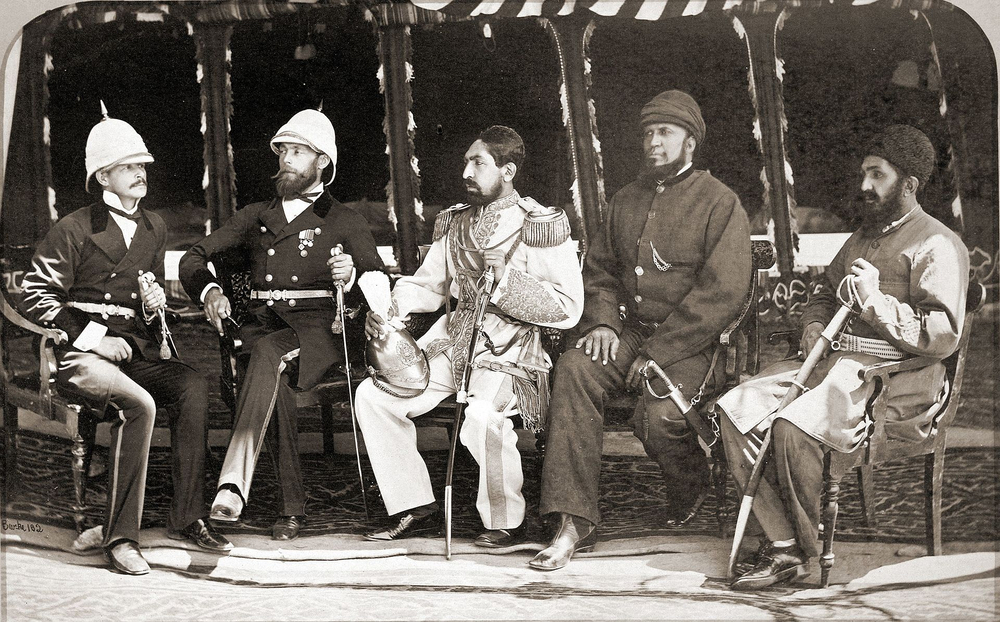
Amid escalating tensions and power struggles in the region, the Treaty of Gandamak was drafted to solidify British control over Afghan foreign affairs. The British sought to maintain influence in Afghanistan to curb Russian advancements in the region and safeguard their strategic interests. The treaty, named after the village where it was signed, established the British envoy as the sole representative for Afghanistan in dealings with other nations.
The terms of the treaty vastly restricted the Afghan ruler's autonomy in conducting foreign relations, effectively placing the country under British guidance. Despite initial hopes for stability, the treaty ultimately proved to be fragile and contentious. It faced significant opposition from Afghan tribal leaders and incited further rebellions against foreign intervention.
The Treaty of Gandamak underscored the precarious balance of power in the region and highlighted the complexities of imperial politics in the late 19th century. Its legacy resonated in subsequent Afghan-British relations and influenced the country's trajectory towards independence and sovereignty. The treaty exemplified the challenges of external control and the enduring struggle for autonomy in Afghan history.
#TreatyofGandamak #BritishControl #AfghanistanForeignAffairs #ImperialPolitics
View details1842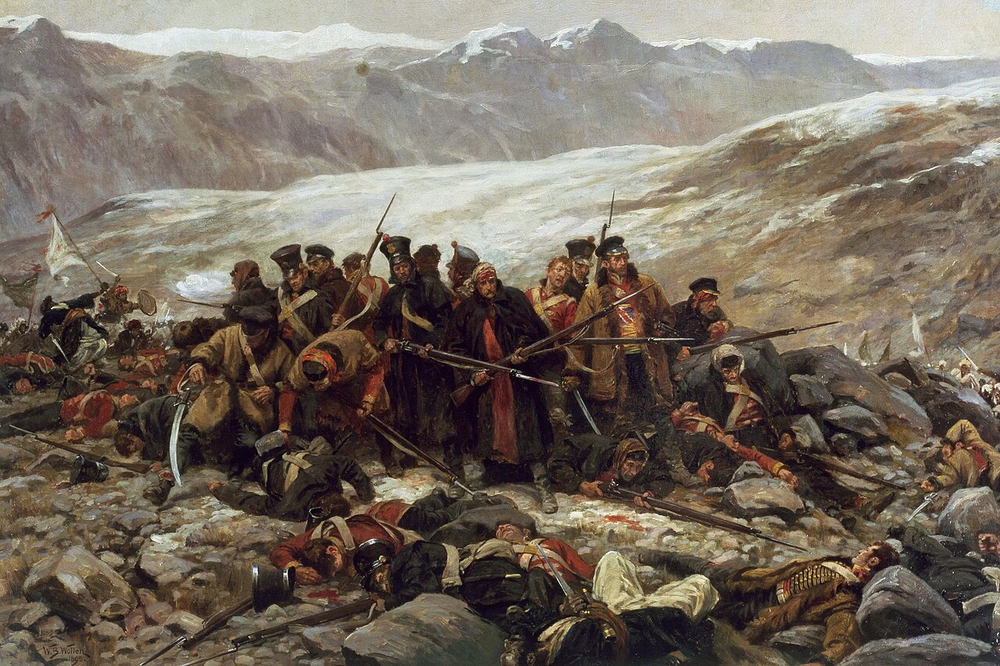
Amid a turbulent period in Afghanistan, Elphinstone's retreating army faced a catastrophic end. Comprising mostly Indian soldiers, the sixteen thousand-strong British regiment encountered fierce Afghan resistance. The Afghan forces, seizing the opportunity, launched a brutal attack, resulting in the massacre of Elphinstone's trapped army.
The tragic event highlighted the complexities and perils of foreign military interventions in Afghanistan. The lack of proper leadership, coordination, and logistical support within the British contingent contributed to the disastrous outcome. The Afghan fighters, familiar with the rugged terrain and employing guerrilla tactics, overpowered the retreating army with devastating consequences.
The aftermath of the massacre cast a shadow over British military prestige and influence in the region. The loss of thousands of lives, including soldiers, camp followers, and civilians, underscored the challenges posed by the Afghan resistance. The event served as a grim reminder of the formidable opposition faced by foreign forces operating in Afghanistan and the need for thorough strategic planning and understanding of the local dynamics.
#Afghanistan #MilitaryHistory #ForeignInterventions #TragicLoss #LessonsLearned
View detailsFollowing the assassination of Shuja Shah Durrani Afghanistan plunged into a period of internal strife as contenders vied for the throne. The assassination destabilized the region, leading to power struggles among various factions within the country, each aiming to assert dominance over the Afghan throne.
The assassination of Shuja Shah Durrani, who was seen as a relatively stable figure in Afghan politics, created a power vacuum that sparked conflicts between different tribal and political groups. This turbulence not only weakened the central authority but also paved the way for external influences to meddle in Afghan affairs.
The internal conflicts for the Afghan throne highlighted the delicate balance of power within the region and the inherent challenges of governance in Afghanistan. The struggle for control over the throne exacerbated existing tensions and sowed seeds of discord that would continue to impact Afghan politics for years to come.
This event underscores the tumultuous nature of Afghan history, characterized by frequent political upheavals and power struggles. It also sheds light on the complexities of governing a diverse and fragmented society, where competing interests often lead to instability and conflict. #Assassination #InternalConflicts #AfghanThrone #PowerStruggles
View details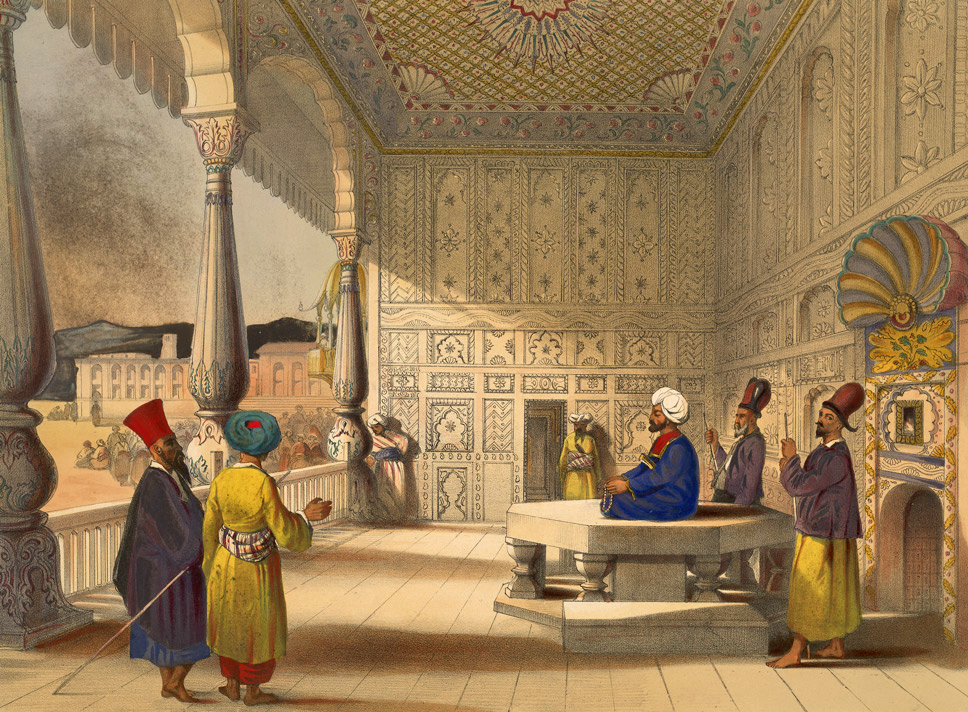
1838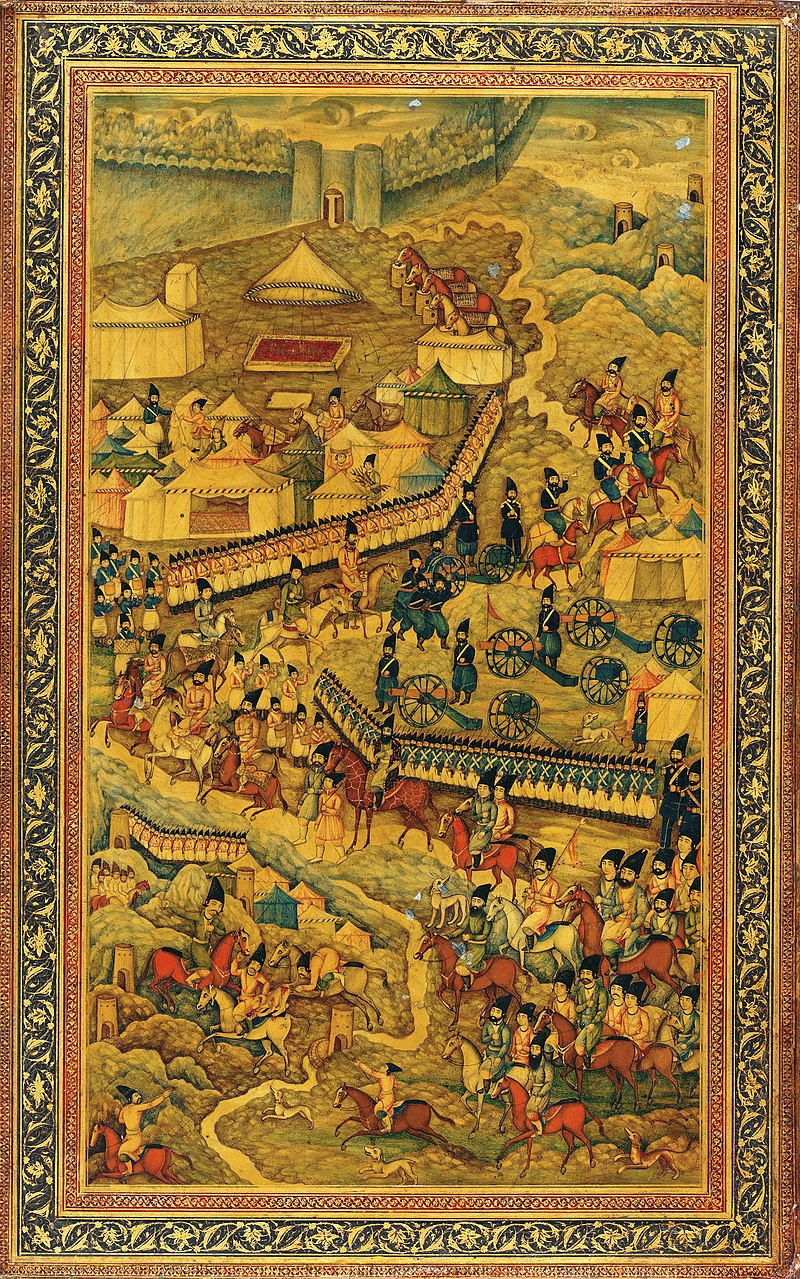
The Seige of Herat was a critical event in the history of Afghanistan. It took place in the city of Herat, a strategic location due to its position along major trade routes. The conflict unfolded as a result of tension between the Persian Qajar Empire and the Afghan Durrani Empire. The siege was led by the Persian forces under the command of Prince Kamran Mirza, who aimed to capture Herat and expand Persian control over the region.
The defenders of Herat, led by the Afghan general Yar Mohammad Khan, showcased remarkable resilience and military skill. Despite being heavily outnumbered and facing a prolonged siege, they managed to repel the Persian forces and sustain their defense. The siege lasted for several months and resulted in significant casualties on both sides.
The Seige of Herat had far-reaching implications for the power dynamics in the region. The successful defense of Herat bolstered the reputation of the Afghan forces and preserved the independence of the city. It also highlighted the ongoing rivalry between the Persian and Afghan empires for control over territories in the region.
#Afghanistan #Herat #PersianEmpire #DurraniEmpire #MilitaryHistory
View detailsThe First Anglo-Afghan War was a conflict between the British East India Company and the Afghan Empire. The British aimed to secure their influence in the region and counter Russian expansion while the Afghans sought to maintain their independence. The war was triggered by the British invasion of Afghanistan and the installation of a puppet ruler, Shah Shuja.
The British initially faced little resistance, but the situation quickly deteriorated as the Afghan tribes rose up against the occupying forces. The harsh Afghan winter and constant guerrilla attacks took a heavy toll on the British and their Indian allies. Eventually, a disastrous retreat began, with the retreating forces suffering heavy casualties from both enemy forces and harsh weather conditions.
The war ended with the British withdrawing from Afghanistan, having suffered a humiliating defeat. The conflict had a significant impact on both sides, with the British learning valuable lessons about the challenges of fighting in Afghanistan, while the Afghans gained a sense of pride and resilience in resisting foreign aggression.
#BritishEmpire #AfghanEmpire #MilitaryConflict
View details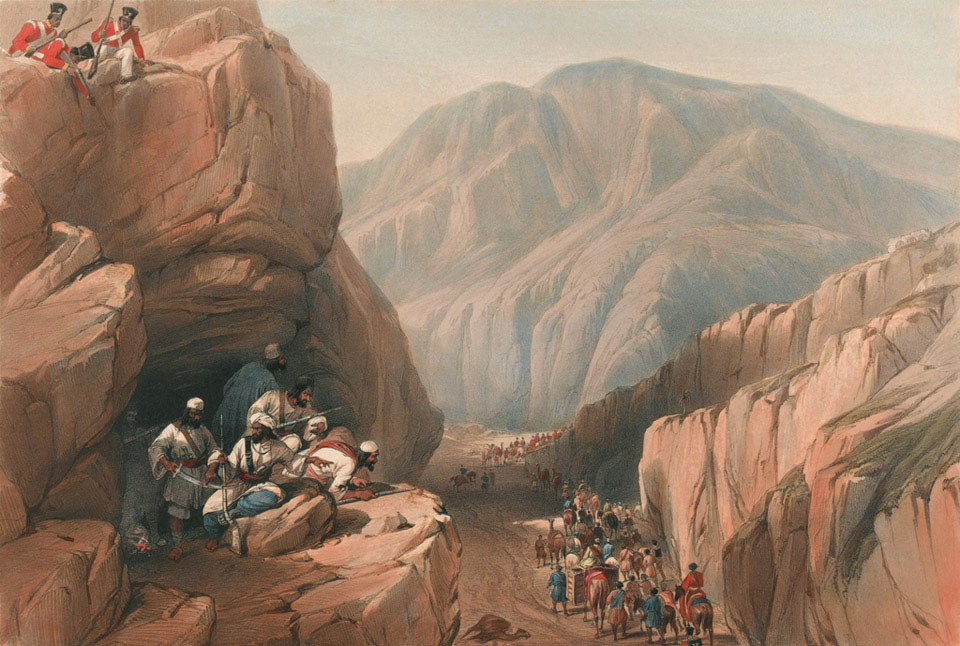
1823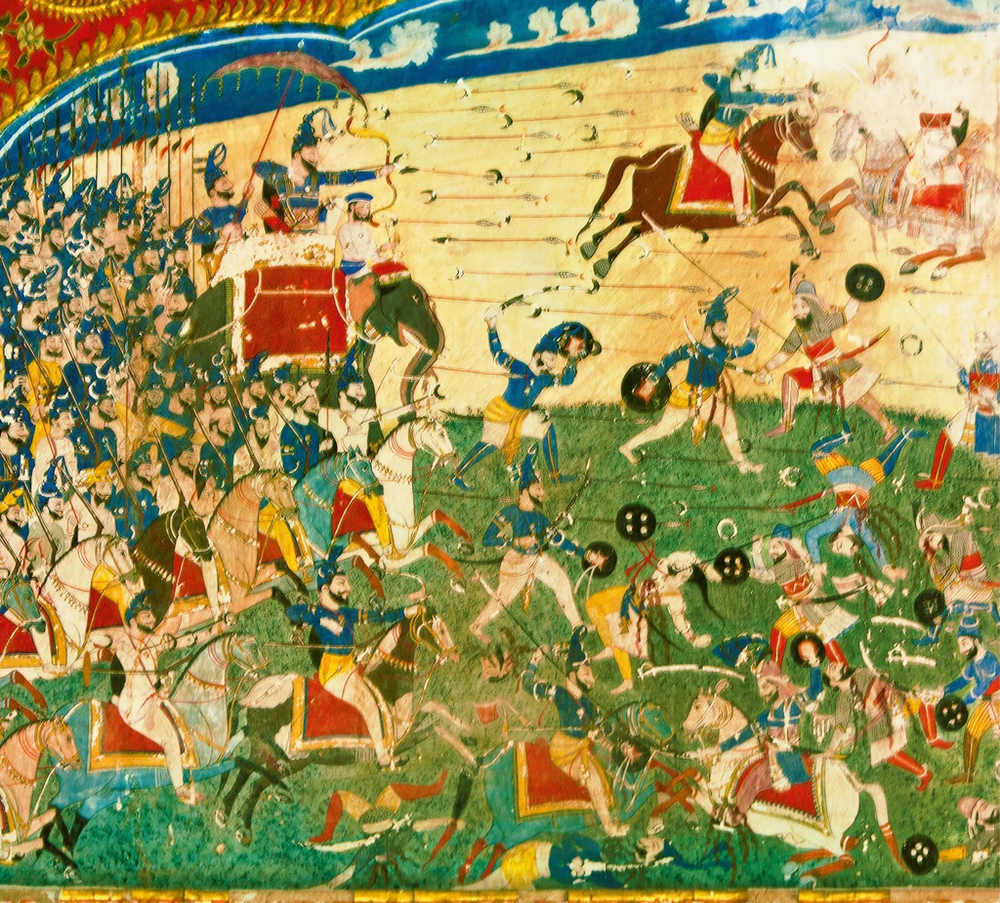
In the early 19th century, the Battle of Nowshera took place between the Sikh Khalsa Army of Ranjit Singh and a Durrani force led by Azim Khan, in the region of the Peshawar Valley. The Sikh forces, under the leadership of Ranjit Singh, were on a mission to expand their territory and influence in the region. The Durrani force, commanded by Azim Khan, sought to maintain control over the strategic Peshawar Valley.
The battle resulted in a decisive victory for the Sikh Khalsa Army, as they successfully defeated the Durrani force and captured the Peshawar Valley. This victory significantly enhanced Ranjit Singh's power and solidified his control over the region, marking a turning point in the balance of power in the area.
With the capture of the Peshawar Valley, Ranjit Singh's empire expanded further into the northwest frontier of the Indian subcontinent. The defeat of Azim Khan's forces weakened Durrani influence in the region and strengthened Sikh control over the territory.
The Battle of Nowshera underscored the military prowess of the Sikh Khalsa Army under Ranjit Singh's leadership and established the Sikh Empire as a dominant force in the northwestern frontier. It also highlighted the strategic importance of the Peshawar Valley in the power dynamics of the region.
#SikhEmpire #RanjitSingh #PeshawarValley #Durrani #MilitaryHistory #NorthwestFrontier
View details1819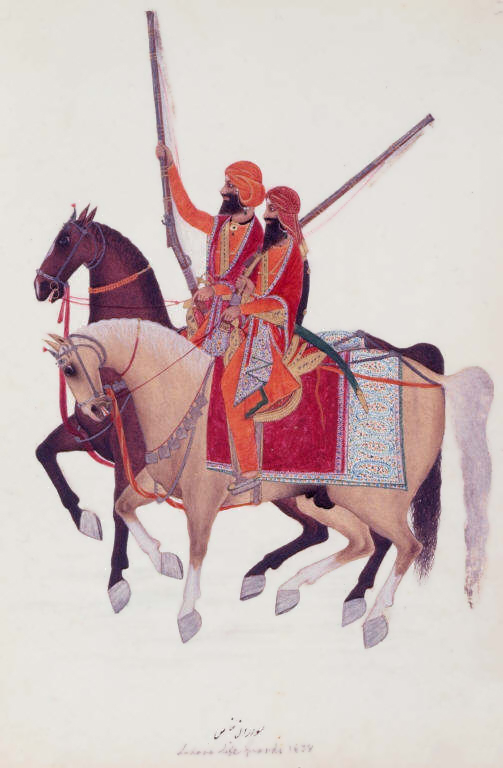
The Battle of Shopian was a decisive conflict between the Sikh Khalsa Army of Ranjit Singh and the Durrani force led by Governor Jabbar Khan, resulting in the annexation of Kashmir into the Sikh Empire. This battle was a significant part of the expansionist ambitions of Ranjit Singh, aimed at consolidating his empire's control over the region.
The Sikh Khalsa Army, known for its skilled soldiers and strong leadership, utilized strategic maneuvers to outmaneuver the Durrani force led by Jabbar Khan. The battle marked the end of Durrani control in Kashmir and established Sikh dominance in the region. This victory allowed Ranjit Singh to further solidify his power and influence in the northwest frontier of the Indian subcontinent.
The annexation of Kashmir into the Sikh Empire following the Battle of Shopian had far-reaching implications for the political landscape of the region. It led to significant changes in governance, administration, and cultural practices. The Sikh rule in Kashmir brought about a period of relative stability and religious tolerance, with the region experiencing economic growth and infrastructural development under Sikh administration.
#BattleofShopian #SikhKhalsaArmy #RanjitSingh #DurraniForce #KashmirAnnexation #Afghanistan
View details1772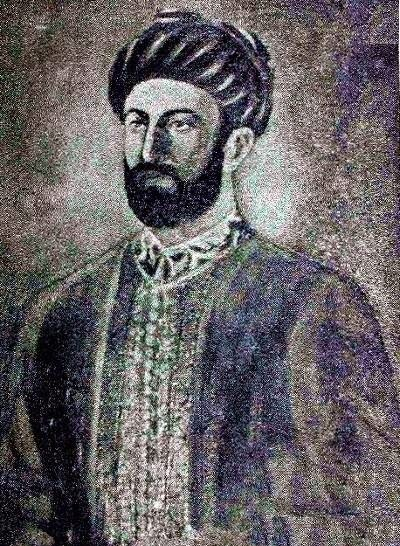
Timur Shah Durrani ascended to power in Afghanistan following the passing of his father, Ahmad Shah Durrani. Ahmad Shah, also known as Ahmad Shah Baba, had been a prominent Afghan leader who founded the Durrani Empire. Timur Shah inherited a vast empire that encompassed parts of present-day Afghanistan, Pakistan, and Iran.
Upon becoming the ruler of Afghanistan, Timur Shah faced the challenge of maintaining the unity of the diverse territories under Durrani control. He strategically worked to strengthen his rule by consolidating power, promoting economic stability, and expanding diplomatic relations with neighboring regions.
Timur Shah's reign marked a period of relative stability and prosperity for Afghanistan. He is credited with advancing trade, infrastructure development, and cultural exchanges within his empire. Timur Shah's rule also saw the flourishing of art, literature, and architecture in the region.
The succession of Timur Shah Durrani to the throne after Ahmad Shah's death had a significant impact on the political landscape of Afghanistan and its neighboring territories. His leadership contributed to shaping the cultural and historical legacy of the Durrani Empire.
#TimurShahDurrani #AfghanistanEmpire #DynasticSuccession
View details1747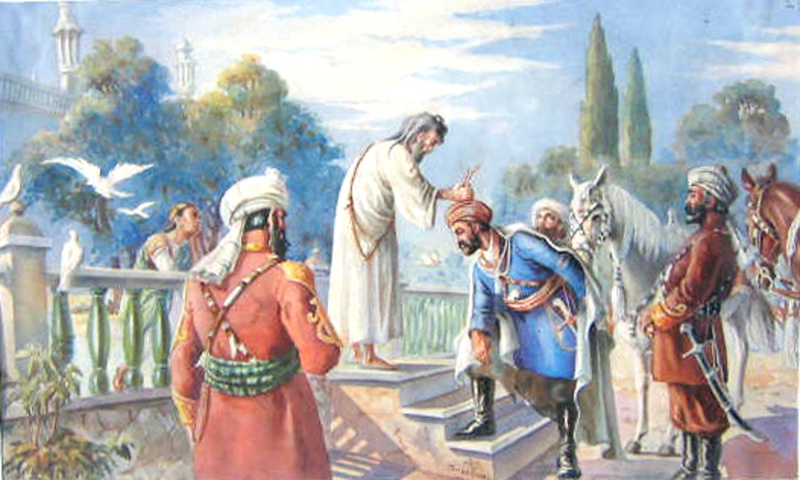
Ahmad Shah Durrani, also known as Ahmad Shah Abdali, unified various Pashtun tribes and established the Durrani Empire after being declared the Emir of Afghanistan. His military prowess and strategic leadership enabled him to expand his empire across present-day Afghanistan, Pakistan, and parts of India.
Ahmad Shah Durrani's founding of the Durrani Empire marked a significant consolidation of power in the region, creating a strong central authority and bringing stability to the territories under his control. His rule was characterized by a blend of military strength, administrative reforms, and a keen understanding of local dynamics.
Under his leadership, Afghanistan experienced a period of relative peace and prosperity, fostering trade and cultural exchange. Ahmad Shah Durrani's empire became a formidable force in the region, effectively challenging rival powers and securing Afghanistan's position as a key player in South and Central Asia.
The legacy of Ahmad Shah Durrani's reign as the Emir of Afghanistan continues to shape the country's history and identity, highlighting the enduring influence of his leadership on Afghan politics and society. #AhmadShahDurrani #DurraniEmpire #AfghanistanHistory #EmirofAfghanistan
View details1729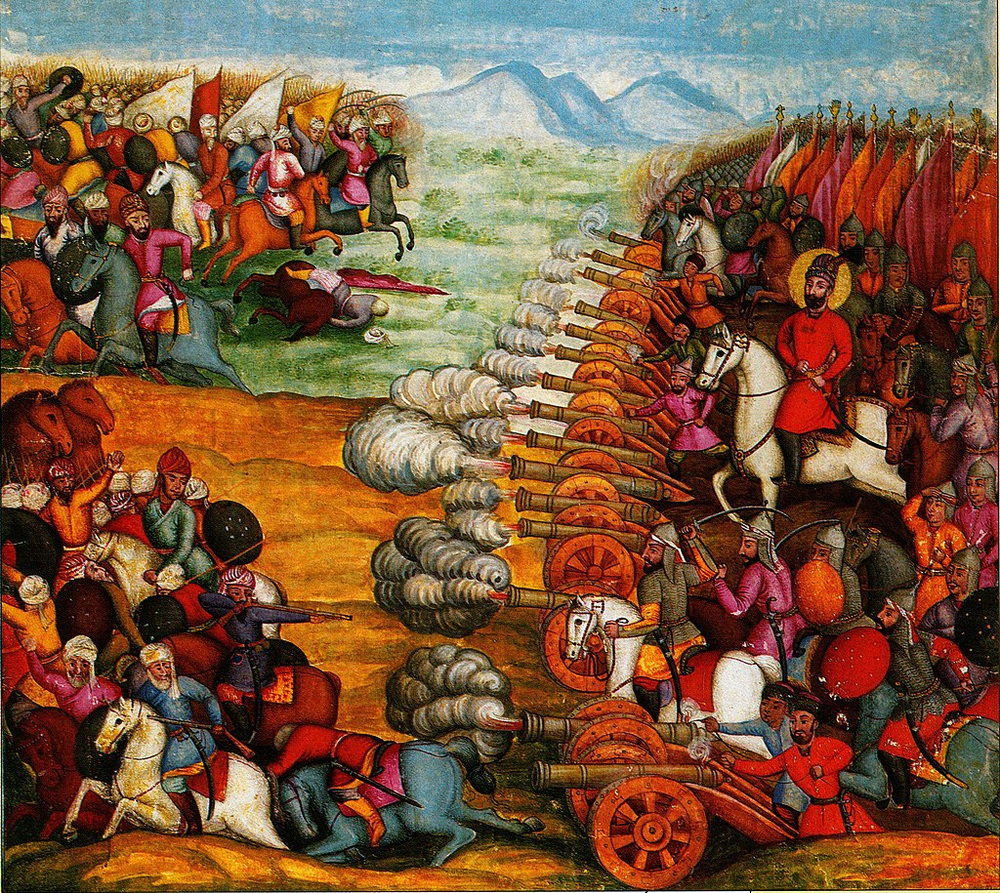
The Battle of Damghan, fought in 1729, was a pivotal conflict in Persian history, marking the decisive victory of Nader Shah over the Afghans, who had overrun Persia under the leadership of Ashraf Hotak. This battle was part of Nader Shah's efforts to restore the Safavid dynasty and expel the Afghan rulers from Persian territories.
Background
In the early 18th century, Persia was in turmoil. The Safavid Empire, once a formidable power in the region, had weakened due to internal strife and external pressures. In 1722, the Afghan leader Mahmud Hotak captured the Safavid capital of Isfahan, effectively ending the Safavid rule. His cousin, Ashraf Hotak, succeeded him and continued to control significant parts of Persia, including the capital.
Rise of Nader Shah
Nader Qoli Beg, later known as Nader Shah, emerged as a powerful military leader during this period of chaos. Initially serving under Tahmasp II, the exiled Safavid prince, Nader demonstrated exceptional military prowess and strategic acumen. By 1726, he had become the primary military leader for Tahmasp II, determined to reclaim Persia from the Afghan invaders.
The Battle
The Battle of Damghan took place in October 1729 near the city of Damghan in north-central Persia. Nader Shah's army, comprising about 30,000 men, faced the Afghan forces led by Ashraf Hotak, who commanded a larger force estimated to be around 50,000 troops.
Nader Shah's strategy was marked by his use of mobility and surprise attacks. Understanding the strengths and weaknesses of the Afghan forces, he meticulously planned his tactics to exploit their vulnerabilities. The battle began with a series of skirmishes, with Nader's forces engaging in guerrilla-style tactics to weaken the Afghans.
Decisive Victory
The turning point came when Nader Shah launched a full-scale assault on the Afghan camp. Using a combination of artillery, cavalry, and infantry, he executed a well-coordinated attack that overwhelmed Ashraf Hotak's forces. The Afghan army, despite its numerical superiority, was unable to withstand the disciplined and strategically superior Persian troops led by Nader.
The victory at Damghan was decisive. Ashraf Hotak's forces were decimated, and he was forced to retreat. This defeat shattered the Afghan hold over Persia and marked the beginning of the end for their dominion in the region.
Aftermath and Significance
The Battle of Damghan had profound implications for Persian history. It marked the resurgence of Persian power under Nader Shah, who would go on to become one of the most formidable rulers in Persian history. Following the victory, Nader continued his campaign against the Afghans, eventually driving them out of Persia entirely.
Nader's success at Damghan also bolstered the legitimacy of Tahmasp II, allowing him to reclaim the throne temporarily. However, Nader's ambition and military prowess soon eclipsed Tahmasp II, leading to Nader's coronation as Shah in 1736, effectively founding the Afsharid dynasty.
The battle demonstrated Nader Shah's tactical genius and established his reputation as a military leader capable of restoring Persian sovereignty and stability. It also marked the decline of the Afghan Hotak dynasty, which had briefly disrupted Persian dominance in the region.
Legacy
Nader Shah's victory at Damghan is remembered as a turning point in Persian history. It not only restored Persian pride and independence but also paved the way for Nader Shah's ambitious campaigns beyond Persia, including his infamous invasion of the Mughal Empire in India. His reign, marked by military brilliance and ruthless leadership, left a lasting legacy in the annals of Persian and regional history.
Hashtags
#MomentsOfLife #MoofLife_Moment #MoofLife #NaderShah #PersianHistory #BattleOfDamghan #AfsharidDynasty #SafavidRestoration #MilitaryStrategy
View details1595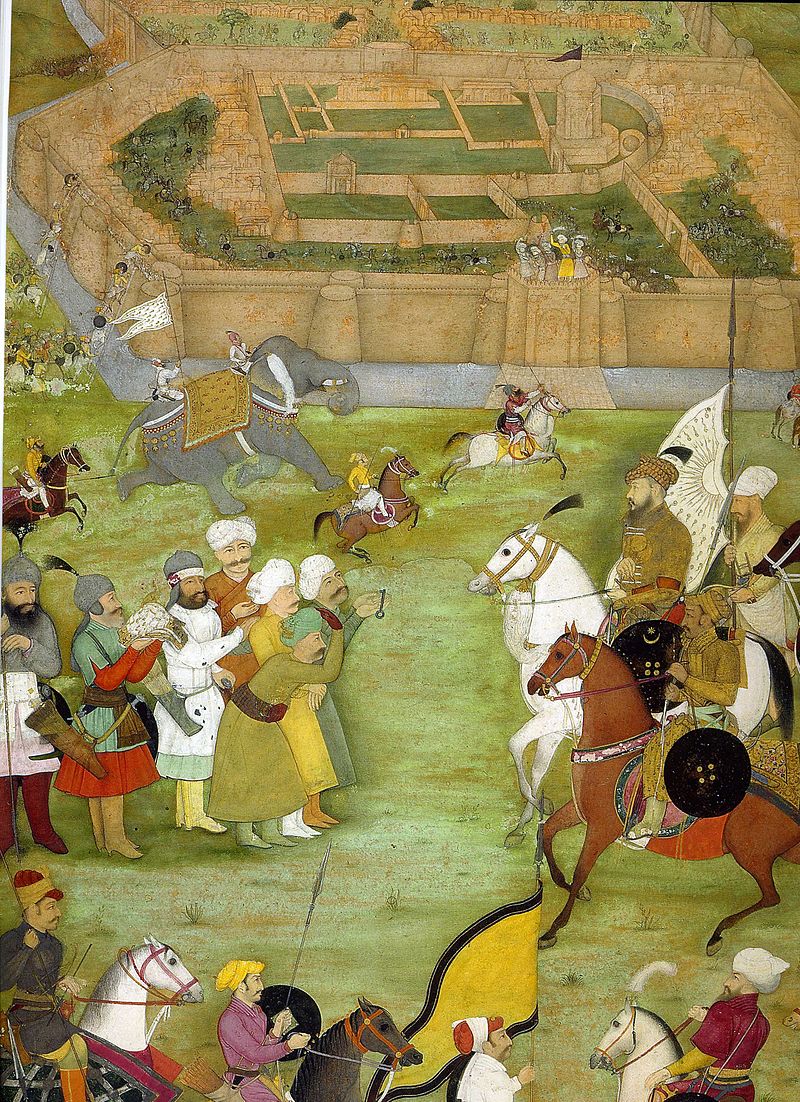
During the annexation of Kandahar by the Safavid Empire, the region's strategic location between Persia and the Indian subcontinent heightened its significance. The Safavids aimed to expand their territorial control and secure their eastern borders, prompting the military campaign. The conquest of Kandahar bolstered the Safavid Empire's power in the region and facilitated trade routes connecting Persia and South Asia. This victory also enabled the Safavids to exert influence over the local Pashtun tribes and maintain stability in the newly acquired territory.
The impact of the Safavid Empire's conquest of Kandahar reverberated throughout the geopolitical landscape of the time, shaping alliances and rivalries in the region. The incorporation of Kandahar into the Safavid realm solidified the empire's control over key territories and resources, ensuring its continued dominance in the region for years to come. The strategic advantages gained from the conquest enhanced the Safavids' military capabilities and economic prosperity, further solidifying their position as a major power in the Near East.
#SafavidEmpire #KandaharConquest #AfghanistanHistory #GeopoliticalImpact
View details1545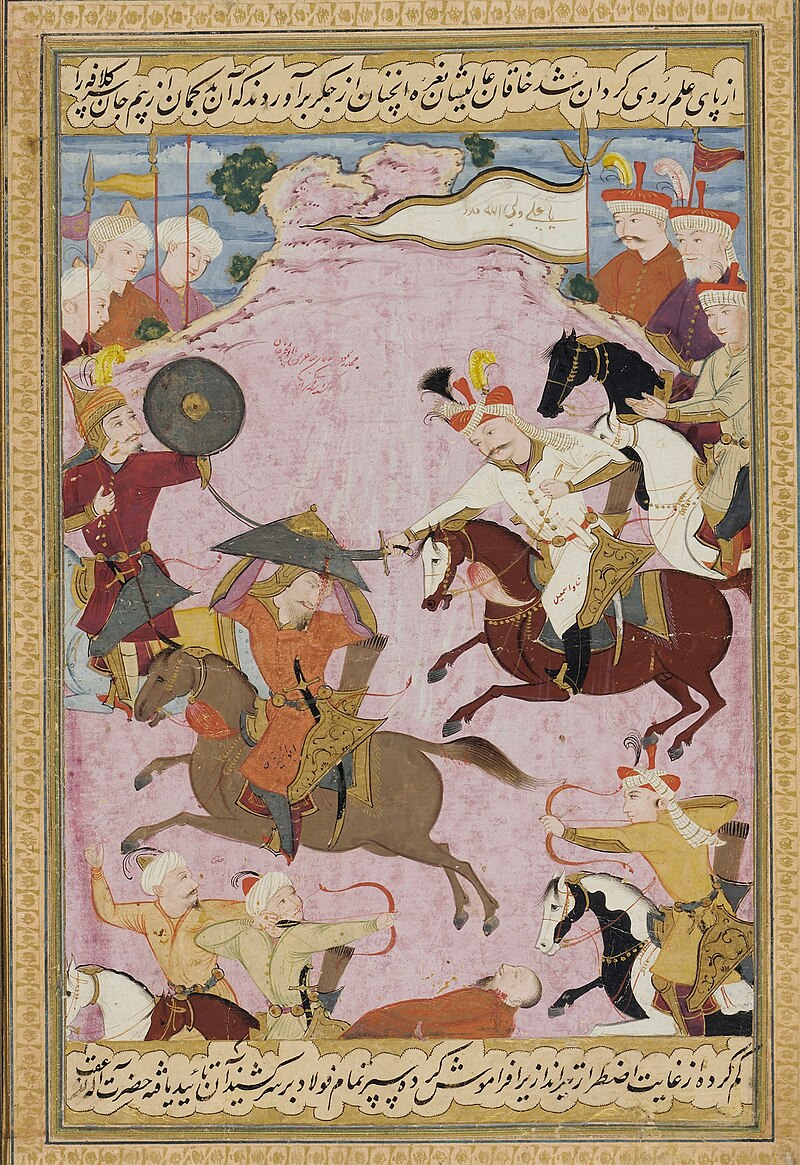
The Safavid Empire successfully seized control of Herat from the Mughals in 1545, marking a significant shift in power dynamics in the region. The city of Herat, located in present-day Afghanistan, was a strategic stronghold coveted by various empires for its geographic location and resources. The Safavids, led by Shah Tahmasp I, launched a military campaign to capture Herat, a key Mughal stronghold. The successful conquest allowed the Safavids to expand their territorial reach and exert influence over trade routes in the region. The fall of Herat dealt a blow to the Mughal Empire, weakening their grip on the region and reshaping the political landscape of Central Asia. The Safavid Empire's control of Herat provided them with access to valuable resources and increased their military and economic power. This event underscored the fierce competition between empires for dominance in the region and highlighted the strategic importance of key cities like Herat. #SafavidEmpire #HeratCaptured #MughalEmpire #CentralAsia #Afghanistan #PowerStruggles
View details1530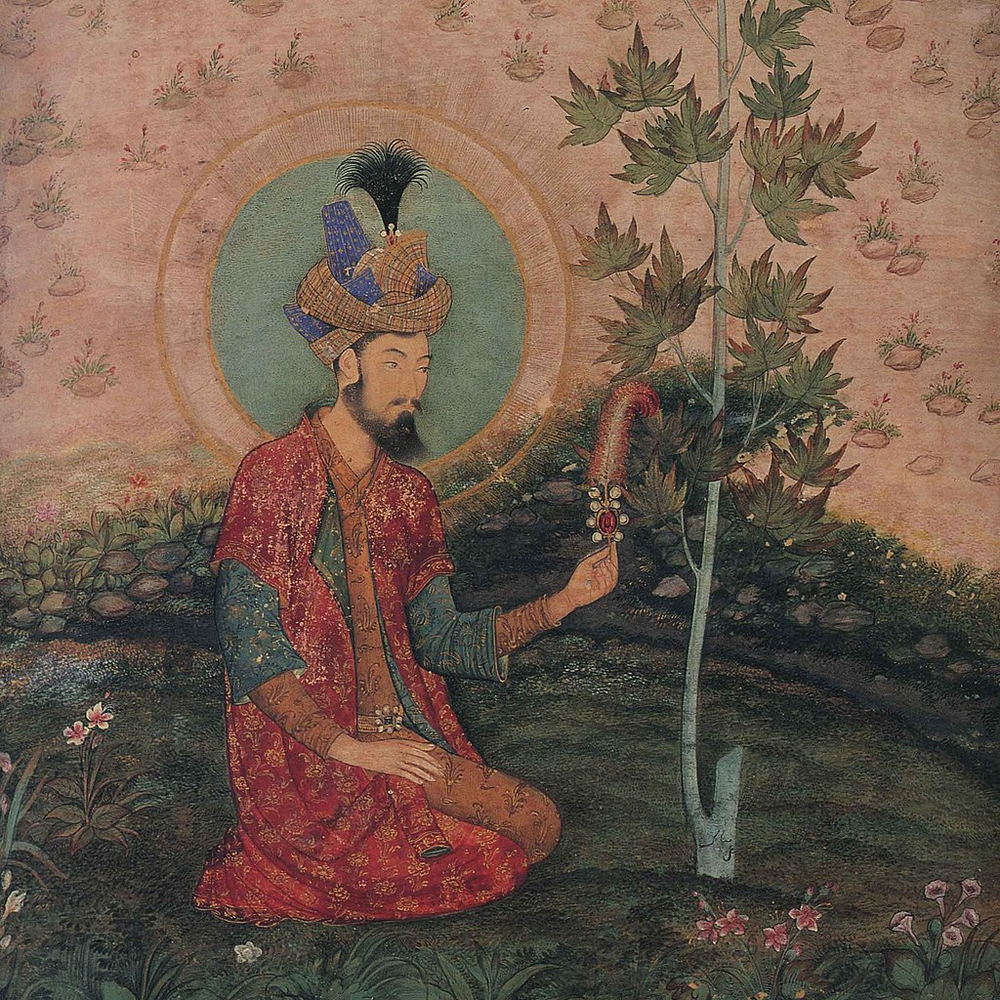
After Babur, the founder of the Mughal Empire, passed away, his son Humayun assumed the Mughal throne. This transition marked a crucial moment in the Empire's history. Humayun faced immediate challenges, including internal strife and external threats, particularly from Afghan rulers who sought to destabilize Mughal rule.
Humayun's ascension to power was met with both support and opposition. Despite initial setbacks, including the loss of territories in present-day Afghanistan, Humayun managed to consolidate his rule and expand the Mughal Empire's influence. His reign laid the foundation for the future success of the Empire under his famous son, Akbar the Great.
The death of Babur and the rise of Humayun symbolized a significant shift in the Mughal Empire's leadership and highlighted the complexities of maintaining power in a diverse and volatile region. The event underscored the importance of succession planning and the challenges of governing a vast empire stretching from Afghanistan to the Indian subcontinent.
#MughalEmpire #Humayun #Succession #Afghanistan #EmpireBuilding #History
View details1405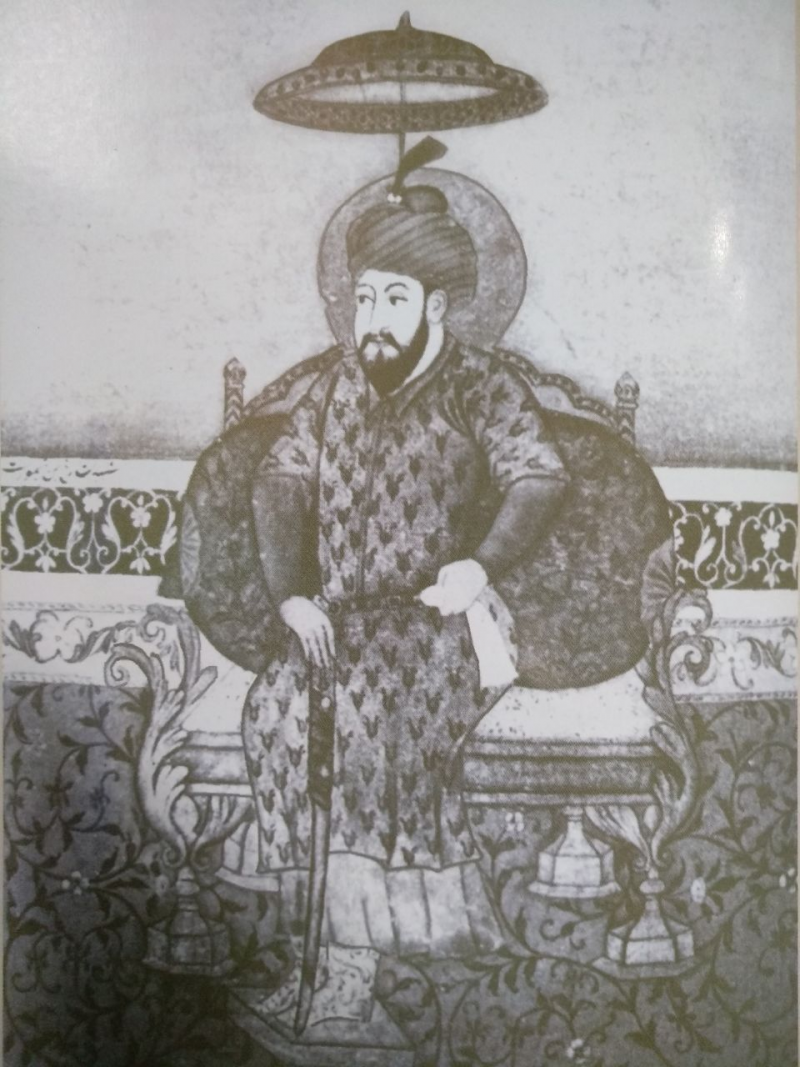
The establishment of the Timurid Empire in Afghanistan under Shah Rukh saw the transformation of Herat into a flourishing capital city. Following Timur's death, Shah Rukh inherited an empire that extended from Central Asia to Persia. He strategically shifted the empire's center to Herat, capitalizing on its strategic location on the Silk Road. This move not only bolstered trade but also attracted intellectuals, artists, and scholars, leading to a cultural renaissance.
Under Shah Rukh's rule, Herat became a vibrant hub of art, literature, and architecture. The Timurid Empire's cultural influence spread across the region, shaping the artistic landscape for generations to come. Shah Rukh's patronage of scholars like Jami and artists like Bihzad further enriched the city's cultural tapestry.
The establishment of the Timurid Empire in Afghanistan under Shah Rukh marked a significant chapter in the region's history. It solidified Herat's position as a center of artistic and intellectual excellence, leaving a lasting impact on the cultural legacy of Afghanistan and beyond.
#TimuridEmpire #ShahRukh #HeratCapital #CulturalRenaissance #AfghanistanHistory
View details1398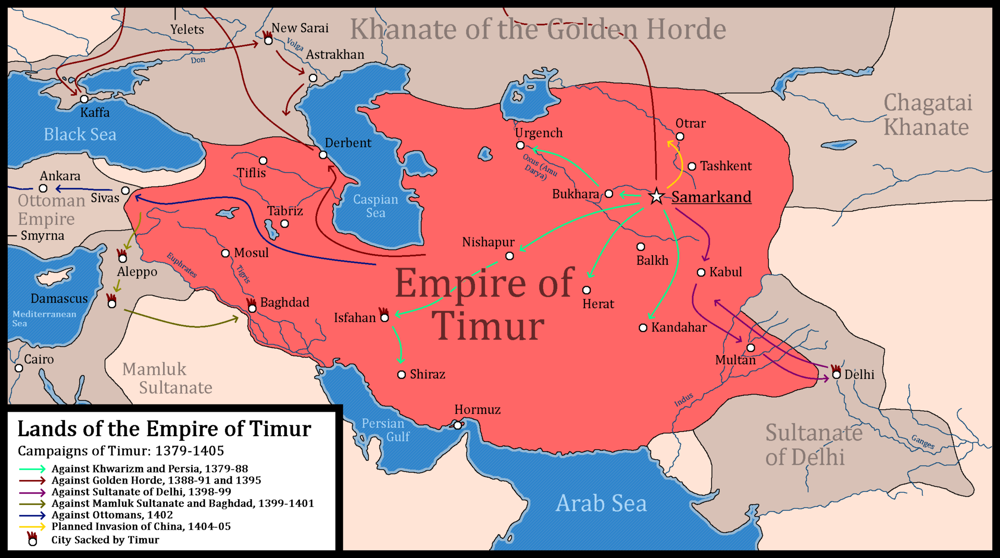
Timur, a fierce conqueror, led a brutal invasion of Afghanistan, leaving a trail of devastation in his wake. His army pillaged cities, slaughtered countless inhabitants, and razed buildings to the ground. The once-thriving region was plunged into chaos and despair as death and destruction swept through the land.
The impact of Timur's invasion was catastrophic. Afghanistan faced widespread destruction, with many historical and cultural treasures lost forever. The loss of life was staggering, and the survivors were left to mourn their loved ones and rebuild their shattered communities from the ruins.
Despite the devastation, Timur's invasion left a lasting mark on Afghanistan's history. The event served as a grim reminder of the brutal nature of conquest and the horrors of war. The scars of the invasion would linger for years to come, shaping the future of the region and its people.
#Timur #Invasion #Afghanistan #Devastation #LossOfLife #History #Warfare
View details1381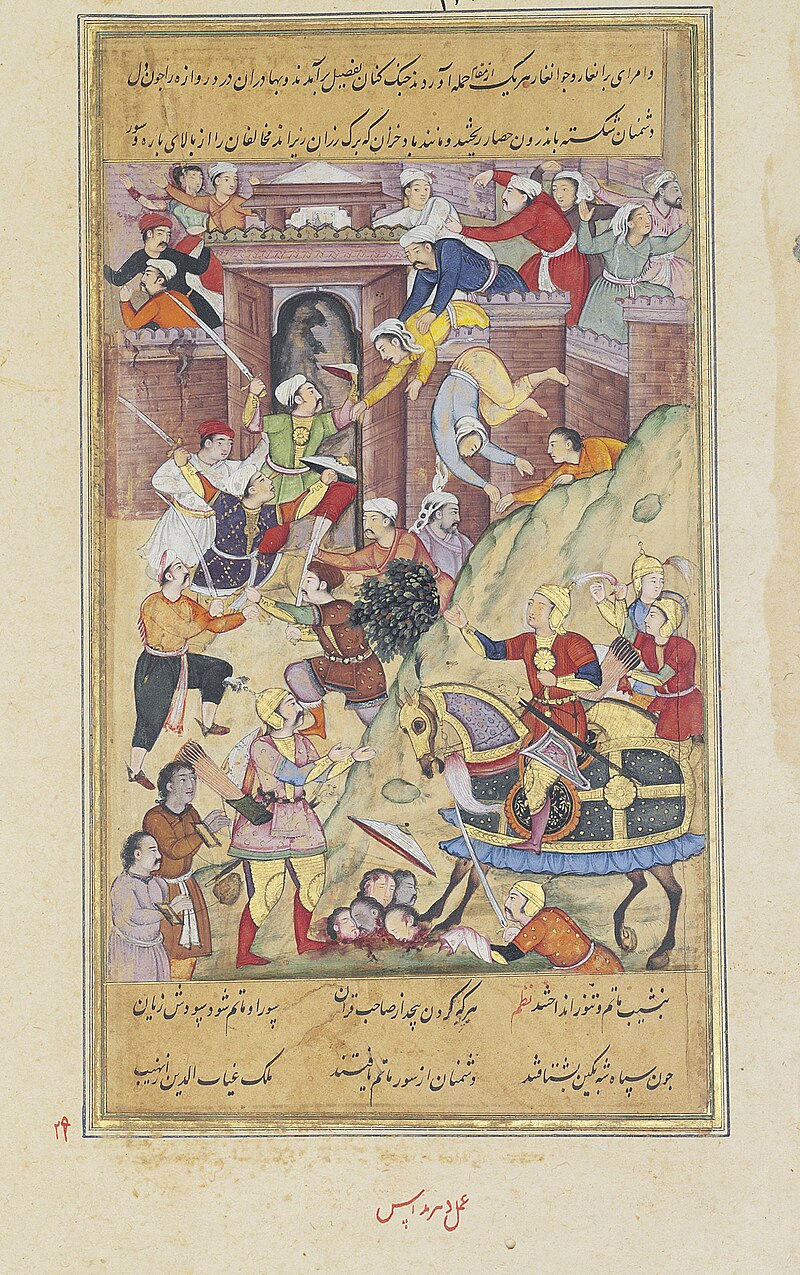
The Battle of Herat transpired between the Timurid Empire and the Kartid dynasty, marking a pivotal conflict in the history of Afghanistan. The Timurids, led by Miran Shah, sought to expand their territorial influence, challenging the dominance of the Kartids in the region. The city of Herat became the battleground where these two powerful forces clashed in a struggle for supremacy.
The outcome of the battle was decisive, with the Timurid forces emerging victorious, resulting in the downfall of the Kartid dynasty. This triumph solidified the Timurid Empire's control over Herat and its surrounding regions, establishing a new chapter in the political landscape of Afghanistan.
The Battle of Herat showcased the military prowess and strategic acumen of the Timurid Empire, underscoring their rise to prominence in Central Asia. The defeat of the Kartid dynasty reshaped the balance of power in the region, paving the way for the Timurids to assert their dominance and influence.
This historic conflict exemplifies the tumultuous nature of power struggles in medieval Afghanistan, where rival factions vied for control and supremacy. The legacy of the Battle of Herat endures as a testament to the enduring impact of decisive military engagements in shaping the course of history.
#TimuridEmpire #KartidDynasty #BattleOfHerat #AfghanistanHistory
View details1370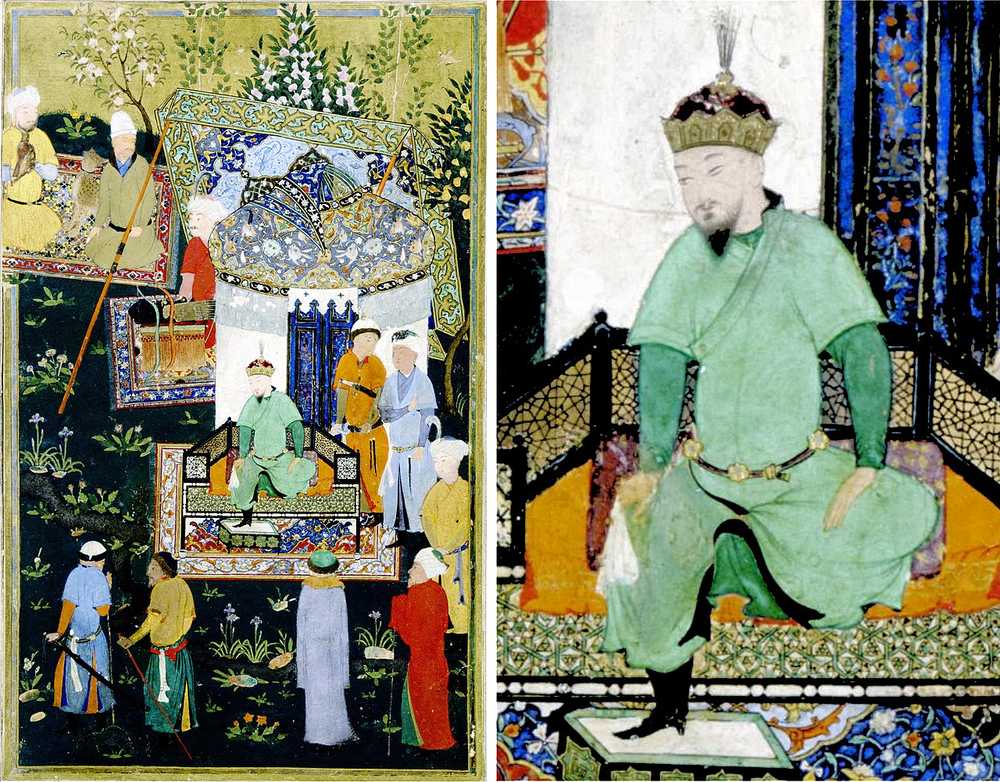
In 1370, Timur, commonly known as Tamerlane, established the Timurid Empire in Afghanistan. Born in what is now Uzbekistan, Timur was a fierce warrior and skilled tactician who united various Turkic and Mongol tribes under his rule. With a thirst for conquest, he launched military campaigns that rapidly expanded his empire across Central Asia, Persia, and parts of South Asia.
The Timurid Empire flourished under Timur's leadership, boasting a rich cultural heritage that blended Turkic, Persian, and Islamic influences. Timur patronized the arts and architecture, leaving behind magnificent landmarks such as the Gur-e Amir mausoleum in Samarkand. Despite his reputation for ruthlessness in battle, Timur was also known for his strategic foresight and keen interest in scholarship and religion.
Timur's legacy had a lasting impact on the region, influencing the political landscape and shaping the course of history in Afghanistan and surrounding territories. His descendants, including his grandson Babur, went on to found the Mughal Empire in India, furthering Timurid cultural and artistic traditions.
The founding of the Timurid Empire by Timur marked a pivotal moment in the history of Afghanistan, leaving a profound imprint on the region's cultural, political, and military landscape. #Timur #TimuridEmpire #AfghanistanHistory #CulturalLegacy
View details1219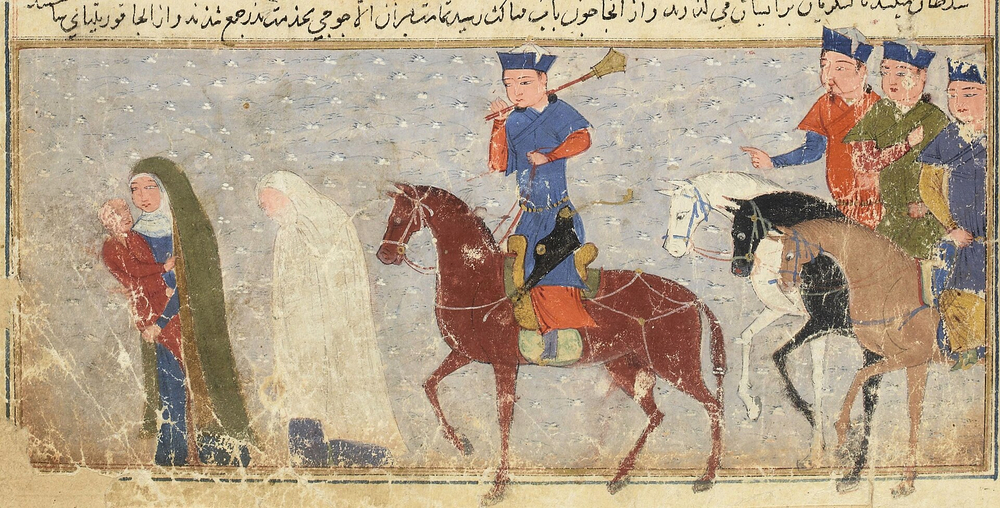
In the Battle of Parwan, the Mongols clashed with the Khwarezmian Empire in a significant military encounter in Afghanistan. The Khwarezmian Empire, under the leadership of Shah Muhammad II, faced the fierce Mongol army led by Genghis Khan's commanders. The Mongols, known for their strategic warfare tactics and skilled cavalry, swiftly overpowered the Khwarezmians, leading to a decisive victory.
The defeat at Parwan marked a turning point in the power dynamics of the region, as the once-mighty Khwarezmian Empire suffered a devastating blow that weakened its influence significantly. The Mongols continued their conquests, expanding their empire and leaving a lasting impact on the political landscape of Central Asia. The Battle of Parwan showcased the military prowess of the Mongols and solidified their reputation as formidable conquerors.
The aftermath of the battle saw the Khwarezmian Empire's territories being absorbed into the rapidly growing Mongol Empire, ultimately altering the course of history in the region. The legacy of the Battle of Parwan remains a reminder of the Mongols' dominance and the far-reaching consequences of their military campaigns. #BattleofParwan #MongolEmpire #KhwarezmianEmpire #CentralAsia #GenghisKhan
View details1215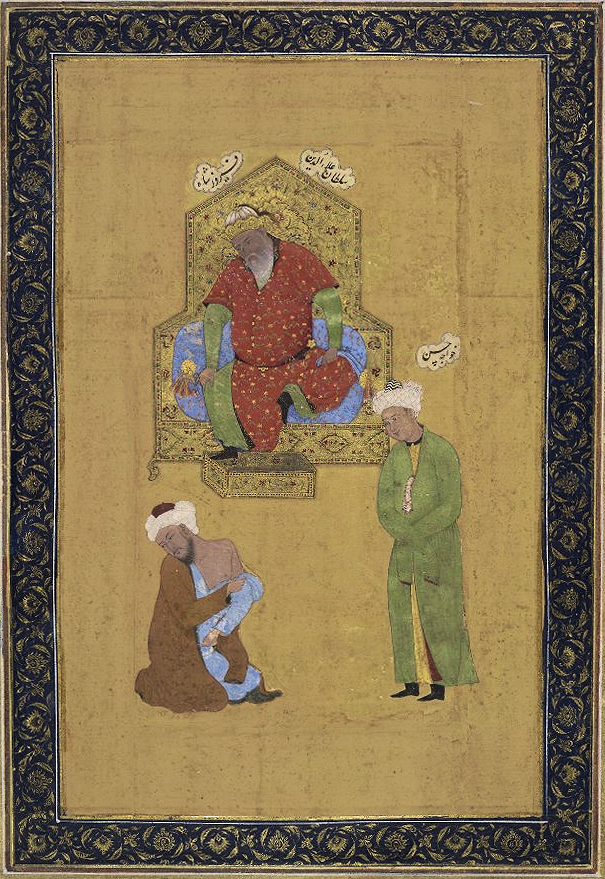
The foundation of the Khalji dynasty in Afghanistan by the Khalji tribe marked a pivotal shift in regional power dynamics. Originating from the Turko-Afghan tribes, the Khaljis consolidated their influence through strategic alliances and military conquests. Ascending to prominence, they established their authority over territories in Afghanistan, laying the groundwork for a new era of governance.
The Khalji dynasty's rule brought about a period of stability and prosperity, fostering economic growth and cultural exchange. Their administration was characterized by efficient governance and the promotion of trade and commerce. The Khaljis also patronized the arts, contributing to the flourishing of literature, architecture, and craftsmanship.
The impact of the Khalji dynasty's establishment reverberated throughout the region, shaping political relationships and territorial boundaries. Their rule influenced diplomatic interactions with neighboring kingdoms and facilitated the spread of influence across central Asia. The Khalji dynasty's legacy endured through succeeding generations, leaving a lasting imprint on the history and development of Afghanistan.
#KhaljiDynasty #AfghanistanHistory #TurkoAfghanTribes #RegionalPower #CulturalExchange #DynasticLegacy
View details1206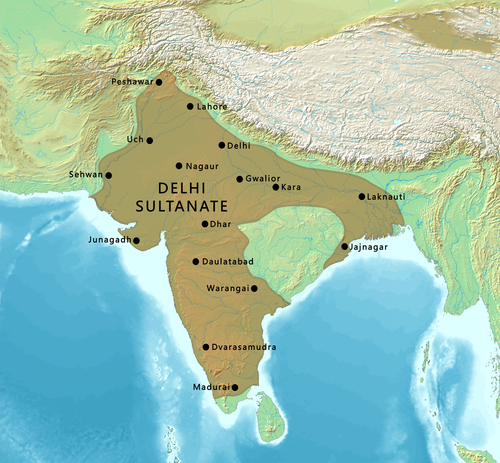
After the Ghurid dynasty's conquests in the region, the Delhi Sultanate was formed, extending its rule over parts of Afghanistan. This marked a significant expansion of Islamic power in South Asia. The Sultanate's establishment led to the introduction of Persian culture, language, and Islamic traditions in the region.
The consolidation of the Delhi Sultanate with Afghan territories under its domain brought about a blend of Central Asian, Persian, and Indian influences in governance, art, and architecture. The rule of the Sultanate facilitated trade and cultural exchanges between Afghanistan and the Indian subcontinent. It also paved the way for the spread of Islam in the region, influencing religious practices and societal norms.
The incorporation of Afghan territories into the Delhi Sultanate played a pivotal role in shaping the political landscape of the region, establishing a centralized authority and administrative system. The Sultanate's governance structure and military strategies influenced the political dynamics of Afghanistan, leading to lasting impacts on its societal and cultural development.
#DelhiSultanate #Afghanistan #IslamicExpansion #CulturalExchange #PoliticalImpact
View details1186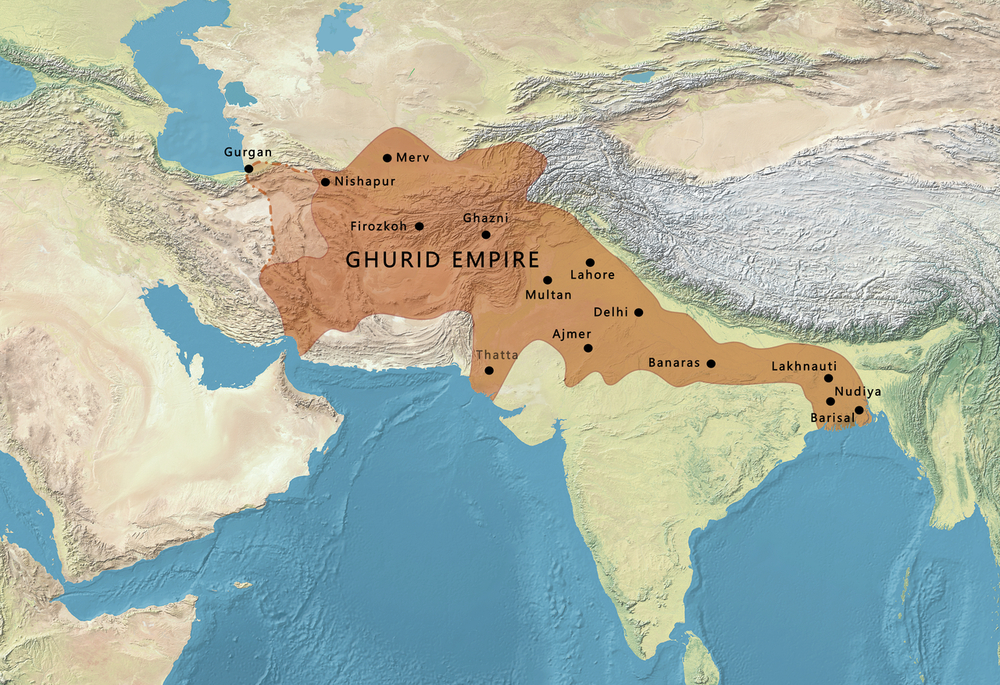
During the Ghurid dynasty's rise to power in the late 12th century, they successfully established control over Afghanistan, marking a pivotal shift in the region's political landscape. Originating from the Ghor region, the Ghurids expanded their influence through strategic military campaigns and alliances, ultimately seizing power in major Afghan cities such as Ghazni and Kabul.
Under Ghurid rule, Afghanistan experienced a period of relative stability and prosperity. The dynasty's skilled administration and promotion of trade along the Silk Road boosted economic growth and cultural exchange, fostering a flourishing society. The Ghurids also played a significant role in spreading Islam across the region, further shaping Afghanistan's religious and social fabric.
The Ghurid dynasty's control over Afghanistan left a lasting impact on the country's history, influencing its political structures, cultural development, and religious practices for centuries to come. Their legacy as ambitious rulers who united diverse territories under a centralized authority is still remembered in Afghan historical narratives.
#GhuridDynasty #AfghanistanHistory #PoliticalTransformation #CulturalExchange #IslamicInfluence
View details1157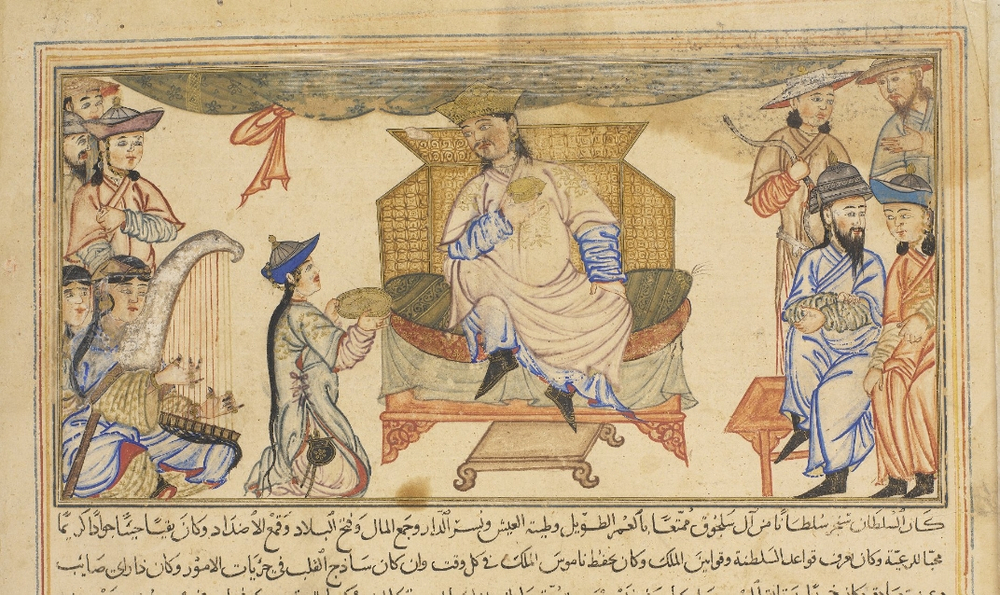
Sultan Sanjar's death marked a turning point in the Great Seljuk Empire's history. As a revered ruler known for his military prowess and strategic leadership, his demise left a power vacuum that led to chaos and internal strife among his successors. The empire, once united and powerful under Sanjar's reign, began to fragment as various regional governors and princes vied for control, weakening its central authority.
This fragmentation ultimately paved the way for a power shift in the region, as neighboring kingdoms and factions seized the opportunity to expand their influence and territories at the expense of the disintegrating empire. The loss of Sultan Sanjar's strong leadership further exacerbated the situation, fueling conflicts and instability throughout the empire.
The death of Sultan Sanjar of the Great Seljuk Empire in 1157 not only marked the end of an era but also set in motion a series of events that reshaped the political landscape of the region. His absence created a power vacuum that led to the empire's fragmentation and a subsequent power shift, ultimately altering the balance of power in the region. #SultanSanjar #GreatSeljukEmpire #PowerShift #Fragmentation.
View details1030
After the reign of Mahmud of Ghazni, Mas'ud I took over as the ruler of the Ghaznavid Empire. Mas'ud I was Mahmud's son and had served as a key commander in his father's military campaigns. His ascension to power marked a significant transition within the empire.
Mas'ud I faced challenges from neighboring kingdoms and internal factions vying for power. He continued his father's military campaigns, although with less success, which strained the empire's resources and influence. This period saw a decline in the Ghaznavid Empire's power and stature in the region.
Mas'ud I's rule was marked by internal unrest and revolts in various provinces of the empire. His inability to effectively manage these internal conflicts weakened the empire further. The instability during his reign eventually led to territorial losses and a gradual decline in the empire's influence.
The succession of Mas'ud I as the ruler of the Ghaznavid Empire after Mahmud of Ghazni signaled a period of uncertainty and decline for the once-powerful empire. Mas'ud I's reign was characterized by internal strife, military setbacks, and territorial losses, which ultimately contributed to the weakening of the Ghaznavid Empire.
#GhaznavidEmpire #MasudI #Afghanistan #HistoricalEvent
View details