Sri Lanka

verified-icon
The Pearl of the Indian Ocean
About
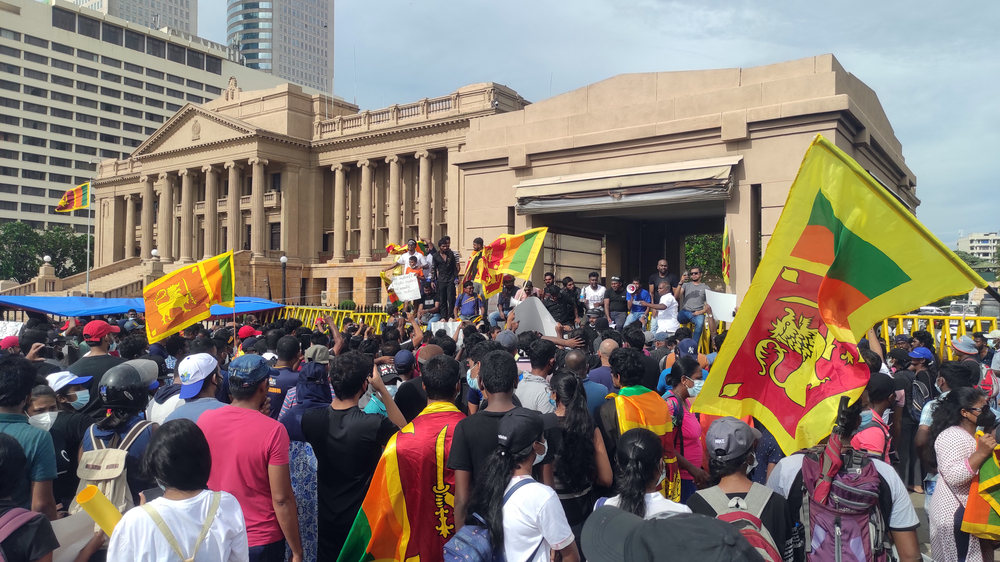
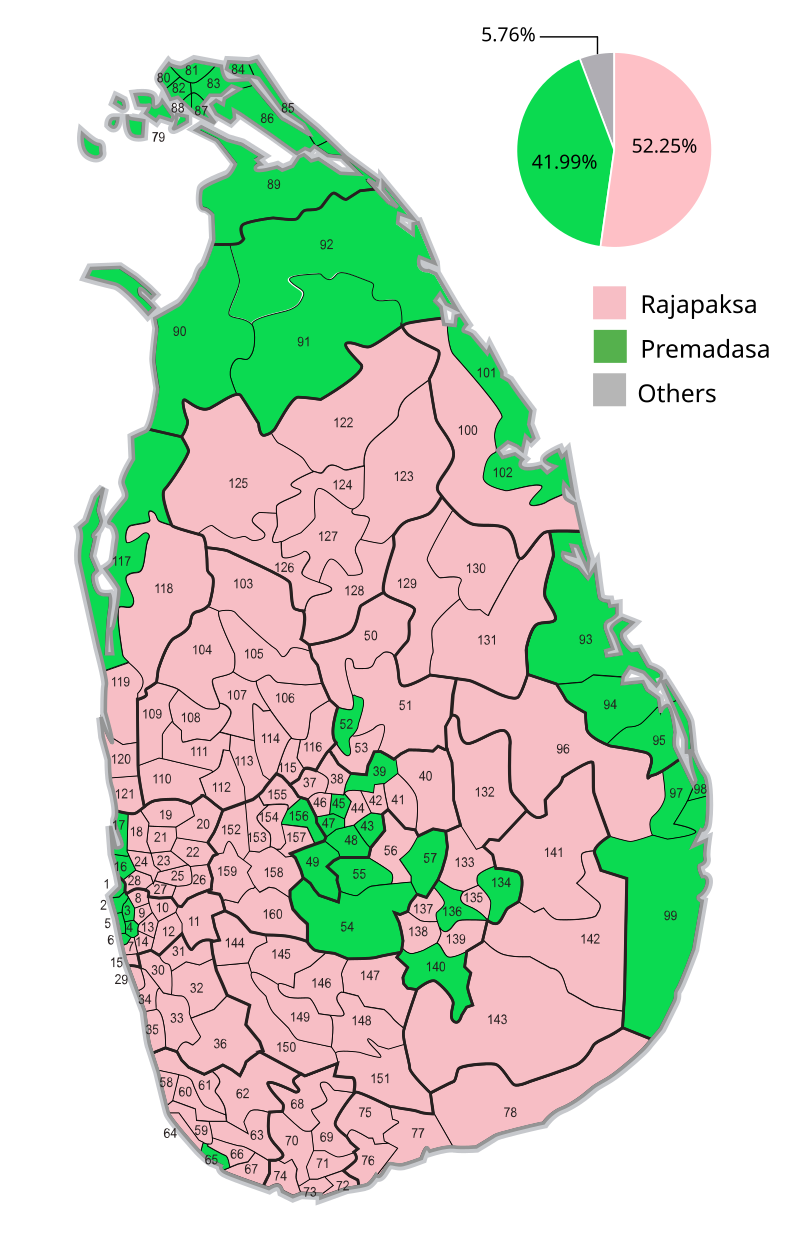
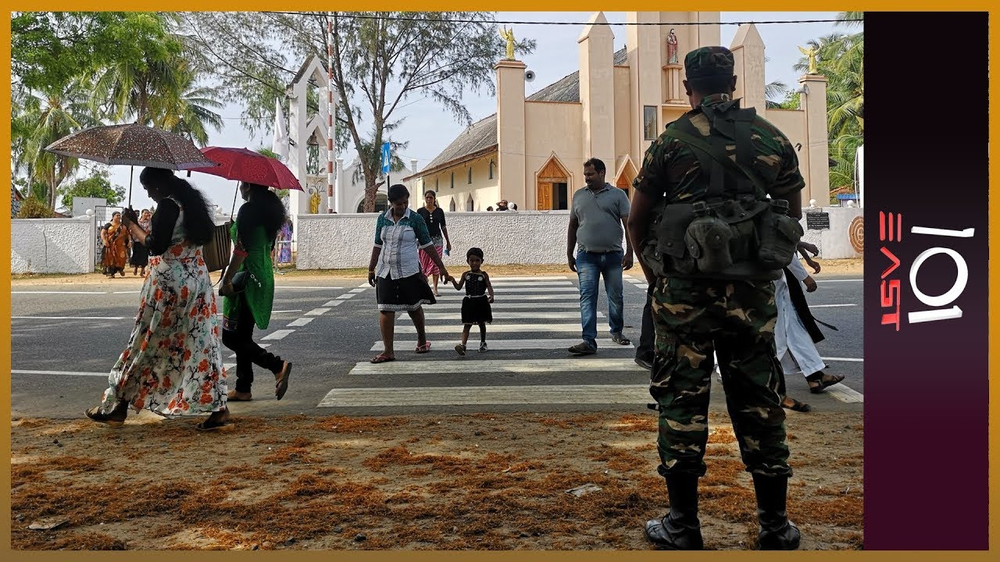
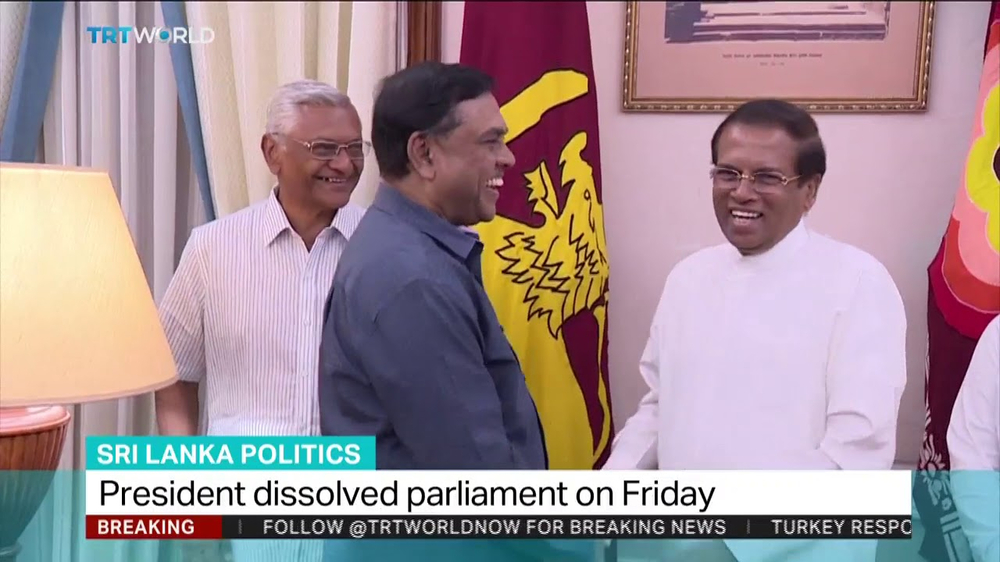
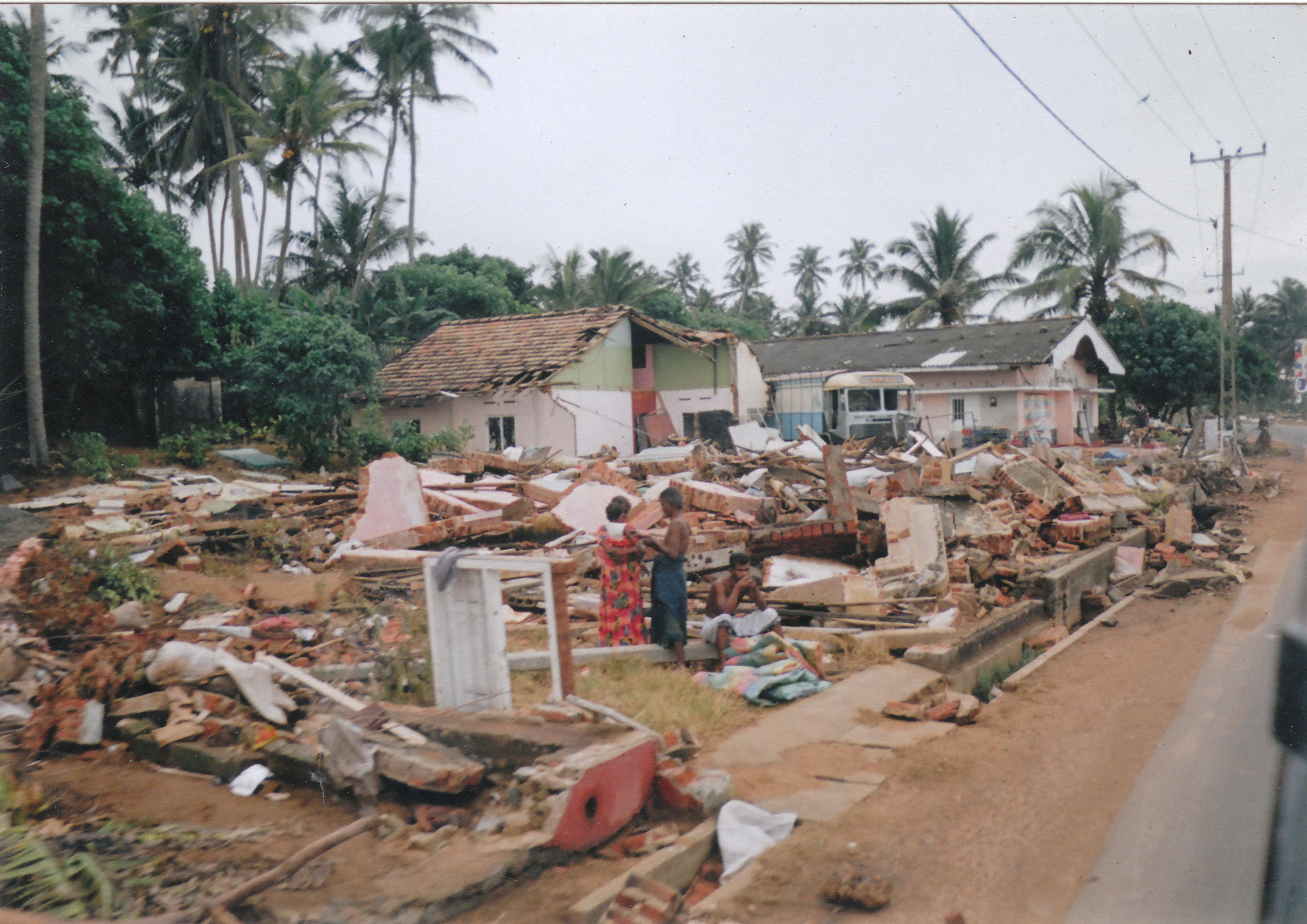
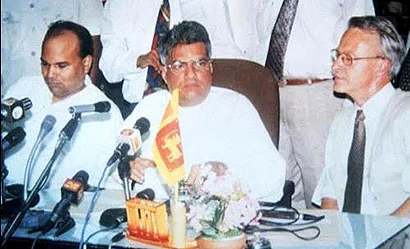
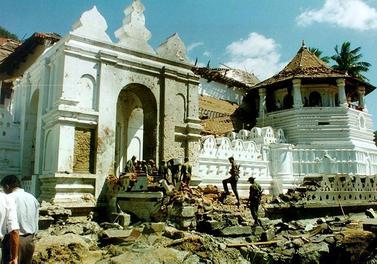
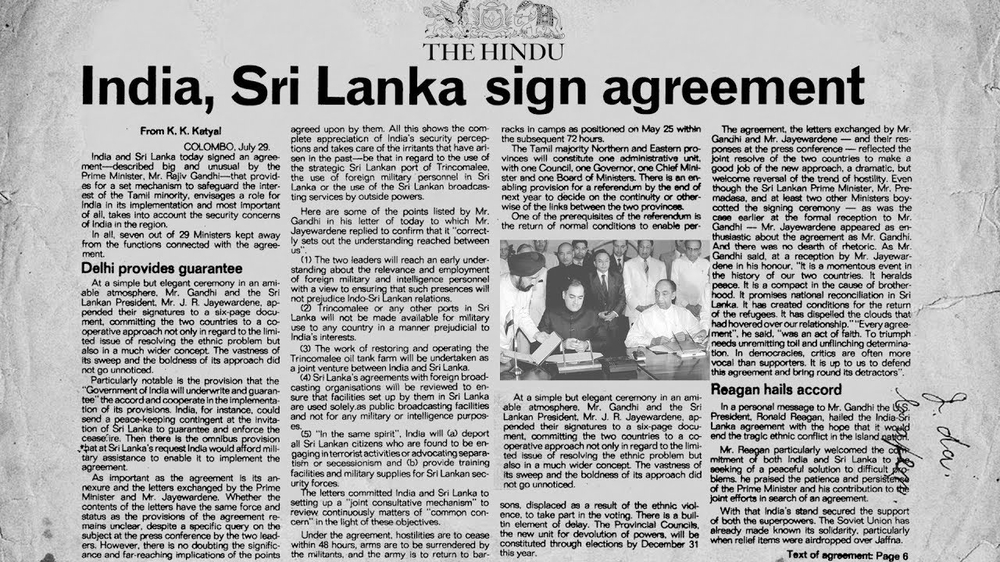
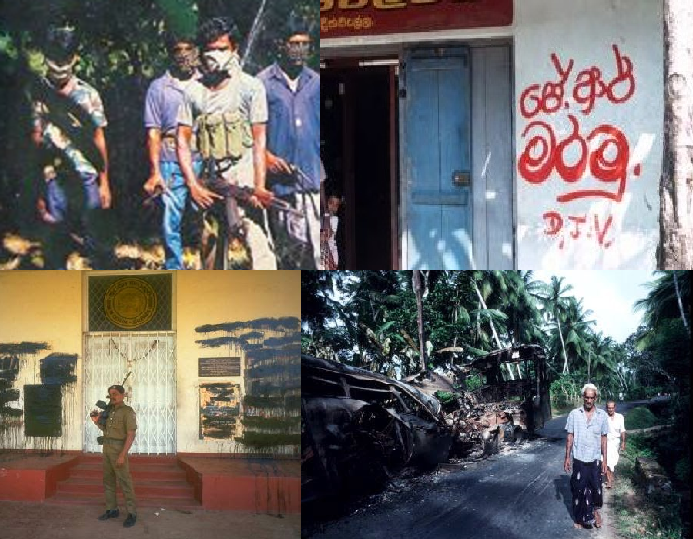
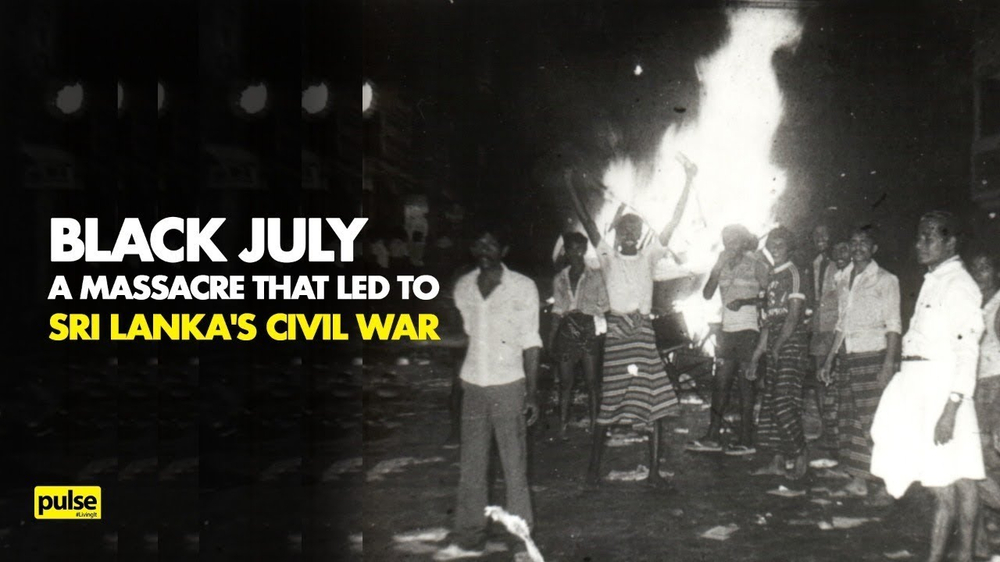
Sri Lanka is an island nation in South Asia, known for its rich history and diverse culture. The country has a recorded history stretching back over 3,000 years, with ancient kingdoms such as Anuradhapura and Polonnaruwa flourishing before the arrival of European colonial powers in the 16th century. The Portuguese, Dutch, and British ruled Sri Lanka at different times until it gained independence in 1948. Sri Lanka has a predominantly Sinhalese population, with significant Tamil, Muslim, and other ethnic groups. The country has faced periods of ethnic tension, particularly between the Sinhalese majority and the Tamil minority, culminating in a prolonged civil war that ended in 2009. Today, Sri Lanka is a developing country with a growing tourism industry, stunning natural landscapes, and a blend of traditional and modern influences. Ancient Kingdoms and Sacred Landscapes: Early settlements and urban centers grew alongside irrigation works that supported agriculture and enduring royal capitals. Buddhism became a major cultural force, leaving a legacy of stupas, monasteries, and literary traditions. Links with India and wider Indian Ocean networks shaped art, governance, and commerce over centuries. Maritime Crossroads and Shifting Powers: Sri Lanka’s ports connected traders from Arabia, South India, Southeast Asia, and beyond, making the island a hub for spices, gems, and ideas. Periods of regional rivalry and migration influenced language, religion, and social structures. Coastal and inland polities rose and fell as control of trade routes and resources shifted. Colonial Rule and Plantation Economy: European powers transformed governance and trade, culminating in far-reaching administrative and economic change under British rule. Plantation agriculture expanded dramatically, reshaping land use, labor patterns, and export markets. These shifts also intensified debates about identity, representation, and rights that echoed into the independence era. Independence and Nation Building: After independence in 1948, Sri Lanka pursued parliamentary democracy while navigating development priorities, language policy, and social welfare ambitions. Economic strategy evolved from state-led models to more open-market reforms, with rapid urban and service-sector growth in later decades. Cultural production, including literature, cinema, and sport, helped project a distinct national voice. Conflict, Recovery, and Contemporary Challenges: Ethno-political tensions escalated into a long civil war that ended in 2009, followed by ongoing efforts toward reconciliation and accountability. The country faced major shocks such as the 2004 Indian Ocean tsunami and later episodes of political and economic volatility. In the 2020s, Sri Lanka confronted acute fiscal strain and public demands for reform, while continuing to balance tourism, trade, and social stability.
#Sri_Lanka_History
#Sri_Lankan_History
#Sri_Lankan_History_Timeline
#History_of_Sri_Lanka
#Ceylon
#Serendip
#Lakdiva
#Taprobana
#Tambapanni
Life Classification
Country

Life Id
EL7704417295568

Verified Name
sri-lanka

Life Type
Entity Life

Life Editor(s)
History Editorial Network (HEN)

Life Privacy
Public

Subscription
Elite

Created On
2024-08-27

Updated On
2026-02-24

Life cover image