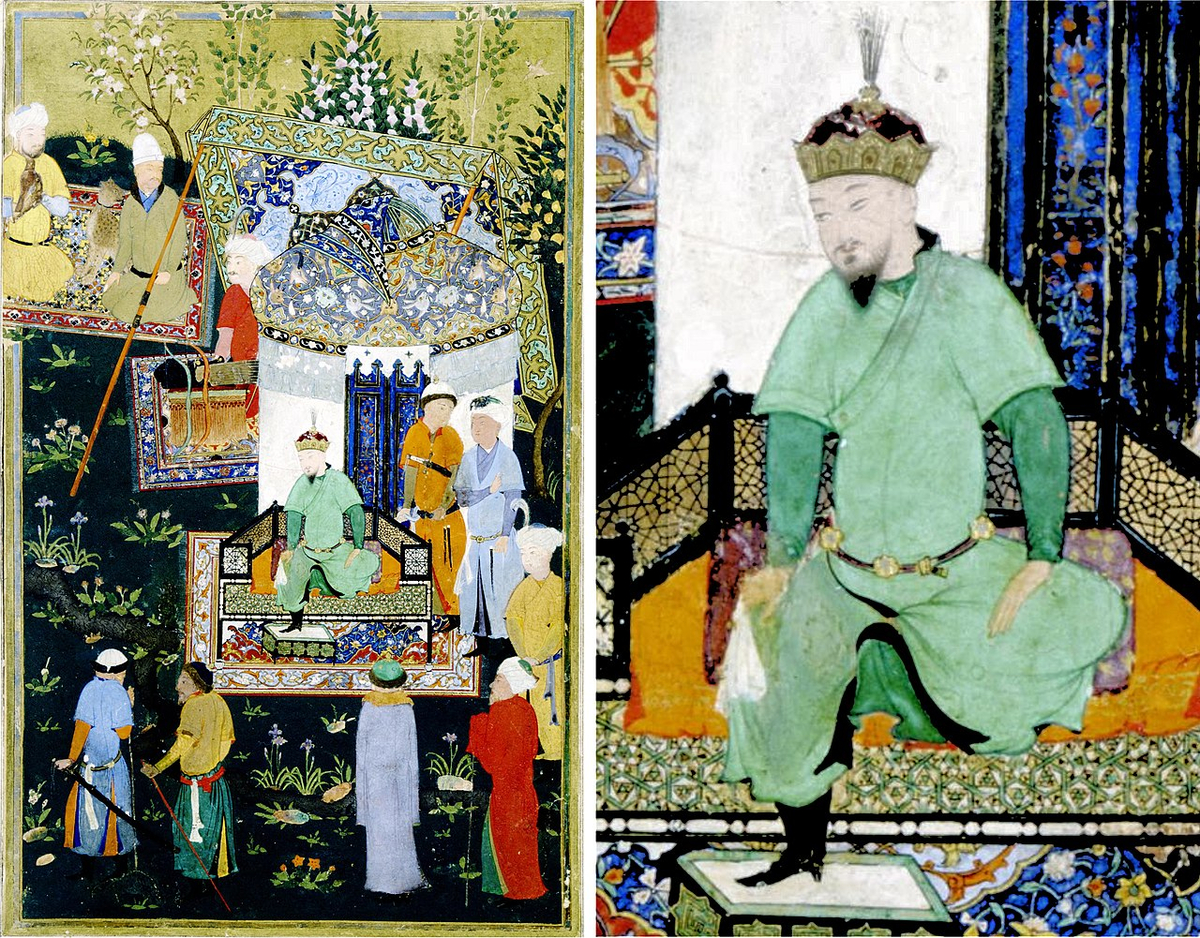
The Rise of the Timurid Empire under Timur, also known as Tamerlane.
Afghanistan

CulturalLegacy
3 min read
Updated By: History Editorial Network (HEN)
Published:
In 1370, Timur, commonly known as Tamerlane, established the Timurid Empire in Afghanistan. Born in what is now Uzbekistan, Timur was a fierce warrior and skilled tactician who united various Turkic and Mongol tribes under his rule. With a thirst for conquest, he launched military campaigns that rapidly expanded his empire across Central Asia, Persia, and parts of South Asia.
The Timurid Empire flourished under Timur's leadership, boasting a rich cultural heritage that blended Turkic, Persian, and Islamic influences. Timur patronized the arts and architecture, leaving behind magnificent landmarks such as the Gur-e Amir mausoleum in Samarkand. Despite his reputation for ruthlessness in battle, Timur was also known for his strategic foresight and keen interest in scholarship and religion.
Timur's legacy had a lasting impact on the region, influencing the political landscape and shaping the course of history in Afghanistan and surrounding territories. His descendants, including his grandson Babur, went on to found the Mughal Empire in India, furthering Timurid cultural and artistic traditions.
The founding of the Timurid Empire by Timur marked a pivotal moment in the history of Afghanistan, leaving a profound imprint on the region's cultural, political, and military landscape. #Timur #TimuridEmpire #AfghanistanHistory #CulturalLegacy
Explore the Life Moments of
 AI Twin