
Afghanistan

The Jewel of Central Asia
About
#Afghanistan
#Kabul
#Afghani
#AfghanCulture
#AfghanHistory
#ExploreAfghanistan
#AfghanHeritage
#CentralAsia
#DiscoverAfghanistan
Life Classification
Country
Life ID
EL3749253861756
Verified Name
afghanistan
Life Type
Entity Life
Life Editor(s)
History Editorial Network (HEN)
Life Privacy
Public
Subscription
Elite
Created On
2024-06-26
Updated On
2025-12-18
Connect
Related Lives
Sri Lanka
The Pearl of the Indian Ocean

Mystery Films
The Silent Clue

Tonga
Polynesian Gem

Monarchy of the United Kingdom
The enduring legacy of the Royal Family.
Uganda
Pearl of Africa
Brunei
Abode of Peace

Olympics
The Grandest Stage of All

Switzerland
The Land of Precision and Timekeeping

2026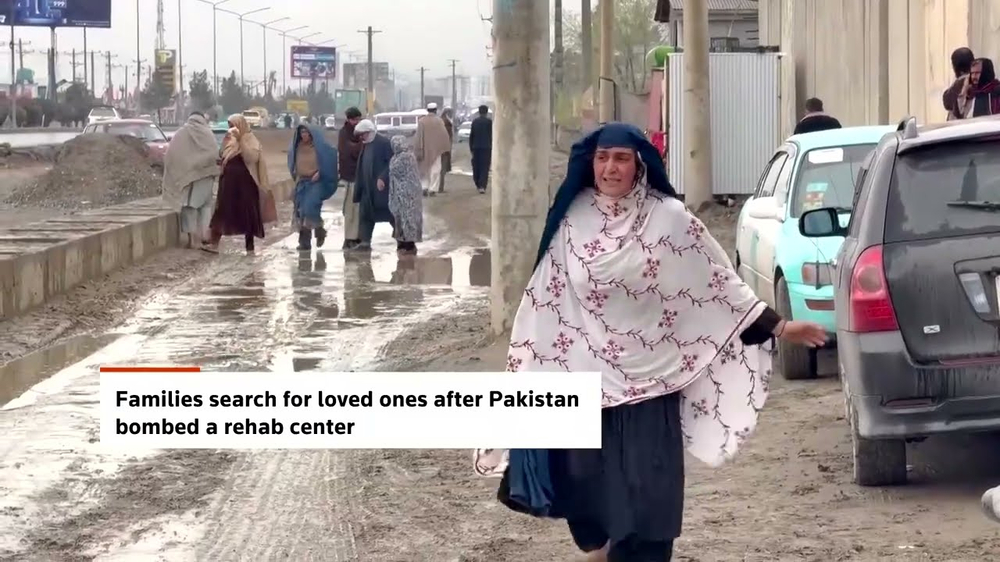
An overnight airstrike on 16/03/2026 in Kabul struck the Omid Addiction Treatment Hospital, also referred to as Omar Hospital, triggering conflicting casualty reports and renewed tensions between Afghanistan and Pakistan. Afghan authorities under the Taliban led administration said between 400 and 408 people were killed and more than 250 injured in the strike. The United Nations Assistance Mission in Afghanistan reported a lower preliminary toll of 143 deaths and 119 injuries while noting that investigations were ongoing. The targeted site was described as a large drug rehabilitation complex with roughly 2,000 beds and thousands of patients reportedly present at the time. Witnesses and survivors said sections of the single story facility were destroyed, with debris covering treatment wards.
The Taliban led government condemned the strike as a violation of Afghan sovereignty, stating the hospital was hit while patients were breaking their Ramadan fast. Officials characterized the attack as deliberate and called for international accountability. Pakistan rejected the allegation that a medical facility was targeted. The Pakistani Ministry of Information and Broadcasting stated that the operation focused on militant infrastructure allegedly used for cross border attacks against Pakistan, describing the strike as precise and intelligence driven. Islamabad denied responsibility for civilian casualties at a rehabilitation center.
International reactions followed the incident. The United Nations Secretary General called for an independent investigation into the strike and urged restraint. India’s Ministry of External Affairs condemned the attack and called for protection of civilian facilities. The incident occurred amid heightened tensions following February 2026 declarations of open hostilities between Afghanistan and Pakistan linked to mutual accusations of harboring cross border militants.
After diplomatic mediation involving Saudi Arabia, Turkey, and Qatar, both sides agreed to a temporary pause in fighting beginning at midnight on 18/03/2026 to coincide with the Eid al Fitr period. The ceasefire announcement followed emergency contacts between regional officials and came as humanitarian agencies sought access to the strike site. The Kabul strike is described by officials as the deadliest single incident since the escalation began in February 2026.
KabulStrike #Airstrike #UNAMA #SouthAsia #2026Conflict
View detailsOn 26/02/2026, the authorities of the Islamic Emirate of Afghanistan announced the launch of large-scale retaliatory military operations against positions held by the Pakistan Armed Forces along the Durand Line, the border separating Afghanistan and Pakistan. Afghan officials stated that the offensive was carried out in response to Pakistani airstrikes earlier in the week, which Kabul said resulted in the deaths of at least 18 civilians, including women and children.
The Afghan Ministry of Defense described the actions as “large-scale offensive operations” intended to respond to what it characterized as repeated cross-border attacks. According to statements released by Taliban spokesman Zabihullah Mujahid, Afghan forces targeted Pakistani installations in several border provinces, including Khost, Kunar, Nangarhar, and Paktia. Afghan officials said units participating in the operation included specialized night-combat teams referred to as “laser units.”
Afghan authorities reported that their forces captured more than 15 Pakistani military outposts during the clashes and claimed that 55 Pakistani soldiers were killed. These figures were reported by Afghan officials and had not been independently verified at the time of the announcement. The offensive followed Pakistan’s declaration earlier the same day that it had entered what officials described as “open war” with the Afghan Taliban authorities.
Following Pakistani airstrikes reported in Kabul, Kandahar, and Paktika Province, Afghan officials condemned the attacks as violations of Afghan sovereignty. Zabihullah Mujahid stated that initial assessments indicated no casualties from the strikes in major cities and dismissed Pakistani claims of large militant losses as inaccurate. Afghan authorities also accused Pakistani forces of striking civilian areas, including residential buildings and a religious school, rather than military facilities.
Diplomatically, the Afghan government stated that it continued to support dialogue despite the escalation. Mujahid said the authorities had consistently attempted to resolve disputes with Pakistan through negotiations. Kabul also rejected Pakistani accusations that it allows the militant group Tehreek-e-Taliban Pakistan (TTP) to operate from Afghan territory, arguing that Pakistan’s security challenges were domestic issues.
The Ministry of Foreign Affairs of Afghanistan summoned Pakistan’s ambassador to Kabul to protest the strikes and reaffirm Afghanistan’s position that defending its territory is a national responsibility under its governing framework. Afghan officials warned that continued military actions would lead to further responses along the border.
View details2025
The United Nations has intensified its scrutiny of the Taliban regime in Afghanistan, accusing them of perpetrating widespread human rights abuses since seizing power in August 2021. On October 6, 2025, the UN Human Rights Council adopted a landmark resolution establishing an independent investigative mechanism to document international crimes and serious violations, including those by the Taliban, former government officials, international forces, and non-state groups like ISIL-K. This move underscores the global alarm over the Taliban's systematic oppression, particularly against women and girls, described as "gender apartheid."
Central to these accusations is the Taliban's draconian policies enforcing discriminatory edicts under the guise of Islamic law. Women and girls face near-total exclusion from public life: bans on secondary and higher education, restrictions on employment, travel without male guardians, and even bans on public speaking or park access. These measures have erased millions from society, fueling suicide rates, forced marriages, and economic despair amid a humanitarian crisis affecting 16 million children without basic aid. Ethnic and religious minorities, former officials, journalists, and activists endure arbitrary arrests, torture, extrajudicial killings, and enforced disappearances, with over 800 documented cases since 2021.
UN experts, including Special Rapporteur Richard Bennett, warn of an "intensifying crisis" marked by shrinking civic space, corporal punishments, and reprisals against returnees. Despite Taliban pledges of amnesty, impunity prevails, betraying international human rights obligations under treaties like CEDAW. The UN urges sustained pressure, accountability, and aid to counter this repression, emphasizing that distortions of religion cannot justify persecution. As Afghanistan teeters on atrocity risks, the world must prioritize Afghan voices to dismantle this regime of fear.
View detailsIn October 2025, tensions along the Afghanistan–Pakistan border escalated into intense armed clashes, marking one of the deadliest confrontations between the two countries in recent years. The conflict reportedly began on the night of October 11–12, when Afghan forces launched retaliatory strikes in response to alleged violations of Afghan territory by Pakistani forces. Both sides engaged in heavy artillery shelling and small-arms fire, resulting in significant casualties. Afghan officials claimed that dozens of Pakistani soldiers were killed, while Pakistan acknowledged several military casualties and stated that they had neutralized a large number of militants linked to Tehrik-i-Taliban Pakistan (TTP). The fighting disrupted civilian life along the border, forcing the temporary closure of border crossings, halting trade, and causing displacement among local communities. Following international concern and urgent diplomatic interventions, a 48-hour ceasefire was implemented on October 15, but mutual distrust between the two countries remains high. Islamabad accuses Kabul of providing safe havens to Taliban-affiliated militants who target Pakistan, while Kabul denies these allegations and condemns Pakistan for carrying out aggressive strikes on Afghan soil. Analysts warn that unless both sides engage in sustained dialogue, these border tensions could escalate further, threatening regional stability and the fragile security situation in both countries.
View details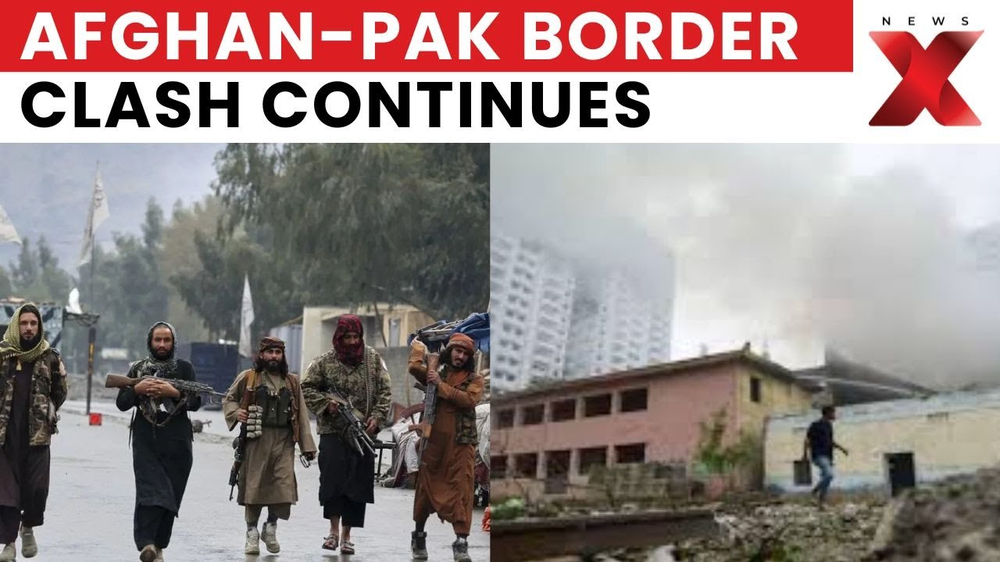
The 2025 Afghanistan-Pakistan conflict erupted on October 9, 2025, when Pakistan launched airstrikes on Taliban-controlled territories in Kabul, Khost, Jalalabad, and Paktika, targeting Tehreek-e-Taliban Pakistan (TTP) leader Noor Wali Mehsud and his militants. This preemptive action followed a deadly TTP assault on Pakistani soldiers in Khyber Pakhtunkhwa the previous day, exacerbating longstanding grievances over cross-border terrorism and the disputed Durand Line. Afghanistan's Taliban regime, denying sanctuary to TTP fighters, retaliated with ground incursions and artillery barrages into Pakistan, killing at least 23 Pakistani troops and injuring 29, while suffering nine soldier deaths. Sporadic clashes persisted, threatening a wider war in a region scarred by decades of proxy battles.
International mediation averted catastrophe. A Qatar-brokered ceasefire in mid-October held tenuously, but Istanbul talks collapsed in November amid accusations of sovereignty violations and demands for TTP extraditions. Pakistan, emboldened by U.S. ties post its May skirmish with India, vowed "befitting replies," while Taliban Supreme Leader Hibatullah Akhundzada diverted Kunar River waters, straining downstream agriculture. The violence displaced thousands, killed three Afghan cricketers—prompting the ACB's boycott of a Pakistan-hosted series—and fueled Islamabad's expulsion of over one million Afghan refugees by December, citing security threats.
Analysts warn of great-power echoes, with Pakistan's alignments pulling in U.S. support and Afghanistan courting India at Deoband seminaries. Though de-escalation prevails, unresolved Pashtun irredentism and militant havens risk reigniting hostilities, underscoring the fragility of South Asian borders in a multipolar world.
View details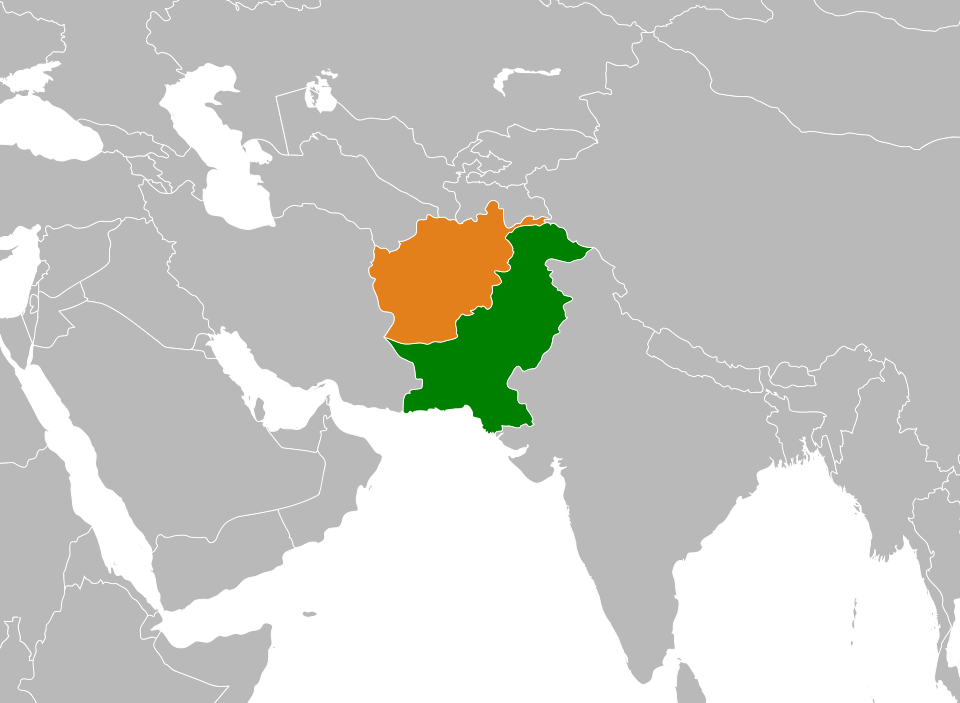
2023
In 2023, Afghanistan experienced one of the worst economic collapses in its history, turning into a severe humanitarian crisis affecting millions. After the Taliban returned to power in 2021, most international aid was cut off, foreign assets were frozen, and banking restrictions pushed the economy into near-total shutdown. By 2023, unemployment soared, prices of food and fuel doubled, and families struggled to afford basic necessities. The United Nations reported that over 28 million Afghans—more than half the population—needed urgent humanitarian assistance, including food, clean water, medical care, and shelter. Many children suffered from acute malnutrition, and hospitals lacked essential medicines. Women’s bans from workplaces worsened the situation, reducing household income and weakening the health and education sectors. Drought in many regions also destroyed crops, leaving rural communities hungry and desperate. Despite efforts by international organizations to provide aid, the scale of the crisis remained overwhelming, making 2023 one of Afghanistan’s hardest years in decades.
View details2022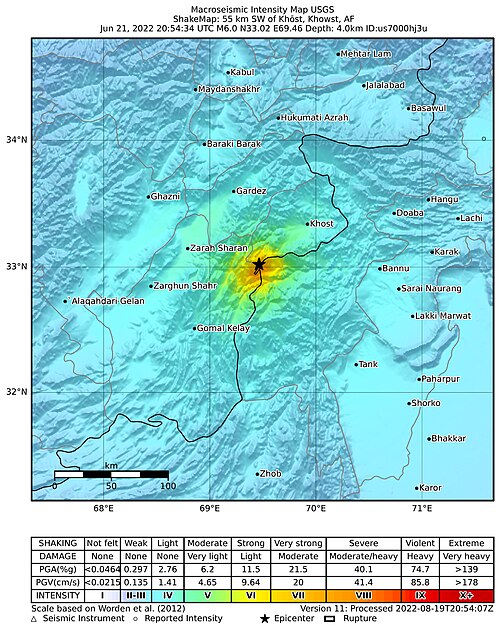
In June 2022, a devastating earthquake struck southeastern Afghanistan, causing one of the deadliest natural disasters in the country’s recent history. The 6.2-magnitude quake hit mainly the provinces of Paktika, Khost, and Paktia, where thousands of families lived in fragile, mud-brick houses that collapsed instantly. Entire villages were flattened within seconds, leaving people buried under rubble and rescuers struggling to reach remote mountain areas. More than a thousand people were reported dead, and thousands more were injured, including many children. The disaster exposed Afghanistan’s limited emergency response system, especially under the Taliban’s new rule, where resources, trained personnel, and equipment were scarce. Heavy rains, landslides, and damaged roads made rescue operations even more difficult. International aid agencies stepped in to provide tents, food, medical support, and temporary shelters, but the scale of destruction was overwhelming. The earthquake not only caused immense loss of life but also deepened the already severe humanitarian crisis, leaving countless families homeless, traumatized, and in urgent need of long-term recovery support.
View details2021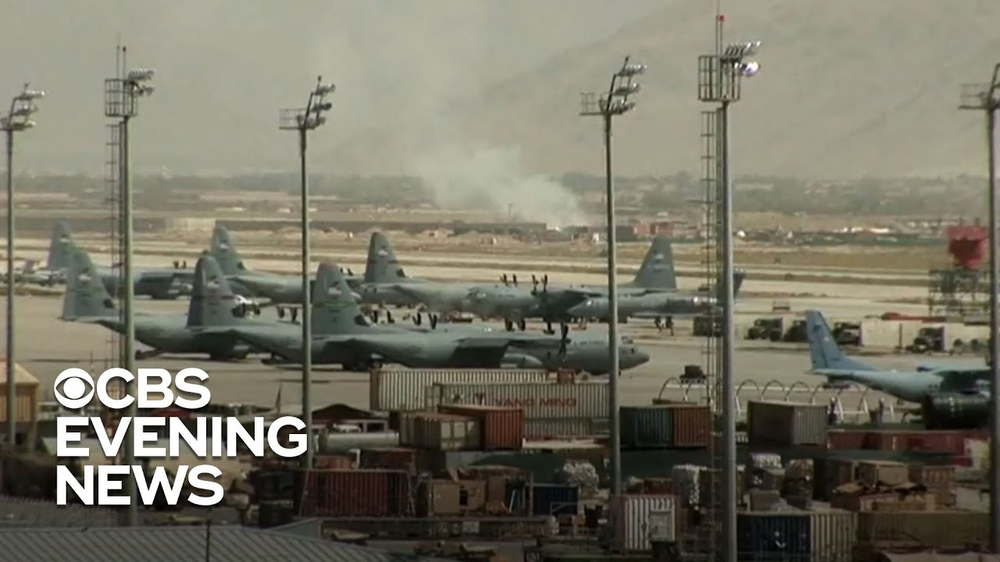
US forces completed their withdrawal from Bagram Airfield, the largest military base in Afghanistan, marking a significant milestone in the country's history. The airfield, which served as a key strategic hub for American operations for nearly two decades, was handed over to Afghan security forces. Its departure signifies the end of an era characterized by US military presence in the region.
The closure of Bagram Airfield has raised concerns about the security situation in Afghanistan, as the Taliban continues to gain ground amidst the power vacuum left by the departing forces. The move has sparked debates about the future stability of the country and the potential resurgence of extremist groups.
The withdrawal from Bagram Airfield underscores a shift in US foreign policy and marks a pivotal moment in the country's involvement in Afghanistan. As the last American troops left the base, it signaled the closing chapter of a long and tumultuous military campaign in the region.
#BagramAirfield #USForces #Afghanistan #MilitaryWithdrawal #Taliban #SecurityConcerns
View detailsThe US announced plans to withdraw all troops from Afghanistan, marking the end of a two-decade-long military presence in the country. The decision came after a peace agreement between the US and the Taliban was reached in 2020, aiming to end the prolonged conflict and bring stability to Afghanistan. The US troop withdrawal is part of fulfilling this agreement.
The withdrawal of US troops has raised concerns about the impact on the security situation in Afghanistan. The Afghan government is now facing increased pressure to negotiate with the Taliban and find a peaceful resolution to the conflict. The withdrawal also raises concerns about the potential resurgence of terrorist groups in the region.
The decision to withdraw all troops signifies a significant shift in US foreign policy and military strategy in the region. It has sparked debates about the legacy of the US involvement in Afghanistan and the implications of the withdrawal for regional stability.
#USwithdrawal #Afghanistan #Taliban #PeaceAgreement #SecurityConcerns
View details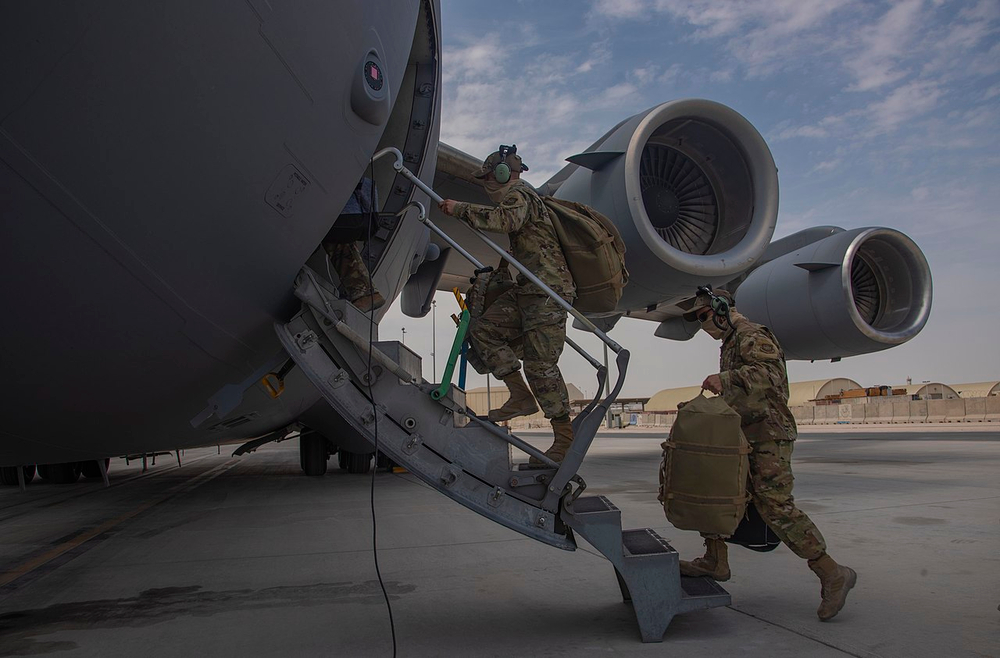
2020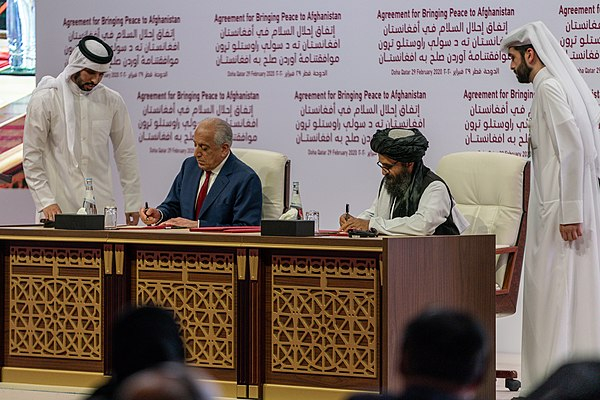
In Doha, Qatar, the US and Taliban representatives finalized a historic peace agreement, aimed at ending the long-standing conflict in Afghanistan. The agreement was a result of months of negotiations, with both parties agreeing on key points, including the withdrawal of US troops and the prevention of Afghan soil being used as a staging ground for terrorist activities.
The signing of the agreement marked a significant milestone in the efforts to bring stability to Afghanistan, a country plagued by decades of war and violence. The deal paved the way for intra-Afghan talks, with the hope of reaching a comprehensive ceasefire and a lasting political solution.
With the agreement in place, there was a glimmer of hope for the people of Afghanistan, who have endured immense suffering and displacement due to the conflict. The international community welcomed the development, emphasizing the importance of a peaceful resolution for the region's security and stability.
#US #Taliban #Doha #PeaceAgreement #Afghanistan #Stability
View details2015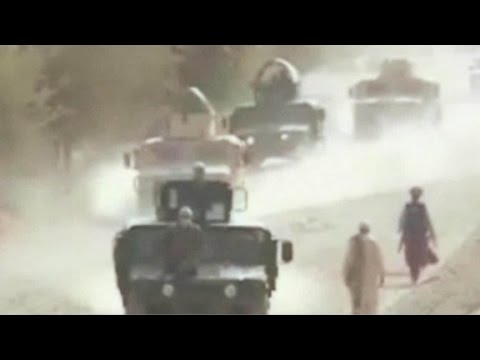
Taliban forces launched an offensive and successfully captured Kunduz city, a strategic urban center in Afghanistan. This seizure marked a significant blow to government forces, as Kunduz had been a key stronghold for the Afghan government. The Taliban's swift takeover of the city highlighted the persistent challenges faced by the government in maintaining control over territory amidst ongoing conflict.
The fall of Kunduz city resulted in a significant displacement of residents who fled the violence, seeking refuge in neighboring areas. Additionally, the Taliban's capture of the city allowed the group to gain control over important infrastructure and resources, further enhancing their influence in the region. The event underscored the Taliban's continued ability to launch coordinated offensives and seize territory despite efforts by the government and international forces to combat their insurgency.
The capture of Kunduz city served as a grim reminder of the tenuous security situation in Afghanistan and the ongoing threat posed by the Taliban to the country's stability. The event reverberated across the region, raising concerns about the prospects for peace and stability in Afghanistan.
#Taliban #Kunduz #Afghanistan #Conflict #Security
View details2014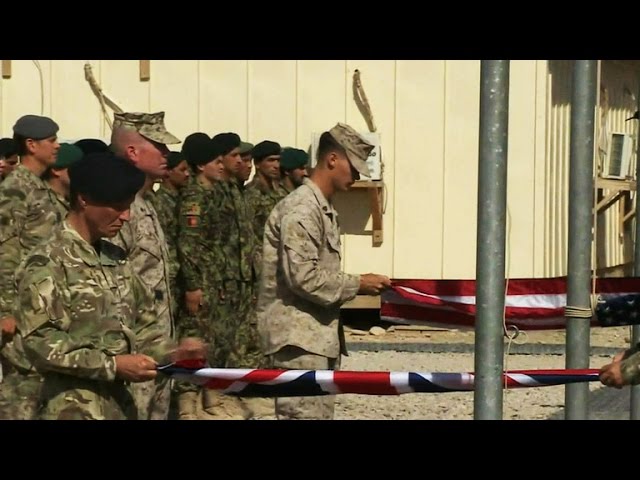
The United States completed the conclusion of their combat mission in Afghanistan. The decision marked a significant shift in their military involvement in the country. The transition symbolized a new phase, with the Afghan military taking on a more significant role in security operations.
US troops shifted their focus to training and advising Afghan forces, while remaining available for counterterrorism operations. The change signaled a decreased direct military presence in Afghanistan, aiming to respect the country's sovereignty and the progress made over the years.
The event reflected years of conflict, sacrifice, and international cooperation in Afghanistan. The transition aimed to pave the way for the Afghan government to lead and secure the nation independently.
The decision sparked mixed reactions, with some viewing it as a step towards stability and self-governance for Afghanistan, and others expressing concerns about the potential for security challenges that could arise. The development highlighted the complexities and ongoing dynamics in the region post-transition.
#Afghanistan #US #MilitaryMission #Transition #Security #InternationalCooperation.
View details2011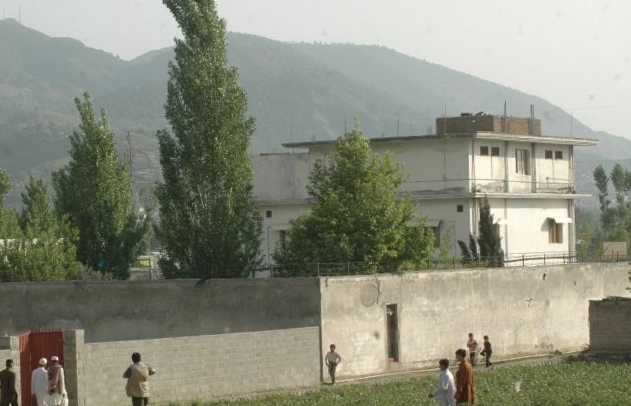
Osama bin Laden, the founder of the terrorist organization Al-Qaeda, was killed by US special forces in a covert operation in Pakistan. Bin Laden had been on the run for nearly a decade since the 9/11 terrorist attacks he orchestrated in the United States. The operation took place in Abbottabad, where he was hiding in a compound.
The death of bin Laden marked a significant milestone in the global fight against terrorism. It dealt a major blow to Al-Qaeda and provided closure to the families of the victims of the 9/11 attacks. The successful operation demonstrated the determination and capabilities of the US military and intelligence agencies in pursuing high-value targets.
Following the news of bin Laden's death, there were mixed reactions around the world. While some saw it as justice served, others raised concerns about the implications for global security and the future of terrorism. The event underscored the ongoing challenges posed by extremist groups and the importance of international cooperation in addressing these threats.
#OsamaBinLaden #AlQaeda #AbbottabadOperation #GlobalSecurity #CounterTerrorism #USMilitary
View details2010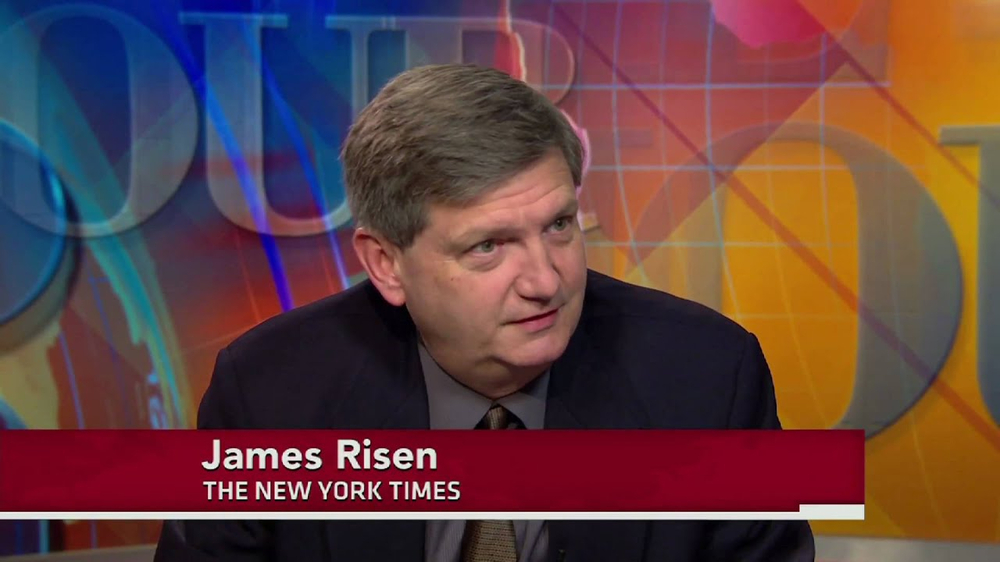
US and Afghan government officials unveiled a groundbreaking discovery of untapped mineral deposits in Afghanistan, assessed by the US Geological Survey to hold a minimum value of $1 trillion. This revelation shed light on Afghanistan's potentially significant role in the global mineral market, with vast resources including iron, copper, gold, and lithium buried beneath its terrain.
The findings sparked enthusiasm among investors and raised hopes for economic transformation in Afghanistan, a nation long plagued by conflict and instability. The prospects of tapping into these mineral reserves offered a beacon of opportunity for the country's development and prosperity.
However, amidst the optimism, concerns emerged regarding the challenges of harnessing these resources in a country struggling with corruption, security threats, and political uncertainties. The need for transparent governance, infrastructure development, and sustainable extraction practices became paramount in realizing the full potential of the mineral wealth.
This watershed moment underscored the intricate interplay between economic potential, governance capacities, and geopolitical dynamics in Afghanistan's future trajectory. As stakeholders navigated the complexities of mineral resource exploitation, the promise of transformational change vied with the daunting realities on the ground.
#AfghanistanMinerals #EconomicOpportunity #GlobalInvestment #ResourceManagement
View detailsThe Afghanistan national basketball team made history by securing the first team sports title at the 2010 South Asian Games. The team's triumph marked a significant achievement in the country's sporting history, showcasing their skills and determination on a regional platform.
With a strong display of teamwork and talent, the Afghanistan basketball team defeated their competitors to claim the gold medal. This victory not only brought pride to the nation but also inspired the youth to pursue sports as a career path. It highlighted the potential and capabilities of Afghan athletes, shedding light on their abilities beyond traditional sports.
The win served as a morale booster for the sports community in Afghanistan, encouraging investment and support for the development of basketball and other team sports in the country. It opened doors for more opportunities and recognition on an international level, elevating the status of Afghan sports globally.
This historic achievement by the Afghanistan national basketball team at the 2010 South Asian Games exemplifies the power of determination and perseverance in overcoming challenges and making a mark in the world of sports. #Afghanistan #BasketballChampions #SouthAsianGames
View details2005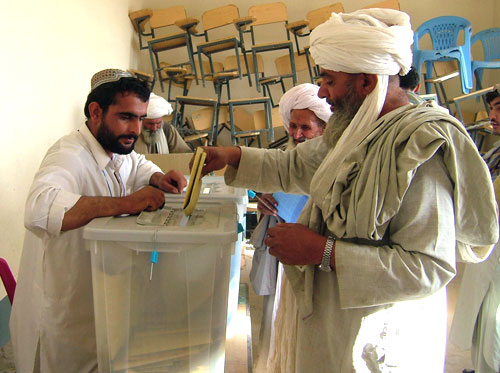
The Afghan parliamentary elections of 2005 were a significant milestone in the country's tumultuous journey towards establishing a democratic system after decades of conflict and instability. Held on September 18, 2005, these elections were the first parliamentary elections in Afghanistan since 1969, marking a crucial step in the post-Taliban nation-building process.
Context and Preparation
Following the fall of the Taliban regime in 2001, Afghanistan embarked on a path to rebuild its political institutions under the guidance of the Bonn Agreement of December 2001. This agreement laid the groundwork for establishing an interim government and planning for democratic elections. The first presidential elections were held in 2004, in which Hamid Karzai was elected as President. The 2005 parliamentary elections aimed to create a new legislature, consisting of the Wolesi Jirga (House of the People) and the Meshrano Jirga (House of Elders), thereby completing the transitional political framework outlined in the new Afghan Constitution adopted in 2004.
Election Mechanics
The 2005 parliamentary elections involved two major components:
Wolesi Jirga Elections: Members of the Wolesi Jirga, the lower house of the National Assembly, were directly elected. The body consists of 249 seats, with members elected through a Single Non-Transferable Vote (SNTV) system. This method allowed voters to cast a ballot for a single candidate in multi-member constituencies.
Provincial Council Elections: At the same time, elections were held for the provincial councils, which serve as the basis for selecting members of the Meshrano Jirga. Each province elects representatives to their respective councils, and these councils then choose members to send to the upper house.
Challenges
The elections faced numerous challenges:
Security: Afghanistan was still grappling with an insurgency led by the Taliban and other militant groups. There were significant concerns about voter safety and the security of election officials.
Logistics: Conducting elections in a country with rugged terrain and limited infrastructure posed logistical challenges, including the distribution of ballots and the setup of polling stations.
Political Fragmentation: The Afghan political landscape was highly fragmented, with numerous candidates and parties vying for power, making the political process complex and sometimes contentious.
Voter Participation and Inclusivity
Despite these challenges, the elections saw a robust voter turnout, with millions of Afghans participating. Efforts were made to ensure inclusivity, particularly for women and ethnic minorities. The Afghan Constitution mandates that at least 68 seats in the Wolesi Jirga be reserved for women, reflecting a significant step towards gender equality in a traditionally patriarchal society.
Election Outcomes
The results of the 2005 parliamentary elections were diverse, reflecting the complex mosaic of Afghan society. No single party gained a majority, leading to a fragmented Wolesi Jirga composed of various political factions, including former warlords, technocrats, and representatives of different ethnic and tribal groups. This diversity underscored the need for coalition-building and compromise in the new legislative body.
Impact and Legacy
The 2005 elections were a landmark in Afghanistan's democratic evolution. They represented a critical attempt to move beyond the autocratic rule and civil strife that had plagued the country for decades. The establishment of a functioning parliament aimed to provide a platform for dialogue and governance that included a broader spectrum of Afghan society.
While the elections did not immediately resolve Afghanistan's deep-seated issues, they laid a foundation for subsequent political processes. The new parliament played a role in shaping national policies and laws, although it often faced significant challenges due to ongoing conflict and political instability.
#AfghanElections #DemocracyInAfghanistan #PostTalibanEra #MomentsOfLife #MoofLife_Moment #MoofLife
View details2004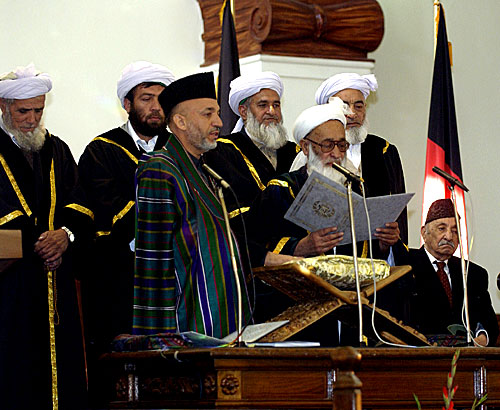
The 2004 Afghan presidential election was a landmark event in the history of Afghanistan, marking the first time in the country's history that the president was chosen through a democratic process. Held on October 9, 2004, this election was a significant milestone for Afghanistan's fledgling democracy following the fall of the Taliban regime in 2001.
Background
After the U.S.-led invasion in late 2001 that ousted the Taliban, Afghanistan was in a period of political and social reconstruction. The Bonn Agreement, signed in December 2001, laid the groundwork for establishing a new government framework, culminating in the adoption of a new constitution in January 2004. The 2004 presidential election was a critical step in this transition, aiming to legitimize the government and promote stability.
Candidates and Campaign
The election featured 18 candidates, with Hamid Karzai, the interim president who had led the transitional government since 2002, being the frontrunner. Karzai, a Pashtun from the Popalzai tribe, was widely recognized both domestically and internationally. His primary challengers included Yunus Qanuni, a prominent Tajik politician and former Minister of Education, and Abdul Rashid Dostum, a well-known Uzbek warlord.
The campaign period was fraught with challenges, including security concerns and logistical issues. The Taliban and other insurgent groups actively sought to disrupt the process, leading to a climate of fear and uncertainty. Despite these threats, candidates traveled across the country to garner support, though their reach was often limited by the dangerous security situation.
Election Day
On election day, millions of Afghans defied threats of violence to cast their votes. Voter turnout was estimated at around 70%, reflecting a strong desire among the populace to participate in the democratic process. However, the day was not without issues. Reports of electoral fraud and administrative problems, such as indelible ink washing off voters' fingers, marred the proceedings. These issues led some candidates to call for the election to be annulled, but an independent panel reviewed the complaints and ultimately upheld the election results.
Results
Hamid Karzai emerged victorious, securing approximately 55.4% of the vote, which allowed him to avoid a runoff. Yunus Qanuni came in second with about 16.3%, and Abdul Rashid Dostum garnered around 10%. Karzai's win was a crucial endorsement of his leadership and vision for Afghanistan, despite the allegations of fraud and irregularities.
Significance and Aftermath
The 2004 election was a pivotal moment for Afghanistan. It represented a significant shift from decades of conflict and authoritarian rule towards a more democratic governance structure. While the election did not resolve all of Afghanistan's challenges, it provided a foundation for further political development and international engagement.
However, the road ahead remained fraught with difficulties. The elected government had to deal with persistent security threats from insurgent groups, rampant corruption, and the need for substantial economic and infrastructural development. Nonetheless, the election was a crucial step in legitimizing the Afghan government and providing hope for a more democratic future.
#AfghanistanElections #HamidKarzai #DemocracyInAfghanistan #MomentsOfLife #MoofLife_Moment #MoofLife
View details2003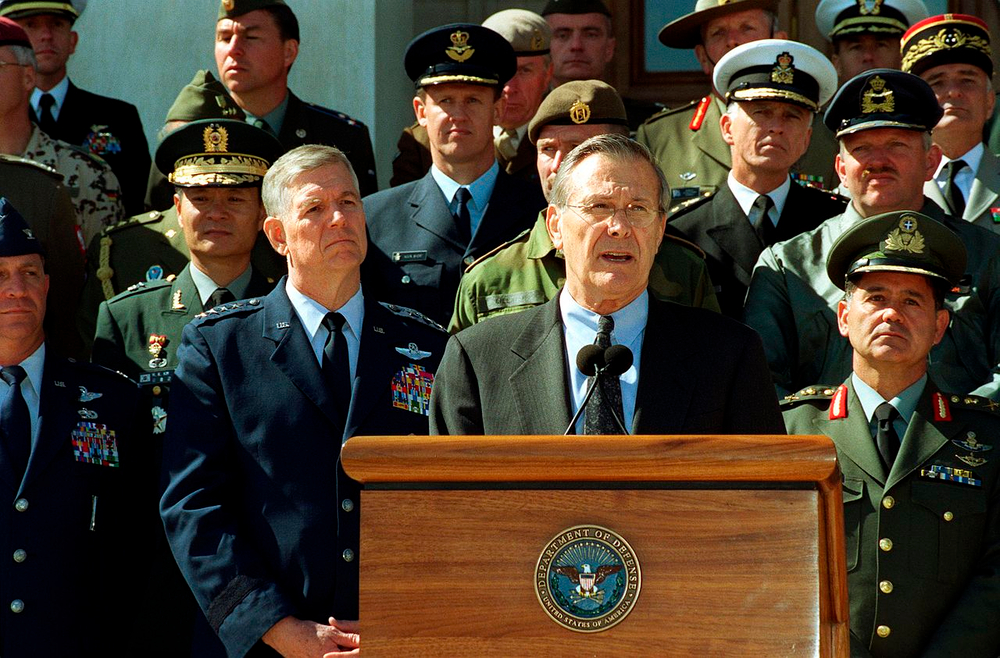
NATO took over the command of the International Security Assistance Force in Afghanistan, marking a pivotal transition in the mission. The handover aimed to enhance coordination and effectiveness in providing security and stability to the Afghan people. The move reflected NATO's commitment to supporting Afghanistan's reconstruction efforts and combating terrorism in the region.
Under NATO's leadership, the ISAF coalition expanded its multinational presence and military efforts in Afghanistan. This shift brought about a more cohesive and unified approach to addressing security challenges, including counterinsurgency operations and training Afghan security forces. The alliance's involvement underscored the global community's determination to promoting peace and security in the region.
The assumption of control by NATO signaled a new phase in the international efforts to stabilize Afghanistan and support its development. The coordination and resources brought by NATO member countries significantly bolstered the ISAF's capabilities and effectiveness in addressing security threats. The transition highlighted the collective resolve to work towards a more secure and prosperous future for Afghanistan.
#NATO #ISAF #Afghanistan #SecurityAssistance #Stability #Counterinsurgency #GlobalPartnership
View details2002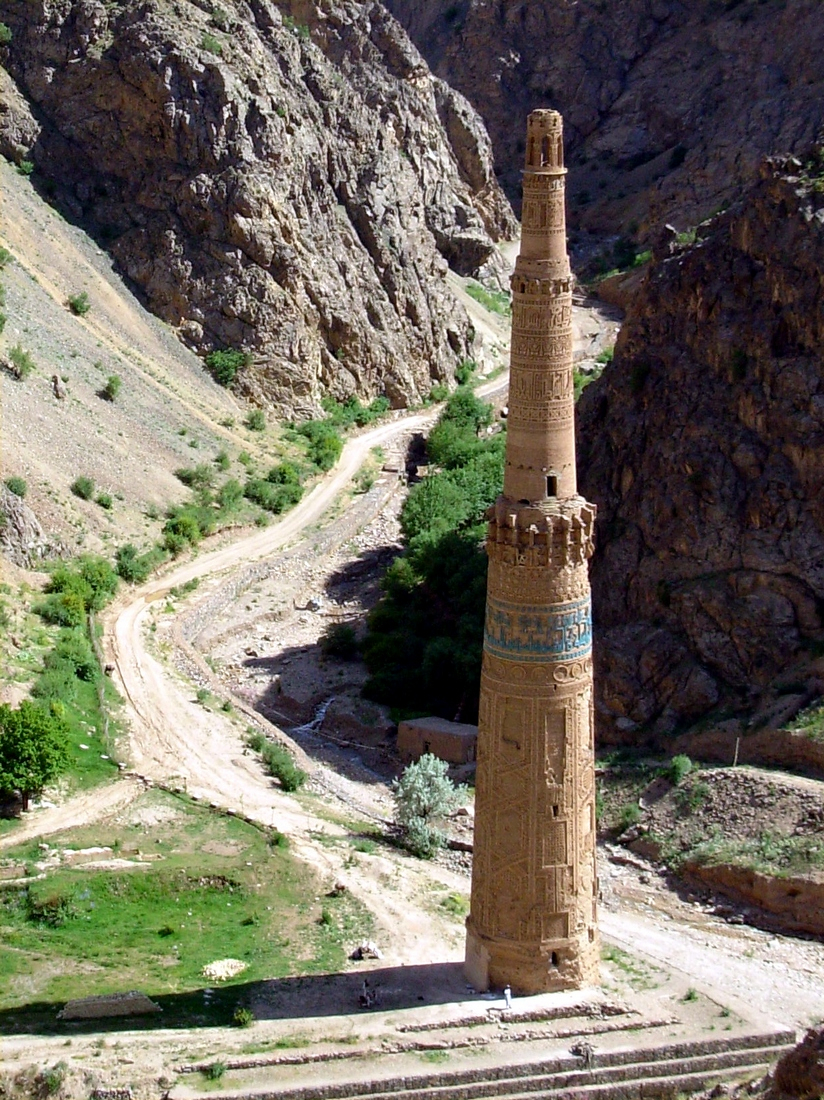
The Minaret and Archaeological Remains of Jam, located in Afghanistan, were categorized as World Heritage in Danger by UNESCO. This decision was a response to the site's vulnerability due to various factors, including natural elements and human activities. The minaret, constructed in the 12th century, is a remarkable example of Islamic architecture and stands as a symbol of the region's rich cultural history.
The site's inclusion in the list of endangered World Heritage sites aimed to draw attention to the urgent need for conservation and preservation efforts. The unstable political climate in Afghanistan posed additional challenges to safeguarding the site and hindered proper maintenance and protection measures.
The designation of the Minaret and Archaeological Remains of Jam as World Heritage in Danger served as a call to action for international organizations, governments, and heritage conservationists to collaborate in safeguarding this iconic site for future generations. Efforts were made to secure funding and resources to mitigate the threats facing the site and ensure its long-term survival.
#UNESCO #WorldHeritage #Afghanistan #CulturalHeritage #Conservation
View details2001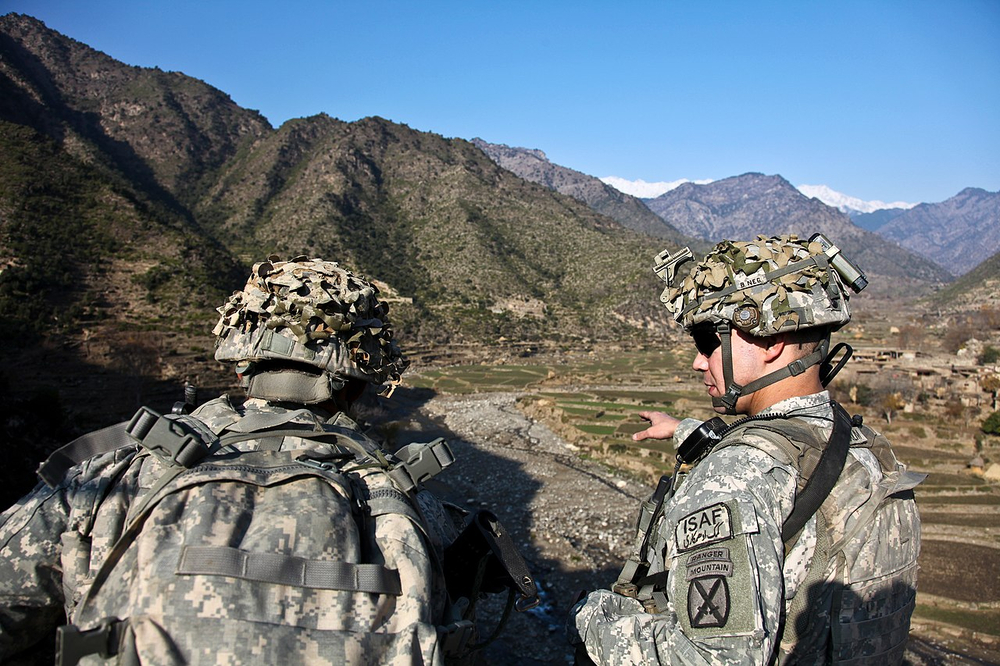
In response to the 9/11 attacks, the United States launched Operation Enduring Freedom in Afghanistan. The mission aimed to dismantle terrorist organizations, including Al-Qaeda, and remove the Taliban from power. The Taliban had been providing safe haven to Al-Qaeda and its leader, Osama bin Laden.
The US-led coalition, including NATO allies, conducted airstrikes and deployed ground forces to target terrorist strongholds and disrupt their operations. Special Operations Forces worked alongside Afghan militias to overthrow the Taliban regime and root out terrorist networks.
Operation Enduring Freedom resulted in the removal of the Taliban from power and the establishment of a new Afghan government. It also led to the capture of many high-ranking Al-Qaeda leaders, including bin Laden.
The impact of Operation Enduring Freedom in Afghanistan was profound, shaping the country's political landscape and security situation for years to come. It marked the beginning of a long and complex conflict that would evolve into a protracted military campaign and nation-building effort.
#OperationEnduringFreedom #AfghanistanConflict #WarOnTerror
View detailsIn 2001, following years of civil unrest and political instability in Afghanistan, the formation of the Afghan national cricket team took place. The sport of cricket had been introduced to the country by returning refugees from Pakistan, and its popularity grew rapidly among the Afghan youth despite the lack of infrastructure and facilities.
The establishment of the national team provided a sense of unity and pride for the war-torn nation, offering a positive distraction from the ongoing challenges. It also served as a symbol of hope and resilience for the Afghan people in the face of adversity.
With limited resources and training opportunities, the team embarked on a journey to compete on the international stage. Despite facing well-established cricketing nations with superior facilities and experience, the Afghan team quickly gained recognition for their competitive spirit and determination.
Their success on the field not only brought joy to the Afghan diaspora around the world but also helped change perceptions about Afghanistan, showcasing the talent and potential of its people beyond the negative stereotypes often associated with the country.
The formation of the Afghan national cricket team marked a new chapter in the nation's sporting history, highlighting the power of sports in promoting unity, resilience, and national pride. #Afghanistan #CricketTeam #Unity #Resilience
View details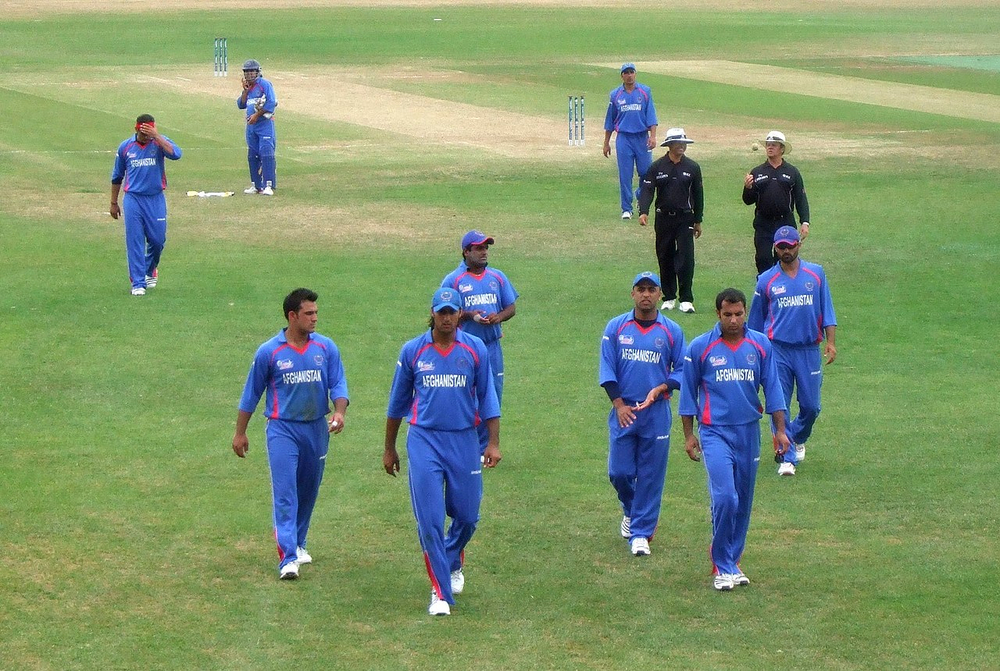
The Battle of Qala-i-Jangi took place in Afghanistan, between Afghan rebels and the United States-led coalition forces. The clash erupted when Taliban prisoners rebelled against their captors at a fortress in northern Afghanistan. The US-led coalition intervened to suppress the uprising, resulting in a fierce battle lasting several days.
The rebels, armed and reinforced, put up a determined resistance, leading to intense combat and heavy casualties on both sides. The coalition forces eventually overcame the insurgents, bringing the situation under control and securing the area. The battle marked a significant development in the post-9/11 conflict in Afghanistan, highlighting the challenges faced by the coalition in stabilizing the country.
The event had a profound impact on the Afghan conflict, underscoring the complexities and dangers of the ongoing military operations. The Battle of Qala-i-Jangi served as a reminder of the volatile and unpredictable nature of the conflict in Afghanistan, emphasizing the need for continued vigilance and perseverance in the face of determined opposition.
#Afghanistan #BattleOfQalaIJangi #USCoalitionForces #TalibanRebels #MilitaryConflict
View detailsFollowing the fall of the Taliban regime, the Bonn Agreement emerged as a pivotal development in establishing a new government in Afghanistan. Delegates from various Afghan factions, along with international representatives, convened to chart out a political roadmap for the war-torn nation.
The Bonn Agreement resulted in the formation of an interim administration, aimed at transitioning Afghanistan towards stability and democracy. This inclusive government sought to represent the diverse ethnic and political landscape of the country, laying the groundwork for future governance.
With a focus on rebuilding institutions, promoting human rights, and fostering national reconciliation, the agreement set the stage for Afghanistan's post-conflict reconstruction. It marked a critical step towards addressing the challenges faced by the Afghan people and promoting peace and development in the region.
The establishment of a post-Taliban government under the Bonn Agreement signaled a new chapter for Afghanistan, offering hope for a more inclusive and democratic future. As the nation embarked on a path towards rebuilding and reconciliation, the impact of the agreement reverberated across Afghanistan and the international community, shaping the country's trajectory in the years to come.
#BonnAgreement #AfghanistanGovernment #PostConflictReconstruction #NationalReconciliation
View details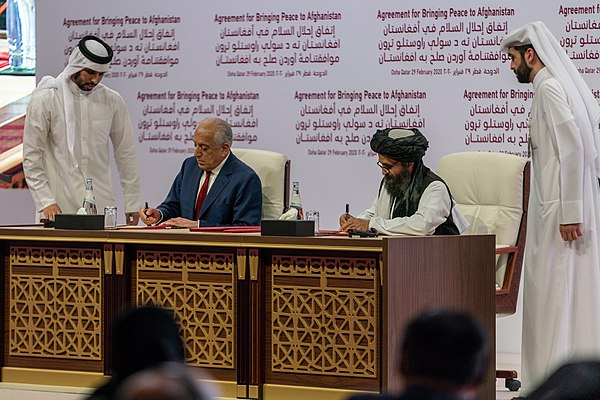
The Taliban, under the command of Mullah Omar, dynamited the Buddhas of Bamiyan, colossal statues carved into a cliff in Afghanistan. The destruction took place despite international appeals and protests. These statues, dating back to the 6th century, were significant representations of Gandhara art and Buddhist culture. The act was viewed as a deliberate attack on Afghanistan's rich cultural heritage and a blow to global cultural diversity. It stirred widespread condemnation and sparked debates on the protection of cultural sites during conflicts.
The destruction of the Buddhas of Bamiyan had a profound impact on Afghanistan's cultural landscape, removing iconic symbols that had stood for centuries. It also reflected the Taliban's extremist ideology and disregard for cultural and religious diversity. The incident highlighted the challenges faced by cultural heritage in times of conflict and underscored the importance of safeguarding such sites for future generations.
#Taliban #BuddhasOfBamiyan #CulturalHeritage #Afghanistan #Destruction
View details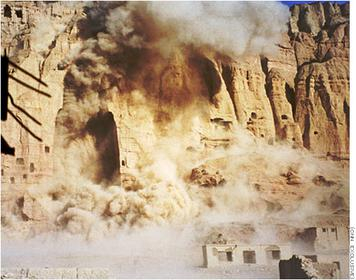
1996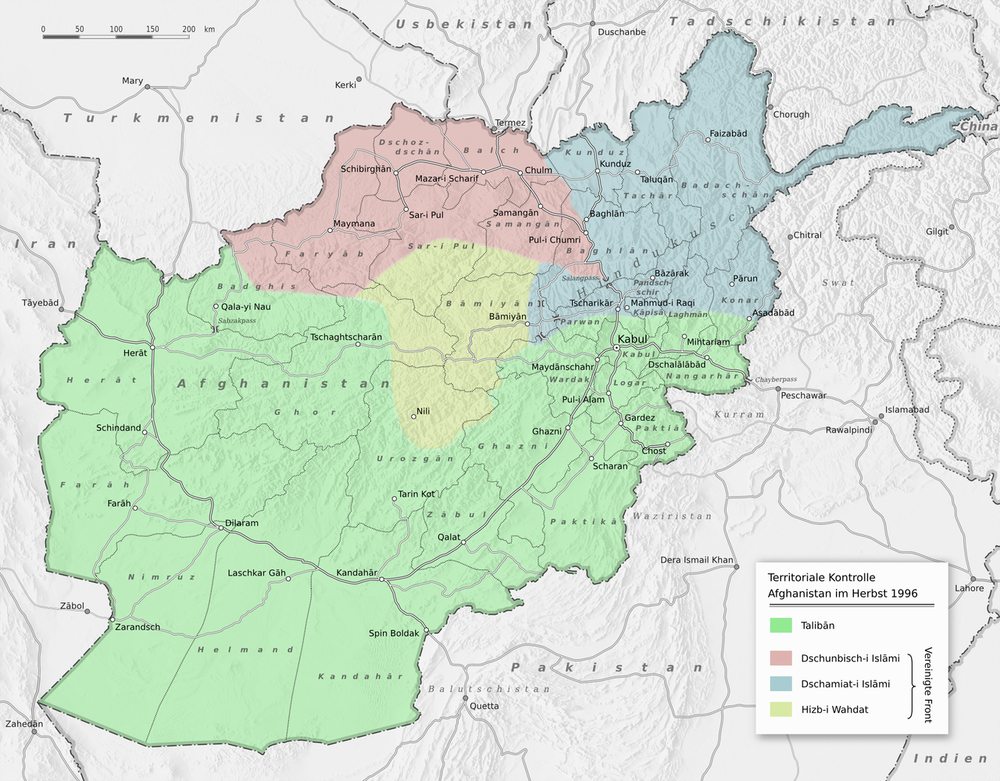
The Taliban's capture of Kabul marked a turning point in Afghanistan's history. Coming to power following years of conflict, the Taliban swiftly established their rule over the capital city. Their rise to power was fueled by a promise to restore order and implement strict Islamic law. The capture of Kabul signaled the beginning of the Taliban's oppressive regime, characterized by harsh Sharia law, fundamentalist ideology, and restrictions on women's rights.
The impact of the Taliban's rule was profound and far-reaching. Public executions, amputations, and strict enforcement of their interpretation of Islamic law became common. Women were particularly affected, facing severe limitations on their freedom, education, and employment opportunities. The Taliban's rule also led to international isolation, with many countries condemning their human rights abuses and harboring concerns over the harboring of terrorist groups.
The capture of Kabul by the Taliban serves as a stark reminder of the challenges faced by the people of Afghanistan. It represents a period of extreme repression and violence, highlighting the need for efforts to promote peace, stability, and respect for human rights in the region.
#Taliban #Kabul #Afghanistan #IslamicLaw #HumanRights #Conflict
View details1988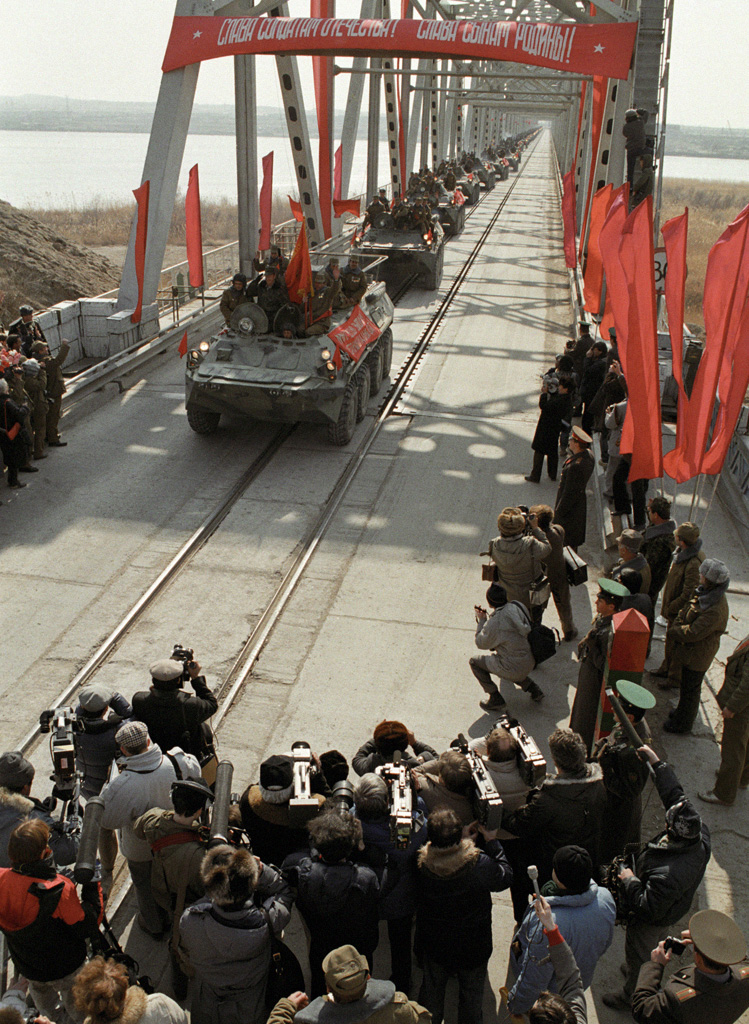
The signing of the Geneva Accords marked a turning point in the conflict in Afghanistan. The agreement between the warring parties led to the withdrawal of Soviet troops from the region, bringing an end to a long and bloody war that had lasted for nearly a decade. The deal was brokered with the help of international actors, including the United States and Pakistan, and aimed to bring stability to the embattled nation.
Following the signing of the accords, the Soviet Union began a phased withdrawal of its forces from Afghanistan, fulfilling a key demand of the agreement. This withdrawal paved the way for a power vacuum in the region, leading to further unrest and conflict among various Afghan factions vying for control.
The impact of the Geneva Accords was significant in shaping the future of Afghanistan, as the withdrawal of Soviet troops fundamentally altered the dynamics of the conflict. The agreement also highlighted the role of international diplomacy in resolving complex conflicts and guiding post-war reconstruction efforts.
#GenevaAccords #SovietWithdrawal #AfghanistanConflict
View details1979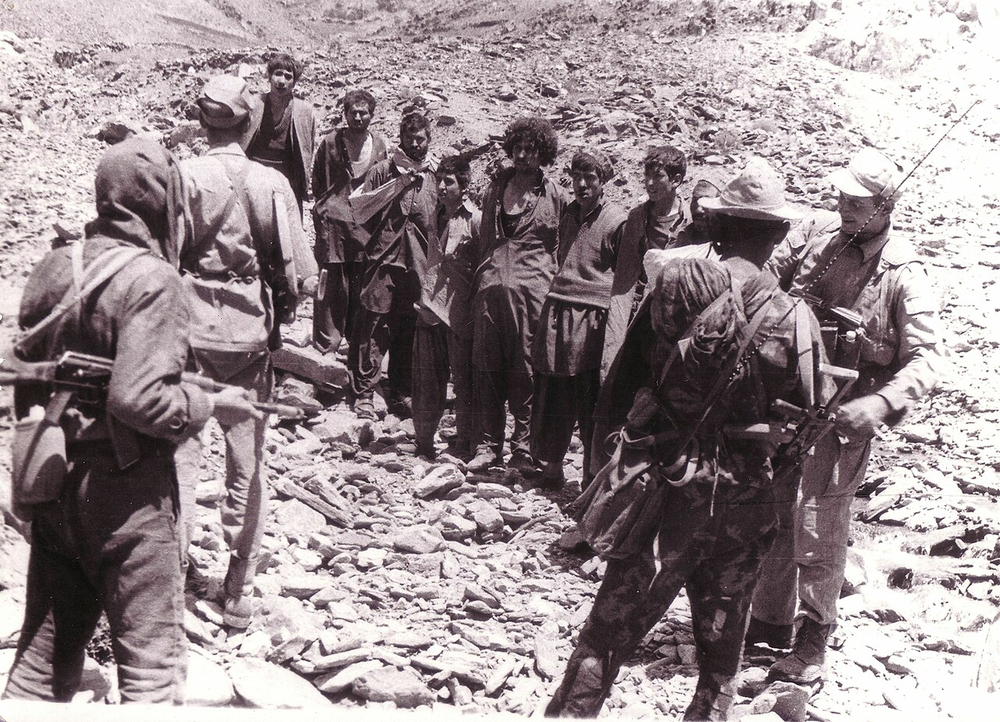
The Soviet Union launched a military operation in Afghanistan, commencing the Soviet-Afghan War. The invasion was triggered by concerns over the Afghan government's stability and the spread of insurgency. The Soviet-backed Afghan government was facing increasing opposition from rebel groups, prompting the intervention.
The conflict had far-reaching consequences, leading to a long and bloody war. The Afghan resistance, known as the mujahideen, received support from various countries, including the United States. The war resulted in significant loss of life and destruction, with civilians bearing the brunt of the violence.
The Soviet-Afghan War had geopolitical implications, with the United States and its allies backing the mujahideen in their fight against the Soviet forces. This conflict became a proxy war during the broader Cold War between the United States and the Soviet Union.
Ultimately, the Soviet Union's military intervention in Afghanistan proved to be a costly and unsuccessful endeavor. The war lasted for years, leading to instability in the region and contributing to the eventual collapse of the Soviet Union.
#SovietUnion #Afghanistan #ColdWar #mujahideen #geopolitics #proxywar
View detailsDuring the Mujahideen resistance against Soviet forces in Afghanistan, rebel groups fought against the Soviet invasion to preserve their country's independence and resist communist ideology. The Mujahideen, comprising various Afghan tribal factions, received support from the United States, Pakistan, and Saudi Arabia.
This resistance movement aimed to drive out Soviet forces, leading to a prolonged and bloody conflict. The guerrilla tactics used by the Mujahideen, coupled with the harsh terrain of Afghanistan, posed significant challenges for the better-equipped Soviet military. The conflict resulted in massive destruction and loss of lives in the region.
The Mujahideen's tenacious resistance played a crucial role in wearing down the Soviet forces over time. The conflict also had far-reaching consequences, eventually contributing to the Soviet Union's decision to withdraw its troops from Afghanistan. The aftermath of the war, however, led to internal strife and power struggles among different Mujahideen factions, further destabilizing the country.
The Mujahideen resistance against Soviet forces in Afghanistan symbolized a determined struggle for freedom and self-determination. The conflict's legacy continues to impact Afghanistan's political landscape and serves as a reminder of the high costs of foreign intervention in the region. #Afghanistan #Mujahideen #SovietForces #ResistanceMovement #ForeignIntervention
View details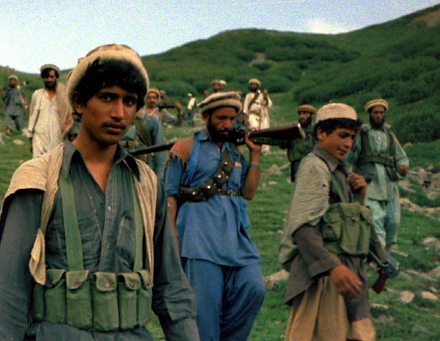
1978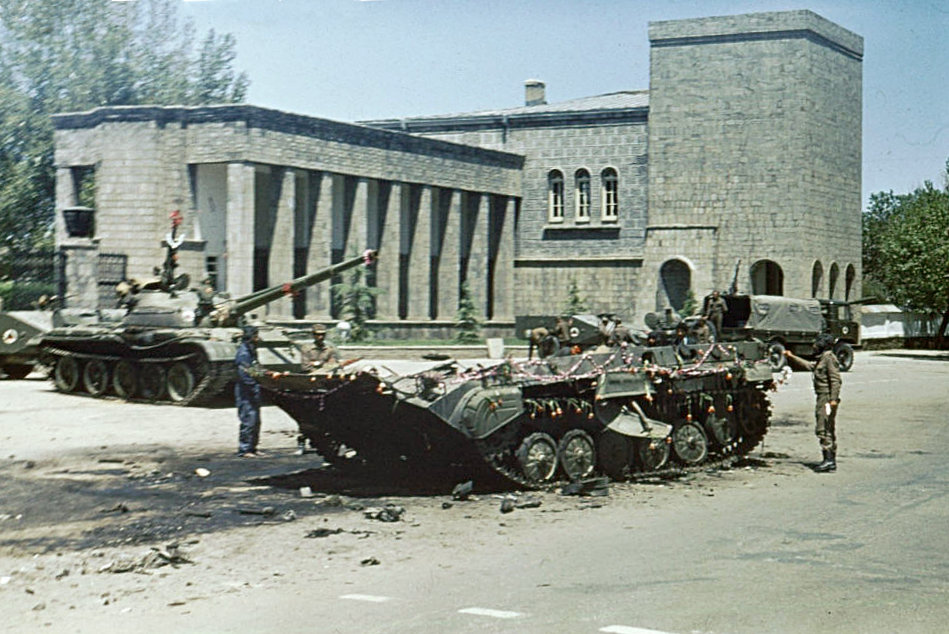
In 1978, the People's Democratic Party of Afghanistan (PDPA) orchestrated a coup d'état that resulted in the overthrow of the existing government. The PDPA, a Marxist-Leninist political party, sought to implement social and economic reforms in Afghanistan.
The coup led to the establishment of a new government aligned with socialist ideologies, aiming to modernize the country and improve the status of marginalized groups. However, the abrupt political shift sparked opposition from various factions within Afghan society, leading to internal conflicts and instability.
The PDPA-led government faced resistance from tribal leaders, religious conservatives, and rebel groups, ultimately plunging Afghanistan into a protracted period of civil war. The foreign intervention further complicated the conflict, with the Soviet Union subsequently deploying troops to support the PDPA regime.
The coup and its aftermath had far-reaching consequences for Afghanistan, paving the way for the Soviet-Afghan War and the rise of the Taliban. The country witnessed widespread violence, human rights abuses, and the displacement of its population, leaving a legacy of turmoil that continues to impact the nation to this day.
#PDPA #Afghanistan #CoupDetat #CivilWar #SovietInvasion
View details1964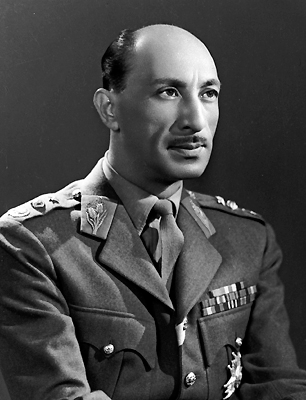
Following years of political turmoil in Afghanistan, King Mohammed Zahir Shah declared the country a constitutional monarchy, establishing a new era of governance. The move aimed to modernize the political structure, granting citizens more rights and limiting the King's power.
This decision marked a significant shift in Afghanistan's political landscape, fueling hopes for stability and progress. The new constitution outlined the separation of powers, the protection of civil liberties, and the establishment of a bicameral parliament. It also introduced democratic elements, such as free elections.
The declaration of Afghanistan as a constitutional monarchy had a lasting impact on the country's political development. It set the stage for increased citizen participation in governance and laid the foundation for a more stable and inclusive political system. Despite facing challenges and resistance, the constitutional monarchy represented a step forward towards modernization and democratization.
This historic event underscores Afghanistan's journey towards political reform and reflects the aspirations of its people for a more democratic and transparent government. It remains a significant chapter in the country's history, shaping its political trajectory for years to come. #Afghanistan #ConstitutionalMonarchy #PoliticalReform
View details