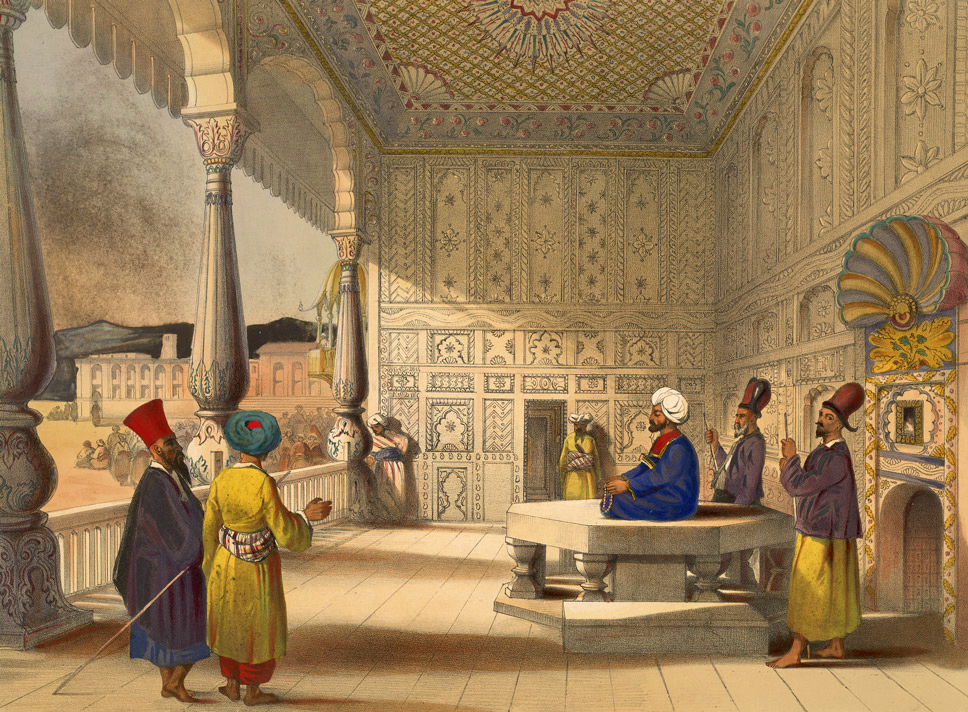
Political turmoil after Shuja Shah Durrani's assassination leads to power struggle in Afghanistan.
Afghanistan
Political
3 min read
Updated By: History Editorial Network (HEN)
Published:
Updated:
Following the assassination of Shuja Shah Durrani Afghanistan plunged into a period of internal strife as contenders vied for the throne. The assassination destabilized the region, leading to power struggles among various factions within the country, each aiming to assert dominance over the Afghan throne.
The assassination of Shuja Shah Durrani, who was seen as a relatively stable figure in Afghan politics, created a power vacuum that sparked conflicts between different tribal and political groups. This turbulence not only weakened the central authority but also paved the way for external influences to meddle in Afghan affairs.
The internal conflicts for the Afghan throne highlighted the delicate balance of power within the region and the inherent challenges of governance in Afghanistan. The struggle for control over the throne exacerbated existing tensions and sowed seeds of discord that would continue to impact Afghan politics for years to come.
This event underscores the tumultuous nature of Afghan history, characterized by frequent political upheavals and power struggles. It also sheds light on the complexities of governing a diverse and fragmented society, where competing interests often lead to instability and conflict. #Assassination #InternalConflicts #AfghanThrone #PowerStruggles
Explore the Life Moments of
 AI Twin