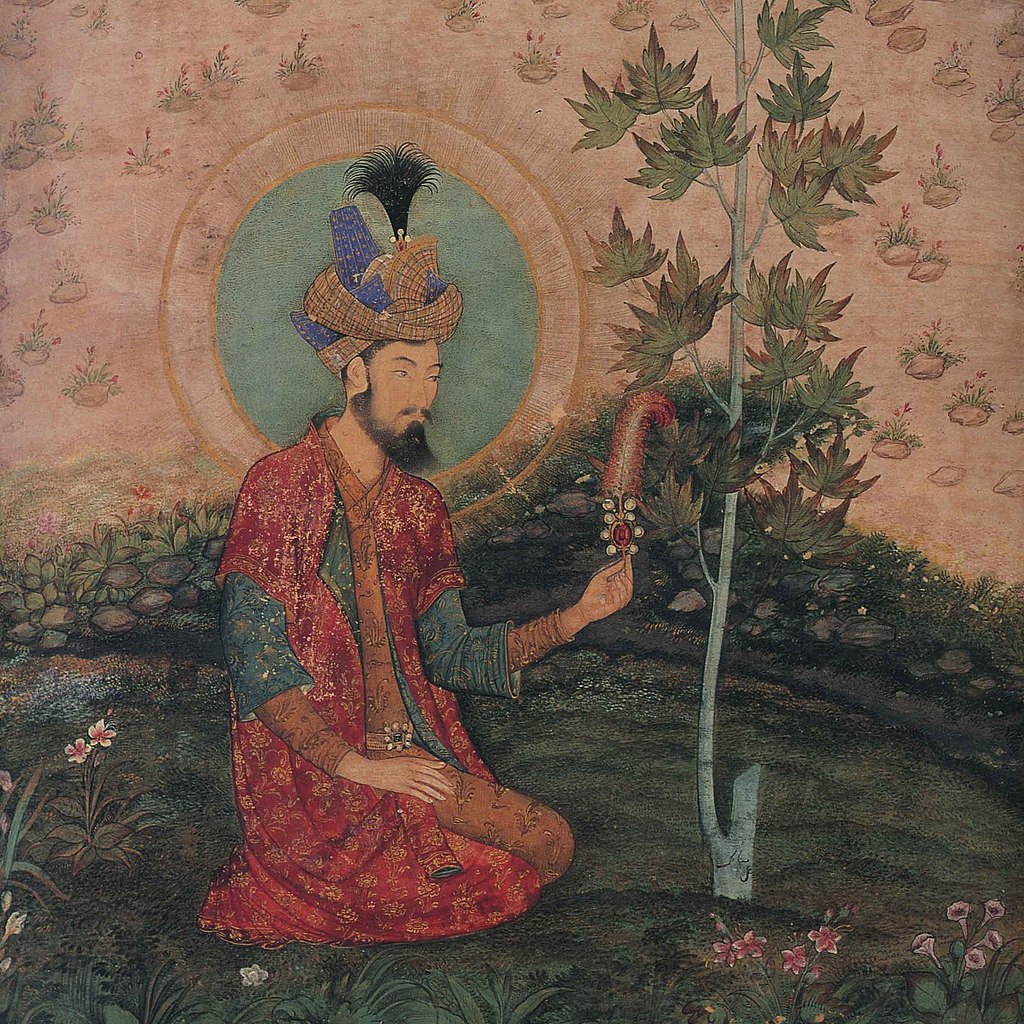
Babur dies, Humayun becomes Mughal Emperor.
Afghanistan
Empire Building
3 min read
Updated By: History Editorial Network (HEN)
Published:
Updated:
After Babur, the founder of the Mughal Empire, passed away, his son Humayun assumed the Mughal throne. This transition marked a crucial moment in the Empire's history. Humayun faced immediate challenges, including internal strife and external threats, particularly from Afghan rulers who sought to destabilize Mughal rule.
Humayun's ascension to power was met with both support and opposition. Despite initial setbacks, including the loss of territories in present-day Afghanistan, Humayun managed to consolidate his rule and expand the Mughal Empire's influence. His reign laid the foundation for the future success of the Empire under his famous son, Akbar the Great.
The death of Babur and the rise of Humayun symbolized a significant shift in the Mughal Empire's leadership and highlighted the complexities of maintaining power in a diverse and volatile region. The event underscored the importance of succession planning and the challenges of governing a vast empire stretching from Afghanistan to the Indian subcontinent.
#MughalEmpire #Humayun #Succession #Afghanistan #EmpireBuilding #History

Explore the Life Moments of
 AI Twin