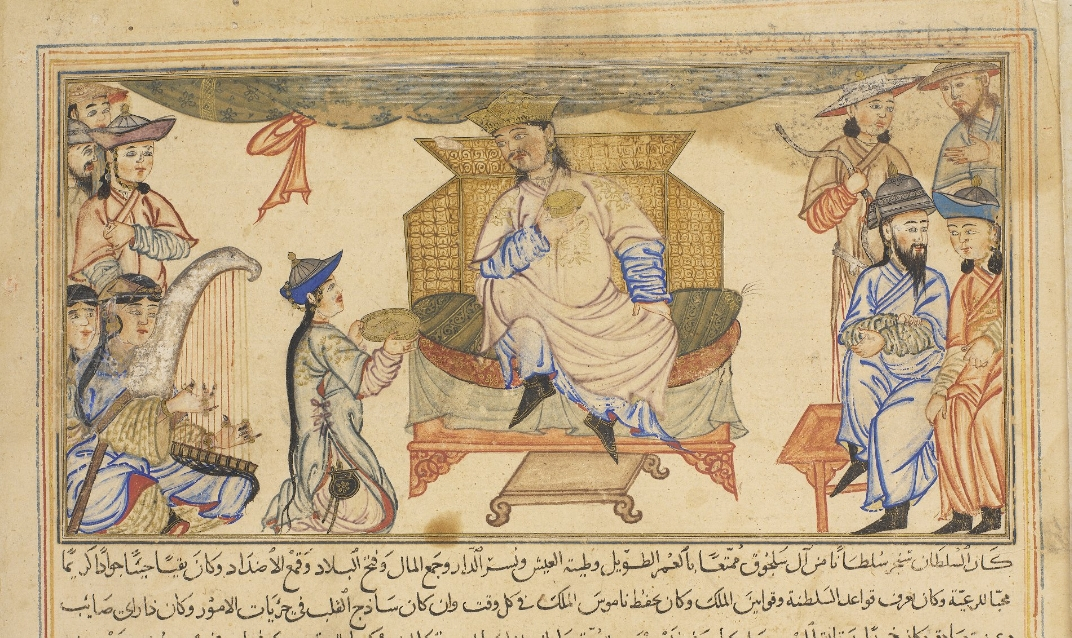
Fall of Sultan Sanjar and the Great Seljuk Empire power shift and fragmentation.
Afghanistan
Political
3 min read
Updated By: History Editorial Network (HEN)
Published:
Sultan Sanjar's death marked a turning point in the Great Seljuk Empire's history. As a revered ruler known for his military prowess and strategic leadership, his demise left a power vacuum that led to chaos and internal strife among his successors. The empire, once united and powerful under Sanjar's reign, began to fragment as various regional governors and princes vied for control, weakening its central authority.
This fragmentation ultimately paved the way for a power shift in the region, as neighboring kingdoms and factions seized the opportunity to expand their influence and territories at the expense of the disintegrating empire. The loss of Sultan Sanjar's strong leadership further exacerbated the situation, fueling conflicts and instability throughout the empire.
The death of Sultan Sanjar of the Great Seljuk Empire in 1157 not only marked the end of an era but also set in motion a series of events that reshaped the political landscape of the region. His absence created a power vacuum that led to the empire's fragmentation and a subsequent power shift, ultimately altering the balance of power in the region. #SultanSanjar #GreatSeljukEmpire #PowerShift #Fragmentation.
Primary Reference
Seljuk Empire - Wikipedia
Explore the Life Moments of
 AI Twin