
Afghanistan

The Jewel of Central Asia
Related Lives

Sri Lanka
The Pearl of the Indian Ocean

Mystery Films
The Silent Clue

Tonga
Polynesian Gem

Monarchy of the United Kingdom
The enduring legacy of the Royal Family.

Italy
The Land of Art and Romance

Romania
The Gateway to the Balkans

Chad
Heart of the Sahel

Armenia
Gateway to Ancient Traditions and Scenic Beauty

1001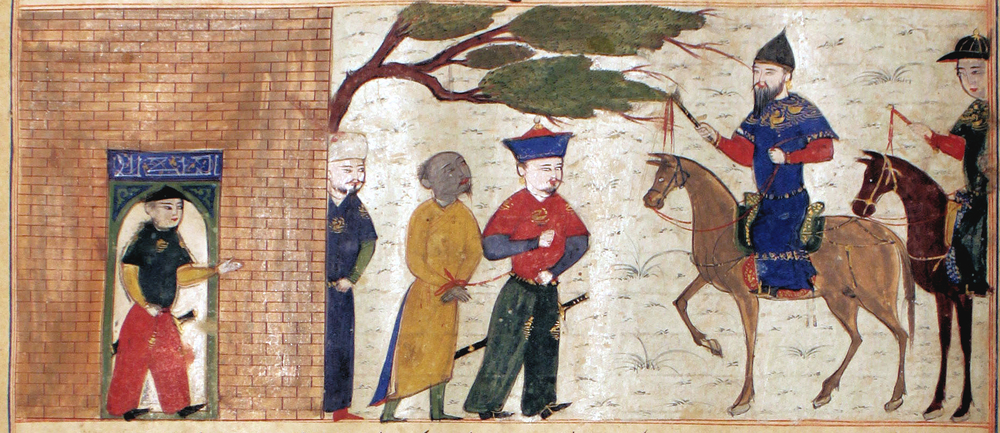
In the Battle of Peshawar, Mahmud of Ghazni, a powerful ruler from the Ghaznavid Empire, emerged victorious over Raja Jayapala of the Hindu Shahi dynasty. This clash marked a significant turning point in the history of the region, as Mahmud's victory solidified his control over parts of present-day Afghanistan, Pakistan, and northern India.
Prior to the battle, tensions had been escalating between Mahmud and Jayapala over territorial disputes and conflicting interests. Mahmud, known for his military prowess and ambition for expansion, saw an opportunity to assert his dominance in the region by challenging Jayapala's authority.
The battle itself was fierce, with both sides displaying tactical skill and courage. However, Mahmud's well-trained army and superior weaponry ultimately proved to be decisive, leading to Jayapala's defeat. The aftermath of the battle saw Mahmud consolidating his power, establishing Ghazni as a major center of Islamic civilization, and launching a series of military campaigns to further expand his empire.
The Battle of Peshawar underscored the shifting political landscape of the region, marking the beginning of Ghaznavid rule and the decline of the Hindu Shahi dynasty. It also highlighted the complex interactions between various religious and cultural forces in medieval Afghanistan and its neighboring territories.
#BattleOfPeshawar #MahmudOfGhazni #RajaJayapala #GhaznavidEmpire #HinduShahiDynasty #AfghanistanHistory
View details998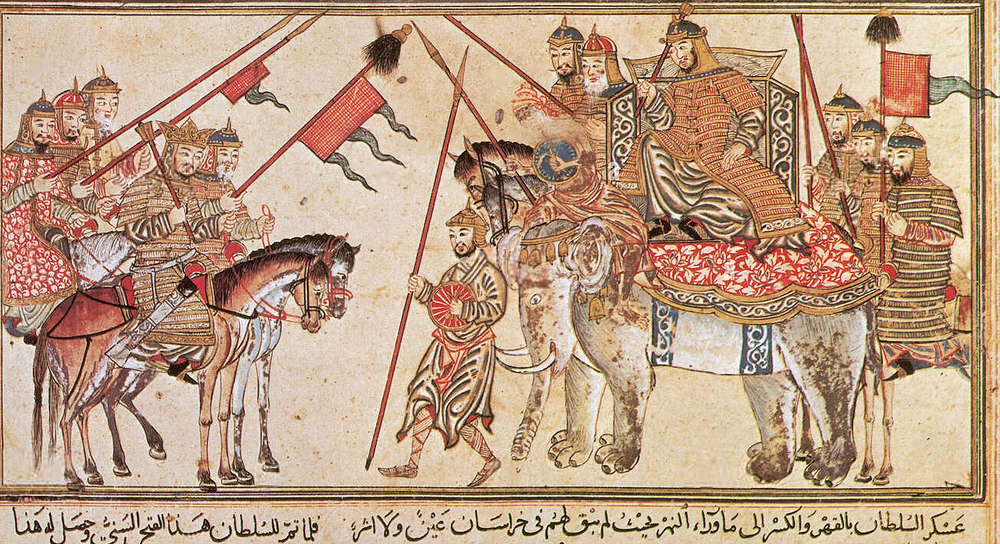
Mahmud of Ghazni, also known as Mahmud Ghaznavi, was a significant figure in the medieval Islamic world and the founder of the Ghaznavid Empire. His reign, from 997 to 1030, marked a period of extensive territorial expansion, military conquests, and cultural flourishing.
Early Life and Rise to Power
Mahmud was born in 971 in the town of Ghazni, located in present-day Afghanistan. He was the son of Sabuktigin, a former slave who rose to prominence and established the Ghaznavid dynasty. Upon his father's death in 997, Mahmud ascended to the throne. From the outset, he demonstrated remarkable military acumen and ambition.
Military Campaigns and Conquests
Mahmud of Ghazni is best known for his series of military campaigns, particularly his invasions of the Indian subcontinent. Between 1000 and 1026, he launched approximately 17 expeditions into northern India. These invasions were motivated by a desire for wealth, territorial expansion, and the spread of Islam. Mahmud targeted rich and strategically important cities, temples, and kingdoms, amassing enormous wealth through plunder.
One of his most famous raids was the sacking of the Somnath Temple in Gujarat in 1025. The temple was renowned for its wealth, and its destruction by Mahmud became emblematic of his campaigns in India. These invasions, while bringing substantial wealth to the Ghaznavid Empire, also had significant cultural and religious impacts on the region.
Administration and Cultural Contributions
Beyond his military prowess, Mahmud was also a capable administrator. He developed Ghazni into a major cultural and intellectual center of the Islamic world. Under his patronage, the city became a hub for scholars, poets, and scientists. The Persian poet Ferdowsi, known for his epic "Shahnameh," was among those who benefited from Mahmud's patronage.
Mahmud's reign saw the introduction of Persian culture and administrative practices into the Indian subcontinent. He built numerous mosques, palaces, and public works, contributing to the architectural and cultural landscape of the region. The Ghaznavid court became a melting pot of Persian, Indian, and Islamic influences, fostering a rich cultural environment.
Legacy and Impact
Mahmud of Ghazni's legacy is multifaceted. His military campaigns significantly altered the political landscape of northern India, weakening Hindu kingdoms and paving the way for subsequent Islamic dynasties. His raids into India also had a long-term impact on Indo-Persian culture, as Persian influence grew in the region.
In the Islamic world, Mahmud is remembered as a formidable warrior and a patron of the arts and sciences. His establishment of the Ghaznavid Empire created a powerful state that controlled large parts of present-day Iran, Afghanistan, Pakistan, and northwest India. The empire's administrative and cultural practices influenced the regions it controlled long after Mahmud's death.
However, Mahmud's legacy is also controversial. While he is celebrated for his contributions to Islamic culture and military success, his invasions of India are remembered for their brutality and the destruction of cultural and religious sites. This dual legacy makes him a complex and often debated figure in both Islamic and Indian history.
Decline of the Ghaznavid Empire
After Mahmud's death in 1030, the Ghaznavid Empire began to decline. His successors lacked his military prowess and faced increasing pressure from rival powers, such as the Seljuks. By the mid-12th century, the Ghaznavid Empire had lost most of its territories and influence, ultimately being absorbed by the Ghurids and other emerging powers
Conclusion
Mahmud of Ghazni's reign was marked by significant military conquests, cultural patronage, and administrative innovation. He transformed Ghazni into a major center of Islamic culture and left a lasting impact on the regions he conquered. While his legacy is complex and multifaceted, Mahmud remains a pivotal figure in the history of the medieval Islamic world and the Indian subcontinent.
Hashtags
#MomentsOfLife #MoofLife_Moment #MoofLife #MahmudOfGhazni #GhaznavidEmpire #IslamicHistory #MedievalIndia #PersianCulture #MilitaryHistory #CulturalPatronage
View details0892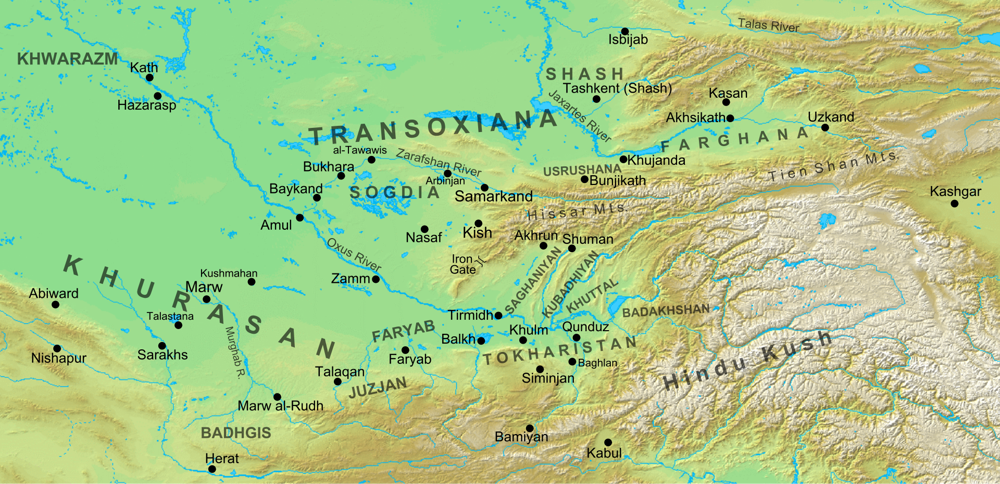
During the event, the Samanid Empire extended its influence over regions in Afghanistan, marking a pivotal moment in the region's history. The Samanids, a Persian dynasty, established control over parts of Afghanistan, contributing to the consolidation of their power in Central Asia.
This event had a lasting impact on the political landscape of Afghanistan, as the Samanids played a significant role in shaping the region's cultural and religious identity. Their rule brought stability and prosperity, fostering the growth of trade, agriculture, and arts in the region. The Samanids also supported the spread of Islam, which had a lasting influence on Afghan society.
The establishment of Samanid control over parts of Afghanistan marked a noteworthy chapter in the region's history, demonstrating the shifting dynamics of power in Central Asia. This event laid the foundation for future developments in Afghanistan and influenced its cultural and political trajectory for centuries to come.
#SamanidEmpire #AfghanistanHistory #CentralAsiaPowerShifts
View details0642
After the expansion of Islam initiated by the Rashidun Caliphate, Afghanistan was introduced to the religion in 642. Under the leadership of Caliph Umar, a Muslim army conquered Kabul and the surrounding regions. The introduction of Islam to Afghanistan brought a new faith to the populace, replacing existing belief systems.
Following the conquest, mosques were constructed, and Islamic teachings were spread across the region by Arab missionaries. The local population gradually embraced the new religion, leading to the establishment of a flourishing Islamic community in Afghanistan. The teachings of Islam influenced various aspects of Afghan society, including governance, culture, and daily life.
This event marked a significant transformation in Afghanistan's religious landscape, shaping its future development and cultural identity. Islam became deeply rooted in the country, shaping its traditions, laws, and societal norms for centuries to come. The introduction of Islam to Afghanistan laid the foundation for the country's integration into the wider Islamic world and its adoption of Islamic principles in various spheres of life.
#Afghanistan #Islam #CulturalTransformation #ReligiousHistory
View details0618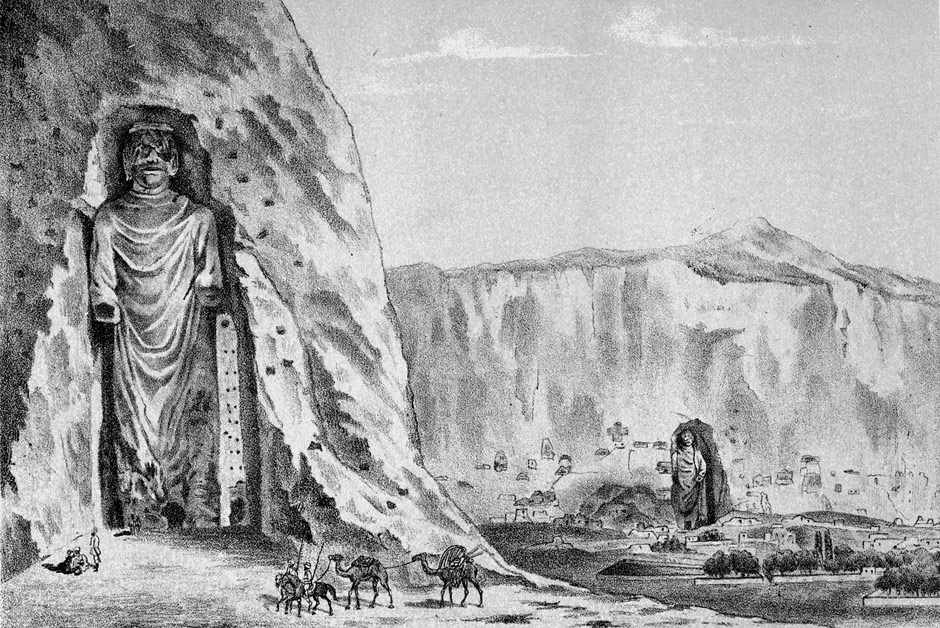
In the scenic Bamiyan Valley of central Afghanistan, towering sandstone cliffs once housed two monumental statues of Buddha, known collectively as the Buddhas of Bamiyan. The larger of these statues, referred to as the "Western Buddha," was constructed around 618 CE. This impressive statue stood approximately 55 meters (180 feet) tall and was an iconic symbol of the region's rich Buddhist heritage.
Historical and Cultural Context
The Bamiyan Valley
The Bamiyan Valley was a crucial crossroads along the Silk Road, the ancient network of trade routes that connected the East and West. This strategic location facilitated the exchange of goods, cultures, and religions, making Bamiyan a melting pot of diverse influences. By the 6th and 7th centuries, the valley had become a major center of Buddhist monasticism, attracting pilgrims, scholars, and artisans from across Asia.
Buddhist Patronage
The construction of the Western Buddha occurred during a period of substantial Buddhist patronage in the region. The Buddhist community in Bamiyan was thriving, supported by local rulers who embraced the religion and its associated artistic and cultural practices. This environment fostered the creation of numerous religious monuments, including the Western Buddha.
Construction and Artistic Significance
Architectural Techniques
The construction of the Western Buddha was an engineering marvel of its time. Artisans carved the statue directly into the sandstone cliff face, utilizing a combination of rock-cut and relief techniques. The statue's form was initially shaped from the rock, after which layers of stucco were applied to refine the details and create a smooth surface. The stucco was then painted, though much of this color has not survived the passage of time.
Artistic Features
The Western Buddha exemplified the artistic style of the Gandhara civilization, characterized by a fusion of Greek, Persian, and Indian influences. This synthesis produced a distinctive aesthetic that combined naturalistic features with traditional Buddhist iconography. The statue's calm expression, intricate drapery, and majestic posture were designed to convey both spiritual serenity and the grandeur of the Buddha.
Historical Significance
Religious and Cultural Hub
The completion of the Western Buddha solidified Bamiyan's status as a major Buddhist religious and cultural hub. Monasteries, chapels, and stupas dotted the valley, and the statues served as focal points for religious activities and pilgrimage. The Buddhas of Bamiyan were not only spiritual symbols but also cultural beacons that attracted visitors from across the Buddhist world.
Dynastic Support
The construction of the Western Buddha around 618 CE took place during the reign of local rulers who were supportive of Buddhism. These rulers played a crucial role in fostering an environment where such monumental projects could be undertaken. Their patronage ensured that the artistic and religious traditions of the region were preserved and promoted.
Destruction and Legacy
Tragic Loss
The Western Buddha, along with its smaller counterpart, the Eastern Buddha, stood for over a millennium as symbols of Afghanistan's rich cultural heritage. However, in March 2001, the Taliban government, adhering to a strict interpretation of Islamic law, ordered the destruction of the Buddhas of Bamiyan. Using explosives, the statues were reduced to rubble, an act that drew widespread international condemnation and represented a devastating loss to global cultural heritage.
Preservation Efforts
Despite their destruction, the Buddhas of Bamiyan continue to hold significant cultural and historical importance. International efforts, led by organizations such as UNESCO, have aimed at preserving the site and exploring possibilities for restoration. The niches where the statues once stood serve as poignant reminders of the valley's historical and cultural legacy.
The larger "Western Buddha" of Bamiyan, built around 618 CE, remains a symbol of Afghanistan's historical significance as a center of Buddhist art and culture. The statue's legacy endures, embodying the resilience of cultural heritage and the enduring spirit of artistic and religious expression in the face of adversity.
#MomentsOfLife #MoofLife_Moment #MoofLife #BuddhasOfBamiyan #CulturalHeritage #Buddhism #SilkRoadHistory #GandharaArt #AfghanistanHistory
View details0570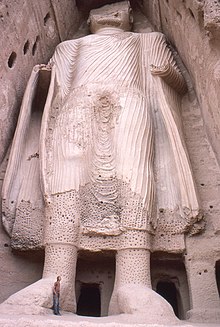
In the heart of Afghanistan's central Bamiyan Valley, two colossal statues of Buddha, known as the Buddhas of Bamiyan, were carved into the cliff faces by the ancient Buddhist community that once flourished in the region. The smaller of these statues, referred to as the "Eastern Buddha," was constructed around the year 570 CE.
The Eastern Buddha stood at approximately 38 meters (125 feet) tall and was a magnificent representation of the artistic and cultural zenith achieved by the Gandhara civilization, which spread across modern-day Afghanistan, Pakistan, and northern India. The construction of the Eastern Buddha involved an intricate process of carving directly into the sandstone cliffs, followed by detailed finishing with stucco to enhance the facial features and drapery.
Historical and Cultural Significance
Buddhist Monasticism and the Silk Road
The creation of the Eastern Buddha coincided with a period of intense Buddhist monastic activity in the Bamiyan Valley. The valley was a major hub on the Silk Road, facilitating the exchange of not only goods but also ideas, art, and religion. Monasteries, chapels, and stupas proliferated in the area, contributing to its status as a significant center of Buddhist learning and pilgrimage.
Artistic Achievement
The Eastern Buddha exemplified the synthesis of Greek, Persian, and Indian artistic influences that characterized Gandhara art. This fusion created a unique aesthetic that combined the Hellenistic emphasis on naturalistic form and drapery with traditional Buddhist iconography. The statue’s serene expression, flowing robes, and poised stance were designed to convey the spiritual tranquility and majesty of the Buddha.
Construction Techniques
The artisans employed a combination of rock carving and plaster application to create the Eastern Buddha. After carving the basic shape out of the cliff face, they applied layers of mud and straw mixed with stucco to refine the details. Pigments were then used to paint the statue, though these colors have long since faded.
Historical Context
The construction of the Eastern Buddha took place during the reign of the Hephthalites, also known as the White Huns, who controlled the region in the 5th and 6th centuries. Despite their own cultural and religious practices, the Hephthalites supported the local Buddhist institutions, facilitating a period of relative stability and artistic flourishing.
Legacy and Destruction
The Eastern Buddha, along with its larger counterpart, the Western Buddha, stood as a testament to the rich cultural and religious history of the Bamiyan Valley for over a millennium. However, this legacy was tragically interrupted in March 2001, when the Taliban government ordered the destruction of the Buddhas of Bamiyan, deeming them idolatrous under their interpretation of Islamic law. The statues were destroyed using dynamite, an act that was met with global condemnation and marked a significant loss to world heritage.
Ongoing Efforts
Despite their destruction, the spirit of the Buddhas of Bamiyan endures. There have been ongoing efforts by the international community, including UNESCO, to preserve the site and possibly restore the statues. The niches where the Buddhas once stood remain a poignant reminder of the region's historical and cultural significance.
The smaller "Eastern Buddha" of Bamiyan, built around 570 CE, stands as a symbol of Afghanistan's rich, multicultural heritage and its pivotal role in the spread of Buddhism along the Silk Road. The story of the Eastern Buddha is one of artistic brilliance, spiritual devotion, and the enduring legacy of cultural resilience in the face of destruction.
#MomentsOfLife #MoofLife_Moment #MoofLife #BuddhasOfBamiyan #CulturalHeritage #Buddhism #SilkRoadHistory #GandharaArt #AfghanistanHistory
View details0440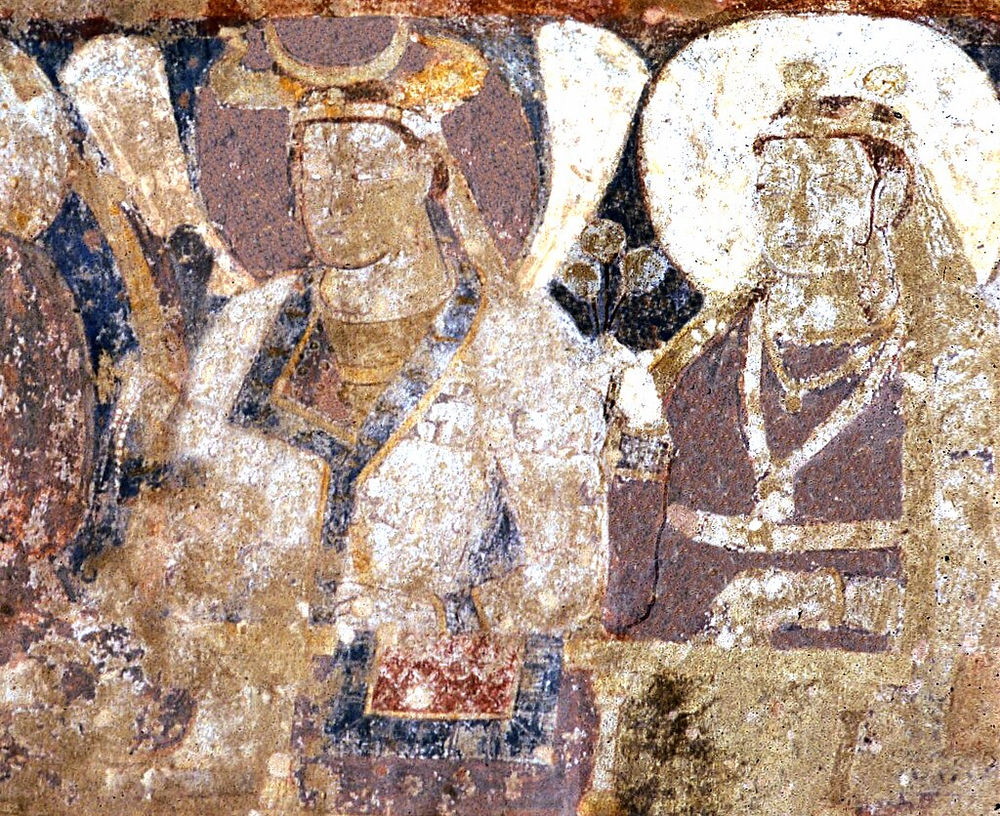
In the year 440, the Hephthalite (White Huns) empire was established with Kunduz as its capital. This nomadic group's presence significantly impacted the region of modern-day Afghanistan, establishing a new center of power and influencing the religious landscape. Buddhism, Manichaeism, and Zoroastrianism rose as major religions under their rule.
The Hephthalites' establishment ushered in a period of political and cultural transformation in the region, as they marked their presence through their capital city and the spread of various religious beliefs. Buddhism gained prominence, attracting followers and shaping the spiritual fabric of the empire. Manichaeism and Zoroastrianism also thrived, showcasing the religious diversity and tolerance of the Hephthalite rulers.
With Kunduz as a strategic hub, the Hephthalites navigated political complexities, forging alliances and engaging in conflicts that shaped the dynamics of Central Asia. Their empire's religious pluralism contributed to the cultural exchange and intellectual growth in the region, leaving a lasting legacy on Afghanistan's history.
#HephthaliteEmpire #KunduzCapital #ReligiousDiversity #HistoricalTransformation #CentralAsianHistory #CulturalExchange
View details0151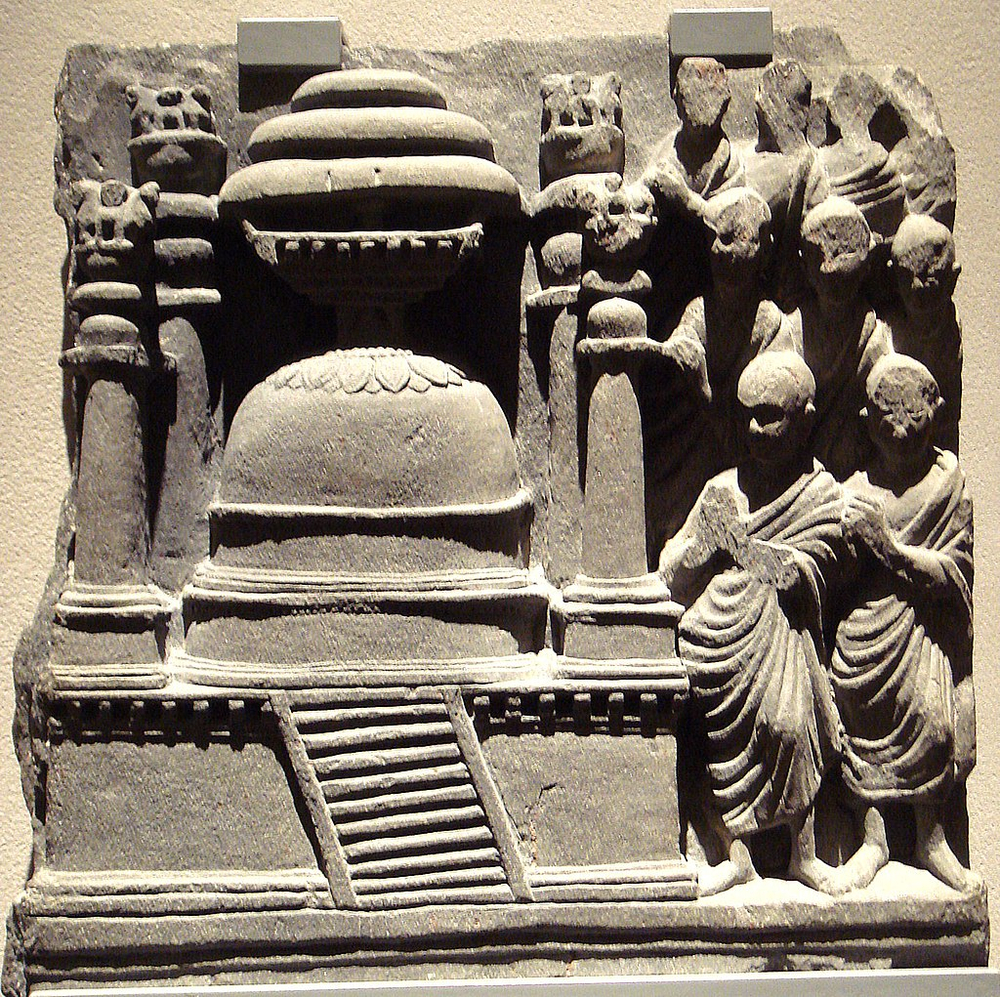
In ancient Afghanistan, the construction of the Kanishka Stupa was a significant achievement. The stupa was commissioned by the Kushan Emperor Kanishka, a ruler known for his support of Buddhism and vibrant cultural patronage.
The Kanishka Stupa, a monumental Buddhist structure, served as a place of worship and pilgrimage for centuries. Its construction represented the flourishing of Buddhism in the region, attracting devotees and scholars from near and far. The stupa's elaborate design and large-scale architecture reflected the wealth and power of the Kushan Empire, showcasing their cultural sophistication and religious tolerance.
The Kanishka Stupa became a hub for Buddhist learning and spiritual practice, contributing to the dissemination of Buddhist teachings across Central and South Asia. Pilgrims and merchants traveling along the Silk Road often visited the stupa, fostering cultural exchange and trade connections between different regions.
Today, the ruins of the Kanishka Stupa stand as a testament to the rich Buddhist heritage of Afghanistan and the broader region. The site continues to attract scholars, archaeologists, and tourists interested in exploring the ancient history and religious significance of the area.
#KanishkaStupa #Afghanistan #Buddhism #CulturalHeritage #Archaeology
View details0127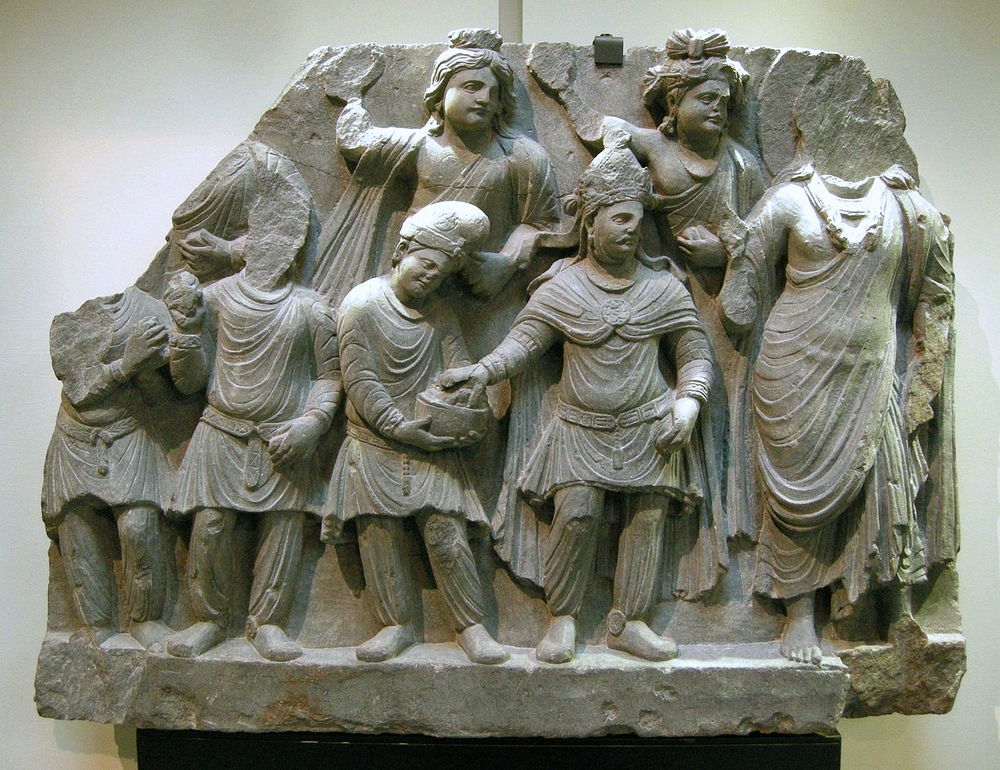
Following the annexation of the region by the Kushan Empire, Buddhism began to spread in Afghanistan. The Kushan rulers, particularly Kanishka, promoted the religion, making it a significant part of their rule. The empire's central location along the Silk Road facilitated the exchange of ideas and cultures, contributing to the dissemination of Buddhism in the region.
Buddhism's spread under the Kushan Empire left a lasting impact on Afghanistan's religious landscape, with monasteries and stupas being built across the land. The infusion of Buddhist art and architectural styles further enriched the cultural heritage of the region. This period also saw the translation of Buddhist texts into local languages, increasing the accessibility of the religion to the general populace.
The religious tolerance of the Kushan rulers encouraged the coexistence of different faiths, fostering a diverse and harmonious society. This multicultural environment allowed Buddhism to take root and flourish in Afghanistan, leaving a lasting legacy that endured even after the decline of the Kushan Empire.
#KushanEmpire #BuddhismInAfghanistan #CulturalExchange
View details0030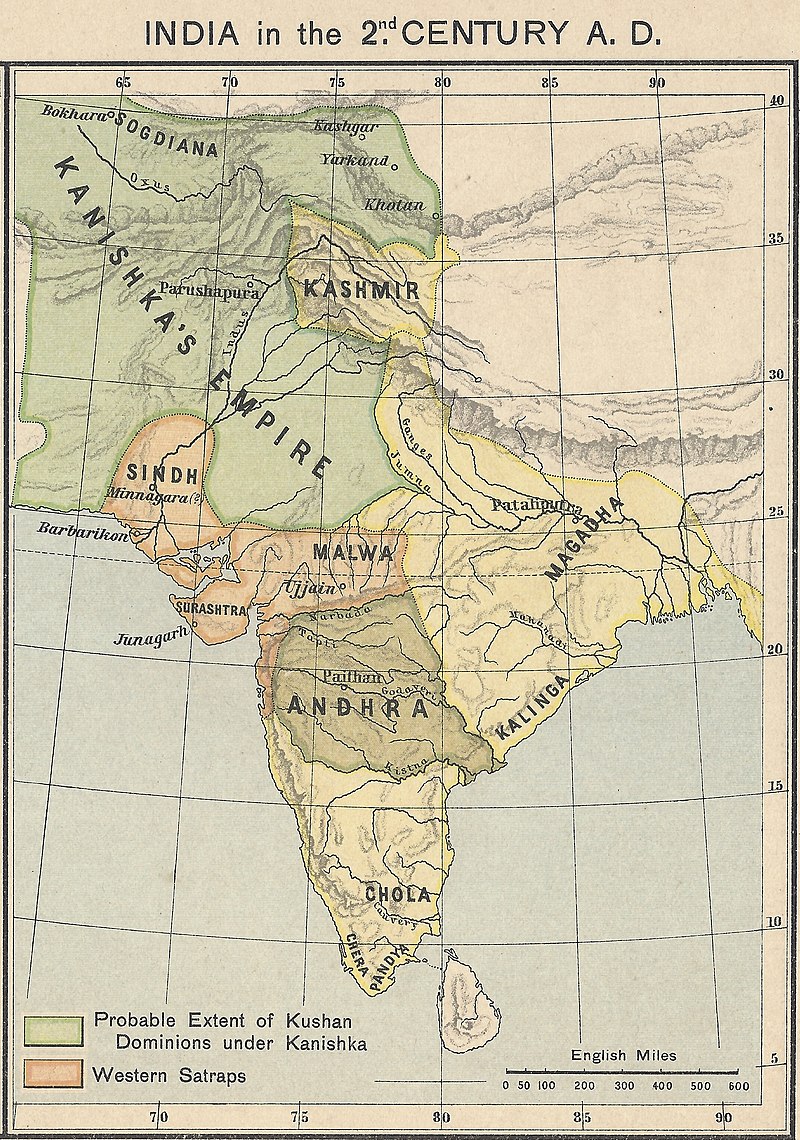
The establishment of the Kushan Empire in Afghanistan marked a crucial turning point in the region's history. The Kushans, originally a nomadic tribe from Central Asia, rose to power through their military prowess and strategic alliances. Led by rulers such as Kujula Kadphises and Kanishka, the Kushan Empire expanded its territory, encompassing modern-day Afghanistan and parts of Central Asia, India, and China.
The Kushans played a significant role in connecting the East and West through their lucrative trade networks, facilitating the exchange of goods, ideas, and culture along the Silk Road. This cultural fusion is evident in the art and architecture of the period, most notably seen in the Gandharan style that combined Hellenistic and Indian influences.
The Kushan Empire's patronage of Buddhism, particularly under Emperor Kanishka, helped the religion spread along their trade routes and gain a foothold in the region. The empire's legacy endured long after its eventual decline, influencing the development of art, religion, and trade in Afghanistan and beyond.
#KushanEmpire #AfghanistanHistory #CulturalFusion #SilkRoad #Buddhism
View details