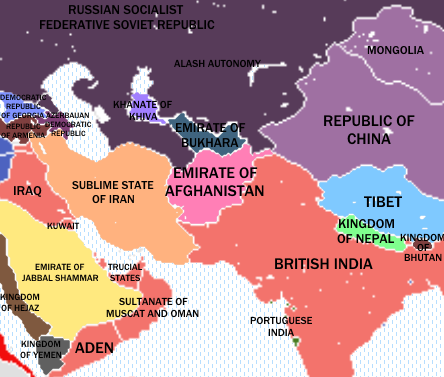
Treaty of Rawalpindi grants Afghanistan full independence from British influence.
Afghanistan

Political
Historic
3 min read
Updated By: History Editorial Network (HEN)
Published:
In the historic event of Afghanistan gaining full independence, the Treaty of Rawalpindi was signed, marking the end of British influence in the region. The treaty was a significant milestone in Afghanistan's history, as it solidified the country's sovereignty and allowed it to govern itself without external interference. This independence was a long-awaited achievement for the Afghan people, who had struggled against colonial domination for years.
Following the signing of the Treaty of Rawalpindi, Afghanistan was able to assert its autonomy in both internal and external affairs. The agreement paved the way for the country to chart its own political, economic, and social course, free from foreign control. This newfound independence brought a sense of pride and empowerment to the Afghan nation, fostering a renewed sense of national identity and unity.
The Treaty of Rawalpindi not only reshaped the geopolitical landscape of the region but also served as a symbol of Afghanistan's resilience and determination to safeguard its freedom. It was a testament to the courage and tenacity of the Afghan people in standing up for their rights and securing their independence against all odds.
#AfghanistanIndependence #TreatyofRawalpindi #EndOfBritishInfluence

Explore the Life Moments of
 AI Twin