
Nepal

The Land of Himalayas
About
#Nepal
#Himalayas
#Adventure
#TravelNepal
Life Classification
Country
Life ID
EL8525958042657
Verified Name
nepal
Life Type
Entity Life
Life Privacy
Public
Subscription
Elite
Created On
2024-08-28
Updated On
2025-12-19
Connect
Related Lives

Cape Verde
Jewel of the Atlantic

Argentina
Land of the Tango

Art movement
A Journey Through Visual History

Turkey
The Land of Singing Trees

Pakistan
Pakistan Zindabad
The Prime Ministers of Italy
The President of the Council of Ministers
Prime Minister of the United Kingdom
The Head of Government

Canada
The Great White North

2026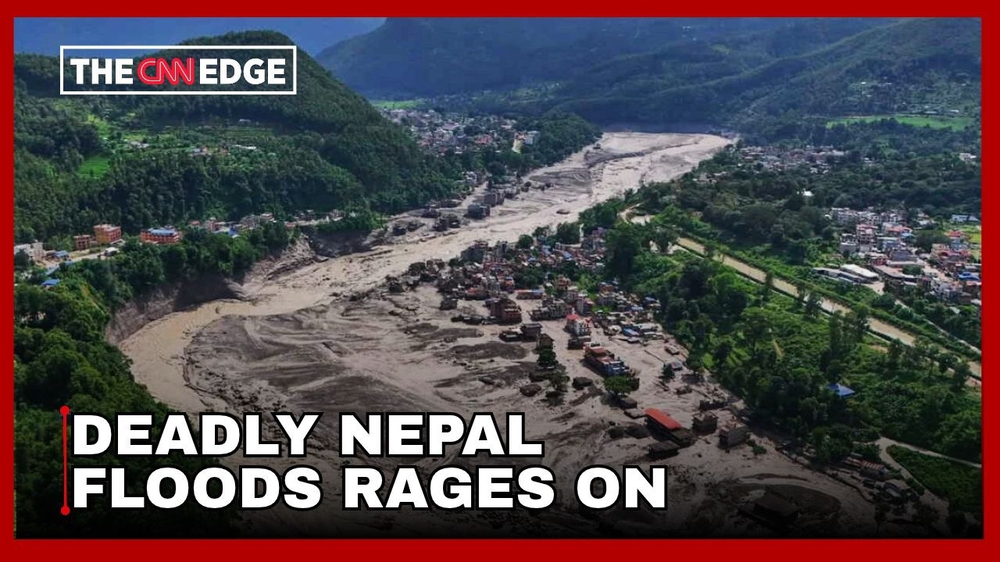
Between 25/09/2026 and 27/09/2026, heavy rainfall triggered flash floods and landslides across parts of India and Nepal, killing at least 70 people. Reports indicated at least 56 deaths in India and 14 in Nepal, as intense rainfall damaged homes, roads and other infrastructure. The disasters occurred during the late monsoon season, when saturated soil and swollen rivers can increase the risk of landslides and sudden flooding in mountainous regions of South Asia.
In India's Uttar Pradesh state, 66.5 millimetres of rain fell between 25/09/2026 and 27/09/2026, compared with the normal 7.6 millimetres. Authorities reported 46 injuries and damage to more than 1,000 homes. In Nepal, 11 people remained missing, and officials issued flood warnings for 49 of the country's 77 districts. Power outages and damaged telecommunications disrupted several areas, while flooding affected a 40-megawatt hydropower project. Nepal was still recovering from devastating floods in August that had killed more than 1,400 people.
View detailsThe catastrophic Himalayan flash flood that struck northern Nepal on 26/08/2026 has killed at least 734 people in Nepal and left 2,498 others missing, according to figures released by Nepal's National Disaster Risk Reduction and Management Authority on 30/08/2026. Across the border in the Tibet Autonomous Region of China, authorities have confirmed another 16 deaths and 546 missing people, bringing the combined toll to 750 dead and 3,044 missing across Nepal and Tibet.
The disaster began at about 8:37 a.m. local time when a large mass of glacier ice and mountain debris collapsed in Langtang National Park near Lāngtāng Lirung, close to Nepal's border with China. The United States Geological Survey said seismic analysis placed the source on a glaciated mountain cliff on the northern side of Lāngtāng Lirung. The collapse generated seismic energy equivalent to a magnitude 5.2 earthquake. Initial reports had suggested that an earthquake caused the disaster, but subsequent analysis determined that no earthquake occurred and that the seismic signal was produced by the glacier collapse and debris flow itself.
Ice, rock, water and sediment rushed into the river system, producing a fast-moving debris flood that travelled through the Lhende Khola, Bhote Koshi and Trishuli river corridors. Water levels in the Trishuli reportedly rose by as much as nine metres within 30 minutes. Settlements including Timure and Syapru Besi in Rasuwa district were hit, while flooding and debris continued downstream into Nuwakot, Dhading and other districts. Across the border, the Gyirong Port area in Tibet suffered extensive destruction. Roads, bridges, homes, hydropower facilities and other infrastructure along the river valleys were damaged or destroyed.
Nepal has borne most of the confirmed human loss. By the morning of 30/08/2026, authorities had recovered 734 bodies or human remains. The scale of the flood carried victims far downstream, with bodies recovered across several districts. Chitwan recorded the largest number of recoveries, followed by Nawalparasi East, while bodies were also recovered in Nawalparasi West, Gorkha, Nuwakot, Dhading, Tanahun and Rasuwa. Indian authorities have also recovered bodies from rivers flowing out of Nepal that are believed to be connected to the disaster, although these recoveries have not been included in Nepal's official death toll.
Among Nepal's 2,498 missing people are 933 workers from hydropower projects and hundreds of foreign nationals. Rescue operations have concentrated partly on hydropower facilities along the affected river corridor, where workers were believed to have been trapped inside tunnels after mud and debris inundated project sites. Nepalese security forces, helicopters and specialist teams have continued searching damaged communities, riverbanks, tunnels and areas buried beneath thick sediment.
The disaster also affected tourists, trekkers and pilgrims travelling through the Nepal-Tibet border region. Nepal's missing-person list includes 589 foreign nationals, while Chinese authorities reported that 261 foreign nationals from 23 countries were missing on the Tibetan side. The missing in Tibet included citizens of Nepal, India, Latvia, the United States and the United Kingdom, among other countries. The region is used by international travellers heading towards destinations including Mount Kailash in Tibet.
Rescue operations have repeatedly faced difficult weather, unstable terrain, damaged transport links and the continuing threat of additional flooding. A barrier lake created during the disaster prompted rescuers to temporarily withdraw from vulnerable areas when water began overflowing. Further rainfall and rising river levels have kept authorities on alert for secondary floods and landslides. More than 90,000 people have been affected or identified as needing assistance across the disaster zone, according to humanitarian assessments.
By 30/08/2026, Nepalese authorities reported that thousands of people had been rescued, including foreign nationals. Search teams were continuing to work through isolated settlements and hydropower sites as the government sought international technical assistance for specialised tunnel rescue operations, communications, transport, DNA identification and the identification and preservation of victims' remains.
The 26/08/2026 collapse has also drawn attention to the difficulty of monitoring glacier and mountain-slope hazards in the Himalayas. Unlike a conventional rainfall-driven flood, the initial disaster occurred after a sudden high-altitude collapse. Scientists are using satellite imagery, seismic measurements and field observations to reconstruct the sequence of events and determine the volume of ice and rock involved. The USGS has continued mapping the flood and debris-flow area to support response and recovery operations.
View details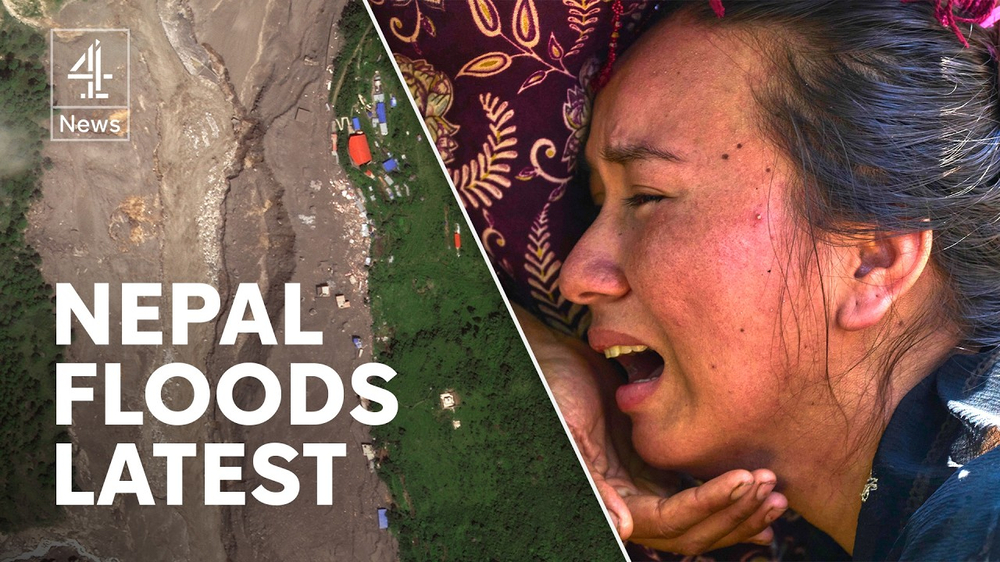
Nepal’s 05/03/2026 general election delivered a decisive parliamentary win for the Rastriya Swatantra Party, placing former Kathmandu mayor Balendra “Balen” Shah at the center of government formation after the first national vote since the youth-led protests of September 2025. Final results reported on 12/03/2026 showed the RSP winning 182 of 275 seats in the House of Representatives, including 125 direct seats and 57 proportional seats, while the Nepali Congress took 38 and CPN (UML) won 25. The scale of the result broke the long-running dominance of Nepal’s traditional parties and left the RSP just two seats short of a two-thirds majority.
At 35, Shah is expected to become Nepal’s youngest prime minister once the new parliament completes the formal process of choosing a government. Reuters reported that he is also expected to be the country’s first prime minister from the Madhesh region. The election followed months of political upheaval after anti-government protests in 2025, which Reuters said led to 77 deaths and the fall of the previous government. Shah’s rise was reinforced by his victory over former prime minister K.P. Sharma Oli in Jhapa-5, where Nepal media reported Shah received 68,348 votes to Oli’s 18,734. On 09/03/2026, Indian Prime Minister Narendra Modi publicly congratulated RSP chairman Rabi Lamichhane and Shah on the party’s success.
View details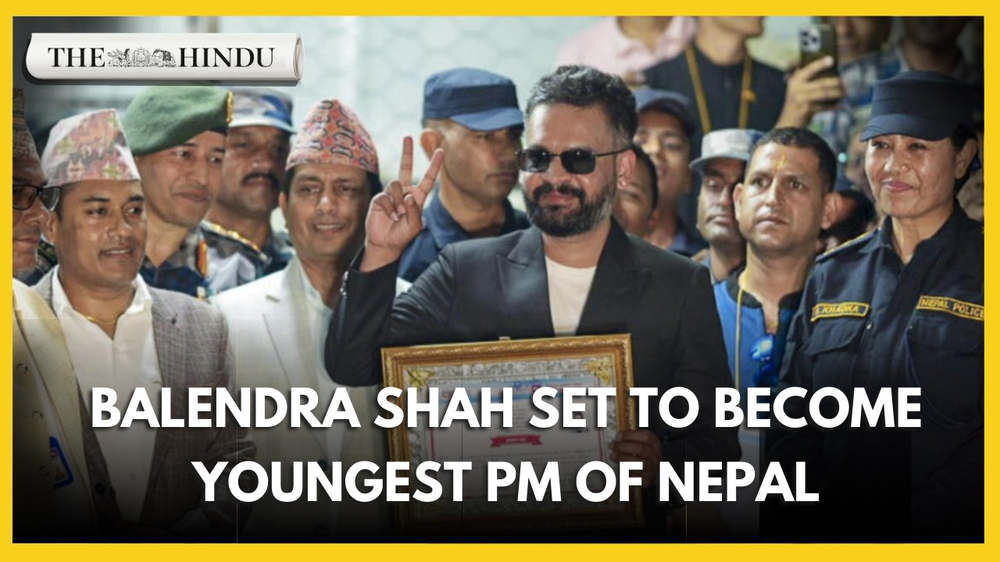
2025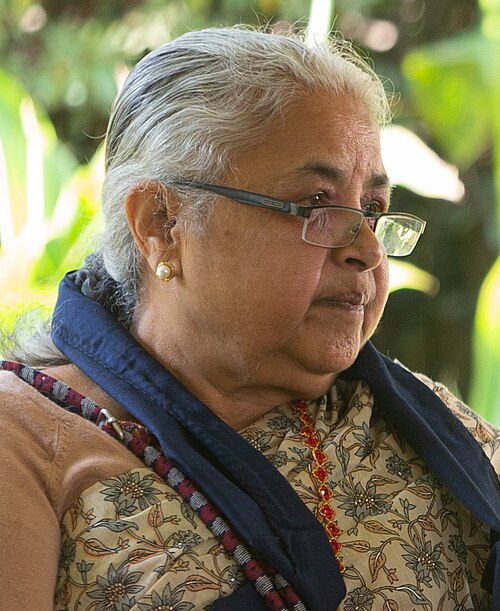
Former Chief Justice Sushila Karki has been sworn in as Nepal’s interim Prime Minister, becoming the country’s first female leader. Her appointment follows the resignation of KP Sharma Oli amid widespread protests and political unrest, and is intended to guide Nepal through a transitional period until a new government is formed. Karki, who previously served as the nation’s first female Chief Justice, brings extensive legal and administrative experience to the role, and her leadership is widely seen as a symbol of progress for gender equality in Nepalese politics. Her mandate focuses on restoring political stability, ensuring transparent governance, and facilitating a smooth transition to a fully elected government while addressing urgent national issues.
The significance of Karki’s appointment extends beyond the immediate political context. Domestically, it represents a historic milestone for women’s leadership in Nepal and is likely to inspire greater female participation in public life and governance. Her legal background is expected to reinforce institutional integrity and accountability, particularly in a period marked by protests, corruption concerns, and public demands for reform. Politically, the interim administration under Karki aims to rebuild trust between the government, civil society, and the electorate, while managing economic and social challenges. International observers have welcomed the move as a positive step toward inclusive governance and stability in Nepal. Overall, Sushila Karki’s tenure as interim Prime Minister signals both a historic achievement for gender representation and a critical effort to navigate Nepal through a period of political transition and reform.
View detailsPrime Minister KP Sharma Oli has resigned amid escalating protests and political unrest, marking a dramatic turn in Nepal’s ongoing political crisis. Oli’s resignation followed weeks of demonstrations across major cities, with citizens and civil society groups demanding accountability, transparency, and government reforms. Protesters cited issues including corruption, economic mismanagement, and perceived erosion of democratic norms as reasons for their mobilization. The resignation comes after growing pressure from opposition parties, civil society, and youth-led movements, reflecting widespread public dissatisfaction with the administration’s handling of governance and social issues. Oli’s departure paves the way for the appointment of a new prime minister tasked with restoring political stability and addressing the grievances that fueled the protests.
The resignation carries significant political and social implications for Nepal. Domestically, it highlights the power of mass mobilization, particularly by younger generations, in influencing political outcomes and holding leaders accountable. It also creates an opportunity for political restructuring and dialogue to form a government capable of responding to pressing economic, social, and governance challenges. International observers have noted that Oli’s resignation may ease tensions and provide a window for renewed engagement with development partners and regional stakeholders. However, the transition period could also be marked by uncertainty, with challenges in forming a stable coalition and implementing reforms. Overall, Oli’s resignation underscores the fragility of Nepal’s political environment and the critical role of public pressure in shaping governance, signaling a turning point in the country’s ongoing struggle for accountability and democratic stability.
View details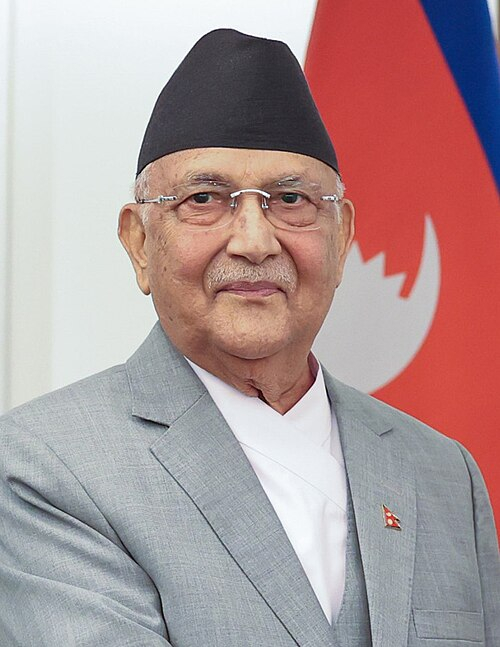
The Nepalese government has banned 26 social media platforms, sparking widespread protests led by youth and members of Generation Z, who have criticized the move as an attempt to curb freedom of expression and transparency. The ban reportedly targets platforms accused of facilitating misinformation, unregulated content, or foreign influence, but critics argue that it represents a broader effort to suppress dissent and limit public scrutiny of government actions, particularly regarding allegations of corruption. Across major cities, young demonstrators have taken to the streets and online spaces to voice their opposition, calling for accountability, transparency, and the restoration of digital freedoms. The protests have been largely peaceful, though authorities have heightened surveillance and internet monitoring to enforce the ban.
The social and political significance of the ban is substantial. For the youth, particularly digital-native generations, social media is a primary tool for activism, communication, and mobilization; restricting access has intensified frustrations over governance and corruption issues. The move has drawn domestic and international criticism, with observers warning that limiting online platforms can undermine democratic participation and civic engagement. Economically, the ban may disrupt digital businesses, content creators, and startups that rely on these platforms for commerce and outreach. Politically, the protests highlight the growing influence of young people in shaping public discourse and holding authorities accountable. Overall, the Nepal social media ban has triggered a broader debate on freedom of expression, government accountability, and the role of digital platforms in modern civil society, underscoring tensions between regulation and rights in an increasingly connected world.
View details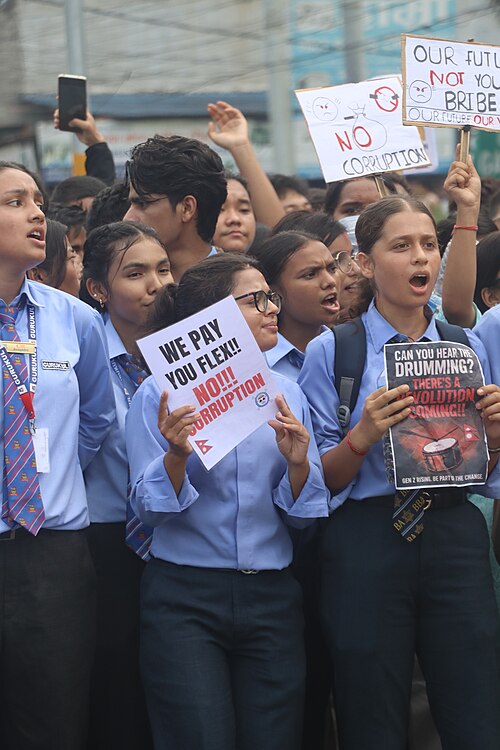
The European Union has added Nepal to its high-risk list for money laundering and terrorism financing, citing concerns over gaps in the country’s regulatory and financial oversight frameworks. The designation indicates that financial transactions involving Nepal require enhanced due diligence and closer monitoring by EU member states’ banks and financial institutions. Authorities pointed to weaknesses in anti-money laundering (AML) and counter-terrorism financing (CTF) measures, including insufficient supervision of financial institutions, limited enforcement capacity, and vulnerabilities in cross-border transactions. The EU emphasized that the listing is intended to encourage Nepal to strengthen its legal and institutional frameworks to better prevent illicit financial activity.
The inclusion of Nepal on the high-risk list carries significant economic, financial, and diplomatic implications. For Nepal, it could lead to stricter scrutiny of international transactions, increased compliance costs for banks and businesses, and potential constraints on foreign investment and remittances, which are critical to the national economy. The decision also underscores the importance of aligning domestic financial regulations with international standards, including those set by the Financial Action Task Force (FATF). Diplomatically, Nepal is expected to engage with the EU to address deficiencies, implement reforms, and restore confidence in its financial system. Overall, the designation highlights global efforts to combat money laundering and terrorism financing while signaling the urgent need for Nepal to enhance transparency, regulatory oversight, and international cooperation in the financial sector.
View details2015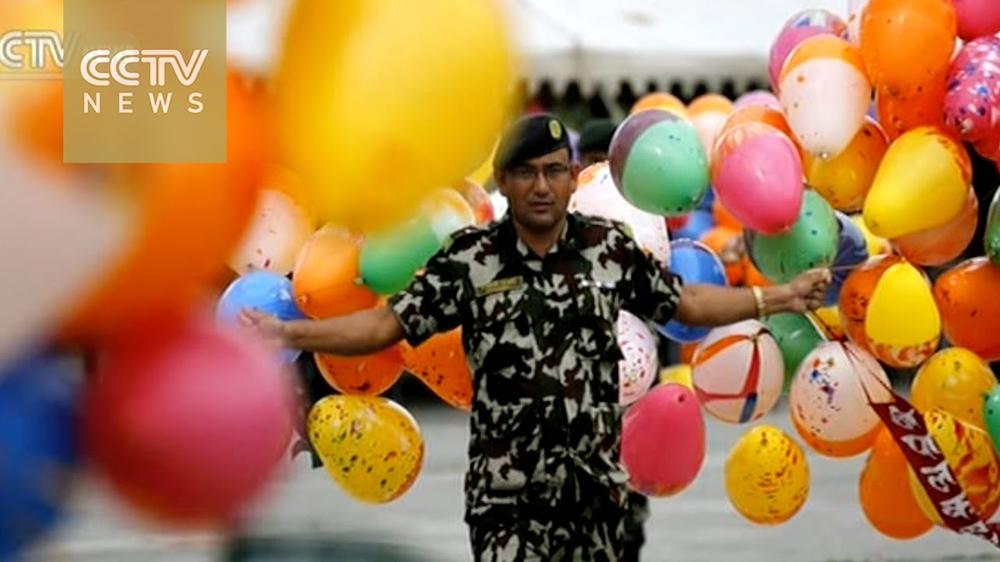
Nepal adopted its new constitution, marking a significant transition in the country's political landscape. The adoption followed a decade-long peace process initiated after the end of the Maoist insurgency. This period was characterized by intense political negotiations and social changes, aiming to stabilize and democratize Nepal.
Before the new constitution, Nepal had experienced years of monarchical rule, followed by a period of political instability and civil war. The Comprehensive Peace Accord, which brought an end to the decade-long Maoist insurgency, set the stage for drafting a new constitution. Political factions, including the Nepali Congress, the Communist Party of Nepal (Maoist), and others, engaged in prolonged deliberations to define the nation's governance framework.
The new constitution declared Nepal a federal democratic republic with a framework guaranteeing fundamental rights, federalism, secularism, and inclusivity. The aim was to address longstanding issues of representation for marginalized communities, including various ethnic groups, Madhesis, and women. This decision heralded a transformative phase by redistributing power from the central government to newly formed provinces, fostering local governance.
However, the constitution's promulgation also sparked protests, particularly in the southern Terai region. Madhesi groups and other indigenous communities expressed concerns over the demarcation of provincial boundaries and perceived insufficient representation. This unrest led to blockades and clashes, highlighting the challenges of implementing a federal system inclusive of diverse groups.
Statistics indicate that over 90% of the Constituent Assembly members voted in favor of the new constitution. Despite the contentious atmosphere, this milestone represented a concerted effort to forge a united national identity through democratic principles. The constitution contains 35 parts, 308 articles, and 9 schedules, laying out the structure of government, civil liberties, and representatives' roles.
The adoption of Nepal's constitution was a critical point in its quest for lasting peace and democracy. It aimed to create a more equitable and inclusive society, although its implementation faced significant hurdles and required ongoing dialogue and negotiation.
#MoofLife #NepalDemocracy #FederalRepublic #InclusiveGovernance #ConstitutionalMilestone
View detailsK.P. Sharma Oli assumed the role of Prime Minister of Nepal, starting his first term in office. His rise to this position followed significant political activity and negotiation within the country's parliamentary democracy. Oli's political influence grew through his leadership of the Communist Party of Nepal (Unified Marxist–Leninist), positioning him as a prominent figure in Nepalese politics.
Oli's tenure as Prime Minister marked by his commitment to addressing key national issues. The country was still reeling from a devastating earthquake that had occurred a short time prior, causing extensive damage and loss of life. One of Oli's immediate challenges was to expedite the reconstruction process and to restore stability.
The political landscape at the time was characterized by the promulgation of a new constitution, which was intended to stabilize governance and promote inclusivity across Nepal's diverse population. However, the constitution faced opposition from various groups, leading to political unrest and economic blockades, which further hampered reconstruction efforts and supplies of essential goods.
Oli's domestic policies focused on infrastructural development and national sovereignty. He sought to strengthen ties with neighboring countries like China, often seen as a strategic move to reduce dependence on India, amid ongoing border and resource disputes. His governance style leaned towards centralization, attracting both support from his political base and criticism from opposition parties and civil society.
Nepal's economic indicators during Oli's first term showed modest improvement, with efforts directed towards enhancing agricultural productivity, energy sector reforms, and improving tourism infrastructure. Despite these efforts, challenges such as poverty, unemployment, and political volatility remained persistent issues.
In the international arena, Oli's administration worked to project Nepal as a sovereign and independent nation, seeking balanced relationships with major powers. His foreign policy choices reflected a strategic pivot in response to regional geopolitics.
K.P. Sharma Oli's first term as Prime Minister was a period of transition and significant policy initiatives aimed at rebuilding Nepal and asserting its national interests.
#KPSharmaOli #NepalPolitics #LeadershipChange #ReconstructionEfforts #NewConstitution #PoliticalLandscape #MoofLife
View details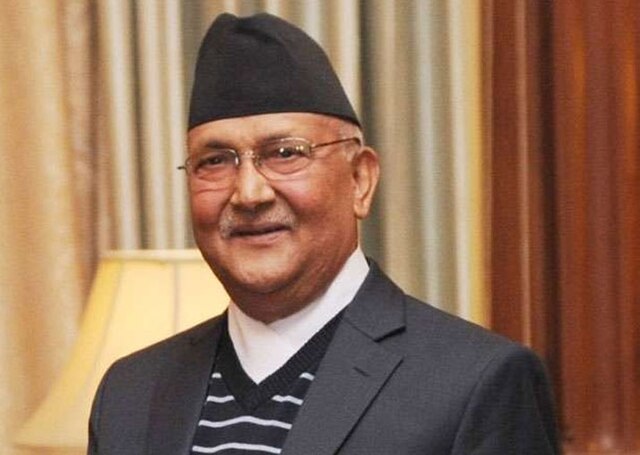
On April 25, a powerful earthquake struck Nepal, causing massive devastation and profound loss of life. The epicenter of the quake was near the village of Lamjung, approximately 80 kilometers northwest of Kathmandu, the densely populated capital city of Nepal. The earthquake registered a magnitude of 7.8 on the Richter scale, making it the most powerful seismic event in the region in over 80 years.
The impact of the earthquake was widespread, flattening entire villages and causing extensive damage to historic buildings, including the iconic Dharahara Tower and several UNESCO World Heritage Sites. The disaster also triggered avalanches in the Himalayas, notably on Mount Everest, resulting in additional casualties among climbers and local communities. The quake and its subsequent aftershocks claimed nearly 9,000 lives and injured over 22,000 individuals, while millions were displaced. Infrastructure damages were extensive, with many roads, bridges, and homes destroyed.
International response was swift, with numerous countries and humanitarian organizations providing aid and support. Rescue teams, medical assistance, and relief supplies were deployed to the affected areas as efforts concentrated on rescuing trapped individuals and providing immediate care for the injured. Despite these efforts, the scale of the disaster overwhelmed local resources and exposed significant challenges in disaster preparedness and response.
Economic losses due to the earthquake were estimated in the billions of dollars, severely impacting Nepal's largely agrarian economy. Long-term recovery and rebuilding efforts were initiated, focusing on reconstructing homes, restoring heritage sites, and improving disaster resilience measures. The catastrophe highlighted the need for enhanced building codes and increased preparedness in earthquake-prone regions.
Socially, the earthquake prompted strong community solidarity, with locals and international volunteers working together in recovery efforts. At the same time, the event served as a somber reminder of the vulnerability faced by countries in seismically active zones, underscoring the importance of continuous vigilance and preparedness.
#NepalEarthquake #DisasterRelief #HumanitarianAid #RebuildingNepal #MoofLife
View details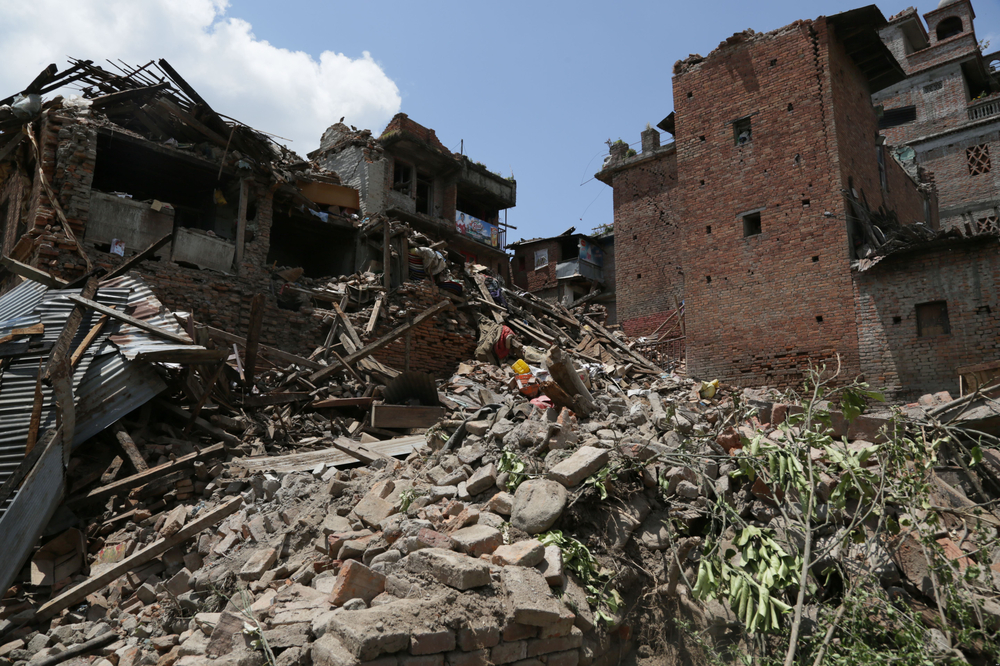
2008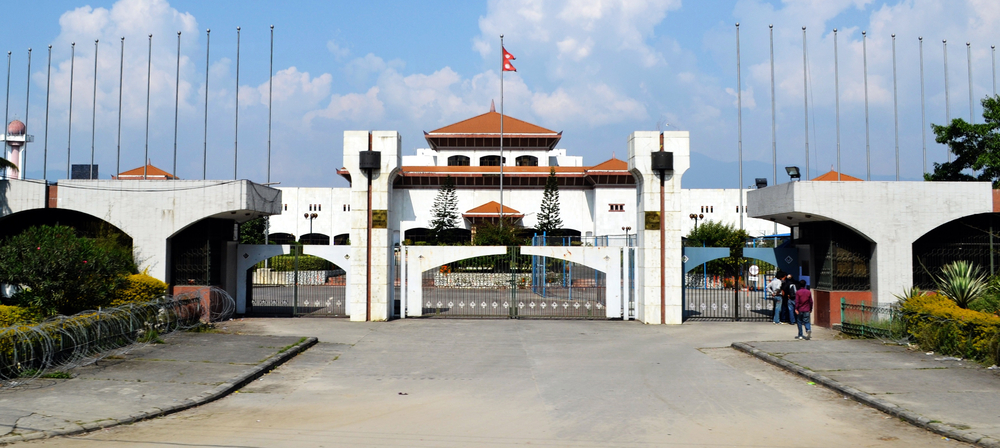
Nepal's transition to a federal democratic republic marked the end of a 240-year-old monarchy. The decision to abolish the monarchy was the result of a prolonged civil war and widespread public demand for democratic change. The Maoist insurgency, which began in 1996, played a significant role in destabilizing the monarchy and bringing attention to social inequalities and the need for political reform.
The Comprehensive Peace Agreement between the Maoists and the government ended the civil war and laid the groundwork for a shift towards a democratic system. Subsequently, the Interim Constitution was introduced, paving the way for the first election of the Constituent Assembly. This assembly was tasked with drafting a new constitution and deciding the fate of the monarchy. During the first session, a majority vote favored the establishment of a federal democratic republic, formally abolishing the monarchy.
This political transformation had wide-reaching implications. Domestically, it meant the end of King Gyanendra's reign, who was the last monarch of Nepal. Institutionally, significant reforms were initiated to decentralize power and promote federalism. People's participation in governance was expected to increase, addressing ethnic and regional grievances.
Economically, Nepal faced challenges as it navigated the transition. The country had to attract foreign investment and aid to stabilize its economy and rebuild infrastructure damaged by years of conflict. Politically, the change created an environment for inclusive growth, allowing various marginalized groups to have a voice in governance.
Socially, the abolition of the monarchy resonated with the people's aspirations for equality and justice. Movements for women's rights, indigenous people's rights, and minority rights gained momentum, seeking to transform the traditional societal structures. Internationally, Nepal's move was supported by various nations that appreciated its peaceful transition through democratic processes.
However, challenges persisted, including political instability and economic underdevelopment. The political landscape saw rapid changes with frequent shifts in government, illustrating the hurdles Nepal faced in solidifying its new democratic identity.
In conclusion, Nepal's transition to a federal democratic republic was a monumental step towards restructuring its political, social, and economic framework. This moment reflected the determination of the Nepalese people to overcome historical challenges and aspire for a more inclusive and democratic future. #Nepal #Democracy #FederalRepublic #PoliticalChange #MoofLife
View details2006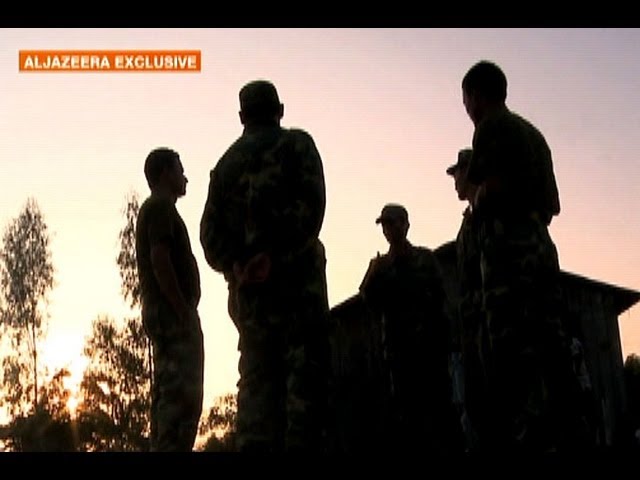
The culmination of prolonged conflict in Nepal reached a pivotal juncture with the signing of the Comprehensive Peace Accord between the government of Nepal and Maoist rebels. This agreement brought an end to a decade-long civil war that had resulted in significant loss of life and disruption within the country. The Nepalese Civil War, marked by a struggle for political control between the monarchy and Maoist forces, led to approximately 13,000 deaths and widespread displacement.
The peace accord marked the beginning of a transition from armed conflict to political dialogue. Key elements of the agreement included the dissolution of the monarchy, the integration of Maoist combatants into the national army, and the establishment of a republican state. This accord also aimed to address human rights abuses committed by both sides during the conflict, laying the groundwork for a new constitution and democratic governance.
The implementation of the Comprehensive Peace Accord saw the formation of a special committee to oversee the rehabilitation and integration of former combatants. Additionally, it paved the way for the establishment of a Constituent Assembly entrusted with drafting a new constitution. The peace agreement garnered support from international actors and organizations, which played crucial roles in facilitating dialogue and providing humanitarian assistance.
Despite challenges in the post-accord period, including political instability and debates over federal restructuring, the signing of the peace agreement was a critical step forward for Nepal. It signified the willingness of both the government and the rebels to move towards peace and development.
#NepalPeaceAccord #ConflictResolution #PostWarRehabilitation #DemocraticTransition #MoofLife
View detailsIn the early 2000s, Nepal experienced political turmoil under King Gyanendra’s direct rule, which had been initiated after he dissolved the parliament and assumed executive powers. The king justified his actions by arguing that he aimed to control the Maoist insurgency and restore peace. However, his rule was marked by increasing suppression of civil liberties and a lack of democratic governance. Growing discontent among the population culminated in a series of protests and strikes organized by the Seven-Party Alliance (SPA), a coalition of major political parties, and supported by the Maoists.
The movement gained momentum as demonstrations spread across the country, with participants from diverse social and economic backgrounds demanding the reinstatement of the parliament and the end of the king's autocratic rule. The protesters faced significant challenges, including curfews, prohibitions on assembly, and violent crackdowns by security forces. Reports indicate that tens of thousands of individuals participated in the protests, which were characterized by their persistence and resilience despite harsh responses from the authorities.
Amid mounting pressure and widespread international condemnation of his actions, King Gyanendra announced his decision to reinstate the parliament. This act marked a significant shift in Nepal's political landscape, paving the way for the re-establishment of democratic governance and the inclusion of Maoist representatives in mainstream politics. The reinstatement of the parliament subsequently led to the formation of an interim government, which was tasked with drafting a new constitution and overseeing the transition to a federal democratic republic.
The reinstatement had immediate and long-term impacts. In the short term, it brought an end to direct monarchical rule and restored political order, while also laying the groundwork for peace talks with the Maoists. In the long term, it marked a critical juncture in Nepal’s journey towards democratization, initiating a process that eventually resulted in the abolition of the monarchy and the establishment of a federal democratic republic.
This period is a decisive chapter in Nepal's political evolution, demonstrating the power of popular mobilization and collective action in achieving democratic reforms.
#PeoplePower #EndOfAutocracy #NepalUprising #DemocracyRestored #MoofLife
View details2005
In early February, King Gyanendra of Nepal executed a decisive coup d'état, overthrowing the existing government and taking absolute control of the nation. This action was a culmination of growing tensions between the monarchy and the democratic institutions established in the 1990s. Nepal, grappling with a prolonged Maoist insurgency, widespread political instability, and increasing public discontent, plunged into deeper crisis with the King's move.
The King justified his actions by citing the government's failure to address the insurgency and maintain order. He declared a state of emergency, dissolved the parliament, and assumed direct rule. High-profile political figures, including the sitting Prime Minister, were confined under house arrest, and civil liberties like press freedom and freedom of assembly were sharply curtailed. Communication lines, including internet and telephone services, were disrupted to prevent organized resistance.
The imposition of direct rule had immediate and far-reaching consequences. International reactions were swift, with several countries and global organizations condemning the move, demanding restoration of democratic norms, and suspending bilateral aid. The European Union and India were particularly vocal in their criticism, expressing concerns about human rights violations and the suppression of political freedoms.
Domestically, the political landscape was drastically altered. The King's rule faced resistance from various quarters, including political parties, civil society organizations, and the general populace. The Maoist insurgents, already in conflict with the state, found new grounds to intensify their activities. This period saw a surge in protests and strikes, though many were met with severe crackdowns by security forces.
Statistically, state repression escalated; reports of arbitrary detentions and enforced disappearances increased. Human rights organizations documented numerous cases of torture and extrajudicial killings. The political turmoil and authoritarian measures overshadowed the economic progress made in the prior decade, plunging the nation deeper into poverty and instability.
The King's absolute rule, while aimed at stabilizing the country, paradoxically exacerbated the political violence and division. It set the stage for future political reforms, international mediation efforts, and eventually, a peace agreement with the Maoist rebels, leading Nepal towards becoming a federal democratic republic a few years later.
#NepalCoup #KingGyanendra #PoliticalInstability #HouseArrest #StateOfEmergency #MaoistInsurgency #CivilLiberties #Authoritarianism #MoofLife
View details2004
Nepal's accession to the World Trade Organisation (WTO) was a pivotal moment in the country's economic history. After nearly five decades of planned economic development, Nepal sought to integrate more fully into the global economy. This decision followed a rigorous negotiation process spanning 14 years, reflecting the country's commitment to global trade norms and practices.
By joining the WTO, Nepal became the first least-developed country (LDC) to achieve membership through the full accession process. This move was aimed at reducing trade barriers and ensuring more predictable and transparent trade practices. The membership provided Nepal with access to a global platform to negotiate better trade deals and attract foreign investment, crucial for its economic growth and development. It also meant that Nepal had to comply with agreed international rules on trade and intellectual property, which necessitated significant legislative and policy reforms.
Economically, WTO membership opened several avenues for Nepal. It enabled the country to diversify its export base, including products like garments, carpets, and pashmina shawls, which were significant contributors to its economy. As a landlocked country, improved trade facilitation was essential, and WTO membership offered the framework for better logistical and infrastructural development.
Statistics from subsequent years demonstrated mixed impacts. Export revenues saw an uptick, and there was a gradual increase in foreign direct investment. However, challenges persisted. Nepal's balance of trade deficit remained a concern, primarily driven by high import dependency. Additionally, the local industries had to adapt quickly to adhere to global competition and standards, which presented both opportunities and obstacles.
Furthermore, WTO membership paved the way for Nepal to participate in regional and multilateral trade negotiations actively, allowing the country to voice its concerns and interests on a global stage. This amplified role helped in not only driving national economic policies but also in fostering regional cooperation and integration in South Asia.
In summary, Nepal's entry into the WTO was a noteworthy step in its economic journey, signifying its aspirations to partake in the global economy while underscoring the challenges of global integration for a least-developed nation.
#NepalTrade #GlobalEconomy #WTOMembership #EconomicDevelopment #InternationalTrade #MoofLife
View details2001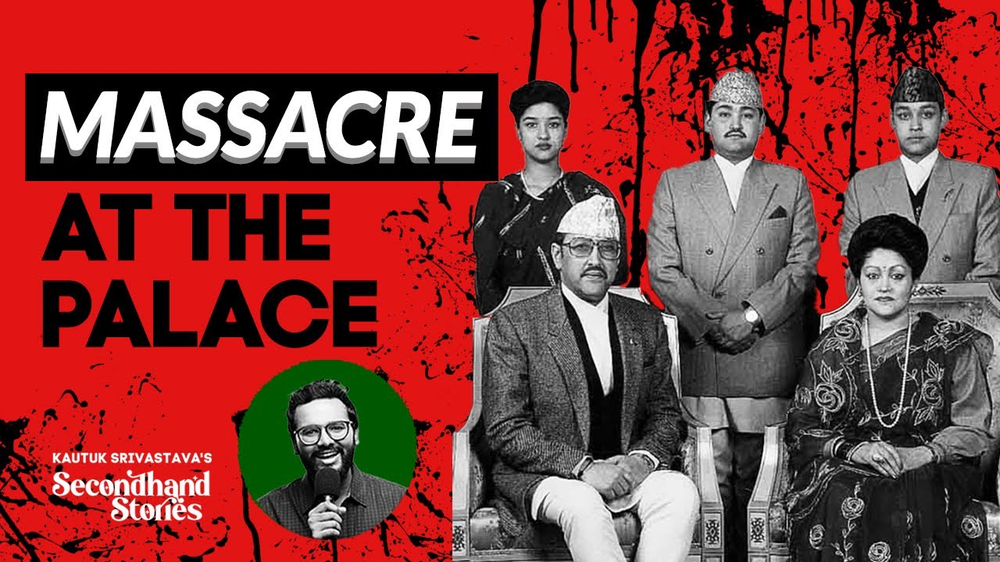
In the context of Nepalese history, the Nepalese royal massacre stands as a pivotal event. It witnessed the tragic death of King Birendra, Queen Aishwarya, and other members of the royal family at the Narayanhiti Royal Palace. The assailant, Crown Prince Dipendra, later succumbed to injuries he inflicted upon himself, although he was briefly named king while in a coma in the hospital following the deaths of his parents.
King Birendra, who was widely respected and had reigned since 1972, led Nepal through significant political transformations, including the transition from absolute monarchy to constitutional monarchy in the early 1990s. His death created a power vacuum and tested the monarchy's stability, as it coincided with the period of a civil war against Maoist insurgents who sought to abolish the monarchy.
Following the massacre, the Nepalese government formed a committee to investigate the incident. The committee concluded that Dipendra was responsible for the killings, motivated by family disputes and anger over his parents' disapproval of his choice of bride. However, widespread public skepticism surrounded the official findings, with many Nepalis suspecting a conspiracy.
Gyanendra, King Birendra’s younger brother, subsequently ascended to the throne after Dipendra’s death. Gyanendra's reign was marked by significant upheaval and opposition. In 2005, he assumed full executive power, which led to widespread protests and eventually the reestablishment of democratic rule. The massacre marked the beginning of the end for the Nepalese monarchy; in 2008, Nepal was declared a republic, effectively abolishing the monarchy altogether.
The massacre reverberated through Nepali society, with far-reaching political and cultural implications that reshaped the nation’s governance and national identity. It spurred debates on transparency, governance, and the role of tradition in a modernizing society.
#NepaleseRoyalMassacre #KingBirendra #CrownPrinceDipendra #NepaleseHistory #PoliticalUpheaval #EndOfMonarchy #RoyalFamilyTragedy #CivilWar #MoofLife
View details2000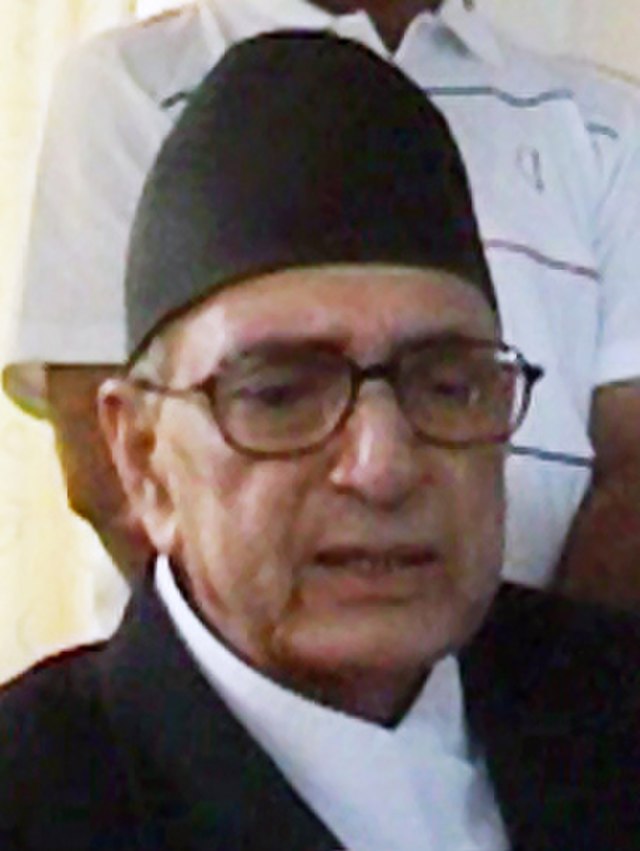
Girija Prasad Koirala took office as the Prime Minister of Nepal again, heading the ninth government formed within a decade. His return to power marked a notable phase in Nepalese politics, characterized by frequent changes in leadership and political instability.
Koirala, a senior figure within the Nepali Congress party, had previously served as Prime Minister multiple times. His political career was marked by advocacy for democracy and efforts to shift Nepal from absolute monarchy to a democratic structure. His leadership played a crucial role in the restoration of multiparty democracy in Nepal.
During the decade before his return, Nepal experienced considerable political volatility. Frequent changes in the government were commonplace, leading to questions about the effectiveness of the political system. This period also saw an intensification of the Maoist insurgency, which began as a small-scale rebellion but gradually expanded, posing a significant challenge to the government and contributing to nationwide instability.
Koirala's assuming office again brought cautious optimism among some segments of the population who saw him as a stabilizing figure capable of navigating the political turmoil. Yet, it also drew attention to the persistent issues of governance and the lack of continuity in leadership, which had hampered the country's progress and development efforts.
Statistically, during this era, Nepal faced significant challenges. Economic growth was inconsistent, with GDP growth rates fluctuating. Poverty remained widespread, with a significant proportion of the population living below the poverty line. Moreover, development indicators such as literacy rates and healthcare access showed sluggish improvement.
Koirala's leadership approach focused on addressing these multifaceted issues, but the political environment remained tense. Negotiating peace with the Maoist insurgents emerged as a central concern, with ongoing violence underscoring the urgency of political and social reform.
Ultimately, Koirala's return as Prime Minister was a response to the chronic instability, reflecting the hope that experienced leadership could bring about needed stability and progress. However, it also highlighted the deep-rooted challenges within Nepal's political landscape that required long-term solutions beyond just changes in leadership.
#NepalPolitics #LeadershipChange #PoliticalInstability #NepaliCongress #MaoistInsurgency #Democracy #GovernanceChallenges #MoofLife
View details1997
Prime Minister Sher Bahadur Deuba faced a no-confidence vote in Nepal's parliament and failed to secure the necessary support to maintain his position. This event initiated a period marked by increased political instability and frequent changes in leadership within the country.
Deuba's tenure had been characterized by attempts at initiating economic reforms and addressing social issues. Nonetheless, his administration struggled with factionalism within his party and opposition from rival factions. As the vote approached, several parliamentarians from his own party defected, exacerbating the internal discord that had plagued his government.
The successful no-confidence motion highlighted the fragmented nature of Nepal's political landscape. Almost immediately after the vote, various political factions began maneuvering to form the next government. This set off a sequence of events where the office of the prime minister saw several incumbents in quick succession, none able to establish long-term stability or enact substantial policy reforms.
Statistics from the subsequent period noted an increase in protests and political rallies, reflecting public discontent with the ongoing instability. The frequent changes in leadership hindered sustained economic development, with frequent shifts in policy direction stalling planned initiatives.
International observers and analysts noted the period as a significant chapter in Nepal's evolving democratic process, pointing to the challenges of governance within a multi-party system marked by deep-seated rivalries and ideological divides. Multiple coalitions were formed and collapsed, underscoring the difficulty in achieving a consensus within the volatile political environment.
This era had long-lasting effects on Nepal's political framework, illustrating the volatility that can arise from fragmented political alliances and underscoring the need for more cohesive governance structures.
#PoliticalInstability #NoConfidenceVote #NepalPolitics #LeadershipChange #DemocraticChallenges #MoofLife
View details1996
After extensive negotiations and discussions, representatives from Nepal and India convened to finalize the terms for the Mahakali Treaty. This agreement focused on the cooperative use of the Mahakali River, a significant water source for both countries. The treaty aimed to address and manage water resource issues related to irrigation, energy, and flood control.
Negotiations leading up to the treaty involved multiple rounds of dialogues and consultations. Both nations had vested interests in the Mahakali River, which originates in the Himalayas and flows along the border of Nepal and India. Disputes had previously arisen concerning water distribution and hydropower generation, necessitating a formal agreement to avoid future conflicts.
Key provisions of the treaty included the development of the Pancheshwar Multipurpose Project, which promised to generate substantial hydroelectric power and provide irrigation benefits to both countries. Additionally, the treaty stipulated a framework for water-sharing based on equal entitlement, ensuring a balanced approach to resource management.
The impact of the Mahakali Treaty was considerable. For Nepal, it provided a structured mechanism to harness the river's potential for irrigation and hydropower, crucial for its agricultural sector and energy needs. India, on the other hand, gained access to additional water resources and a share of the generated hydropower, which was essential for its growing energy demands.
Under the agreement, the construction of the Pancheshwar Dam was proposed, with an estimated potential to produce thousands of megawatts of electricity. This project was also expected to enhance irrigation facilities across vast tracts of arable land, benefiting farmers in both countries. Moreover, the treaty laid out plans for the Tanakpur Barrage and Sharada Barrage, which were seen as supporting infrastructures for managing water flow and storage.
Despite the strategic importance of the treaty, its implementation faced various challenges. Disagreements over the exact modalities of water sharing and project execution timelines occasionally stalled progress. However, the foundational framework set by the treaty remained an important step towards bilateral water resource cooperation.
#MahakaliTreaty #NepalIndiaRelations #WaterResourceManagement #HydropowerDevelopment #Irrigation #MoofLife
View details1995
Man Mohan Adhikari, Nepal's Prime Minister from the Communist Party of Nepal (Unified Marxist–Leninist), faced a pivotal moment when he resigned after losing in a no-confidence motion initiated by the Nepali Congress. Adhikari's government, during its rule, focused on social reforms and economic initiatives aimed at improving the welfare of the Nepali people. Despite these efforts, political instability and lack of majority support in the parliament led to challenges in governance.
The no-confidence motion against Adhikari was led by Sher Bahadur Deuba of the Nepali Congress. Deuba criticized Adhikari’s administration for its handling of economic policies and internal security. The motion saw significant support from opposition parties, reflecting the fragmented political landscape in Nepal at the time. Adhikari’s resignation marked the end of the first communist-led government in Nepal, illustrating the complexities and shifting alliances within the country’s multiparty system.
Following Adhikari’s resignation, Sher Bahadur Deuba was appointed as the new Prime Minister. Deuba, a seasoned politician, sought to bring stability and focus on economic development and democratic governance during his tenure. The transition of power highlighted the volatile nature of Nepali politics, where coalition governments and political maneuvering played critical roles in leadership changes.
This change in leadership had several implications for Nepal. It underscored the challenges of sustaining a stable government amidst a fragmented political spectrum. The shift in administration impacted ongoing projects and policies, necessitating adjustments and realignments within various governmental sectors. Additionally, the event emphasized the importance of parliamentary support and cooperation in ensuring governmental stability and effectiveness in policy implementation.
The departure of Adhikari and the ascension of Deuba also indicated the dynamic evolution of Nepal’s political landscape, where leaders and parties continuously vied for power while navigating the challenges of democratic governance. This period became a significant chapter in the country’s political history, reflecting the continuous efforts toward achieving political stability and economic progress.
#Governance #PoliticalStability #NepalPolitics #LeadershipChange #MoofLife
View detailsIn a determined effort to reshape the political landscape of Nepal, the Communist Party of Nepal (Maoist Centre), or CPN (MC), commenced an insurrection in rural areas with the primary objective of abolishing the monarchy and establishing a people's republic. This marked the beginning of an armed conflict focused on challenging the prevailing socio-political structure dominated by the monarchy and traditional elites.
The roots of this insurrection lay in deep-seated economic disparities, historical grievances, and a desire for radical socio-political change. Among the rural populace, where access to resources and government services was limited, the Maoists found fertile ground for their revolutionary message. They engaged in guerrilla warfare tactics, targeting government officials, police stations, and key infrastructure, aiming to destabilize the state apparatus.
The conflict had profound impacts over its course. Estimates suggest that more than 17,000 people lost their lives during the turmoil, with numerous villages caught in the crossfire. Economically, the insurrection disrupted rural economies and led to widespread displacement of populations, further exacerbating poverty and instability in affected areas.
Politically, the sustained armed struggle by the CPN (MC) forced significant changes within Nepalese society. Under mounting pressure, including the pressures of the insurrection and subsequent peace talks, the monarchy's power was progressively diminished. The insurgents' demands and the continued conflict played a pivotal role in heralding forward new political frameworks. In the eventual aftermath, essential agreements such as the Comprehensive Peace Accord were signed, with the monarchy eventually abolished and a republic established.
The decade-long conflict reshaped the political landscape of Nepal, leaving a legacy of both hardship and transformation. It emphasized the need for more inclusive and representative governance and remains a defining period in the nation’s history, reflecting a journey from monarchic rule to republicanism.
#CPNMC #NepalConflict #MonarchyAbolition #PeoplesRepublic #RuralInsurrection #MoofLife
View details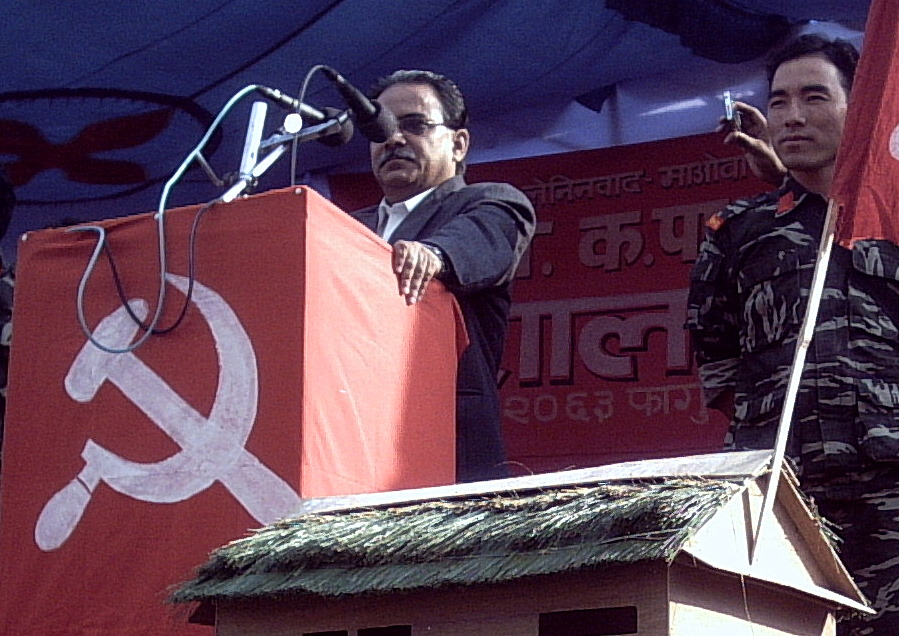
1994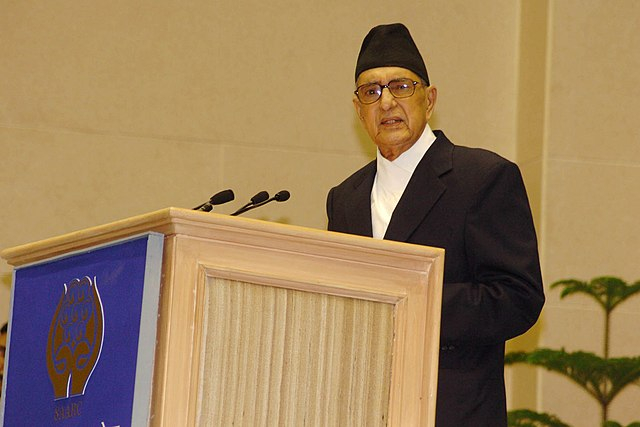
Girija Prasad Koirala, the Prime Minister of Nepal, found himself embroiled in a political crisis when a division within his own party, the Nepali Congress (NC), led to a significant loss of support. A rift among party members culminated in a parliamentary vote where Koirala lost the backing of 36 congress members. The internal dissent within the NC had been simmering for some time, driven by differing ideological stances and personal rivalries.
The lack of support resulted in Koirala's resignation, leaving a void in the leadership. This political turmoil prompted King Birendra to intervene. The monarch dismissed the existing cabinet, citing the need to establish political stability and ensure the democratic process was upheld. Subsequently, King Birendra announced that a new election would be held to resolve the parliamentary impasse and restore order to the government.
This moment was significant in Nepalese politics as it underscored the instability and factionalism within one of the major political parties. It highlighted the challenges faced by the nascent democratic system in Nepal, which had only transitioned from an absolute monarchy to a constitutional one a few years prior. The event also exemplified the ongoing struggle for power within the political landscape and the pivotal role of the monarchy in maintaining equilibrium.
Despite the democratic framework, the influence of the monarchy remained substantial, reflecting Nepal's unique political dynamics. King Birendra's decision demonstrated the delicate balance between democratic aspirations and monarchical authority. This period of instability had significant implications for Nepal's political development and the future of its democratic institutions.
Election results following the dissolution of the cabinet would go on to shape the political direction of the country. The re-election process was watched closely not only by Nepalese citizens but also by the international community, keen on observing the democratic consolidation in Nepal.
#NepalPolitics #ParliamentaryCrisis #DemocracyInNepal #KingBirendra #PoliticalDivision #MoofLife
View details1991
The establishment of the Department of Education in Nepal was a pivotal moment in the nation's educational development. Prior to this, educational oversight and administration were decentralized and often lacked coherent structure, leading to disparities in educational access and quality across various regions. The need for a centralized body became evident as the country sought to improve literacy rates and educational standards.
Governed by the Ministry of Education, the Department of Education was founded with the primary aim of formulating national educational policies, standardizing curricula, and ensuring uniform educational standards throughout the country. This centralization was seen as essential for addressing issues such as high dropout rates, inadequate educational resources, and varying levels of teacher qualification.
The impact of this development was profound. By establishing a central authority, the government sought to systematically uplift the educational infrastructure. This led to targeted initiatives such as training programs for teachers, development of student assessment methods, and introduction of standardized educational materials. Additionally, efforts were made to increase enrollment rates, with particular emphasis on female education and education in rural areas, addressing the gender and regional disparities prevalent at the time.
Statistically, the formation of the Department of Education laid the groundwork for subsequent improvements in literacy rates, which witnessed a considerable increase over the next few decades. A more structured approach to education enabled better planning and distribution of resources, including textbooks and other learning materials. This allowed for more consistent educational experiences for students across the country.
Furthermore, the Department of Education played a crucial role in the gradual integration of modern educational technologies and methodologies into the Nepalese education system. This progressive shift aimed to prepare students better for the challenges of the contemporary world.
The creation of the Department of Education marked the beginning of a more systematic and unified approach to education in Nepal, addressing long-standing issues of equity, quality, and access. It represented a significant stride towards ensuring that every child in Nepal could receive a basic education and contribute productively to society.
#EducationReform #NepalEducation #Literacy #EducationalAccess #TeacherTraining #MoofLife
View detailsIn a pivotal event in Nepalese political history, the country held its first multi-party election in decades. The elections marked a significant shift from years of autocratic rule, opening the doors to democratic governance. This transition was driven by a popular movement that demanded political reforms and greater democratic freedoms, culminating in the acceptance of a multi-party democracy.
The election saw the Nepali Congress (NC) emerge as the dominant force, securing a majority with 110 seats in the parliament. This victory was indicative of the public's desire for change and their support for the party's democratic ideals. In contrast, the communist parties collectively garnered a substantial 82 seats, showcasing their significant influence and the diverse political landscape of Nepal.
Girija Prasad Koirala, a key figure in the Nepali Congress and a seasoned politician, was appointed as the Prime Minister following the election results. His leadership was anticipated to steer Nepal through its nascent democratic phase, addressing the socio-economic issues and political challenges that lay ahead.
This election not only represented a shift in political power but also underscored the active participation of the Nepalese population in shaping their governance. With a voter turnout that reflected widespread engagement, the event marked a collective step towards a representative political system.
The allocation of seats demonstrated a fragmented yet dynamic political scenario, with multiple parties vying for influence and representation. Though the Nepali Congress held a majority, the substantial presence of communist parties hinted at a robust opposition and the need for coalition-building and negotiation.
The aftermath of the election saw the establishment of new policies and reforms aimed at stabilizing and developing the country. The challenges were manifold, including economic development, poverty alleviation, and ensuring political stability. The newly elected government faced the critical task of meeting the high expectations of the populace while navigating the complexities of a diverse political environment.
In summary, this election was a foundational moment for Nepal, setting the stage for democratic governance and political pluralism. The election results highlighted the people's aspirations and the intricate balance of power among various political entities. It was a significant step towards a more inclusive and participatory political system.
#Nepal #Democracy #PoliticalTransition #NepaliCongress #CommunistParties #GirijaPrasadKoirala #MoofLife
View details
1990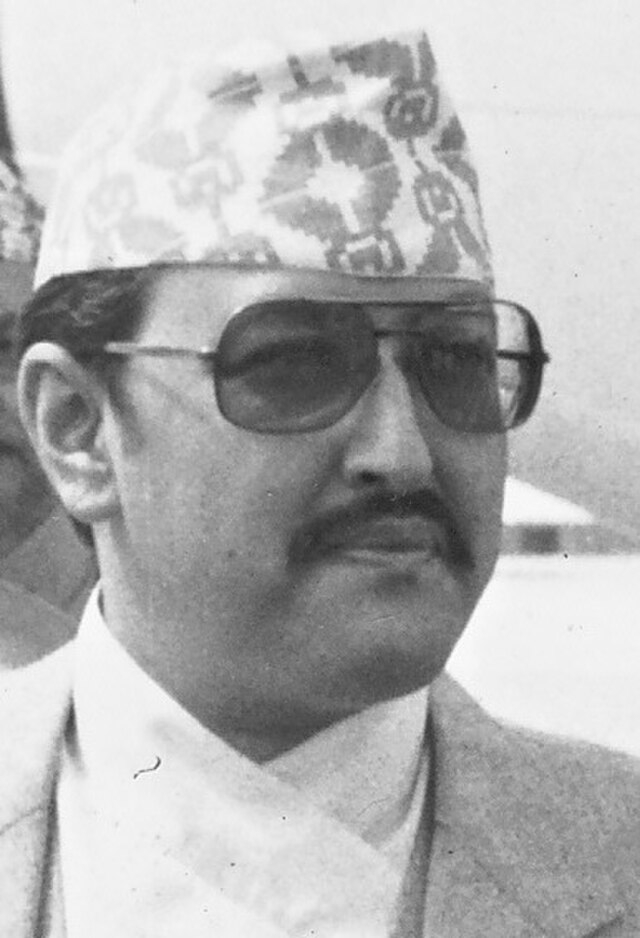
The Nepalese revolution was set in motion with the goal of ending the absolute monarchy and establishing a democratic system in Nepal. The main forces behind this movement were the Nepali Congress (NC) and various communist parties. The ruling monarchy, under King Birendra, faced growing dissatisfaction from the public, who were frustrated by years of autocracy, limited civil liberties, and widespread corruption.
Rooted in decades of political unrest, the triggers for the uprising included lack of economic development, unemployment, and human rights abuses. The general population, including students, intellectuals, and workers, rallied behind the NC and the communists. The political strategies leveraged included mass protests, strikes, and civil disobedience. These methods aimed to cripple governance and force the monarchy into conceding power.
The revolution gained momentum when security forces responded with excessive force, leading to numerous deaths and injuries among protestors. This only fueled public outrage and increased participation in the movement. The Nepali Congress and communist parties coordinated their efforts to maintain the protest’s intensity and direction.
While concrete statistics on casualties remain debated, independent sources documented that dozens of lives were lost, and hundreds were injured or detained. The movement proved to be a significant force for change as it pressured King Birendra to lift the ban on political parties and call for reforms.
The culmination of these efforts led to the establishment of a multiparty system and the drafting of a new constitution that limited the monarchy’s powers. The People's Movement (also known as Jana Andolan) marked a turning point in Nepal's history, signifying the people's determination to fight for democratic freedoms and rights.
#NepalRevolution #PeoplesMovement #EndOfMonarchy #Democracy #MoofLife
View details1989
In a period of heightened political tension between Nepal and India, a significant trade and transit dispute arose when Nepal sought greater control over its trade policies and routes. The underlying issues were longstanding, rooted in complexities dating back to the Treaty of Trade and Transit. India, asserting its regional influence, imposed a border blockade on Nepal, drastically restricting the movement of goods and essential supplies.
The blockade had immediate and severe repercussions on Nepal’s economic situation. As a landlocked country, Nepal's dependency on India for access to sea ports and essential goods such as food, fuel, and medicine became glaringly evident. The restriction led to widespread scarcity and inflation. Prices of basic commodities surged, adding to the economic strain on Nepalese citizens. Reports indicated an increase in consumer prices by up to 60%, with particular sharp rises in the cost of petroleum products, which went up by as much as 150%.
Industries that relied heavily on imports, ranging from manufacturing to agriculture, faced substantial operational setbacks. For instance, Nepal's industries experienced a sharp decline in production rates due to the unavailability of raw materials. The transport sector was severely hit; the lack of fuel led to transportation halts, affecting not only trade but also daily commuting and goods distribution within the nation.
Socially, the blockade exposed vulnerabilities in Nepal’s healthcare system as hospitals faced shortages of medicines and medical supplies. The scarcity compelled the government and private sectors to engage in diplomatic negotiations and seek alternative trade routes, which were less feasible and more expensive than traditional routes through India.
The blockade persisted for several months, amplifying political and economic instability in Nepal. Finally, the impasse ended through diplomatic talks, but the incident left long-lasting impressions on Nepal’s policies towards trade dependency and bilateral relationships with India.
#NepalIndiaDispute #EconomicImpact #TradeBlockade #MoofLife
View details1985
In response to the political climate of the time, the Communist Party of Nepal (Unified Marxist–Leninist) initiated a large-scale civil disobedience campaign aimed at reinstating a multi-party democratic system. The campaign unfolded amidst a backdrop where political parties operated under restrictive conditions. The existing regime, which followed a party-less system referred to as the Panchayat, faced increasing criticism for curbing political freedoms and repressing opposition voices.
Numerous protesters, activists, and party members participated in the campaign. They organized strikes, mass meetings, and demonstrations across major urban centers, specifically targeting key government infrastructures and public spaces. The CPN (UML) leveraged its organizational strength and widespread public discontent to mobilize a diverse coalition of supporters.
The impact of the civil disobedience campaign was substantial. It brought international attention to the country's political issues and created internal pressure on the ruling elites. While it faced a crackdown from security forces, including mass arrests and violent dispersals, the sustained efforts of the campaigners laid the groundwork for future political negotiations.
Key facts include the broad participation from various societal sections, including students, workers, and intellectuals. The campaign demonstrated a unified resistance against the prevailing system, reflecting a significant instance wherein civil society converged to push for democratic reforms.
Statistically, the numbers involved in the demonstrations spanned tens of thousands, with numerous participants arrested or injured in ensuing clashes with authorities. News coverage from adjacent regions also highlighted the campaign, facilitating a regional dialogue concerning governance and human rights.
Eventually, these efforts contributed to the momentum toward political reform, a process that culminated in more extensive democratic changes years later. This civil disobedience campaign underscored the resilience and determination of political movements in shaping a country's governance structure.
#CPNUML #CivilDisobedience #MultiPartySystem #NepalPolitics #MoofLife
View details1980
In Nepal, a pivotal national referendum was conducted in a quest to determine the future direction of the country’s governmental system. The referendum offered the citizens two choices: maintaining the existing Panchayat system or transitioning to a multi-party system. The Panchayat system, a form of governance characterized by a non-partisan political structure and guided by the monarchy, had been in place for several decades. On the ballot, the Panchayat system garnered 2.4 million votes, narrowly surpassing the multi-party system option, which received 2 million votes.
The context of this referendum was shaped by increasing demands for political reform from various segments of society. Proponents of the multi-party system advocated for democratic principles, political pluralism, and greater public participation in governance. In contrast, supporters of the Panchayat system emphasized stability, continuity, and national unity, arguing that the existing structure had its own merits that should be preserved. The results of the referendum underscored the nation’s preference for the existing political framework, albeit by a relatively narrow margin, highlighting the divided political sentiments of the populace.
The outcome of the referendum had notable implications for Nepal's political landscape. The retention of the Panchayat system meant a continuation of monarchical influence in governance, while delaying the prospects for a multi-party democratic system. This decision played a critical role in shaping the trajectory of Nepal's political evolution, influencing subsequent movements, reforms, and the eventual transition to democracy in the later years.
The referendum and its results are often analyzed within the broader context of Nepal's political history, reflecting the complexities and challenges of governance in a diverse and dynamic society.
#NepaleseReferendum #PanchayatSystem #MultiPartySystem #PoliticalHistory #ReferendumResults #Governance #PanchayatVotes #PoliticalReform #NationalDecision #MoofLife
View details1972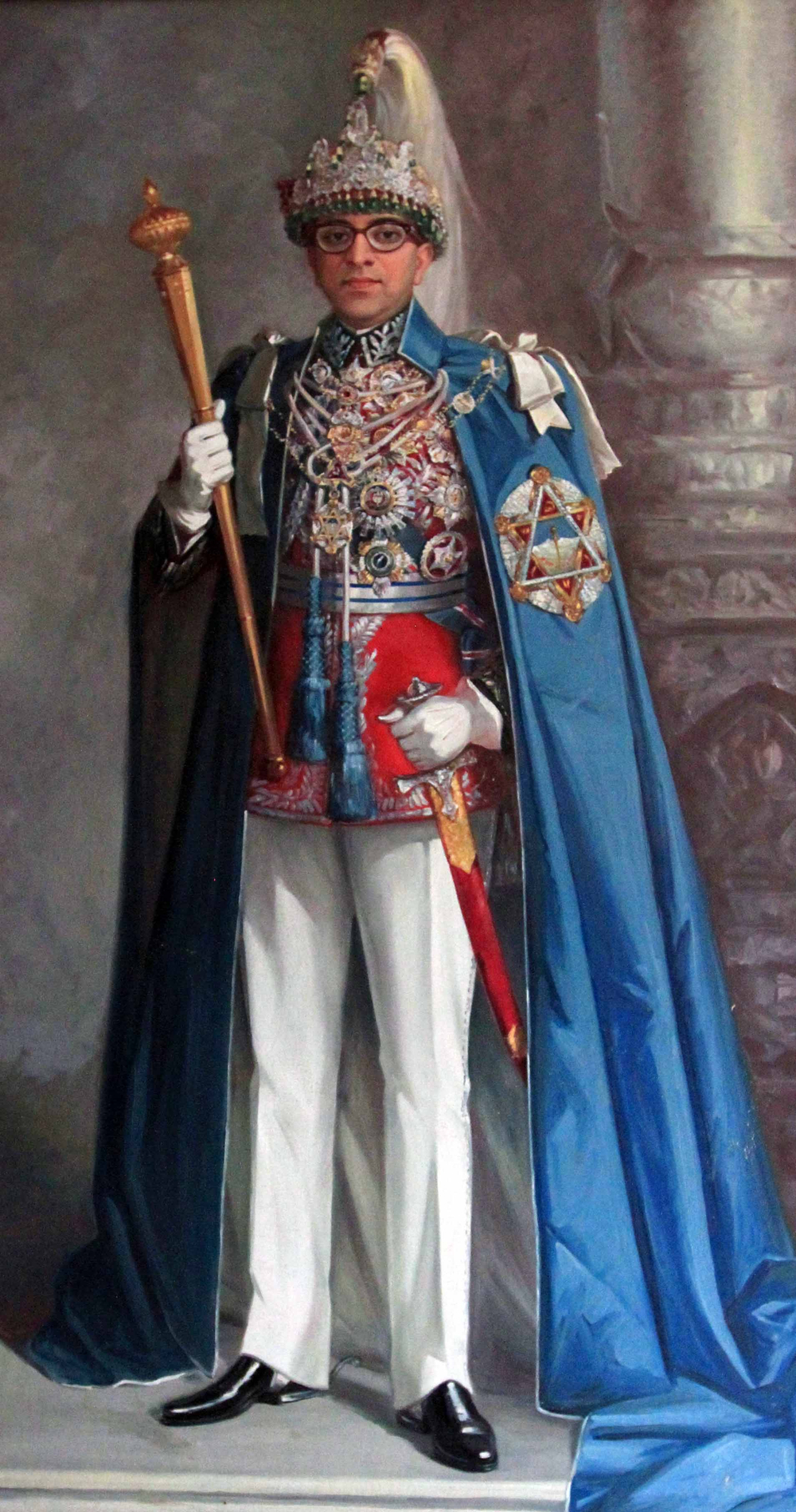
King Mahendra of Nepal passed away unexpectedly during a state visit. His demise marked a pivotal transition in the modern history of Nepal. King Mahendra had been a central figure in the political landscape of the country, having reigned since 1955. He played a crucial role in various reforms, notably the institution of the Panchayat system in 1960, which centralized power and dissolved multiparty democracy.
His passing led to the ascension of his eldest son, Birendra, to the throne. Birendra inherited a nation grappling with issues like poverty, illiteracy, and the centralization of political power. Analysts and public figures speculated on whether Birendra would continue his father's policies or venture in new directions. Birendra had a Western education and was known for his progressive views, which raised hopes for reform among many citizens and observers.
The shift in leadership affected both domestic and international relations. Domestically, there was trepidation and uncertainty among political entities and the general populace about potential changes in governance. Internationally, neighboring countries and global powers watched closely, particularly India, with whom Nepal shared complex economic and political ties.
Statistically, the change in monarchy did not immediately alter Nepal’s economic indicators. Gross Domestic Product (GDP) growth remained tepid, and socio-economic markers like literacy and healthcare showed minimal initial change under the new king's policies. However, the transition opened a dialogue about potential future reforms and the role of the monarchy in Nepalese politics and society.
King Birendra's tenure would eventually be marked by significant events and policies, yet his early reign was characterized by cautious continuation along with subtle shifts indicative of his distinct leadership style. His approach to governance, particularly regarding the Panchayat system and eventual moves toward democratization, would define his legacy.
#Nepal #RoyalTransition #KingMahendra #KingBirendra #PanchayatSystem #MoofLife
View details1963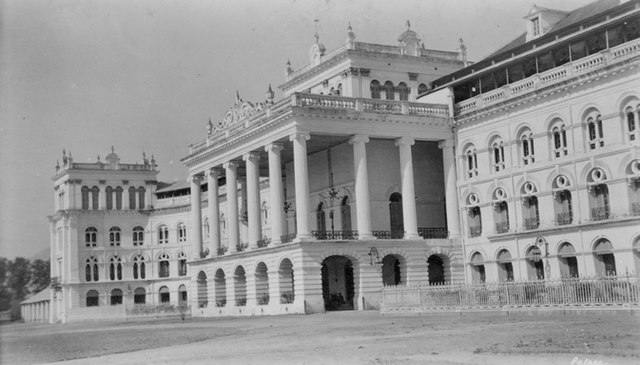
The establishment of the Narayanhiti Royal Palace marked a pivotal change in Nepal's monarchical history. Situated in the heart of Kathmandu, the palace was intended to symbolize both the political and cultural transformation of the country. It replaced an older structure that had served the Shah monarchy for generations. This new edifice was built on a site of historical significance, integrating traditional Nepalese architectural styles with modern amenities to project a vision of progress and continuity.
The construction of the new palace was commissioned during the reign of King Mahendra, reflecting his broader agenda to modernize Nepal in various sectors, including infrastructure and governance. The design, conceptualized by American architect Benjamin Polk, incorporated Nepalese aesthetics with contemporary standards, making it an embodiment of Nepal’s aspirations to balance tradition with modernity.
Strategically located at the foothills of the Kathmandu Valley, the Narayanhiti Royal Palace became the administrative and ceremonial hub of the monarchy. It housed the official residence of the King and played host to numerous state functions, diplomatic events, and cultural programs. The palace grounds included extensive gardens, and its Durbar Hall was often the venue for significant national decisions and declarations.
Historically, the palace also became a focal point during times of political upheaval. As the center of royal power, it witnessed significant events that shaped the trajectory of Nepal’s monarchy and political landscape. It became a symbol of both royal grandeur and the intense pressures that come with sovereign rule.
The creation of the palace had broader socio-economic implications. It drew artisans, builders, and labor from various parts of Nepal, thus promoting employment and skill development in sectors related to construction and design. The palace’s establishment also spurred infrastructural improvements in Kathmandu, including enhanced road connectivity and improved civic facilities.
The Narayanhiti Royal Palace remained the royal residence until Nepal abolished its monarchy and transitioned into a federal democratic republic. The building was then converted into a museum, preserving a critical chapter in Nepal’s history for future generations to study and reflect upon.
#NepalMonarchy #HistoricalLandmarks #NarayanhitiPalace #KathmanduHistory #ModernizationEffort #MoofLife
View details