
Nepal

The Land of Himalayas
Related Lives

Cape Verde
Jewel of the Atlantic

Argentina
Land of the Tango

Art movement
A Journey Through Visual History

Turkey
The Land of Singing Trees

President of the Italian Republic
Head of State

Pakistan
Pakistan Zindabad

Norway
Land of Fjords and Northern Lights

Afghanistan
The Jewel of Central Asia

1259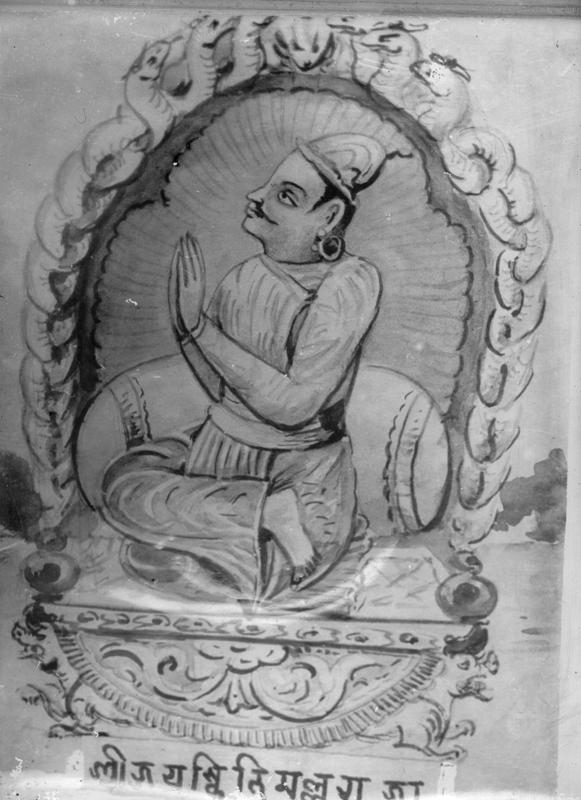
Jayasthiti Malla, ruler of a unified Nepali kingdom, initiated a transformative moment in Nepal’s legal history by introducing the Muluki Ain legal code. Hailing from a lineage known for its administrative prowess, Malla sought to bring a unifying framework to his diverse realm. The Muluki Ain aimed not only to regulate social conduct but also to legitimize the authority of the state, bringing a degree of standardization amidst a multitude of tribal customs and localized laws.
This legal code was directed towards creating a systematic structure covering various legal domains - property rights, criminal justice, taxation, and more. By codifying these elements, Jayasthiti Malla intended to provide stability and predictability to governance, which also helped in limiting the arbitrary power of local chieftains and nobility. The reach of this code was ambitious, as it sought to touch all layers of society including nobles, priests, traders, and peasants, thereby laying down the groundwork for a cohesive legal identity for the kingdom.
The implementation of Muluki Ain had significant repercussions. Firstly, it played a crucial role in centralizing Malla's rule, cementing the idea of a unified state. Furthermore, it established a basis for legal and economic reform which would be pivotal to the governance of Nepal for centuries. The legal code clarified succession laws, thereby reducing conflicts over inheritance, which were rampant under the previously decentralized legal systems. It also provided standardized procedures for dispute resolution, thus enhancing the efficiency of judicial processes, which subsequently contributed to the stability of the realm.
The implication of Muluki Ain’s impact extended beyond the immediate practicalities of governance. By embedding a common legal structure, Jayasthiti Malla fostered a sense of communal identity and collective responsibility among the Nepali people, aiding in the development of national consciousness.
#MulukiAin #NepalHistory #JayasthitiMalla #BirthOfLaw #LegalReforms #MoofLife
View details1254
King Abhaya Malla met his end during a massive earthquake in Kathmandu Valley, devastating the region. The seismic event, measuring approximately 7.7 on the Richter scale, led to the collapse of numerous structures, including temples, homes, and royal edifices. The king, caught amidst the ruins of his palace, succumbed to the disaster.
Abhaya Malla's reign, characterized by consolidation and periodic local conflicts, came to an abrupt halt. The earthquake did not merely signal the death of a monarch but also a humanitarian crisis, as it resulted in the deaths of one-third of the population of the valley. The social fabric of the region was severely impacted, with an estimated 30,000 lives lost. Those who survived faced homelessness, scarcity of supplies, and a breakdown of administrative functions.
This catastrophic event underscored the vulnerabilities of the region’s predominantly brick and mud-mortar constructions. The architectural damage was extensive. Temples, many of them heritage sites, crumbled, bearing testimony to the destruction of religious and cultural landmarks. Emergency responses were hindered by the collapsed infrastructure, complicating rescue and relief efforts.
After the earthquake, the socio-economic environment of Kathmandu Valley suffered profoundly. Fields lay untended, trade routes were disrupted, and an economic regression set in. The leadership vacuum caused by the king's death added to the instability and the political disarray, with various factions vying for control.
In essence, the earthquake was not only a natural disaster but also a transformative episode in the history of Nepal, reshaping the landscape, demography, and polity of Kathmandu Valley.
#Nepal #KingAbhayaMalla #Earthquake #NaturalDisaster #History #KathmanduValley #HeritageSites #MoofLife
View details1203
Jayadeva Malla, a formidable leader, ascended to power and established the Malla Dynasty in the Kathmandu Valley, Nepal. Before his rise, the region was populated by a mix of indigenous communities and influenced by various neighboring cultures, creating a dynamic but fragmented political landscape. The Malla Dynasty heralded a period of relative stability and prosperity, with Jayadeva Malla at the helm initiating this transformational era.
Under Jayadeva Malla's leadership, efforts were concentrated on consolidating the kingdom's territories, enhancing administrative governance, and fostering cultural and economic growth. One of the pivotal actions included the formal recognition and support of local traders, which catalyzed the region's prominence in regional commerce. This bolstered trade ties with Tibet and India, facilitating an exchange of goods, ideas, and technologies.
The cultural impact was profound; the Malla rulers were notable patrons of art and architecture, initiating projects that would become landmarks. The era saw the construction and renovation of temples and palaces, which played significant roles in the social and religious life of the population. These structures often combined intricate Newar artistry with influences from Indian and Tibetan styles, reflecting the syncretism of the period.
Demographically, the population of the Kathmandu Valley began to see increments due to the relative peace and the attraction of the burgeoning trade hub. This period also marked advancements in the codification of laws and customs that influenced the sociopolitical fabric for centuries to come.
One notable aspect of Jayadeva Malla's reign was the establishment of a more organized system of record-keeping and administration. The organized bureaucracy and legal frameworks put in place laid the groundwork for a more cohesive state apparatus, contrasting starkly with the preceding, fragmented rule.
Jayadeva Malla’s establishment of the Malla Dynasty laid the foundation for a lineage that would govern Nepal for centuries, shaping its history and cultural legacy. His reign marks the beginning of an era that underscores the importance of governance, trade, culture, and administrative diligence in nation-building.
#JayadevaMalla #MallaDynasty #NepalHistory #KathmanduValley #MedievalNepal #TradeAndCulture #MoofLife
View details1195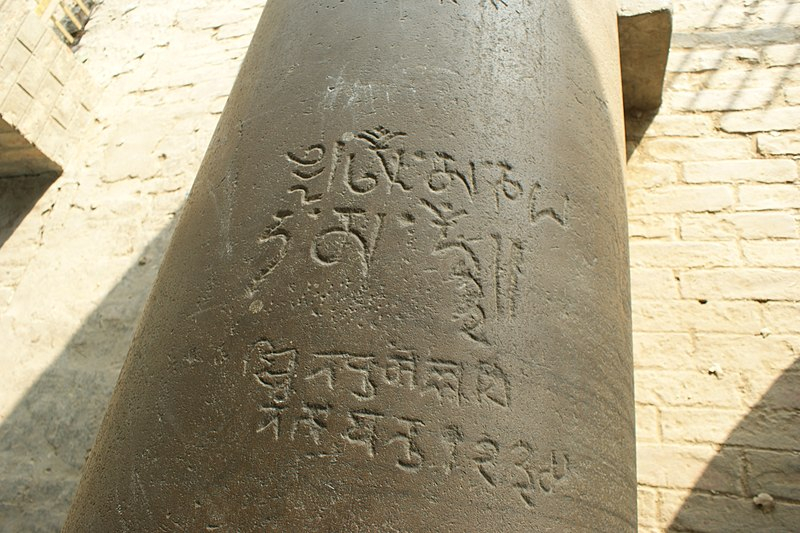
King Ripumalla's ascension to the throne in Nepal marked a pivotal transition in the region's complex history of power relations and territorial control. Before Ripumalla, the Kathmandu Valley and its surrounding areas were ruled by a network of fragmented principalities and small kingdoms, each vying for dominance. The Licchavi dynasty had set significant precedents in governance and cultural development, but their influence had waned, leaving a power vacuum.
As Ripumalla came to power, he inherited a kingdom grappling with internal strife and external threats. The geopolitical landscape was marked by frequent conflicts with neighboring states and tribal communities. His rise to kingship was characterized by efforts to consolidate power and bring stability to the region. He undertook significant military campaigns to secure and expand his kingdom’s borders, reflecting the prevalent trend of territorial expansion amongst South Asian monarchies.
Ripumalla’s ascension also brought about administrative reforms designed to enhance the centralization of power. He initiated the codification of laws, aiming for a more structured legal framework to govern his subjects. These reforms were instrumental in fostering a semblance of order and predictability in governance, which was necessary for the nascent kingdom seeking stability.
Economically, his reign focused on enhancing trade routes and fortifying the economic foundations of his kingdom. The strategic position of Nepal along the trade routes between Tibet, India, and China provided ample opportunities for economic diplomacy and the accrual of wealth. Under Ripumalla's oversight, agricultural improvements and the promotion of local crafts helped in stimulating economic growth.
Culturally, Ripumalla’s reign saw the promotion of arts and architecture, which had religious and social significance. Temples and inscriptions from his period highlight the influence of Hinduism and Buddhism, sometimes reflecting syncretic traditions. These cultural efforts were partly driven by the desire to legitimize his rule and demonstrate power through monumental architecture and patronage of religious institutions.
In conclusion, King Ripumalla's rise to the throne signified a crucial juncture in Nepal's history, laying down foundational elements for the future trajectory of the region. His reign focused on bolstering military strength, centralizing administrative controls, stimulating the economy, and nurturing cultural developments.
#MoofLife #NepalHistory #KingRipumalla #DynasticRule #GeopoliticalShift #CulturalPatronage #AdministrativeReforms #EconomicExpansion
View details1146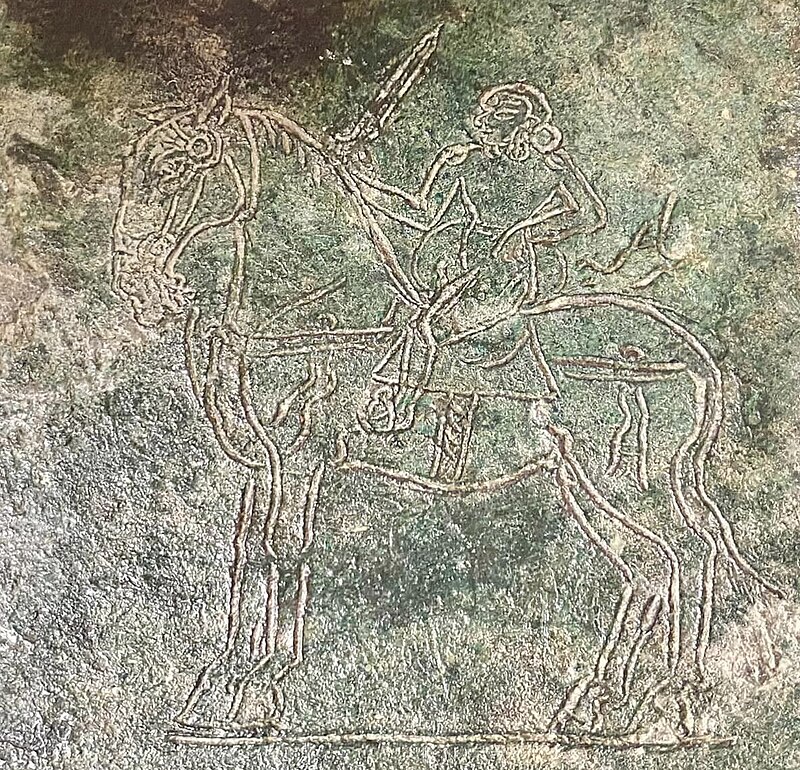
King Nanyadeva, a notable leader of the Karnat dynasty, passed away, marking an end to his reign that played a significant role in shaping the region's history. The Karnat dynasty, often considered one of the formative periods in the history of Nepal, was known for its contributions to the socio-political and cultural development of the area. Nanyadeva was especially recognized for establishing the dynasty's influence across the regions surrounding the Karnali River.
Nanyadeva's rule was characterized by efforts to consolidate power and stabilize the region amidst a complex landscape of smaller feudal states. His diplomatic and military actions ensured the expansion of the dynasty's control and facilitated economic and cultural exchanges. The network he built through strategic alliances and conquests played a pivotal role in the prosperity witnessed during his reign.
His death created a vacuum that challenged the stability of the Karnat dynasty. The power struggle that ensued among his successors and other local rulers highlighted the fragile nature of the political structures he had developed. The subsequent period saw fluctuating control over the territories, impacting trade routes and local economies. The once-solidified alliances began to fracture as claims over leadership became contentious, disrupting the relative peace that had been maintained under Nanyadeva's leadership.
The passing of King Nanyadeva underscored the importance of strong, centralized leadership in maintaining governance and order. This moment also shifted the political dynamics, ultimately influencing the rise and fall of various regional powers. The legacy of Nanyadeva continued to resonate through the historical narratives of Nepal, serving as a testament to the impact one leader can have on the course of history.
#NepalHistory #LeadershipCrisis #KarnatDynasty #PoliticalChange #DynasticStruggle #MoofLife
View details1096
In the early period of South Asian history, the region that is present-day Simraungadh, Bara, witnessed a pivotal transition with the establishment of the Karnat dynasty by Nanyadeva. Originating from the Karnataka region, Nanyadeva, after facing political challenges in his homeland, embarked on an expedition to the north. His journey took him across the vast subcontinent to the fertile plains of the Terai, situated in what is now Nepal.
Nanyadeva's arrival in Simraungadh marked the beginning of a new era. This region, strategically located along trade routes connecting India to Tibet and the broader Himalayan region, became the nucleus of his new kingdom. Historians attribute this movement to both strategic and opportunistic factors, including the area's potential for agricultural prosperity and its relatively stable political environment compared to the tumultuous conditions he left behind.
In establishing the Karnat dynasty, Nanyadeva ushered in several administrative, cultural, and economic transformations. Under his rule, extensive land reforms were implemented to bolster agriculture, which led to increased productivity and subsequent population growth. These reforms were meticulously documented, providing valuable insights into the agrarian economy of the period.
The Karnat dynasty also played a significant role in the proliferation of Maithili culture and language, influencing the local customs and traditions that persist even today. Scholars have noted the dynasty's contributions to regional architecture and literature, with inscriptions and manuscripts from the era offering a window into the intellectual milieu of the time.
Such transformations had long-lasting repercussions on the socio-political fabric of the region. The establishment of a new kingdom under Nanyadeva fostered a sense of regional identity and unity, which contributed to the stability and growth of Simraungadh as a central hub in subsequent centuries.
Analyses of archaeological records and historical texts reveal that Nanyadeva's rule was not only foundational for the Karnat dynasty but also set precedents for governance and cultural patronage that influenced future generations. The blending of local traditions with new governance structures under his leadership is considered a landmark in the historical timeline of Nepal.
#KarnatDynasty #NepalHistory #CulturalHeritage #AgrarianReforms #MoofLife
View details1038
Bhaskardeva ascended to the throne of Nepal amidst a time of considerable tribal complexities and regional conflicts. His rise marked an important chapter in Nepalese history, as he became the ruler following the death of his predecessor. This leadership transition was not merely a shift in power but a consolidation that shaped the political landscape of Nepal.
Bhaskardeva's reign commenced at a period when Nepal was a melting pot of cultural and economic influences. The kingdom, located strategically between India and Tibet, was a vital center for trade and cultural exchanges. Bhaskardeva's governance coincided with efforts to strengthen internal stability, which involved consolidating administrative structures and fortifying key regions within the kingdom.
One of Bhaskardeva's initial steps as a ruler involved fostering stronger relations with neighboring territories and kingdoms. These diplomatic efforts were crucial in maintaining peace and enhancing trade routes that connected Nepal with distant regions. The interconnected trade networks facilitated economic growth, bringing wealth and resources into Nepal, which in turn fortified Bhaskardeva's rule.
Moreover, his administration saw the promotion of cultural and religious activities. Temples and monasteries thrived under his patronage, contributing to the preservation and flourishing of Hindu and Buddhist traditions within the kingdom. Bhaskardeva's reign also featured the advancement of art and architecture, characterized by significant constructions and renovations of religious sites.
Bhaskardeva's rule was also noted for his approach to justice and governance. He implemented measures to ensure law and order, which helped in stabilizing the kingdom. The administration under Bhaskardeva worked towards the betterment of the daily lives of his subjects, which included managing agricultural activities and infrastructure projects to support the agrarian society.
The impact of Bhaskardeva's ascent to the throne extended beyond his lifetime, laying a foundation for future rulers. It established a legacy of governance that balanced internal development with external diplomacy. His reign exemplified the importance of combining political acumen with cultural patronage, setting a precedent for the rulers who followed.
#Bhaskardeva #NepaleseHistory #CulturalHeritage #TradeAndDiplomacy #Leadership #MoofLife
View details0999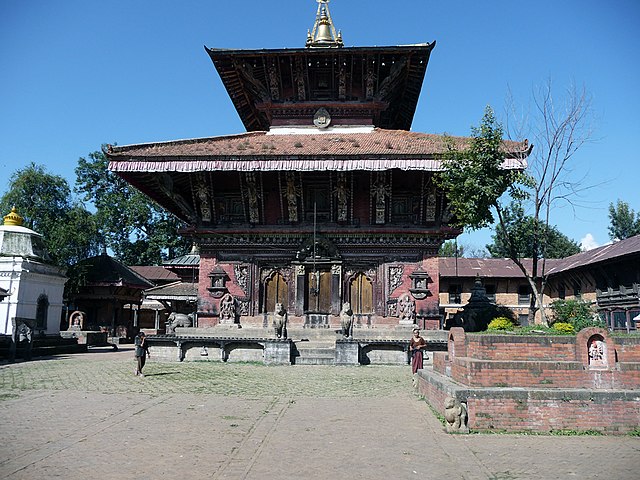
In the early medieval period, the construction of the Changu Narayan Temple marked a pivotal chapter in the cultural and religious landscape of Nepal. Located atop a hill in the Bhaktapur district, this temple is dedicated to Lord Vishnu, one of the principal deities in Hinduism. The temple's origins are traced back to the Lichhavi period under King Mandeva's reign and reflect the intricate Newari architectural style.
A manifestation of profound devotion and skilled craftsmanship, Changu Narayan Temple stands as one of the oldest Hindu shrines in Nepal. The temple's architecture features a two-tiered pagoda-style structure, carved wooden beams, and elaborate stone sculptures that depict various forms of Vishnu, mythical creatures, and historical narratives. The carvings and artifacts within the temple provide critical insights into the evolution of religious iconography and architectural design in the region.
During its construction, the temple also served as a focal point for the flourishing Newar culture. The Newar artisans played a significant role in its creation, and their work on this temple helped set a precedent for future religious edifices in the Kathmandu Valley. The temple's foundation was laid meticulously, with careful attention to the alignment with celestial elements, reflecting the deep connection between spirituality and astronomy in Hindu traditions.
Changu Narayan Temple not only became a place of worship but also a center for social gatherings and local festivals. It became a repository of Nepal's rich historical and religious artifacts. This temple has survived numerous calamities over the centuries, including earthquakes and invasions, testifying to its resilient construction and cultural significance.
The temples' preservation efforts today ensure that it remains a living testament to the artistic and religious heritage of Nepal. This enduring legacy continues to attract scholars, historians, and pilgrims, making it a critical site for the study of early Hindu architecture and belief systems in South Asia.
#ChanguNarayan #NepalHeritage #HinduArchitecture #CulturalLegacy #HistoricNepal #MoofLife
View details0888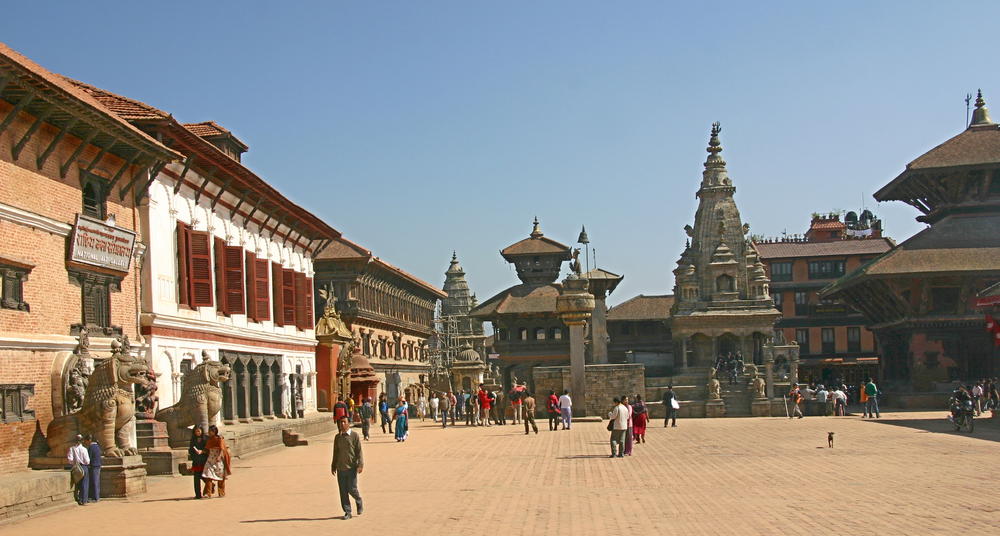
Bhaktapur, a historically rich city in Nepal's Kathmandu Valley, was recognized as such during a significant period. The event marked the official establishment of a unified settlement, functioning as both a political and cultural nucleus.
Before this, the area saw various scattered settlements. The local community, primarily consisting of Newar people, experienced incremental growth in cultural, economic, and social frameworks. This consolidation into a singular city led to the inception of Bhaktapur as an organized urban entity.
The unification under the city's new status allowed for more efficient administration and resource management. Bhaktapur's geographical position also played a crucial role in its emergence as a trade hub. The city became well-known for its artisanal craftsmanship, including pottery and woodcarving, which not only bolstered the local economy but also preserved and showcased Newar culture.
The architectural heritage, with its pagoda-style temples and intricately designed courtyards, began to develop significantly from this point. Bhaktapur Durbar Square, a central landmark, started to form its current shape during this period, serving as a focal point for both governance and religious activities.
The establishment played a pivotal role in shaping the socio-economic landscape of the region. The organized city structure facilitated better trade, attracting merchants from different parts of Asia. It also led to advancements in agriculture, with improved irrigation techniques that increased productivity.
Bhaktapur's recognition also had a lasting influence on its regional importance within the Kathmandu Valley. It laid the foundation for its future growth into a city known for rich cultural traditions and historical architecture. This moment in history set the stage for Bhaktapur to become a vital center of art, culture, and commerce in Nepal.
#Bhaktapur #UrbanDevelopment #NewarCulture #KathmanduValley #CulturalHeritage #EconomicGrowth #MoofLife
View details0868
King Raghavadeva's Coronation in Kathmandu marked a significant chapter in Nepal's history. Raghavadeva ascended the throne as the first king of the Licchavi dynasty in Kathmandu Valley, a period characterized by political reorganization and the consolidation of power. The Licchavi dynasty had already seen substantial growth in trade and prosperity, and Raghavadeva's rule further solidified these advancements.
The coronation took place in a specially constructed venue that accommodated both local nobility and foreign dignitaries, highlighting the kingdom's expanding international relations. Records indicate that the coronation was held in a structured and meticulously planned ceremony, with emphasis on traditional rituals overseen by revered Brahmin priests. The event was crucial for symbolizing the unity and stability of the new regime.
Under Raghavadeva, significant efforts were made to standardize administrative and legal procedures. This focus on administrative reform contributed to improved governance and laid the groundwork for subsequent economic growth. Land surveys became more systematic, and tax collection methods were refined, ensuring a steady revenue stream to the state.
Additionally, Raghavadeva's reign is noted for its patronage of religious and cultural activities. Temples and educational institutions received generous royal support, which led to a thriving cultural scene. The construction of monumental architecture during this period enriched the cultural landscape, and many structures from this era still stand as part of Nepal’s heritage.
Economically, the time under Raghavadeva contributed to the flourishing of the intra-regional trade network. Kathmandu's strategic location as a trade hub along the ancient Silk Road facilitated the movement of goods, people, and ideas. This trading prowess brought in revenues that were invested back into the kingdom, fostering an environment of prosperity and cultural exchange.
The coronation of King Raghavadeva is a moment of high relevance in Nepalese history. It established firm foundations for future progress in administration, culture, and economic stability while reinforcing Kathmandu's importance as a central node in regional dynamics.
#RaghavadevaCoronation #LicchaviDynasty #KathmanduHistory #NepalHeritage #MoofLife
View details0601
King Amsuvarman's Coronation in Kathmandu marked a pivotal moment in Nepalese history. Amsuvarman, a capable and innovative leader, was crowned as the ruler of the Licchavi dynasty in the ancient city of Kathmandu. His ascension to the throne came at a time when the region was undergoing significant sociopolitical transformations that would lay the foundation for future developments.
Born into a noble Licchavi family, Amsuvarman was known for his expertise in administration and governance. His coronation signaled the beginning of a reign characterized by groundbreaking reforms and contributions to the cultural and architectural heritage of Nepal. One of his most notable achievements was the construction of the Kailashkut Bhawan, an impressive palace that became an emblem of the era's architectural advancements.
Additionally, Amsuvarman made remarkable strides in the codification of laws, strengthening the justice system within his kingdom. His rule was also marked by an emphasis on trade and diplomacy, as he established strong relationships with neighboring regions, including Tibet and India. This openness not only facilitated economic prosperity but also led to a rich exchange of cultural and intellectual ideas.
Sanskrit and art flourished during Amsuvarman's reign, a period that saw extensive patronage of scholars and artists. The king's support for Buddhism and Hinduism further imbued the religious and cultural fabric of Nepal with diversity and depth. These contributions had enduring impacts, fostering a legacy that would influence the region's future trajectory for centuries.
#NepalHistory #Amsuvarman #CulturalHeritage #AncientDynasties #Leadership #TradeAndDiplomacy #LegalReforms #MoofLife
View details0597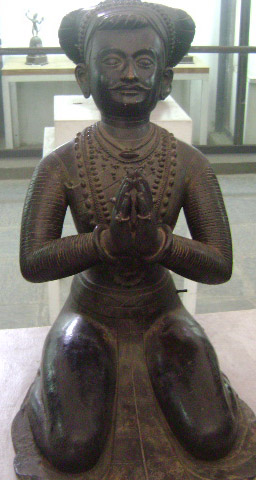
In 598 CE, a significant event occurred in the history of Nepal that marked a turning point in the country’s political and economic landscape. Amshuverma, a powerful and ambitious feudal lord who had risen to the position of prime minister, began minting coins in his own name and assumed the title of Maharajadhiraj (meaning "Great King of Kings"). This bold move effectively reduced the reigning monarch, King Sivadev I, to a figurehead, solidifying Amshuverma’s control over the state and marking the beginning of a new era in Nepalese history.
Background: The Rise of Amshuverma
Amshuverma emerged during a time of political transition in Nepal. The Licchavi dynasty, which had been established in the early centuries of the Common Era, was the ruling dynasty at the time. However, by the late 6th century, the power of the monarchs had begun to wane, creating opportunities for powerful noble families to assert more influence.
Amshuverma, originally a feudal lord, capitalized on this decline in royal authority. Through his political acumen and strategic alliances, he gained significant power, eventually being appointed as the Mahasamanta (prime minister) under King Sivadev I. As prime minister, Amshuverma wielded considerable influence over the kingdom’s administration and military, positioning himself as the de facto ruler of the country.
Assumption of Power and the Title of Maharajadhiraj
In 598 CE, Amshuverma took a decisive step to formalize his authority by minting coins in his own name. The act of issuing currency was a clear assertion of sovereignty and an important symbol of political power. By doing so, Amshuverma not only demonstrated his control over the economic resources of the state but also his independence from the reigning monarch.
Furthermore, Amshuverma adopted the prestigious title of Maharajadhiraj, traditionally reserved for the highest sovereign rulers in ancient Indian and Nepalese tradition. This title signified his claim to supreme authority, effectively placing him above the king, who was now reduced to a ceremonial role. By assuming this title, Amshuverma consolidated his rule, marking a shift in the structure of governance in the Kathmandu Valley.
Contributions and Legacy
Amshuverma’s reign was notable not only for his political maneuvering but also for his contributions to Nepalese society, culture, and economy. His era is often regarded as a period of prosperity and cultural development in Nepal.
1. Administrative Reforms:
Amshuverma introduced significant administrative reforms, including the restructuring of the tax system and the organization of local governance. These changes helped to stabilize the economy and strengthen the central administration.
2. Cultural Patronage:
Amshuverma was a great patron of the arts and culture. He supported the development of architecture, literature, and religious institutions. He is credited with encouraging the construction of important temples and monasteries, some of which have survived to this day.
3. Diplomatic Relations:
Amshuverma also maintained diplomatic relations with neighboring regions, particularly with Tibet and the Gupta Empire in India. His daughter, Bhrikuti, is traditionally believed to have married the Tibetan King Songtsen Gampo, which helped to establish strong ties between Nepal and Tibet, further enhancing Nepal’s influence in the region.
4. Literary Contributions:
Amshuverma was known for his scholarship and support for Sanskrit literature. He himself authored a Sanskrit grammar known as the "Shabda Vidya," which demonstrates his intellectual prowess and his contribution to the educational and cultural life of Nepal.
Decline and End of Amshuverma’s Rule
Despite his accomplishments, Amshuverma’s power began to wane towards the end of his rule. The exact circumstances of his decline are not well-documented, but it is believed that internal conflicts and external pressures weakened his position. After his death, the Licchavi kings gradually reasserted their authority, but the period of Amshuverma’s dominance left a lasting impact on the political landscape of Nepal.
#MomentsOfLife #MoofLife_Moment #MoofLife #Nepal #Amshuverma #LicchaviDynasty #NepaleseHistory #AncientNepal
View details0463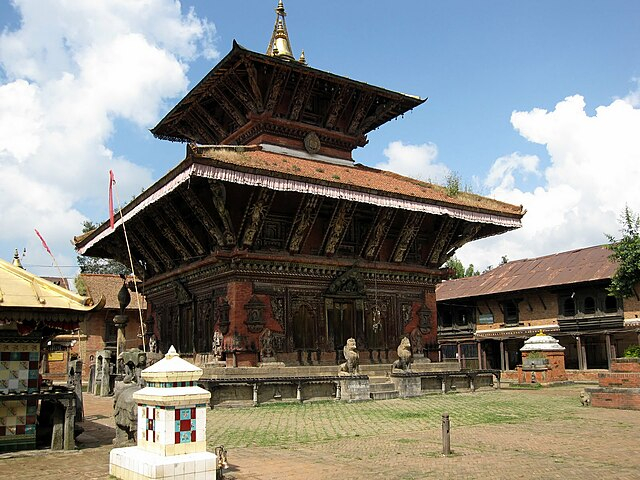
In the early Licchavi period, a project commenced under the guidance of King Mānadeva that would etch the historical and cultural landscape of Nepal for centuries to come. The Changu Narayan temple, located on a hilltop at Changu, Bhaktapur, began its construction, predominantly in reverence to Lord Vishnu. This temple stands as one of the oldest Hindu temples in the Kathmandu Valley and reflects the architectural and sculptural prowess of that era.
Nepal at this time was a mosaic of small principalities and rich in cultural heritage. The Licchavi dynasty contributed significantly to the development of art, architecture, and religion. The commissioning of the Changu Narayan temple was a testament to the socio-religious ethos and demonstrated the patronage of the ruling class towards Hinduism.
King Mānadeva, a devout follower of Vishnu, envisioned the temple as a center for worship and pilgrimage. The temple not only served as a place of spiritual solace but also became a hub for the Licchavi artisans and craftsmen, who were known for their intricate wood and stone works. They employed a unique fusion of Gupta and native architectural styles, which can be observed in the two-tiered roof, intricately carved doors, and stone sculptures depicting various avatars of Vishnu.
The construction of this temple significantly impacted the socio-cultural fabric of the region. It bolstered the Licchavi dynasty's influence and helped consolidate Hinduism's prominence in the area. The structure has witnessed various restorations over the centuries, particularly after natural disasters, reflecting its enduring importance.
Records inscribed on stone tablets, known as inscriptions, reveal detailed accounts of donations and renovations over time. These inscriptions not just chronicle the temple's history but also provide insights into the political and economic conditions prevalent during its construction.
As a UNESCO World Heritage Site, the Changu Narayan temple continues to draw researchers, historians, and tourists, serving as a monumental archive of Nepal’s layered past. It hosts various traditional festivals and rituals, maintaining its role as a living temple and cultural heritage site.
#HistoricalLandmark #NepaleseHeritage #ChanguNarayan #VishnuTemple #LicchaviDynasty #CulturalPreservation #UNESCOWorldHeritage #MoofLife
View details0304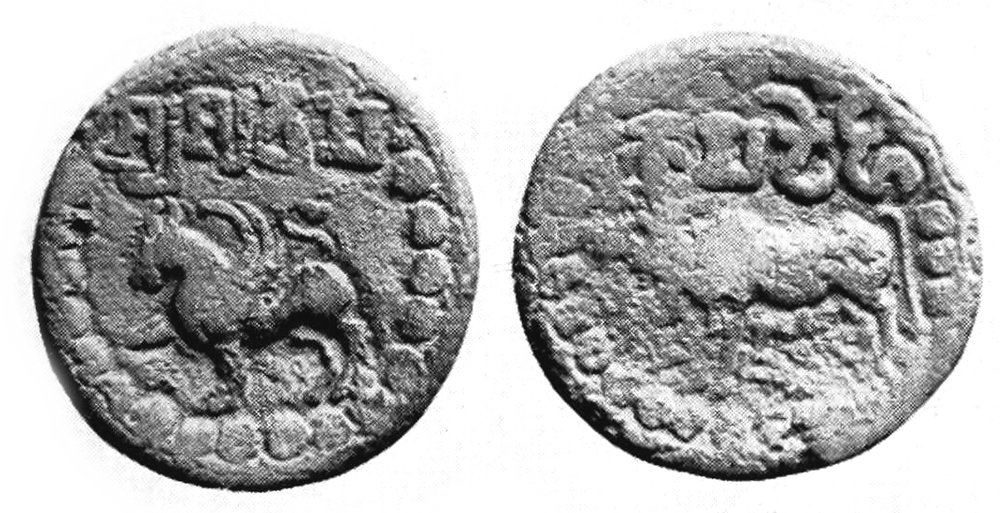
The Licchavi dynasty's establishment in Nepal marked a pivotal transition in the region's ancient history. Before their rise, Nepal was characterized by a mosaic of small independent states often embroiled in conflicts. The ascent of the Licchavi dynasty introduced a centralization of power and a semblance of political stability, which was crucial for the region's development.
The Licchavis originated from the Vajji confederacy, an ancient political entity in the northern territories of India. They were known for their advanced societal organization and governance structures. When they moved into the Kathmandu Valley, they brought with them a systematic approach to administration and social order, which had a considerable impact on Nepal's trajectory.
One of the most significant changes brought about by the Licchavis was the codification of laws and the establishment of administrative units. This allowed for more efficient management of resources and facilitated trade, both of which were necessary for the economic growth of the region. The introduction of coinage is another testament to their organized administration, providing a standardized medium for trade that encouraged market expansion.
The construction of infrastructure, such as roads and temples, signaled both technological advancement and the emergence of Hindu and Buddhist cultural influences. Licchavi rulers were patrons of art and culture; inscriptions from this era provide important historical records that illustrate the period’s sociopolitical and cultural dynamics.
One notable Licchavi king, Mānadeva, is well-remembered for his contributions to the cultural and physical landscape of Nepal. His reign saw the construction of significant monuments and promoted religious tolerance, fostering a diverse cultural environment.
The Licchavi period also laid the groundwork for subsequent dynasties and set precedents for governing that influenced Nepal's historical and cultural evolution. The innovations and stabilizing effects introduced by the Licchavi dynasty helped solidify the foundations upon which future societies would build, ensuring their lasting legacy in Nepalese history.
The Licchavi era remains a cornerstone in understanding the development of Nepal's sociopolitical and cultural identity, and their legacies still echo in the modern state’s structure and cultural fabric.
#MoofLife #Nepal #History #LicchaviDynasty #CulturalHeritage #NepaliIdentity
View details0298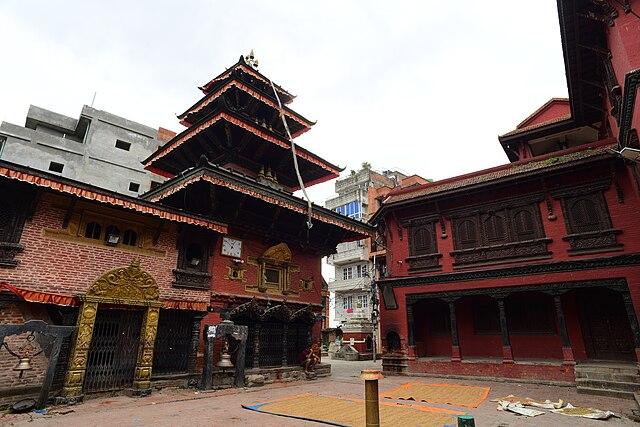
Lalitpur, also known as Patan, is one of the oldest cities within the Kathmandu Valley, in Nepal. The city's founding is attributed to King Veer Deva, credited with laying the groundwork for one of the most culturally rich and historically significant urban centers in the region.
Initially, the area served as an important stop along trade routes connecting Nepal to India and Tibet, aiding in both economic and cultural exchanges. The establishment of Lalitpur marked the beginning of its journey as a center of art, culture, and commerce. Geographically, it was strategically located near the Bagmati River, providing a reliable water source and arable land for agriculture.
Upon its founding, Lalitpur quickly grew in prominence and became one of the key centers of trade, which helped in its economic upliftment. It also became renowned for its handicrafts and fine metalworks, which were sought after by traders and collectors. These activities were enabled by a mix of local resources and influences from neighboring regions, shaping the city into a bustling hub of craftsmanship and commerce.
The city's social and cultural impact was notable, as it served as a melting pot of diverse cultures and ethnicities. Local traditions blended with influences brought in by traders and artisans from far afield, contributing to a unique cultural tapestry that was a hallmark of Lalitpur. The construction of temples, public baths, and palaces became a focal point of societal activities, reinforcing the city’s role as a religious and cultural epicenter. Significant structures such as the Krishna Temple and Patan Durbar Square were built, many of which still stand today, encapsulating the architectural ingenuity of the period.
Lalitpur's architectural, economic, and cultural contributions had a lasting impact on the development of the Kathmandu Valley, offering a template for urban planning and social organization that influenced many neighboring areas. Even today, the city is celebrated for its rich heritage and remains a symbol of the creative and industrious spirit that characterized its early years.
#MoofLife #LalitpurFounding #NepalHistory #TradeAndCulture #UrbanDevelopment #ArtAndCraft #HistoricCities
View details