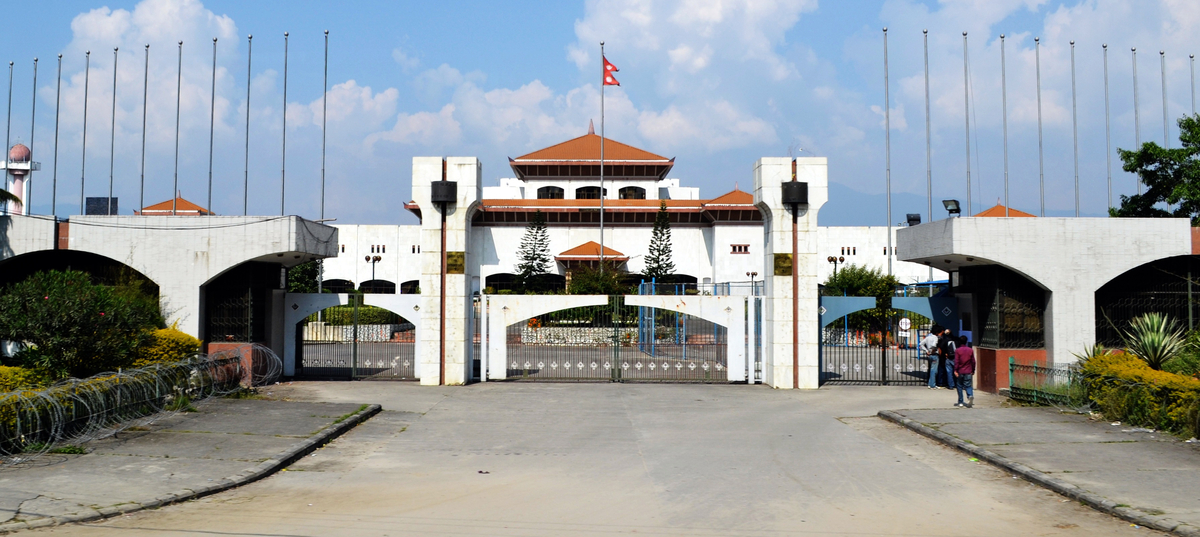
Monarchy abolished as Nepal transitions to federal democratic republic.
Nepal

Political
Global Trade
6 min read
Updated By: History Editorial Network (HEN)
Published:
Nepal's transition to a federal democratic republic marked the end of a 240-year-old monarchy. The decision to abolish the monarchy was the result of a prolonged civil war and widespread public demand for democratic change. The Maoist insurgency, which began in 1996, played a significant role in destabilizing the monarchy and bringing attention to social inequalities and the need for political reform.
The Comprehensive Peace Agreement between the Maoists and the government ended the civil war and laid the groundwork for a shift towards a democratic system. Subsequently, the Interim Constitution was introduced, paving the way for the first election of the Constituent Assembly. This assembly was tasked with drafting a new constitution and deciding the fate of the monarchy. During the first session, a majority vote favored the establishment of a federal democratic republic, formally abolishing the monarchy.
This political transformation had wide-reaching implications. Domestically, it meant the end of King Gyanendra's reign, who was the last monarch of Nepal. Institutionally, significant reforms were initiated to decentralize power and promote federalism. People's participation in governance was expected to increase, addressing ethnic and regional grievances.
Economically, Nepal faced challenges as it navigated the transition. The country had to attract foreign investment and aid to stabilize its economy and rebuild infrastructure damaged by years of conflict. Politically, the change created an environment for inclusive growth, allowing various marginalized groups to have a voice in governance.
Socially, the abolition of the monarchy resonated with the people's aspirations for equality and justice. Movements for women's rights, indigenous people's rights, and minority rights gained momentum, seeking to transform the traditional societal structures. Internationally, Nepal's move was supported by various nations that appreciated its peaceful transition through democratic processes.
However, challenges persisted, including political instability and economic underdevelopment. The political landscape saw rapid changes with frequent shifts in government, illustrating the hurdles Nepal faced in solidifying its new democratic identity.
In conclusion, Nepal's transition to a federal democratic republic was a monumental step towards restructuring its political, social, and economic framework. This moment reflected the determination of the Nepalese people to overcome historical challenges and aspire for a more inclusive and democratic future. #Nepal #Democracy #FederalRepublic #PoliticalChange #MoofLife
Primary Reference
History Of Nepal - Ministry of Foreign Affairs Nepal MOFA

Explore the Life Moments of
 AI Twin