
Nepal

The Land of Himalayas
Related Lives

Cape Verde
Jewel of the Atlantic

Argentina
Land of the Tango

Art movement
A Journey Through Visual History

Turkey
The Land of Singing Trees

Finland
Land of a Thousand Lakes

Chile
Land of poets and penguins.

Dominican Republic
A Caribbean Paradise

Sweden
The Land of the Midnight Sun

1845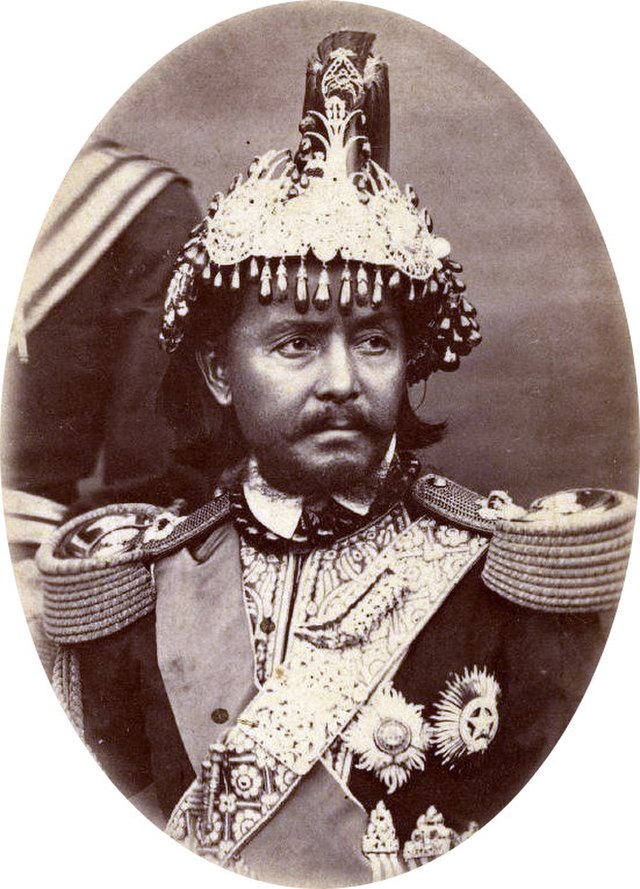
The establishment of the Rana dynasty followed a successful coup d'état in Nepal. This event stemmed from long-standing political instability and factionalism within the Nepalese court. At that time, power was concentrated in the hands of various noble families, each seeking more influence over the monarchy. Jung Bahadur Kunwar, later known as Jung Bahadur Rana, capitalized on this chaotic environment, orchestrating a decisive coup that overthrew the existing power structures.
The palace coup witnessed the consolidation of power by Jung Bahadur Rana and his lineage. He became the Prime Minister and established hereditary rule, reducing the king to a figurehead. This drastic shift effectively placed the Rana family at the helm of Nepal's governance, ushering in an era known as the Rana rule.
The Rana dynasty enforced a system of autocracy and maintained close ties with the British Empire, securing their reign through diplomacy and strategic marriages. The social structure under the Ranas was hierarchical and rigid, marked by limited mobility and a wide gap between the ruling elite and the common populace. Additionally, the Ranas restricted education and innovation, which exerted long-lasting effects on the country's developmental trajectory.
Nepal underwent significant changes during the Rana era, particularly in infrastructure and administration. Despite these developments, the general population faced curtailed freedoms and endured a repressive regime. Civil liberties were minimal, and dissent against the ruling family was harshly punished.
By the time the Rana rule came to an end, Nepal had undergone major transformations. However, the period was also characterized by economic challenges and resistance against autocratic governance. The legacy of the Ranas is a mixed one, combining infrastructural progress with social stratification and political repression.
#EstablishmentOfRanaDynasty #PoliticalCoup #NepalHistory #RanaAutocracy #MoofLife
View details1815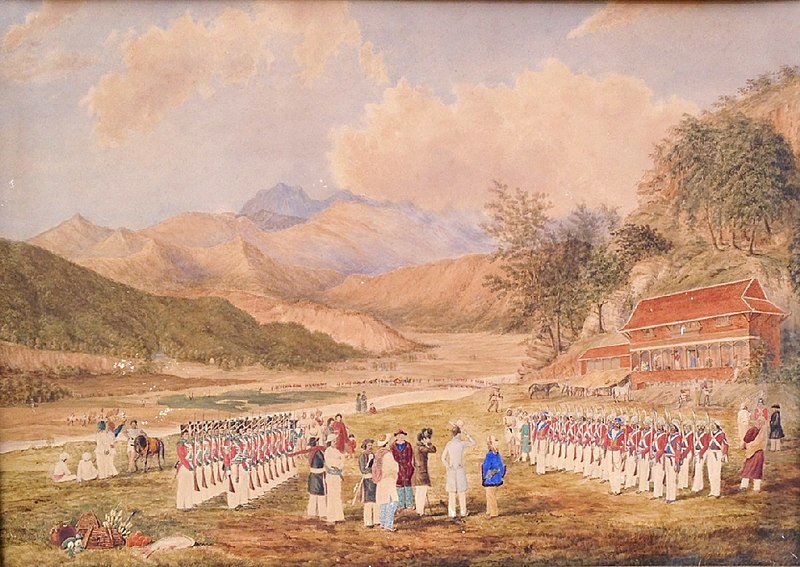
During the conclusion of the Anglo-Nepalese War, a crucial pact was formed between the British East India Company and the Kingdom of Nepal, putting to end a sustained period of military conflict that had spanned across rough terrains and diverse battlefields. The Treaty of Sugauli delineated new borders and brought an era of hostilities to a close.
The conflict began as the British East India Company sought to expand its territory into the resource-rich and strategically significant lands governed by Nepal. While the rugged topography and resilient Gurkha warriors posed formidable resistance, overwhelming British resources and military tactics gradually tilted the balance. After prolonged engagements that resulted in significant casualties and disrupted stability, diplomatic negotiations were initiated, culminating in the signing of the treaty.
As per the terms of the agreement, Nepal ceded substantial portions of its territory to the British East India Company. The territories included in the cession comprised the regions of Sikkim and Kumaon, as well as parts of Nepal's Terai. The demarcation not only reduced Nepal's landholdings but also significantly altered the geopolitical landscape of the region. Additionally, the treaty mandated the stationing of a British Resident in Kathmandu, ensuring the British's influential presence in Nepal's political affairs.
The territorial losses inflicted a blow to Nepal's autonomy, altering internal and external dynamics for the kingdom. For the British East India Company, the acquisition of these strategic territories bolstered its control over the Himalayan foothills, providing new routes and resources that furthered its dominance in the subcontinent. This development also laid the foundation for future engagements, reflective of the shifting power structures in South Asia.
The Treaty of Sugauli serves as a defining episode in the annals of Nepalese history, marking the beginning of a new chapter in its interactions with colonial powers. Beyond territorial reconfigurations, it also symbolized the complex interplay of resistance, negotiation, and compromise that shaped the region's historical trajectory.
#MoofLife #NepalHistory #AngloNepaleseWar #TreatyOfSugauli #BritishEmpire #ColonialHistory #GeopoliticalChanges
View details1813
The Anglo-Nepalese War began due to territorial disputes between the British East India Company and the Kingdom of Nepal. The expansionist policy of the Company clashed with the defensive stance of the Nepali forces, leading to growing tensions. The conflict's roots lay in competing claims over frontier regions, particularly in the lower hills of the Himalayas and the Terai plains. The Company aimed to consolidate its northern boundaries, while Nepal sought to defend its sovereignty and territorial integrity.
At the onset of the war, the British forces were met with stiff resistance. The Nepali Army, known for its formidable Gurkha soldiers, demonstrated strong defensive tactics. The initial confrontations revealed the challenging terrain and harsh conditions both armies had to endure. British troops, unfamiliar with the rugged Himalayan terrain, faced logistical challenges and high casualty rates.
The war saw several key battles, including the engagements at Nalapani and Jitgadhi. Despite their valor, the Nepali forces, with limited resources and modern weaponry, struggled against the better-equipped British Army. The conflict stretched over months, draining resources and lives from both sides.
The British eventually adapted their strategy, exploiting their superior numbers and artillery. The turning point came with the fall of strategic forts that held critical supply lines and routes. Confronted with mounting pressure and the threat of prolonged war, the Kingdom of Nepal sought peace negotiations.
The conflict concluded with the signing of the Sugauli Treaty, which significantly altered the territorial landscape. Nepal ceded large tracts of land, including Sikkim and parts of the Terai, to the British East India Company. This marked a shift in the region's power dynamics, extending British influence further into the Himalayan expanse.
The Anglo-Nepalese War had significant repercussions. It weakened Nepal's territorial claims and established British dominance in the Indian subcontinent. For the British, it provided strategic pathways to Tibet and China, while for Nepal, it underscored the limitations of its military capacity.
The broader impact included the emergence of the Gurkhas as a recognized martial group within the British military, recruited into various regiments. This relationship continues to shape military and cultural exchanges between Britain and Nepal.
#AngloNepaleseWar #MilitaryHistory #TerritorialDisputes #GeopoliticalShifts #SugauliTreaty #Gurkhas #ColonialExpansion #MoofLife
View details1805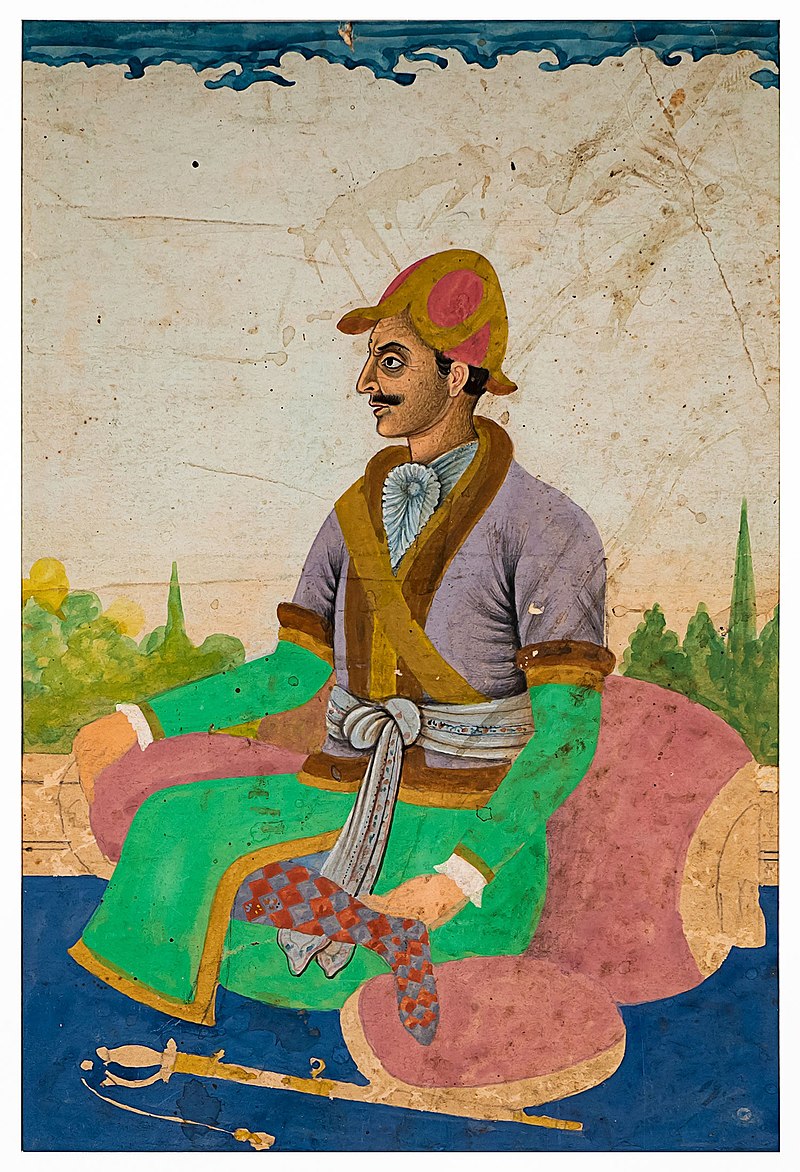
Bhimsen Thapa, a key figure in Nepalese history, ascended to the role of Mukhtiyar, effectively the Prime Minister of Nepal. Before this transition, Nepal was undergoing a phase of consolidation and expansion under King Prithvi Narayan Shah and his descendants. Internal strife and external threats from neighboring British India created a politically charged environment.
Thapa's rise to power came after considerable turmoil and court conspiracies. He belonged to an influential family with strong military and political connections. His father, Amar Singh Thapa, was a notable figure in the Gorkha military ranks. This background helped Bhimsen Thapa navigate through the intricate power structures within the royal court.
Upon assuming the role of Mukhtiyar, Bhimsen Thapa initiated several reforms aimed at strengthening Nepal's sovereignty and military capabilities. He is known for modernizing the army, introducing new weapons, and building fortifications to counter threats from British India. Economically, Thapa worked on improving revenue collection and promoting agricultural productivity to support a growing military and administrative apparatus.
Thapa’s administration also sought to reduce the influence of foreign powers by curbing the activities of foreign missionaries and restricting diplomatic exchanges primarily to safeguard Nepal's autonomy. This era saw significant infrastructural developments, including the construction of roads and irrigation systems, which aimed at enhancing connectivity and agricultural efficiency.
Despite facing resistance from within the court and from rival factions, Bhimsen Thapa’s policies laid the groundwork for a more centralized and robust Nepalese state. His time in office was marked by efforts to balance modernization with traditional structures, as he navigated the complex interplay of various regional and international interests.
His tenure came with challenges, including resistance from British India, which saw Nepal's growing strength as a threat. The resultant tensions eventually led to the Anglo-Nepalese War, a significant conflict that tested Thapa's diplomatic and military strategies.
#MoofLife #NepalHistory #BhimsenThapa #PoliticalReforms #MilitaryModernization #ColonialEncounters #EconomicPolicies
View details1767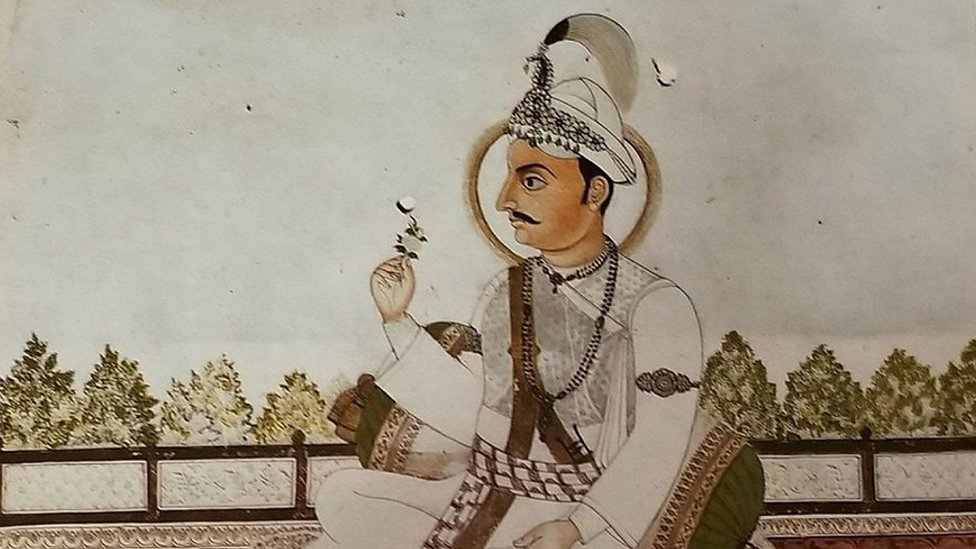
King Prithvi Narayan Shah of Gorkha embarked on a campaign aimed at unifying the fragmented states of Nepal. The ambition was to integrate the Kathmandu Valley, a region vital for its strategic location and economic significance. This campaign was rooted in geopolitical necessity. The Valley was divided into three principal states: Kathmandu, Patan, and Bhaktapur, each ruled by separate Malla kings.
Gorkha’s unification strategy involved a series of battles, alliances, and political maneuvering. After securing surrounding territories and consolidating his power, King Prithvi Narayan Shah set his sights on Kathmandu Valley. A decisive battle saw the Gorkha forces emerge victorious, successfully capturing Kathmandu and eventually Patan and Bhaktapur. This victory marked a crucial step in the eventual creation of a unified Nepal.
The unification efforts led by King Prithvi Narayan Shah had profound impacts. Politically, it ended the fragmentation of Nepal, laying the foundation for a centralized state. Economically, it brought diverse regions under a unified administration, facilitating trade and resource allocation. Socially, it integrated various ethnic and cultural groups, fostering a sense of national identity.
Statistical data suggests that this unification campaign significantly increased the land controlled by Gorkha. Prior to the unification, Gorkha was one among many small states in the hills. Following the campaign, the region under unified control expanded multifold, from an estimated 6,000 square kilometers to around 54,000 square kilometers, integrating the core areas of what is now modern Nepal.
King Prithvi Narayan Shah's campaign marked the beginning of the end for the independent kingdoms in Nepal. It paved the way for subsequent rulers to further expand and consolidate the newly formed state. His vision and military strategies are widely studied and revered in Nepalese history. The campaign’s success demonstrated the power of unity and strategic foresight in state-building processes.
#UnificationCampaign #PrithviNarayanShah #KathmanduValley #NepaleseHistory #StateBuilding #MoofLife
View details1762
In a decisive turn of events, the British East India Company secured control of Bengal following a crucial battle against the combined forces of the Bengal Nawab, the Mughal Emperor, and the Nawab of Awadh. This military engagement resulted in the British East India Company gaining the administrative and economic dominance over Bengal. This victory established the company's influence, marking the beginning of British colonial rule in the Indian subcontinent.
Prior to this event, the British East India Company, a trading organization, had been operating in India primarily for commerce, focusing on the lucrative trade of spices, textiles, and other goods. However, growing aspirations and conflicts with regional powers led to increased military engagements. The company’s success in Bengal can be attributed to superior military strategy and alliances that outmaneuvered the regional rulers.
This shift in control had profound implications. Economically, the company tapped into Bengal’s rich resources, exploiting its fertile land and weaving industry. The taxation system was restructured to maximize the company's revenue, often at the detriment of local farmers and workers. This period saw the beginning of Bengal's economic drain, affecting its agrarian economy and leading to periods of severe famine and social unrest.
Politically, the dominance of the British East India Company over Bengal paved the way for further expansion across the Indian subcontinent. It became a cornerstone in the establishment of British colonialism in India, influencing governance structures, judicial systems, and trade policies.
Relevant statistics reveal that Bengal contributed significantly to the global economy during this period, with its GDP constituting a notable portion of the world economy. However, the impact of British revenue policies and commercialization drastically altered its economic landscape.
The event also had a broader implication for neighboring regions, including Nepal. The consolidation of British power in the Indian subcontinent created new regional dynamics. For Nepal, this meant navigating a complex interplay of diplomatic and military strategies to maintain autonomy while acknowledging the emergent British influence in the region.
This historical moment was not an isolated incident but a turning point that reshaped the socio-economic and political contours of South Asia, ushering in an era of colonial dominance.
#Bengal #EastIndiaCompany #ColonialImpact #BritishColonialism #EconomicChange #RegionalDynamics #Nepal #MoofLife
View details1743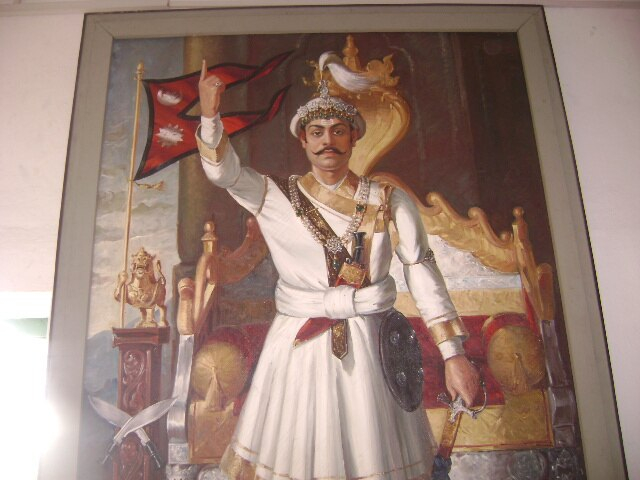
In the region now known as Nepal, a significant unification effort was led by King Prithvi Narayan Shah. He was born into the ruling family of the small kingdom of Gorkha. Before his campaign, the area comprised many small, independent principalities, each with its own ruler. This lack of unity often led to conflicts and hindered collective progress.
King Prithvi Narayan Shah aimed to consolidate these fragmented states into a single, unified nation. His vision was rooted in the strategic location of the Kathmandu Valley, which was not only fertile but also served as a vital trade route between Tibet and India. Recognizing the economic and strategic advantages, he began his military campaign.
The campaign started with the conquest of Nuwakot, a strategic point controlling the trade route to Tibet. This victory allowed Prithvi Narayan Shah to cut off significant trade for the Malla kings of Kathmandu Valley, weakening their economic strength. Over the next few years, he continued his military expeditions, tactically planning each move to ensure the consolidation of various principalities.
One of the notable challenges faced by King Prithvi Narayan Shah was the varied geography and the complex network of alliances among the smaller states. Despite these difficulties, his determination and military prowess led to the eventual annexation of critical areas, including Kathmandu, Patan, and Bhaktapur.
The unification had far-reaching impacts. Economically, it opened up more cohesive trade routes and reduced internal conflicts, contributing to economic stability. Politically, it established a centralized government, which introduced a more structured administrative framework. Culturally, it paved the way for a unified identity that resonated across the diverse ethnic groups within the newly formed nation.
While statistical data from that specific period is sparse, the population of the unified state saw increased security and opportunities, fostering growth. The consolidation also set the stage for future leaders to build upon a more robust and unified Nepal.
King Prithvi Narayan Shah’s unification of Nepal remains a cornerstone in the country's history, marking the beginning of a new era that shifted the political and cultural landscape of the region.
#NepalUnification #KingPrithviNarayanShah #MoofLife #NepalHistory #PoliticalStrategist #EconomicStability #CulturalUnity
View detailsIn the mid-18th century, the region that is now Nepal consisted of numerous small, fragmented principalities. Among these was the Gorkha kingdom, a small but ambitious state. It was in this period that Prithvi Narayan Shah, determined to unify these territories, ascended to the throne of Gorkha. Understanding the political landscape and the constant threat posed by neighboring kingdoms, Prithvi Narayan Shah set out on a mission to consolidate the fragmented regions.
Prithvi Narayan Shah employed strategic military tactics coupled with savvy diplomacy. One of his key strategies was to build alliances and avoid unnecessary confrontations. His most notable military achievement was the successful siege of Kathmandu Valley, which was then composed of three independent city-states: Kathmandu, Patan, and Bhaktapur. By capturing these vital economic and cultural hubs, Prithvi Narayan Shah significantly strengthened his kingdom's position.
The unification under the Gorkha kingdom led to the formation of the modern state of Nepal. It brought an end to the centuries-long division and infighting among the smaller principalities. This move not only centralized political power but also set the stage for a unified culture and strengthened economic ties within the region. The administrative and defense systems established by Prithvi Narayan Shah laid the foundation for the modern Nepalese state.
Prithvi Narayan Shah's efforts had long-lasting impacts on Nepal's national identity. The unification brought about better defense mechanisms against external threats and fostered a sense of national unity. This historical movement played a crucial role in shaping the nation’s cultural and political landscape.
Relevant statistics highlight the size of Prithvi Narayan Shah's army and its strategic deployments across key battlefronts, which were decisive in his conquests. His leadership is often studied for its effective blend of military and diplomatic strategies.
#PrithviNarayanShah #GorkhaKingdom #NepalHistory #KingdomUnification #MoofLife
View details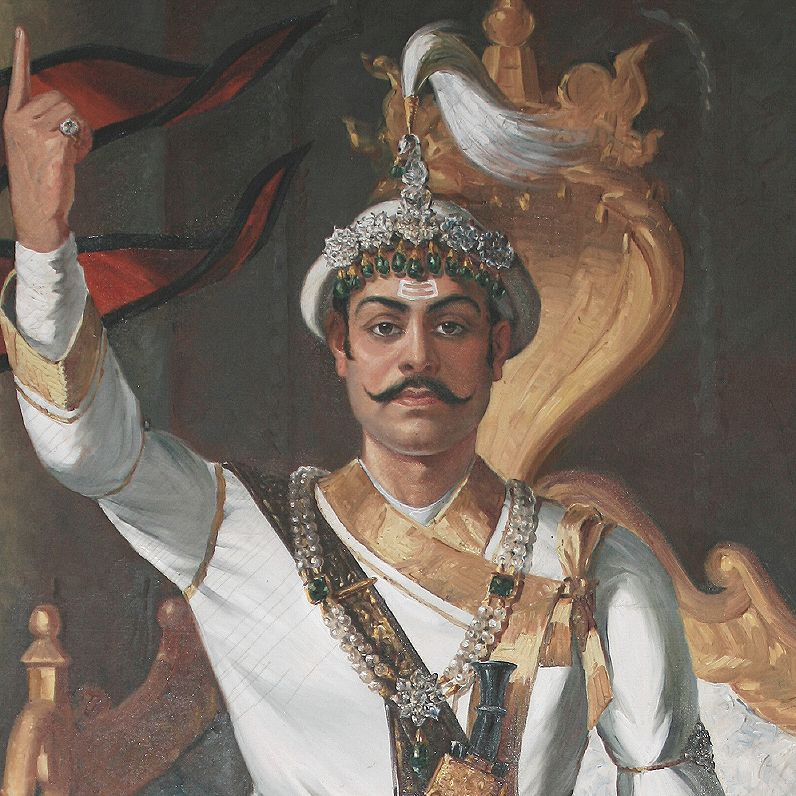
1715
King Bhaskara Malla, the monarch of Bhaktapur, stepped into a transformative chapter in Nepal’s history when he declared himself the King of Patan. This proclamation was marked by the issuance of new currency under the name Gajapati Mahindra Simha. Bhaskara Malla’s ambitions were fueled by the desire to consolidate power and assert dominance over the Kathmandu Valley, which comprised the medieval city-states of Bhaktapur, Patan, and Kathmandu.
Previously, the Valley was a mosaic of rival kingdoms, each competing for economic and political supremacy. Bhaskara Malla’s strategic move aimed to unify Bhaktapur and Patan, thereby strengthening his influence and control. By issuing coins bearing the insignia of Gajapati Mahindra Simha, he demonstrated both his sovereignty and his intent to be recognized as the legitimate ruler of an expanded territory. Coinage in that era was not merely a medium of exchange but a powerful symbol of authority and legitimacy. The new currency facilitated trade and commerce, reflecting Bhaskara Malla’s intention to integrate and solidify the economies of the two cities under his reign.
This event had broad implications for the socio-political landscape of the region. Bhaskara Malla's move altered the balance of power, posing a direct challenge to the established rulers of Kathmandu and other neighboring territories. It also underscored the strategic importance of Patan as a critical center for trade, crafts, and culture within the valley. By bringing Patan under his control, Bhaskara Malla not only expanded his kingdom’s geographical boundaries but also tapped into its rich artisanal and commercial resources.
The issuance of coins under the new name symbolized the start of a concerted effort to unify and strengthen the fragmented states within the valley, setting a precedent for future attempts at consolidation. This era marked a complex chapter in the history of Nepal, characterized by the interplay of ambition, economic development, and regional politics.
#MoofLife #NepalHistory #CoinIssuance #KingBhaskaraMalla #Patan #Bhaktapur #MedievalNepal #GajapatiMahindraSimha #PoliticalConsolidation
View details1701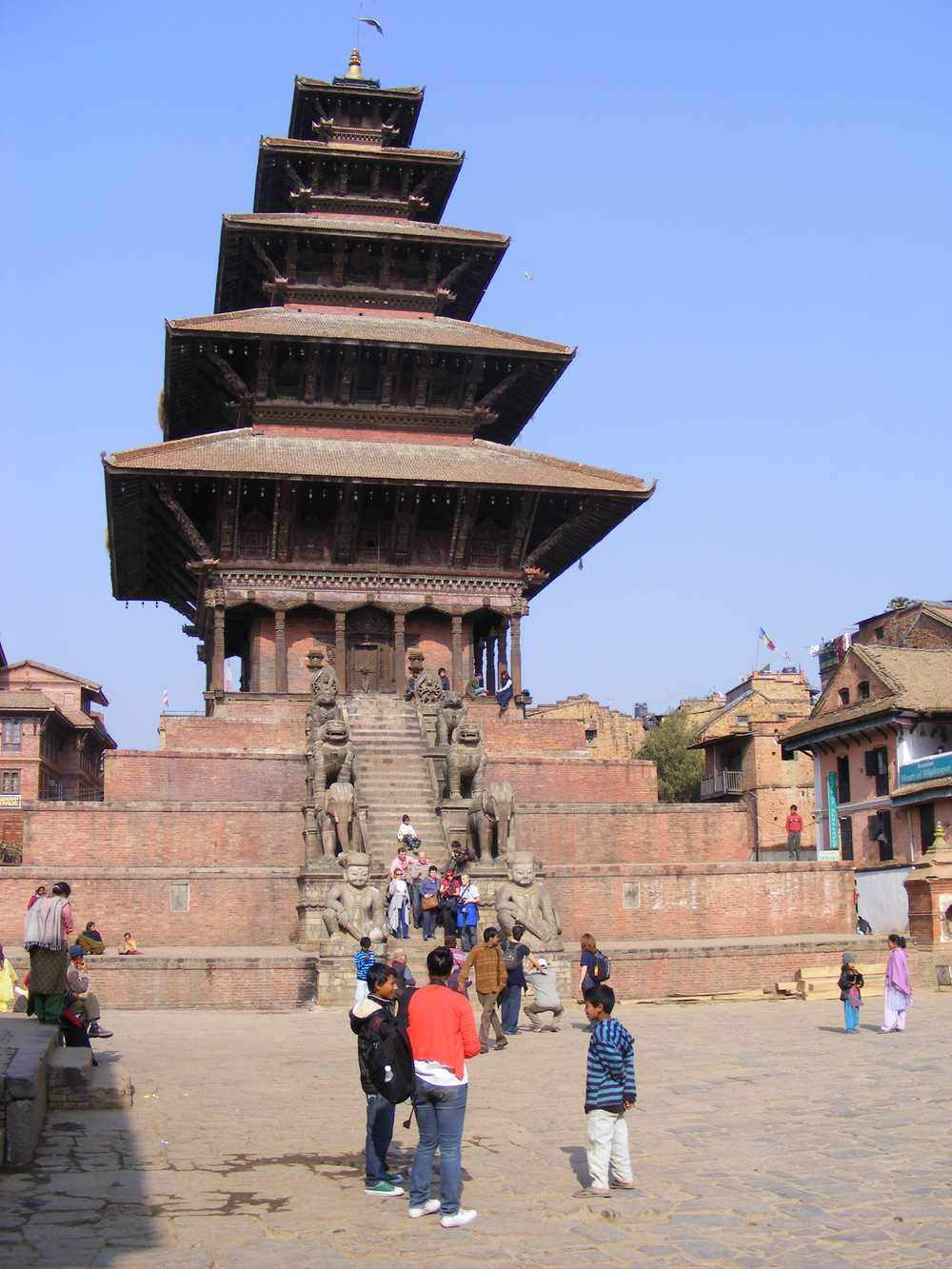
In the historic township of Bhaktapur, nestled in the Kathmandu Valley of Nepal, King Yaksha Malla undertook a project that would leave a lasting impact on the cultural and architectural landscape of the region. The construction of the Nyatapola Temple began under his reign. This temple, rising five storeys high, became one of the tallest and most iconic pagoda-style temples in Nepal.
Nyatapola Temple was built as a dedication to the Hindu goddess Siddhi Lakshmi, a manifestation of supreme power and success. King Yaksha Malla's vision for the temple included not only its height but its unparalleled strength. Testament to its robust construction, the temple has survived several major earthquakes, a stark contrast to many other structures in the region.
The Nyatapola Temple's design incorporated traditional Newari architecture, showcasing intricate wood carvings and terracotta tiles, illustrating the skilled craftsmanship of the era. The temple stands on a five-tiered platform, with each tier symbolically representing different spiritual and philosophical themes. The approach to the temple is guarded by pairs of mythical figures, including lions, griffins, and wrestlers, each intended to symbolize strength and protect the deity housed within.
The construction of Nyatapola served as more than a religious endeavor; it was King Yaksha Malla's strategic attempt to assert his influence and consolidate his kingdom's power. The temple served as a cultural hub, drawing artisans, pilgrims, and traders, contributing to Bhaktapur's economic vitality.
Economically, the temple's presence boosted local trade and tourism, providing livelihoods for artisans and merchants. Over the centuries, it became an integral part of community rituals, festivals, and daily life, cementing Bhaktapur's status as a center of Newar culture.
Architecturally and culturally, Nyatapola Temple set a benchmark, inspiring subsequent temple constructions in Nepal. Today, it stands as a UNESCO World Heritage Site, attracting historians, architects, and tourists from around the globe, eager to appreciate its historical significance and architectural grandeur.
#KingYakshaMalla #NyatapolaTemple #Bhaktapur #NepalHistory #NewariArchitecture #MoofLife
View details1640
King Lakshmi Narasimha Malla, the ruler of Kantipur, faced a gradual decline in his mental stability following the execution of his loyal minister. This act marked a turning point in the political landscape of the region. The minister had been a key advisor, ensuring the administration's smooth functioning. His execution left a void in governance, leading to increased instability and uncertainty among the nobles and the populace.
The king’s erratic behavior became more pronounced over time, casting a shadow of concern over the court. As the situation deteriorated, Pratap Malla, his son, perceived the growing unrest and the potential threat to their dynasty's continuation. Pratap had been observing the kingdom's gradual descent into chaos and realized the urgency of taking decisive action.
Recognizing the dire situation, Pratap Malla took the bold step of imprisoning his father. This move was strategic to both curtail his father's increasingly unpredictable actions and stabilize the kingdom. Following his father's confinement, Pratap Malla assumed control of the throne and began ruling Kantipur.
Under Pratap Malla's leadership, efforts were made to restore order and confidence among the citizens. This period saw a reorganization of the administrative framework, the restoration of diplomatic relations with neighboring states, and the reinforcement of cultural and religious institutions that had been neglected.
While the initial period of his rule was marked by cautious governance aimed at consolidating his power, Pratap Malla eventually initiated several public works projects. These included the construction of temples, palaces, and infrastructure improvements, which revitalized the city and provided employment, thus reinvigorating the local economy.
Pratap Malla's reign is notable for its contribution to the cultural and architectural heritage of Kantipur, setting a legacy of resilience and recovery after a period of significant turmoil. The events surrounding King Lakshmi Narasimha Malla's madness and Pratap Malla's subsequent ascension reflect the complexities of royal succession and its impact on the socio-political fabric of the region.
#MoofLife #KantipurHistory #PratapMalla #NepalRoyalty #PoliticalTransition #CulturalHeritage
View details1638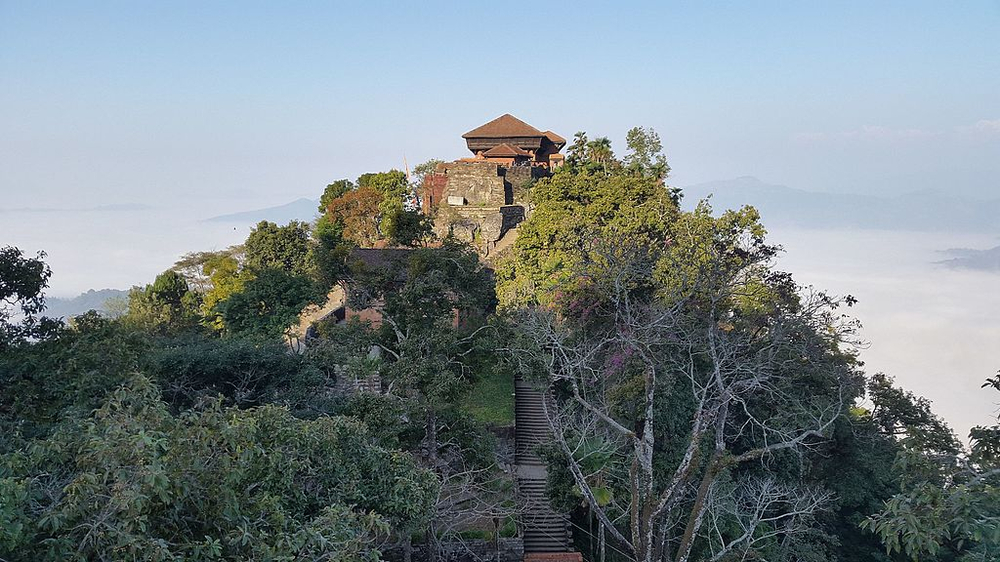
King Ram Shah of Nepal undertook a significant architectural project when he ordered the construction of the Gorkha Durbar, a palace strategically situated in the Gorkha district. His intention was not only to create a royal residence but also to establish a political and cultural nucleus that would unify the region under his leadership. The Gorkha Durbar was built with meticulous attention to traditional Nepali architecture, incorporating materials predominantly sourced from the region.
King Ram Shah was known for his judicial reforms which laid the foundation for the rule of law in the kingdom and influenced the governance of future Nepali rulers. By centralizing his authority within the walls of the Gorkha Durbar, he emphasized the importance of justice and centralized power. The construction of the palace involved hundreds of skilled artisans and laborers and utilized both local materials and expertise, ensuring that the structure was both resilient and a testament to Nepali craftsmanship.
This architectural feat had far-reaching effects on the region, catalyzing the development of infrastructure and the local economy. The palace became a symbol of unity and a catalyst for the social and economic integration of the communities in the Gorkha district. The influence of the Gorkha Durbar was evident as it later became the birthplace of the unified kingdom of Nepal in the eighteenth century under the reign of King Prithvi Narayan Shah, who was a descendant of Ram Shah.
Today, the Gorkha Durbar stands as an important historical monument, attracting researchers, historians, and tourists. It serves as a reminder of the rich cultural heritage and the pivotal role the monarchy played in shaping the political landscape of Nepal. The Gorkha Durbar is also a testament to the architectural and engineering capabilities of the period, reflecting the socio-political ideologies of King Ram Shah’s era.
#GorkhaDurbar #NepalHeritage #RamShah #HistoricalArchitecture #JusticeAndUnity #MoofLife
View details1605
Dravya Shah's rise to power in Gorkha marks a pivotal episode in the history of Nepal. At that time, the region was fragmented into numerous small kingdoms, each vying for dominance. Dravya Shah, a scion of the noble house of the Shah dynasty of Lamjung, strategically leveraged his familial ties and resourcefulness to establish his rule.
The prelude to Dravya Shah's establishment of the Gorkha Kingdom was characterized by intra-regional conflicts and the ambitions of various local chieftains. Dravya emerged as a prominent figure among the aspirants due to his strategic acumen and leadership skills. He was supported by local warriors and influential figures who saw in him the potential for unification and stability in an otherwise volatile region.
Dravya Shah took control of the fort at Ligligkot, a crucial military bastion, which served as a stronghold for his campaign. His military strategy coupled with alliances formed through marriages and treaties facilitated his ascendancy. Yeh-Phuyal, a local chieftain who had initially posed a threat, capitulated, further cementing Dravya’s authority.
The establishment of the Gorkha Kingdom under Dravya Shah's leadership laid the foundation for future expansion. It was a significant milestone as it sowed the seeds for the eventual unification of Nepal. Gorkha became the nucleus from which the ancestors of the Shah dynasty would launch campaigns to consolidate numerous smaller kingdoms into the larger Kingdom of Nepal.
Dravya Shah’s rule brought relative stability and a sense of order, which were crucial for trade, agriculture, and overall socio-economic development. The fort at Gorkha became an administrative and military hub, serving as a model for governance and defense.
As Dravya Shah's influence grew, the Gorkha Kingdom began to attract scholars, traders, and warriors, making it a focal point for cultural and economic exchanges. While the immediate territorial control was limited, the groundwork laid during his reign was pivotal for the eventual creation of a unified Nepal under Prithvi Narayan Shah, several generations later.
#GorkhaKingdom #NepalHistory #DravyaShah #FoundationsOfUnity #MoofLife
View details1573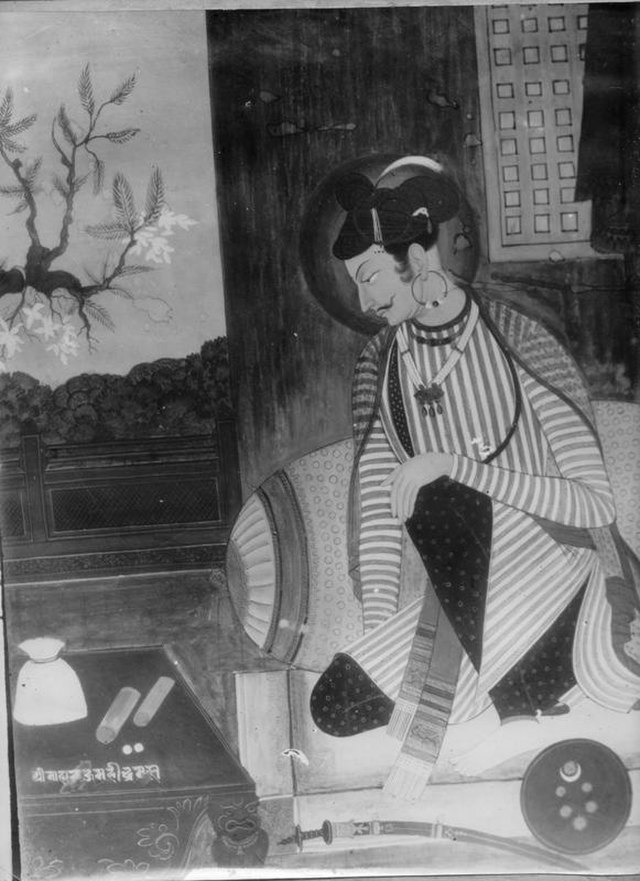
King Mahendra Malla, ruler of the Kathmandu Valley, saw his reign come to an end with his passing and was succeeded by his first son, Sadashiva Malla. The transition in leadership took place within the context of a fragile political structure that had characterized the Malla dynasty. The Malla rulers, known for their contributions to the arts, culture, and architecture, had been influential in developing the valley's historical and cultural identity.
Mahendra Malla, having established his reign in the heart of Nepal, focused on strengthening the fortifications of his kingdom and promoting trade relations with neighboring regions. His administrative policies, aimed at consolidating power and augmenting the kingdom's wealth, laid down the framework for future governance. Under his rule, Kathmandu experienced relative stability and economic growth, which had implications for the prosperity of the valley.
Sadashiva Malla's ascent to the throne marked a continuation of his father's work. As the successor, Sadashiva was faced with the challenge of maintaining the stability and growth initiated by his predecessor. He inherited both the opportunities and the pressures of holding the kingdom's unity. Economic policies, trade relations, and internal governance were areas that needed careful attention to ensure the continuing prosperity of Kathmandu.
The Malla dynasty's transition of power was more than a mere change in leadership; it was a crucial juncture in maintaining the momentum of cultural and economic advancements that had been achieved. The continuity of policies under Sadashiva Malla allowed for a gradual but steady progress in the kingdom's overall development. This transition was significant not only for the immediate stakeholders but also for the broader historical narrative of Nepal.
#MoofLife captures the background of political continuity, economic policies, and the cultural significance of this event without additional embellishment.
View details1563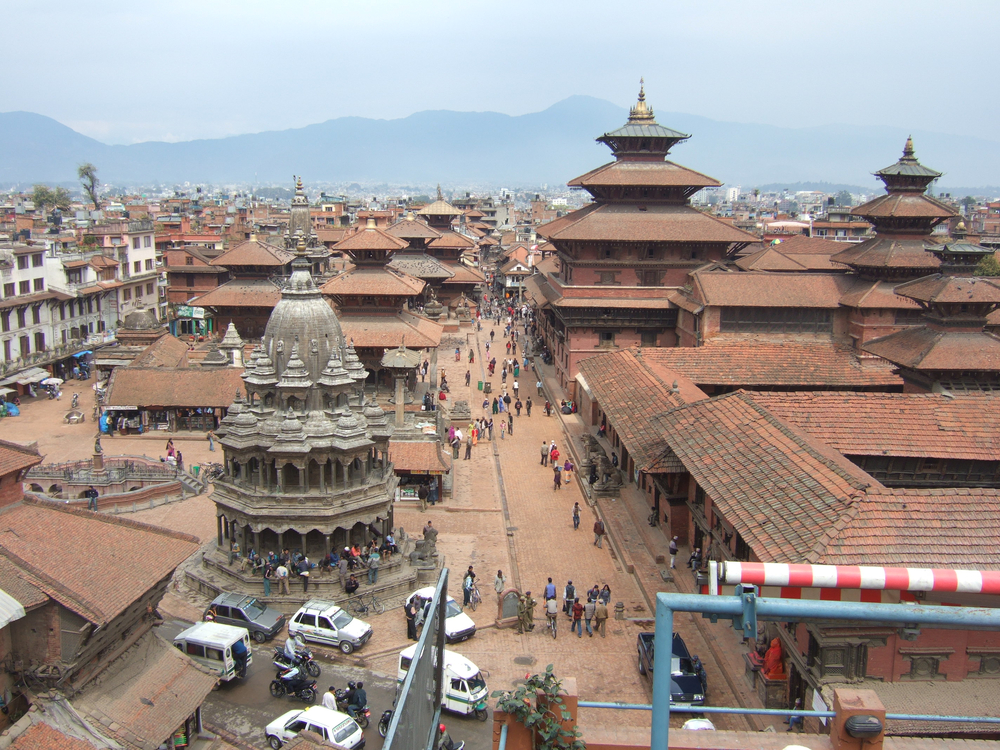
King Siddhinarasimha Malla inaugurated the Krishna Temple in Patan during his reign in the Malla period of Nepal. This period was known for its rich contributions to art, culture, and architecture in the Kathmandu Valley.
The Krishna Temple, located in the heart of the Durbar Square, was a remarkable architectural endeavor, exemplifying the classical Newa architecture—a hybrid of Indian and Nepali styles. The temple was built using locally available materials, primarily stone and wood, and is renowned for its intricate carvings and detailed stone masonry.
Inauguration of the Krishna Temple marked a significant cultural and religious milestone for Patan, one of the three medieval city-states in the Kathmandu Valley. The temple was dedicated to Lord Krishna, one of the most revered deities in Hinduism, which underscored the religious sentiments and devotion of the Malla kings. The Malla rulers are known to have promoted not just Hinduism, but also Buddhism, reflecting the religious harmony in the region.
The temple's construction not only highlighted the architectural prowess of the Newars but also bolstered the socio-cultural landscape of Patan. It attracted artisans, scholars, and devotees alike, fostering a vibrant community life centered around religious practices and cultural celebrations. Moreover, the temple became a testament to the prosperity and vision of King Siddhinarasimha Malla's reign.
Krishna Temple is a three-tiered structure, standing on a raised platform, adorned with numerous carvings depicting scenes from Hindu epics like the Mahabharata and Ramayana. These intricate details showcased the craftsmanship of the Newar artisans and remain a subject of study for historians and architects.
The impact of the Krishna Temple on Patan was profound. It continues to play a central role in religious festivities, particularly during Krishna Janmashtami, the annual celebration of Lord Krishna's birth. The temple has withstood numerous earthquakes and natural calamities, with restoration efforts preserving its legacy.
Inaugurating the Krishna Temple was not just an architectural accomplishment but a manifestation of the cultural and religious ethos that defined the Malla period. This event remains a cornerstone in Patan's historical and spiritual narrative.
#MoofLife #KingSiddhinarasimhaMalla #KrishnaTemple #Patan #Nepal #CulturalHeritage #MallaPeriod #NewaArchitecture
View details1558
King Amara Malla, the ruler of the Malla dynasty in Nepal, passed away at a crucial point in history. His reign had seen continuous attempts to stabilize and develop the fragmented Nepalese kingdoms. Despite facing numerous challenges, including internal conflicts and external threats, King Amara Malla's governance helped in maintaining a balanced order within the region. His administration focused on fostering trade with neighboring states, promoting arts and culture, and consolidating various feudal territories under a more unified political structure.
The death of King Amara Malla left a considerable impact on the socio-political landscape of Nepal. His absence created a power vacuum that intensified existing rivalries among regional lords and chieftains. The struggle for succession and control over the fragmented territories became more pronounced, leading to a period of instability and intermittent conflicts. This weakened the centralized authority established by Amara Malla, making the region vulnerable to external invasions and internal rebellion.
The historical significance of King Amara Malla's death is reflected in the subsequent decline in the cohesiveness of the Malla kingdom, indicating a shift towards more decentralized governance. The diminished control over the territory facilitated the rise of other local leaders who sought to capitalize on the power void. These changes had long-lasting effects on the political, economic, and cultural development of the region, shaping the future course of Nepalese history.
#MoofLife #NepalHistory #MallaDynasty #LeadershipVoid #PoliticalTransition
View details1529
In the early 16th century, Nepal was a mosaic of small, independent kingdoms vying for power and influence. Among these kingdoms was one led by King Surya Malla. His reign was marked by intermittent conflicts with neighboring territories and efforts to unify his kingdom and strengthen its defenses. King Surya Malla's leadership was instrumental in maintaining a balance of power in the region, though his rule was far from unchallenged.
The death of King Surya Malla led to significant changes within his kingdom and the surrounding regions. His passing created a power vacuum that neighboring rulers were eager to exploit. Internal factions within the kingdom also saw this as an opportunity to further their own ambitions. This period witnessed a series of political maneuvers, alliances, and conflicts as various entities endeavored to assert control over the land King Surya Malla once ruled.
The impact of his death on the socioeconomic structure was equally profound. With royal authority in question, local chieftains and noble families seized assets and land, leading to a redistribution of resources that further fragmented the kingdom's cohesion. Trade routes that were once secure under King Surya Malla's rule became vulnerable to banditry and disruption, affecting commerce and the flow of goods through the region.
Historical records, though scarce, suggest that King Surya Malla's passing precipitated a period of instability that lasted for several decades. This period saw multiple claimants to the throne and frequent battles that weakened the kingdom’s overall strength. The struggle for power primarily affected the common population, as agricultural productivity declined and taxes increased to fund ongoing military campaigns.
Despite the turmoil, several historians argue that the death of King Surya Malla and the subsequent fragmentation laid the groundwork for future unification efforts. This turbulent phase prompted a reevaluation of governance and territorial control, influencing how future rulers approached consolidation and centralization.
The significance of King Surya Malla's death lies not only in the immediate chaos it caused but also in its lasting influence on the political landscape of Nepal. It serves as a pointed example of how leadership transitions can dramatically alter the course of history.
#KingSuryaMalla #NepalHistory #MoofLife
View details1525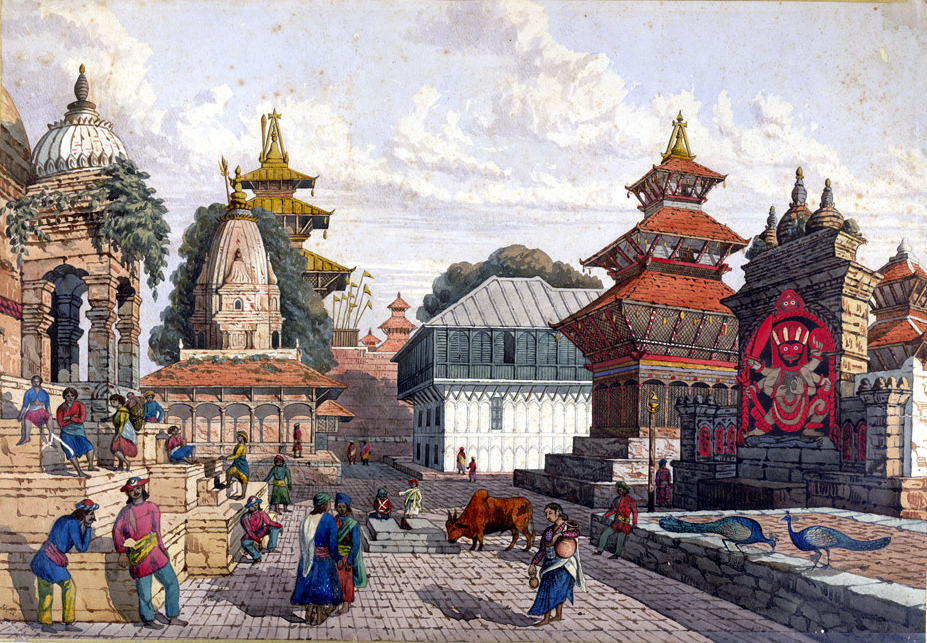
Mukunda Sen, the formidable king of Palpa, sought to expand his territory by launching a large-scale military incursion into the Kathmandu Valley. His forces surrounded both major cities of the valley, Kantipur (modern-day Kathmandu) and Patan (Lalitpur). The valley was known for its strategic location and prosperous trading hubs, making it an attractive target for any ruler aiming to expand his domain.
Mukunda Sen's military campaign was marked by efficient mobilization of his troops and well-coordinated attacks. The siege laid on Kantipur and Patan disrupted daily life and commerce, creating a state of emergency within the valley. Both cities, though often rivals, recognized the existential threat posed by Mukunda Sen's army. In response, they forged an alliance to repel the invaders.
The combined defensive forces of Kantipur and Patan exhibited remarkable coordination and resilience. They leveraged their knowledge of the local terrain and fortified key positions to withstand Mukunda Sen's offensive. The valley's forces included not only seasoned warriors but also local militia and volunteers motivated to protect their homeland.
After a prolonged period of skirmishes and strategic maneuvers, the combined forces successfully repelled Mukunda Sen's armies. The defeat was a significant setback for the ambitious king of Palpa. It not only stymied his expansionist agenda but also solidified the alliance between Kantipur and Patan. The repulsion of the attack served as a turning point, emphasizing the strength of unity among the valley's kingdoms in the face of external aggression.
This event had a lasting impact on the political landscape of the region. It underscored the importance of regional alliances and demonstrated the capacity of smaller states to defend their autonomy against larger aggressors. The coordinated defense effort set a precedent for future conflicts, highlighting the potential for cooperative resistance.
#NepalHistory #KathmanduValley #HistoricalAlliances #MukundaSen #MoofLife
View details1489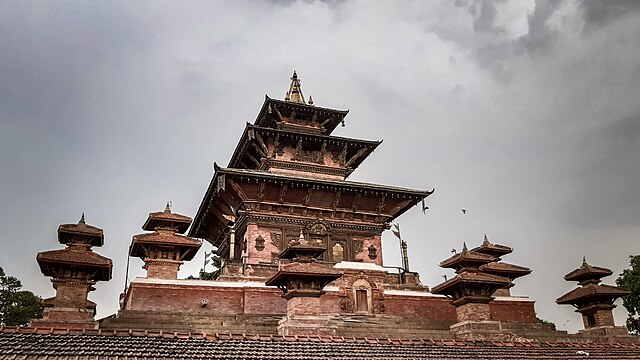
King Siddhi Narsingh Malla, a renowned monarch of the Malla dynasty, undertook the construction of the Taleju Temple in Kathmandu during his reign. The decision to build the temple was driven by a vision to establish a significant place of worship dedicated to Taleju Bhawani, a deity central to the Malla kings' religious and cultural identity. The construction site was strategically chosen in the Hanuman Dhoka Durbar Square, a core area of Kathmandu's ancient architectural and cultural landscape.
The construction process mobilized a considerable portion of the kingdom's resources, including skilled artisans, laborers, and materials. The design of the Taleju Temple followed traditional Newar architectural principles, characterized by its multi-tiered pagoda structure, elaborate carvings, and intricate woodwork. The temple's height, towering over existing structures, symbolized the divine supremacy of the goddess and underscored the king's devotion.
The erection of the Taleju Temple had far-reaching impacts on Kathmandu's socio-cultural fabric. It became not only a central religious site for worshippers but also a monumental testament to the Malla dynasty's architectural ingenuity and religious dedication. The temple played a significant role in the annual Dashain festival, where the king performed rituals, further solidifying the Malla ruler’s divine right to govern and his connection to the goddess Taleju.
Resources for the construction were meticulously documented, with records indicating the use of locally-sourced timber and stone. The construction phase also saw a boost in the local economy due to the influx of craftsmen and traders supplying materials. The edifice itself stood as a protective symbol, believed to grant divine protection and prosperity to the inhabitants of the Kathmandu Valley.
#TempleConstruction #TalejuBhawani #MallaDynasty #KathmanduHeritage #CulturalIdentity #HistoricalArchitecture #MoofLife
View details1481
King Ananda Malla established the city of Bhaktapur in Nepal during a period marked by socio-political consolidation in the Kathmandu Valley. Bhaktapur, also known as Bhadgaon, was strategically positioned to serve as a center for administration and trade, fostering the growth of arts, culture, and religion in the region. The city's foundation was intertwined with the expansion of the Malla dynasty, which was instrumental in shaping the historical and cultural landscape of Nepal.
The Malla kings were known for their patronage of Hindu and Buddhist traditions, promoting architectural and artistic endeavors. Bhaktapur quickly became a significant urban center, known for its intricate woodwork, pottery, and metalwork. The city layout, temples, palaces, and courtyards reflected the Malla architectural style, emphasizing both functionality and religious symbolism.
The economic impact of founding Bhaktapur was profound. It became a nexus for the trade of agricultural products, crafts, and goods along the trade routes connecting Tibet and India. The city's markets flourished, attracting merchants and artisans. The increased trade and commerce contributed to the city's prosperity and facilitated cultural exchanges that enriched local traditions.
Bhaktapur's establishment also had social and cultural ramifications. It became a hub for festivals, rituals, and performances, fostering a shared cultural identity among its inhabitants. The diverse and vibrant community life contributed to the development of a unique cultural heritage that continues to be celebrated.
In terms of governance, the Malla kings implemented administrative reforms to manage the growing population and resources. The city's organization and infrastructure development, such as water management systems and roads, reflected the Malla rulers' attention to urban planning and public welfare.
Today, Bhaktapur's historical and cultural significance is recognized globally. It is a UNESCO World Heritage Site, attracting scholars and tourists interested in its rich heritage and well-preserved medieval architecture. The legacy of King Ananda Malla's founding moment is evident in the enduring cultural practices and community life of Bhaktapur.
#BhaktapurFounding #KingAnandaMalla #KathmanduValleyHistory #MallaDynasty #NepalHistory #CulturalHeritage #UrbanDevelopment #TradeAndCommerce #UNESCOWorldHeritage #MoofLife
View details1441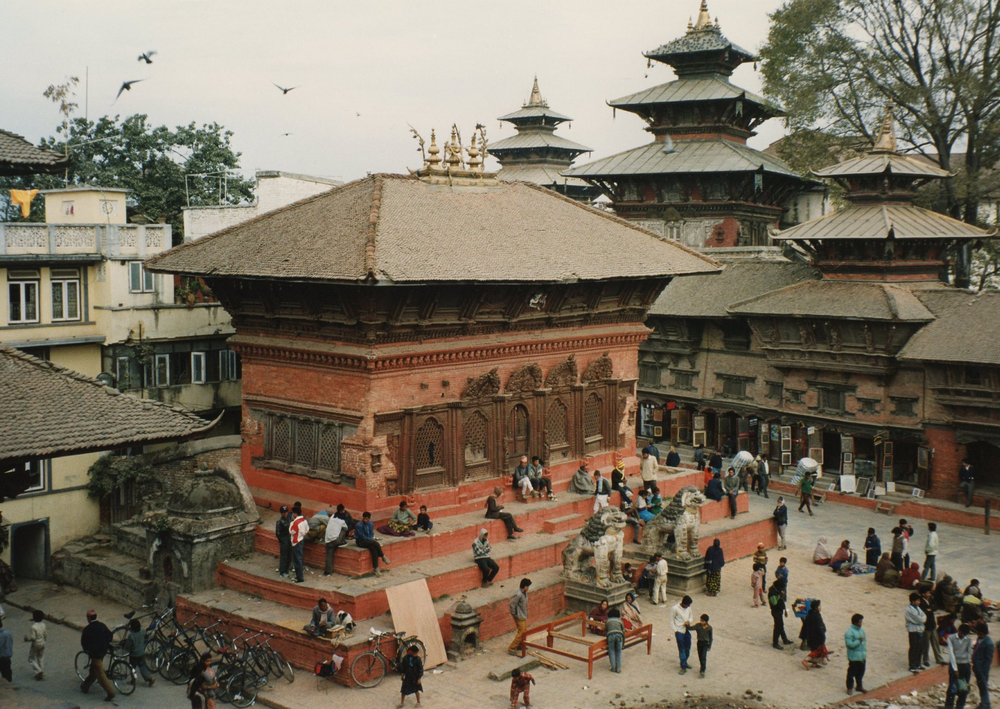
Under the rule of King Yaksha Malla, a notable shift occurred in the Kathmandu Valley, particularly in the city of Bhaktapur. During his reign, King Yaksha Malla spearheaded the development of Bhaktapur Durbar Square, a complex of stunning palaces, courtyards, and temples that would become a cornerstone of Newar architecture and culture. The square was designed with a layout reflecting strong practical and spiritual elements, integrating Hindu and Buddhist symbolism, practices, and iconography into the space.
Yaksha Malla, known for his strategic vision, initiated the creation of structures that exemplified the Malla dynasty’s commitment to art, religion, and regional power. Among the pivotal additions was the Palace of Fifty-Five Windows, an architectural masterpiece symbolizing regal authority and aesthetic innovation. The construction included various temples and shrines, such as the Vatsala Temple, dedicated to the worship of Hindu deities, which emphasized the square's spiritual importance.
The establishment of Bhaktapur Durbar Square had profound socio-cultural and economic impacts on the region. The architectural and artistic endeavors undertaken not only elevated the cultural prominence of Bhaktapur within the Kathmandu Valley but also fostered an environment conducive to artistic expression and religious practice. This period saw a flourish of artistic talents and craftsmanship, drawing artisans, scholars, and pilgrims, thereby contributing to the region’s economic prosperity.
Additionally, Bhaktapur Durbar Square functioned as a significant political center. The presence of the royal palace and administrative buildings underscored the area's role in governance. This consolidation of power and culture helped Bhaktapur assert its autonomy and influence compared to other principalities in the valley.
The legacy of Bhaktapur Durbar Square established by Yaksha Malla remains evident, with the area declared a UNESCO World Heritage site. The structures and their designs continue to attract researchers, historians, and tourists, emphasizing its lasting historical, cultural, and architectural significance.
#BhaktapurDurbarSquare #YakshaMalla #NewarArchitecture #NepalHeritage #CulturalSignificance #MoofLife
View details1440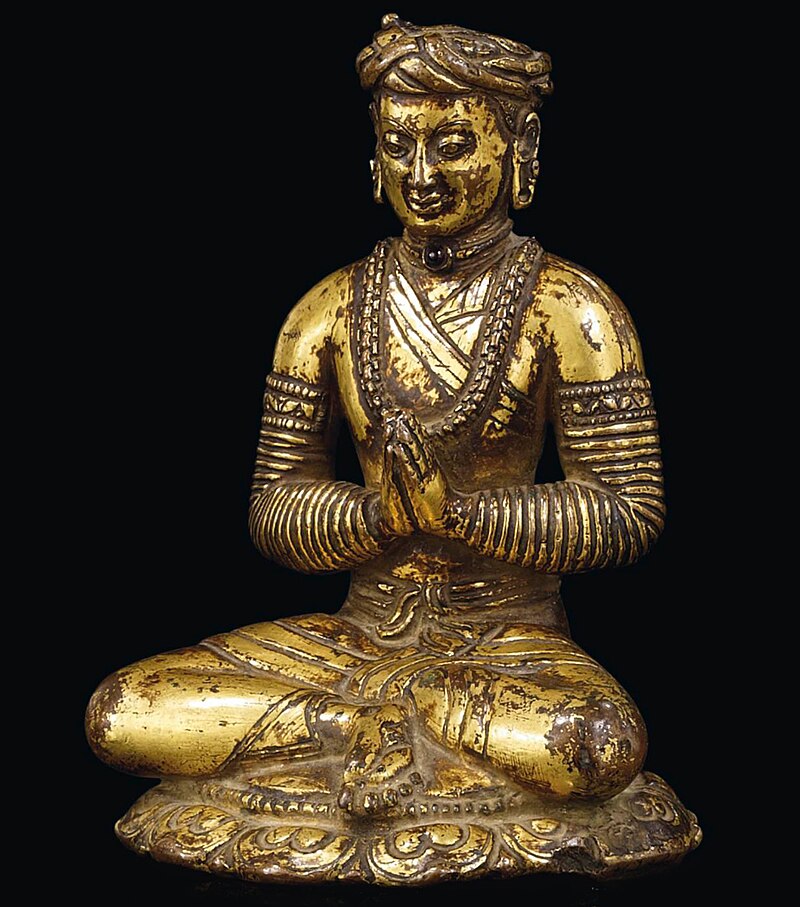
King Gunakamadeva, a monarch of medieval Nepal, established a new city named Kantipur. The area that would become Kantipur was strategically chosen for its fertile land and strategic location in the Kathmandu Valley. King Gunakamadeva's decision was influenced by the valley's existing prominence as a trade nexus, connecting Tibet, India, and China through the Himalayan mountain passes.
The layout of Kantipur was meticulously planned, adhering to ancient Hindu architectural principles known as Vastu Shastra. The city was designed in the shape of a conch shell, which holds religious significance in Hinduism. At the center, a grand palace complex was erected, surrounded by residential areas, markets, and temples. Notable structures include the Kasthamandap, a wooden pavilion built from a single tree, which served as a community and religious building. The city also hosted numerous stupas, shrines, and water tanks, reflecting the syncretic blend of Hindu and Buddhist practices prevalent at the time.
Economically, Kantipur thrived as it became an integral part of the trans-Himalayan trade route. Markets buzzed with activity, featuring goods ranging from textiles and spices to handcrafted metalwork and jewelry. This commercial vibrancy attracted merchants, artisans, and scholars, transforming Kantipur into a cosmopolitan hub.
The foundation of Kantipur had a lasting impact on the region's cultural and urban development. It set the precedent for the urbanization of the Kathmandu Valley, spurring the growth of other cities such as Patan and Bhaktapur. The city's architectural and cultural landscape reflected a unique blend of art, religion, and commerce, which has continued to shape the identity of modern-day Kathmandu.
Kantipur's establishment under King Gunakamadeva's reign marked a pivotal chapter in Nepal's history. The city not only flourished as a political and economic center but also as a beacon of cultural heritage, laying the groundwork for the Kathmandu Valley's enduring significance.
#UrbanPlanning #MedievalNepal #CulturalHeritage #Kathmandu #TransHimalayanTrade #HistoricalArchitecture #MoofLife
View details1360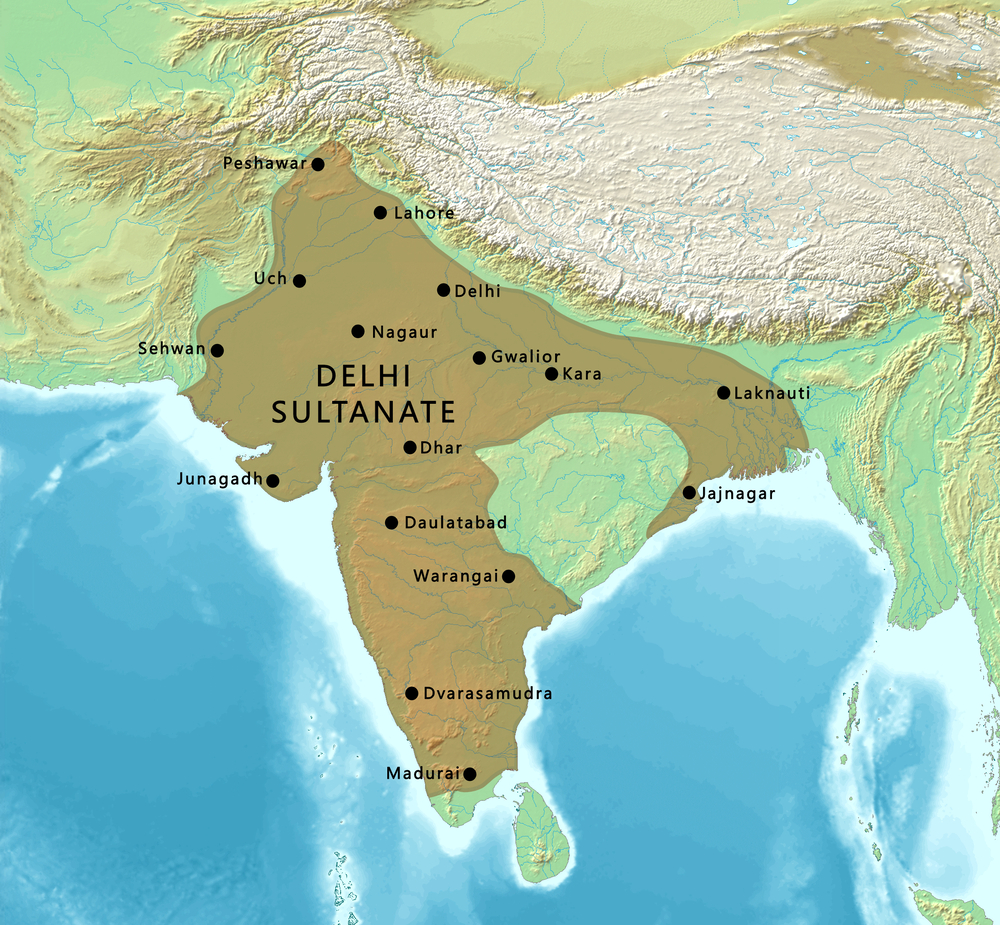
King Jayayakshya Malla's defense against the invasion of the Delhi Sultanate marks a pivotal episode in Nepal's history. Before this critical encounter, the Delhi Sultanate sought to expand its territory in the Indian subcontinent, intending to dominate the Kathmandu Valley — a region rich with commerce and cultural heritage. Jayayakshya Malla, determined to safeguard his domain, strategized rigorously with his military advisors.
The kingdom's forces, though outnumbered, capitalized on the valley's geographical advantage. Elevated terrains and fortified city walls provided a natural defense mechanism against the invaders. King Jayayakshya Malla prioritized not just physical fortifications but also the morale and readiness of his troops. Utilizing traditional weapons and combat techniques, as well as leveraging local support, the defense effort was meticulously executed.
The Delhi Sultanate's army, equipped with superior weaponry and larger numbers, encountered unanticipated resistance. The intricate network of defenses and the strategic discipline of Jayayakshya Malla's forces resulted in the invaders' eventual retreat.
The successful defense of Kathmandu Valley had a lasting impact. It maintained Nepal's sovereignty and prevented the cultural and economic disruption that often accompanied foreign rule. The victory reinforced a sense of unity and resilience among the local populace, bolstering the region's political and social structures. Additionally, it reinforced King Jayayakshya Malla's legacy as a shrewd leader committed to his land's autonomy.
In the broader context of South Asian geopolitics, this moment underscored the limitations of the Delhi Sultanate's expansionist ambitions. It demonstrated that local knowledge and strategic ingenuity could counter formidable imperial forces, contributing to a rethinking of military tactics in the region.
The event remains a critical reference point in Nepalese history, symbolizing resistance and resilience. It underscored the importance of strategic preparation and the effective use of local resources in the face of foreign threats. This episode is often reflected upon for its lessons in leadership, strategy, and the preservation of cultural heritage.
#MoofLife #NepalHistory #DefenseStrategy #CulturalHeritage #MilitaryLeadership
View details1346
The agreement between Devalakshmidevi and the House of Bhonta marked a pivotal chapter in Nepalese history. This accord dictated that a king would be appointed from the House of Bhonta, yet Devalakshmidevi would retain the role of de facto ruler. The backdrop to this event involved a period of political instability and power struggles within the region, necessitating a power-sharing arrangement that would bring relative stability.
The House of Bhonta, a prominent faction within the Nepalese nobility, sought to enhance their influence by securing the kingship. Devalakshmidevi, recognized for her political acumen and leadership capabilities, aimed to consolidate power in a way that would ensure effective governance while addressing the ambitions of Bhonta's leaders. This compromise underscored the pragmatic and strategic approach both parties were willing to adopt to preserve the kingdom's unity and functionality.
The impact of this agreement on Nepal's socio-political landscape was significant. By delineating the ceremonial and executive responsibilities between the Bhonta king and Devalakshmidevi respectively, the pact created a dual authority system. This configuration allowed for the continuation of royal customs and traditions, upheld by the Bhonta king, while the administration, military, and economic policies were primarily under Devalakshmidevi's control.
This fare arrangement brought a temporary cessation to internal conflicts, providing the realm a period of stability that was crucial for its development. The long-term implications included a precedent for collaborative governance and power-sharing that would influence subsequent political scenarios within Nepal.
Ultimately, the accord between Devalakshmidevi and the House of Bhonta demonstrated a balanced approach to handling internal power dynamics. This moment in history reflects the intricate and calculated measures taken to maintain governance and progress in Nepal.
#NepalHistory #PowerSharing #Devalakshmidevi #HouseOfBhonta #Governance #MoofLife
View details1327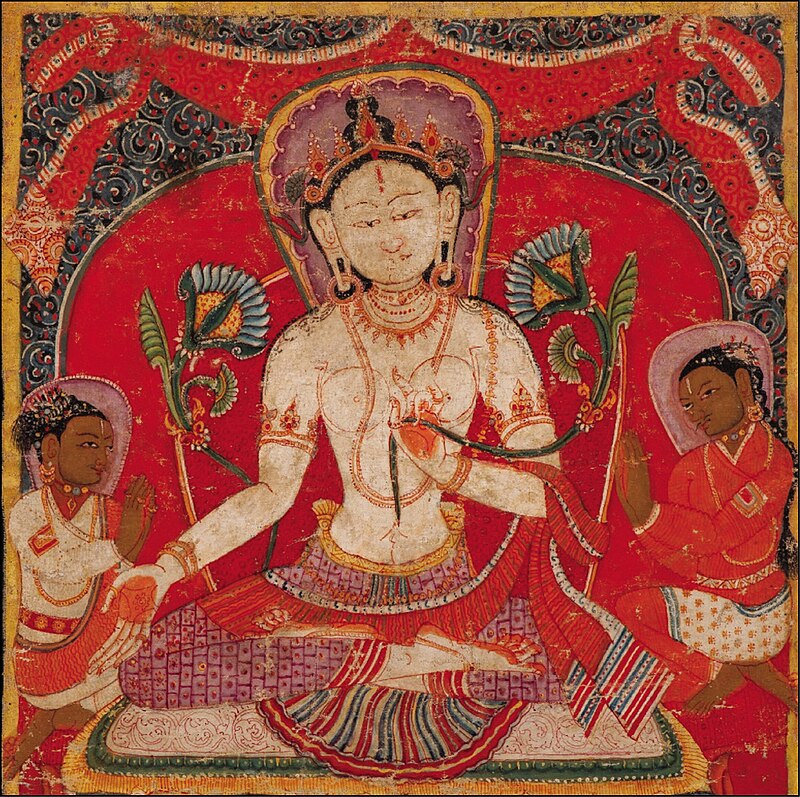
Aditya Malla, King of the Khasa Kingdom, initiated a military campaign against the Kathmandu Valley. The Khasa Kingdom, located in the far-western region of what is modern-day Nepal, had established itself as a powerful entity with expansionist ambitions. The Kathmandu Valley, comprising the city-states of Kathmandu, Bhaktapur, and Patan, was a hub of culture, trade, and political significance.
This invasion was driven by Aditya Malla's desire to expand his influence over the prosperous and strategically located Kathmandu Valley. At the time, the valley was under the rule of the Malla dynasty, making it a target for regional powers looking to cement their dominance. The geography of the valley, surrounded by mountains and rich in fertile plains, made it a valuable prize for any invading force.
Aditya Malla's forces comprised seasoned warriors skilled in traditional warfare tactics employed by the Himalayan kingdoms. As they advanced into the valley, they encountered resistance from the local rulers and their armies. Despite the resistance, the Khasa forces managed to breach several fortifications and engage in significant battles.
The invasion had immediate and long-term impacts. The local population of the Kathmandu Valley experienced considerable upheaval. The conflict disrupted trade routes and agricultural activities, leading to economic strain. While Aditya Malla's campaign did not result in long-term control over the valley, it underscored the vulnerability of the region to external threats.
The incursion also highlighted the strategic importance of the Kathmandu Valley in the regional power dynamics of the time. It prompted the local Malla rulers to fortify their defenses and seek alliances to safeguard their territories against future invasions. This period of conflict and subsequent rebuilding played a role in shaping the valley's political landscape.
Overall, Aditya Malla's invasion marked a notable moment in the history of Nepal, reflecting the interplay of power, ambition, and resilience in the Himalayan region.
#AdityaMalla #KhasaKingdom #KathmanduValley #NepalHistory #MilitaryCampaign #MoofLife
View details1323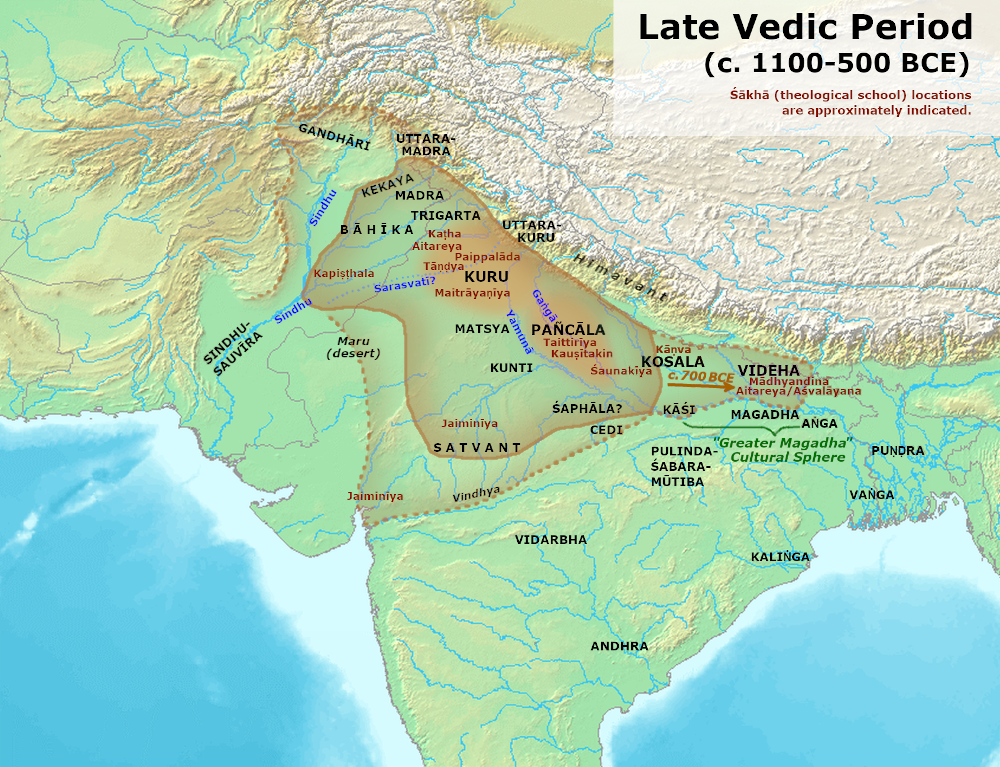
The annexation of the Karnat Kingdom of Mithila by the King of Delhi marked a transformative chapter in the history of the region now known as Nepal. At the time, Mithila, a culturally rich and strategically located kingdom, found itself embroiled in the larger geopolitical currents of South Asia. The stability of the Karnat dynasty had been under strain due to both internal and external pressures, which included rising local discontent and the expansionist ambitions of neighboring powers.
The King of Delhi, whose empire was expanding, saw an opportunity in Mithila's vulnerabilities. Militarily adept and strategically astute, the Delhi Sultanate’s northward push brought its forces to the edges of Mithila. The military campaign that led to Mithila’s annexation was swift and decisive, a testament to the organizational and tactical prowess of the Sultanate's forces.
The impact of this annexation on the Karnat Kingdom was profound. The fall of Mithila not only redefined the political boundaries of the region but also reshaped its administrative and socio-economic structures. The integration into the Delhi Sultanate meant that Mithila was now subject to the Sultanate's laws, tax systems, and administrative policies. This change brought about shifts in local governance models, with Malik Hengal, appointed by the Sultanate, overseeing the region henceforth.
Economically, the annexation reoriented Mithila's trade routes and economic dependencies. The region, known for its arts and cultural heritage, faced new influences from Delhi, altering its cultural landscape. However, Mithila also benefited from the relatively advanced infrastructure and administrative acumen of the Delhi Sultanate, which contributed to an efficient system of revenue collection and public works.
Socially, the annexation had a dual impact. While some segments of the population resented the loss of local autonomy and the imposition of Delhi's rule, others adapted to the new regime, which promised stability and order. The blending of Mithila’s local traditions with those introduced by the Delhi Sultanate led to an era of syncretism, fostering a unique cultural synthesis.
This historical occurrence underlines the ever-changing dynamics of regional power and the ripple effects such changes have on culture, governance, and economic structures.
#Mithila #DelhiSultanate #HistoricalAnnexation #RegionalPowerShift #MoofLife
View details1308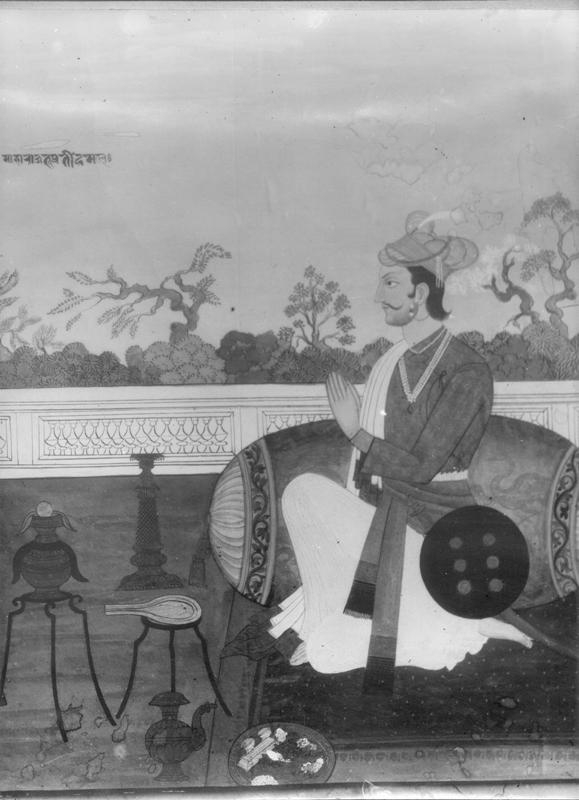
King Ananta Malla ruled over the Kathmandu Valley, a region in present-day Nepal, characterized by its rich cultural heritage and strategic importance. As the reigning monarch of the Malla dynasty, his leadership was marked by efforts to unify and govern the valley amid internal strife and external threats. Ananta Malla's tenure is noted for attempts to centralize power and stabilize the economic structures of his kingdom.
During his rule, the Malla kingdom experienced fluctuations in its political stability. These fluctuations were fueled by rivalries among nobles and external pressures from neighboring states. Despite these challenges, Ananta Malla sought to maintain his hold on power through diplomatic engagements and consolidation of administrative controls.
With the demise of King Ananta Malla, a significant power vacuum emerged. His death resulted in immediate instability as there was no clear successor to the throne. This period of uncertainty led to a power struggle among the Malla noble families and contributed to a temporary fragmentation of authority within the valley. The absence of a central figure to guide the kingdom exacerbated existing political tensions.
The impact of Ananta Malla's death on the Kathmandu Valley was marked by increased factionalism. Nobles and local leaders vied for influence and control, leading to a transient period of disunity. This fragmentation posed significant challenges to governance and exposed the kingdom to potential threats from neighboring regions looking to capitalize on the weakened state.
In the context of the broader historical timeline, the events following Ananta Malla's death underscore the fragile nature of monarchic successions in medieval Nepal. It highlights the reliance on strong leadership to maintain stability in a fragmented political landscape. The kingdom's resilience in overcoming this succession crisis set the stage for future monarchs who would strive to restore centralized power and rebuild the kingdom's cohesion.
#NepalHistory #MallaDynasty #PoliticalVacuum #MedievalNepal #LeadershipStruggles #MoofLife
View detailsKing Ratna Malla's decision to establish Kathmandu as the capital city laid the groundwork for its future prominence in Nepal. This strategic move followed his successful ascent to power, marking a turning point in the Malla dynasty's governance. Kathmandu, situated in the fertile Kathmandu Valley, offered a central location conducive to trade, agriculture, and political administration.
Prior to its establishment as the capital, the Kathmandu Valley was a collection of small, independent principalities. Ratna Malla's vision unified these fragmented regions, creating a centralized administrative hub. This centralization was crucial for consolidating power and streamlining governance. Furthermore, Kathmandu's location along trade routes connecting Tibet and India elevated its importance, attracting merchants, soldiers, and scholars.
The creation of Kathmandu as the capital city facilitated the construction of significant architectural and religious landmarks. Under Ratna Malla’s rule, the city saw the construction of palaces, temples, and public buildings, which became central to the socio-cultural life of the inhabitants. The Kathmandu Durbar Square, an example of the period’s architecture, later became a testament to the grandeur initiated by the Malla rulers. These infrastructures not only catered to administrative needs but also promoted cultural and religious activities, embedding Kathmandu deeply into Nepalese heritage.
Economically, Kathmandu thrived as a center of commerce and trade. The valley’s fertile land supported agriculture, while its position on major trade routes fostered economic prosperity. This economic prosperity was pivotal in sustaining the kingdom, ensuring a stable revenue flow, and enriching the cultural and social fabrics of the city. The influx of traders and artisans from neighboring regions contributed to a diverse and dynamic community.
In the years following Kathmandu's establishment as the capital, the city continued to grow and develop, influencing the region’s politics, culture, and economy. The impact of King Ratna Malla’s foundational work is still evident today, as Kathmandu remains the political and cultural heart of Nepal.
This momentous event underscores the strategic and farsighted decisions that shaped the history and development of Nepal, making Kathmandu not just a political center but also a cultural and historical repository.
#KathmanduFounding #MallaDynasty #NepalHistory #CulturalHeritage #TradeRoutes #MoofLife
View details1299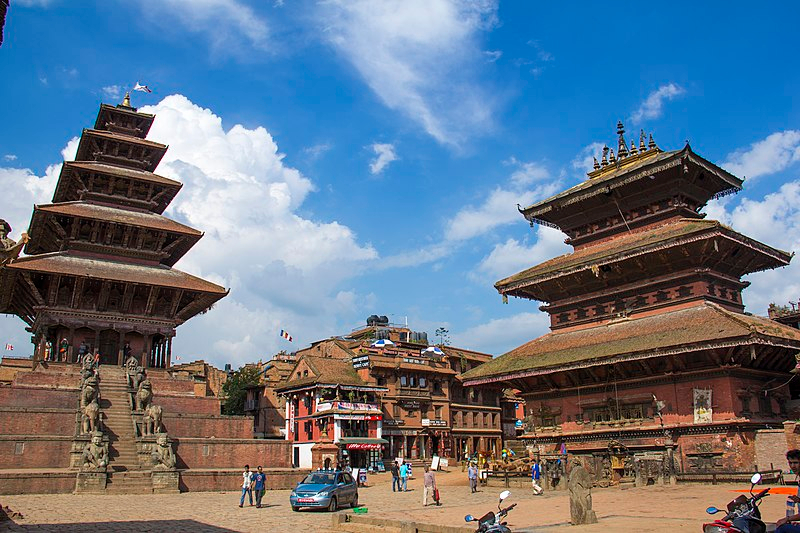
In historical records, a significant event involved Doya, a powerful figure from Mithila, conducting a military invasion of Nepal. The intruding force successfully penetrated the region, advancing as far as Bhadgaon, a strategic town also known as Bhaktapur. This endeavor led to significant military engagement and disruption in the socio-political stability of the region.
Bhadgaon, being an influential hub of economic and cultural activities within the Kathmandu Valley, bore the brunt of the incursion. The House of Tripura, a prominent ruling entity in the area, faced severe repercussions from the invasion. Doya imposed substantial fines on the House of Tripura, destabilizing their rule and economic base. This financial penalty not only weakened the local rulers but also served as a punitive measure to ensure compliance and deter future resistance.
The impact of this invasion was far-reaching, influencing subsequent political dynamics within the region. The centralization of power and influence by external forces demonstrated the vulnerabilities of Nepalese territories during this period. This event stands as a testament to the turbulent history and the constant flux of power within the South Asian subcontinent.
Local records indicate that this incursion disrupted the local populace, affecting trade and daily life. The imposition of fines strained the economic resources of the House of Tripura, further complicating governance and administrative functions. Military campaigns such as these were not uncommon in the medieval period, often reflecting broader regional power struggles.
The invasion by Doya underscores the historical geopolitical tensions between Mithila and regions within Nepal. It reflects the dynamic nature of territorial control and the constant contests for supremacy among regional powers. This event is a critical part of understanding the historical context of Nepal's political evolution and the external influences that shaped its historical trajectory.
#MoofLife #NepalHistory #MithilaInvasion #Bhadgaon #HouseOfTripura #MedievalWarfare #SouthAsianHistory
View details1291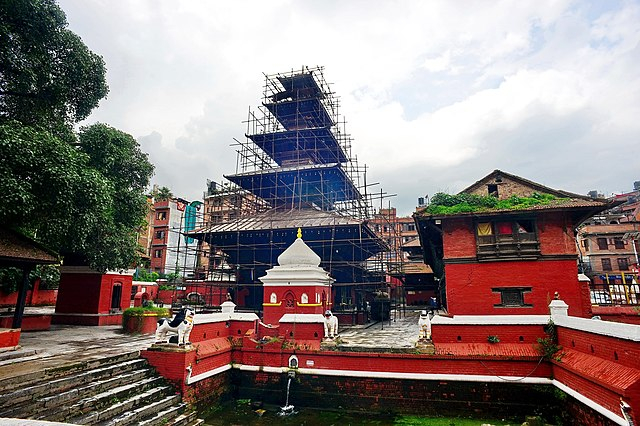
King Yaksha Malla of Kathmandu issued an order for the construction of Kumbeshwar Temple. The decision was rooted in his devotion to Hinduism and its deities, particularly Lord Shiva, to whom the temple would be dedicated. The site chosen for the temple held religious significance due to longstanding local traditions and beliefs, which the King sought to honor and preserve.
The construction of Kumbeshwar Temple had several implications. It underscored the growing importance of Kathmandu as a spiritual and cultural hub within the region. The temple, which was designed as a five-tiered pagoda structure, became an architectural marvel, highlighting the advanced engineering techniques and artistic skills present in the kingdom at that time.
The project employed numerous local artisans, craftsmen, and laborers, providing them with steady work and contributing to the local economy. As a result, it not only served a religious purpose but also acted as a catalyst for economic activity in the area.
Upon completion, the Kumbeshwar Temple became a focal point for religious ceremonies, festivals, and pilgrimages. It drew devotees from within and beyond the kingdom, bolstering Kathmandu's reputation as a major religious center. The increased influx of pilgrims and visitors led to the growth of ancillary services such as inns, marketplaces, and shops, further stimulating the local economy.
This initiative by King Yaksha Malla also showcased the role of leadership in fostering cultural and spiritual life in the kingdom. The temple stands as a testament to the era's dedication to religious piety and community welfare. It continues to be an essential part of Kathmandu's religious landscape, attracting visitors and worshippers to this day.
Hashtags: #NepalHistory #Religion #CulturalHeritage #MoofLife
View details