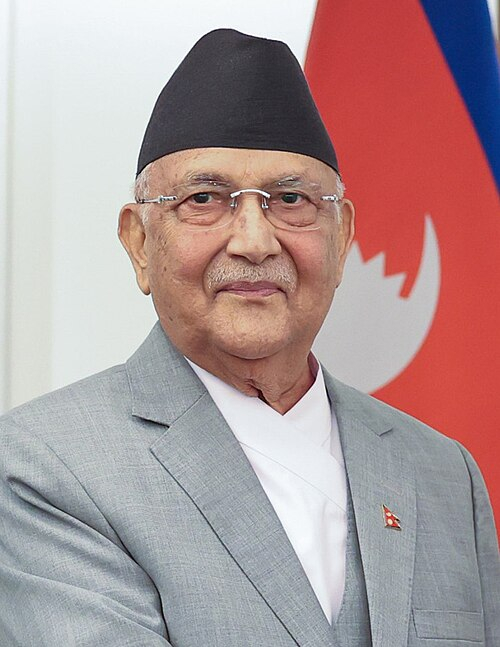
Prime Minister KP Sharma Oli resigns amid protests
Nepal
4 min read
Updated By: History Editorial Network (HEN)
Published:
Prime Minister KP Sharma Oli has resigned amid escalating protests and political unrest, marking a dramatic turn in Nepal’s ongoing political crisis. Oli’s resignation followed weeks of demonstrations across major cities, with citizens and civil society groups demanding accountability, transparency, and government reforms. Protesters cited issues including corruption, economic mismanagement, and perceived erosion of democratic norms as reasons for their mobilization. The resignation comes after growing pressure from opposition parties, civil society, and youth-led movements, reflecting widespread public dissatisfaction with the administration’s handling of governance and social issues. Oli’s departure paves the way for the appointment of a new prime minister tasked with restoring political stability and addressing the grievances that fueled the protests.
The resignation carries significant political and social implications for Nepal. Domestically, it highlights the power of mass mobilization, particularly by younger generations, in influencing political outcomes and holding leaders accountable. It also creates an opportunity for political restructuring and dialogue to form a government capable of responding to pressing economic, social, and governance challenges. International observers have noted that Oli’s resignation may ease tensions and provide a window for renewed engagement with development partners and regional stakeholders. However, the transition period could also be marked by uncertainty, with challenges in forming a stable coalition and implementing reforms. Overall, Oli’s resignation underscores the fragility of Nepal’s political environment and the critical role of public pressure in shaping governance, signaling a turning point in the country’s ongoing struggle for accountability and democratic stability.

Explore the Life Moments of
 AI Twin