
Nepal

The Land of Himalayas
Related Lives

Cape Verde
Jewel of the Atlantic

Argentina
Land of the Tango

Art movement
A Journey Through Visual History

Turkey
The Land of Singing Trees

Portugal
The Land of Explorers
Afghanistan
The Jewel of Central Asia

Austria
The Land of Music and Mountains

Andorra
Hidden Gem of the Pyrenees

1962
In a historical shift, Nepal promulgated a new constitution and declared itself a Hindu Kingdom. This pivotal event shaped the political and social landscape of the country. Prior to this, Nepal was under the Rana regime which maintained autocratic rule while the monarchy remained in the background. The new constitution marked the country's transition towards centralized royal authority with King Mahendra assuming ultimate power.
The new constitution established the Panchayat system, a party-less political structure designed to foster national unity and development under the direct supervision of the king. This system was conceived to eliminate political rivalry and promote a cohesive governance model. Under the Panchayat system, local, district, and national assemblies were expected to function under the directive of the monarchy, essentially consolidating power within the king's hands.
Declaring Nepal as a Hindu Kingdom underscored the cultural and religious identity of the nation. The majority Hindu population saw this as a reaffirmation of Nepal’s historical and religious heritage. However, this move alienated the minority communities, including Buddhists and Muslims, potentially fostering socio-religious divides.
Economically and socially, the new constitution aimed to pursue rapid modernization and development while preserving traditional values. Official statistics showed increased investment in infrastructure projects such as road networks and hydropower. Education and healthcare sectors also saw strategic initiatives aimed at improving literacy rates and healthcare services across the nation. However, the success of these initiatives under a centralized autocratic governance model remained a point of debate.
Overall, the promulgation of the new constitution and the declaration of Nepal as a Hindu Kingdom played a critical role in the country’s mid-20th-century trajectory. The political landscape was centralized around a monarchic governance model while socio-cultural dynamics were geared towards reinforcing Hindu primacy.
#MoofLife #NepalConstitution #HinduKingdom #PanchayatSystem #CulturalIdentity #PoliticalShift #NationBuilding #EconomicDevelopment
View detailsIn the early 1960s, Nepal introduced a new constitution that fundamentally transformed its political landscape. This change marked the shift to a non-party system of governance centered around councils known as Panchayat. The new constitution conferred all executive power upon the king, effectively ending multiparty democracy in the country. Under this system, the king wielded absolute control, with the Panchayat councils acting as intermediaries between the monarch and the people.
The introduction of the Panchayat system laid the groundwork for the first elections to the Rastrya Panchayat, the national legislative body. The election process was structured in such a way that candidates were elected not by the general populace but through indirect electoral methods. This system was designed to ensure that the king could maintain control over the legislative process, as candidates required royal endorsement to stand for election.
The implementation of the Panchayat system had profound implications for Nepal's political framework. It centralized authority in the hands of the monarchy, significantly reducing political pluralism and restricting citizen participation in governance. Critics argued that the system stymied political dissent and limited avenues for civic engagement, thereby hindering democratic development.
Despite these criticisms, proponents of the Panchayat system believed it provided stability and continuity in a period marked by political turbulence. They argued that the consolidation of power under the monarchy was necessary to prevent factionalism and maintain national unity.
This political restructuring in Nepal drew mixed reactions both domestically and internationally. Some segments of the population supported the move, viewing it as a return to traditional governance structures. In contrast, others called for the restoration of multiparty democracy and greater political freedoms.
Overall, the new constitution and the subsequent elections to the Rastrya Panchayat underscored a complex period in Nepal's history. The era was characterized by an intricate balance between tradition and modernity, authority and democracy.
#NepalPolitics #PanchayatSystem #MonarchyPower #RastryaPanchayat #MoofLife
View details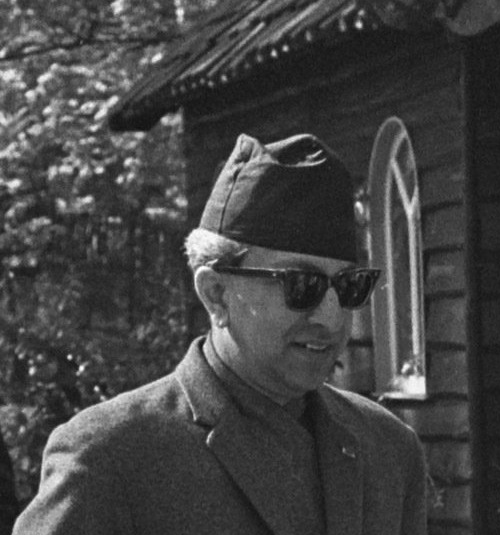
1960
King Mahendra of Nepal dismissed the cabinet of Prime Minister B.P. Koirala and introduced a new political system known as the Panchayat, characterized by the absence of political parties. This move followed increasing political instability and rising tensions between the monarchy and the democratically elected government. B.P. Koirala’s administration, which had been in place for only a short period, emphasized democratic ideals and aimed to create a pluralistic political environment. However, economic challenges and political dissent created a tumultuous atmosphere.
Nepal's first democratic elections had brought Koirala and his Nepali Congress party into power. Despite successes in some areas of governance, the government faced significant challenges, including economic difficulties and regional disparities. Reports of corruption and inefficiencies further diminished public confidence.
King Mahendra utilized these issues to justify his actions. He proclaimed that the parliamentary system had failed to deliver on promises and maintain stability in the country. As a monarch, Mahendra had substantial influence, which he leveraged to gain support from the military and other key institutions.
The introduction of the Panchayat system marked a return to an autocratic form of governance. The system consisted of several tiers of councils, with the King at the apex. This structure aimed to integrate grassroots participation while simultaneously curbing political pluralism and party politics. Critics argued that it was a method to consolidate royal authority and suppress dissent.
The immediate impact of this political shift was the imprisonment of democratic leaders, including Koirala, and suppression of political freedoms. Civil liberties were curtailed, and censorship of the press became widespread. Economically, the country continued to struggle with development issues, although the new system claimed to focus on rural development and decentralization.
In the international community, reactions were mixed. Some neighboring countries expressed support for the stability Mahendra claimed to bring, while others criticized the erosion of democratic processes. The Panchayat system remained in place for several decades until popular movements eventually led to its dismantling.
#NepalPoliticalHistory #RoyalCoup #PanchayatSystem #KingMahendra #BPKoirala #MoofLife
View details1959
Adoption of Multi-Party Constitution Leads to Victory for Nepali Congress in First General Elections
In a transformative period for Nepal, the nation's political landscape underwent a significant shift when a multi-party constitution was adopted. This crucial development set the stage for the first general elections, leading to a pivotal change in governance. Before this, Nepal had functioned under a series of autocratic monarchies and a constrained political framework that limited the scope for democratic expression.
The enactment of the multi-party constitution was a culmination of years of internal struggle and external influences advocating for democratic reforms. The constitution provided a legal framework for the establishment of political parties, ensuring a broader representation of the populace in the governance process.
In the ensuing general elections, the Nepali Congress emerged as the dominant party, marking a historic moment. Under the leadership of Bishweshwar Prasad Koirala, known as B.P. Koirala, the Nepali Congress secured a majority, thereby enabling him to become the first democratically elected prime minister of Nepal.
B.P. Koirala's ascension to the prime ministership symbolized a transition from autocratic rule to a more inclusive, democratic process. This shift had profound implications for Nepal’s political and social fabric. The change promised greater political freedoms, civil liberties, and an environment where multiple views could be represented and debated.
The electoral results highlighted the public's support for the Nepali Congress’s vision of progressive reform and modernization. Historically, this period marked the beginning of a series of efforts aimed at nation-building, economic development, and the institutionalization of democratic practices in Nepal.
Overall, the adoption of the multi-party constitution and the election of B.P. Koirala represented a foundational step in Nepalese democracy. It set a precedent for future political engagements and the evolution of a more participatory governmental structure.
#NepaleseTransition #DemocraticMilestones #PoliticalReform #BPkoirala #NepaliCongress #DemocracyInNepal #MoofLife
View details1956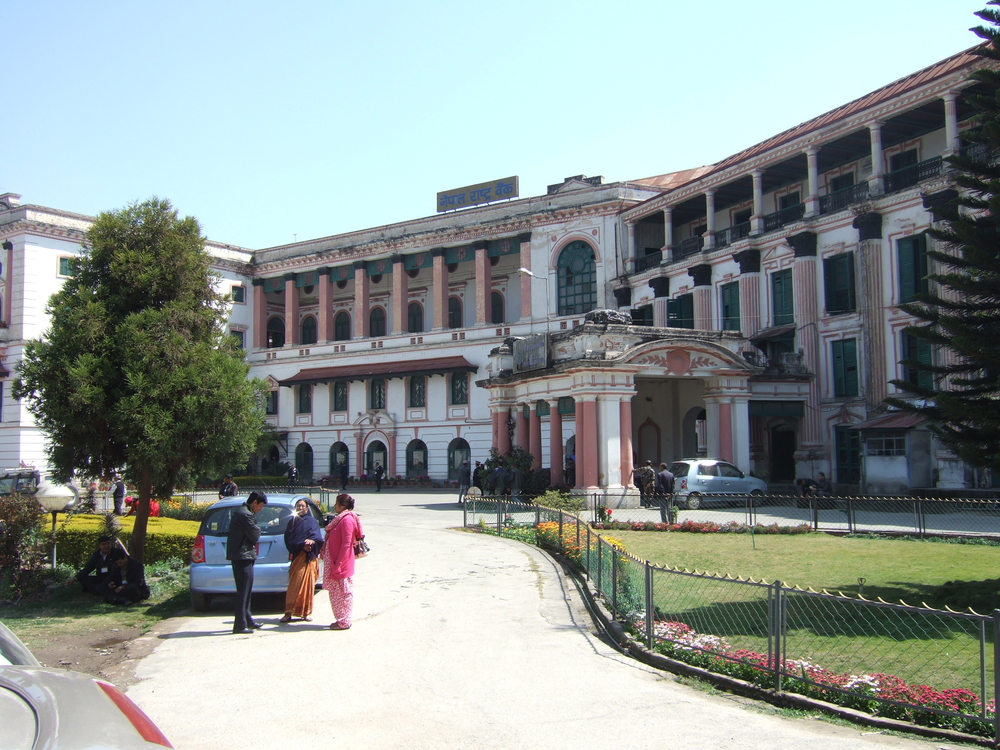
The establishment of the Nepal Rastra Bank was a critical development for Nepal's financial sector. Before this institution, Nepal's banking system lacked a centralized entity to regulate and oversee monetary policy, which left the country financially fragmented. Commercial banking activities were primarily conducted by small, unregulated private banks, and the national economy often faced instability due to the absence of a central monetary authority.
The Nepal Rastra Bank was created with the primary objective of regulating the issue of banknotes, managing foreign exchange, and maintaining the country's currency stability. It was also tasked with the duty of advising the government on economic policies and ensuring a balanced growth of the financial sector. The decision to establish the Nepal Rastra Bank was influenced by the need to modernize the financial system and integrate Nepal into the global economy.
Economically, the establishment of the Nepal Rastra Bank brought significant changes. It introduced more effective monetary policies, aimed at controlling inflation and promoting economic stability. The bank also began to play a vital role in the allocation of credit within the economy, ensuring that different sectors received adequate financial support.
Initial challenges included aligning the currency valuation policies with international standards and establishing a reliable banking network throughout the country. However, the establishment marked the beginning of a structured financial system that laid the groundwork for future economic development.
Statistical data from the initial phase indicated an increase in financial literacy and banking penetration in the rural areas. It also represented a milestone in increasing the efficiency of financial transactions and bolstering investor confidence, both domestically and internationally.
#NepalBank #CentralBank #EconomicDevelopment #FinancialStability #MoofLife
View details1955
In the mid-20th century, a crucial event unfolded for Nepal as it became a member of the United Nations. Prior to this period, Nepal had experienced centuries of monarchy and political isolation. Following the end of decades of British influence in India, the geopolitical landscape of South Asia underwent significant change. Post-World War II dynamics and decolonization efforts opened avenues for many nations, including Nepal, to step onto the global stage.
The entry of Nepal into the UN was preceded by considerable diplomatic activity. The government of Nepal recognized the importance of being part of the international community, aiming to secure national security, economic development, and international cooperation. During this phase, the UN membership could act as a pivotal force in Nepal's quest to modernize and engage with global issues more effectively.
The impact of Nepal joining the UN was multifaceted. Politically, it marked a transition toward greater participation in international diplomacy. Economically, it positioned Nepal to access various international aids, funds, and development projects facilitated by the UN and its specialized agencies. In terms of peace, it allowed Nepal to contribute to and benefit from the policies and frameworks designed to maintain global stability.
One of the significant impacts of this event was the initiation of numerous development projects and humanitarian efforts in Nepal. The UN's presence became instrumental in addressing health care, education, and infrastructural needs, gradually aiding in the improvement of living standards. In return, Nepal also participated in UN initiatives, including peacekeeping missions, which bolstered its global role.
Statistically, Nepal's involvement with the UN led to various quantitative improvements over the following decades, such as increased literacy rates, reduced child mortality, and expanded infrastructural development. These changes underscored how multilateral cooperation could drive progress in developing countries.
Nepal's act of joining the UN thus stands as an essential step towards its engagement with the global community, fostering a platform for collaborative growth and contribution to worldwide peace and development initiatives.
#MoofLife #NepalInUnitedNations #GlobalEngagement #Diplomacy #InternationalCooperation
View detailsIn a defining event for South Asia, Nepal established diplomatic relations with China. This development came after prolonged interactions and growing mutual interests. Nepal, landlocked and traditionally aligned more closely with its southern neighbor India, found it beneficial to diversify its diplomatic engagements. China, emerging from significant internal revolutions and asserting its stance on the global stage, sought to enhance its influence in South Asia.
The arrangement was formalized through exchanges of ambassadors and the opening of embassies in both nations' capitals. Nepal's decision was influenced by multiple factors, including geopolitical considerations and economic opportunities. Establishing these diplomatic relations meant opening avenues for infrastructural aid, trade agreements, and cultural exchanges, which were seen as vital for Nepal's development.
The establishment impacted the regional dynamics considerably. For Nepal, it offered an alternative to its dependency on India, while for China, it provided a strategic foothold in the Himalayan region. The Kathmandu-Lhasa road, which later became a significant trade route, is one of the tangible outcomes of this diplomatic relationship.
In terms of statistics, the bilateral trade between Nepal and China saw a gradual increase following the establishment of relations. By the early 21st century, China emerged as one of Nepal's top trading partners, significantly impacting Nepal’s economy. Cultural exchanges also flourished, with numerous Nepali students receiving scholarships to study in Chinese universities and an increase in Chinese tourists visiting Nepal.
Though Nepal's step was perceived as balancing its foreign policy, it came with challenges. Navigating the complexities of its relationship with India while fostering a new partnership with China required careful diplomacy. The decision played a crucial role in shaping Nepal's foreign policy framework and continues to influence its geopolitical strategies.
This diplomatic establishment remains a pivotal chapter in Nepal’s history, representing a strategic shift and forging a complex but beneficial relationship with a major global power.
#NepalChinaRelations #Geopolitics #EconomicDevelopment #CulturalExchange #MoofLife
View details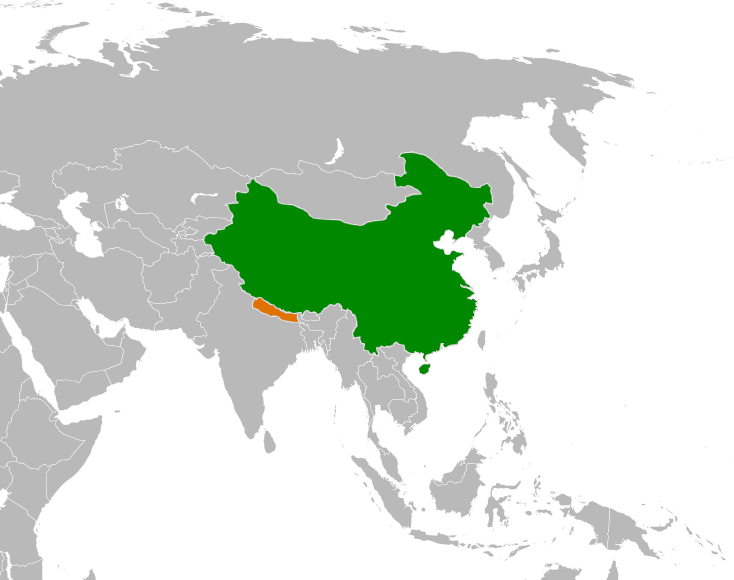
King Mahendra Bir Bikram Shah Dev ascended to the throne of Nepal following the death of his father, King Tribhuvan Bir Bikram Shah Dev. The transition occurred during a period of significant political turmoil and change within the country.
Nepal, at that time, was navigating the early stages of democratic experimentation following the end of the autocratic Rana regime. The Ranas had ruled Nepal for over a century, and King Tribhuvan played a pivotal role in dissolving their power, paving the way for a more democratic form of governance. Upon King Mahendra’s ascension, Nepal was still adjusting to these changes.
King Mahendra took on the role with a vision of continuing his father's legacy while also incorporating his own strategic insights. His reign saw the introduction of the Panchayat system, a party-less political system, which he believed was more suited to Nepal’s unique socio-political fabric. Despite its intended purpose, the Panchayat system resulted in consolidating monarchical power and had a mixed reception among the populace and political analysts.
Economically, King Mahendra’s era was marked by efforts to modernize the country. He initiated several development plans focusing on infrastructure, education, and healthcare. The King’s leadership saw some progress in these sectors, although the outcomes varied, often limited by Nepal's challenging geography and limited resources.
King Mahendra's rule significantly influenced Nepal’s foreign policy. He aimed to maintain Nepal's sovereignty and neutrality by balancing the influences of its powerful neighbors, India and China. His foreign policy initiatives included establishing diplomatic relations with several countries and joining international organizations to enhance Nepal's global standing.
#NepalThrone #PoliticalShift #PanchayatSystem #MahendraEra #NepalModernization #BalancingPowers #MoofLife
View details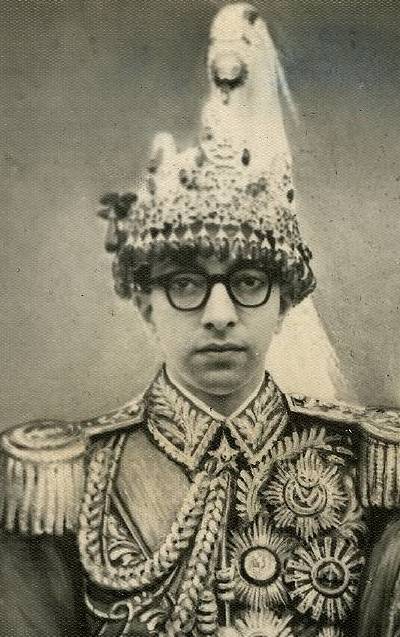
1954
Nepal and India formalized their cooperation through the Signing of a Trade and Transit Treaty. This treaty established a framework aimed at enhancing economic engagement between the two neighboring countries. Nepal, being a landlocked nation, faced challenges in accessing international markets due to its geographical constraints. The agreement facilitated the movement of goods and services between Nepal and India, providing Nepal with greater access to the ports and trade routes of India. This was crucial for Nepal's economic development and diversification of trade.
Before this treaty, Nepal's trade was largely restricted, with limited infrastructure and trade routes. The treaty allowed Nepal to use Indian roads, railways, and ports, significantly reducing transportation costs and opening new economic avenues. In the context of historical ties, this treaty also reinforced Nepal's dependency on India for access to global markets, given India's well-developed trade infrastructure.
This strategic agreement also had notable implications for India's geopolitical interests. It provided India with a greater influence in Nepal's economic affairs and a strengthening of bilateral ties. This was an important aspect amid the broader context of regional dynamics, where both countries sought to establish stable and mutually beneficial economic relations.
Data indicate that after the treaty, Nepal experienced an increase in its trade volume with India. For example, bilateral trade volume grew substantially in the subsequent years, demonstrating the treaty's positive impact on economic activities. This treaty also led to the establishment of additional trade routes and the improvement of customs procedures, which eased the flow of goods and services.
In conclusion, the signing of this treaty marked a milestone in the economic relationship between Nepal and India, laying the foundation for future cooperation and economic development for both nations.
#Nepal #India #TradeTreaty #TransitTreaty #EconomicDevelopment #Geopolitics #BilateralRelations #Trade #Transit #MoofLife
View details1953
Edmund Hillary from New Zealand and Tenzing Norgay, a Sherpa of Nepal, accomplished a historic feat by becoming the first climbers to successfully reach the summit of Mount Everest. This monumental achievement occurred after years of expeditions and numerous unsuccessful attempts by other climbers from various parts of the world. The duo was part of a larger British expedition led by Colonel John Hunt.
Mount Everest, the Earth’s highest peak, stands at 8,848 meters (29,029 feet). The climb to the summit posed severe challenges, including extreme weather conditions, treacherous terrain, and the perilous 'Death Zone' above 8,000 meters (26,247 feet) where oxygen levels are critically low. The achievement of Hillary and Norgay represented not just a personal victory but also a breakthrough for human endurance and mountaineering.
Hillary and Norgay's expedition meticulously planned their ascent, establishing camps progressively higher on the mountain. Their team included skilled climbers and Sherpas carrying essential supplies and setting up routes. A key moment in their final push came when they surmounted the Hillary Step, a nearly vertical rock face at an elevation of approximately 8,760 meters (28,740 feet). This obstacle had turned back many previous attempts.
The successful summit of Everest had wide-reaching impacts. It underscored the importance of teamwork and the invaluable contributions of Sherpas in mountaineering, an aspect often overshadowed in earlier expeditions. It also spurred interest in high-altitude climbing and adventure sports globally, encouraging many to pursue similar challenges.
In terms of recognition, both Hillary and Norgay received accolades from their respective countries and international communities. Hillary was knighted, and Norgay was honored with several awards. Their accomplishment has since inspired countless climbers to attempt to reach Everest's summit, transforming the mountain into a revered symbol of human perseverance.
The legacy of their ascent continues to be relevant in discussions around exploration, mountaineering, and cultural exchange between mountaineers and indigenous Sherpa communities. It serves as a reminder of the heights that can be achieved through collaboration, determination, and respect for nature.
#EdmundHillary #TenzingNorgay #MountEverest #Mountaineering #HumanEndurance #Nepal #Teamwork #Himalayas #Exploration #HighAltitude #Sherpa #Adventure #MoofLife
View details1951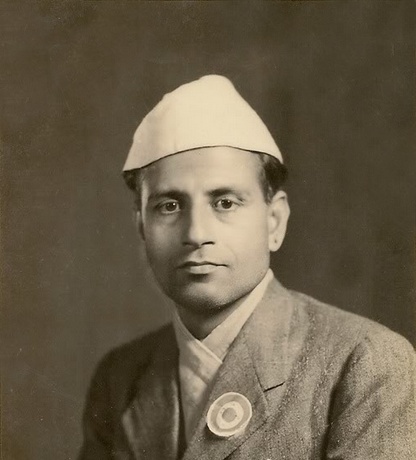
Matrika Prasad Koirala, a figure rooted in Nepalese politics, marked a pivotal point in the history of Nepal by becoming the first commoner elected as the Prime Minister. Emerging from the ranks of a citizenry historically overshadowed by royalty and aristocracy, Koirala's election signaled a shift towards a more inclusive political landscape.
Before ascending to this role, Koirala was deeply involved in the quest for democracy in Nepal. His political career was defined by his commitment to the rights and representation of the common people, contrasted with the autocratic rule of the Rana dynasty that had dominated Nepalese politics. The Rana regime, characterized by hereditary rule and limited public participation, faced increasing opposition from figures like Koirala, who advocated for democratic reforms.
Koirala's election followed the abdication of King Tribhuvan, who played a crucial role in overthrowing the Rana regime. The king's return to the throne, supported by the democratic movement, led to the establishment of a more representative government framework. Koirala's rise to prime ministership came at a time when the newly reinstated monarch and the political factions were seeking to shape a new governance model that involved more public participation.
The transition period was fraught with challenges. Koirala's government had to address issues such as political instability, economic restructuring, and integrating diverse political factions into a coherent administrative framework. Despite these challenges, Koirala's leadership was a step towards building a democratic Nepal, setting precedence for future leaders.
Statistically, the population of Nepal during this time was approximately 8.7 million. The economy was predominantly agrarian, with over 90% of the population engaged in agriculture. Educational development was still in its nascent stages, with literacy rates hovering around 5%. These statistics underscored the enormity of the task ahead for Koirala and his administration.
Subsequently, this leadership laid the foundation for Nepal's gradual transition into a democratic state. Koirala's tenure highlighted the potential for common citizens to participate actively in governance, challenging the long-standing political hegemony of the ruling elite.
The impact of Koirala's prime ministership resonates through Nepal's ongoing struggle for democratic governance, illustrating the critical role of inclusive leadership in political transformation.
#PoliticalShift #DemocracyInNepal #MatrikaPrasadKoirala #NepalesePolitics #MoofLife
View detailsIn the mid-20th century, Nepal was on the brink of transformative political change. King Tribhuvan, central to this shift, returned from exile in India, putting an end to the autocratic Rana dynasty. The Rana regime had ruled Nepal for over a century, with Prime Minister Jung Bahadur Rana establishing hereditary rule, centralizing power away from the monarchy. This period was characterized by political repression and economic stagnation, with the Ranas maintaining strict control over the government and military.
Tribhuvan's exile and subsequent return were precipitated by growing discontent among the Nepalese population, who were increasingly influenced by global movements towards democracy and self-determination. The Nepali Congress, a political party advocating for democratic reforms, played a significant role in mobilizing public opinion and seeking international support. Tribhuvan's escape to India symbolized a critical alliance with the anti-Rana forces, garnering further support from the Indian government, newly independent and keen to see democratic governance in its neighboring states.
Upon Tribhuvan's return, a tripartite agreement was brokered among the monarchy, the Ranas, and the Nepali Congress. This pact led to a power-sharing arrangement and the establishment of an interim government, marking an end to the century-old autocratic Rana rule. The significance of this transition rippled across Nepal. It set the stage for the promulgation of the interim constitution, which laid the groundwork for democratic governance and eventually led to the establishment of a constitutional monarchy.
The impact of Tribhuvan's return and the end of Rana autocracy was profound. It redefined Nepal's political landscape, fostering a move towards democracy and inclusivity. Economic policies and social reforms began to be implemented, aimed at addressing the deep-seated issues that had been neglected under Rana rule. While challenges remained, particularly in terms of political stability and economic development, this moment marked a pivotal shift towards modernization and political representation.
#NepalTransformation #KingTribhuvan #EndOfRanaRule #PoliticalChange #HistoricalShift #MoofLife
View details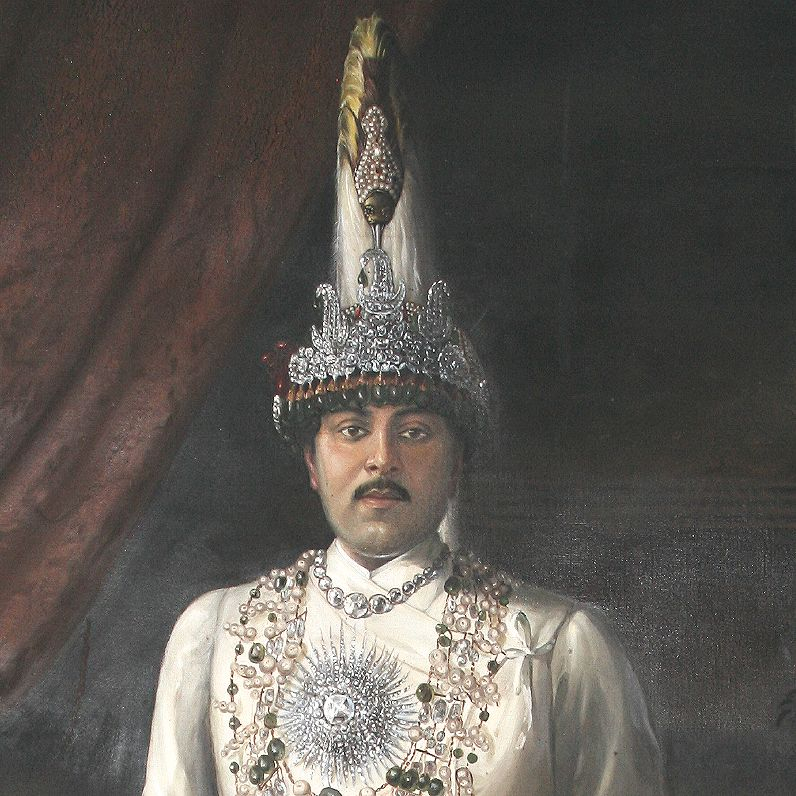
1948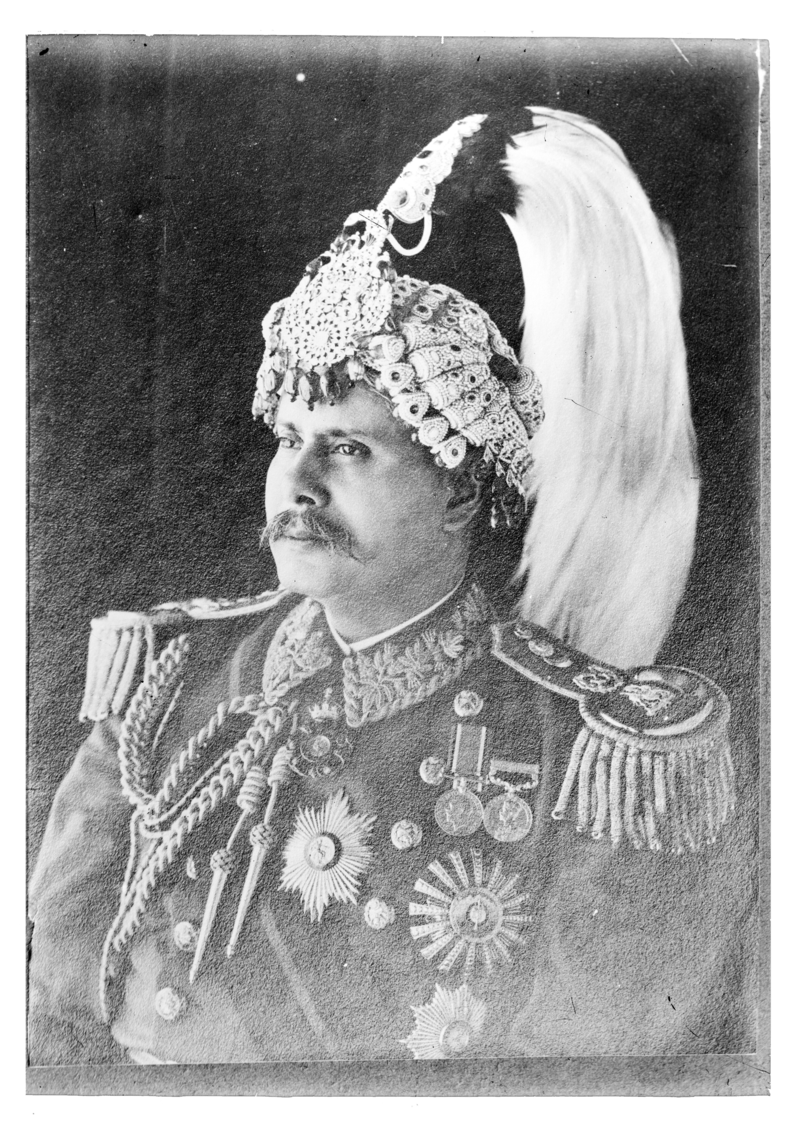
In the mid-20th century, Nepal experienced a pivotal shift in its political landscape. Padma Shamsher Rana, the Prime Minister of Nepal, made a landmark proclamation by introducing the nation's first constitution. This move was a significant advancement towards modern governance in Nepal, a country with a long history of monarchical rule.
The constitution aimed to establish a structured legal framework and was seen as a step towards democratic reforms. However, the announcement was followed by Padma Shamsher Rana's sudden resignation. The reasons behind his resignation have been the subject of much speculation, with theories ranging from internal political pressure to health concerns.
Following his resignation, Mohan Shamsher Rana assumed the position of Prime Minister. Unlike his predecessor, Mohan Shamsher took a hardline approach to governance. He was well-known for his efforts to suppress opposition, which included the arrest and harassment of political dissidents. His tenure was marked by increased censorship and limited political freedoms, aiming to maintain the status quo and consolidate power within the ruling elite.
The introduction of the constitution, although short-lived in terms of its initial impact due to subsequent repression, planted the seeds of political awareness and the quest for democracy in Nepal. Citizens and political activists began to push more strongly against autocratic rule, setting the stage for future movements and uprisings.
The chain of events during this period highlighted the complexities of transitioning from a traditional monarchy towards a more open and democratic system. While immediate outcomes may have seemed regressive, the long-term implications contributed significantly to Nepal's political evolution.
#NepalPolitics #Constitution #PoliticalHistory #LeadershipChange #MoofLife
View details1946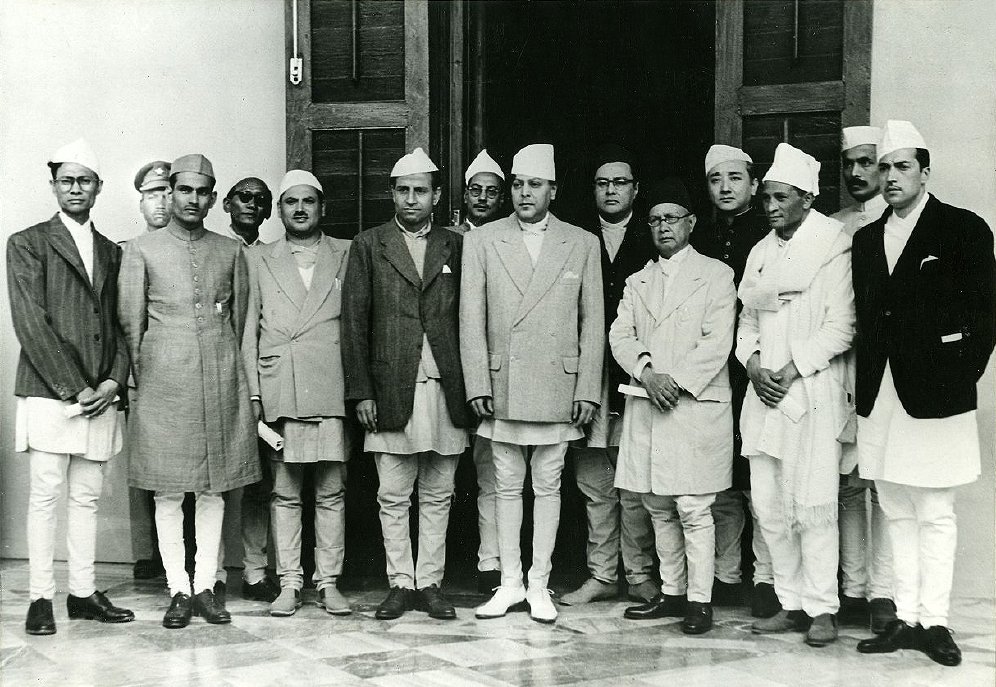
The Nepali National Congress was established on 25/01/1947 in Calcutta, British India, during a period when Nepal was governed by the Rana dynasty’s hereditary prime minister system. The organization was formed to coordinate political resistance against Rana rule and advocate for democratic governance in Nepal. Many Nepali political activists had been operating from India due to restrictions on political activity inside Nepal at the time. The founding of the party brought together intellectuals, activists, and exiled political leaders seeking constitutional reform and civil liberties.
Among the prominent leaders associated with the founding were Bishweshwar Prasad Koirala, commonly known as B.P. Koirala, Dilli Raman Regmi, Matrika Prasad Koirala, and Ganesh Man Singh. B.P. Koirala became one of the most recognized figures of Nepal’s democratic movement and later served as the country’s first democratically elected prime minister in 1959. Other future national leaders, including Krishna Prasad Bhattarai and Mahendra Narayan Nidhi, also became closely connected with the organization’s activities and broader democratic campaign.
The party’s principal objective was the removal of the Rana autocracy, which had dominated Nepalese governance since 1846. The Rana system centralized political power within a hereditary ruling family while limiting the authority of the monarchy and restricting political freedoms. Through organizing political activism, public outreach, and resistance campaigns, the Nepali National Congress became one of the central forces challenging Rana rule during the late 1940s.
A major development occurred on 09/04/1950 when the Nepali National Congress merged with the Nepal Democratic Congress, an organization led by Subarna Shamsher Rana. The merger created the Nepali Congress Party, which later became one of Nepal’s leading democratic political parties. The unified organization played a direct role in the anti Rana movement that contributed to the political changes of 1951, when the Rana regime lost its exclusive hold on power and Nepal began transitioning toward constitutional governance.
Historical Significance:
The formation of the Nepali National Congress marked the beginning of an organized nationwide democratic political movement led by Nepali activists rather than isolated regional opposition. Its later merger into the Nepali Congress established a political institution that continued to shape Nepal’s parliamentary politics, democratic reforms, and constitutional debates throughout the second half of the twentieth century.
Insights and Summary:
In the mid-20th century, a pivotal political development unfolded in Nepal with the formation of the Nepali National Congress, spearheaded by key figures such as BP Koirala, Matrika Prasad Koirala, and Ganesh Man Singh. This moment marked a critical juncture in Nepal’s political history as it laid the foundation for organized resistance against the autocratic Rana regime, which had held power in Nepal for over a century.
Before this development, Nepal was under the tight grip of the Rana oligarchy, which exercised absolute control over the administration, relegating the monarchy to a ceremonial role. The political environment was heavily repressive, stifling any form of dissent or political organization. However, inspired by the wave of democratic movements sweeping across the Indian subcontinent, a cohort of Nepali political activists found the courage to mobilize and challenge the status quo.
The primary objectives of the Nepali National Congress were to end autocratic rule and establish a democratic political system. The formation of the party galvanized the nascent democratic movement within Nepal, mobilizing citizens across various strata of society. It also marked a significant shift, as for the first time, there was a structured political entity advocating for systemic change.
BP Koirala, with his eloquence and political acumen, emerged as a formidable leader. Matrika Prasad Koirala's strategic insights and Ganesh Man Singh's organizational skills bolstered the party's efforts. Together, they infused new energy into the movement for democracy in Nepal.
The emergence of the Nepali National Congress had far-reaching impacts. It paved the way for the eventual fall of the Rana regime, significantly altering the political landscape of Nepal. The event is crucial not only for its immediate political ramifications but also for setting the stage for subsequent political developments, including the establishment of a parliamentary democracy.
View details1939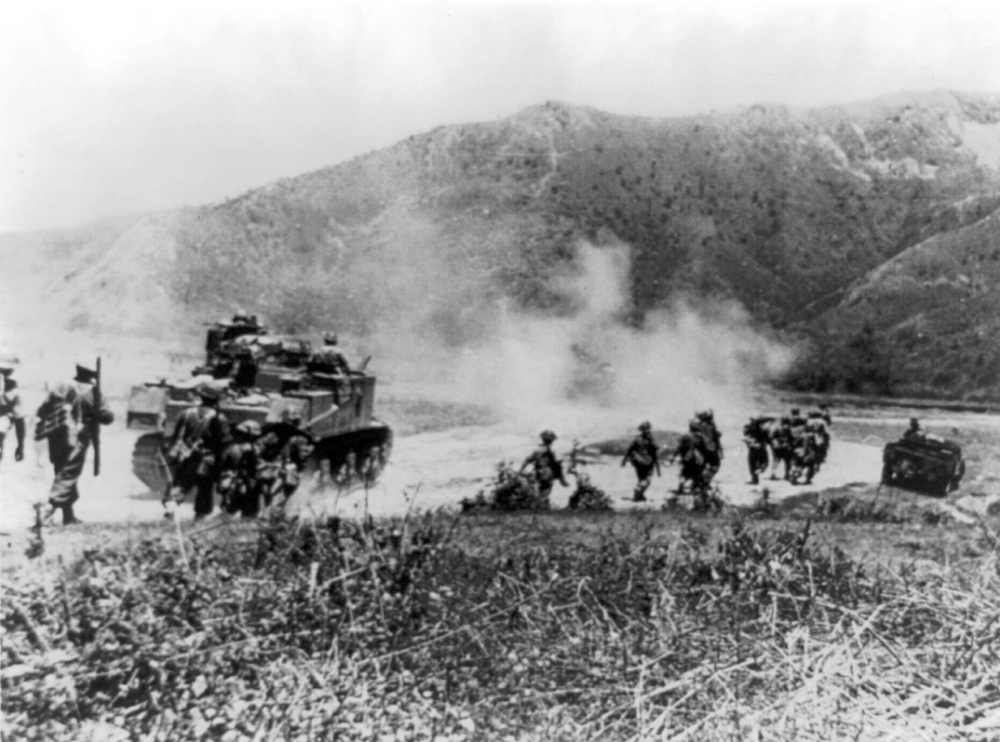
Just as the tensions of a global conflict reached a tipping point, tens of thousands of Nepalese citizens enlisted to fight as soldiers for the British Army. This event marked a significant deployment of manpower from the Himalayan nation for a foreign cause, which would have profound implications for both Nepal and the British Empire.
The British Army had a long tradition of recruiting Nepali soldiers, famously known as Gurkhas, whose bravery and loyalty had been esteemed since the early 19th century. The Gurkhas' involvement in this major conflict was a continuation of this legacy. Around 112,000 Nepalese soldiers served in various capacities, contributing significantly to the British war effort. They participated in numerous theaters of the conflict, from the steamy jungles of Southeast Asia to the deserts of North Africa, where their skills in guerrilla warfare and survival proved invaluable.
The impact on Nepal was multifaceted. Economically, the salaries and pensions earned by these soldiers provided a considerable inflow of wealth into a country that was largely agrarian and underdeveloped. Socially, the experience broadened the worldview of many Nepalese men who had previously lived in isolated mountain communities. Upon returning, they brought back new ideas and perspectives that gradually influenced the local culture and society.
For the British, the contribution of the Gurkhas was not just in numbers but in the quality and dedication they brought to the battlefield. Their participation played a crucial role in several key victories, and their reputation as fierce and fearless fighters was further solidified.
Recorded casualties among the Nepalese soldiers numbered around 23,655, highlighting the harsh realities of their involvement. Memorials and monuments in both Nepal and the former British colonies stand as testimonies to their sacrifice and valor.
This moment underscores the complex web of colonial relationships and the unexpected dynamics of global conflicts, highlighting the significant roles played by smaller nations in larger historical narratives.
#Nepal #Gurkhas #BritishArmy #WorldWarII #ColonialHistory #MoofLife
View details1936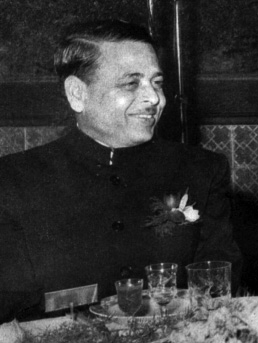
In the early 20th century, Nepal was under the autocratic rule of the Rana dynasty, which limited political freedom and restricted modern education. Amidst growing discontent with the Rana regime, a group of educated youths and intellectuals sought to galvanize public support for democratic reforms. This push for change gave birth to Nepal's first political party, Praja Parishad.
Praja Parishad was founded with the objective of establishing democracy and securing fundamental rights for all citizens. Among its key members were Tanka Prasad Acharya, Dharma Bhakta Mathema, and Dashrath Chand, who played pivotal roles in mobilizing people and disseminating ideas of political freedom. The party aimed to create a multiparty system, contrasting sharply with the existing autocratic setup.
The establishment of Praja Parishad marked a turning point in Nepal's political history. It signaled the beginning of organized opposition against the Rana rule and laid the groundwork for future democratic movements. Although the party faced severe crackdown from the government, including the imprisonment and execution of some of its leaders, it succeeded in planting the seeds of democratic thought among the populace.
The challenges faced by the party were numerous. The Ranas, wary of losing their grip on power, responded with stringent measures. Key leaders were often arrested, and the dissemination of party literature was suppressed. Despite these obstacles, Praja Parishad managed to raise political awareness, inspiring future generations to continue the struggle for democracy.
This period also saw an increase in political activities, discussions, and movements that gradually shaped the political landscape of Nepal. Though Praja Parishad was eventually dismantled, its legacy lived on, influencing subsequent political developments and contributing to the eventual end of Rana rule.
The founding of Praja Parishad represents not just the formation of a political party but the birth of a democratic aspiration in Nepal. It was a stepping stone towards a future where political discourse and democratic values would become central to the nation's identity.
#MoofLife #PrajaParishad #NepalPolitics #DemocracyNepal #RanaRegime #PoliticalHistory
View details1935
In the early 20th century, Nepal was under the autocratic rule of the Rana dynasty, which had begun to face internal and external pressures for change. The desire for political reform and the establishment of democracy was growing among the educated elite. Tanka Prasad Acharya, a prominent figure in Nepalese society, emerged as a key leader advocating for these reforms.
Drawing inspiration from worldwide movements for independence and democracy, Acharya and a group of like-minded individuals founded Nepal Praja Parishad. This organization aimed to challenge the Rana regime's authority and advocate for the rights and representation of the common people. It marked the inception of organized political resistance in Nepal, setting the stage for future political movements and the eventual establishment of a democratic system.
The formation of Nepal Praja Parishad was a critical turning point in Nepalese history. It signified the beginning of the end of the feudal autocracy, laying down the framework for broader political participation. The group pursued various strategies, including the dissemination of pamphlets and the organization of secret meetings, to galvanize public support against the Rana rulers.
The authorities quickly recognized the threat posed by the Nepal Praja Parishad. The regime responded with harsh crackdowns on its members, leading to arrests, imprisonments, and, in some cases, executions. Despite these repressive measures, the foundations laid by the Nepal Praja Parishad inspired future generations of political activists and played a pivotal role in the eventual establishment of a constitutional monarchy and a multi-party system in Nepal.
Statistics highlight that the initial period was marked by significant risks, with many founding members, including Acharya, facing severe persecution. However, the enduring spirit of the Praja Parishad members catalyzed the broader political awakening across the nation.
The legacy of Nepal Praja Parishad underscores the struggle and resilience necessary for achieving political freedom and reform. This moment remains a key chapter in Nepal's journey towards democracy and continues to be celebrated and studied as a testament to the power of organized political activism.
#PoliticalHistory #NepalPrajaParishad #DemocracyInNepal #TankaPrasadAcharya #MoofLife
View details1923
The 'Treaty with Britain affirms Nepal's sovereignty' marked a pivotal point in Nepal's history. Prior to this event, Nepal navigated a complex relationship with British India, characterized by a series of earlier conflicts and alliances. These interactions were predominantly shaped by the Anglo-Nepalese War and the subsequent Treaty of Sugauli, which resulted in the cession of various territories to the British East India Company and a somewhat tenuous autonomy for Nepal.
After complicated negotiations and shifting political dynamics, the treaty acknowledged Nepal as an independent and sovereign nation. The significance of this treaty rested on two main aspects: the definition of Nepal's borders and the recognition of its autonomy by a major colonial power. This formal recognition laid the groundwork for Nepal to engage in international diplomacy and trade without external interference.
The provisions addressed mutual respect for each nation's territorial integrity, non-interference in internal affairs, and diplomatic equality. Notably, the treaty strengthened Nepal's international standing and offered a strategic advantage in maintaining its cultural heritage and governance structure, free from colonial dominance.
Data collected post-treaty indicated increased stability within Nepal, evidenced by fewer border skirmishes and a more consolidated national identity. These early steps towards self-determination were crucial for Nepal's future political and economic development. The long-term effects included strengthened diplomatic relations with other countries and a platform for asserting its sovereignty in subsequent international affairs.
While the treaty did not immediately resolve all potential conflicts or royal succession issues within Nepal, it was a critical step in the broader context of South Asian geopolitics. The agreement established a precedent for future negotiations and treaties with other nations, further solidifying Nepal's stance as a recognized sovereign entity.
#NepalSovereignty #InternationalRelations #HistoricalTreaty #ColonialHistory #MoofLife
View details1914
The agreement solidifying the recruitment of Nepalese citizens as soldiers for the British Army during World War I holds substantial historical significance. Rooted in strategic military alliances and colonial interests, this alliance saw thousands of men joining Britain’s forces. Throughout the war, around 200,000 Nepalese individuals, primarily known as Gurkhas, were recruited into various regiments. These soldiers were distinguished by their resilience and combat skills, a reputation that preceded the war due to their involvement in the Anglo-Nepalese War and other British military campaigns.
The bulk of these forces were involved in several key battles across diverse theaters of the war, including the Western Front, Gallipoli, and Mesopotamia. Their contribution was noted for their bravery and tenacity, often undertaking perilous tasks such as trench warfare and mountain fighting, roles that were both physically demanding and dangerous.
The impact of their involvement extended beyond the battlefield. Economically, many Nepalese families relied significantly on the wages earned by these soldiers, which provided a modest but essential boost to local economies. However, the recruitment of a large number of men also had social effects back home, as labor forces were diminished and the absence of many men affected rural communities.
Statistically, Nepalese casualties and injuries were considerable. Records indicate that approximately 20,000 Nepalese soldiers were either killed or gravely wounded by the end of their service. The substantial loss of life underscores the profound sacrifice these soldiers made. Despite these losses, Nepalese military personnel were awarded numerous medals for gallantry by the British Crown, highlighting their valor.
This engagement reinforced the strong ties between Nepal and Britain. The legacy of the Gurkhas would continue, having a lasting impact on Nepalese military traditions and their relationship with British armed forces for decades to come.
#MoofLife #Nepal #WorldWarI #BritishArmy #Gurkhas #MilitaryHistory #ColonialImpact #WarSacrifice #EconomicImpact
View details1902
The establishment of Durbar High School marked a pivotal moment in the educational history of Nepal. Prior to this, formal education systems were almost non-existent in the country, mainly restricted to religious and monastic teachings. The modern school, established under the Rana regime, was a significant step toward formalizing education in Nepal.
The school was founded in the heart of Kathmandu, signaling a commitment to providing structured education. It was modeled on British educational institutions, reflecting the influence of Western education. Initially, Durbar High School catered mostly to the children of the ruling elite. It aimed to create an educated class that could assist in administrative functions.
The introduction of subjects like mathematics, science, and English opened new avenues for learning. A structured curriculum and the introduction of examinations were major changes. Pioneering educators and administrators, many of whom had been educated abroad, played crucial roles in establishing the school's reputation.
Durbar High School's establishment had long-term impacts. By setting a precedent for formal education, it encouraged the establishment of other schools and educational institutions in Nepal. It contributed to the rise of a new generation of educated individuals who became instrumental in various sectors including governance, business, and academia.
Statistics from subsequent decades show a gradual but steady increase in the literacy rate, attributable in part to these foundational efforts. Previously, the literacy rate was negligible, but the school's influence began to change this dynamic over time.
The establishment of Durbar High School was a crucial turning point in shaping the educational landscape of Nepal. It laid the groundwork for future educational policies and reforms, setting the country on a path toward modernization.
Established in 1854 AD (originally in 1910 BS), Durbar High School is the first modern educational institution in Nepal. While originally reserved for the ruling elite, it was opened to the general public in 1902 by Dev Shumsher Jang Bahadur Rana.
Establishment and History:
• Founder: It was founded by Jung Bahadur Rana following his return from a visit to Europe, where he was inspired by the Western education system.
• Original Purpose: Initially, it was an English elementary school created exclusively for the children of the Rana family and other aristocratic elites.
• Public Access: Access was granted to children of high-ranking government officials in 1876, and it finally became a public institution in 1902.
• Affiliation: Because Nepal lacked a local university, the school was originally affiliated with Calcutta University (until 1917) and later Patna University for entrance examinations.
The school is situated in the heart of Kathmandu, specifically on the west side of Rani Pokhari. It began in a small room at Thapathali Durbar and shifted several times (Charburja Durbar, Seto Durbar, and Narayanhiti Durbar) before settling in its current permanent location in 1891. After being destroyed in the 2015 earthquake, the iconic building was reconstructed with Chinese aid and reopened in 2020. It currently (as of January 2026) houses two schools: Bhanu Secondary School and Sanskrit Secondary School.
Note: The exact date in 1902 when Durbar High School was opened to the public is not specified in available historical records. Sources only confirm the year of the event. The school was made accessible to the general public in 1902 AD (or some sources state 1900 AD) by the order of then Prime Minister Dev Shumsher Jang Bahadur Rana or Chandra Shumsher Jang Bahadur Rana, depending on the source.
#MoofLife #NepalEducation #HistoricalMilestone #FormalEducation
View details1901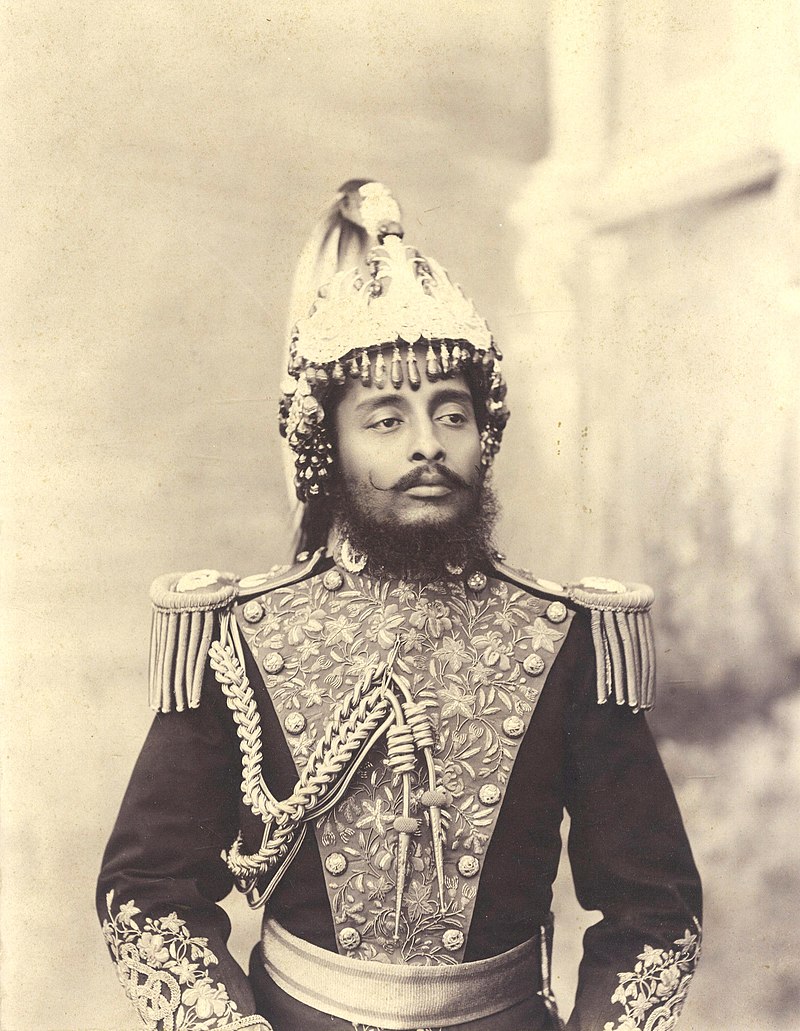
Chandra Shumsher Jang Bahadur Rana ascended to the position of prime minister in Nepal following the resignation of his elder brother, Dev Shumsher Rana. Chandra Shumsher was a member of the Rana dynasty, which had been exercising de facto political control over Nepal since 1846. His entrance into the office marked a crucial phase in the Rana rule, characterized by both internal reforms and external diplomacy.
Chandra Shumsher was known for his administrative capabilities and strategic acumen. Under his leadership, the Rana regime undertook various initiatives aiming toward modernization. One such endeavor was the establishment of Nepal's first school to provide formal education, which had previously been limited to the royal family and the elite. This institution was known as Durbar High School.
On the economic front, Chandra Shumsher initiated infrastructure development projects including the construction of the Chandra Canal, which aimed to boost agricultural productivity by providing consistent irrigation. Additionally, he commissioned the building of many important structures, including Singha Durbar, a grand palace complex which became the administrative hub of Nepal.
Chandra Shumsher's tenure also saw significant diplomatic engagements. He maintained amicable relationships with British India, a critical neighbor. His diplomatic acumen was bolstered by the Trilateral Treaty between Nepal, Tibet, and British India, which established Nepal as an intermediary in trade and political discussions in the region.
His efforts to modernize the country, however, were within the constraints of maintaining the Rana family's autocratic rule. The duality of his governance—with reforms coupled with an iron grip on political power—defined his period in office.
One measure of his impactful rule is reflected in demographic statistics. During his tenure, the population of Nepal began to see more structured health initiatives, although comprehensive healthcare would take years to develop fully.
Chandra Shumsher’s legacy is marked by a complex blend of progress within an autocratic system, setting the stage for gradual changes in the political and socio-economic landscape of Nepal.
#NepalHistory #PoliticalReforms #RanaDynasty #Diplomacy #InfrastructureDevelopment #MoofLife
View detailsBir Shumsher's tenure as Prime Minister of Nepal saw extensive reforms in administration and infrastructure. His administration emphasized modernization efforts, which included the expansion of road networks and the construction of water fountains and temples. His sudden demise marked a critical juncture in Nepalese politics, catalyzing a shift in leadership dynamics.
Upon Bir Shumsher's death, Dev Shumsher ascended to the position of Prime Minister. Dev Shumsher's policies were notably progressive. He introduced reforms aimed at enhancing social welfare and introduced primary education targeted towards the general populace. This period marked the beginning of Dev Shumsher's ambitious attempts to modernize Nepal, which included the establishment of the first girls' school and the initiation of the publication of the first newspaper in Nepal.
The transition signaled a shift from a traditional to a more progressive governance approach, impacting both the political structure and societal norms. Dev Shumsher's brief tenure was characterized by an emphasis on transparency, education, and the empowerment of common citizens. His attempts to curb corruption and implement social reforms, however, faced resistance from conservative factions within the ruling elite, leading to his eventual ousting.
The sequence of leadership change catalyzed debates on governance, the role of freedom of expression, and education in Nepalese society. Dev Shumsher's leadership, though short-lived, left an indelible mark on the trajectory of Nepal's modernization efforts.
#LeadershipTransition #NepalPolitics #SocialReforms #MoofLife
View details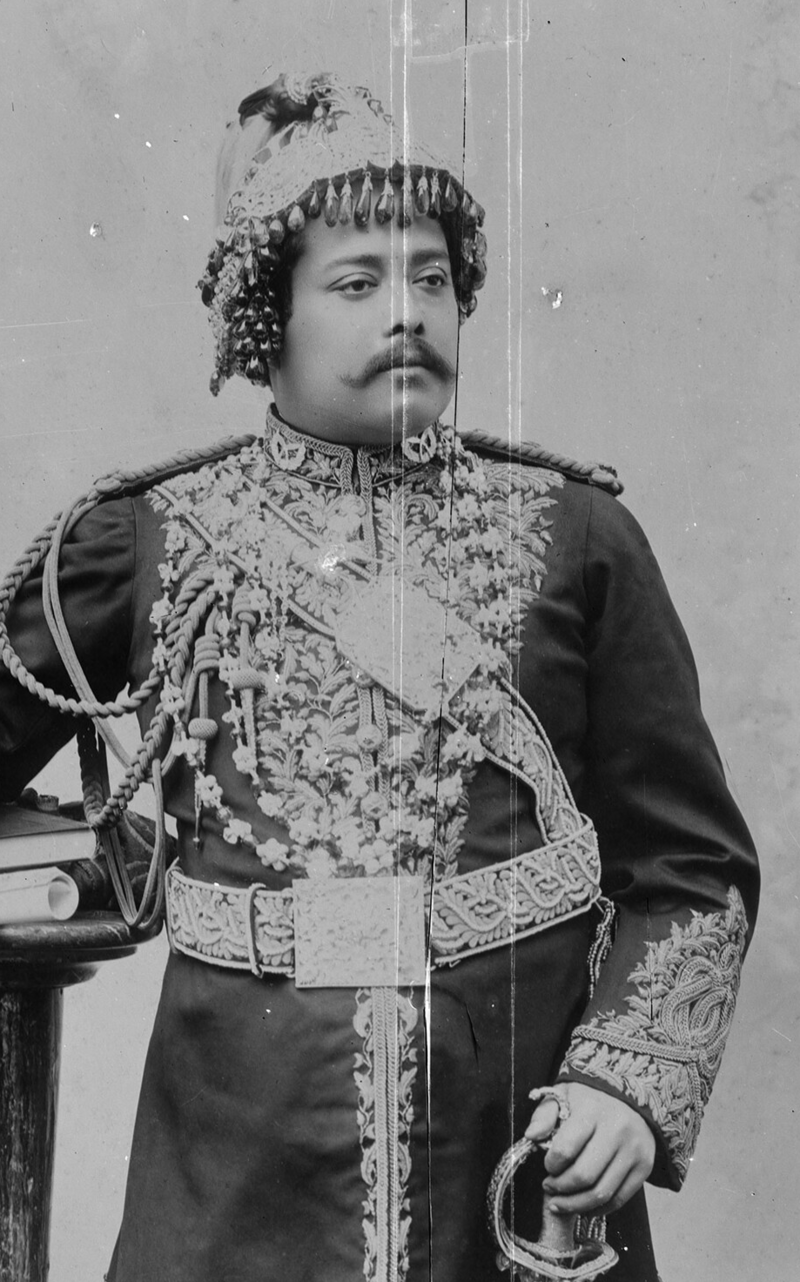
1889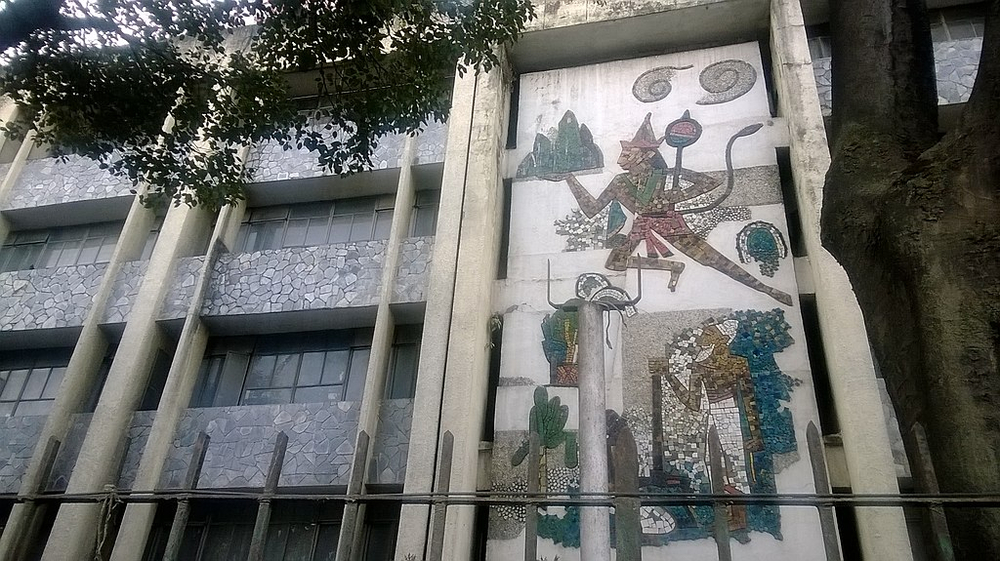
The establishment of Bir Hospital marked a critical turning point in the healthcare landscape of Nepal. Located in the heart of Kathmandu, the hospital emerged under the prime ministership of Bir Shumsher Jang Bahadur Rana, after observation of modern medical practices during travels abroad. Up until this moment, Nepal had no formal medical institutions, and healthcare was primarily administered through traditional means and home remedies.
Bir Shumsher’s initiative led to the construction of a hospital that would offer formal medical care, representing a significant advancement for public health in Nepal. The foundation of Bir Hospital symbolized a structured approach to healthcare access, ushering in an era where medical aid became more accessible to the general public. The institution was equipped with Western medical instruments and staffed initially by foreign doctors, primarily from Britain and India, who brought with them the latest medical knowledge and technology of that period.
This hospital did not just offer basic medical services but also played a pivotal role in educating and training local medical professionals. It set a precedent for subsequent healthcare developments and was integral in the later establishment of other medical institutions across the country. As medical practices evolved, so did Bir Hospital, continually adapting to new medical standards and expanding its services.
The impact of Bir Hospital extended beyond healthcare. It signified a move towards modernization within the Rana regime and contributed to the socio-economic development of Nepal. The hospital became a beacon for modern medicine in the region, setting a foundation for a more structured and organized healthcare system in Nepal.
Today, Bir Hospital stands as a testament to the forward-thinking initiatives during that era. It continues to serve thousands of patients and remains a cornerstone of Nepal's healthcare system, a legacy of its inception.
#BirHospital #NepalHealthcare #MedicalInfrastructure #HistoricalHealthInitiatives #MoofLife
View details1887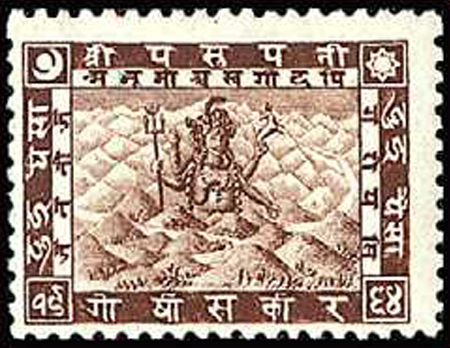
At a critical juncture in Nepal's history, the establishment of the Postal Service marked a significant advancement in the region’s communication infrastructure. Prior to this development, messages and information often traversed the challenging Himalayan terrain by foot or on the backs of pack animals, resulting in delays and unreliable delivery. This system limited the effectiveness of governance, trade, and personal communication, isolating various parts of the country.
The introduction of the Postal Service centralized mail distribution and standardized delivery processes, offering a more reliable means for people to send and receive messages. The infrastructure improvements included the creation of post offices in major towns and villages, manned by personnel who facilitated the sorting and distribution of mail. The backbone of the system included established routes and schedules, ensuring that communication became more predictable and efficient.
The establishment of the Postal Service had a transformative impact on Nepalese society. It not only fostered better communication within the country but also built an essential link to the outside world. Trade and commerce benefited significantly as businesses could now reliably communicate orders, invoices, and agreements. The newfound efficiency encouraged merchants and traders to expand their operations, ultimately contributing to economic growth. Additionally, the government leveraged this infrastructure to streamline administrative communication, enhancing governance efficiency.
Socially, the Postal Service connected people from distant regions, allowing families to maintain contact despite geographical barriers. Intellectual and cultural exchanges were facilitated as newspapers, books, and magazines could now circulate more widely, contributing to a more informed and cohesive society. This period marked the beginning of a more connected and progressive Nepal, laying the groundwork for future advancements in communication technology.
The overall effect of this establishment resonated throughout the nation, influencing various aspects of daily life and governance. By laying the groundwork for a more systematic communication network, Nepal positioned itself to better navigate the demands of modernization and external relations.
#PostalServiceNepal #CommunicationRevolution #EconomicImpact #SocialConnectivity #MoofLife
View details1860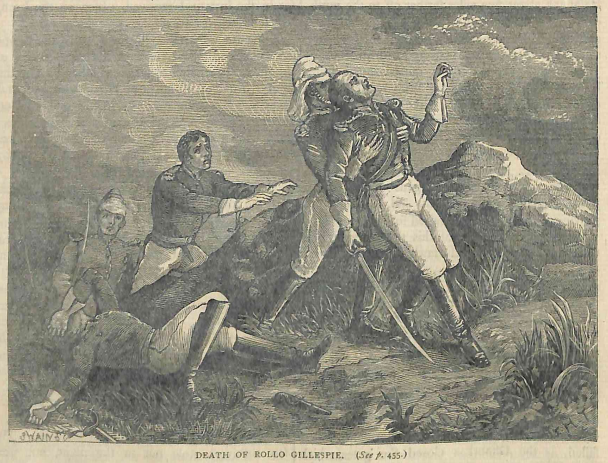
In the mid-19th century, the Anglo-Nepalese Treaty was signed, formalizing relations between Nepal and British India. This treaty came in the aftermath of a series of territorial disputes and military engagements between the British East India Company and the Kingdom of Nepal, particularly during the Anglo-Nepalese War that lasted from 1814 to 1816. The primary conflict in this period, known as the Anglo-Nepalese War, resulted in the Sugauli Treaty, which had initially concluded hostilities but left lingering tensions.
Over subsequent decades, Nepal maintained its sovereignty in a landscape dominated by British expansionism in the Indian subcontinent. During this period, Nepal strategically navigated its position between the growing influence of the British and the geopolitical realities of the region. The proactive diplomatic efforts by the Nepalese monarchy aimed to secure favorable terms that would ensure the continued autonomy of Nepal.
The Anglo-Nepalese Treaty established a more formalized relationship and had a significant impact on the political and economic interactions between the two entities. One crucial aspect of the treaty was the restoration of certain territories, including parts of Terai, to Nepal. In reciprocation, specific trade and transit agreements were facilitated, boosting economic exchanges. The treaty also included provisions for mutual assistance, effectively recognizing Nepal’s role as an independent entity while aligning it more closely with British interests in the region.
From the perspective of British India, the treaty was part of a larger strategy to secure its northern border and foster stable relations with Nepal. This stability was important for maintaining control over the tumultuous northern frontier and ensuring the safety of critical trade routes across the Himalayas.
For Nepal, the treaty represented a balanced approach to preserving independence while engaging diplomatically with a dominant colonial power. It reflects a pragmatic engagement typical of smaller states navigating the complexities of regional power dynamics.
The signing of the Anglo-Nepalese Treaty marked a pivotal point in Nepal's diplomatic history, creating a lasting framework for interaction with British India. It stands as a notable chapter in the intricate history of Nepal’s foreign relations.
#Treaty #NepalHistory #BritishIndia #Diplomacy #TradeAgreements #AngloNepaleseWar #Independence #MoofLife
View details1858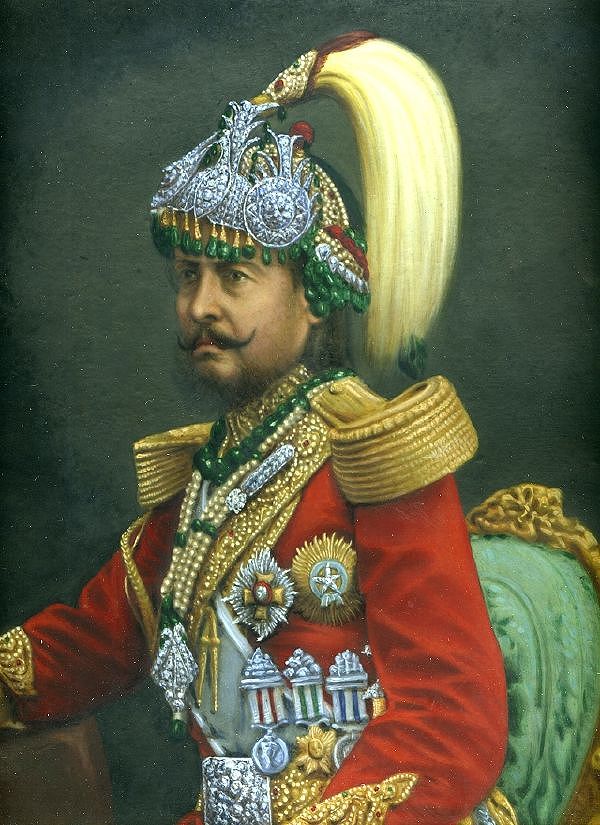
Jang Bahadur Kunwar was a prominent military and political figure in Nepal. His influence peaked when he received the hereditary title of 'Rana.' This event marked a significant turning point in Nepal's history, impacting both the political landscape and the power dynamics of the region.
Before receiving the title, Jang Bahadur Kunwar established himself as a formidable leader. He first came to power by orchestrating a coup, eliminating his rivals and consolidating his position. His governance saw a series of administrative reforms aimed at modernizing Nepal's military and bureaucracy. He also undertook international diplomatic missions, notably to the British Empire, which helped him cement his authority.
The conferment of the title 'Rana' to Jang Bahadur held profound implications. The title was more than an honor; it institutionalized his family's control over the Nepalese state. This oligarchic rule by the Rana family lasted for over a century, fundamentally shaping Nepal's political framework. The Rana era is characterized by centralized governance and a stringent hierarchy that kept power firmly within the family.
Under Rana rule, administrative frameworks were reorganized, and a semblance of modernization introduced, especially in terms of infrastructure and military capabilities. Education systems saw limited introduction, primarily to serve the elite. However, the autocratic nature of the Rana rulers also stunted broader socio-economic progress and democratic evolution.
Facts reveal that the subsequent descendants of Jang Bahadur were pivotal in maintaining the family's grip on power. Nepal’s relationship with British India became strategically complex, with treaties and mutual understandings ensuring that the Rana rulers retained internal control while aligning externally with British interests.
In conclusion, the moment when Jang Bahadur received the title of 'Rana' initiated a new era of elite governance in Nepal, leaving an indelible mark on the nation's history. It stands as a transformative juncture, blending reformist visions with authoritarian rule, forever altering Nepal's political and social trajectory.
#NepalHistory #RanaRule #PoliticalShift #HistoricalReforms #MoofLife
View details1857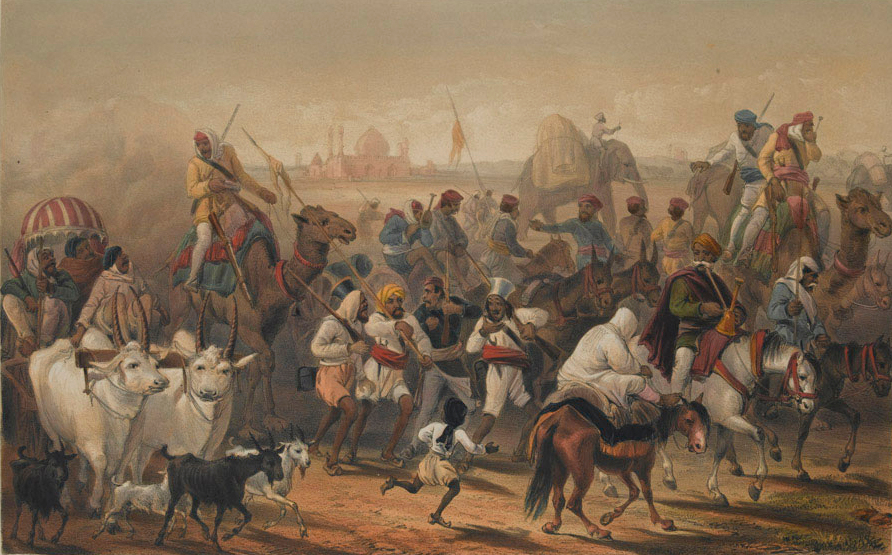
The Sepoy Rebellion, also referred to as the Indian Mutiny, marked a critical period in the Indian subcontinent's history when Indian soldiers, employed by the British East India Company, initiated an uprising in northern India. The discontent among the sepoys stemmed from various factors, including widespread dissatisfaction over pay disparities, lack of promotional opportunities, and the introduction of new rifle cartridges thought to be greased with animal fat, offending both Hindu and Muslim religious sensitivities.
The rebellion escalated rapidly, with significant areas in northern India, such as Delhi, Kanpur, and Lucknow, becoming epicenters of violent conflicts. Major civilian turmoil ensued as rebels attacked British civilians and loyalists. The British forces found themselves initially caught off-guard and struggled to reassert control. Crucially, support came from neighboring Nepal, whose Gurkha troops were instrumental in aiding the British campaign to suppress the mutiny. This assistance was a significant factor in the eventual recapture of Delhi by British and loyalist forces.
The impact of the rebellion was profound. The conflict led to significant casualties on both sides and massive destruction of property. The British response was unyielding, with widespread executions and reprisal killings. This event also marked the end of the British East India Company's rule, leading to significant administrative changes, including the transfer of power to the British Crown, the inception of the British Raj, and the introduction of direct governance under Queen Victoria. Social, economic, and political structures in India were deeply influenced, shaping the future trajectory of the region.
Statistically, it is estimated that tens of thousands of Indians and thousands of British and loyalist soldiers lost their lives during the conflict. The aftermath saw increased mistrust between British authorities and the Indian populace, leading to more rigorous control measures and alterations in the recruitment policies concerning Indian soldiers.
This moment in history represents a complex intersection of colonial power dynamics, military insurrection, and geopolitical alliances, highlighting Nepal's strategic involvement during the rebellion period and its aftermath.
#MoofLife #History #ColonialIndia #SepoyMutiny #BritishRaj #NepalAssistance #MilitaryHistory #IndiaRebellion
View details1856
Tensions between Nepal and British India flared during the Anglo-Nepal War, causing significant territorial reshuffling and political upheaval. Following the war, diplomatic relations were strained yet both sides recognized the need for cooperation to secure peace and mutual benefits. The Treaty of Thapathali was a crucial step in mending the fractured relationship and setting a path for future collaboration. This treaty formalized the end of hostilities and redefined the bilateral terms of engagement.
British India sought a stable, friendly neighbor to its north and saw in Nepal not just a buffer state but a potential ally. Nepal, on the other hand, needed to stabilize its borders and establish terms of engagement to ensure sovereignty and internal stability.
The Treaty was conducted in Kathmandu at the Thapathali Durbar, a significant diplomatic venue. The accord was structured to define sovereignty, border demarcation, and mutual obligations. One of the critical outcomes was the formal recognition of the previous borders post the Sugauli Treaty while outlining provisions for issues arising from border disputes. Included were regulations on cross-border movement, ensuring calm and orderly interactions between communities on either side.
The economic aspect was also not overlooked, as Nepal was granted certain trade rights, and specific compensations were addressed. These terms allowed for a substantial, albeit controlled, flow of goods and services, facilitating economic interaction and mutual benefit.
The impact of the Treaty of Thapathali went beyond immediate geopolitical stabilization, setting a foundation for future collaboration. It demonstrated that diplomacy can settle intense conflicts while establishing a framework for peace and cooperation.
By stabilizing boarders and solidifying terms of engagement, this treaty contributed significantly to regional stability. It paved the way for Nepal to function more autonomously while maintaining a status that allowed it to engage with the British as an independent entity rather than a subjugated one.
#TreatyOfThapathali #NepalBritishRelations #Diplomacy #HistoricalTreaties #GeopoliticalHistory #MoofLife
View details1854
In the mid-19th century, Nepal witnessed a transformative event, the establishment of Durbar High School. Located in the heart of Kathmandu, this institution marked Nepal's first formal step towards structured education. At the time, educational initiatives were predominantly limited to the royal family and elite circles. There was an evident gap in accessible knowledge and formal schooling for the general population. The founding of Durbar High School aimed to bridge this divide, making education available beyond the confines of the regal environment.
Durbar High School was inaugurated during the reign of Jung Bahadur Rana, the Prime Minister of Nepal, who envisioned the necessity for modern education. It was originally intended to educate the children of Nepal's aristocracy and the ruling class. However, its inception set the pace for broader educational reforms in succeeding years. The medium of instruction was English, a significant departure from traditional forms of learning conducted in Sanskrit or other native languages. This introduction of English was a strategic move to link Nepal with global advancements and knowledge systems.
This institution became instrumental in producing a cadre of educated individuals who would later play pivotal roles in Nepal’s administration and development. Over time, Durbar High School expanded its reach, gradually opening doors to students from more diverse backgrounds, eventually symbolizing more inclusive educational efforts.
The school's establishment set a precedent, leading to a proliferation of educational institutions across Nepal. It laid the groundwork for future educational policies and reforms that aimed at increasing literacy rates and educational accessibility.
Durbar High School continues to serve as a testament to Nepal's educational evolution, reflecting its journey from exclusivity to broader outreach. The impact of this foundational institution is seen in the continued commitment of Nepal to improve its educational infrastructure, reversing historic educational disparities.
#EducationalEvolution #NepalHistory #DurbarHighSchool #EducationForAll #MoofLife
View details1846
In the mid-19th century, the Kot Massacre marked a pivotal moment in Nepalese history. The event began with rising tensions within the Nepalese court, where power struggles between influential nobles and factions shaped the political landscape. Jung Bahadur Kunwar, later known as Jung Bahadur Rana, played a central role in these events.
The death of King Rajendra Bikram Shah ignited the dispute over succession, deepening the divide between the courtiers aligned with Queen Rajya Laxmi Devi and those loyal to Crown Prince Surendra. The internal conflict escalated at the Kot courtyard in Kathmandu. Queen Rajya Laxmi Devi summoned key nobles to the Kot, ostensibly for a meeting, but suspicion and fear pervaded the assembly.
Amid the gathering, a volatile confrontation ensued, resulting in widespread violence. Jung Bahadur, seizing the opportunity, emerged as a dominant force amidst the chaos. Many prominent nobles, including the queen’s trusted allies, were killed, shifting the balance of power. The exact number of casualties remains debated, but it is widely acknowledged that dozens of nobles and high-ranking officials perished during the conflict.
Following the massacre, Jung Bahadur consolidated his power, eventually establishing the Rana dynasty's rule over Nepal. The Ranas instituted a system where they held significant control over administrative and military functions, overshadowing the monarchy. This shift greatly influenced Nepal's political structure and relations with neighboring countries, particularly British India.
The immediate aftermath saw Jung Bahadur adopting radical reforms to modernize Nepal, albeit maintaining his family's dominance. His policies led to socio-political changes, the effects of which resonated for decades. The Kot Massacre highlighted the violent methods through which power was often secured and reshaped in Nepalese history.
Key themes of this event include power struggles, political realignments, and the rise of the Rana regime, which impacted Nepal's trajectory for over a century.
#MoofLife #NepalHistory #JungBahadurRana #PoliticalPower #KotMassacre #RanaRegime
View details