
Slovakia

Heart of Europe
About
#Slovakia
#Travel
#Europe
Life Classification
Country
Life ID
EL5979890246399
Verified Name
slovakia
Life Type
Entity Life
Life Privacy
Public
Subscription
Elite
Created On
2024-08-14
Updated On
2025-12-19
Connect






2024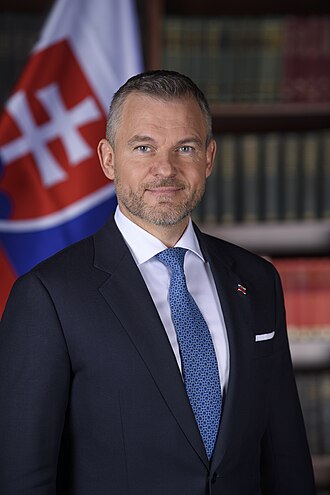
Peter Pellegrini was elected President of Slovakia in the 2024 Slovak presidential election. Pellegrini, previously serving as the Prime Minister, won a significant share of the vote, securing his position as the country's leader. This election came at a time when Slovakia was navigating through economic challenges and public dissatisfaction with the previous administration.
Pellegrini's campaign focused on economic reforms, improving social services, and ensuring political stability. Public opinion polls preceding the election indicated a divided electorate, with many undecided voters swaying the final outcome. Pellegrini's political experience and perceived ability to manage the country through turbulent times played a central role in his victory.
The election outcomes indicated a broadened support base, reflecting citizens' desire for pragmatic governance and effective crisis management. Analysts noted that Pellegrini's presidency could usher in a new era of political alignment, potentially shifting previous international and domestic policies. His administration was expected to prioritize economic recalibration, aim for reduced unemployment rates, and enhance Slovakia's position within the European Union.
The voter turnout was comparatively higher than in previous years, signaling increased civic engagement and interest in the political process. Pellegrini's ability to form alliances and his track record in government were seen as critical factors in the electoral outcome. Post-election reactions ranged from cautious optimism among business communities to hopeful anticipation among the general populace.
#Slovakia #PeterPellegrini #Election2024 #SlovakPolitics #EU #EconomicReform #PoliticalStability #MoofLife
View details2018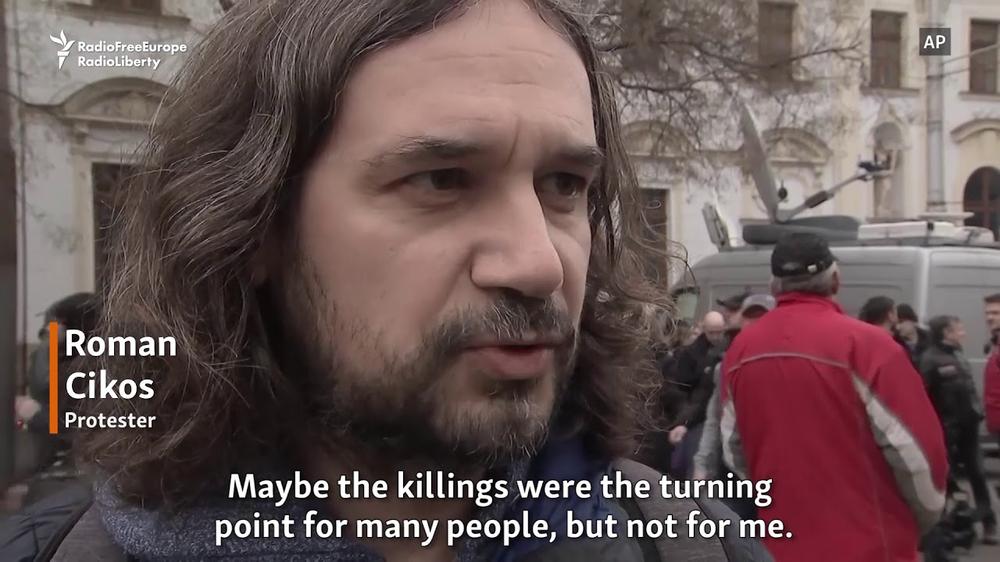
The murder of investigative journalist Ján Kuciak and his fiancée, Martina Kušnírová, ignited widespread anti-government protests in Slovakia. Kuciak had been working on investigations into high-level corruption involving Slovak political figures and organized crime. His death, seen as a direct attack on free speech and the press, provoked national outrage.
According to local reports, Kuciak's research had focused on the infiltration of Italian mafia into Slovak business and politics. The nature of his investigative work, which included scrutinizing the activities of individuals close to the government, raised suspicions about possible political complicity in the crime.
The protests that followed were some of the largest demonstrations in Slovakia since the Velvet Revolution, drawing tens of thousands of citizens to the streets. The public demanded accountability and thorough investigations. The immediacy and magnitude of public response reflected deep-seated frustrations with corruption and lack of transparency in the government.
The Slovak government faced mounting pressure from the public and international bodies. Europol joined local authorities in the investigation, underscoring the seriousness with which the case was regarded. As the protests continued, the political landscape began to shift. The ruling coalition faced immense scrutiny, leading to significant political upheaval, including the resignation of key government officials and the Prime Minister.
The impact of Kuciak's murder and the subsequent protests reverberated beyond Slovakia. It highlighted the risks faced by journalists and the pressing need for strong protections for free press. The event was a critical turning point, ushering in a demand for reform and greater vigilance against corruption.
#MoofLife #Slovakia #Journalism #Corruption #Protests #GovernmentAccountability #FreePress #Justice
View details2009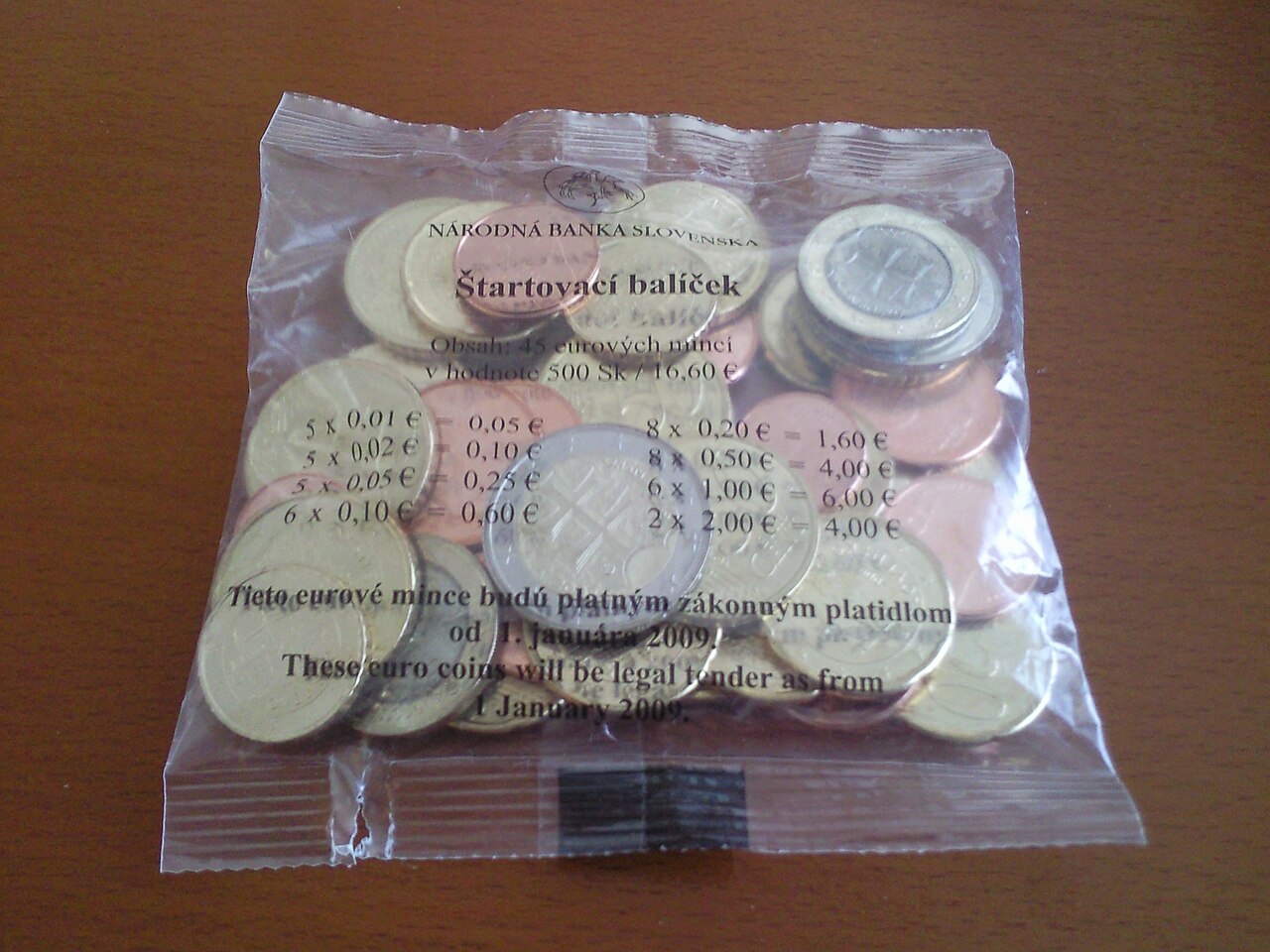
At the start of a specific month, Slovakia adopted the euro as its official currency. This transition marked the culmination of extensive preparations and reforms aimed at integrating Slovakia into the Eurozone. The decision to join the euro came after rigorous assessments by both the European Commission and the European Central Bank, confirming Slovakia's readiness to meet the Maastricht criteria. These criteria included stability in exchange rates, low inflation rates, and sound public finances.
Before adopting the euro, Slovakia used the Slovak koruna (SKK). The changeover was meticulously planned, involving public awareness campaigns and logistical preparations to ensure a smooth transition. Banks, businesses, and government institutions worked in unison to facilitate this significant shift. ATMs and point-of-sale terminals were adapted to dispense and accept euros, and dual pricing was introduced to help citizens adjust to the new currency.
The adoption of the euro brought several advantages to Slovakia's economy. It eliminated exchange rate risks and transaction costs associated with currency exchanges, fostering an environment conducive to trade and investment. The euro also enhanced price transparency, making it easier for consumers to compare costs across different Eurozone countries.
Slovakia's economy experienced solid growth during the period leading up to and following the introduction of the euro. The country's GDP growth rates and inflation levels were well-aligned with Eurozone averages, reflecting economic stability and convergence. Additionally, adoption of the euro helped Slovakia attract more foreign direct investment, benefiting from the credibility and stability associated with the single European currency.
The transition to the euro was primarily smooth, thanks to comprehensive planning and public support. Numerous sectors, from finance to retail, adapted efficiently to the new currency regulations. This change further integrated Slovakia into the broader European economy, facilitating closer ties with other member states and enhancing its role within the European Union.
In summary, Slovakia's adoption of the euro as its official currency marked a significant step forward in its economic development and European integration. The move brought practical benefits and underscored Slovakia's commitment to the shared goals of the European Monetary Union.
#EconomicIntegration #Eurozone #Slovakia #EuropeanUnion #CurrencyTransition #GlobalEconomy #MoofLife
View details2004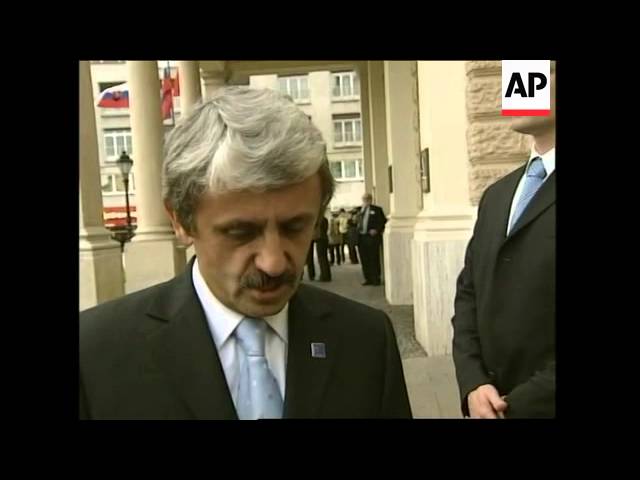
Slovakia's entry into the European Union followed a series of critical reforms after the fall of communism in Eastern Europe. The country’s transition from a centrally planned economy to a market-driven one signified a major shift that was neither swift nor without challenges. Slovakia had to comply with the EU's rigorous Copenhagen Criteria, which covered democratic governance, human rights, and a functional market economy. This process involved extensive changes in the legal and economic landscape, including privatization efforts, legislative adjustments, and anti-corruption measures.
The economic indicators showed a noticeable improvement in Slovakia’s GDP growth rates and foreign direct investment inflows as it aligned with the EU's standards. Additionally, Slovakia managed to reduce inflation and stabilize its currency, which were key achievements that bolstered its eligibility for EU membership. Public support for joining the EU was strong, with numerous polls indicating a favorable opinion among Slovak citizens. A national referendum confirmed this sentiment, showcasing the country's readiness and willingness to be part of the European collective.
Upon joining the EU, Slovakia gained access to the single market, facilitating free movement of goods, services, people, and capital. This integration offered significant economic benefits, as Slovak businesses could now operate under the same regulations that governed more established EU economies, leveling the playing field. Slovak citizens also enjoyed the freedom to travel, work, and study across member states without the need for visas or additional permits, thus enhancing the social and cultural exchange.
Policymaking within Slovakia began to reflect broader EU policies, helping to modernize various sectors such as infrastructure, education, and healthcare. Access to EU structural funds provided financial support for development projects, further aiding Slovakia's advancement and integration into the European community.
Despite initial concerns about potential economic disparities within the EU, Slovakia's membership underscored the union’s potential to foster unity and growth among nations with diverse backgrounds and economies. This occasion marked Slovakia's firm establishment within the European framework, contributing to regional stability and development.
#MoofLife #EUIntegration #SlovakiaEU #EconomicReform #EuropeanUnion #RegionalDevelopment
View detailsSlovakia's ascendance to the North Atlantic Treaty Organization (NATO) marked a pivotal change in its foreign policy and defense strategy. The country, formerly part of Czechoslovakia until its peaceful split into the Czech Republic and Slovakia, had undergone extensive political and economic reforms following the dissolution of the Soviet Union. These reforms were directed towards shifting from a centrally planned economy to a market-oriented one and integrating into Western economic and security structures.
The process of joining NATO began with Slovakia's inclusion in the Membership Action Plan, a program designed to assist aspiring member countries in meeting NATO's standards. This journey required Slovakia to undertake significant upgrades in its military capabilities, ensuring interoperability with NATO forces. Additionally, the nation committed to democratic reforms, rule of law, and respect for human rights, which were preconditions for membership.
Slovakia's NATO membership signified a strategic realignment away from its Eastern bloc past and towards Western alliances. This transition aimed to secure the country's sovereignty and provide a deterrent against potential regional threats. Market observers noted that Slovakia's integration into NATO bolstered investor confidence, leading to greater economic stability and growth.
The inclusion of Slovakia also expanded NATO's collective security umbrella, increasing the alliance's strategic depth in Central Europe. It further evidenced NATO's commitment to accepting member states that adhered to its principles, thereby promoting stability and democratic governance in post-communist Europe.
From a statistical standpoint, Slovakia allocated significant resources towards meeting NATO’s defense spending requirements, often measured as a percentage of GDP. This investment not only modernized its armed forces but also facilitated regional security cooperation and joint military exercises with other NATO countries.
Thus, Slovakia's entry into NATO represented a key juncture in the country's post-Cold War history, reflecting its aspirations and commitments towards collective security, democratic norms, and international collaboration.
#MoofLife #Slovakia #NATO #InternationalRelations #CollectiveSecurity #DemocraticReforms #EconomicGrowth
View details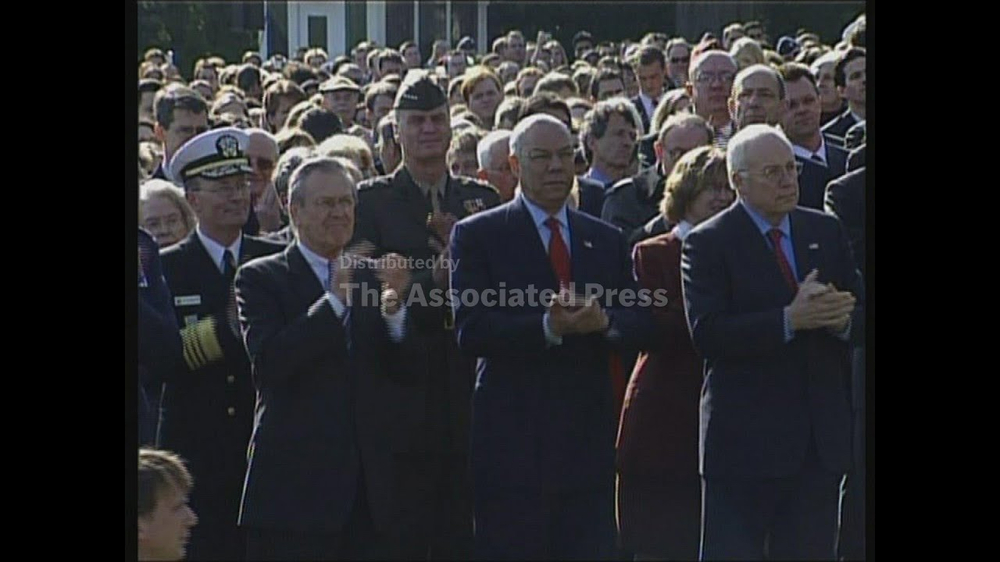
1993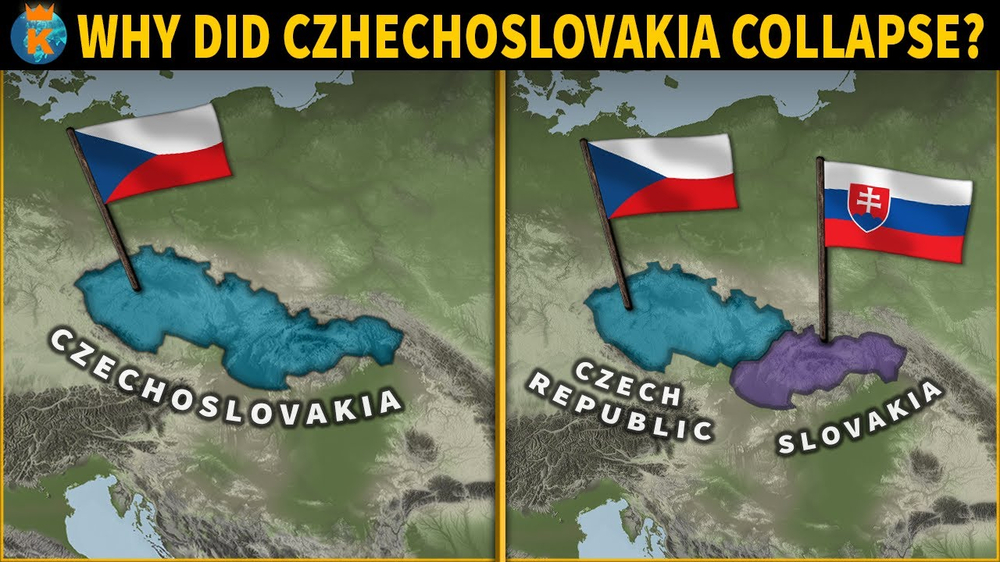
The dissolution of Czechoslovakia marked a pivotal moment in European history, resulting in the creation of Slovakia as an independent nation. The transition began with the peaceful split of Czechoslovakia into two distinct entities, the Czech Republic and Slovakia. This significant political realignment was driven by political, economic, and cultural differences that had long existed between the Czech and Slovak regions.
Czechoslovakia, established after World War I, combined the Czech lands and Slovakia into a single state. Over the decades, distinct identities and divergent political goals became prominent. As the communist regime collapsed in 1989, a democratic wave swept through Eastern Europe, including Czechoslovakia, which saw the emergence of the Velvet Revolution, leading to the fall of communism.
In the ensuing years, political leaders in both regions recognized that their goals for economic and political reforms diverged significantly. Slovak leaders aspired for greater autonomy and national recognition, while Czech leaders focused on swift economic reforms and closer integration with Western Europe. Negotiations ensued and culminated in the mutual decision to dissolve Czechoslovakia, creating two independent republics.
Economically, Slovakia faced initial challenges related to transitioning from a centrally planned economy to a market-oriented one. However, joining the European Union in the early 2000s provided a platform for economic growth and modernization. Politically, the country worked to establish democratic institutions, rule of law, and integrate into European and international structures.
From a cultural standpoint, the newfound independence allowed Slovakia to promote its unique heritage, language, and traditions on the global stage. This period saw initiatives to preserve cultural landmarks, foster arts, and rekindle national pride.
In essence, the dissolution of Czechoslovakia and the birth of Slovakia could be seen as a peaceful resolution to complex national aspirations. The transition marked the beginning of Slovakia’s journey as an independent country, navigating the challenges and opportunities of the modern world.
#MoofLife #SlovakiaIndependence #CzechoslovakiaDissolution #VelvetRevolution #EuropeanHistory #PoliticalTransition #EconomicReform #CulturalIdentity
View details1991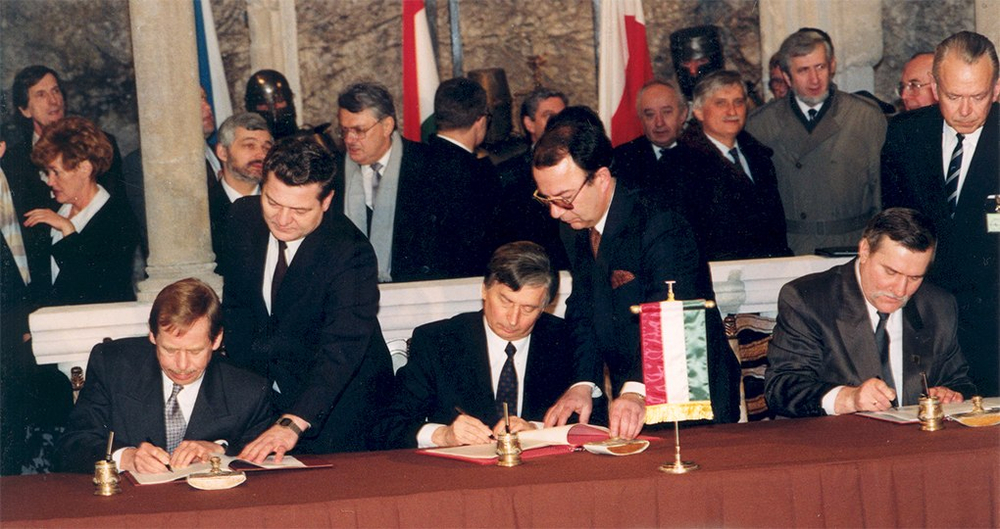
In a strategic move to enhance cooperation within Central Europe, representatives from Bohemia, Poland, and Hungary convened at Visegrád, Slovakia. This assembly marked the signing of the Visegrád Agreement, a pact aimed at fostering closer political, economic, and cultural collaboration among these nations.
The historical context leading to this agreement was rooted in the collapse of the Soviet Union's influence in Eastern Europe. As these nations sought to navigate the post-Soviet landscape, a unified approach was seen as beneficial for achieving stability and facilitating European integration. The decision to sign the agreement in Visegrád harkened back to a historical meeting between the Kings of Hungary, Poland, and Bohemia in 1335, highlighting the enduring significance of the location in Central European diplomacy.
Under the terms of the agreement, the countries pledged to cooperate in transitioning from centrally-planned to market economies, improve environmental standards, and support each other's ambitions of joining Western institutions, including NATO and the European Union. This regional alliance was expected to accelerate the modernization efforts of their economies, strengthen their international position, and enhance their security environment.
The impact of the Visegrád Agreement was multifaceted. Economically, the countries benefitted from increased trade and investments, as they collectively pursued reforms and sought to harmonize their legislative frameworks with those of Western Europe. Politically, it reinforced their commitment to democracy and a pluralistic society, crucial at a time when many post-communist countries were experiencing political flux. Additionally, the agreement boosted cultural exchange among the countries, promoting mutual understanding and cooperation.
The formation of the Visegrád Group also culminated in the creation of the International Visegrád Fund, aimed at supporting initiatives that foster closer cooperation among these nations and support their integration into the European Union.
The collaborative spirit encapsulated by the Visegrád Agreement has continued to influence the policies and relationships within Central Europe, reflecting a shared commitment to overcoming historical challenges and shaping a stable, prosperous region. The signing of this agreement was a pivotal step in bridging past alliances with contemporary geopolitical realities, laying the groundwork for a cooperative future.
#VisegrádAgreement #CentralEuropeanCooperation #PostSovietTransformation #EuropeanIntegration #MoofLife
View details1989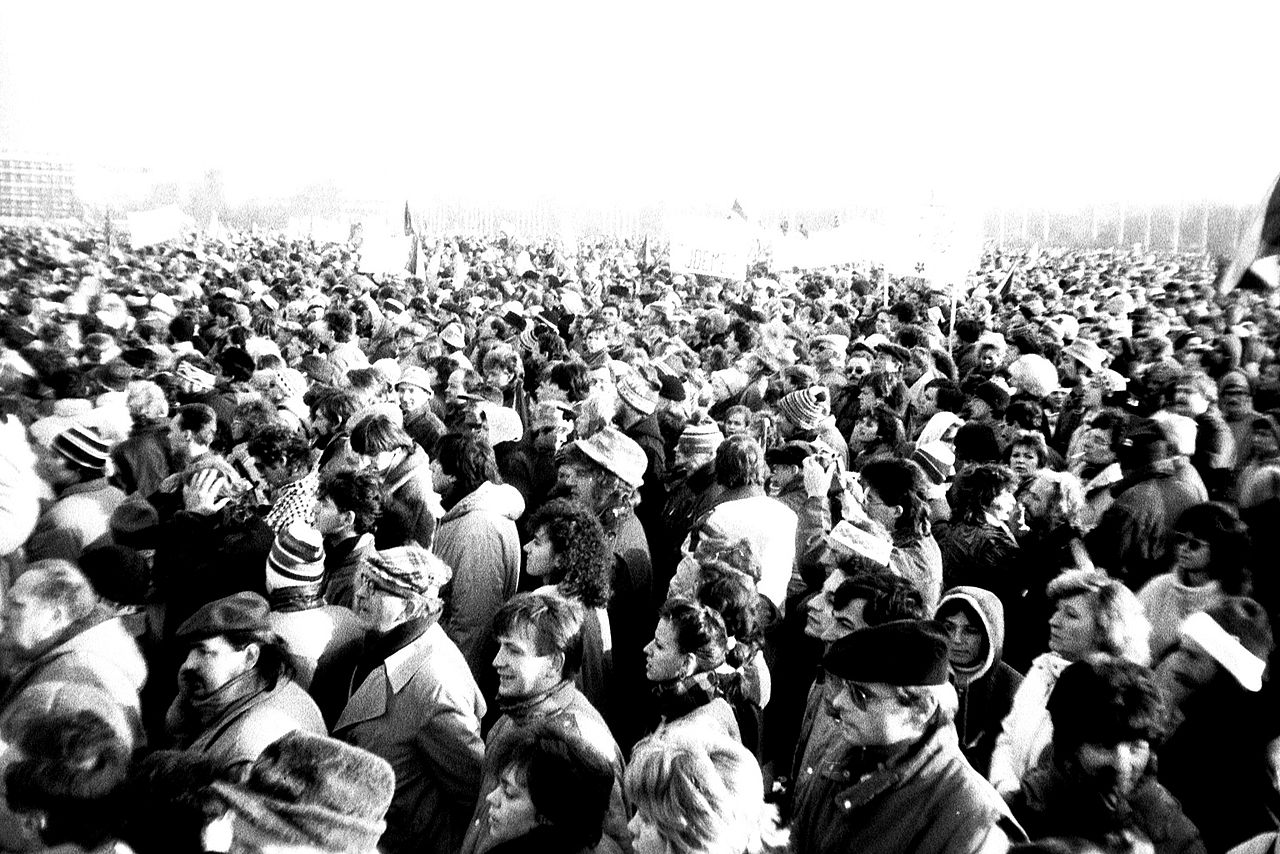
Czechoslovakia experienced a transformative phase during the Velvet Revolution, which led to the end of communist rule. The backdrop of this movement was built over years of discontentment among the populace with the authoritarian communist regime. Citizens were frustrated by the lack of political freedom, economic stagnation, and repression by the government. The inspiration to challenge the existing political order was partly fueled by reformist movements in neighboring countries and the broader wave of democratization sweeping across Eastern Europe.
The catalyst for the Velvet Revolution was a student demonstration in Prague. This peaceful protest demanded political reform and greater freedoms. Authorities responded with violence, which backfired, igniting widespread outrage among the public. Large-scale demonstrations ensued, quickly gaining momentum and participation from multiple sectors of society, including intellectuals, artists, and workers.
Key figures emerged during this period, with Václav Havel, a playwright and dissident, becoming a leading voice. The Civic Forum, an opposition coalition, played a critical role in organizing the protests and articulating the demands of the people. Large gatherings in public squares became the norm, symbolizing unity and the collective voice of the citizenry. Strikes and general protests paralyzed crucial aspects of the state and demonstrated the widespread desire for change.
The Communist Party, already weakened by the collapsing regimes in Eastern Europe, capitulated under mounting pressure. Discussions between the opposition and the ruling government commenced, leading to a peaceful transition of power. Within weeks, the hard-line communist leadership resigned, paving the way for a provisional government.
In the immediate aftermath, free elections were organized, allowing the citizens to elect their representatives for the first time in decades. Václav Havel was appointed President, symbolizing the dawn of a new democratic era. The non-violent nature of the Velvet Revolution was significant and underscored the effectiveness of collective peaceful resistance.
Economically, the country transitioned towards a market economy, initiating a series of reforms that aimed to integrate it into the global economic system. Politically, the shift led to the establishment of democratic institutions and the rule of law.
The Velvet Revolution stands as a pivotal example of peaceful change and the power of civic engagement. It transformed the political landscape of Czechoslovakia and significantly influenced democratic movements worldwide.
#VelvetRevolution #CzechSlovakia #EndOfCommunism #Democracy #PeacefulProtest #PoliticalChange #MoofLife
View details1968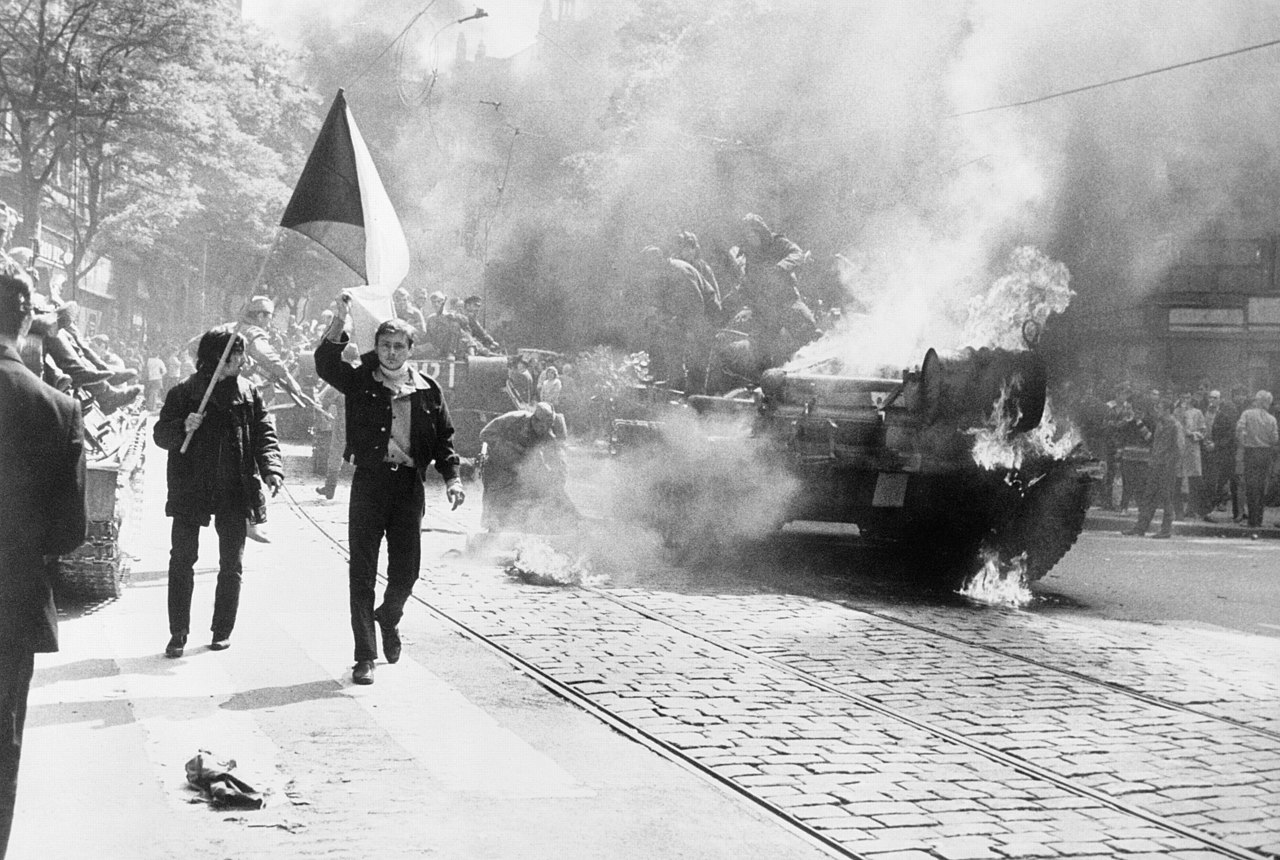
The Prague Spring was a period characterized by political liberalization and reform in Czechoslovakia, a attempts by Alexander Dubček, the First Secretary of the Communist Party of Czechoslovakia, to introduce political, economic, and cultural changes. Dubček sought \
View details1948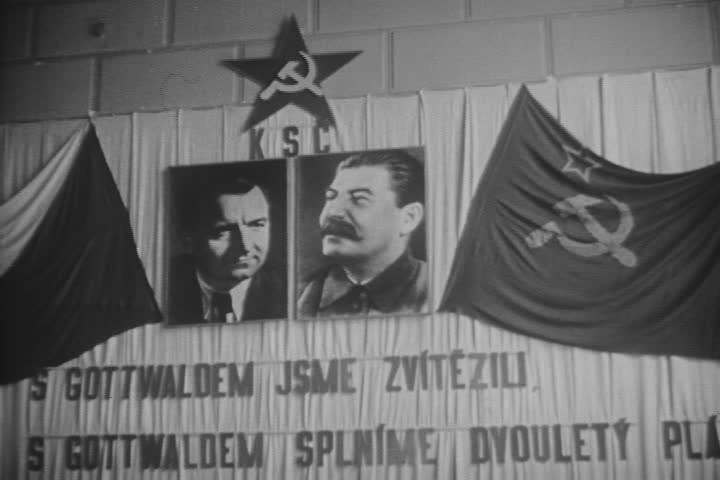
In the mid-20th century, a transformative event reshaped the political landscape of Czechoslovakia. The communist party, Klement Gottwald at its helm, orchestrated a strategic seizure of power. This political shift marked the culmination of months of growing communist influence within the country.
Prior to this pivotal moment, Czechoslovakia had a coalition government composed of various parties, including the Communist Party of Czechoslovakia (KSČ). The KSČ effectively utilized its growing support base and controlled key positions within the government and security apparatus. Amidst increasing political tension, several non-communist ministers resigned from their posts. This was meant to press for new elections, but instead, it played into the hands of the KSČ.
The departure of the non-communists provided the KSČ with the opportunity to capitalize on the political vacuum. Gottwald demanded the replacement of the vacated positions with communists or those sympathetic to the cause. President Edvard Beneš, under immense pressure and perhaps fearing civil unrest or external intervention, ultimately appointed the communist nominees. This power shift effectively ended the multi-party system that had been in place, establishing a single-party communist regime.
The resulting communist dominance brought about significant changes. The Czechoslovak government quickly aligned itself with the Soviet bloc, leading to centralized economic planning, nationalization of industries, and suppression of political dissidents. Media outlets and educational institutions soon came under state control, promoting communist ideologies.
Statistically, the employment in the industrial sector saw a reorganization, with the state assuming direct control of major enterprises and resources. Political purges and show trials became a common feature, intended to eliminate opposition and consolidate communist authority.
Internationally, this event indicated a broader shift within Eastern Europe, highlighting the increasing influence of the Soviet Union in the region during the early Cold War period. It set a precedent for similar coups and power shifts in neighboring countries, reinforcing the delineation between Eastern and Western Europe.
In summary, the communist takeover in Czechoslovakia was a significant turning point that led to a long-lasting impact on the political, economic, and social framework of the nation, intensifying the Cold War dynamics.
#CommunistCoup #Czechoslovakia #ColdWar #MoofLife
View details1945
Amid the closing stages of World War II, Czechoslovakia re-emerged as a sovereign state after enduring years of occupation and division. Initially formed after World War I, Czechoslovakia was a union of the Czech and Slovak peoples. However, this unity faced severe disruptions during the war. Following the Munich Agreement, which dismembered the country, Nazi Germany fully occupied the Czech lands, while the Slovak region became a separate, nominally independent puppet state under the influence of the Axis powers.
With the Allied forces pushing back the Axis powers, the liberation of Czechoslovakia began in earnest. Soviet forces advanced from the east, while the U.S. Army moved from the west, liberating significant portions of the territory. The resistance movements within both the Czech and Slovak regions played a crucial role in the final stages of liberation.
When the Axis powers were defeated, Czechoslovakia was officially re-established as an independent republic. This reconstitution of the nation marked the end of six years of partition and occupation. The Czechoslovak people faced the challenge of rebuilding their country from the vast destruction left by the war. Vital infrastructure, including transportation networks and industrial facilities, were badly damaged, requiring extensive reconstruction efforts. The re-establishment of Czechoslovakia also led to the expulsion of the German-speaking population, significantly altering the demographic landscape.
In addition to physical reconstruction, the reconstituted Czechoslovakia had to navigate a complex political landscape. The pre-war democratic politics were restored, but the underlying tensions between the Czech and Slovak regions persisted. These internal dynamics, coupled with the external pressures of the emerging Cold War, shaped the nation's post-war trajectory.
The re-emergence of Czechoslovakia underscored the resilience of its people and their determination to forge a path forward after the devastations of global conflict. This period laid the groundwork for both immediate recovery and long-term political developments that would steer the country's future.
#Czechoslovakia #Rebirth #PostWWII #Slovakia #Resilience #Reconstruction #HistoricEvent #NationRebuilding #PostWarEurope #MoofLife
View details1944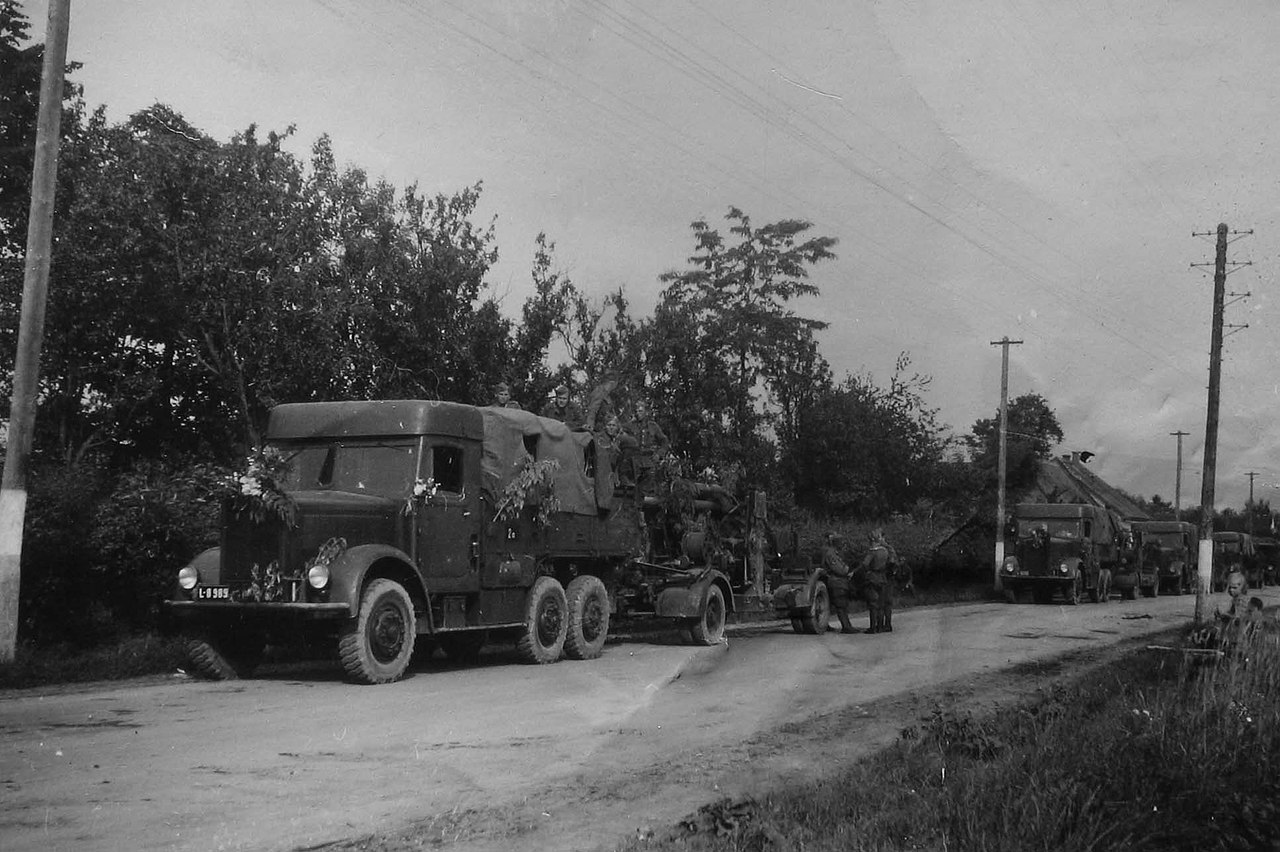
The Slovak National Uprising emerged as a significant resistance movement against the Axis powers during World War II. Originating within Slovakia, this uprising was a response to the country's occupation and its forced alliance with Nazi Germany. The local resistance included a diverse alliance of Slovak partisans, elements of the Slovak army, and civilian volunteers, coordinating their efforts to overthrow the collaborationist Slovak government and combat the occupying forces.
As Axis powers tightened their grip on Europe, Slovakia faced increasing pressure. Dissidents within the country began organizing covertly, fueled by a mixture of national pride, desire for self-determination, and opposition to fascism. Intense dissatisfaction brewed, leading various resistance groups to join forces under a unified command structure. Preparations included the accumulation of weapons, recruitment of fighters, and establishing secret communication networks.
The uprising commenced with an armed insurgency, targeting key locations to destabilize the Axis hold. Among its early significant actions was the capture of the strategic town of Banská Bystrica, which subsequently served as the uprising's logistical and administrative center. The movement gained initial momentum, drawing thousands to its cause and resulting in some early victories. However, the German military soon retaliated with overwhelming force, employing regular troops, paramilitary units, and heavy weaponry to suppress the revolt.
Despite the brutal suppression, the Slovak National Uprising managed to disrupt Axis operations and divert their resources, bravely holding out for nearly two months. Casualty figures from this conflict are significant: estimates suggest thousands of partisans and civilians were killed or injured, while many more were imprisoned or deported. The resistance ultimately retreated to mountainous regions, continuing guerrilla warfare tactics against the occupiers.
The Uprising’s legacy is multifaceted. It exemplifies the intense local resistance to Axis oppression and underscored the Slovak people’s quest for freedom and justice. Additionally, it inspired subsequent resistance activities within the broader context of World War II and contributed to the weakening of Axis control in Eastern Europe. The events also highlighted the importance of unity and collaboration among disparate groups facing a common enemy. Today, it stands as an essential chapter in Slovak history and a symbol of resilience and defiance.
#SlovakUprising #ResistanceMovement #AxisPowers #WorldWarII #Slovakia #MoofLife
View details1939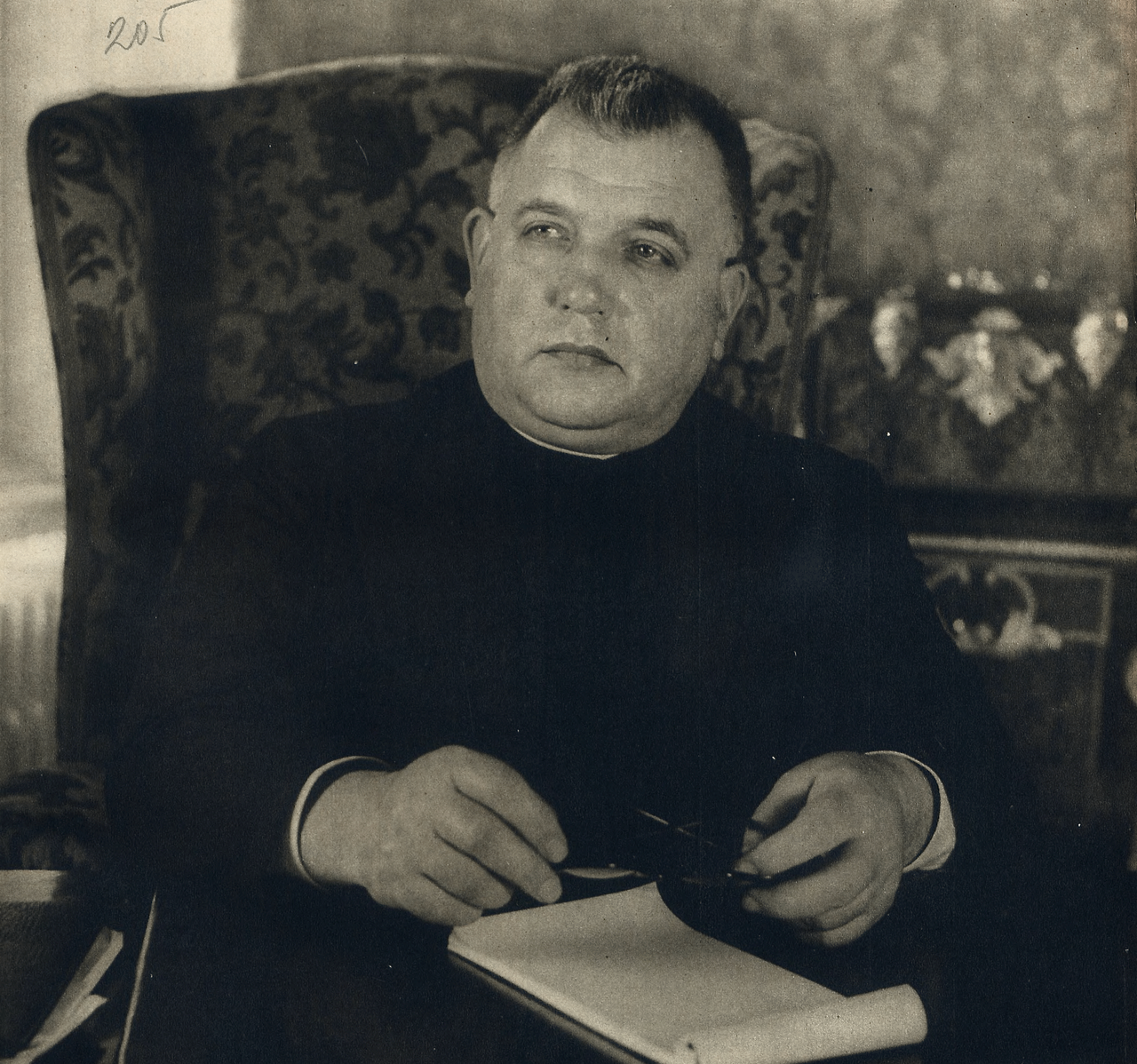
The moment marked by the establishment of the Slovak Republic coincided with the dissolution of Czechoslovakia. This shift in national identity was prompted by escalating geopolitical tensions and internal pressures. The dissolution began when Czechoslovakia, formed after World War I, faced increasing nationalist sentiments within its borders. Slovakia sought greater autonomy, and the central government in Prague struggled to manage the diverging aspirations of its Czech and Slovak citizens.
The establishment of the Slovak Republic was not an isolated event but part of broader changes in Europe marked by the rise of fascist movements and aggressive expansionism. The Slovak Republic was declared by political leaders led by Jozef Tiso. Tiso's administration aligned itself with powerful factions in Europe, seeking to secure the nation's position amidst growing instability in the region.
The aftermath of this development had both immediate and lasting repercussions. Slovakia's separation from the Czech lands altered the political landscape of Central Europe, shifting alliances and power dynamics. Economically, the new Slovak Republic faced challenges due to its relatively agrarian base compared to the more industrialized Czech regions. This disparity highlighted the difficulties in managing an independent state without the industrial and economic backbone provided by its former union with Czech lands.
From a socio-political perspective, the move underscored the complexities of national identity and governance in a multi-ethnic state. The dissolution of Czechoslovakia further polarized European powers, influencing policies and strategies leading into global conflict. For Slovakia, the new era meant navigating through alliances and conflicts that would test its sovereignty and resilience.
Statistically, the new state had a population comprising mostly Slovaks, with minorities of Hungarians, Germans, and other ethnic groups. The realignment led to administrative reorganization and economic adjustments to sustain the nation independently.
The importance of this event is multifaceted, influencing national policies, regional alliances, and the broader context of European political transformations. The repercussions of the establishment and the cessation of Czechoslovakia’s unity continued to echo through the subsequent decades, reflecting the persistent challenges of nation-state formation in a complex and divided continent.
#Establishment #SlovakRepublic #Dissolution #Czechoslovakia #EuropeanHistory #NationalIdentity #MoofLife
View details1918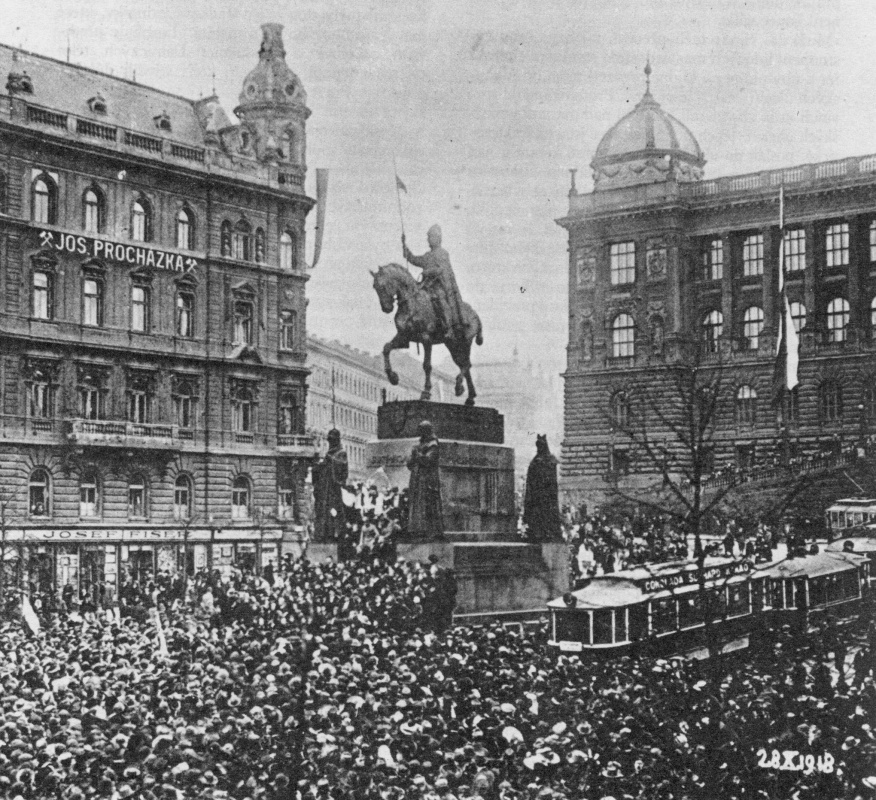
The formation of Czechoslovakia occurred following the dissolution of the Austro-Hungarian Empire. The empire's collapse was hastened by internal ethnic tensions and the socio-political aftermath of World War I. Prior to its dissolution, the Austro-Hungarian Empire encompassed multiple nationalities, with the Czechs and Slovaks among them. Intellectuals and leaders from these groups had long advocated for greater autonomy and independence.
In the lead-up to the new state’s establishment, key political figures, including Tomáš Masaryk, Edvard Beneš, and Milan Rastislav Štefánik, engaged in diplomatic efforts in Europe and America. They garnered support for the independence movement, emphasizing the distinct cultural and political identity of the Czech and Slovak peoples.
The decisive moment came when the Czechoslovak National Council issued a declaration of independence. This declaration outlined the principles of the new republic, emphasizing democratic governance and equal rights for all its citizens. The nascent state quickly gained international recognition and started the intricate process of building administrative structures.
Czechoslovakia’s creation significantly altered Central Europe's geopolitical landscape. The new republic included Bohemia, Moravia, Czech Silesia, Slovakia, and Subcarpathian Ruthenia. Its population was diverse, including Czechs, Slovaks, Germans, Hungarians, and Rusyns. This demographic complexity posed both challenges and opportunities for the new state.
The economic foundation of Czechoslovakia was relatively strong, inheriting the most industrialized regions of the former Austro-Hungarian Empire. However, integrating diverse populations with varied economic statuses and political aspirations required diplomatic finesse. Bridging these differences became a focal point for the newly-formed government.
Czechoslovakia’s establishment marked a critical shift towards self-determination in Central Europe. It became a symbol of the broader movement towards national independence that swept through the continent, reshaping borders and nation-states in the post-war period.
The emergence of Czechoslovakia from the remnants of the Austro-Hungarian Empire highlighted the enduring quest for national sovereignty and the reconfiguration of political alliances and territorial delineations in Europe.
#MoofLife #CzechoslovakiaFormation #CentralEurope #NationalIndependence #GeopoliticalShift #PostWarEurope #SlovakiaHistory
View details1896
In the late 19th century, Hungary experienced a pivotal shift in its political landscape with the introduction of universal suffrage. This development had a considerable impact on the socio-political fabric of the country, particularly affecting the Slovak population residing within its borders.
Prior to this reform, voting rights in Hungary were primarily limited to male property owners, significantly restricting political participation. The extension of suffrage rights marked a move towards more inclusive political representation. For the Slovak minority, which made up a substantial portion of Hungary’s demographic makeup, this legislative change provided an opportunity to participate more actively in the political process.
The introduction of universal suffrage was aimed at addressing calls for greater political inclusivity and was seen as a response to growing demands from disenfranchised populations, including ethnic minorities. With this newfound right, Slovaks and other minority groups could now elect representatives and influence legislative decisions. This shift did not just operate at the national level but also had ramifications for local governance, where Slovak participation increased.
The statistical impact of this change is notable. The enfranchisement significantly increased the number of eligible voters, incorporating a broader spectrum of the populace into the electoral process. As a result, the political landscape became more reflective of the country's diverse population. The Slovak political representation, which had previously been marginal, saw a noticeable increase in presence and influence within legislative bodies.
Despite these advances, the journey towards full political equality remained complex and ongoing. The initial implementation of universal suffrage marked an essential first step in a broader movement toward more inclusive governance and served as a catalyst for future reforms.
#PoliticalReform #UniversalSuffrage #Slovakia #Hungary #Inclusivity #HistoricalImpact #MoofLife
View details1863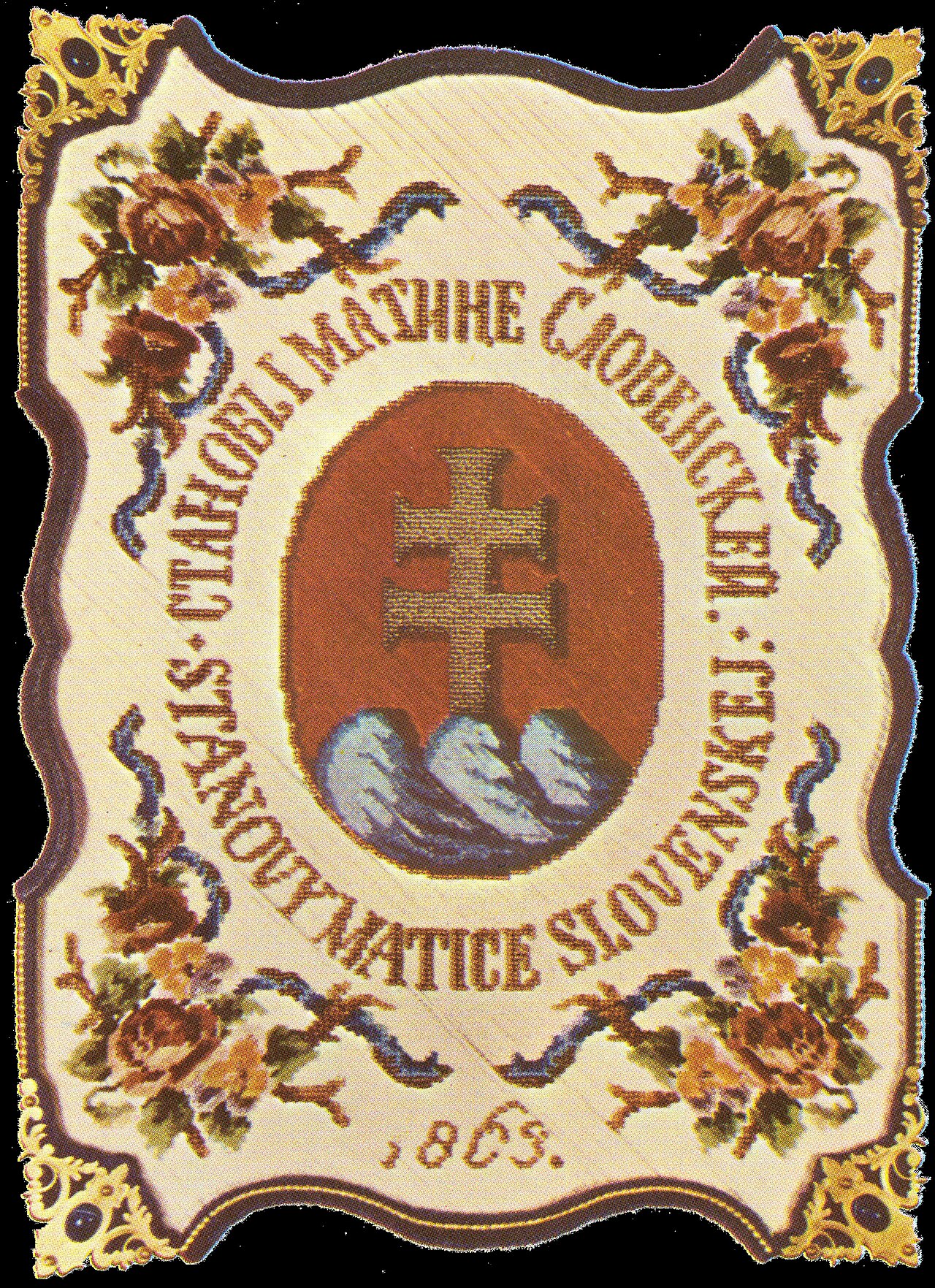
In the early 19th century, Slovakia was part of the Austro-Hungarian Empire, where Slovak national identity was at risk due to the dominance of German and Hungarian cultures. At this time, Slovak intellectuals recognized the pressing need to preserve their language, culture, and traditions. In response, a group of cultural leaders and intellectuals established Matica slovenská, the first Slovak cultural and educational institution.
Matica slovenská aimed to solidify the Slovak national consciousness and promote the Slovak language and cultural heritage. Its establishment provided a critical platform for scholarly activities, focusing on the collection and publication of Slovak literary works, historical documents, and folk traditions. It also facilitated educational reforms and cultural preservation efforts, such as the standardization of the Slovak language, making significant contributions to its written form.
The founding of Matica slovenská had a profound impact on the Slovak people. It mobilized the nation's intellectual resources, instilling a sense of unity and cultural pride. The institution's efforts in cultivating national literature and arts played a pivotal role in the Slovak National Revival. It also acted as a counterbalance to the cultural policies of the Austro-Hungarian authorities, which often sought to suppress non-Germanic and non-Magyar cultural expressions.
Membership in Matica slovenská grew rapidly, indicating widespread support for its mission among the Slovak populace. The organization's activities became a cornerstone in the struggle for Slovak autonomy and independence. It served as a repository of cultural knowledge and a rallying point for those dedicated to the Slovak cause.
Although Matica slovenská encountered numerous challenges, including political interference and funding issues, its legacy endured. It laid the groundwork for modern Slovak cultural institutions and education systems. Today, it remains a symbol of resilience and cultural pride, continuing to promote Slovak heritage and education.
#CulturalHeritage #LanguagePreservation #SlovakHistory #NationalIdentity #Education #MoofLife
View details1861
In the midst of societal changes and political reforms in the Habsburg Monarchy, the establishment of Slovak burghers' self-governing towns stands as a pivotal transformation within Slovakia. The move towards greater local autonomy for burgher communities marks an important shift in governance and civic participation. This transformation arose from long-standing demands for more localized control and the ability to manage municipal affairs without excessive interference from central authorities.
The ability to self-govern granted Slovak burghers, or townspeople, significant control over local affairs. They could now oversee community decisions, manage local resources, and implement policies that reflected the unique needs of their towns. This local governance model fostered a sense of ownership and responsibility among the inhabitants, promoting civic engagement and more efficient administration.
Economically, the self-governing towns experienced more robust growth as they tailored their policies to better support local businesses and tradespeople. Instead of adhering to blanket policies from Vienna, towns could now set regulations and taxes that were better suited to their economic realities. The resultant growth in commerce and industry helped lift the local economy, leading to better infrastructure and public services.
Socially and culturally, the newfound autonomy encouraged a revival of local traditions and languages. Schools and cultural institutions flourished, reflecting the local identity and fostering a sense of pride among the inhabitants. Festivals, local marketplaces, and cultural events became more frequent, strengthening the community bonds.
Although challenges remained, such as balancing the interests of various social groups and integrating broader governmental frameworks, the establishment of self-governing towns marked a significant leap toward modern governance in Slovakia. The changes paved the way for enhanced local democracy and set the groundwork for future political and economic developments.
#LocalGovernance #CivicParticipation #EconomicGrowth #CulturalRevival #SlovakHistory #MoofLife
View details1854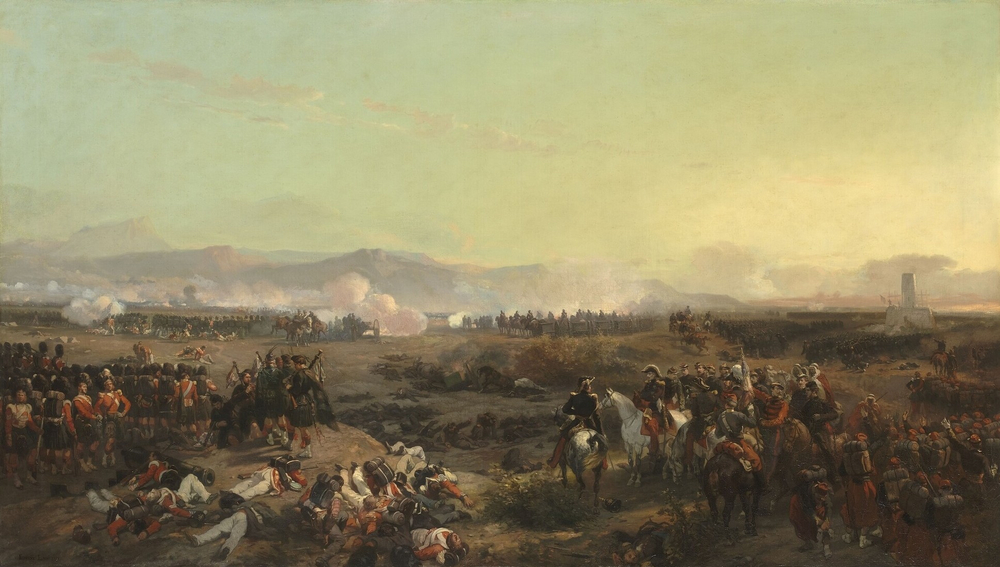
The Battle of Drugeth-Almas took place in the mid-19th century and played a pivotal role in the complex tapestry of European conflicts. The battle occurred against a backdrop of broader geopolitical tensions in the region of modern-day Slovakia, then part of the Austro-Hungarian Empire.
The clash involved forces of the Austrian Empire, led by General Maximilian Drugeth, and a coalition of rebels from the northern territories. The motivations stemmed from local grievances, including economic discontent and political repression under imperial rule. These local uprisings were common as various ethnic groups sought autonomy within the diverse empire.
Forces assembled were not vast by the standards of major European conflicts. General Drugeth commanded approximately 5,000 troops, while the rebel faction, led by Zhivko Almas, mustered around 3,000 men, including local militias and ex-soldiers. The battleground was the rolling plains and dense forests of the Slovak countryside, providing both an advantage and a challenge to the participants.
The battle ensued with a series of tactical offensives and defensive maneuvers. General Drugeth employed conventional military tactics, leveraging artillery and cavalry to outmaneuver the rebels. In contrast, Almas's forces used guerrilla strategies, exploiting their intimate knowledge of the local terrain.
Casualties on both sides were significant, with estimates of approximately 800 for the imperial forces and 1,200 for the rebels. The higher rebel losses reflected the disparity in resources and training. The tactical superiority of the Austrian forces eventually led to their victory, but the rebellion lingered in smaller, sporadic conflicts for months following the battle.
The impact of this confrontation extended beyond immediate losses. It reinforced the Austro-Hungarian Empire's determination to maintain control over its territories through military means. For the local populace, the battle was a stark reminder of the costs of insurgency but also a symbol of their enduring resistance against imperial dominance.
#DrugethAlmasBattle #SlovakHistory #AustroHungarianEmpire #MilitaryConflict #EuropeanBattles #LocalRebellion #MoofLife
View details1848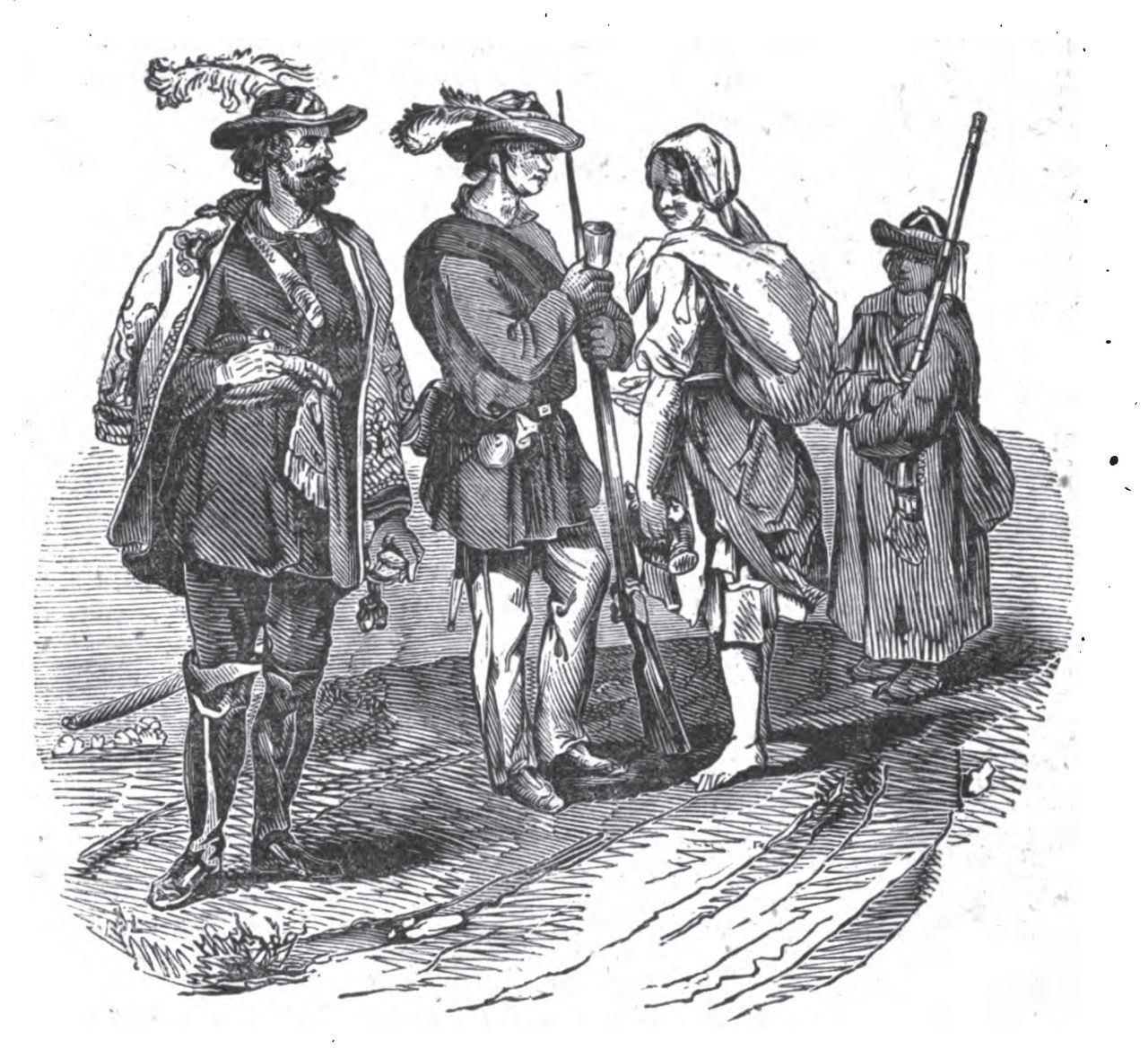
In the context of European political upheavals, the Slovak Uprising against the Hungarian authorities marked a critical point in the struggle for political and social rights for Slovaks. The backdrop of this event can be traced to the larger Austro-Hungarian Empire, where multiple ethnic groups sought more autonomy and recognition of their unique cultural and political identities.
Slovaks at that time were under Hungarian jurisdiction, and tensions had been escalating due to the Hungarians’ centralized control and the suppression of non-Magyar ethnic groups. The push for greater rights was part of the broader 1848 revolutionary wave that swept across Europe. Slovak leaders and activists grew increasingly vocal, advocating for linguistic rights, self-governance, and legal recognition. The pressure culminated in this uprising, spearheaded by Slovak nationalists and supported by local communities who were fed up with Hungarian dominance.
The Slovaks organized and demanded not only political representation but also the establishment of Slovak as an official language in schools and government affairs. In response, Hungarian authorities reacted with military force to quash the rebellion, leading to confrontations and skirmishes. Despite being outmatched in terms of resources and military strength, the Slovak insurgents managed to highlight their cause in the larger framework of nationalistic and democratic movements spreading through Europe.
Although the immediate impact did not result in autonomy or significant legislative changes, the uprising was crucial in fostering a sense of national identity among Slovaks and provided a historical precedent for future Slovak resistance movements. In the broader context of Slovak history, this event underscored the ongoing struggle against assimilation policies and highlighted the persistent demand for cultural and political recognition within the Austro-Hungarian framework.
The uprising is commemorated as an early and important chapter in the Slovak quest for national self-determination, and it reflects the broader currents of 19th-century European revolutionary sentiments.
#SlovakUprising #PoliticalRights #SocialRights #NationalIdentity #Resistance #EuropeanHistory #MoofLife
View detailsIn the mid-19th century, the Kingdom of Hungary, which included Slovak territories, initiated a major social and economic transformation by abolishing serfdom. This move aimed to dismantle the feudal system that had long characterized regional agricultural and social structures. Before this change, serfs were legally bound to the land and their landlords, with limited autonomy and subject to numerous obligations, including labor services and rent.
The push for reform was partly influenced by rising national and liberal movements across Europe advocating for increased individual freedoms and equality. The abolition of serfdom allowed peasants to own land and lifted many feudal obligations, paving the way for a more flexible and productive agricultural economy. This restructuring was significant for the Kingdom of Hungary, including Slovak regions, where agrarian activities formed the backbone of the local economy.
The immediate impacts were transformative. Peasants gained the right to buy and sell land, enter into contracts, and choose their employment. This newfound autonomy led to increased agricultural productivity as peasants were more motivated to improve their lands and invest in better farming techniques. Land ownership also became more widespread, contributing to the emergence of a nascent rural middle class.
Statistics from the period show a notable increase in agricultural output and efficiency. For instance, there was an observable increase in crop yields and diversification of produce, which helped mitigate the risk of famines that previously plagued the population. Additionally, the social dynamics in rural areas began to shift, with reduced tension between landlords and peasants and an overall improvement in living standards for many.
Despite these advancements, challenges remained. The transition was not without its difficulties, as some peasants struggled with the financial burdens of land ownership and the complexities of operating independently. Moreover, the long-term effects included significant social adjustments, as former serfs and landlords navigated new economic roles and relationships.
The abolition of serfdom in the Kingdom of Hungary marks a crucial phase in its socio-economic evolution, particularly within the Slovak territories. It laid the groundwork for modern agricultural practices and more equitable social structures, resonating through subsequent generations.
#Freedom #AgrarianReform #PeasantRights #MoofLife
View details1741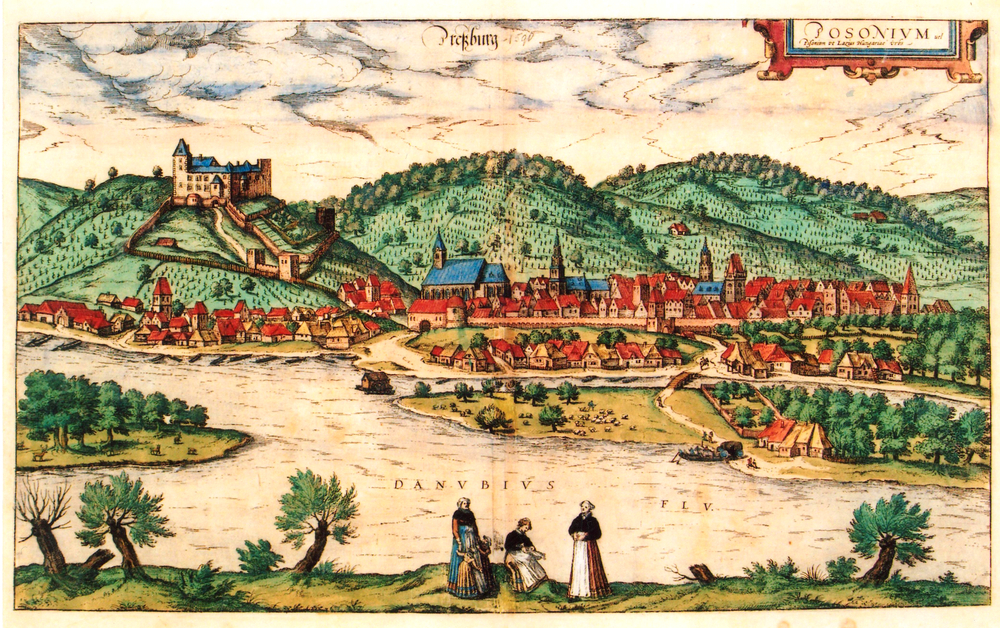
The city of Bratislava, known as Pozsony at the time, was positioned strategically along the Danube River. The Habsburg monarchy saw the potential of this location, both for its defensive capabilities and its accessibility. The Kingdom of Hungary, part of the Habsburg Empire, sought to move its focus away from the ongoing struggles with the Ottoman Empire and other political pressures in Central Europe.
Leadership of the Habsburg Empire, particularly under Maria Theresa, who ascended to the throne, recognized the importance of establishing a new seat of royal power. Bratislava was chosen as the coronation city. This decision came during a period of increased political fragility. The significance of such a location was not merely symbolic but also practical, intended to centralize and stabilize the governance of Hungary within the Habsburg realms.
The coronation of Maria Theresa in Bratislava signified unity and strength under Habsburg rule. The event drew nobility from various parts of Europe, solidifying alliances and showcasing the might of the empire. The occasion also brought about infrastructural benefits for Bratislava, as it necessitated the enhancement of its facilities to accommodate the dignitaries and the various ceremonies associated with royal coronations.
Economically, the coronation bolstered local businesses, from craftsmen to merchants, as the influx of visitors required goods and services. Culturally, it elevated the city’s status in European affairs. The coronation marked Bratislava as a key city within the Habsburg realms, laying the groundwork for future political and economic developments in the region.
The lasting impact of Bratislava becoming the coronation city can be seen in its architectural and cultural heritage. The city's historical landmarks, such as the Bratislava Castle and the Church of St. Martin, serve as reminders of this period. Politically, it underscored the shifting powers within Europe and highlighted the Habsburg’s strategic maneuvers to maintain control and influence.
#History #HabsburgEmpire #Bratislava #KingdomofHungary #MariaTheresa #CulturalHeritage #CentralEurope #MoofLife
View details1714
During the early 18th century, Bratislava faced a severe challenge when a plague epidemic ravaged the city. The epidemic rapidly spread throughout the community, leading to a desperate struggle for survival among its inhabitants. Bratislava, a key city in the region, encountered heavy losses in both population and public morale.
The origins of the outbreak remain unclear, with theories suggesting it could have traveled along trade routes or via infected persons entering the city. Regardless of its source, the plague's impact was swift and devastating. In a matter of months, thousands of citizens perished, reducing the city's population substantially. Traditional systems for dealing with public health crises were overwhelmed, and authorities were forced to impose quarantines and strict isolation measures.
Public and private buildings were converted into makeshift hospitals. Streets were eerily deserted, and a heavy silence fell over the once-bustling urban center. The local economy suffered as trade activities came to a halt, and agricultural productivity plummeted due to the loss of manpower. Social structures strained under the pressure, with families losing multiple members to the disease and orphanages filling to capacity.
Efforts to control the spread involved rigorous cleansing and sanitation practices, though these measures were only marginally successful given the limited medical knowledge of the time. Religious and community leaders played crucial roles, providing spiritual comfort and practical support to those afflicted, although fear and superstition also led to instances of blame and scapegoating.
The epidemic in Bratislava during this period marks a poignant chapter in the city's history, reflecting the broader European struggle against recurrent outbreaks of plague. It underscores the vulnerability of urban centers to contagious diseases and the profound societal impacts such public health crises can entail.
#BratislavaPlague #UrbanCrisis #PublicHealthHistory #ImpactofEpidemics #MoofLife
View details1713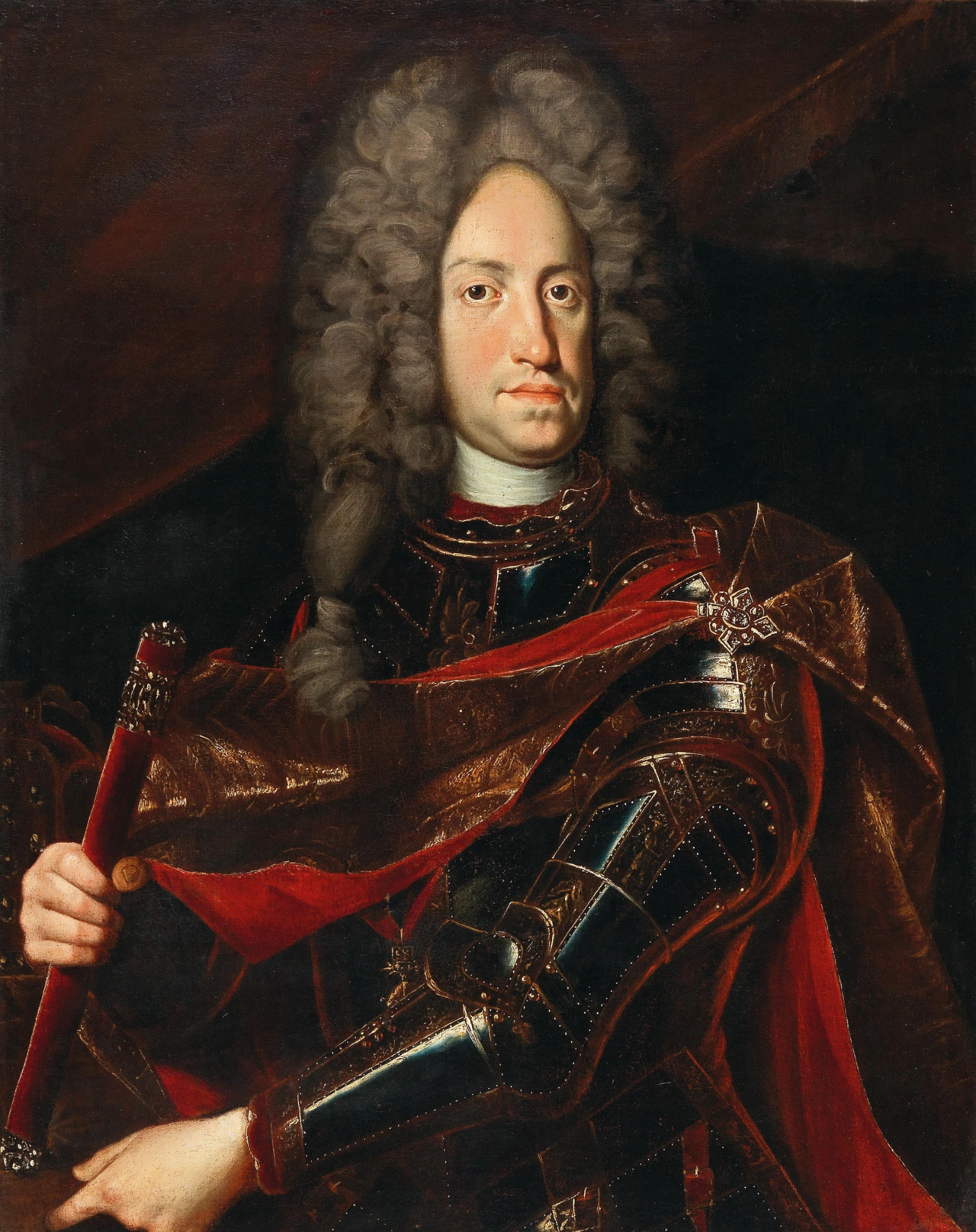
In the early 18th century, the Holy Roman Emperor Charles VI found himself facing a significant challenge regarding the succession to the Habsburg Monarchy due to the absence of a male heir. With the fear of the fragmentation of his vast empire looming, Charles VI initiated what would become a crucial step in securing the continuity and unity of his dominions.
The Pragmatic Sanction was an edict issued by Charles VI, ensuring that the Habsburg lands could be inherited by a female descendant if no male heir was available. This decree aimed to consolidate the various Habsburg territories, which included lands that are part of modern-day Slovakia, under a single ruler, thereby maintaining the cohesion of the empire.
Charles VI's only surviving offspring was his daughter, Maria Theresa. To ensure that she would be recognized as his legitimate heir, the Emperor sought the approval of other European powers. This was a complex and lengthy diplomatic endeavor. The negotiations involved treaties and financial incentives to secure the necessary support for the Pragmatic Sanction. Success was achieved when key European states eventually accepted the terms, mitigating the risk of internal and external conflicts over succession.
The adoption of the Pragmatic Sanction marked an essential strategic effort to prevent the disintegration of the Habsburg Monarchy. It had far-reaching implications, as the decree not only affected the succession but also impacted European politics and alliances for generations. The enforcement of the Pragmatic Sanction directly influenced the War of the Austrian Succession after Charles VI's death, underscoring the contentious and fragile nature of international endorsements.
By securing the inheritance through this decree, Charles VI set the stage for Maria Theresa's reign, during which she implemented significant reforms and maintained the sovereignty of Habsburg territories. Nonetheless, this effort to ensure a smooth transition of power highlighted the complexities of hereditary succession in European monarchies and the geopolitical maneuvering required to sustain dynastic continuity.
#HabsburgMonarchy #PragmaticSanction #MariaTheresaInheritance #EuropeanHistory #MoofLife
View detailsThe War of Spanish Succession concluded with the signing of the Treaty of Utrecht, significantly influencing the territorial and political landscape of Europe. The conflict, triggered by the death of Charles II of Spain without an heir, saw multiple European powers vying for control over the Spanish throne. The primary combatants included France and Spain on one side, challenged by the Grand Alliance comprising England, the Dutch Republic, and the Holy Roman Empire, with several other states participating.
The Treaty of Utrecht is a series of agreements between the conflicting powers, aiming to maintain the balance of power in Europe and prevent the unification of the French and Spanish crowns. As part of the terms, Philip V was recognized as the King of Spain, provided he renounced his rights to the French throne. This stipulation averted potential Franco-Spanish hegemony.
For Slovakia, then part of the Kingdom of Hungary under Habsburg rule, the treaty had indirect yet significant consequences. The Habsburg Monarchy, a member of the Grand Alliance, secured the Spanish Netherlands (modern Belgium), Naples, Milan, and Sardinia, consolidating Habsburg influence in Central Europe. This consolidation indirectly strengthened their hold over Slovakia, as the Habsburgs focused on stabilizing and centralizing their dominions.
The war also led to staggering human and economic costs across Europe. Estimates suggest around 400,000 combatant deaths, along with widespread civilian suffering due to scorched-earth tactics and disrupted trade. The redistribution of territories and redefined power structures significantly impacted European political dynamics, establishing a precedent for diplomatic resolutions in international conflicts.
The Treaty of Utrecht's legacy in Slovakia includes increased reliance on Habsburg military and economic policies, integration into a more centralized European order, and a period of relative stability that allowed for subsequent reforms in administration and governance. This historical reshaping positioned Slovakia within the broader European geopolitical framework for decades to follow.
#PeaceTreaty #HistoricalImpact #EuropeanHistory #HabsburgLegacy #GeopoliticalShift #WarOfSpanishSuccession #MoofLife
View details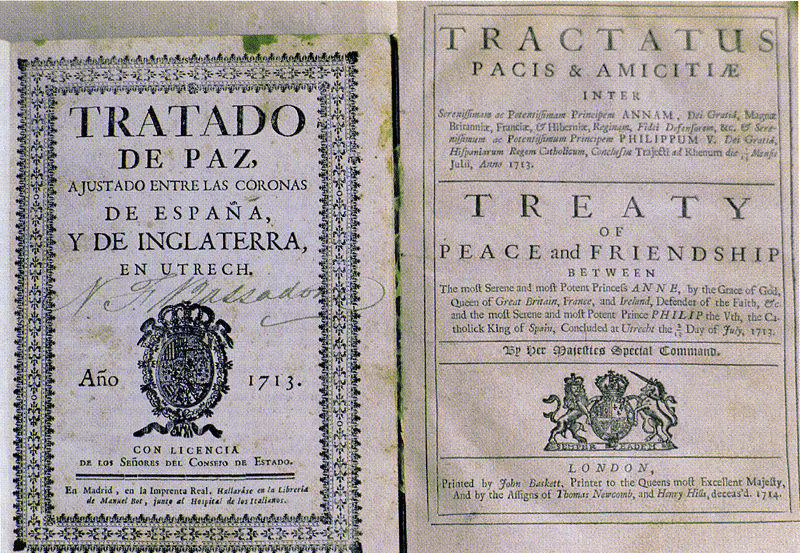
1635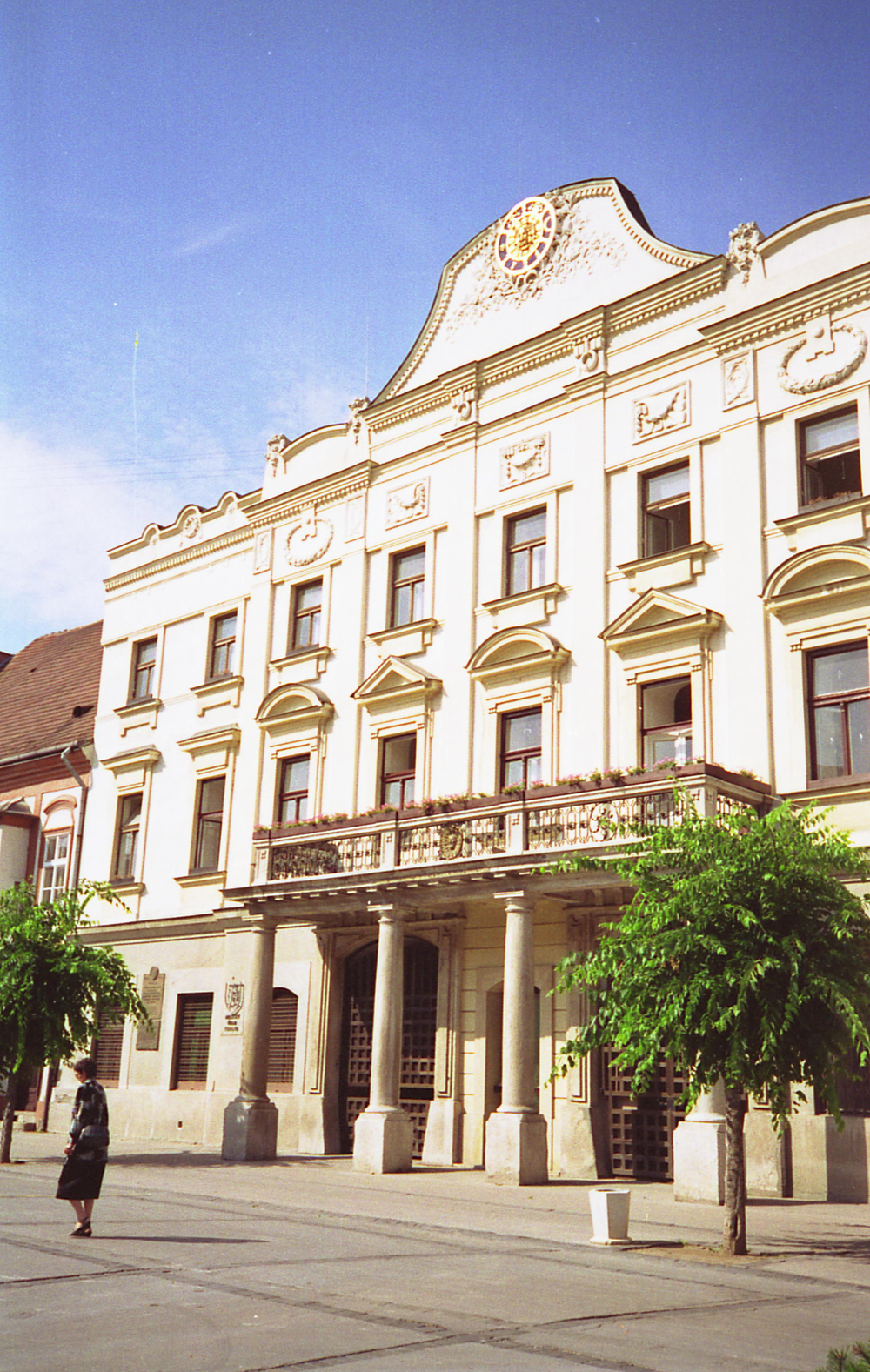
In the early seventeenth century, the founding of Trnava University marked a pivotal development in the educational landscape of Slovakia. This was achieved through the combined efforts of theologians and scholars who saw the urgent need for an institution offering higher education within the region. The establishment of the university was driven by the counter-reformation movement and was aimed at countering Protestant influences by providing education grounded in Catholic doctrine.
Trnava University was initially equipped with faculties of Theology, Philosophy, and Law. The initial number of enrolled students stood at 225. The University was instrumental in elevating the intellectual and cultural standing of the region. As the first university in Slovakia, its role was not only to educate but also to foster scholarly research and cultivate an academic environment in the heart of the country.
The University’s establishment had significant socio-economic and cultural consequences. It attracted scholars and students from various parts of Europe, thereby creating an intellectual hub in Slovakia. This influx of intellectuals contributed to the local economy and promoted cultural exchange, creating a more cosmopolitan atmosphere in Trnava. Moreover, the academic research produced at the university contributed to the broader European body of knowledge, particularly in theology and philosophy.
Trnava University also played a pivotal role in the development of Slovak national consciousness. Through the education it provided, it promoted the use of the Slovak language in scholarly works and advocated for the cultural heritage of the Slovak people. This bolstered the cultural identity and national pride of the Slovak population during a time when national sentiments were gaining strength.
The impact of the university’s founding can still be observed today. Modern Slovak educational institutions owe much of their tradition and academic integrity to the pioneering groundwork laid by Trnava University.
#TrnavaUniversity #SlovakEducation #CulturalHeritage #HistoryOfSlovakia #MoofLife
View details1526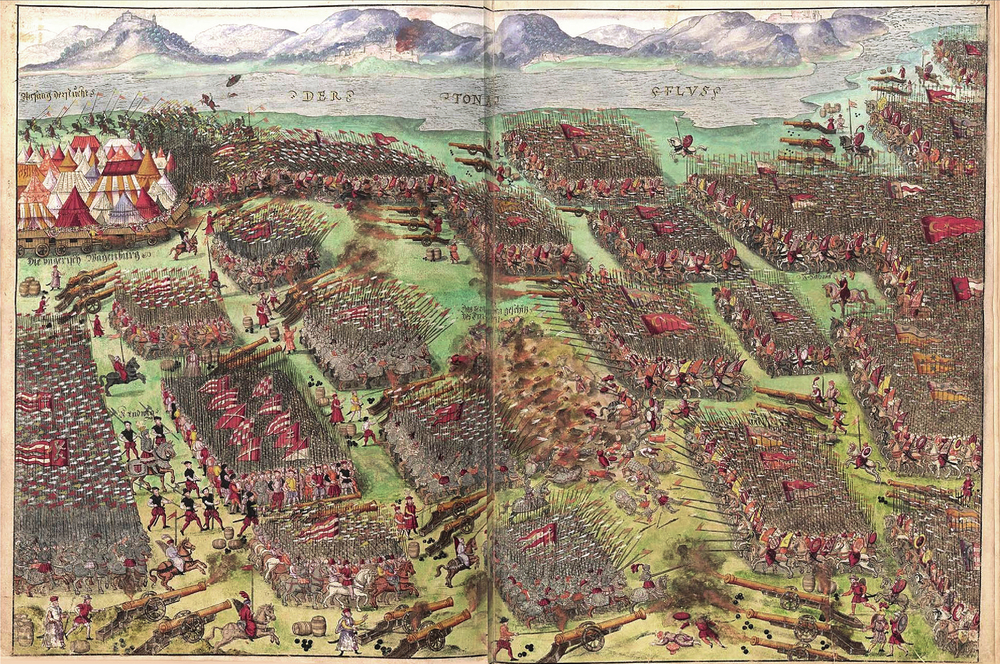
The confrontation known as the Battle of Mohács was a pivotal episode in the military clash between the Kingdom of Hungary, inclusive of territories of modern-day Slovakia, and the advancing Ottoman Empire. The engagement took place against a backdrop of territorial tensions and the rapid expansion of Ottoman influence into Central Europe. The Kingdom of Hungary, recognizing the existential threat posed by the Ottomans, mobilized a composite force consisting of Hungarian troops alongside auxiliary units from neighboring realms, which were parts of the present-day Slovakia.
At the crucial juncture, the Hungarian army, although sizable with estimates ranging between 25,000 to 30,000 men, faced a significantly larger and better-organized Ottoman force exceeding 60,000 soldiers. The Hungarian coalition was undermined by various strategic and tactical shortcomings. Commanded by King Louis II, the Hungarian troops were disjointed due to inadequate preparation and coordination. Conversely, the Ottoman forces, led by Sultan Suleiman the Magnificent, were seasoned, disciplined, and better equipped with artillery and cavalry.
The confrontation unfolded on a broad plain, favoring the maneuverability of the Ottoman cavalry. The Hungarian forces, despite initial resistance, were overwhelmed by the superior firepower and tactics employed by the Ottomans. The battle culminated in a catastrophic defeat for the Kingdom of Hungary. In the fallout of the clash, King Louis II perished, either during the retreat or shortly after, plunging the leadership of the Hungarian kingdom into turmoil.
The aftermath brought significant consequences for Central Europe. The defeat allowed the Ottoman Empire to establish control over the vast stretches of Hungary, leading to the partitioning of the kingdom into three distinct parts: one under Ottoman dominion, another under Habsburg control, and a semi-independent Principality of Transylvania. These changes disrupted the political landscape, influencing the region for centuries. The battle marked the beginning of profound shifts, reducing the Kingdom of Hungary from a sovereign state into contested territories under foreign rule.
#MoofLife #OttomanEmpire #HungaryBattle #HistoricalClash #SlovakiaHistory #CentralEuropeConflicts
View details1458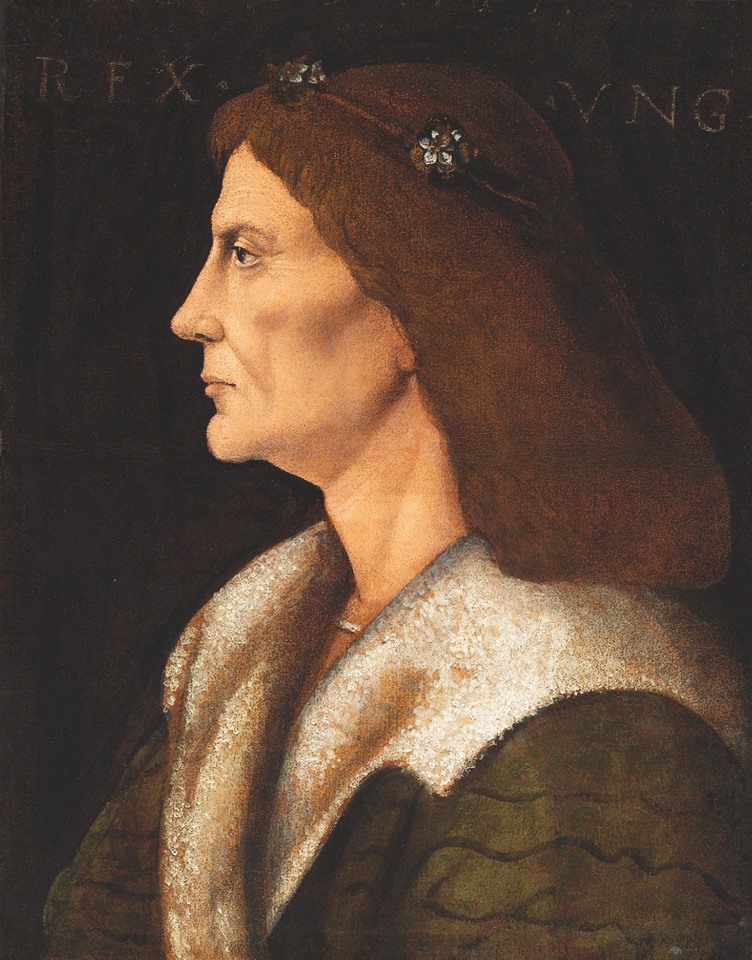
In the period when King Matthias Corvinus ascended to the throne of Hungary, the political landscape of Central Europe was undergoing substantial changes. His rise to power involved not only Hungary but also included territories now part of modern-day Slovakia. Born into the Hunyadi family, Matthias was the son of John Hunyadi, a prominent military leader who had gained significant influence through his defense against the Ottoman Empire.
Matthias Corvinus was elected king by the Hungarian nobility. This election followed a period of instability after the death of the previous king, Ladislaus the Posthumous, leading to a power vacuum. Matthias was just fifteen years old when he was chosen by the Diet of Hungary, largely due to the support of the influential Hunyadi faction and his uncle Michael Szilágyi, who played a substantial role in securing his nephew’s accession.
The impact of Matthias Corvinus' rule was notable in several areas. He focused on centralizing authority, curbing the power of the nobility, and reorganizing the administration for greater efficiency. His reign is well-remembered for efforts to reform the judicial system and for his patronage of the arts and culture, resulting in what became known as the Renaissance in Hungary. Matthias’ establishment of the Bibliotheca Corviniana, a vast collection of manuscripts and books, marked a significant intellectual endeavor, making it one of the largest libraries in Europe at the time.
Militarily, Matthias created the Black Army, a formidable and professional standing army designed to protect and expand his domains. He conducted numerous campaigns, extending his influence into neighboring regions, including parts of Austria, Moravia, and Silesia. His efforts were aimed at not only defending against Ottoman incursions but also establishing hegemony within Central Europe.
Throughout his reign, Matthias Corvinus maintained control over the regions now within Slovakia’s borders, integrating them into his broader political and military strategies. The administrative reforms and cultural patronage during his time would leave a lasting legacy in these areas.
#MatthiasCorvinus #Hungary #Slovakia #CentralEurope #Renaissance #MedievalHistory #PoliticalReform #CulturalHeritage #MilitaryHistory #MoofLife
View details1378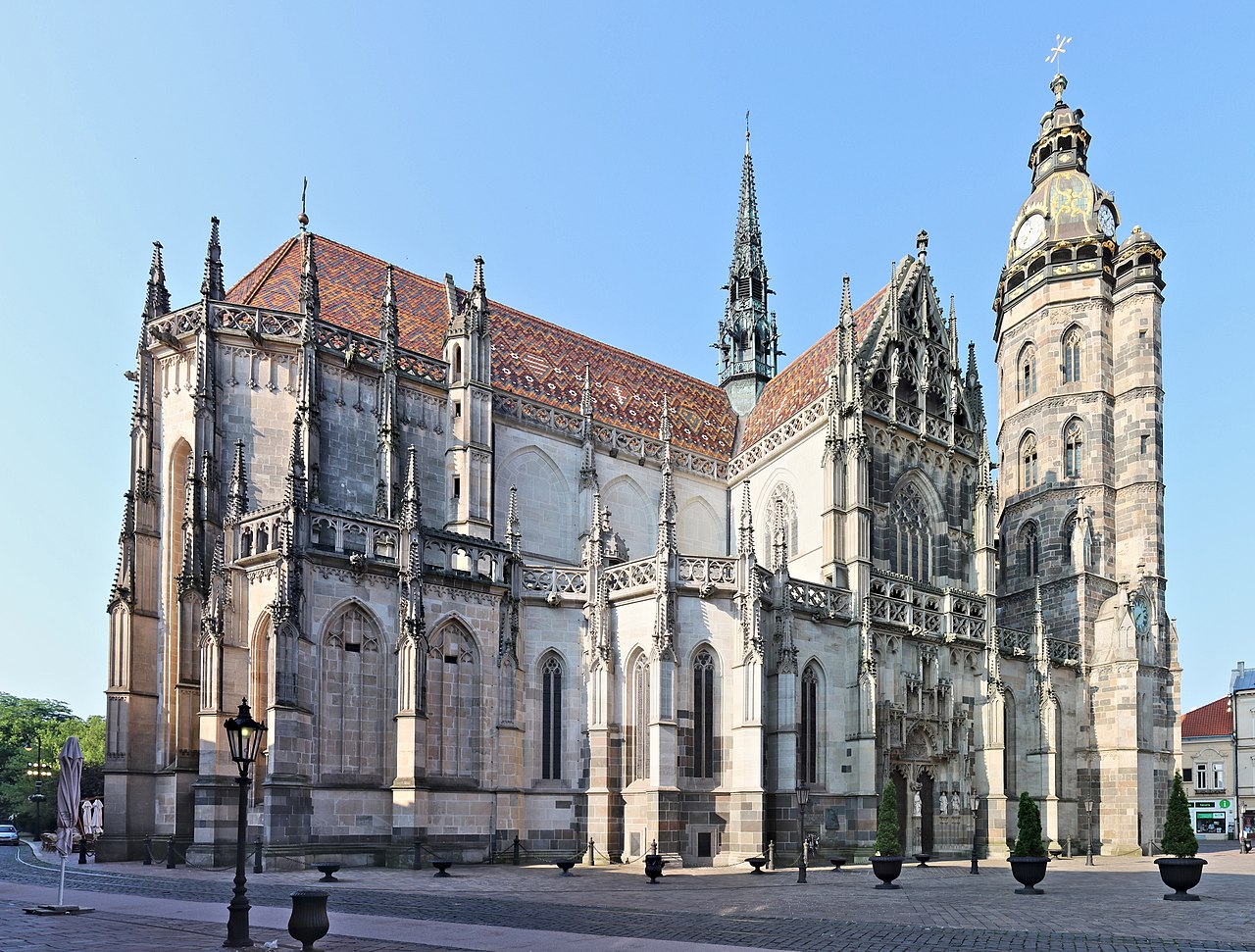
The construction of the St. Elisabeth Cathedral in Košice marked a pivotal chapter in the architectural and religious history of the region now known as Slovakia. At that time, Košice was a burgeoning urban center, strategically located along major trade routes, which facilitated economic growth and cultural exchange. The decision to build such an expansive and elaborate structure reflected the town's rising prominence and the aspirations of its citizens.
St. Elisabeth Cathedral was designed to be one of the largest churches in the area, capable of accommodating a vast number of worshippers and serving as a central place for religious and community gatherings. The construction involved various masons, artisans, and laborers, who dedicated their skills to create this monumental edifice. The cathedral's architectural style is predominantly Gothic, characterized by pointed arches, ribbed vaults, and flying buttresses. These elements were indicative of the era’s architectural advancements and highlighted the region’s connection to broader European trends.
The cathedral's size and grandeur were also symbolic of the ecclesiastical power and influence wielded by the church in Košice. It played a crucial role in the community, not only as a place of worship but also as a venue for significant civic events and social functions. The structure stands as a testament to the collective effort and resources pooled by the town’s inhabitants, including contributions from affluent merchants and local nobility.
The impact of the St. Elisabeth Cathedral extended beyond its immediate religious function. It became a pivotal landmark, drawing pilgrims, scholars, and artists. The cathedral also served as a repository of art and relics, further enhancing its cultural significance. Over the centuries, the building witnessed various historical events, modifications, and restorations, each adding layers to its rich history.
Architecturally, the St. Elisabeth Cathedral played a role in influencing subsequent church designs in Slovakia and surrounding regions, showcasing the interchange of ideas and stylistic elements. Its completion marked a milestone, illustrating the synthesis of religious devotion, architectural innovation, and community spirit.
#Košice #StElisabethCathedral #GothicArchitecture #SlovakHistory #ReligiousHeritage #MoofLife
View details1342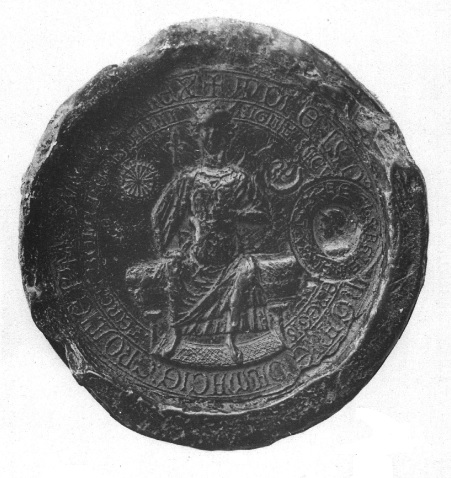
King Andrew II of Hungary formally conferred upon the town of Košice the status of a free royal city. This status was granted to Košice as part of the broader strategy of the medieval Kingdom of Hungary to fortify its administrative and economic structures. Positioned at the confluence of key trade routes in present-day Slovakia, Košice had demonstrated notable commercial and strategic potential. Recognizing these advantages, King Andrew II sought to enhance the town's autonomy and ability to self-govern.
The grant entailed specific rights and privileges for the town's inhabitants. Košice's new status allowed it to manage its own affairs, elect magistrates, and operate a degree of judiciary power, independent of feudal oversight. The autonomy also extended to economic freedoms, such as the ability to conduct trade without certain royal taxes and fees, thereby stimulating local economic growth. Additionally, the status attracted artisans, merchants, and other skilled workers, contributing to the diversification and enrichment of the town's economy.
As a free royal city, Košice gained the right to fortify itself, which played a crucial role in the defense strategy of the Kingdom of Hungary. The walls and fortifications built during this period provided the town with security against potential invasions and internal conflicts. Furthermore, the status contributed to an increase in Košice's population and wealth, establishing it as a key urban center in the region.
The impact of this event on Košice's development was profound. It not only transformed the town into a significant hub of commerce and governance but also set a precedent for other towns in the region aspiring for similar privileges. The grant of free royal city status was a pivotal measure in the broader framework of the kingdom's urban policies aimed at fostering regional stability and economic prosperity.
#FreeRoyalCity #Košice #KingAndrewII #MedievalHungary #UrbanHistory #EconomicGrowth #SelfGovernance #TradeRoutes #MoofLife
View details1328
In the early 14th century, Kremnica, located in present-day Slovakia, became the site of one of the oldest continuously operating mints in the world. The establishment was driven by the rich deposits of gold found in the region, which attracted miners, craftsmen, and traders. The city itself became a vital center for commerce and industry as a result.
Coinage produced in Kremnica quickly gained a reputation for quality and reliability. The mint's production included the famous ducats, known for their high gold content and consistent weight, making them a preferred currency across Europe. The Kremnica Mint not only boosted the local economy but also enhanced trade connections between Central Europe and other regions. This facilitated smoother commercial transactions and contributed to the prosperity of the regions using these coins.
The strategic significance of Kremnica's location, combined with its advanced minting technology, played a crucial role in the successful establishment of the mint. This development was also indicative of the broader trend of economic expansion and centralization of monetary systems in medieval Europe. The consistent production and circulation of Kremnica's coins provided stability in a period often characterized by economic turmoil.
By producing reliable currency, Kremnica contributed to the development of a more stable and predictable economic environment, reducing the uncertainties associated with trade and commerce at that time. The mint's long-standing operation through centuries speaks volumes about its importance and the quality of its output, which continues to this day.
#KremnicaMint #EconomicHistory #GoldCoins #MedievalEconomy #Innovation #MoofLife
View details