
Prime Minister of the United Kingdom

The Head of Government
Related Lives

Laos
Land of a Million Elephants

Ivory Coast
The Land of Tropical Beauties.

T20 WorldCup
Twenty 20 International

Aztec Civilization
Mesoamerican Civilization

Lithuania
The Land of Amber

The Presidents of the United States
Head of State

Germany
The Land of Ideas

Monarchy of the United Kingdom
The enduring legacy of the Royal Family.

1905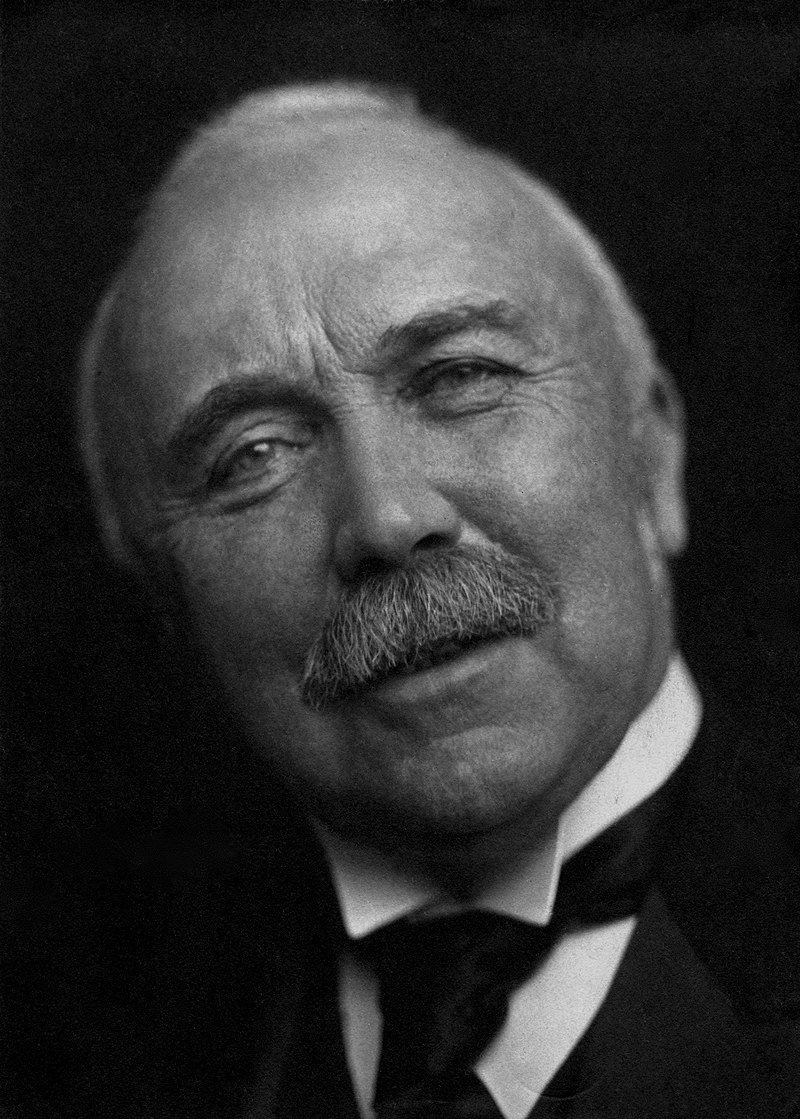
Sir Henry Campbell-Bannerman GCB PC was a British statesman and Liberal politician who served as Prime Minister of the United Kingdom from 1905 to 1908 and Leader of the Liberal Party from 1899 to 1908. He also served as Secretary of State for War twice, in the cabinets of Gladstone and Rosebery.
View details1902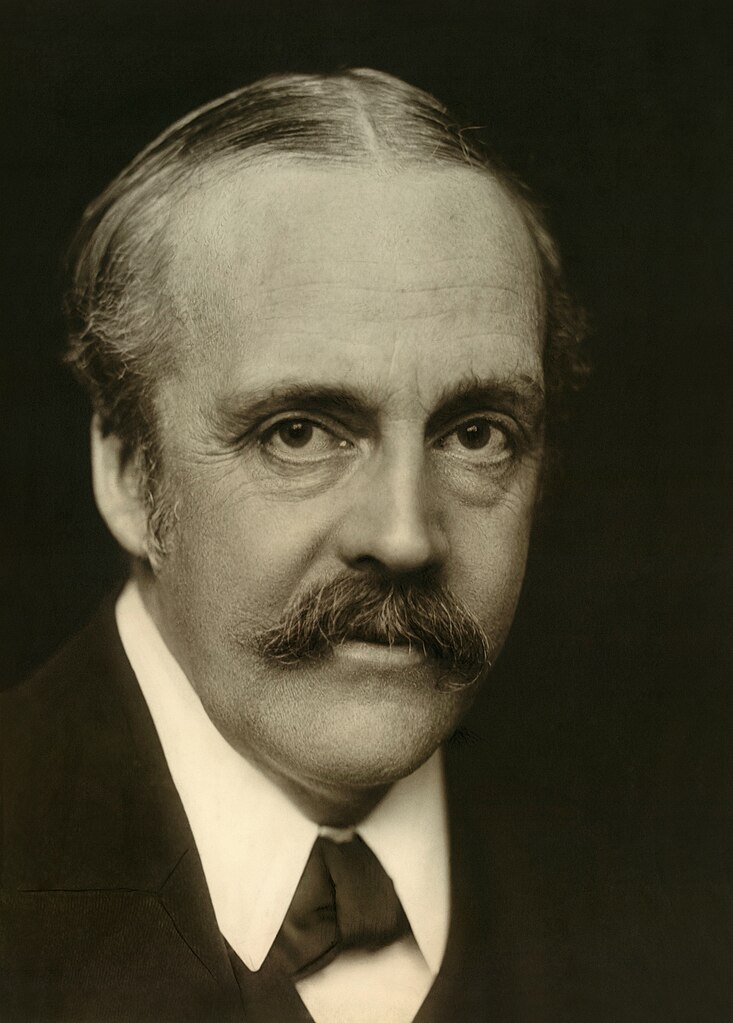
In 7/12/1902, Arthur Balfour became the Prime Minister of the United Kingdom, succeeding his uncle, Lord Salisbury. Balfour was a prominent figure in British politics, known for his conservative views and leadership in the Conservative Party. His term as Prime Minister was marked by events such as the Entente Cordiale with France in 1904 and the implementation of the Education Act in 1902.
The appointment of Arthur Balfour had a significant impact on British politics and international relations during the early 20th century. His tenure as Prime Minister saw the country navigate through a period of significant change and challenges, both domestically and abroad. Balfour's policies and decisions shaped the course of British history, influencing various aspects of governance, diplomacy, and societal development.
The leadership of Arthur Balfour during his time as Prime Minister left a lasting legacy on the United Kingdom and its place in the world. His tenure was a critical juncture in British politics, setting the stage for future developments and shaping the country's direction for years to come.
#ArthurBalfour #PrimeMinister #UnitedKingdom #ConservativeParty #BritishHistory #PoliticalLeadership
View details1895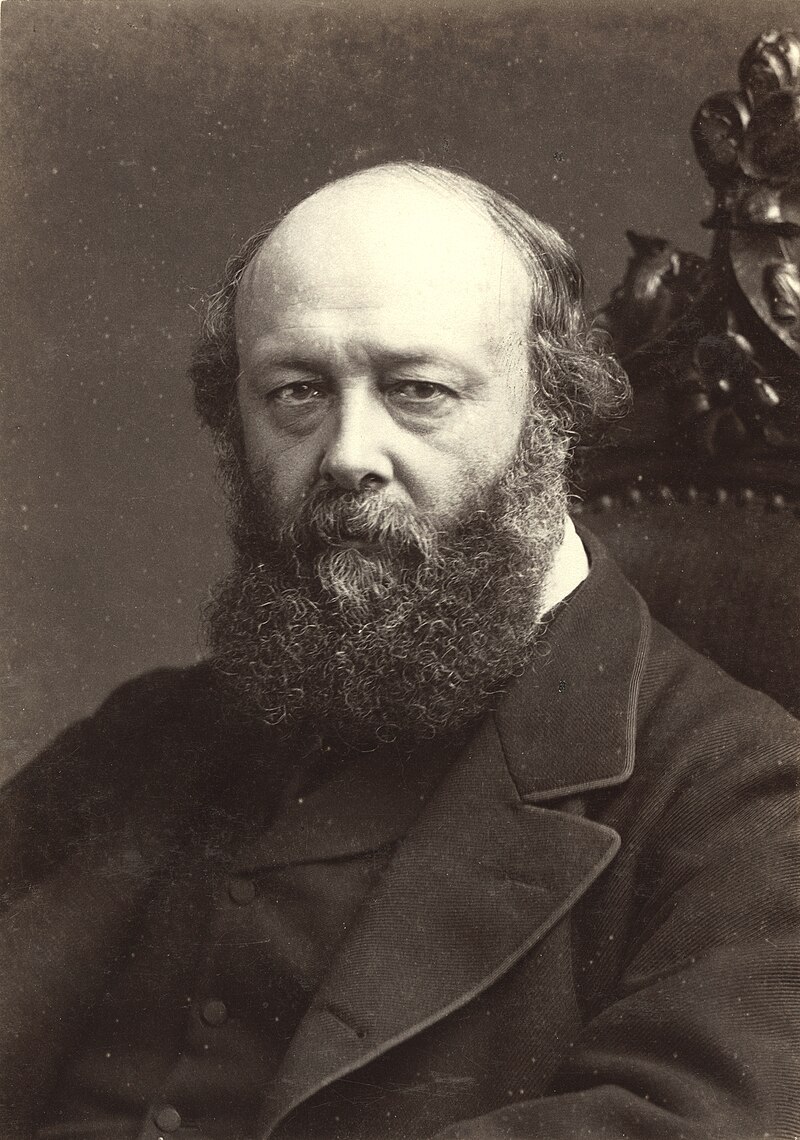
Robert Gascoyne-Cecil, 3rd Marquess of Salisbury, a prominent statesman, was appointed as the Prime Minister of the United Kingdom. He was known for his conservative views and his previous terms as Prime Minister. Robert Gascoyne-Cecil took office during a time of political stability and economic prosperity in the UK. His leadership was characterized by a strong focus on maintaining Britain's global power and imperial interests.
During his term, Salisbury faced challenges such as managing tensions in Europe and addressing domestic issues. His foreign policy aimed at preserving peace and stability, particularly in relation to the European balance of power. Salisbury's diplomatic skills were crucial in navigating complex international relations during his time in office.
As a Prime Minister, Salisbury was instrumental in shaping the direction of British politics and governance. His influence extended beyond his time in office, leaving a lasting impact on the conservative political landscape in the UK. Salisbury's tenure as Prime Minister marked a period of relative stability and continuity in British politics.
#RobertGascoyneCecil #PrimeMinisterUK #ConservativePolitics #BritishHistory #Diplomacy
View details1894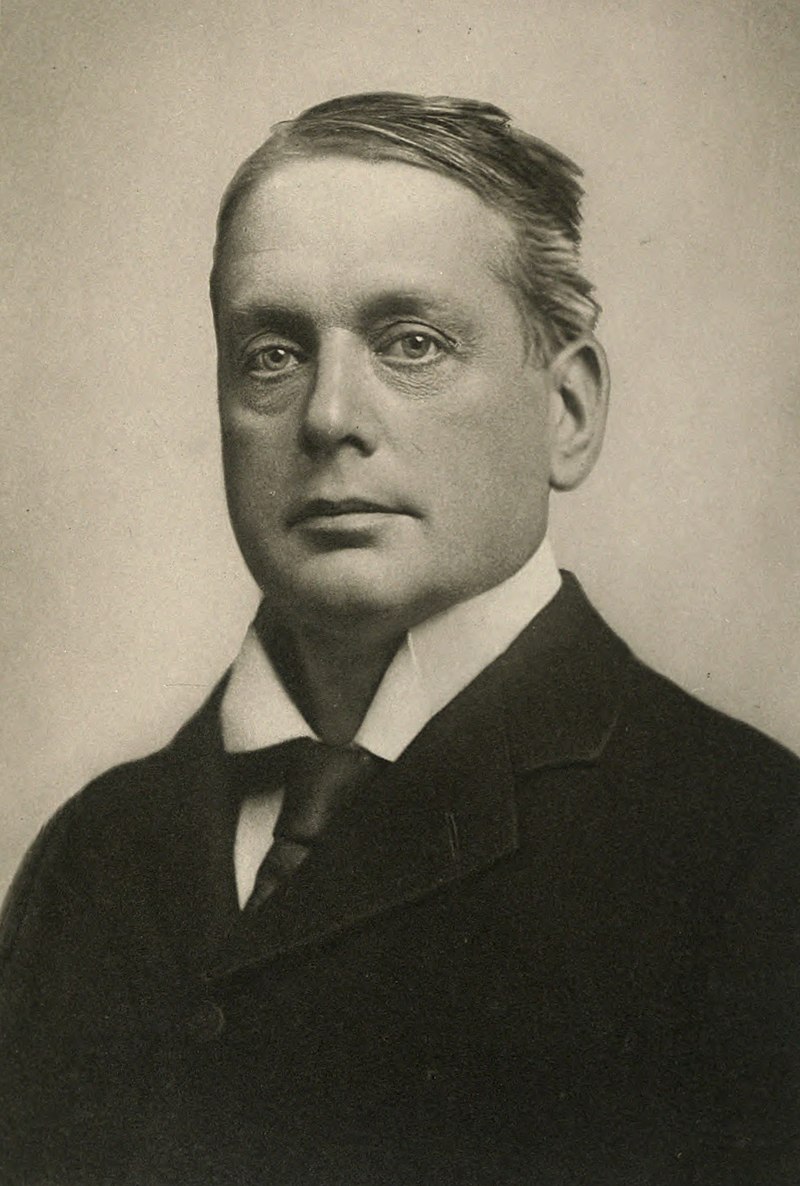
Archibald Primrose became the Prime Minister of the UK. He was the 5th Earl of Rosebery. Known for his wit and charm, he was a prominent figure in British politics. As Prime Minister, Rosebery focused on foreign affairs, trying to maintain a balance of power in Europe. Despite his efforts, he faced challenges within his own party, leading to a short-lived tenure.
Rosebery's appointment marked a shift in UK politics, as he brought a more progressive and liberal approach to governance. His time in office saw advancements in education and public health, but his inability to unite his party ultimately led to his downfall. Despite his short tenure, Rosebery's impact on British politics was significant.
The appointment of Archibald Primrose, the 5th Earl of Rosebery, as the UK Prime Minister marked a moment of change and reform in British politics, showcasing the challenges of balancing power and maintaining party unity. #UKPrimeMinister #EarlofRosebery #BritishPolitics
View details1892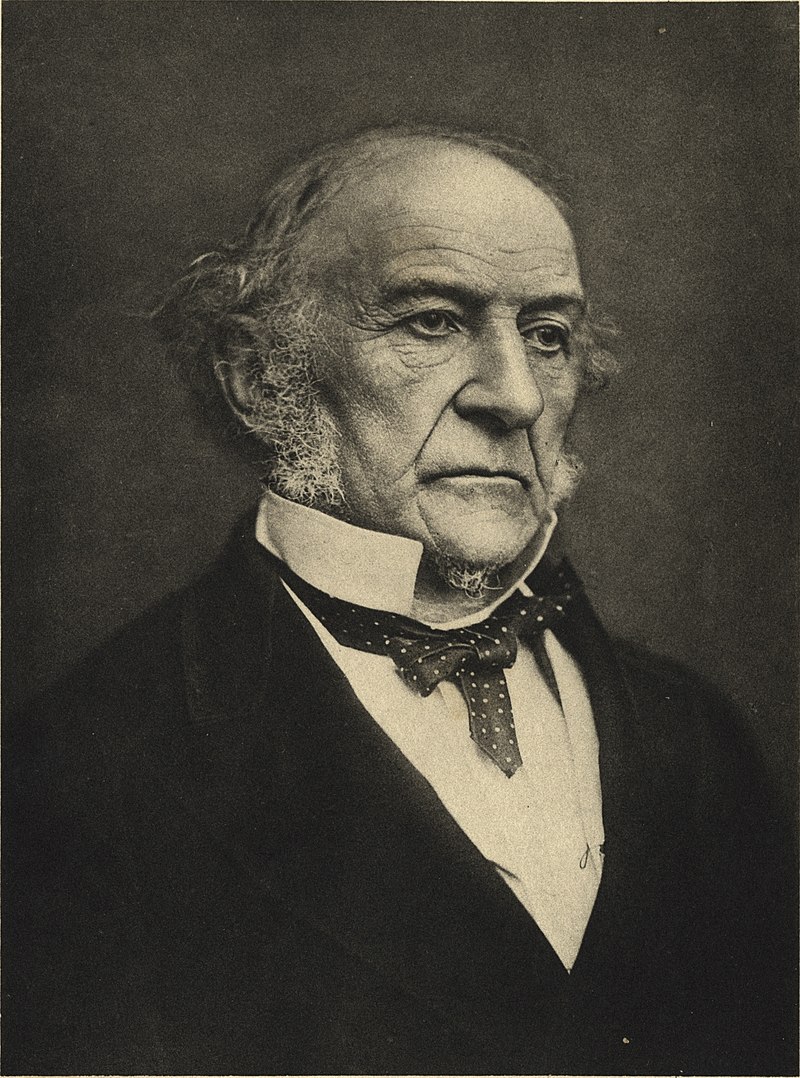
After serving three terms as Prime Minister, William Ewart Gladstone began his fourth term in office. Gladstone was known for his powerful oratory skills, his advocacy for Irish home rule, and his dedication to public service. During his fourth term, he faced challenges such as economic instability and growing tensions in Ireland.
One of the significant achievements of Gladstone's fourth term was the introduction of the Local Government Act, which aimed to decentralize administrative functions and empower local authorities. This legislation laid the groundwork for modern local government in the United Kingdom.
Gladstone's fourth term was also marked by his continued efforts to address the Irish Question. He sought to reconcile the differing interests of Ireland and England through a policy of home rule for Ireland. Despite facing opposition from within his own party and the broader political landscape, Gladstone remained steadfast in his commitment to finding a peaceful resolution to the Irish question.
Overall, Gladstone's fourth term as Prime Minister was a time of both challenges and accomplishments. His leadership during this period left a lasting impact on the political landscape of the United Kingdom.
#WilliamEwartGladstone #PrimeMinisterUK #LocalGovernmentAct #IrishQuestion
View details1886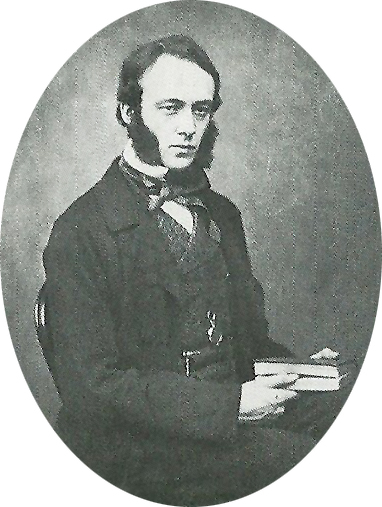
Robert Gascoyne-Cecil, also known as the Marquess of Salisbury, took office for his third term as Prime Minister. Known for his conservative views, Salisbury aimed to protect British interests at home and overseas. During his leadership, he focused on maintaining a balance of power in Europe and expanding the British Empire.
Salisbury's third term as Prime Minister saw him dealing with various domestic and international challenges. He navigated issues such as Irish Home Rule, imperial expansion in Africa and Asia, and political unrest in Europe. Despite facing criticism from opposition parties, Salisbury's policies were generally well-received by the British public.
His tenure was marked by a pragmatic approach to governance, emphasizing stability and continuity in British politics. Salisbury's experience and leadership skills helped steer the country through a period of significant change and uncertainty.
Overall, Salisbury's third term as Prime Minister was characterized by his strategic decision-making, diplomatic finesse, and commitment to upholding British interests. His legacy as one of the longest-serving Prime Ministers in UK history is a testament to his enduring impact on British politics.
#RobertGascoyneCecil #UKPrimeMinister #ConservativeLeadership
View detailsAfter being reelected for a third term, William Ewart Gladstone steered the United Kingdom as Prime Minister. Gladstone's tenure saw significant political reform, including the introduction of the Irish Home Rule Bill aimed at granting Ireland more autonomy from British rule. The bill sparked fierce debates within the government and society, reflecting deep-seated division over the issue of Irish independence.
Gladstone's leadership during his third term was characterized by his unwavering commitment to progressive policies and social justice. His emphasis on reform and his efforts to address pressing issues, such as land reform and education, left a lasting impact on British politics. Despite facing considerable opposition, Gladstone's determination to push for change reshaped the political landscape of the time.
The third term of William Ewart Gladstone exemplified a period of intense political upheaval and transformation in the United Kingdom. His enduring legacy as a statesman who championed reform and equality continues to be remembered in British history.
#WilliamEwartGladstone #PrimeMinister #PoliticalReform #BritishHistory #IrishHomeRule #ProgressivePolicies
View details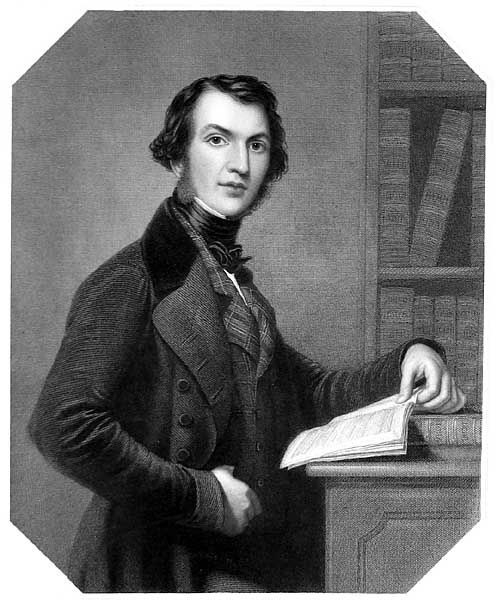
1885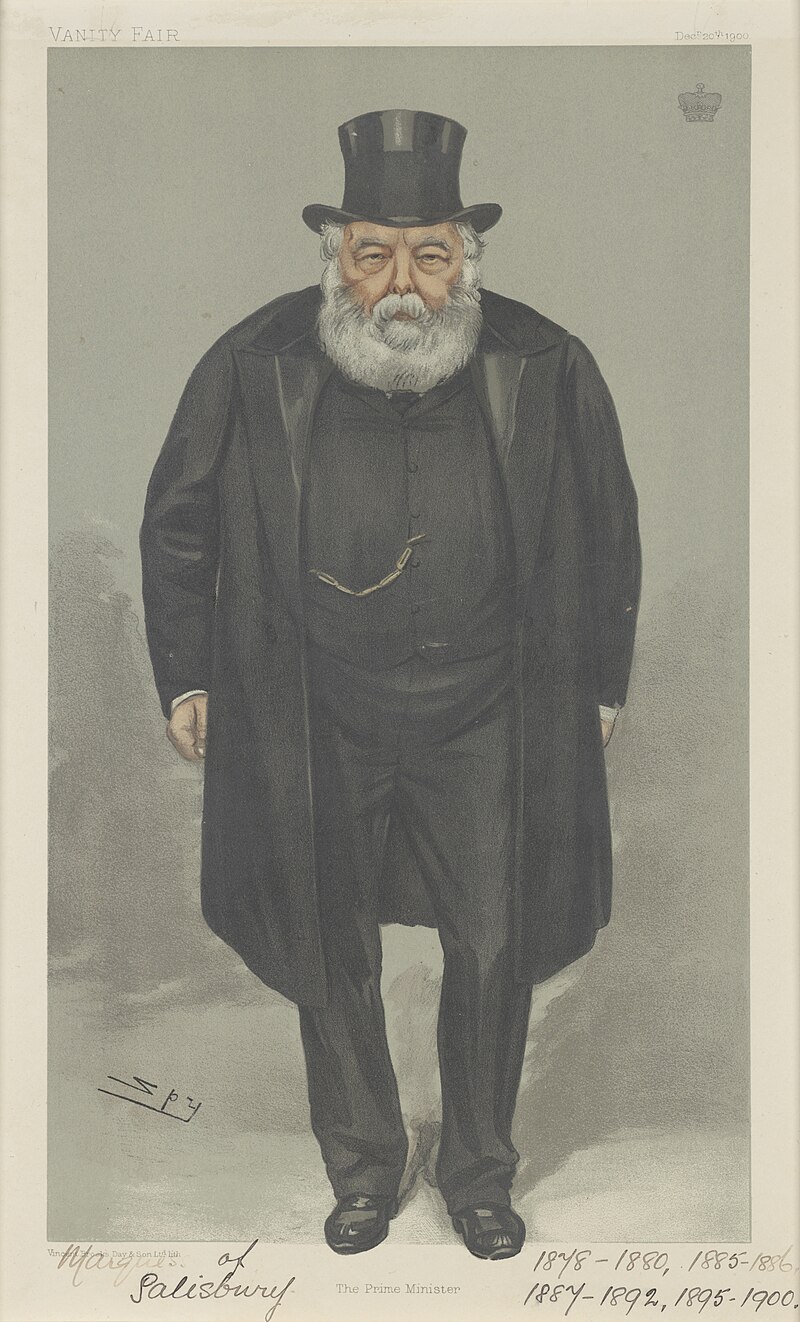
Robert Gascoyne-Cecil began his second term as Prime Minister, serving under Queen Victoria. He was known for his conservative policies and strong leadership. His second term was marked by significant political challenges, including the Irish Home Rule issue. Gascoyne-Cecil's government faced criticism and opposition during this period, with debates and divisions within Parliament.
Despite these challenges, Gascoyne-Cecil was able to maintain stability and address key issues facing the country. His leadership was characterized by a focus on maintaining British interests at home and abroad. Gascoyne-Cecil's policies and decisions during his second term had a lasting impact on the political landscape of the United Kingdom.
Overall, the second term of Robert Gascoyne-Cecil as Prime Minister was a period of political turmoil and debate, but also one of significant accomplishments and challenges overcome.
#RobertGascoyneCecil #PrimeMinister #UKPolitics
View details1880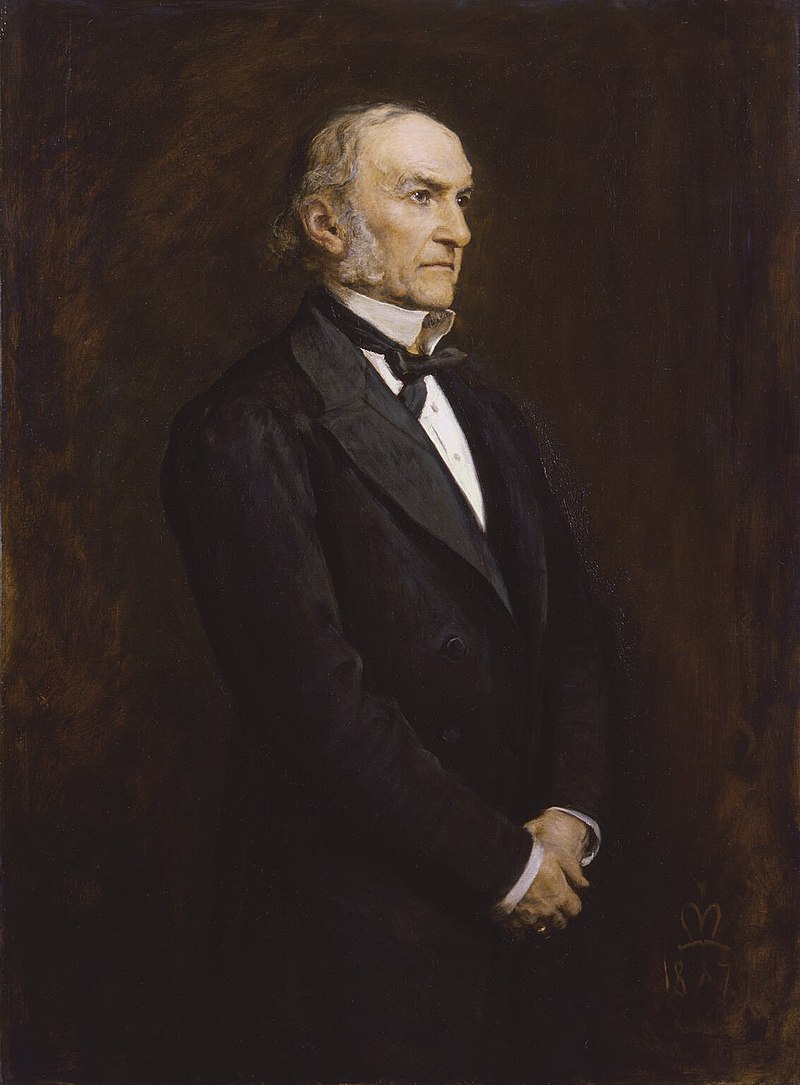
Following the general elections, William Ewart Gladstone was reappointed as the Prime Minister for the second term. He was a prominent figure in British politics, known for his progressive policies and reforms. During his second term, Gladstone focused on addressing key issues such as electoral reform, Irish home rule, and education.
One of the notable impacts of Gladstone's second term was the passage of the 1884 Reform Act, which extended voting rights to a larger portion of the male population. This was a significant step towards democratization in the United Kingdom. Additionally, Gladstone continued to advocate for Irish home rule, seeking to grant more autonomy to Ireland within the British Empire.
Gladstone's dedication to social reform and his efforts to improve the lives of ordinary citizens earned him both support and criticism. His policies sparked debate and shaped the political landscape during his time in office.
The second term of William Ewart Gladstone as Prime Minister marked a period of continued reform and progress in the United Kingdom, solidifying his legacy as one of the most influential political leaders of his time. #WilliamEwartGladstone #PrimeMinister #PoliticalReform #BritishHistory
View details1874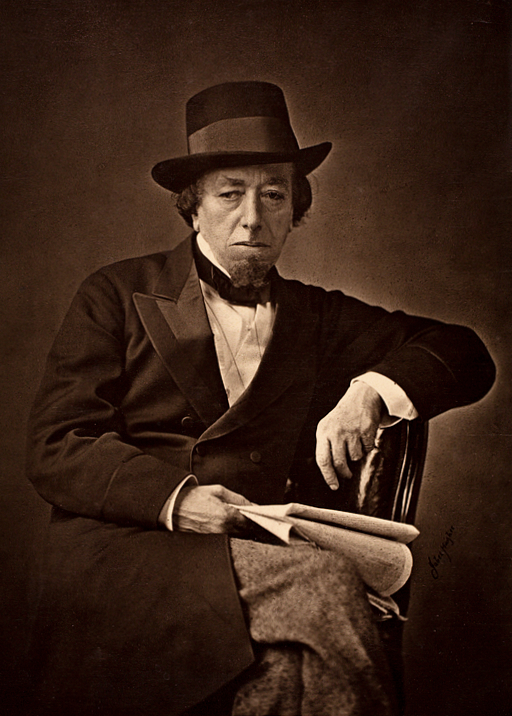
After winning the general election, Benjamin Disraeli began his second term as the Prime Minister of the United Kingdom. Having previously served in the role, Disraeli was well-prepared to lead the country once again. His second term was marked by a focus on domestic issues, including social reforms and improvements to the working conditions of the lower class.
One of the main achievements during Disraeli's second term was the passage of the Artisan's Dwelling Act in 1875, which aimed to improve the living conditions of the working class in urban areas. Additionally, Disraeli's government also passed the Public Health Act in 1875, further demonstrating his commitment to social reform.
Disraeli's second term as Prime Minister had a lasting impact on the UK, with his policies laying the foundation for future social reforms in the country. His focus on improving the lives of the working class helped to address issues of poverty and inequality, setting a precedent for future governments to follow.
#BenjaminDisraeli #UKPrimeMinister #SocialReforms
View details1868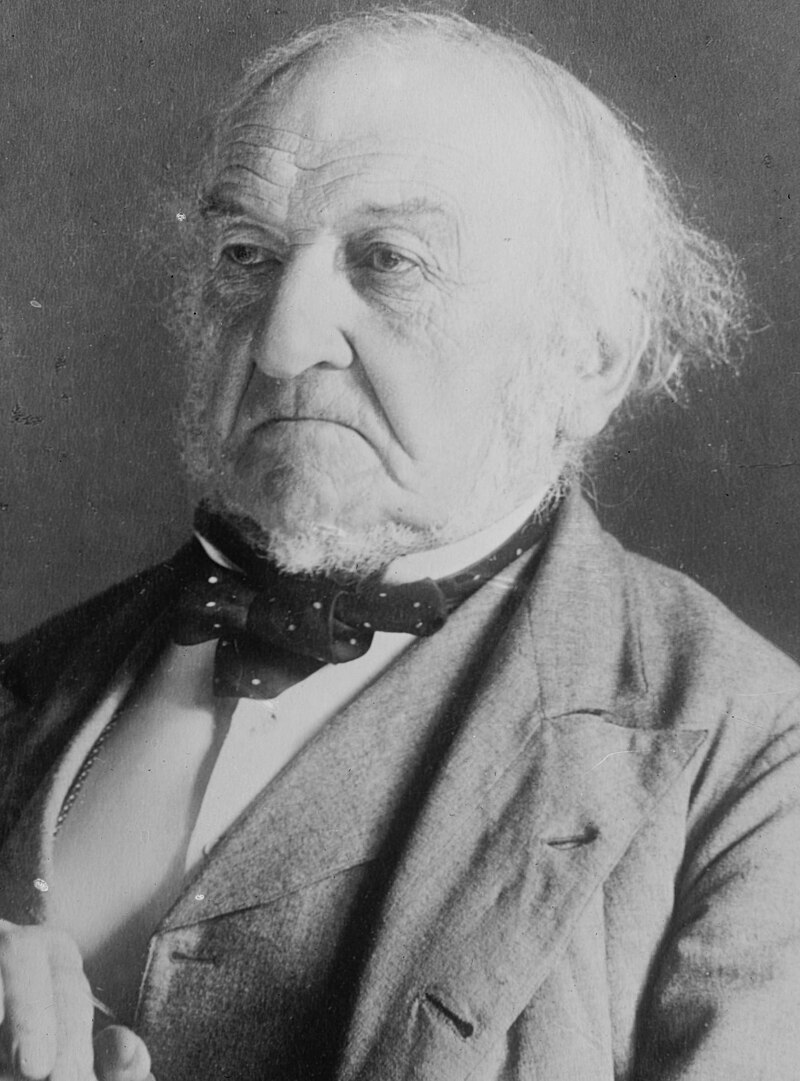
William Ewart Gladstone became the Prime Minister of the United Kingdom in 1868. A prominent figure in British politics, he was known for his financial reforms, promoting free trade policies, and advocating for social reform. His appointment marked a shift in government, as he was a key figure in the Liberal Party, known for his progressive ideas and commitment to individual freedoms.
Gladstone's term as Prime Minister was marked by several important reforms, including the disestablishment of the Church of Ireland and the introduction of the secret ballot in elections. His focus on social issues and financial responsibility earned him popularity among the British public, despite facing opposition from conservative factions.
During his time in office, Gladstone worked to improve the living and working conditions of the working class, implementing labor reforms and advocating for education for all. His government also made efforts to address issues of civil rights and land reform, solidifying his legacy as a reformer and champion of the people.
Overall, Gladstone's appointment as Prime Minister in 1868 marked a significant moment in British politics, ushering in a period of reform and progress under his leadership.
#WilliamEwartGladstone #PrimeMinisterUK #LiberalParty #Reforms #SocialChange
View detailsBenjamin Disraeli, a skilled politician from the UK, was appointed as the Prime Minister. Disraeli was a prominent figure in British politics, serving as a Member of Parliament for many years before taking up the highest position in the government. He was known for his strategic thinking and charisma, which helped him navigate the complex political landscape of the time.
Disraeli's appointment as Prime Minister had a significant impact on the political scene in the UK. He was a strong advocate for expanding the British Empire and enhancing the country's global influence. During his time in office, Disraeli pursued policies that aimed to strengthen Britain's position on the world stage, including the acquisition of shares in the Suez Canal.
Furthermore, Disraeli was instrumental in passing key legislative reforms, such as the Second Reform Act of 1867, which extended voting rights to a larger portion of the male population in the UK. His leadership style and vision for the country left a lasting legacy in British politics and society.
#BenjaminDisraeli #PrimeMinister #UKPolitics #ReformAct #BritishEmpire
View details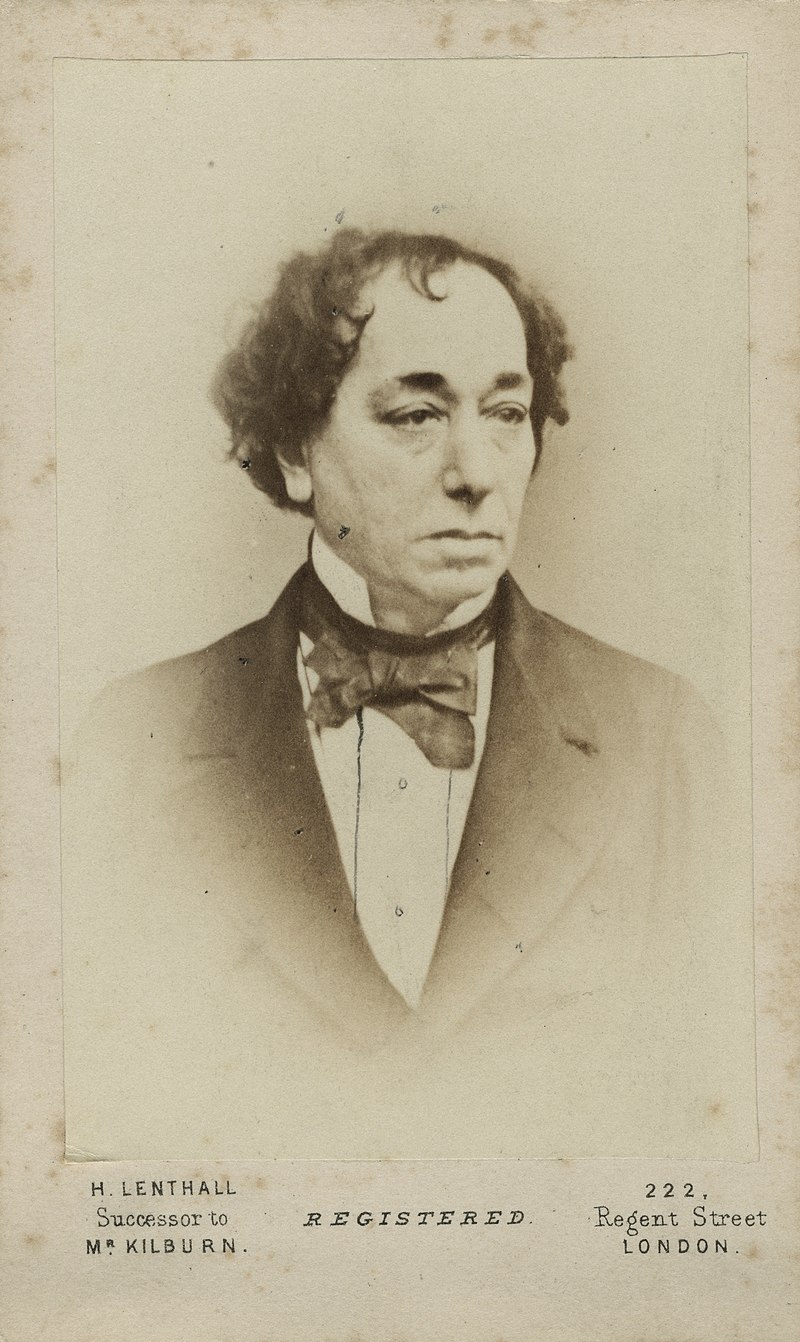
1866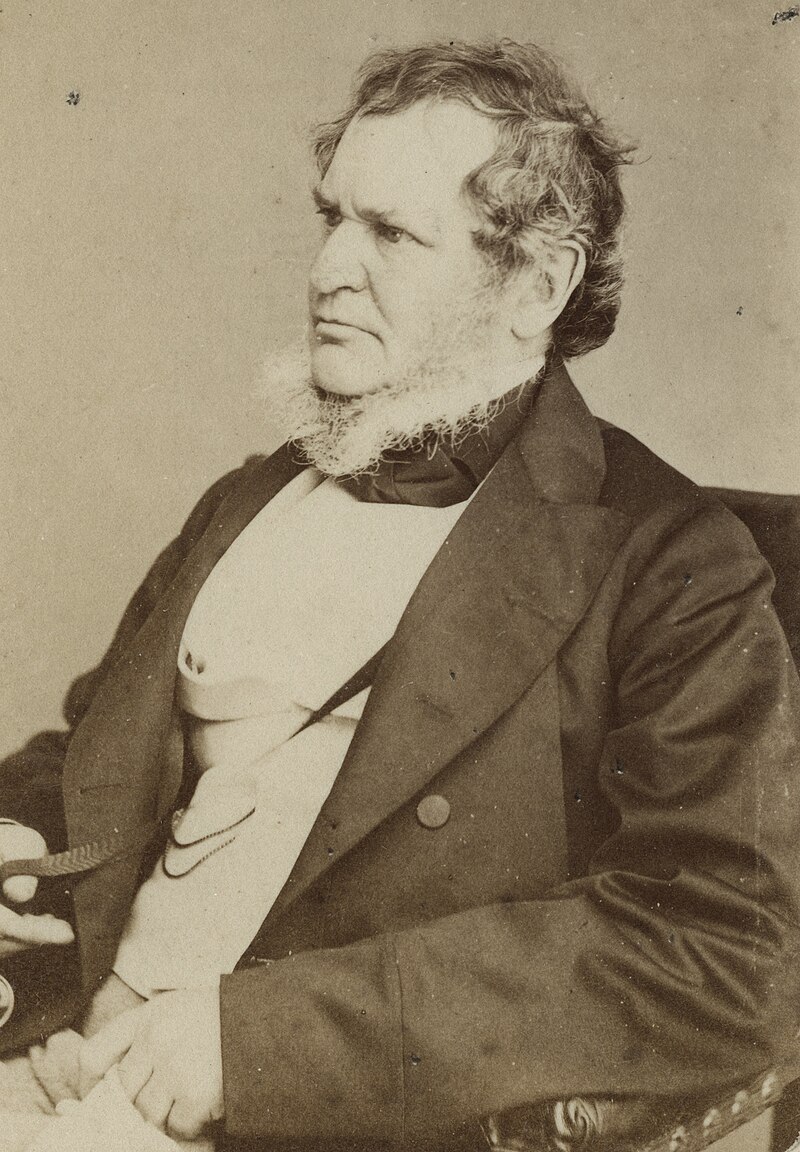
Edward Smith-Stanley began his third term as Prime Minister. He was a prominent politician in the UK known for his leadership and political skills. During his term, he focused on issues such as electoral reform, industrialization, and foreign policy. His policies had a significant impact on the country, shaping its direction during a period of social and economic change.
Smith-Stanley's tenure was marked by several key events, including the passage of important legislation and the management of domestic and international crises. His leadership style was characterized by pragmatism and a willingness to compromise in order to achieve his goals. Despite facing challenges and criticism, he was able to maintain stability and lead the country effectively.
The appointment of Edward Smith-Stanley for a third term as Prime Minister was a pivotal moment in UK political history, influencing the trajectory of the country for years to come. His legacy is still remembered today for his contributions to governance and political discourse. #EdwardSmithStanley #UKPrimeminister #PoliticalLeadership
View details1865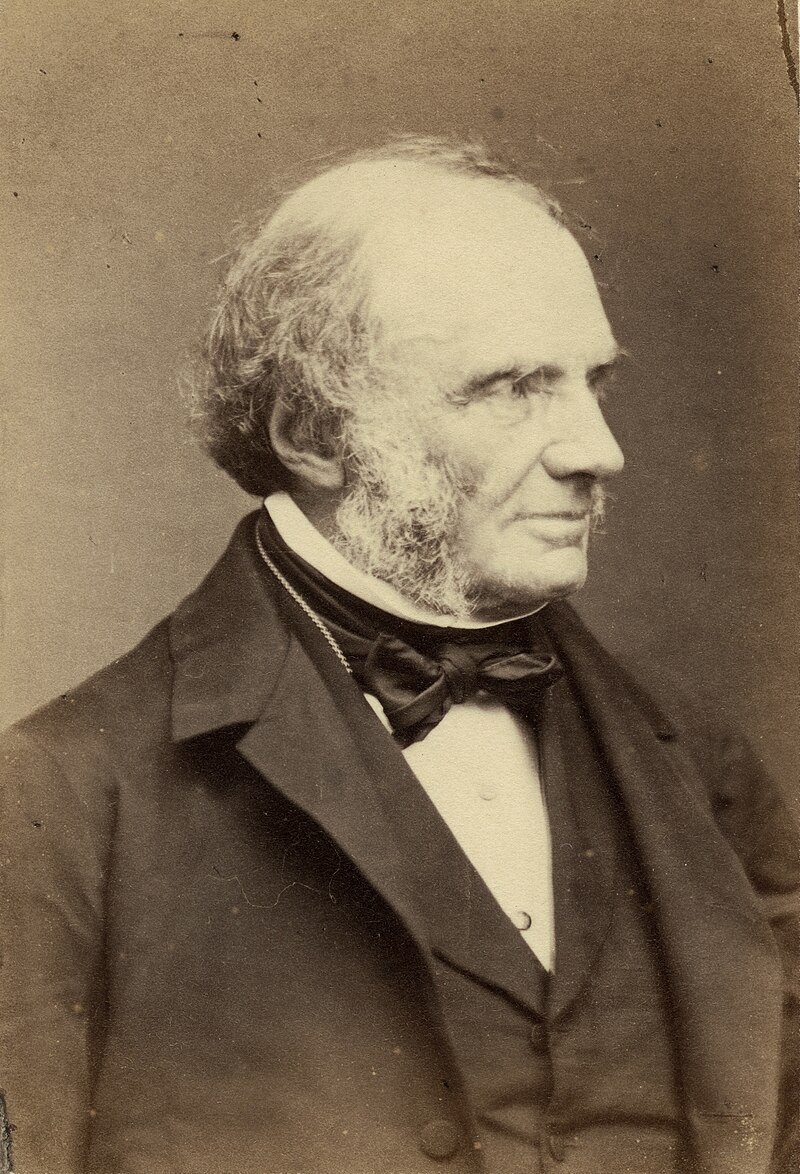
After serving a brief first term as Prime Minister, John Russell began his second term on October 29, 1865. Russell was a prominent Whig politician known for his progressive views and efforts to expand voting rights. His return to office marked a continuation of his commitment to social and political reform.
During his second term, Russell focused on improving education and social welfare programs. He also sought to address economic challenges facing the country, including issues related to trade and industrialization. Russell's leadership during this time was characterized by his pragmatism and dedication to addressing the needs of the working class.
Russell's second term as Prime Minister had a lasting impact on British politics, setting the stage for future reforms and shaping the direction of the country's development. His efforts to promote social justice and economic prosperity were widely recognized, and his legacy as a reformer endured long after his time in office.
#JohnRussell #PrimeMinister #Reform #SocialJustice #PoliticalLegacy
View details1859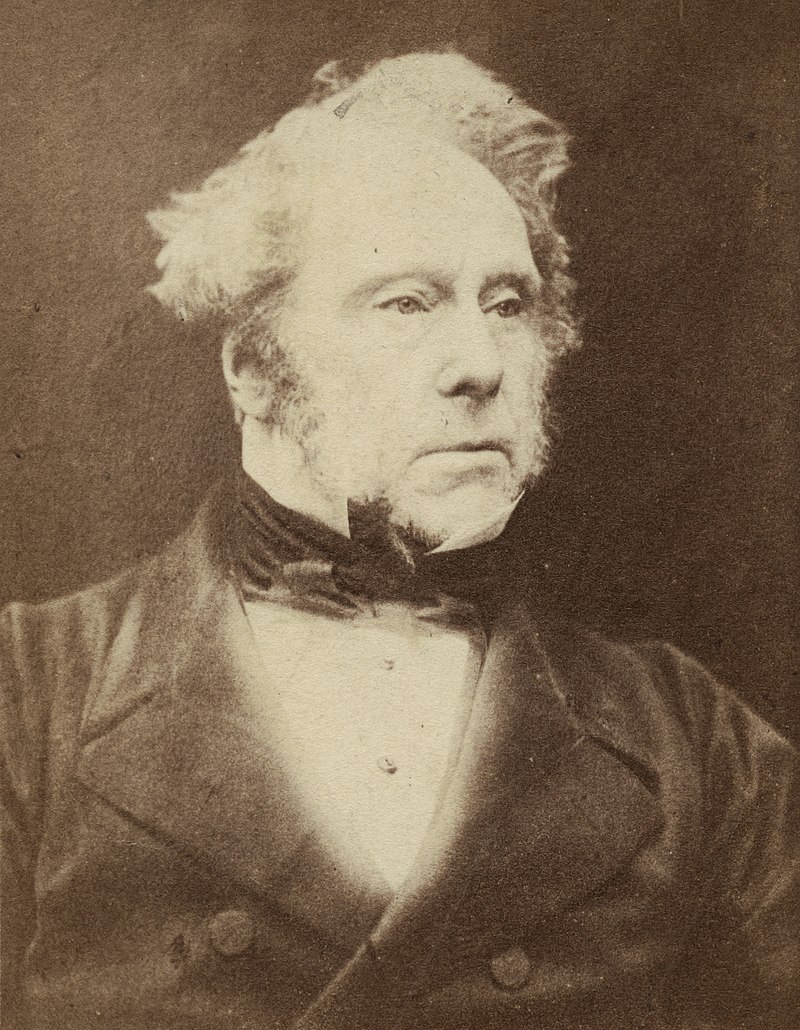
Henry John Temple, also known as Lord Palmerston, began his second term as Prime Minister of the United Kingdom. A prominent figure in British politics, Palmerston was known for his strong leadership and foreign policy expertise. During his second term, he focused on maintaining Britain's international influence and navigating delicate relationships with other global powers.
Palmerston's leadership style was characterized by a pragmatic approach to diplomacy and a willingness to take decisive action when necessary. His policies aimed to promote British interests abroad while also balancing the needs of the domestic population. Under his leadership, the UK continued to expand its global reach and assert its influence on the world stage.
Palmerston's second term as Prime Minister had a significant impact on the UK's foreign relations and domestic policies. His tenure was marked by a series of diplomatic achievements and successful negotiations with other countries. His ability to strike a delicate balance between upholding British interests and fostering international cooperation solidified his legacy as a skilled statesman.
#UKPrimeMinister #ForeignPolicy #Diplomacy
View details1858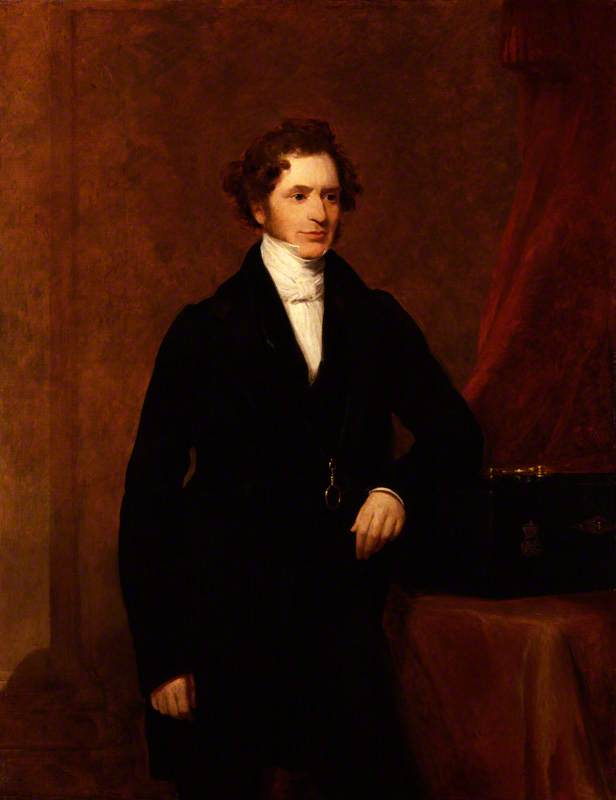
Edward Smith-Stanley started his second term as Prime Minister. He was known for his political experience and leadership skills. His appointment brought stability to the government and reassured the public. During his second term, he focused on economic policies and social reforms. He implemented measures to improve living conditions for the working class and promote industrial growth. This helped boost the economy and increase public support for his government. His leadership style was characterized by pragmatism and diplomacy, which allowed him to navigate complex political challenges successfully. Overall, Edward Smith-Stanley's second term as Prime Minister was marked by effective governance and a focus on the well-being of the nation. #EdwardSmithStanley #PrimeMinister #UKLeadership
View details1855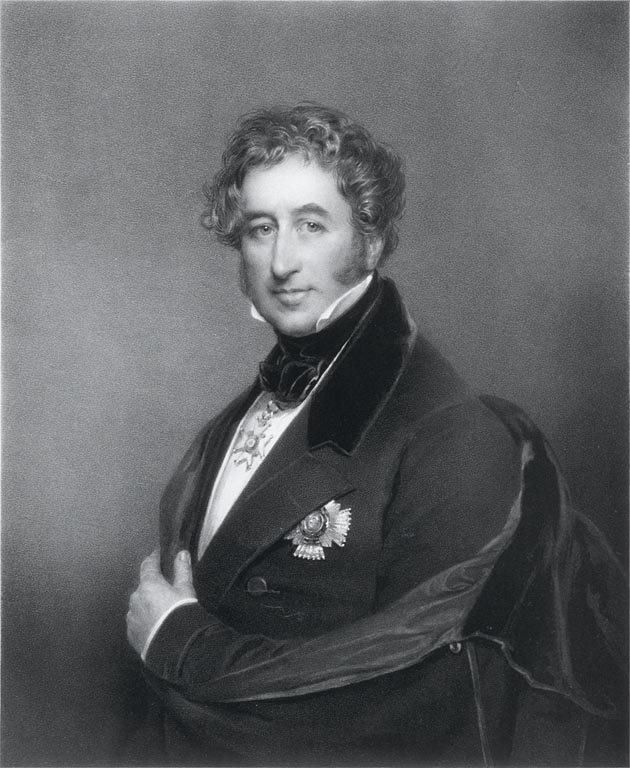
Henry John Temple was appointed as the Prime Minister of the United Kingdom. Known for his political acumen and diplomatic skills, Temple assumed office during a period of significant political and social change in the UK. As Prime Minister, he introduced various reforms aimed at improving living and working conditions for the working class.
Temple's tenure saw advancements in areas such as education, public health, and workers' rights. His policies were instrumental in shaping the welfare state and laying the foundation for modern social services in the UK. Additionally, Temple played a key role in international relations, advocating for peace and cooperation among nations.
Temple's leadership style and commitment to progressive reforms earned him respect both at home and abroad. His tenure as Prime Minister left a lasting impact on the UK political landscape and set a precedent for future leaders to prioritize social welfare and diplomacy in their governance.
#HenryJohnTemple #UKPrimeMinister #ProgressiveReforms #Diplomacy #PoliticalLeadership
View details1852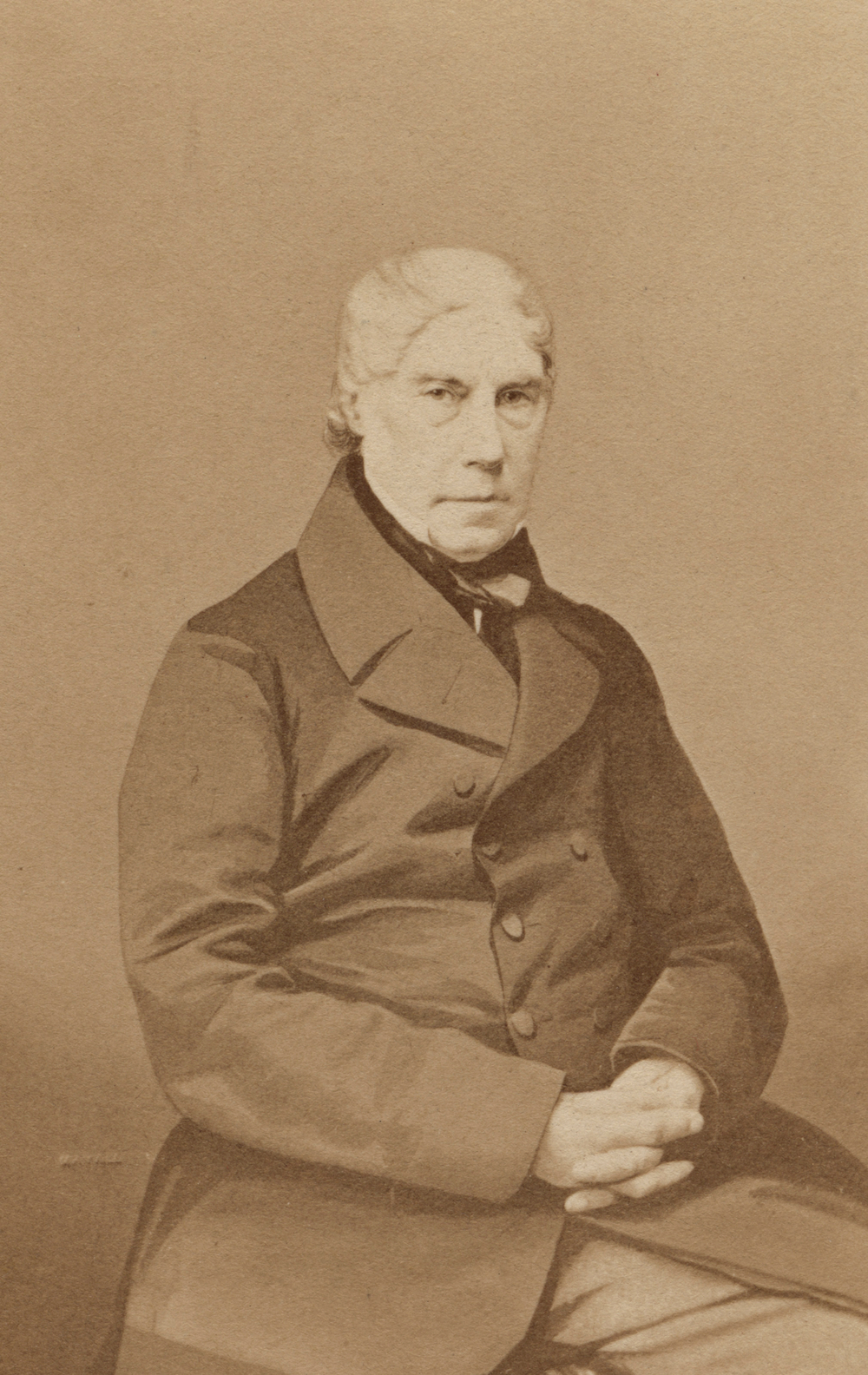
On George Hamilton-Gordon's appointment, it marked a crucial shift in the UK's political landscape. Gordon, known for his diplomatic prowess and expertise in foreign affairs, took office during a time of significant international challenges for Britain. His leadership was characterized by a focus on strengthening alliances and navigating complex diplomatic relations.
Gordon's tenure as Prime Minister saw him successfully navigate critical issues such as trade negotiations, colonial expansion, and maintaining peace in Europe. His pragmatic approach and ability to foster cooperation among different factions within the government were key to his effectiveness as a leader.
During his time in office, Gordon's policies had a lasting impact on British domestic and foreign affairs, setting the groundwork for future diplomatic engagements and shaping the country's trajectory on the world stage.
#GeorgeHamiltonGordon #UKPrimeMinister #Diplomacy #ForeignAffairs #PoliticalLeadership.
View detailsEdward Smith-Stanley, the 14th Earl of Derby, became the Prime Minister of the United Kingdom. He held this position three times during the 19th century, with his first term marked by his leadership of the Conservative Party. He played a crucial role in shaping British politics, particularly in the areas of foreign policy, trade, and colonial affairs.
Smith-Stanley's tenure saw significant developments in the UK, including the introduction of the Public Health Act and the establishment of the Metropolitan Police. His policies on education and social reform left a lasting impact, contributing to the modernization of the country.
As a skilled politician and strategist, Smith-Stanley was known for his ability to navigate complex political landscapes and forge alliances to achieve his goals. His commitment to improving the welfare of the British people earned him both praise and criticism from various quarters.
The appointment of Edward Smith-Stanley as Prime Minister underscored the evolving nature of British governance during the 19th century. His leadership style and policy decisions continue to be studied and debated by historians and political analysts.
#EarlofDerby #BritishPolitics #PrimeMinister #UnitedKingdom #Leadership
View details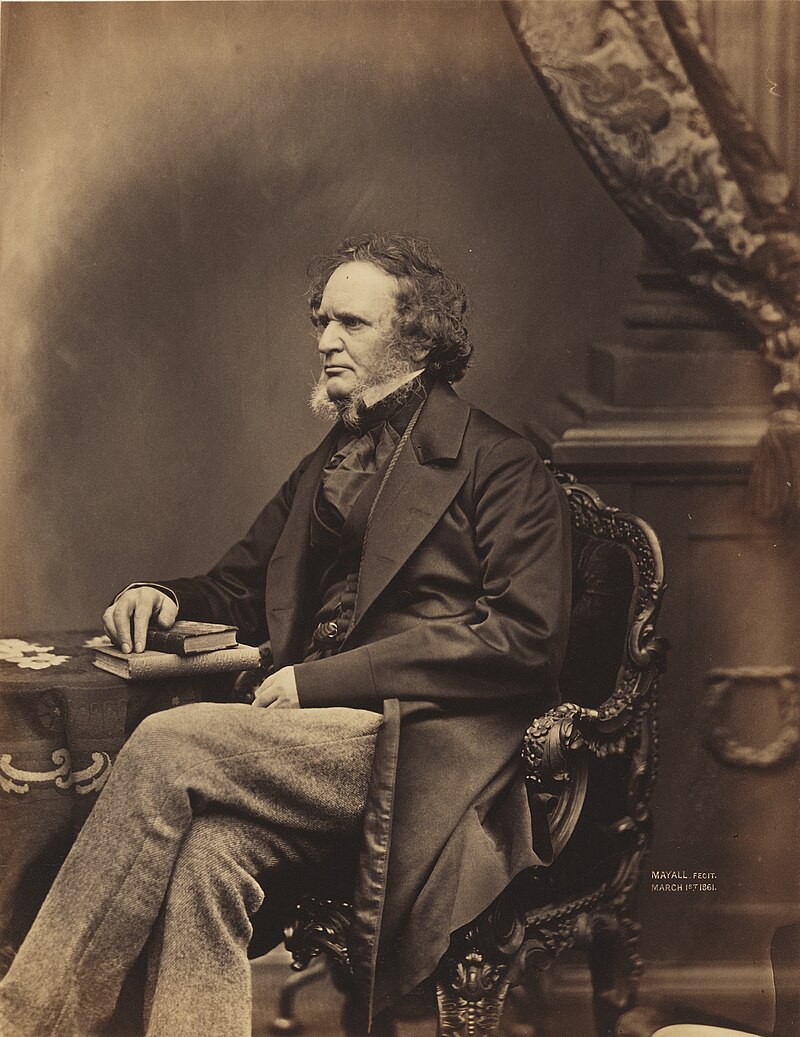
1846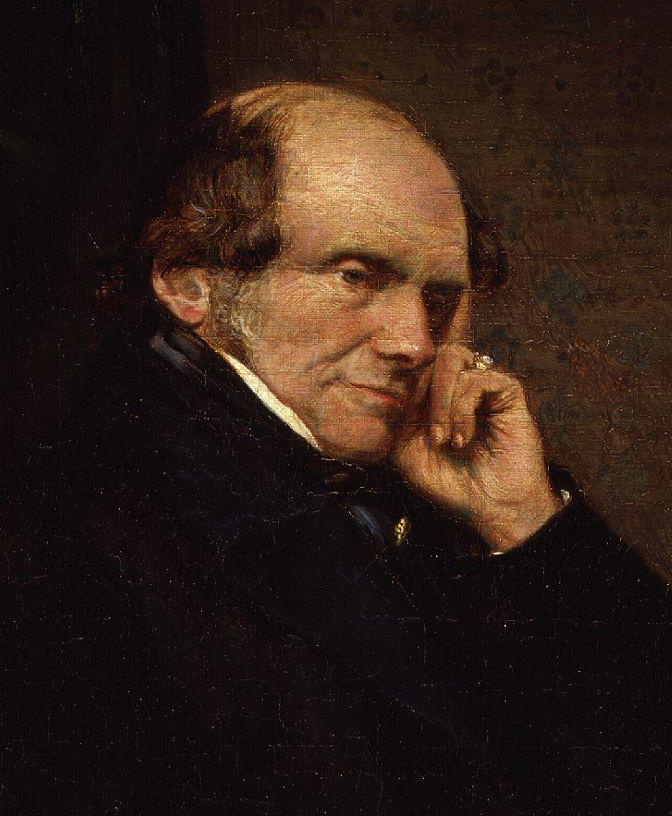
John Russell was appointed as the Prime Minister of the United Kingdom after his predecessor, Sir Robert Peel, resigned. Russell, a prominent Whig politician, took office during a period of political turmoil in the country.
The appointment of John Russell marked a significant transition in British politics, as he was known for his progressive views and advocacy of social reforms. During his tenure, Russell focused on issues such as electoral reform, the expansion of education, and the rights of the working class.
Russell's leadership style was characterized by pragmatism and a commitment to compromise, which helped to stabilize the government during a time of intense political division. His policies aimed to address the growing social and economic challenges facing the country, earning him both support and criticism from different factions within Parliament.
Overall, John Russell's appointment as Prime Minister brought a new direction to the UK government, emphasizing the importance of progressive reforms and social change. His tenure left a lasting impact on British politics, shaping the course of future policies and political debates.
#JohnRussell #PrimeMinister #UKPolitics #Reform #SocialChange
View details1841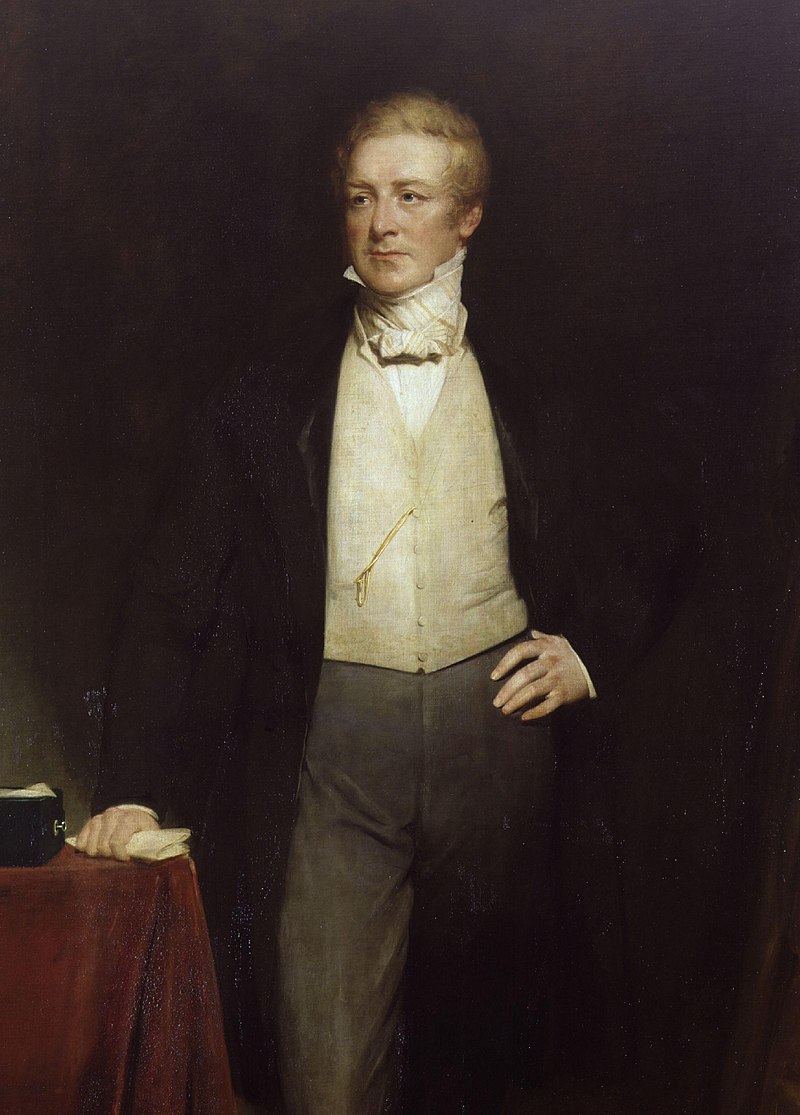
During Robert Peel's second term as Prime Minister of the United Kingdom, he faced challenges such as economic downturn and pressure to repeal the Corn Laws. Peel, known for being a conservative statesman, believed in free trade principles but was met with opposition from within his own party. Despite this, he took the bold step of repealing the Corn Laws to address the economic crisis.
Peel's decision to repeal the Corn Laws was a significant moment in British history as it marked a shift towards free trade policies that would have long-lasting effects on the economy. This decision caused a split within the Conservative Party, leading to Peel's resignation as Prime Minister.
The repeal of the Corn Laws paved the way for future economic reforms and established Peel as a politician willing to make difficult decisions for the greater good of the country. Although his second term was marked by controversy and internal strife, Peel's legacy as a reformer and advocate of free trade principles endures in British politics.
#RobertPeel #UKPrimeMinister #CornLawsRepeal #FreeTrade #PoliticalReformer
View details1835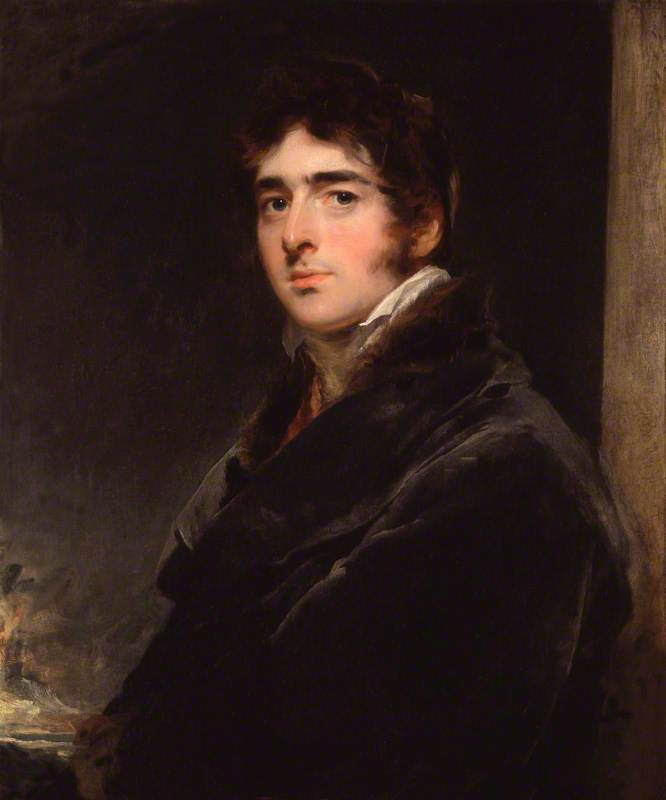
Returning for his second term, William Lamb faced challenges such as the implementation of the Poor Law Amendment Act, which aimed to reform the relief system for the poor. His administration also had to address ongoing tensions within the Whig Party, as well as navigate foreign policy issues, including the tense relations with Russia over the Ottoman Empire. Despite these challenges, Lamb's second term saw some successes, such as the establishment of important reforms in education and public health. His leadership during this period helped solidify his reputation as a capable and pragmatic Prime Minister. Lamb's second term showcased his ability to manage a variety of complex issues and cemented his legacy as a skilled political leader.
#WilliamLamb #PrimeMinister #WhigParty #Reforms #ForeignPolicy #Leadership
View details1834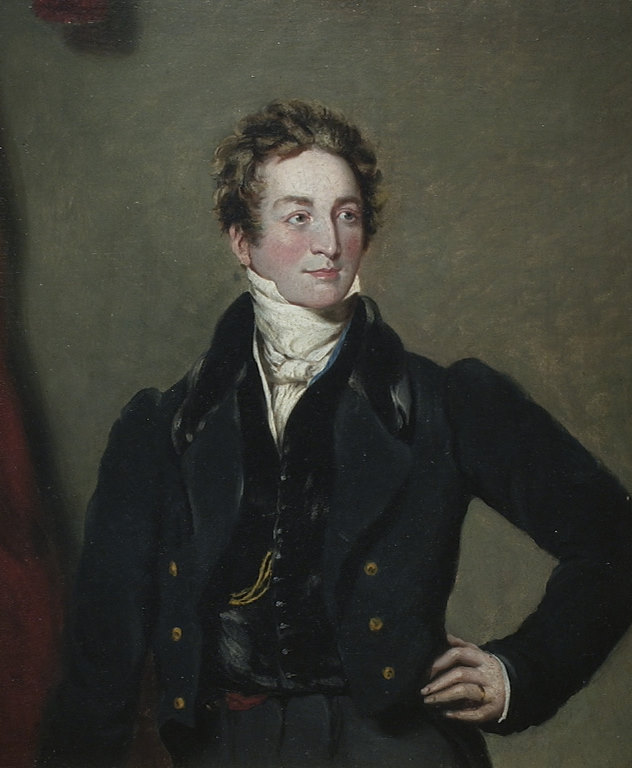
On December 10, 1834, Robert Peel was appointed as the Prime Minister of the United Kingdom. Peel, a member of the Conservative Party, succeeded Lord Melbourne after winning the general election. Peel's leadership marked a shift towards conservative policies and principles.
During Peel's tenure, significant reforms were implemented, including the reorganization of the Metropolitan Police Service, which led to the establishment of the modern police force in London. Peel's initiatives aimed at improving administrative efficiency and governance helped solidify his reputation as a competent and effective leader.
While in office, Peel faced challenges such as economic recessions and social unrest, but his pragmatic approach to governance and commitment to reform endeared him to many. Peel's tenure as Prime Minister left a lasting impact on British politics and governance, shaping policies that would influence future leaders.
The appointment of Robert Peel as Prime Minister in 1834 marked a turning point in British political history, setting the stage for future developments in governance and reform. #RobertPeel #UKPrimeMinister #ConservativeParty #Reform #BritishPolitics
View detailsFollowing his previous term as Prime Minister, Arthur Wellesley was appointed for a second term to lead the United Kingdom. Known for his military success and leadership during the Napoleonic Wars, Wellesley, also known as the Duke of Wellington, faced challenges during his second term. His leadership style and policies were scrutinized as he navigated issues such as economic instability and political unrest.
During his second term, Wellesley focused on implementing reforms within the government and addressing key issues affecting the country. His efforts to stabilize the economy and maintain peace were met with mixed reactions from the public and political factions. Despite facing criticism, Wellesley remained committed to his duties and worked towards achieving stability and progress for the nation.
The second term of Arthur Wellesley as Prime Minister had a lasting impact on the political landscape of the United Kingdom. It highlighted the challenges of governance during a time of transition and uncertainty. Wellesley's tenure was marked by his resilience and determination to address pressing issues facing the country.
#ArthurWellesley #PrimeMinister #PoliticalLeadership #UKGovernment
View details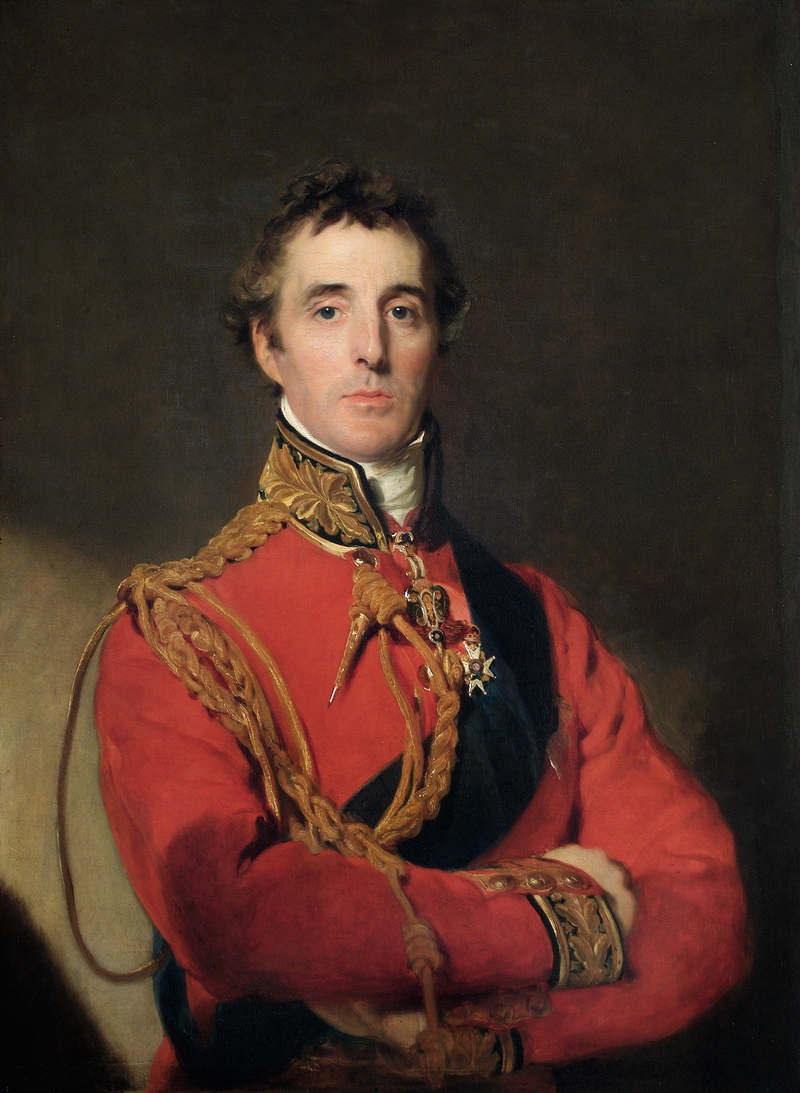
William Lamb was appointed as the Prime Minister of the United Kingdom, succeeding Charles Grey. Lamb, also known as Lord Melbourne, faced challenges in leading the country, particularly navigating political reforms and addressing social and economic issues. His leadership style was characterized by pragmatism and a focus on maintaining stability.
During Lamb's tenure, notable events included the passing of the Poor Law Amendment Act of 1834, aimed at reforming the country's welfare system. Additionally, his government faced criticism and opposition from various political factions, including the emergence of the Chartist movement advocating for political rights for the working class.
Lamb's appointment as Prime Minister marked a period of transition and political tension in the UK, as the country grappled with social unrest and ongoing reform efforts. His leadership was met with mixed reactions, reflecting the complexities of the political landscape during that time.
#UKPolitics #PrimeMinister #ReformEfforts
View details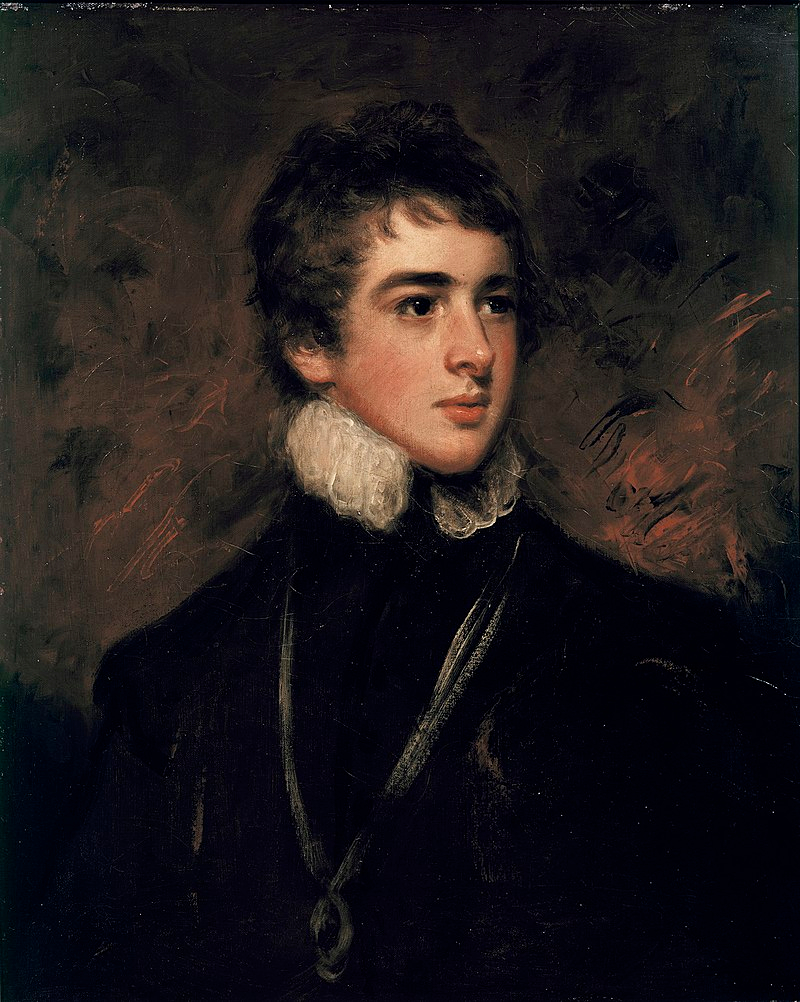
1830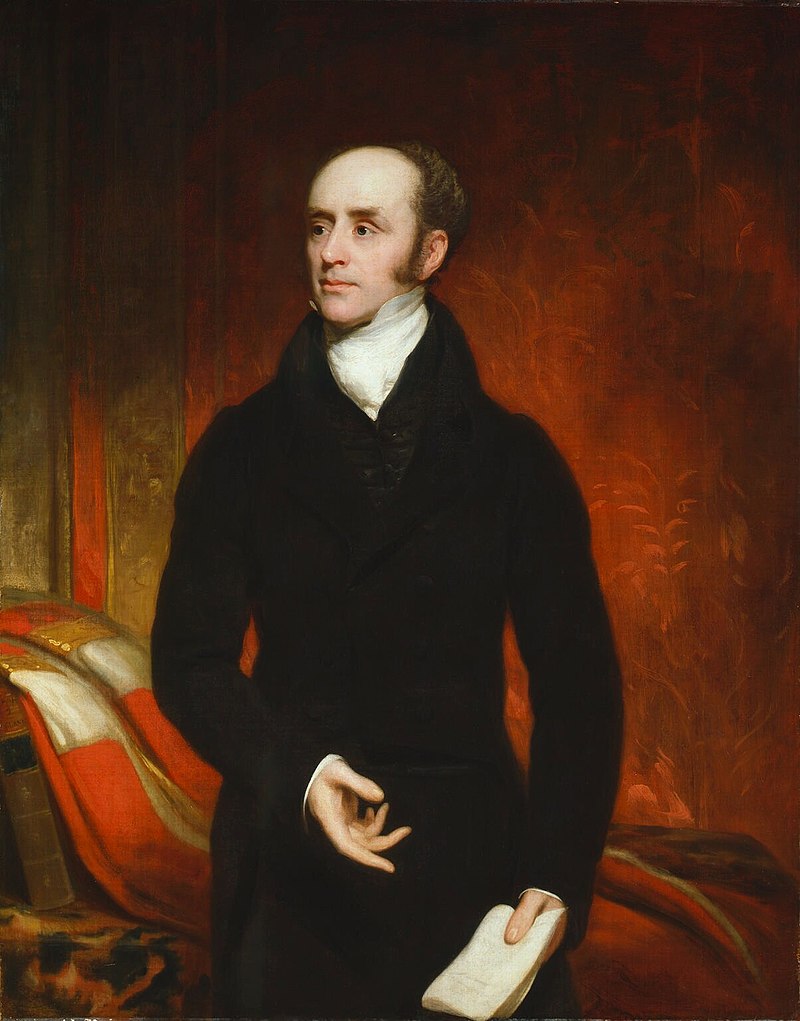
Charles Grey was appointed as Prime Minister following a series of political reforms in the United Kingdom. His tenure marked a significant shift in British politics, particularly with the passage of the Reform Act of 1832 which aimed to modernize the electoral system. Grey's government prioritized issues such as parliamentary reform, religious tolerance, and the abolition of slavery. His commitment to progressive policies and social change earned him both support and opposition from different segments of society.
Under Grey's leadership, the Whig Party implemented key legislative changes that laid the foundation for a more inclusive and representative political system. Despite facing challenges and resistance, Grey's administration succeeded in passing landmark reforms that reshaped the British political landscape for years to come.
The appointment of Charles Grey as Prime Minister in 1830 marked a turning point in British history, ushering in a new era of political transformation and social progress. #CharlesGrey #UKPrimeMinister #ReformAct1832 #WhigParty #PoliticalReforms
View details1828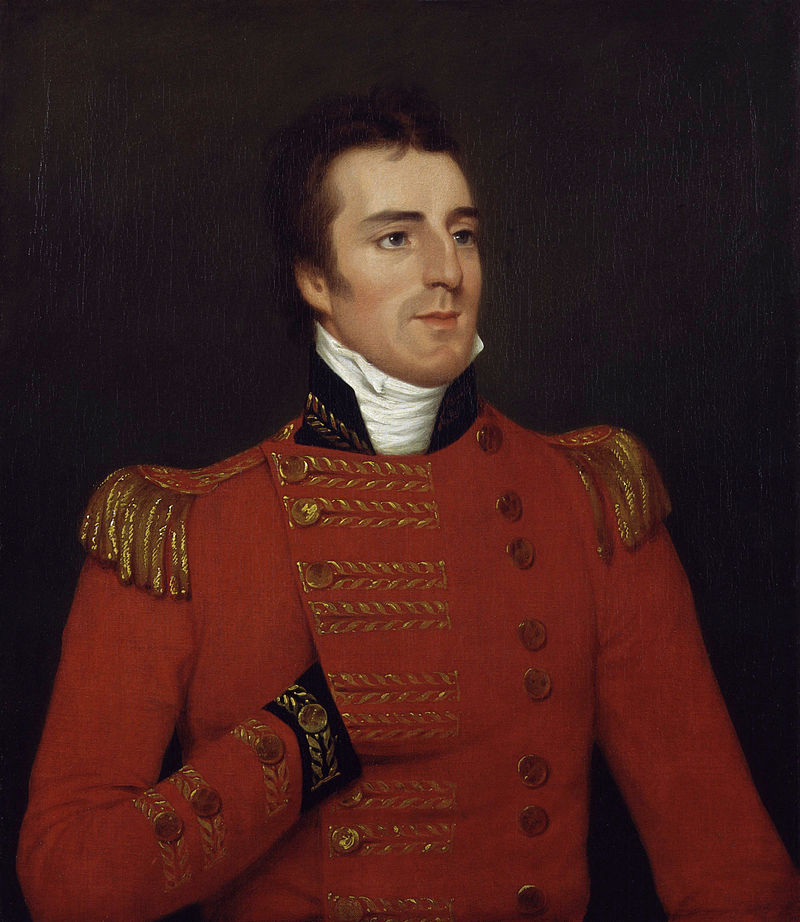
On Arthur Wellesley, the British government appointed the Duke of Wellington as the Prime Minister of the United Kingdom. Wellington, a renowned military leader who had famously defeated Napoleon at the Battle of Waterloo, brought a strong reputation for leadership and decisive action to his new role. As Prime Minister, he faced challenges such as economic instability and political unrest.
Wellington's tenure as Prime Minister was marked by his conservative policies, including measures to address the country's economic woes and maintain social order. His government also focused on reforming the public finances and reducing government expenditure. Wellington's leadership style, characterized by his pragmatism and firmness, garnered both support and criticism.
During his time as Prime Minister, Wellington's administration grappled with contentious issues such as Catholic emancipation and parliamentary reform. These debates tested Wellington's political acumen and ability to navigate diverse interests within the government. Despite facing opposition from various quarters, Wellington managed to steer the country through turbulent times, leaving a lasting impact on British politics.
#DukeOfWellington #BritishPolitics #PrimeMinisterialAppointment.
View details1827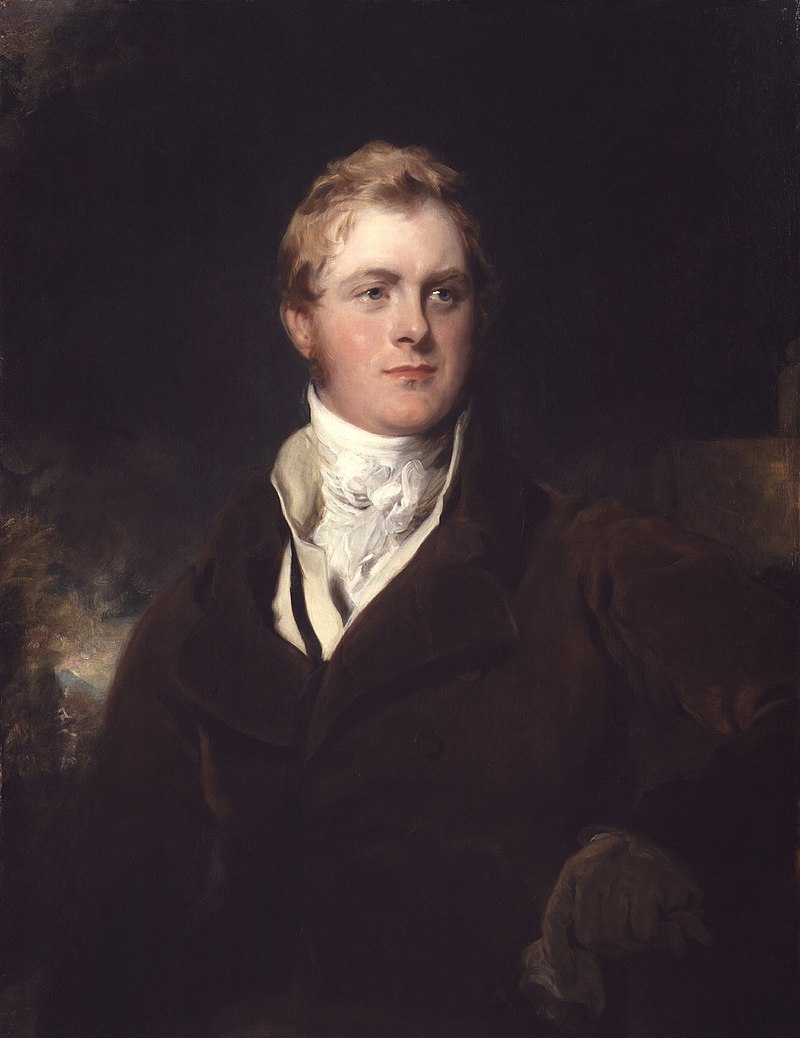
Frederick John Robinson, also known as Viscount Goderich, took office as Prime Minister of the United Kingdom on August 31, 1827. Robinson, a prominent figure in British politics, succeeded George Canning after his sudden death. Robinson's term as Prime Minister was marked by his efforts to navigate internal party conflicts and manage the country's finances. His tenure was brief, as he faced challenges in maintaining the support of his colleagues in government. Despite his short time in office, Robinson's policies and decisions had a lasting impact on the political landscape of the United Kingdom during this period. His appointment as Prime Minister reflected the complex dynamics within the ruling elite and the delicate balance of power within the government at the time. #Robinson #UKPrimeMinister #Goderich #BritishPolitics
View detailsGeorge Canning became the Prime Minister of the United Kingdom in 1827. He was appointed after the death of the previous Prime Minister, Lord Liverpool. Canning's appointment was significant as he was known for his diplomatic skills and foreign policy expertise. He was a supporter of Catholic emancipation and aimed to improve relations with other European powers.
Canning's tenure as Prime Minister was short-lived, as he passed away after only a few months in office. Despite its brevity, his time as Prime Minister marked a shift in British politics towards a more liberal and international outlook. Canning's foreign policy initiatives, such as advocating for the recognition of the independence of Latin American countries, had a lasting impact on British foreign relations.
Overall, George Canning's term as Prime Minister was characterized by his progressive policies and diplomatic achievements. His appointment signaled a new era in British politics, emphasizing diplomacy and international relations. #GeorgeCanning #UKPrimeMinister #ForeignPolicy
View details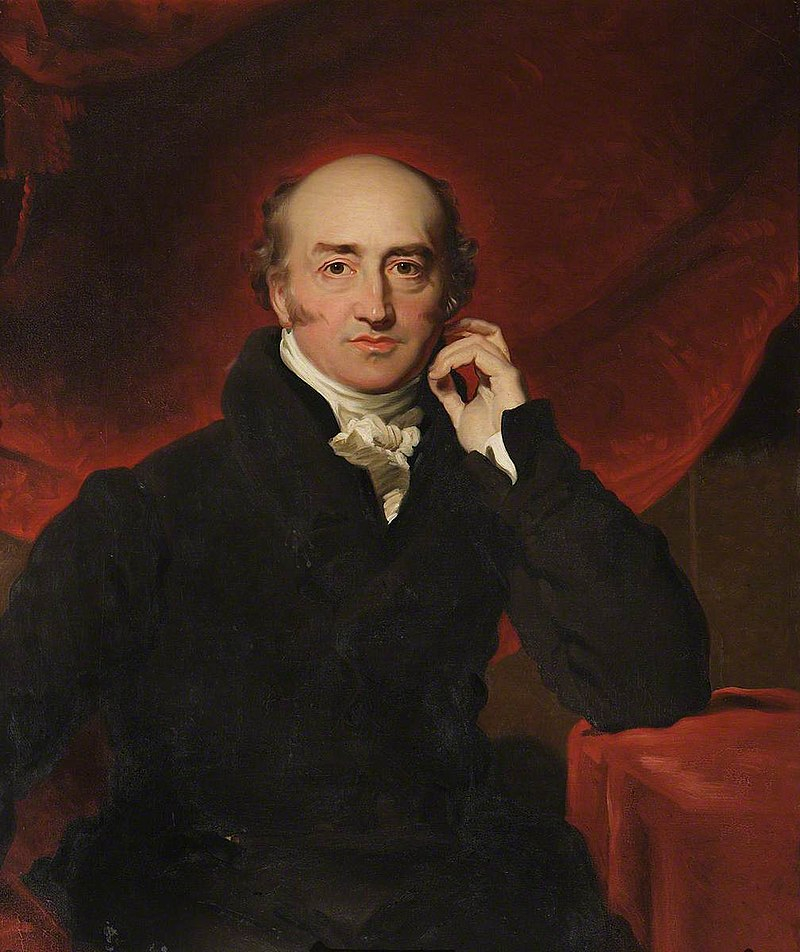
1812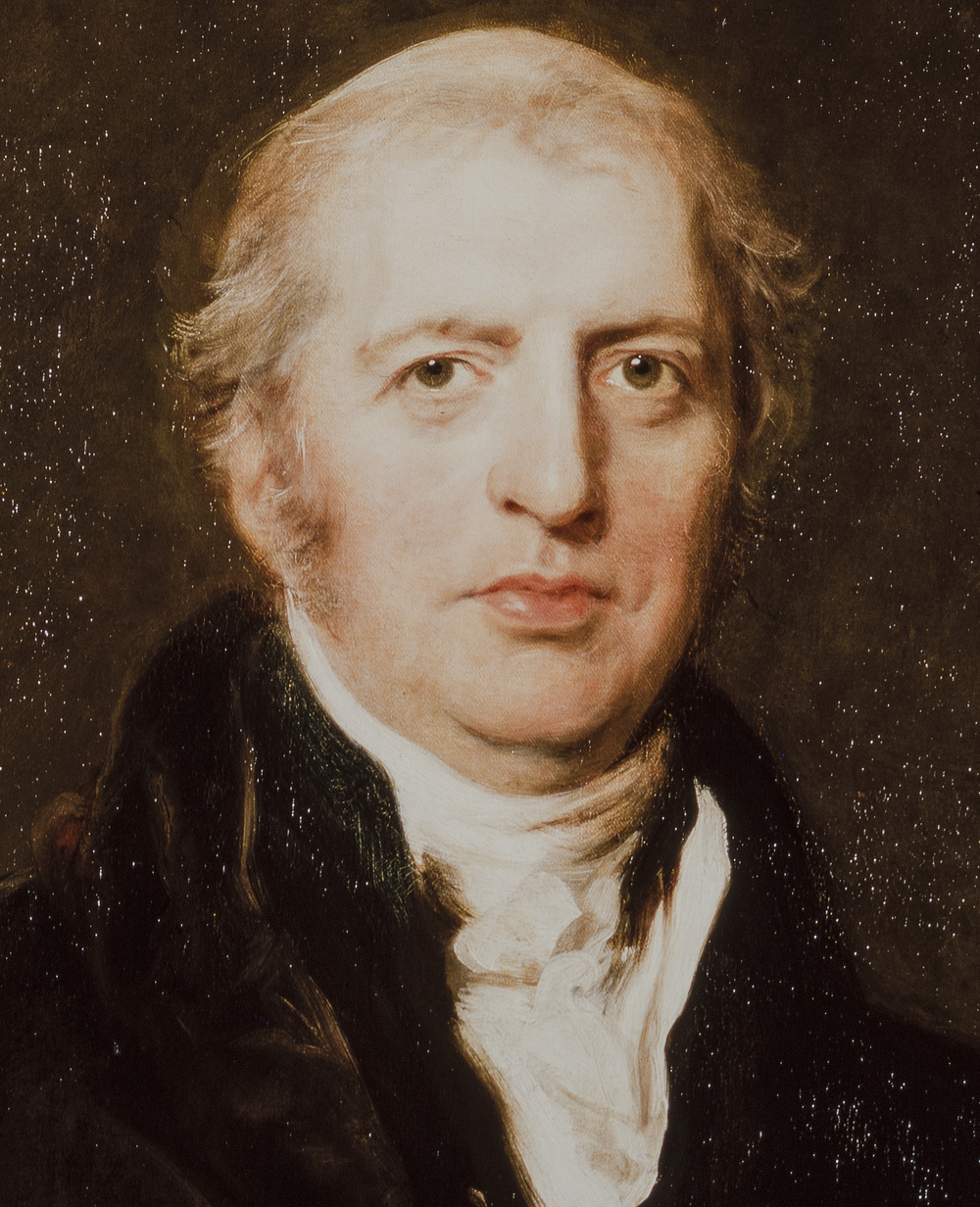
Robert Banks Jenkinson, also known as Lord Liverpool, became the Prime Minister of the United Kingdom on June 8, 1812. He assumed office during a period of significant challenges, including the ongoing Napoleonic Wars. As Prime Minister, Liverpool played a crucial role in the country's political landscape, overseeing key policies such as the Corn Laws and the repressive Six Acts.
Liverpool's tenure was marked by his efforts to maintain stability and order in the aftermath of the Napoleonic Wars and economic uncertainties. His policies aimed to address social and economic issues, although they faced criticism from various factions. Despite the challenges, Liverpool's leadership brought a sense of direction and continuity to the government.
His appointment as Prime Minister in 1812 had a lasting impact on British politics, shaping the country's policies and direction for the years to come. Liverpool's legacy as one of the longest-serving Prime Ministers in British history reflects his influence and significance in the country's political landscape.
#LordLiverpool #UKPrimeMinister #NapoleonicWars #CornLaws
View details