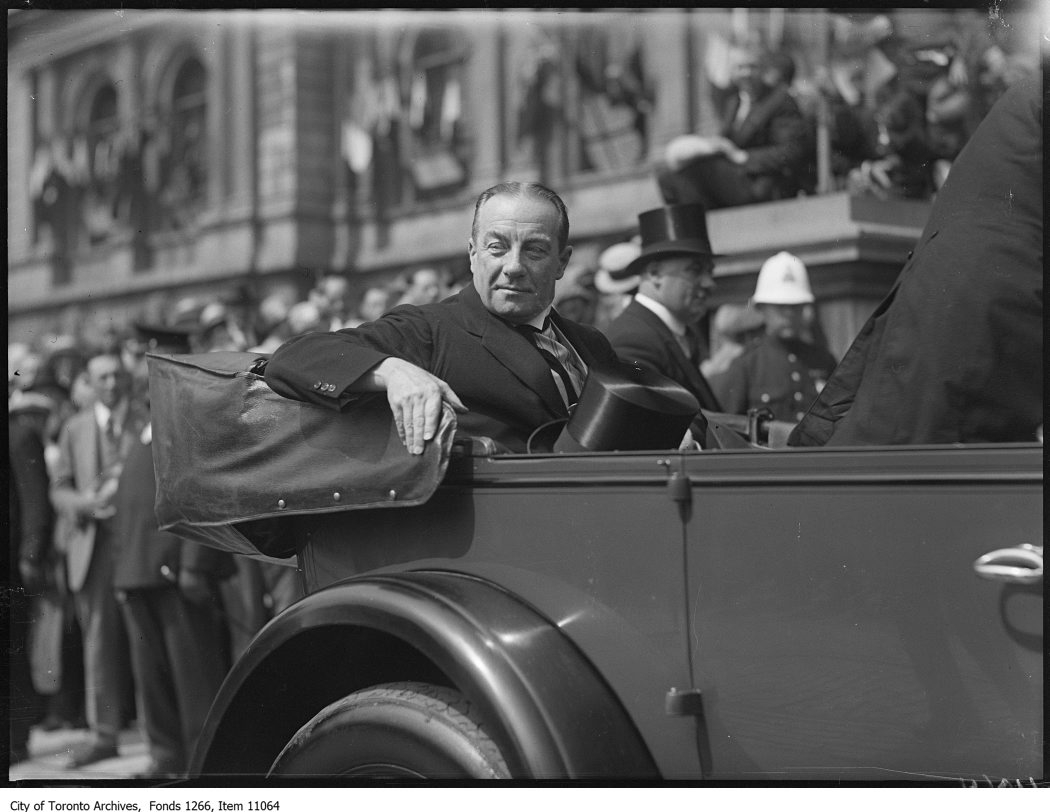
Stanley Baldwin becomes the Prime Minister
Appointment of the Prime Minister
6 min read
Updated By: History Editorial Network (HEN)
Published:
On May 22, 1923, Stanley Baldwin became the Prime Minister of the United Kingdom for the first time, marking the beginning of a significant political career that would span over two decades and include three separate terms as Prime Minister. Baldwin’s ascent to the premiership came during a period of considerable social and economic change in Britain, and his leadership would leave a lasting impact on the nation's political landscape.
Background and Political Career
Stanley Baldwin was born on August 3, 1867, into a wealthy industrial family in Bewdley, Worcestershire. He was educated at Harrow School and Trinity College, Cambridge, before joining the family iron and steel business. Baldwin entered politics in 1908 as a Conservative Member of Parliament for Bewdley, succeeding his father. His early political career was marked by a gradual rise through the ranks, culminating in his appointment as President of the Board of Trade in 1921 under Prime Minister David Lloyd George.
Baldwin’s Path to Premiership
The political climate of the early 1920s was turbulent. The Conservative Party, under the leadership of Andrew Bonar Law, had grown increasingly dissatisfied with the coalition government led by Lloyd George. In October 1922, Bonar Law decided to withdraw the Conservatives from the coalition, leading to the fall of Lloyd George’s government. Bonar Law then became Prime Minister, but his tenure was cut short by illness, and he resigned in May 1923.
Baldwin, who had served as Chancellor of the Exchequer in Bonar Law’s brief administration, emerged as the consensus candidate to succeed him. On May 22, 1923, he was appointed Prime Minister, beginning his first term in office.
Baldwin’s first term was brief but eventful. One of his primary concerns was addressing the economic difficulties facing Britain in the post-World War I era. He aimed to stabilize the economy and reduce unemployment, but his policies met with mixed success. One of his most controversial decisions was his proposal to impose tariffs on foreign imports to protect British industry, which he hoped would revive the struggling economy. This protectionist stance, however, was deeply divisive and led to significant opposition within his own party and the country.
In December 1923, Baldwin called a general election to seek a mandate for his tariff proposals. The election resulted in a hung parliament, with no party gaining an outright majority. The Conservatives won the most seats, but the Labour Party, led by Ramsay MacDonald, formed a minority government with the support of the Liberals. Baldwin thus resigned in January 1924, ending his first term as Prime Minister after just seven months in office.
#MomentsOfLife #MoofLife_Moment #MoofLife #StanleyBaldwin #UKPrimeMinister #1923History #BritishPolitics #ConservativeParty #PoliticalLeadership #20thCenturyHistory
Primary Reference
Stanley Baldwin - Wikipedia
Explore the Life Moments of
 AI Twin