
Prime Minister of the United Kingdom

The Head of Government
Related Lives

Laos
Land of a Million Elephants

Ivory Coast
The Land of Tropical Beauties.

T20 WorldCup
Twenty 20 International

Aztec Civilization
Mesoamerican Civilization

Canada
The Great White North

Tunisia
Golden beaches, Sunny weather, and Affordable luxuries.

Cape Verde
Jewel of the Atlantic

France
The Land of Romance

1809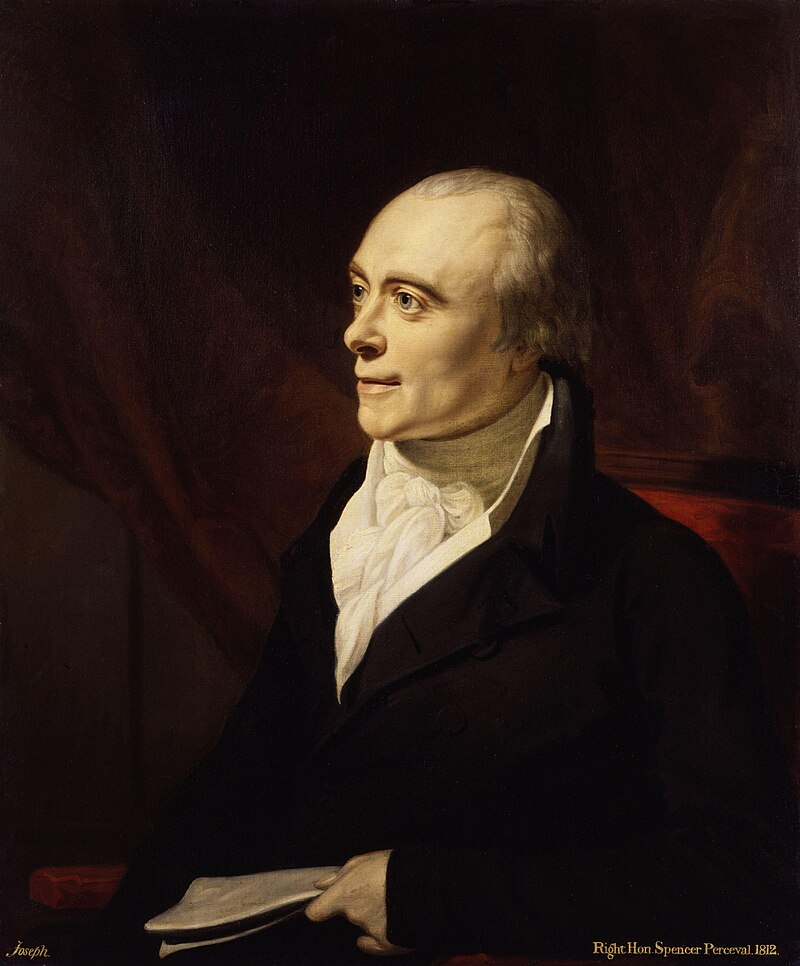
Spencer Perceval, a prominent British politician, became the Prime Minister of the United Kingdom. His appointment followed the resignation of the Duke of Portland due to failing health. Perceval's career was marked by his devout religious beliefs and his strong stance against corruption.
During his time as Prime Minister, Perceval faced challenges such as the ongoing Napoleonic Wars and economic instability. Yet, he is most notably remembered for being the only British Prime Minister to be assassinated while in office. On the 11th of May 1812, John Bellingham shot Perceval in the lobby of the House of Commons.
Perceval's assassination had a profound impact on British politics and society. It highlighted the lack of security measures in place to protect government officials and led to increased safety precautions in the Houses of Parliament. The event also sparked debates about mental health, as Bellingham was deemed to be mentally unstable.
#SpencerPerceval #PrimeMinister #Assassination #BritishHistory #NapoleonicWars
View details1807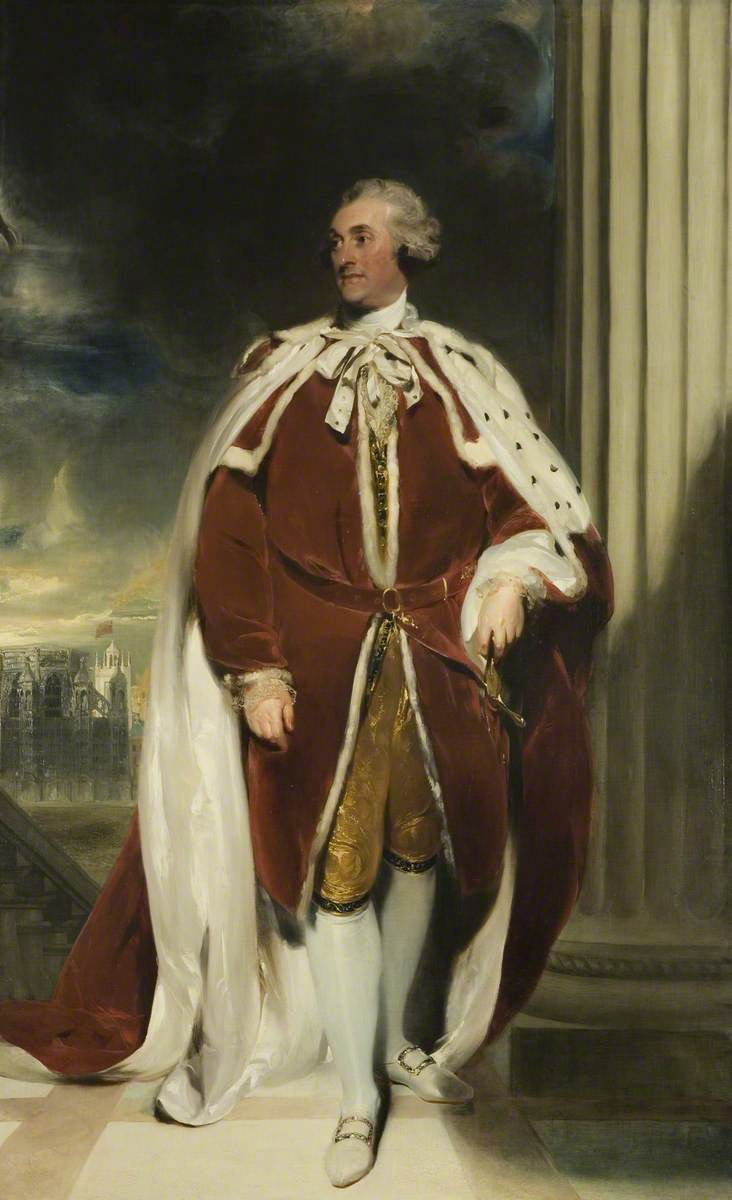
William Henry Cavendish-Bentinck began his second term as Prime Minister after receiving overwhelming support from the British Parliament. Known for his strong leadership and strategic vision, Cavendish-Bentinck wasted no time in implementing crucial policies to address the pressing issues of the time.
During his second term, Cavendish-Bentinck focused on strengthening the economy, reducing government spending, and improving relations with other European powers. His policies led to a period of stability and growth, earning him praise from both the public and his political peers.
One of his key achievements during this term was the successful negotiation of trade agreements that boosted the UK's economy and secured its position as a leading global power. Cavendish-Bentinck's diplomatic efforts also helped to ease tensions in Europe, paving the way for greater cooperation among nations.
Overall, Cavendish-Bentinck's second term as Prime Minister was marked by effective governance, economic prosperity, and diplomatic success. His legacy continues to be remembered as a time of progress and stability for the United Kingdom.
#WilliamHenryCavendishBentinck #PrimeMinisterUK #EconomicProsperity #DiplomaticSuccess
View details1806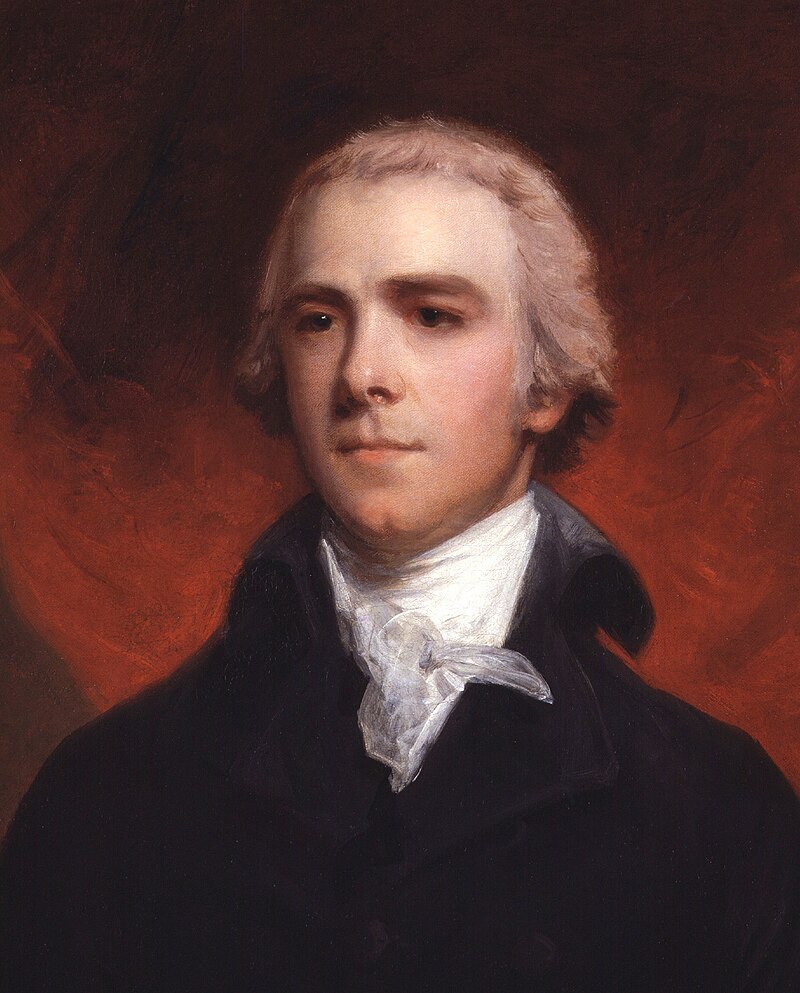
On William Wyndham Grenville's decisive day in 1806, a significant event unfolded in the United Kingdom. Known as a skilled politician with a strong background in governmental affairs, Grenville was appointed as the Prime Minister following the death of Prime Minister William Pitt the Younger. This transition in leadership had a notable impact on the political landscape of the time.
Grenville's tenure as Prime Minister was marked by several important policies and decisions. One of the key issues he faced was the ongoing conflict with France, which led to the signing of the Treaty of Paris in 1814. Additionally, Grenville's government played a role in the abolition of the transatlantic slave trade in 1807, showcasing a commitment to social reform.
Overall, William Wyndham Grenville's appointment as Prime Minister in 1806 was a pivotal moment in British history. His leadership style and policy decisions left a lasting legacy on the country's political landscape.
#WilliamWyndhamGrenville #PrimeMinisterUK #PoliticalHistory
View details1804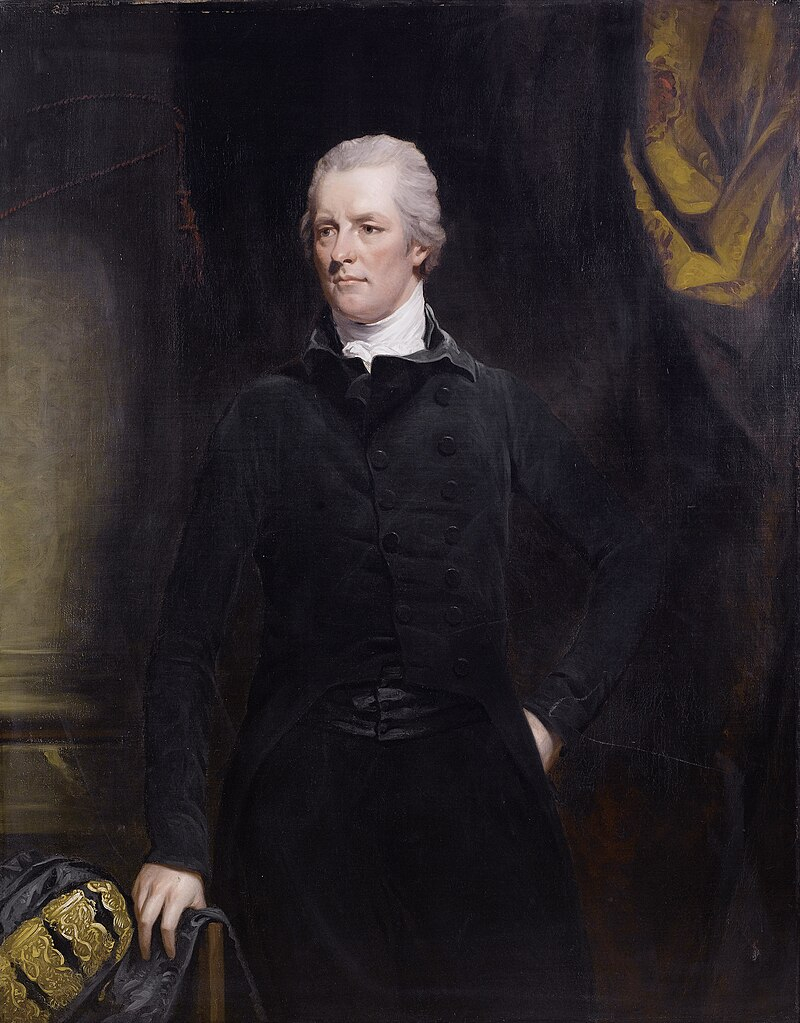
Following a swift reelection, William Pitt the Younger began his second term as Prime Minister in which he faced a myriad of challenges. The Napoleonic Wars were raging, putting immense pressure on his government and the nation. Pitt focused on strengthening the British military and forging alliances to combat the French forces.
During his second term, Pitt implemented various economic reforms, including increasing taxes and reducing government spending to finance the war efforts. His policies faced opposition and criticism, leading to political turmoil within the British Parliament.
Pitt's leadership during this period was critical in shaping the course of British history. His efforts in mobilizing the nation for war and maintaining stability amidst internal dissent were instrumental in safeguarding British interests against French aggression.
The second term of William Pitt the Younger was marked by his determination to defend British sovereignty and uphold the nation's standing in the midst of the turbulent Napoleonic era. His astute political maneuvering and unwavering commitment to the country's defense solidified his legacy as one of Britain's most influential Prime Ministers.
#WilliamPitttheYounger #PrimeMinister #NapoleonicWars #BritishHistory
View details1801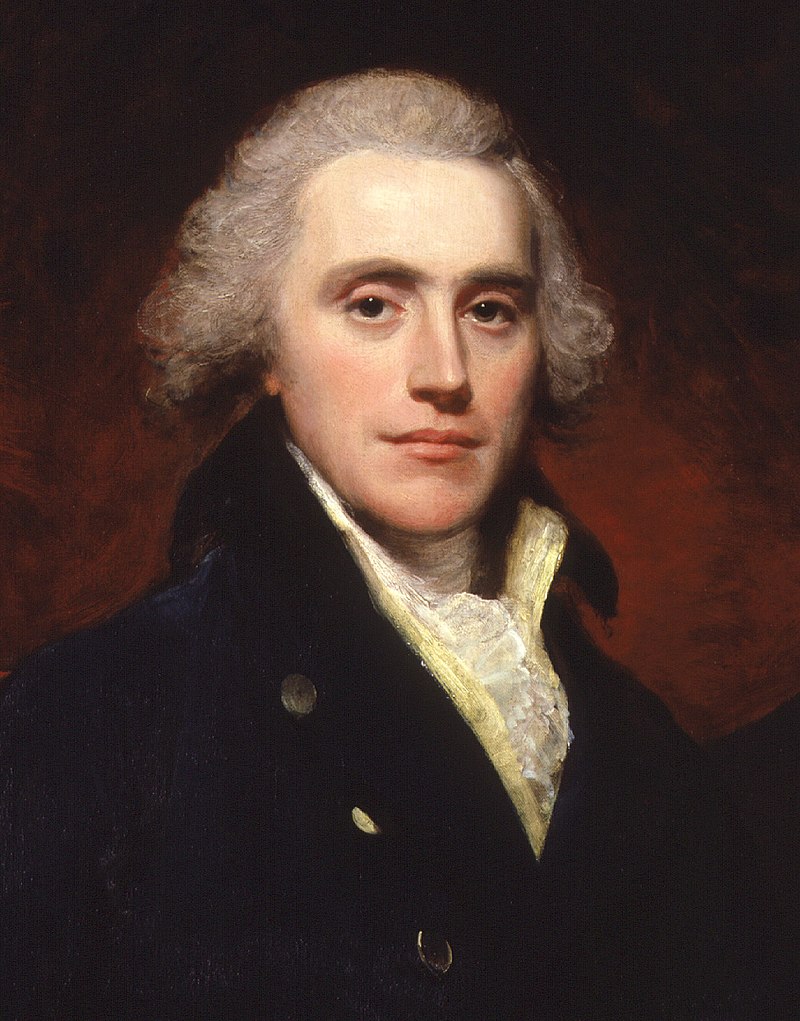
Henry Addington was appointed as the Prime Minister following a period of political instability in the United Kingdom. Addington, a skilled politician and former Speaker of the House of Commons, was chosen to restore order and provide strong leadership to the British government. His appointment brought a sense of stability and reassurance to the nation.
Addington's time in office was marked by his efforts to maintain peace and strengthen the country's economy. He pursued diplomatic solutions to international conflicts and focused on improving domestic policies. Despite facing challenges during his tenure, Addington was known for his commitment to public service and his dedication to upholding the values of the British government.
The appointment of Henry Addington as Prime Minister had a lasting impact on the political landscape of the United Kingdom. His leadership style and policies shaped the direction of the government for years to come. Addington's legacy as a unifying figure and a competent administrator is remembered in British history.
#HenryAddington #UKPrimeMinister #PoliticalStability #GovernmentLeadership
View details1783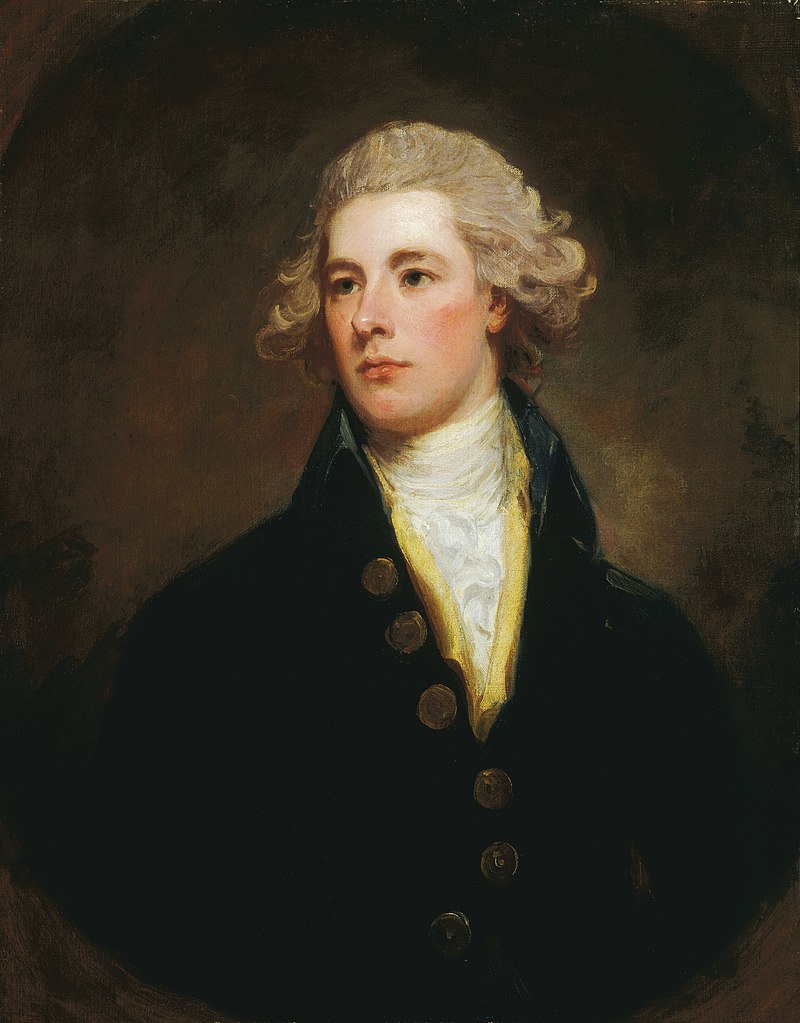
In December 19, 1783, William Pitt the Younger became the Prime Minister of the United Kingdom at the age of 24, making him the youngest person to ever hold the position. His appointment followed a period of political turmoil, with King George III selecting Pitt to form a new government after the resignation of the previous administration.
Pitt's tenure as Prime Minister was marked by his economic reforms, efforts to reduce government corruption, and his strong stance against the French Revolution. He implemented policies to improve the country's finances, including introducing new taxes and reducing government spending. Despite facing opposition from critics and challenges within his own party, Pitt's leadership helped stabilize the British economy and strengthen the government's position.
The appointment of William Pitt the Younger as Prime Minister in 1783 had a lasting impact on the political landscape of the United Kingdom. His legacy includes his contributions to economic stability and his role in shaping the country's foreign and domestic policies during a crucial period in history. #WilliamPitttheYounger #PrimeMinister #UKHistory
View detailsWilliam Henry Cavendish-Bentinck, 3rd Duke of Portland, KG, PC, FRS was a British Whig and then a Tory politician during the late Georgian era. He served as chancellor of the University of Oxford and as Prime Minister of Great Britain and then of the United Kingdom.
View details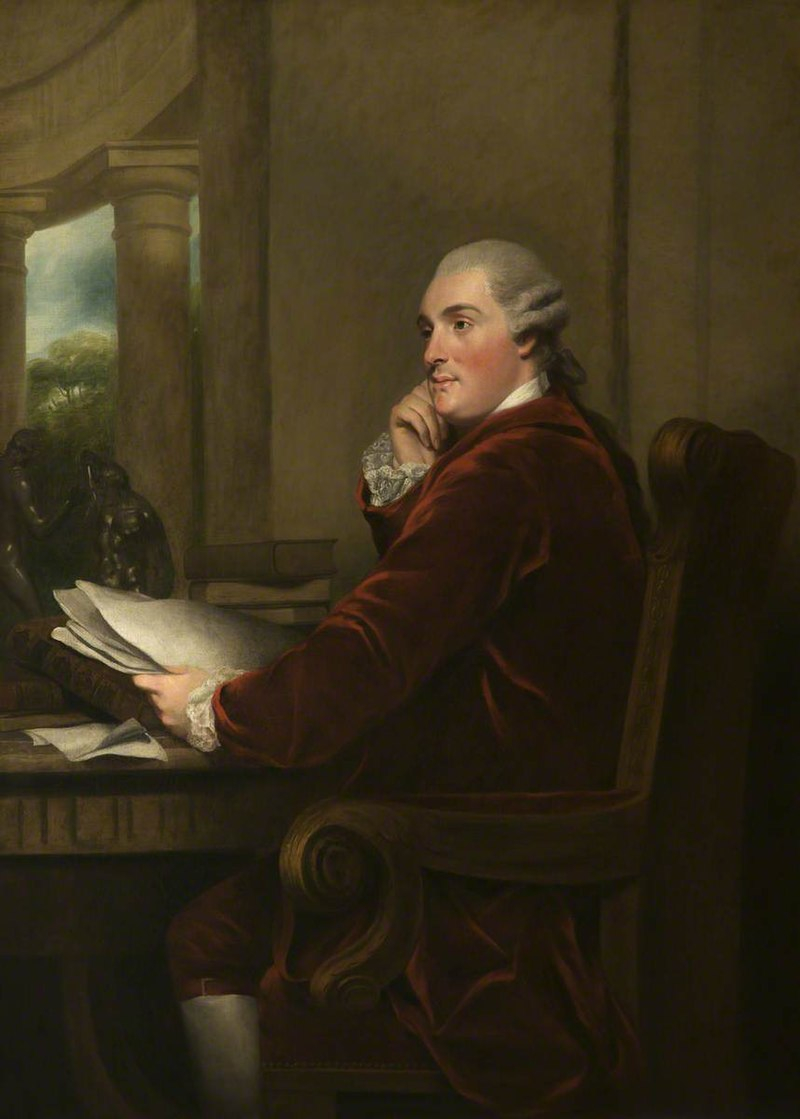
1782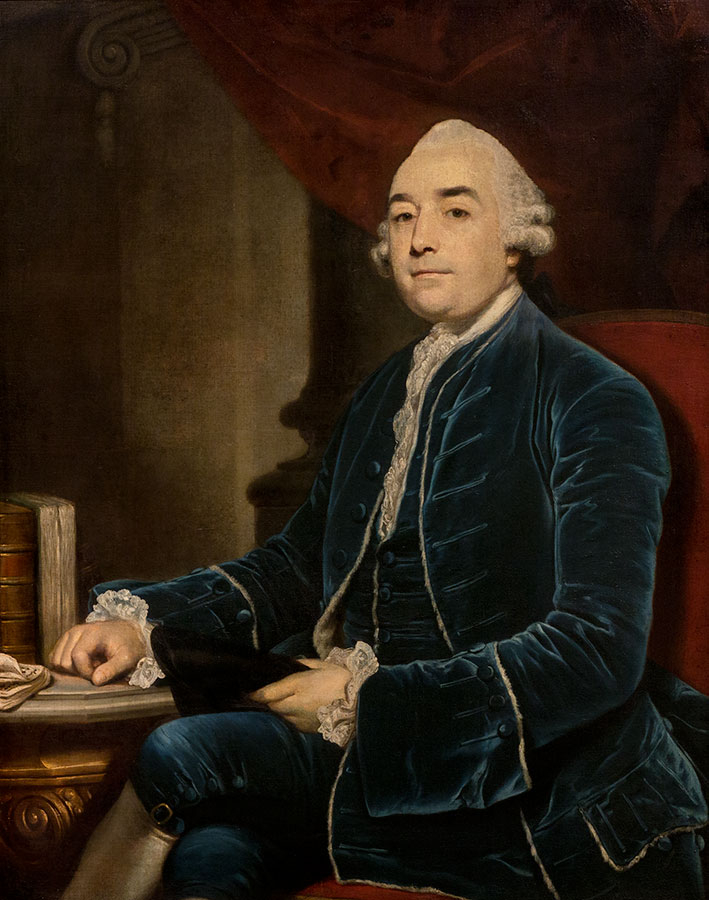
In the event known as 'William Petty,' a crucial moment in British political history unfolded when William Petty, also known as Lord Shelburne, was appointed as the Prime Minister of the United Kingdom.
Born into an Irish aristocratic family, William Petty was a skilled politician and economist who played a significant role in shaping British foreign policy and domestic affairs. His appointment marked a pivotal transition in leadership following the American Revolutionary War, as he succeeded Lord Rockingham as Prime Minister.
Under William Petty's leadership, the UK sought to negotiate peace with the newly formed United States and other European powers. His diplomatic efforts helped secure the Treaty of Paris in 1783, formally ending the war with the United States and recognizing its independence.
William Petty's tenure as Prime Minister was characterized by his strong advocacy for free trade, economic reforms, and a pragmatic approach to governance. Despite facing criticism and opposition from political rivals, he made significant strides in stabilizing the British economy and strengthening international relations.
Overall, the appointment of William Petty as Prime Minister marked a critical juncture in British history, shaping the country's foreign policy and economic direction for years to come. His legacy remains influential in the fields of politics, economics, and international relations.
#WilliamPetty #PrimeMinister #UKHistory #TreatyofParis
View detailsCharles Watson-Wentworth, the Marquess of Rockingham, began his second term as Prime Minister, leading the Whig party in the United Kingdom. His political career was marked by his advocacy for parliamentary reform and his support for the American colonies during the Revolutionary War. During his second term, he focused on stabilizing the economy and addressing issues of public finance.
The appointment of Rockingham for a second term had a significant impact on the political landscape of the time. His leadership brought stability to the government and garnered support from various factions within the Whig party. Rockingham's policies aimed to alleviate the economic challenges facing the country, including addressing national debt and implementing financial reforms.
Rockingham's second term was cut short by his sudden death, leading to a period of political uncertainty and the eventual appointment of William Pitt the Younger as Prime Minister. Despite the brevity of his second term, Rockingham's leadership left a lasting impact on British politics and set the stage for future reforms.
#UKpolitics #PrimeMinister #WhigParty #EconomicReforms
View details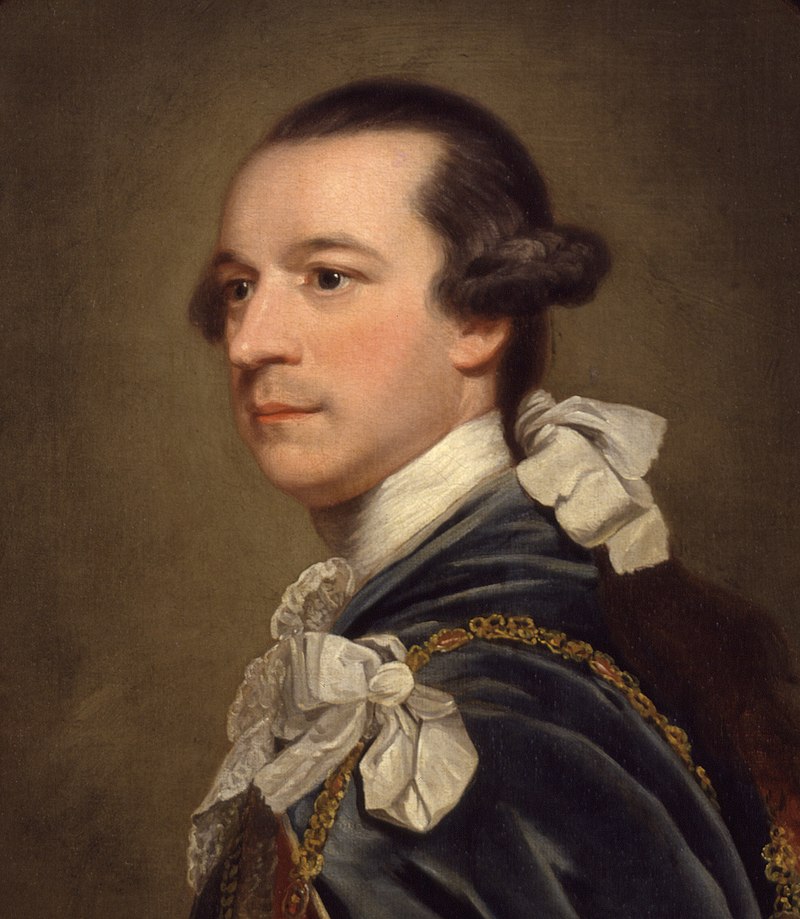
1770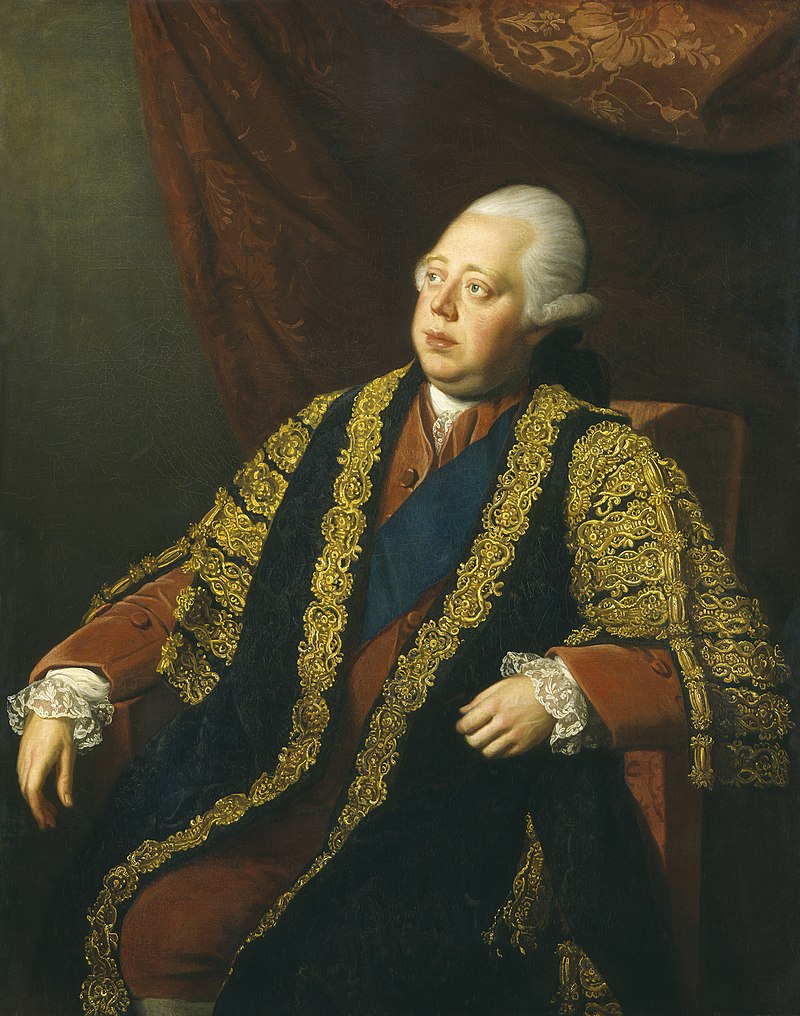
Frederick North became the Prime Minister of the United Kingdom in 1770. He succeeded Lord Chatham during a time of political turmoil. North's tenure was marked by challenges such as the American Revolutionary War and growing unrest in the American colonies. He is best known for his role in imposing measures like the Tea Act, which further fueled tensions leading to the Revolutionary War. Despite facing criticism for his handling of the war, North remained in office until 1782 when he resigned following British defeat at Yorktown. The appointment of Frederick North had a lasting impact on British history, shaping the course of the American Revolutionary War and the eventual loss of the American colonies. #FrederickNorth #PrimeMinister #AmericanRevolutionaryWar #PoliticalHistory
View details1768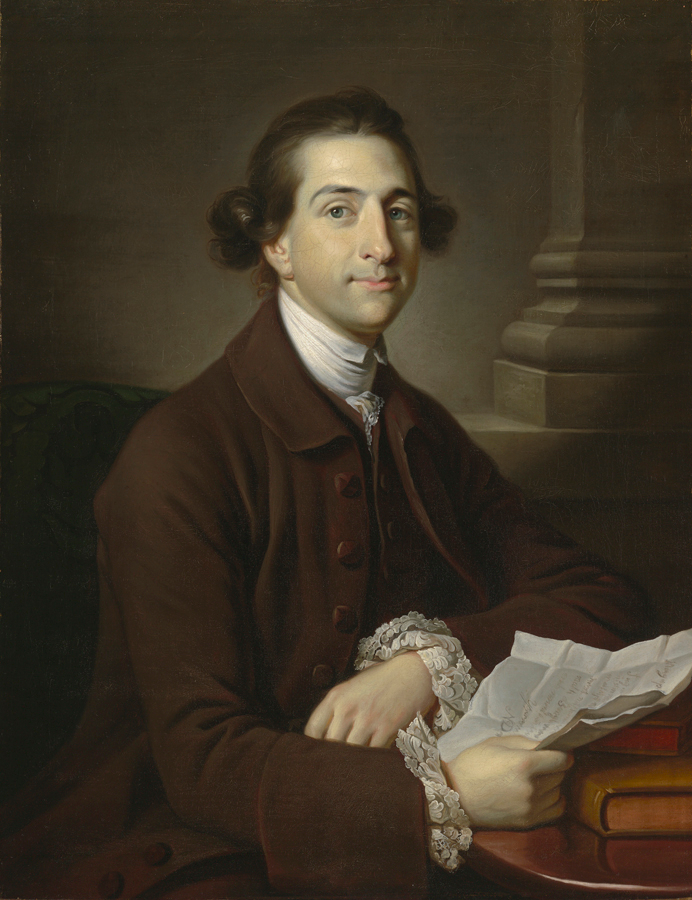
Augustus FitzRoy became Prime Minister of the United Kingdom in 1768. He came from a noble background, being the son of the Duke of Grafton. His appointment as Prime Minister had a significant impact on the political landscape of the time. FitzRoy was known for his moderate policies and attempts to restore public confidence in the government.
During his tenure, he faced challenges such as growing unrest in the American colonies and economic difficulties in the UK. Despite these challenges, FitzRoy was able to maintain stability and order during his time in office. His leadership style was marked by pragmatism and a willingness to compromise.
FitzRoy's time as Prime Minister came to an end after a few years, but he left a lasting legacy in British politics. His tenure is remembered for his efforts to navigate difficult political waters and his commitment to public service. The appointment of Augustus FitzRoy marked a unique moment in British history, showcasing the importance of leadership during times of uncertainty.
#AugustusFitzRoy #PrimeMinisterUK #PoliticalLeadership
View details1766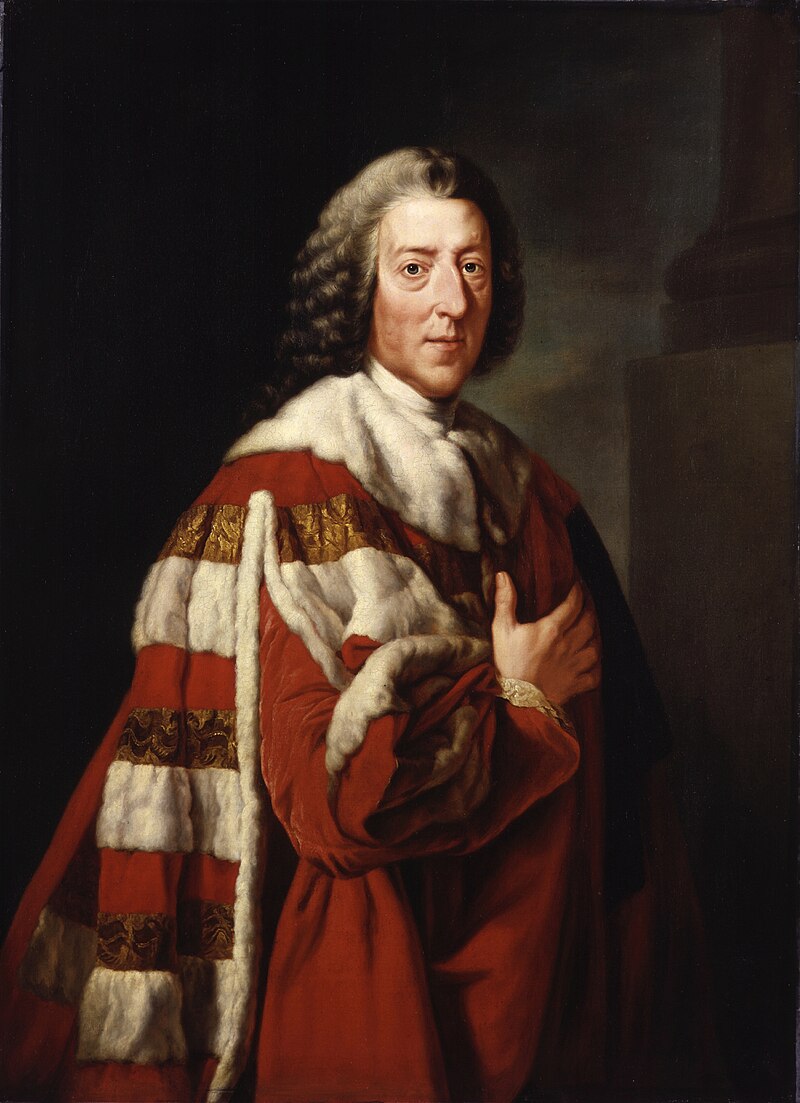
On July 30, 1766, William Pitt the Elder was appointed as the Prime Minister of the United Kingdom. Pitt, a respected and experienced statesman, was known for his strong leadership and commitment to reform. His appointment marked a significant moment in British politics, as he brought new energy and vision to the government.
Pitt's tenure as Prime Minister had a lasting impact on the country. He successfully navigated through challenging times, including the aftermath of the Seven Years' War and the growing tensions with the American colonies. Pitt's policies focused on strengthening the economy, improving government efficiency, and promoting British interests abroad.
During his time in office, Pitt also worked to improve relations with the American colonies, although his efforts were ultimately overshadowed by the outbreak of the American Revolutionary War. Despite facing criticism and opposition from within his own party, Pitt remained a dedicated and influential leader until his resignation.
Overall, William Pitt the Elder's appointment as Prime Minister in 1766 marked a pivotal moment in British history. His leadership and reforms laid the groundwork for future developments in the UK and beyond.
#WilliamPitttheElder #PrimeMinister #UKPolitics #Reform #Leadership
View details1765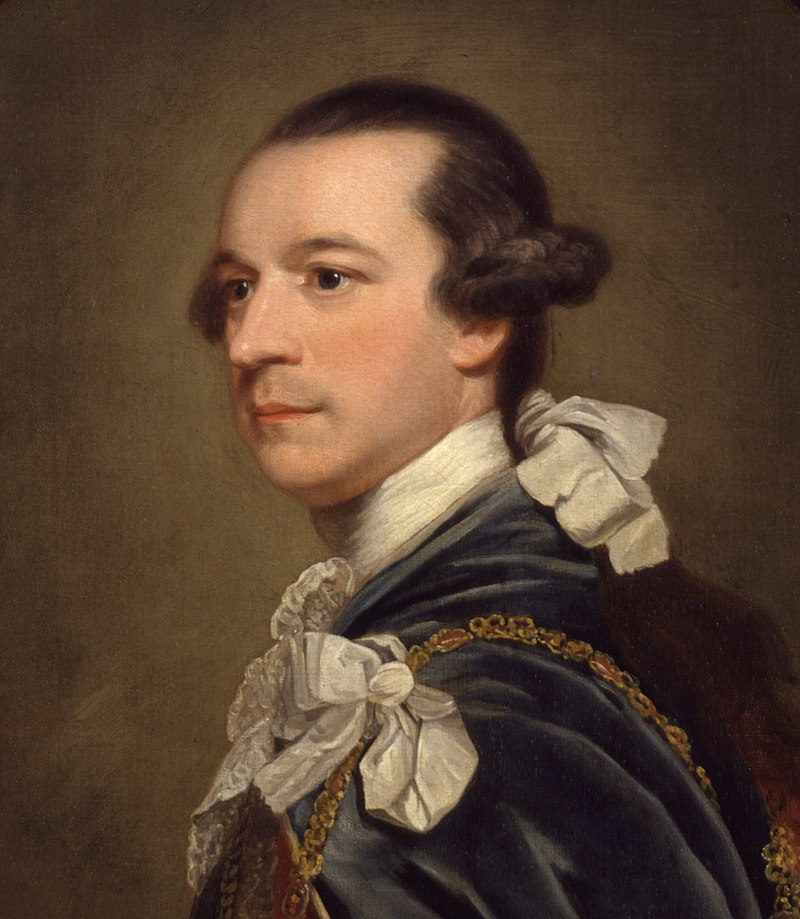
Charles Watson-Wentworth became the Prime Minister of the United Kingdom in 1765. Known for his political career in the Whig party, he had previously held various governmental positions. Upon assuming office, he faced challenges such as handling the aftermath of the Seven Years' War and navigating tensions with the American colonies. Watson-Wentworth's tenure was marked by his efforts to stabilize the economy and restore diplomatic relations with key European nations. His policies aimed to address pressing issues of the time, including trade regulations and colonial governance.
Under his leadership, the UK witnessed significant developments in both domestic and foreign affairs. His decisions had a lasting impact on the country's political landscape and international standing. Despite facing criticism from opposition groups, Watson-Wentworth's legacy as Prime Minister is synonymous with his attempts to steer the nation through a period of transition and uncertainty. The appointment of Charles Watson-Wentworth marked a crucial moment in British history, shaping the course of governance and diplomacy for years to come.#CharlesWatsonWentworth #UKPrimeMinister #WhigParty #PoliticalLeadership
View details1763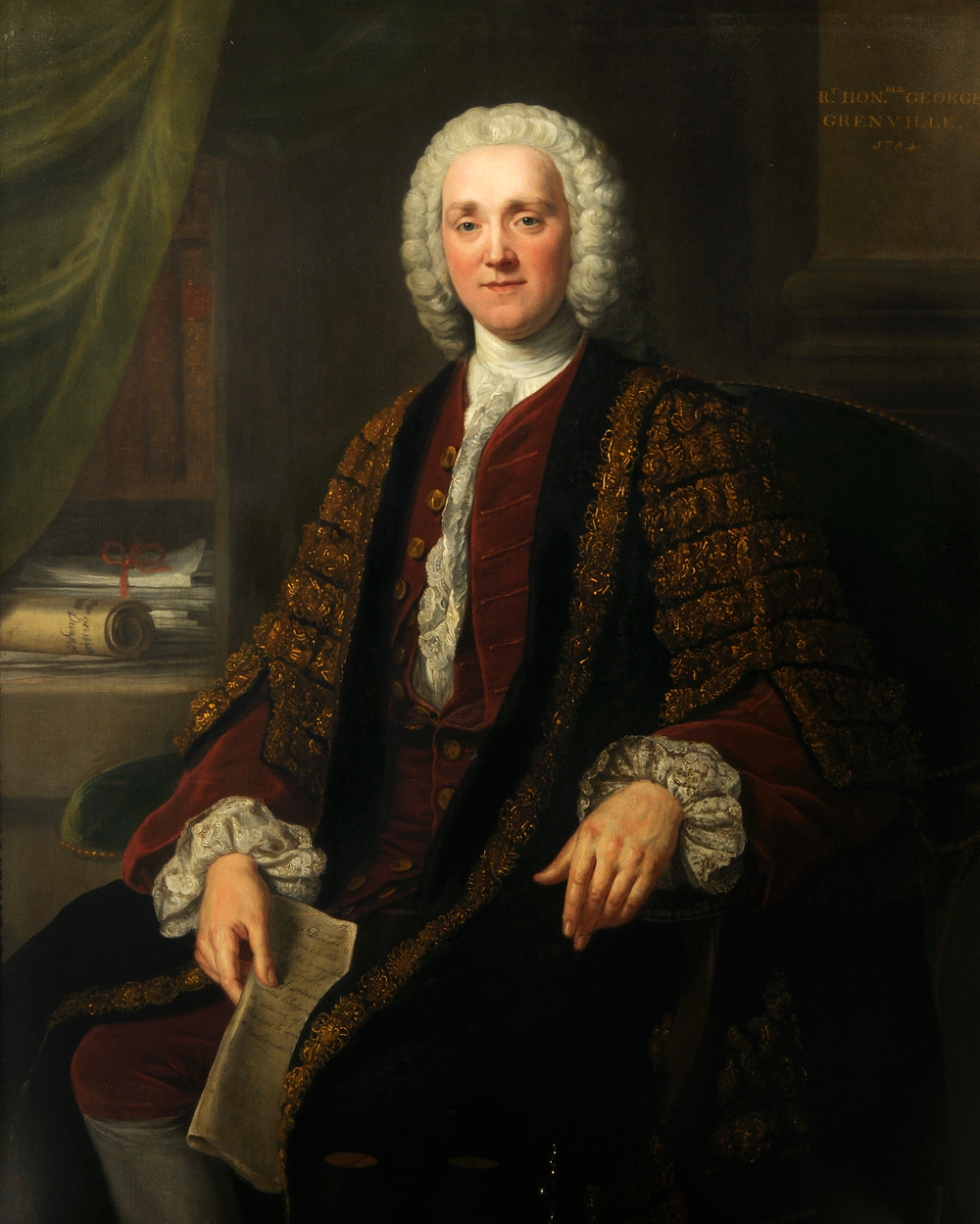
George Grenville was appointed as the Prime Minister of the United Kingdom. He was known for his fiscal policies, particularly the introduction of the Stamp Act in 1765, which imposed direct taxes on the American colonies. This act was met with strong opposition and is considered one of the factors that led to the American Revolutionary War. Grenville's tenure was marked by attempts to strengthen British control over its colonies, leading to increased tensions and resistance.
The appointment of George Grenville had a significant impact on British colonial policy and played a crucial role in shaping the events that eventually led to the American Revolution. Grenville's policies and actions as Prime Minister laid the groundwork for the conflict between the colonies and the British government, ultimately shaping the course of American history.
#GeorgeGrenville #PrimeMinister #ColonialPolicy #AmericanRevolution #StampAct #UKHistory
View details1762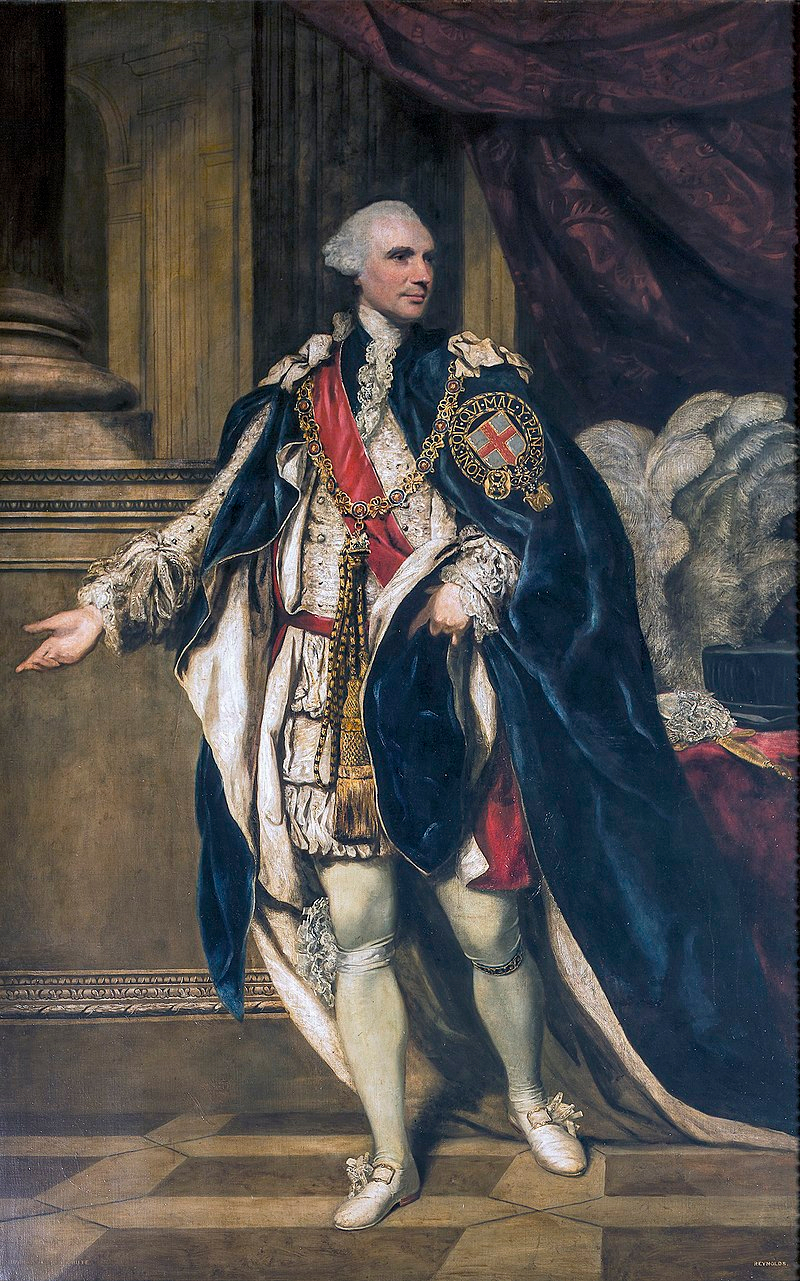
On May 26, 1762, John Stuart, 3rd Earl of Bute, became Prime Minister of Great Britain. His ascent to this high office marked a significant moment in British political history, as Bute was the first Scottish Prime Minister and the first to serve under King George III, who had ascended to the throne in 1760.
John Stuart was born on May 25, 1713, and was educated at Eton College and the University of Leiden. His political career began in earnest when he was elected as a Scottish representative peer in 1737. Stuart's rise to power was greatly facilitated by his close relationship with the royal family, particularly his role as the tutor and confidant to the young George III. This connection proved pivotal when George III became king, as he leaned heavily on Bute for advice and support.
Bute's tenure as Prime Minister was relatively brief, lasting from May 1762 to April 1763. Despite its short duration, his time in office was marked by significant events and challenges. One of his first major acts was negotiating the Treaty of Paris in 1763, which ended the Seven Years' War. The treaty had substantial implications, reshaping the geopolitical landscape by redistributing colonial possessions among the European powers. Britain emerged from the war with significant territorial gains, particularly in North America, where it secured Canada from France and Florida from Spain.
Domestically, Bute faced considerable opposition and controversy. His appointment was met with skepticism and hostility, partly due to his Scottish heritage and perceived favoritism by the king. Bute's lack of political experience and his aloof, aristocratic demeanor did not endear him to either the public or the political establishment. He also faced criticism for his decision to implement a cider tax in 1763, which was highly unpopular and contributed to his increasing unpopularity.
Bute's administration struggled with internal dissent and political maneuvering. The Whig party, which had dominated British politics for decades, was particularly hostile to his leadership. His inability to build a broad base of support within Parliament and the ongoing public protests against his policies and personality ultimately led to his resignation in April 1763, less than a year after he took office.
Despite his brief tenure and the controversies that surrounded it, John Stuart, the 3rd Earl of Bute, left an indelible mark on British politics. His rise to power highlighted the complex dynamics between the monarchy and Parliament, and his struggles underscored the challenges of governance during a period of significant change and turmoil. Bute's legacy is a testament to the often tumultuous and unpredictable nature of political leadership in 18th-century Britain.
#PrimeMinisters #JohnStuart #BritishHistory #1762 #MomentsOfLife #MoofLife_Moment #MoofLife
View details1757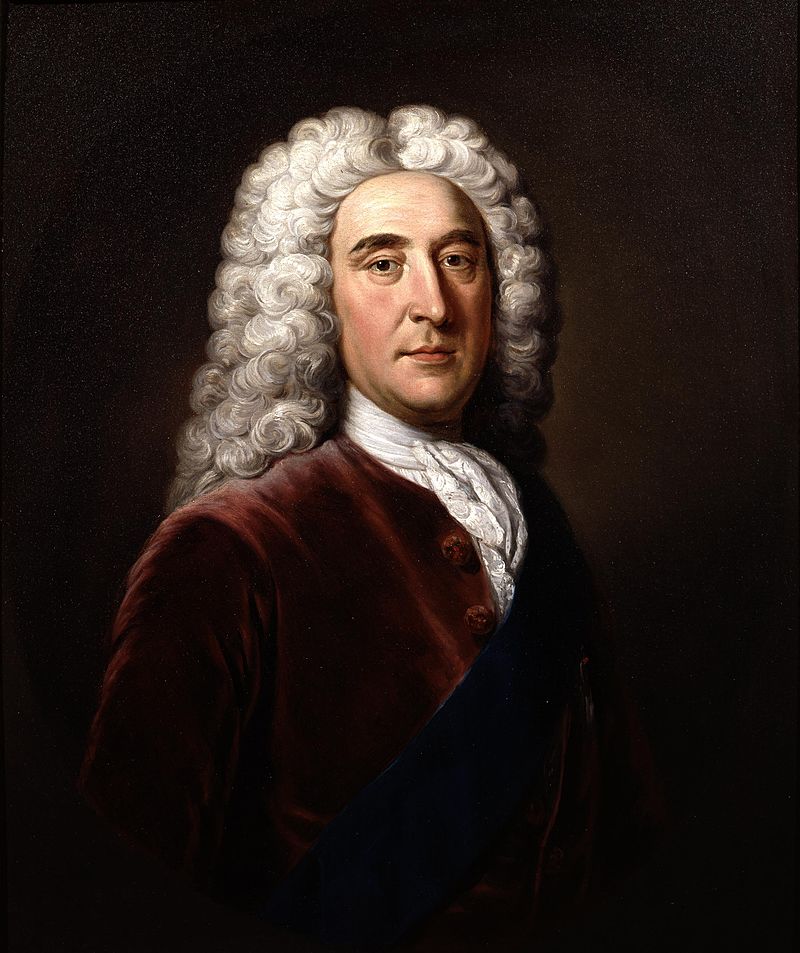
Thomas Pelham-Holles, also known as the Duke of Newcastle, began his second term as Prime Minister of the United Kingdom. Pelham-Holles was a prominent Whig politician who played a crucial role in British politics during the 18th century.
During his second term, Pelham-Holles faced challenges both domestically and internationally. He had to navigate issues such as the ongoing Seven Years' War and strained relations with other European powers. Despite these challenges, Pelham-Holles worked to maintain stability and further the interests of the British Empire.
One of the key achievements of Pelham-Holles during his second term was the successful management of the war effort. He made strategic decisions that helped the British forces achieve victories in key battles, ultimately contributing to the overall success of the war.
Pelham-Holles' second term as Prime Minister left a lasting impact on British politics and the international landscape. His leadership during a tumultuous period helped shape the course of history and solidify the United Kingdom's position as a major global power.
#ThomasPelhamHolles #DukeofNewcastle #PrimeMinisterUK #SevenYearsWar #BritishEmpire
View details1756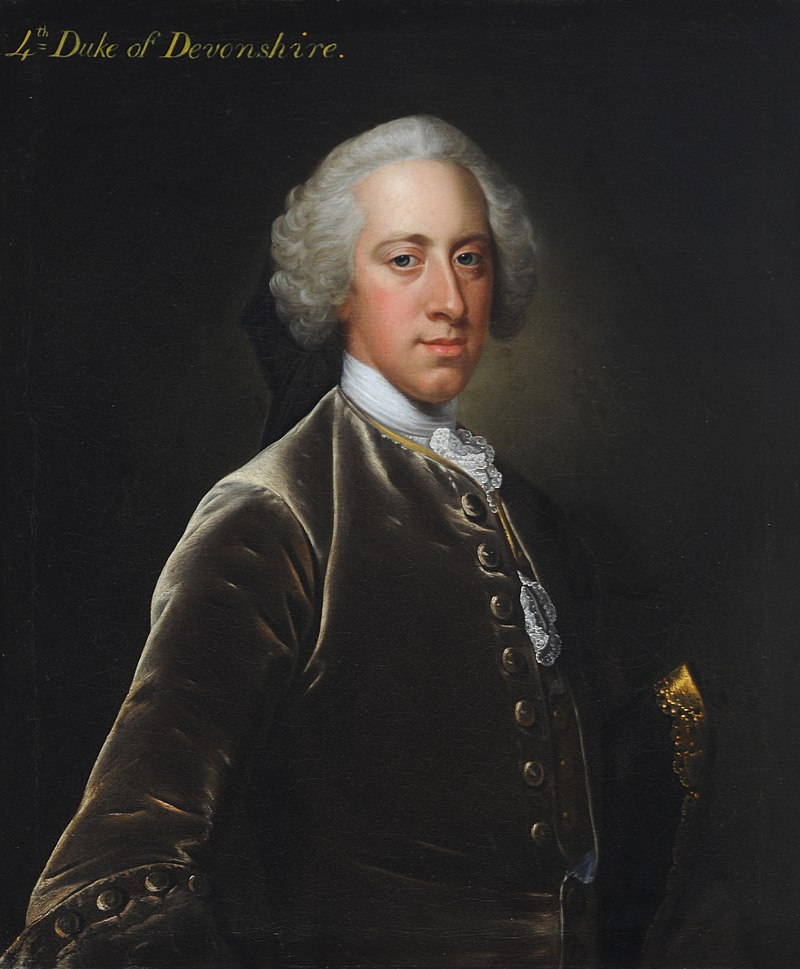
William Cavendish was appointed Prime Minister of the United Kingdom, succeeding his father, the Duke of Devonshire. Belonging to the influential Cavendish family, he was a skilled politician and had previously served in various government positions. His tenure marked a continuation of the Whig Party's dominance in the UK political landscape.
Cavendish's appointment brought stability and continuity to the government, as he largely upheld the policies of his predecessor. During his time in office, he focused on maintaining domestic tranquility and improving relations with other European powers. His leadership was characterized by pragmatism and a diplomatic approach to governance.
As Prime Minister, Cavendish faced challenges such as economic issues and tensions with the American colonies. However, his tenure is remembered for its relative calmness and lack of major conflicts. His government's policies laid the foundation for future developments in the UK's political landscape.
The appointment of William Cavendish as Prime Minister had a lasting impact on the UK political scene, emphasizing the importance of experience and continuity in governance. His legacy continues to be studied by historians and political analysts for insights into the dynamics of power within the British parliamentary system.
#WilliamCavendish #UKPrimeMinister #PoliticalLegacy
View details1754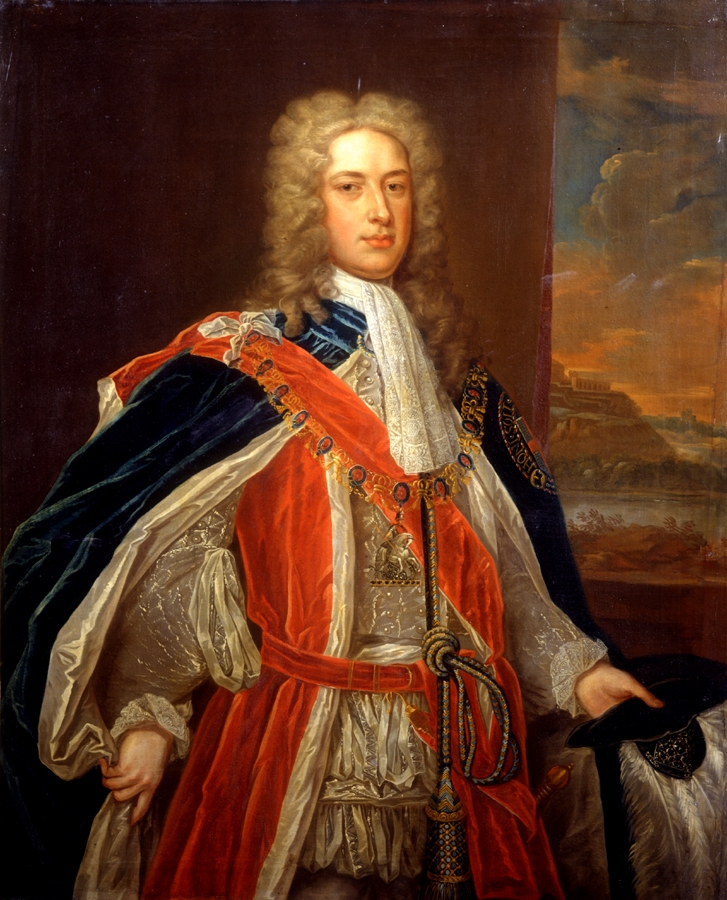
Thomas Pelham-Holles, also known as the Duke of Newcastle, became the Prime Minister of the United Kingdom after the death of his brother, Henry Pelham. Pelham-Holles was a seasoned politician and had previously served in various government positions. He was known for his cautious and indecisive leadership style, often relying on consensus within his political party.
During his time as Prime Minister, Pelham-Holles faced challenges such as navigating the Seven Years' War and managing internal political divisions. Despite his efforts, his leadership was criticized for being weak and ineffective. His term in office was marked by political instability and lack of significant reform initiatives.
Pelham-Holles's appointment as Prime Minister highlighted the entrenched power of the nobility in British politics during the 18th century. His tenure reflects the complexities of governing a growing empire and managing competing interests within the government.
#ThomasPelhamHolles #PrimeMinisterUK #PoliticalLeadership
View details1743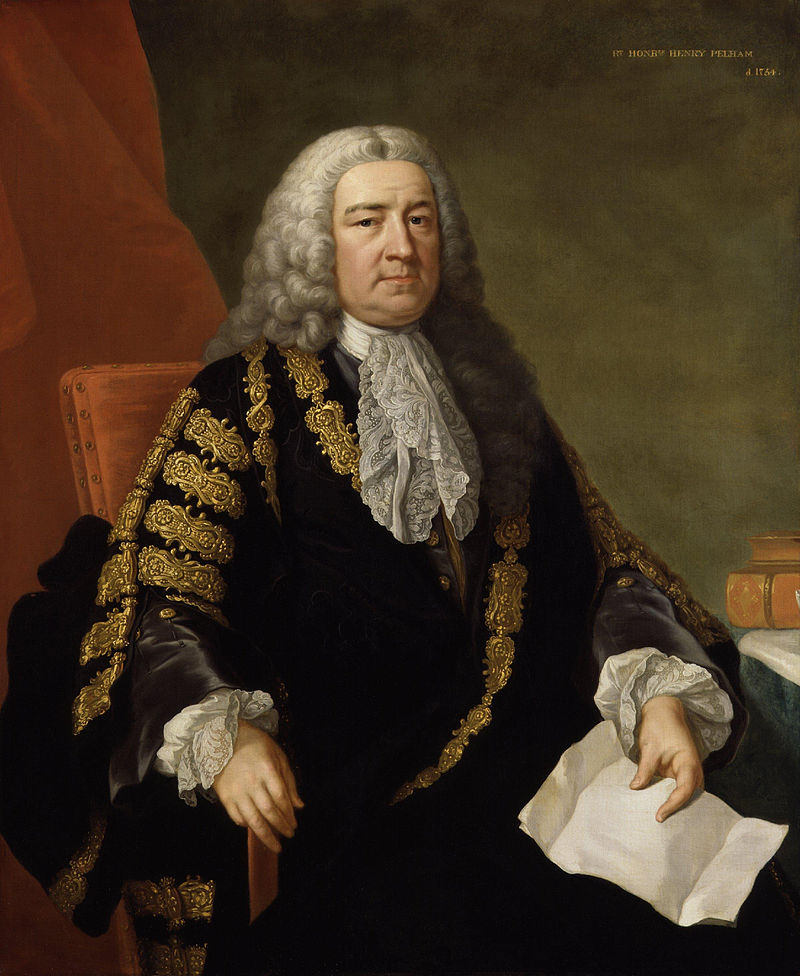
On the event known as 'Henry Pelham,' Henry Pelham became the Prime Minister of the United Kingdom following the death of his brother, the former Prime Minister, Robert Walpole. Pelham took office during a time of political turmoil and economic challenges. He was a skilled politician and worked to stabilize the government and restore public confidence.
Pelham's tenure as Prime Minister was marked by his efforts to reduce national debt, improve fiscal policies, and maintain stability in the government. He oversaw important legislation, including the Gin Act of 1751 and the Currency Act of 1751. His leadership helped to navigate the country through challenging times, earning him respect and support from both the public and the Parliament.
Under Pelham's guidance, the UK experienced a period of relative peace and prosperity. His pragmatic approach to governance and commitment to fiscal responsibility laid the foundation for future economic growth and political stability in the country.
The appointment of Henry Pelham as Prime Minister was a pivotal moment in British history, shaping the direction of the government and influencing policies for years to come. His legacy as a capable leader and a stabilizing force in a time of uncertainty is remembered to this day.
#HenryPelham #PrimeMinisterUK #PoliticalStability
View details1742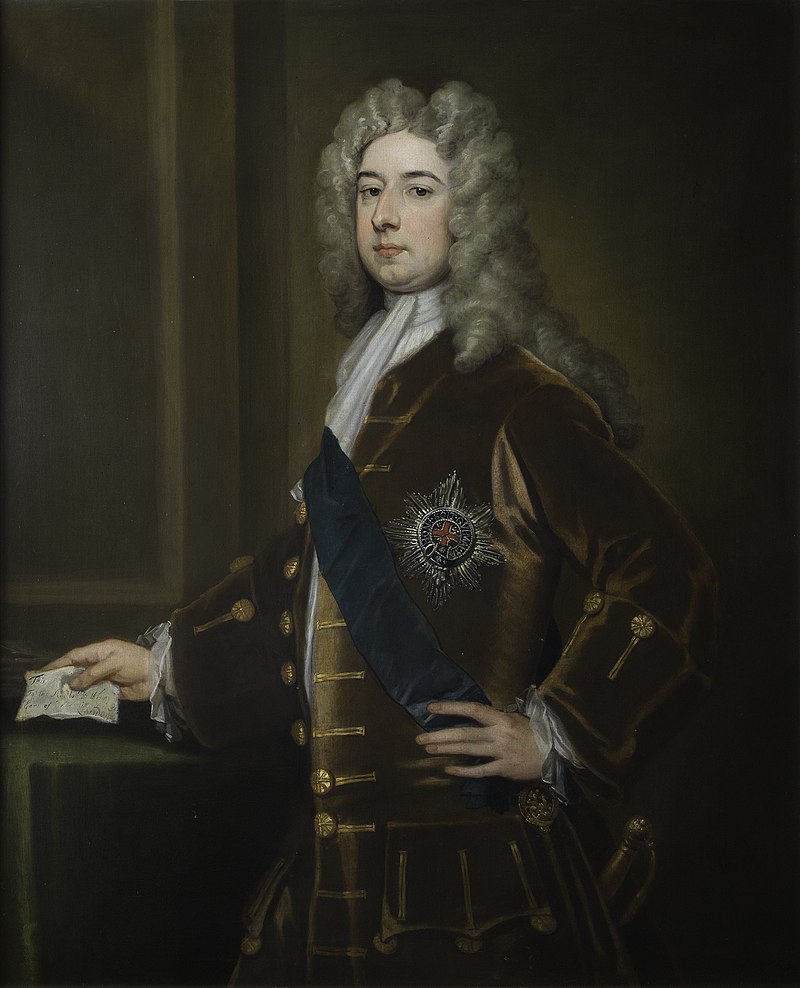
Spencer Compton was appointed as Prime Minister of the United Kingdom on 16-Feb-1742. He succeeded Sir Robert Walpole, who held the position for over 20 years. Compton's term as Prime Minister was brief, as he served for less than a year before resigning due to political pressure.
Compton's appointment marked a significant shift in British politics, as it ended Walpole's dominance and opened the door for new leadership. Despite his short tenure, Compton sought to implement reforms and address key issues facing the nation. However, challenges within his own party and resistance from opposition groups hindered his ability to make substantial progress.
The appointment of Spencer Compton as Prime Minister in 16-Feb-1742 marked a transition period in British politics, signaling the end of an era under Walpole's leadership and setting the stage for future developments in governance and leadership.
#SpencerCompton #PrimeMinister #UKPolitics #TransitionPeriod
View details1721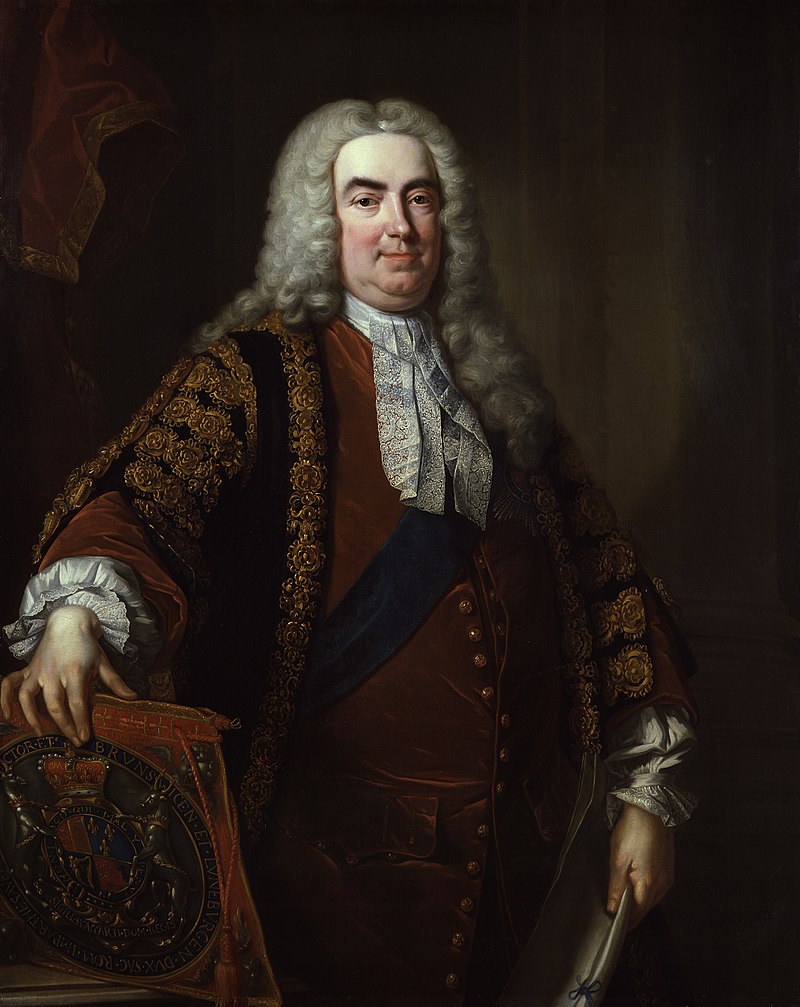
Robert Walpole became the first official Prime Minister of the United Kingdom in history. His appointment marked a significant shift in how the government operated, consolidating power in one individual. Walpole's leadership style paved the way for the development of the modern Prime Minister role.
Before Walpole, the position of Prime Minister was not clearly defined, with power distributed among various leading figures. His strong leadership and ability to work with Parliament set a precedent for future Prime Ministers to follow. Walpole's tenure saw a focus on stability and economic growth, shaping the trajectory of the UK government.
His policies, particularly in relation to finance and foreign affairs, left a lasting impact on the country. By centralizing power in the Prime Minister's office, Walpole set the stage for the evolution of the UK's political system.
Walpole's legacy as the first official Prime Minister laid the foundation for the development of the role and its significance in British governance. His tenure marks a turning point in the history of the UK government, shaping its future direction.
#RobertWalpole #UKPrimeMinister #PoliticalHistory
View details