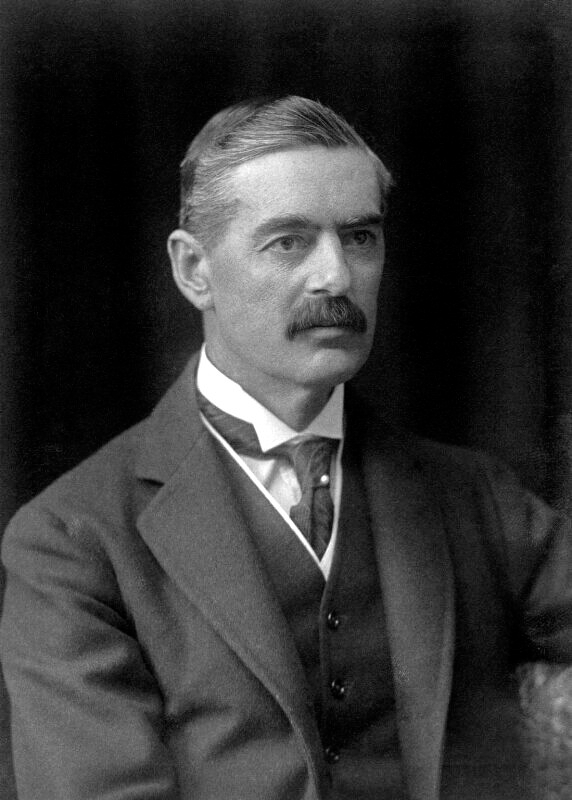
Neville Chamberlain becomes the Prime Minister
Appointment of the Prime Minister
3 min read
Updated By: History Editorial Network (HEN)
Published:
Neville Chamberlain, known for his appeasement policy towards Nazi Germany, became the Prime Minister of the United Kingdom after the resignation of Stanley Baldwin. Chamberlain's political career began in local government, eventually serving as Minister of Health and Chancellor of the Exchequer. As Prime Minister, his main focus was on foreign policy, particularly in dealing with Adolf Hitler's aggressive expansion in Europe.
Chamberlain's approach of appeasement involved making concessions to avoid conflict, famously culminating in the Munich Agreement of 1938. However, this policy was heavily criticized for failing to prevent World War II. Despite his efforts to maintain peace, the German invasion of Poland ultimately led to Britain declaring war on Germany in 1939, marking the beginning of Chamberlain's downfall.
The Neville Chamberlain event of 5/28/1937 marks a pivotal moment in UK history, as Chamberlain's leadership during a critical time of international tension continues to be debated. His legacy is complex, seen as both a well-intentioned leader trying to avoid war and a symbol of failed diplomatic efforts in the face of aggression.
#NevilleChamberlain #UKPrimeMinister #AppeasementPolicy #MunichAgreement #WorldWarII
Primary Reference
Neville Chamberlain - Wikipedia
Explore the Life Moments of
 AI Twin