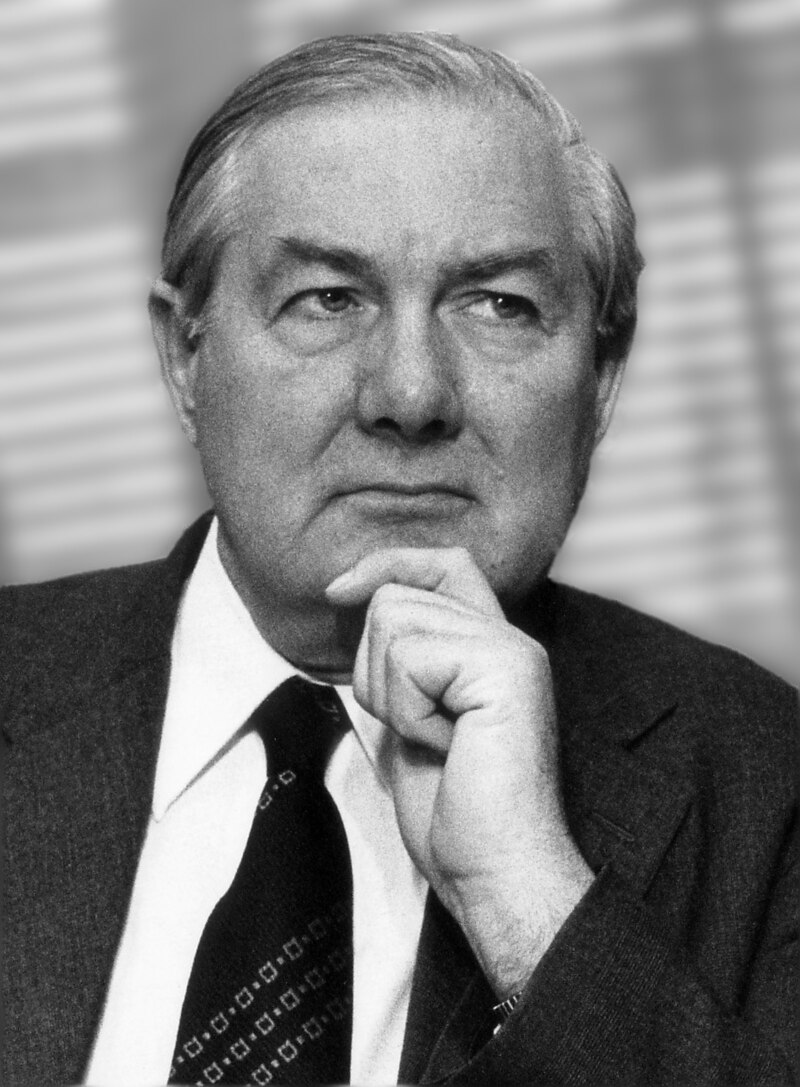
James Callaghan becomes the Prime Minister
Appointment of the Prime Minister
3 min read
Updated By: History Editorial Network (HEN)
Published:
On April 5, 1976, James Callaghan succeeded Harold Wilson as the Prime Minister of the United Kingdom, following Wilson's unexpected resignation. Callaghan's rise to the prime ministership marked a significant moment in British political history, as he became the first person to have held all four of the Great Offices of State: Chancellor of the Exchequer, Home Secretary, Foreign Secretary, and finally, Prime Minister. His tenure as Prime Minister came during a challenging period for the UK, characterized by economic difficulties, industrial unrest, and the ongoing Northern Ireland conflict.
Callaghan's time in office was particularly marked by the Winter of Discontent (1978-1979), a period of widespread strikes by public sector workers demanding pay increases in response to rising inflation. These events, alongside the economic challenges, significantly impacted public opinion and contributed to the electoral defeat of the Labour Party in the 1979 general election, leading to the rise of Margaret Thatcher's Conservative government. Callaghan’s leadership is often remembered for its efforts to navigate through these turbulent times with a focus on consensus and social democracy.
#JamesCallaghan #UKPrimeMinister #1970sBritain #WinterOfDiscontent #BritishPoliticalHistory
Primary Reference
James Callaghan - Wikipedia
Explore the Life Moments of
 AI Twin