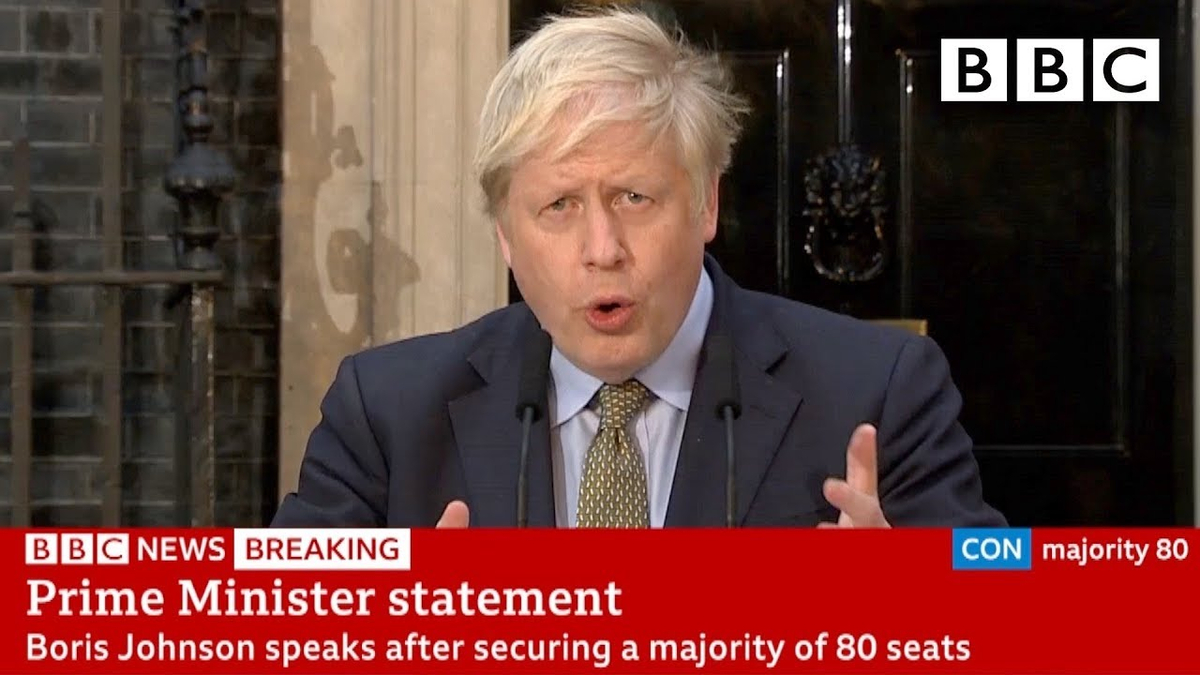
Boris Johnson becomes the Prime Minister
Appointment of the Prime Minister
9 min read
Updated By: History Editorial Network (HEN)
Published:
On July 24, 2019, Boris Johnson became the Prime Minister of the United Kingdom, marking a pivotal moment in British politics. His ascent to the highest office came after a dramatic series of events that underscored the nation's ongoing struggle with Brexit, the process of leaving the European Union.
Boris Johnson, born on June 19, 1964, in New York City, had a colorful and varied career before becoming Prime Minister. Educated at Eton College and Balliol College, Oxford, Johnson worked as a journalist before entering politics. His tenure as the editor of The Spectator and later as the Mayor of London from 2008 to 2016 helped him establish a public persona characterized by charisma, wit, and a propensity for controversy.
Johnson's path to 10 Downing Street was shaped by his prominent role in the Brexit referendum of 2016, where he emerged as a leading voice for the Leave campaign. His vigorous advocacy for Brexit resonated with a significant portion of the British electorate, helping to tip the balance in favor of leaving the EU. After the referendum, Johnson served as Foreign Secretary under Prime Minister Theresa May, although his tenure was marked by disagreements over her approach to Brexit.
By mid-2019, the Conservative Party was in turmoil. Theresa May's inability to secure parliamentary approval for her Brexit deal led to her resignation as party leader and Prime Minister. Johnson, with his staunch Brexit stance and broad appeal among Conservative Party members, won the subsequent leadership contest decisively. On July 23, 2019, he was elected leader of the Conservative Party, and the following day, he was invited by Queen Elizabeth II to form a government, officially becoming Prime Minister.
Johnson’s premiership began with a clear and uncompromising message: to deliver Brexit by October 31, 2019, "do or die." This set the stage for a highly contentious period in British politics. Johnson faced immediate challenges, including a deeply divided Parliament and significant opposition both within his party and from other political factions.
One of Johnson's first significant acts as Prime Minister was to prorogue Parliament, a move intended to curtail debate and prevent efforts to block a no-deal Brexit. This decision was met with widespread criticism and legal challenges, culminating in a historic ruling by the UK Supreme Court that the prorogation was unlawful.
Despite these setbacks, Johnson's determination to achieve Brexit resonated with many voters. His rhetoric and actions reflected a bold, sometimes controversial, approach to governance. He emphasized the need for decisive action and portrayed himself as a leader who would break the deadlock and deliver on the referendum's mandate.
The political landscape dramatically shifted following Johnson’s decision to call a snap general election in December 2019. Campaigning on a platform to "Get Brexit Done," Johnson led the Conservative Party to a landslide victory, securing an 80-seat majority in the House of Commons. This mandate allowed him to pass the Withdrawal Agreement, finally enabling the UK to leave the EU on January 31, 2020.
Johnson's early tenure as Prime Minister was dominated by the Brexit saga, but soon other challenges emerged, most notably the COVID-19 pandemic. His government's response to the pandemic was critical in shaping public perception of his leadership. Johnson himself contracted the virus in April 2020, which underscored the severity of the crisis.
Throughout his time in office, Johnson's leadership style, characterized by populist rhetoric, charismatic communication, and sometimes polarizing decisions, continued to shape his political legacy. His ability to navigate the complexities of Brexit, secure electoral success, and manage unprecedented crises like the pandemic have defined his premiership.
Boris Johnson's time as Prime Minister was marked by significant achievements and controversies alike. His impact on British politics, particularly regarding Brexit, is profound. As a leader, he exemplified a blend of traditional conservatism with modern populist tactics, leaving an indelible mark on the UK's political landscape.
#MomentsOfLife #MoofLife_Moment #MoofLife #BorisJohnson #UKPolitics #Brexit #PoliticalLeadership #ConservativeParty #BritishPrimeMinister
Primary Reference
Letter of congratulations from President Donald Tusk to Boris ...
Explore the Life Moments of
 AI Twin