
Sweden

The Land of the Midnight Sun
Related Lives
Dominican Republic
A Caribbean Paradise

Adventure Movies
Where courage meets the unknown

Luxembourg
The Gibraltar of the North
Nobel Prize in Physics
Celebrating the Pioneers of Science
Brunei
Abode of Peace

Ethiopia
Federal Democratic Republic of Ethiopia

Haiti
The Resilient Spirit of Haiti
Prime Minister of the United Kingdom
The Head of Government

1889
In 1889, the Swedish Social Democratic Party achieved exclusive control over government decision-making, marking a pivotal shift in the country's political landscape. This milestone came after years of gradual growth and influence by the party, which was founded in the late 19th century on principles of social justice and workers' rights.
The Social Democratic Party's consolidation of power allowed them to enact key reforms aimed at improving working conditions, healthcare, and education. They also implemented policies to address income inequality and strengthen the social welfare system. These changes had a profound impact on Swedish society, laying the foundation for the country's modern welfare state.
The party's dominance in government decision-making faced opposition and challenges from other political factions and conservative groups. However, their strong grassroots support and effective organization ensured their continued influence in shaping national policies.
This event reshaped the political landscape of Sweden, cementing the Social Democratic Party's position as a dominant force in Swedish politics for decades to come. Their emphasis on social welfare and progressive policies has had a lasting impact on the country's governance and social fabric.
#Sweden #SocialDemocraticParty #GovernmentControl #PoliticalShift
View detailsIn Sweden, the formation of the Swedish Social Democratic Party marked a crucial turning point in the country's political landscape. The party emerged as the largest political entity, voicing the concerns of the working class and advocating for social welfare reforms. The foundation of this party grew out of the growing discontent among laborers and a desire for better working conditions and representation in government.
With its inception, the Social Democratic Party introduced a platform that focused on addressing poverty, improving workers' rights, and implementing social security measures. This resonated with a significant portion of the population and allowed the party to quickly gain traction and support.
The establishment of the Swedish Social Democratic Party established a new era of politics in Sweden, shaping the country's policies and promoting a more inclusive and equitable society. It propelled the nation towards a more progressive direction, emphasizing social justice and equality.
This event laid the foundation for Sweden's modern welfare state and significantly influenced the country's political landscape, paving the way for future social reforms and advancements in labor rights. #Sweden #SocialDemocraticParty #PoliticalHistory
View details
1886
In 1866, Sweden passed a law granting voting rights to men who met a certain tax threshold. This marked a significant shift in the country's political landscape, allowing a broader segment of the male population to participate in the decision-making process.
Prior to this law, voting rights in Sweden were restricted to a much smaller group of individuals, typically landowners or those with high income levels. The new legislation aimed to expand democratic participation and representation by including a larger portion of the male population.
The impact of this law was transformative, as it gave a voice to men who previously had been excluded from the political process. It also laid the groundwork for future expansions of suffrage rights in Sweden.
This event underscores the country's commitment to democratic principles and the gradual progression towards a more inclusive and representative government. It signifies a pivotal moment in Swedish history, symbolizing the ongoing efforts to broaden political participation and uphold the rights of citizens.
#Sweden #VotingRights #TaxThreshold #Democracy #Inclusion
View details1875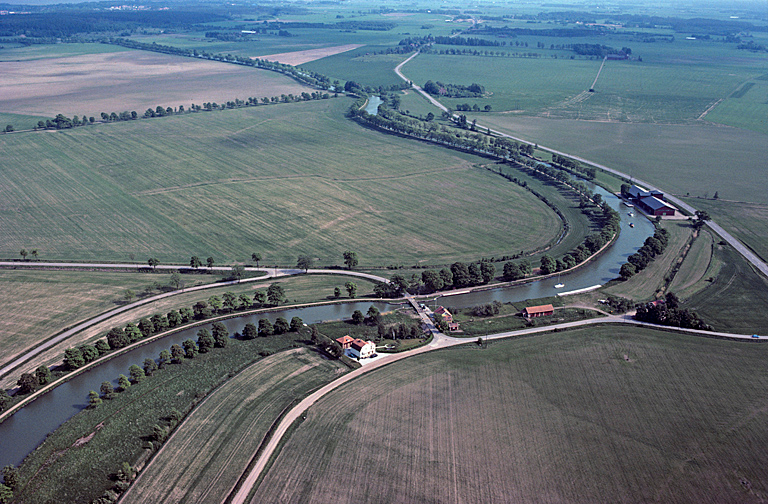
The completion of the Göta Canal connected the Swedish cities of Gothenburg and Söderköping, spanning coast-to-coast. This feat came after over two decades of construction, facilitated by the vision of engineer Baltzar von Platen. The canal's 58 locks allowed for the smooth passage of boats, enhancing transportation and trade within Sweden.
This engineering marvel revolutionized inland transportation, providing a direct route between the North Sea and the Baltic Sea. Prior to its completion, ships had to navigate around Sweden's southern tip, a journey marked by treacherous waters and long distances. The canal significantly reduced travel time, fuel consumption, and risks associated with the previous maritime route.
The efficient transport of goods and passengers along the canal spurred economic growth in the region and strengthened connections between the western and eastern coasts of Sweden. The completion of the Göta Canal catalyzed urban development in towns along its path, creating hubs of commerce and industry.
Today, the Göta Canal remains a vital artery for transportation in Sweden, blending historical significance with modern functionality. It stands as a testament to human ingenuity and perseverance in overcoming geographical challenges.
#GötaCanal #TransportationDevelopment #SwedenCommerce
View details1873
The **Swedish Meteorological and Hydrological Institute (SMHI)** plays a vital role in advancing research and forecasting in meteorology, hydrology, and oceanography. Established to enhance Sweden’s ability to predict and understand weather, climate, and water conditions, SMHI has continuously evolved with scientific and technological advancements. By integrating cutting-edge research with real-time data collection, the institute provides crucial insights that aid in disaster preparedness, environmental monitoring, and sustainable development. Through its commitment to innovation, SMHI contributes to global climate studies and supports industries, authorities, and the public with accurate forecasting and analysis.
With a strong emphasis on collaboration, SMHI partners with national and international organizations to improve predictive models and climate resilience. The institute’s research efforts span a wide range of topics, including climate change impact assessments, water resource management, and severe weather prediction. Leveraging state-of-the-art technology such as satellite observations, AI-driven modeling, and extensive field measurements, SMHI ensures that its forecasting capabilities remain at the forefront of meteorological and hydrological sciences. As a trusted institution, it continues to play a crucial role in safeguarding communities and promoting sustainable environmental practices.
#SwedishMeteorology #WeatherScience #ClimateResearch #Hydrology #ForecastingInnovation #EnvironmentalProtection #MoofLife #MomentsOfLife #MoofLife_Moment
View details1866
In 1815, the Swedish Parliament made a pivotal decision to establish a bicameral legislature, consequently abolishing the Council of the Realm. This move aimed to modernize the country's political system and distribute power more equitably between the nobility and other social classes. The new legislature comprised two chambers: the Upper House, representing the nobility and clergy, and the Lower House, representing the common people. This restructuring aimed to promote greater representation and balance in the political decision-making process.
The impact of this decision was significant, as it marked a shift towards a more democratic and inclusive political system in Sweden. By dismantling the Council of the Realm, which had been dominated by the nobility, the bicameral legislature aimed to provide a platform for broader participation in governance and decision-making. This move reflected changing societal values and a growing demand for political reforms.
Overall, the establishment of a bicameral legislature in Sweden in 1815 was a crucial step towards modernizing the country's political system and promoting greater representation and balance in the government.
#Sweden #BicameralLegislature #PoliticalReforms
View details1862
In 1862, Sandvik was founded in Sweden, specializing in steel production. The company quickly established itself as a top global manufacturer, earning a reputation for producing high-quality steel products. With a focus on innovation and technological advancement, Sandvik began to expand its operations internationally, becoming a key player in the global steel industry.
Sandvik's commitment to excellence in steel production resulted in the company's steady growth and success. By staying at the forefront of advancements in manufacturing processes, Sandvik was able to meet the increasing demand for steel products across various industries. This not only solidified their position as a leading manufacturer but also contributed significantly to the growth and development of the steel industry as a whole.
As Sandvik continued to excel in steel production, the company's influence and presence in the global market expanded. Today, Sandvik is recognized worldwide for its cutting-edge steel products and solutions, serving a wide range of industries, including mining, construction, and energy. The company's legacy of innovation and quality craftsmanship continues to shape the steel manufacturing industry, setting a high standard for excellence.
#Sandvik #SteelProduction #GlobalManufacturer #Innovation
View details1856
the Swedish Evangelical Mission was established with the aim of spreading Christianity worldwide through international missions. The organization was founded during a time of religious revival in Sweden, as many individuals felt a strong calling to share their faith beyond their local communities.
The Swedish Evangelical Mission began sending missionaries to various parts of the world, including Africa, Asia, and the Americas. These missionaries worked to establish churches, schools, and medical facilities, aiming to not only spread the Christian faith but also to provide practical support to those in need.
The impact of the Swedish Evangelical Mission was significant, as it helped to shape the global outreach of the Christian faith during the 19th century. The organization's efforts led to the establishment of numerous churches and schools in countries around the world, leaving a lasting legacy of Christian influence in many communities.
Overall, the establishment of the Swedish Evangelical Mission in 1835 marked a pivotal moment in the history of international missions, as it brought together individuals from Sweden and beyond to share their faith and serve others in the name of Christianity.
#Sweden #GlobalMissions #FaithOutreach #Christianity
View details1855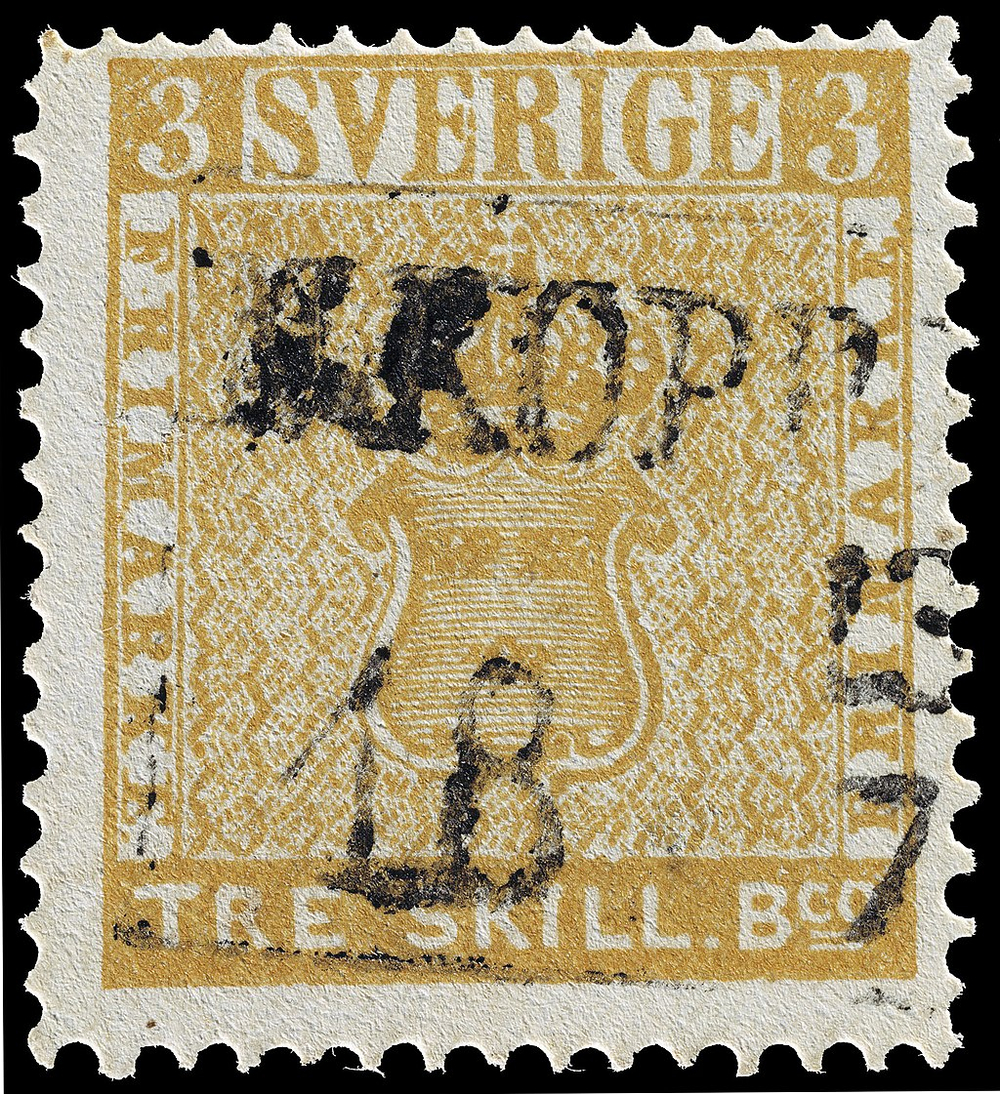
In Sweden, the issuance of postage stamps in 1855 was a pivotal moment for the country's postal service. Before this milestone, the cost of sending mail was paid by the recipient, leading to inefficiencies and delays. The introduction of postage stamps allowed for pre-payment of postage, streamlining the postal process and making it more accessible to the general public.
The first Swedish postage stamp featured the portrait of King Oscar I and had a value of 3 skillings. It was an immediate success, as it simplified postage rates and increased the efficiency of mail delivery throughout the country. The issuance of postage stamps also marked Sweden's entry into the growing trend of postal reforms taking place in Europe during that time.
The adoption of postage stamps revolutionized the postal service in Sweden, leading to increased mail volumes, more efficient delivery systems, and a standardized method of pre-payment for postage. This significant development laid the foundation for the modern postal system in Sweden and had a lasting impact on communication within the country and beyond.
#Sweden #PostalService #HistoricalMilestone #PostageStamps
View details1854
In 1854, the Swedish Parliament agreed on a trade pact with France to bolster economic ties and cooperation between the two nations. This decision came against the backdrop of a growing need for expanding trade opportunities and fostering stronger diplomatic relations in Europe.
The trade pact aimed to increase the flow of goods and services between Sweden and France, opening up new markets for both countries and boosting their respective economies. Additionally, the agreement facilitated the exchange of knowledge and technology, paving the way for enhanced industrialization and innovation.
The impact of this trade pact was significant, as it not only strengthened the economic partnership between Sweden and France but also served as a foundation for future collaborations in various fields. The agreement fostered a sense of mutual trust and understanding, laying the groundwork for continued cooperation in the years to come.
Overall, the decision by the Swedish Parliament to enter into a trade pact with France marked a pivotal moment in the history of both nations, solidifying their commitment to building a prosperous and mutually beneficial relationship. #Sweden #France #TradePact #EconomicCooperation
View details1826
Medieval trade barriers lifted, fostering economic growth via foreign trade expansion opportunities.
In 1826, Sweden abolished medieval trade barriers, sparking economic growth by expanding foreign trade opportunities. This pivotal decision aimed to boost the nation's economy by fostering open trade relations with other countries. The removal of trade barriers allowed for the influx of new goods, ideas, and investments, consequently stimulating economic activity and increasing prosperity for the Swedish population.
The impact of this event was profound, as Sweden experienced a surge in international trade and economic development. With easier access to foreign markets, Swedish merchants could now engage in commerce on a global scale, leading to the exchange of goods and services across borders. This expansion of trade opportunities not only enriched the domestic market but also enhanced Sweden's reputation as a key player in the global economy.
Overall, the end of medieval trade barriers in Sweden in 1826 marked a turning point in the nation's economic history. By embracing open trade policies, Sweden positioned itself for substantial growth and prosperity through enhanced foreign trade opportunities.
#Sweden #TradeBarriers #EconomicGrowth #ForeignTrade #GlobalCommerce
View details1814
Tensions between Sweden and Norway reached a boiling point as conflicts erupted in 1814. The roots of this discord stemmed from the Napoleonic Wars and the subsequent Treaty of Kiel, which forced Denmark to cede Norway to Sweden. Norway, feeling oppressed by Swedish rule, declared independence. Sweden responded by launching a military campaign to assert control over Norway.
The hostilities led to skirmishes and battles between the two nations, further fueling animosity. As the clash continued, both sides suffered casualties and destruction. The escalating violence prompted international attention, with other European powers closely monitoring the situation.
The conflict eventually culminated in the Convention of Moss, where a ceasefire was brokered, leading to the establishment of a union between Sweden and Norway. This union would last until the early 20th century, shaping the political landscape of the region for years to come.
The events of the conflict between Sweden and Norway in 1814 underscored the complexities of power dynamics and territorial disputes during a tumultuous period in European history. #Sweden #Norway #TerritorialDispute #EuropeanHistory
View detailsAmid the chaos of the Napoleonic Wars, the Treaty of Kiel brought a significant shift for Norway, transferring its control from Denmark to Sweden. The treaty was a result of Denmark-Norway being on the losing side of the ongoing conflict, leading to territorial rearrangements in the region. Despite Norwegian opposition to the transfer, the treaty's terms were enforced, marking the end of Danish rule over Norway.
The repercussions of the treaty were profound for Norway, as it suddenly found itself under Swedish rule after centuries of being a part of the Danish kingdom. The new Swedish administration brought changes to Norwegian governance and policies, leading to dissatisfaction among the Norwegian population. This discontent ultimately fueled a movement towards independence and self-governance in the years that followed.
The Treaty of Kiel was a turning point in the history of Norway, setting the stage for its eventual independence and the dissolution of the Union between Sweden and Norway. The event is remembered for reshaping the geopolitical landscape of the region and sparking aspirations for self-determination among the Norwegian people.
#TreatyofKiel #Norway #Sweden #NapoleonicWars #Geopolitics #Independence
View details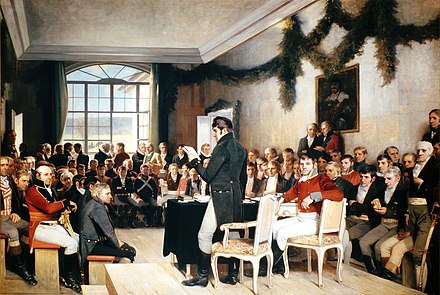
1809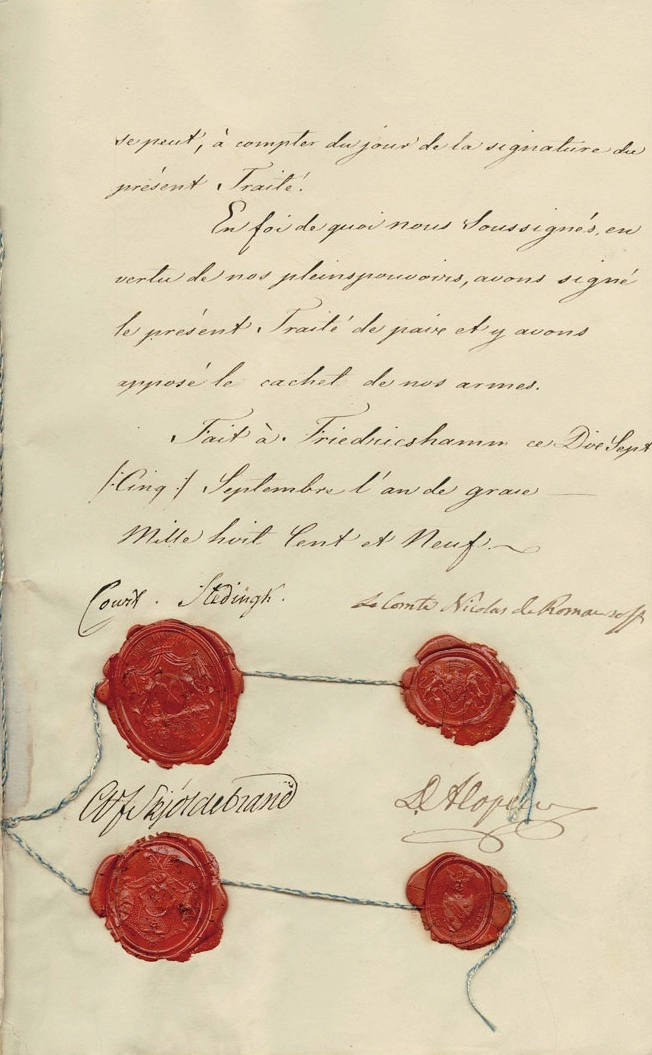
The Åland Islands, situated between Sweden and Finland, were under Swedish rule until 1809 when they were ceded to Russia as part of the Treaty of Fredrikshamn. Over the years, they struggled with their identity and autonomy as they were passed between various powers. However, after being under Finnish sovereignty for several decades, the islands finally regained independence in 1945.
The regaining of independence by the Åland Islands marked a significant moment in their history, allowing them to assert their cultural and linguistic identity. It granted them the opportunity to govern themselves and make decisions in their best interest. This event also solidified their demilitarized status, ensuring peace and stability in the region.
The impact of this event was profound, as it paved the way for the Åland Islands to flourish economically, politically, and culturally. With regained independence, they were able to focus on developing their unique heritage and promoting their local traditions. This newfound autonomy also allowed them to strengthen their ties with Sweden, their historic ally and cultural kin.
#ÅlandIslands #IndependenceRegained #SwedishHistory #CulturalHeritage
View detailsThe Treaty of Fredrikshamn marked the end of the Finnish War between Sweden and Russia. The treaty was signed in Fredrikshamn, ceding Finland to Russia. Initially part of Sweden for over 600 years, Finland was now transferred to Russian control. The loss of Finland was a significant blow to Sweden's territory and resources. The signing of the treaty also solidified Russia's position as a dominant power in the region. The treaty included provisions for the rights of the Finnish population, ensuring they could maintain their language, religion, and laws. This event reshaped the geopolitical landscape of Northern Europe, shifting the balance of power in the region. The Treaty of Fredrikshamn had long-lasting implications for both Sweden and Russia, influencing their relationships and strategies for years to come.
#TreatyofFredrikshamn #FinnishWar #Sweden #Russia #Geopolitics #NorthernEurope
View details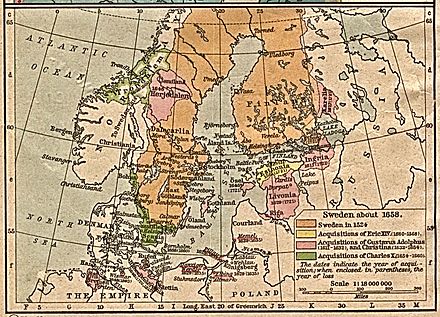
The establishment of the Ombudsman institution in Sweden marked a pivotal moment in the country's governance. The Ombudsman's role was to oversee public agencies, ensuring they operate transparently and in the best interest of the citizens. This new oversight mechanism aimed to protect the rights of individuals by providing them with a channel to address grievances and hold government entities accountable.
The Ombudsman's responsibilities included investigating complaints, conducting inquiries, and proposing solutions to resolve issues between citizens and public bodies. This initiative empowered the Swedish population, giving them a voice in the functioning of their government and fostering a culture of accountability and fairness.
The impact of the Ombudsman institution was significant, leading to increased trust in public institutions, improved service delivery, and a more responsive government. Citizens felt empowered to speak up against injustice and malpractice, knowing that their rights were protected by an independent body.
As a result, Sweden saw a positive shift towards a more transparent and accountable government, setting a benchmark for other nations to follow. The Ombudsman's office became a symbol of good governance and citizen empowerment, creating a legacy of transparency and accountability that continues to shape Swedish society today.
#Ombudsman #PublicAgencyOversight #CitizensRights #SwedenGovernance
View detailsFollowing a period of political turbulence and social unrest, Sweden embarked on a transformative journey towards liberal values in 1809. The country was influenced by the ideals of the French Revolution, inspiring the creation of a new constitution. This constitution aimed to decentralize power, establish parliamentary rule, and promote individual freedoms.
The impact of this constitutional reform was profound. It marked a shift towards a more democratic system of governance, diminishing the monarch's authority and granting citizens more rights and representation. The new constitution solidified Sweden's commitment to liberalism and laid the foundation for future political developments.
Embracing the principles of equality, liberty, and popular sovereignty, Sweden's new constitution reflected the growing aspirations of its people for a fairer and more inclusive society. By drawing inspiration from the French Revolution, Sweden reaffirmed its dedication to progressive ideals and a more accountable government.
#Sweden #ConstitutionalReform #Liberalism #FrenchRevolution #Democracy
View detailsDeposition of King Gustav IV Adolf changes monarchy from absolute rule to constitutional governance.
In March 1809, King Gustav IV Adolf of Sweden was deposed, marking the transition from absolute monarchy in the Gustavian era. The king's autocratic rule had faced opposition due to his disastrous military campaigns and economic policies. Amidst growing discontent, a group of nobles and military officers staged a coup d'état, leading to the king's removal from power.
The deposition of King Gustav IV Adolf had a significant impact on the political landscape of Sweden. It paved the way for the establishment of a more constitutional monarchy, limiting the powers of the monarch and granting more authority to the Riksdag, Sweden's parliament. This shift towards a more democratic system marked a turning point in Swedish history, setting the stage for further reforms and modernization in the years to come.
The event underscored the changing dynamics of power in Sweden, as the era of absolute monarchy gave way to a more representative form of government. The deposition of King Gustav IV Adolf reflected the growing influence of political elites and public opinion in shaping the country's direction. It laid the foundation for a more stable and inclusive political system in Sweden, characterized by greater accountability and participation.
#Sweden #Monarchy #Constitutional #Transition #Deposition
View details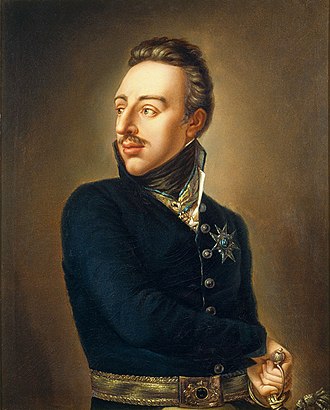
1792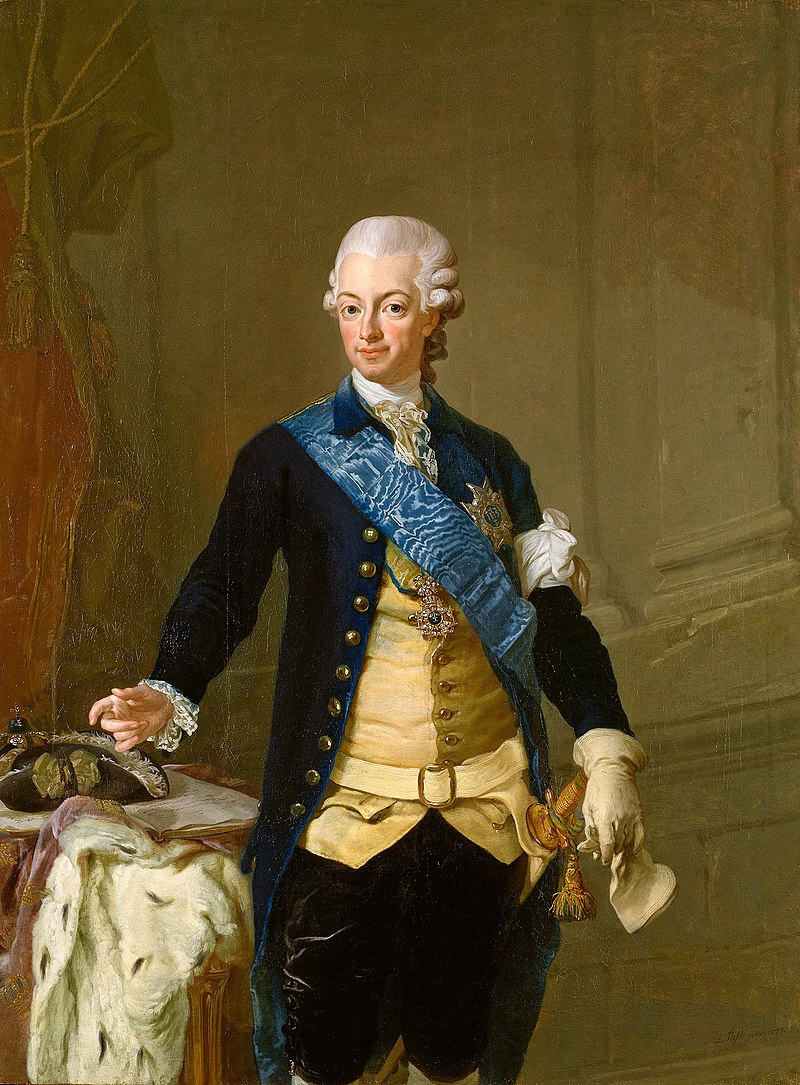
During a masquerade ball at the Stockholm Opera, King Gustav III of Sweden was targeted by a group of nobles who opposed his absolutist rule. Disguised in masks and costumes, the conspirators ambushed the king and attacked him with lethal force. This act was a culmination of growing discontent among the nobility towards the monarch's attempts to centralize power.
The assassination of Gustav III had a profound impact on the political landscape of Sweden. The king's death led to a period of instability and power struggles within the country, ultimately paving the way for the establishment of a more constitutional monarchy. Additionally, the event had a lasting cultural impact, inspiring works of art and literature that immortalized the tragic demise of the monarch.
The assassination of Gustav III underscored the tensions between absolute monarchy and the aspirations for more democratic governance in Sweden. It serves as a reminder of the complexities of political power and the consequences of autocratic rule. #GustavIII #Assassination #StockholmOpera #MasqueradeBall #NoblesConspiracy #SwedishHistory.
View details1772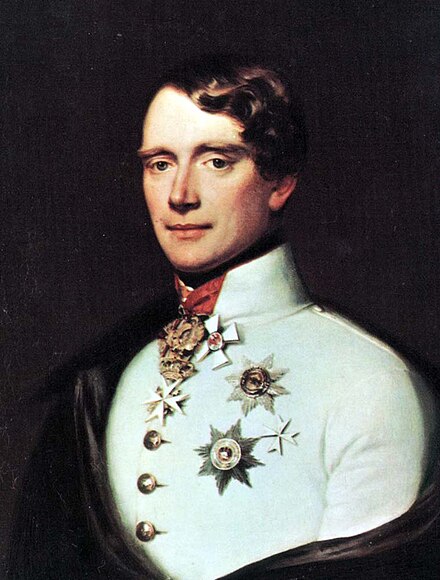
In August 1772, King Gustav III of Sweden orchestrated a successful coup, overthrowing the parliamentary government to claim the throne. The coup was a response to the increasing power of the parliament and its interference in the monarch's authority. Gustav III aimed to restore the absolute power of the monarchy and consolidate his control over the country.
Following the coup, Gustav III implemented a series of reforms to centralize power, reduce the influence of the nobility, and strengthen the monarchy. He introduced measures to improve the economy, enhance the military, and promote culture and the arts. Gustav III's reign marked a shift towards a more autocratic rule in Sweden, with the king exerting significant control over the government and society.
The coup and Gustav III's subsequent reign had a lasting impact on Sweden's political landscape. While some viewed the king as a progressive reformer, others criticized his authoritarian tendencies. The events of 1772 set the stage for a period of political centralization and modernization in Sweden.
#GustavIII #Sweden #Coup #Monarchy #Reforms
View details1753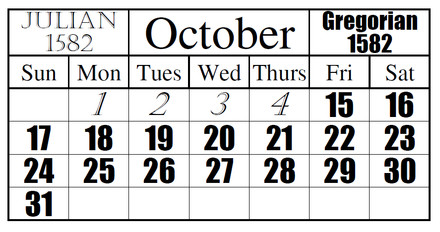
In 1753, Sweden transitioned from the Julian calendar to the Gregorian calendar, aligning its timekeeping system with many other European countries. The decision to make this adjustment had been made years earlier by the Swedish Parliament, in order to correct the discrepancies that had accumulated between the two calendars.
The shift to the Gregorian calendar had a significant impact on various aspects of Swedish society. It brought Sweden in line with international standards, facilitating better communication and coordination with other nations. Additionally, the change affected various religious and cultural traditions in the country, as dates for holidays and events were now different under the Gregorian calendar.
This transition was not without challenges, as some segments of the population resisted the change due to longstanding customs and practices associated with the Julian calendar. However, over time, the benefits of adopting the Gregorian calendar became evident, and Sweden fully embraced the new system.
Overall, Sweden's shift to the Gregorian calendar in 1753 marked a significant moment in the country's history, reflecting its willingness to adapt and modernize its timekeeping practices. #Sweden #GregorianCalendar #HistoricalTransition
View details1721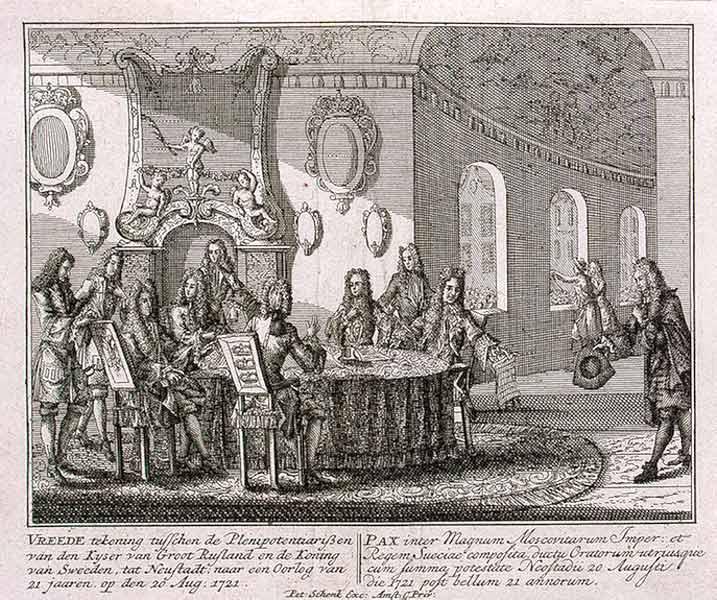
The Treaty of Nystad marked the end of the Great Northern War between Sweden and Russia. Sweden, weakened by years of conflict, ceded substantial territories to Russia, including Livonia, Estonia, Ingria, and Viborg. The war had been a significant drain on Sweden's resources and power, leading to this surrender of territories in exchange for peace.
The treaty had a profound impact on the balance of power in Northern Europe, shifting it in favor of Russia and weakening Sweden's position as a major European power. The loss of these territories also had long-lasting consequences for Sweden's economy and influence in the region.
Despite the territorial losses, the Treaty of Nystad brought an end to the hostilities between Sweden and Russia, bringing a much-needed period of stability to the region. It also paved the way for Peter the Great of Russia to further expand his influence in Europe and solidify Russia's position as a major player on the continent.
#TreatyofNystad #GreatNorthernWar #Sweden #Russia #TerritorialLoss #PowerShift #EuropeanHistory
View details1710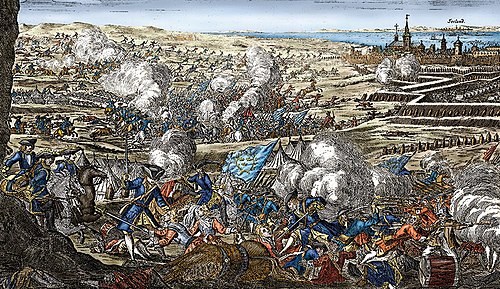
During the conflict between Denmark and Sweden in the 18th century, the Danish forces achieved a crucial victory at Helsingborg. The Danish troops strategically seized Swedish territories, marking a turning point in the ongoing feud. This triumph allowed the Danes to expand their control over key Swedish lands and gain a tactical advantage in the region.
The event in Helsingborg had a profound impact on the balance of power in the area, as the Danish forces successfully pushed back the Swedish army and asserted their dominance. The conquered territories provided important resources and strategic advantages for the Danes, strengthening their position in the conflict with Sweden.
The victory in Helsingborg was a significant milestone for the Danish military and a blow to Swedish forces. It showcased the effectiveness of Danish tactics and leadership, demonstrating their ability to achieve success on the battlefield. The aftermath of the battle reshaped the political and military landscape in the region, setting the stage for further conflicts and power struggles between Denmark and Sweden.
#Danes #Swedes #Helsingborg #MilitaryVictory
View details1709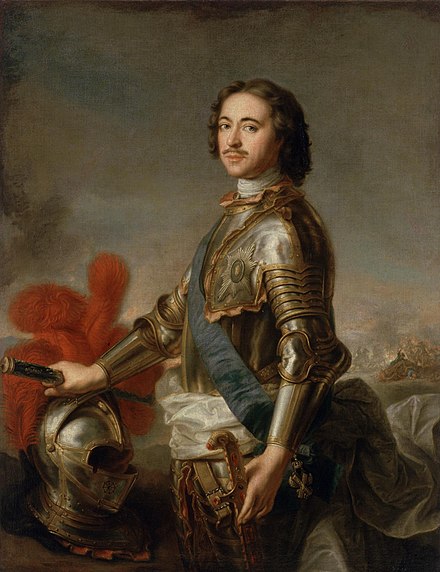
During the battle, Swedish forces led by King Charles XII clashed against Peter the Great's Russian army near Poltava. The Swedish troops, known for their military prowess, faced a formidable Russian army that was well-prepared and outnumbered them significantly. Despite the Swedish army's initial success, they soon found themselves surrounded and outmaneuvered by the disciplined Russian forces.
The battle resulted in a decisive victory for the Russian army, with the Swedish forces suffering heavy losses in both men and resources. King Charles XII himself narrowly escaped capture, fleeing with the remnants of his army. This defeat marked a turning point in the Great Northern War, shifting the balance of power in the region in favor of Russia.
The Swedish forces' defeat at the hands of Peter the Great's army at Poltava had far-reaching consequences, ultimately leading to Sweden's decline as a major European power and solidifying Russia's rise as a dominant force in the region. The battle of Poltava is remembered as a key moment in European history, highlighting the importance of military strategy and preparedness in determining the outcome of conflicts.
#Poltava #GreatNorthernWar #SwedishHistory #RussianEmpire #MilitaryHistory
View details1700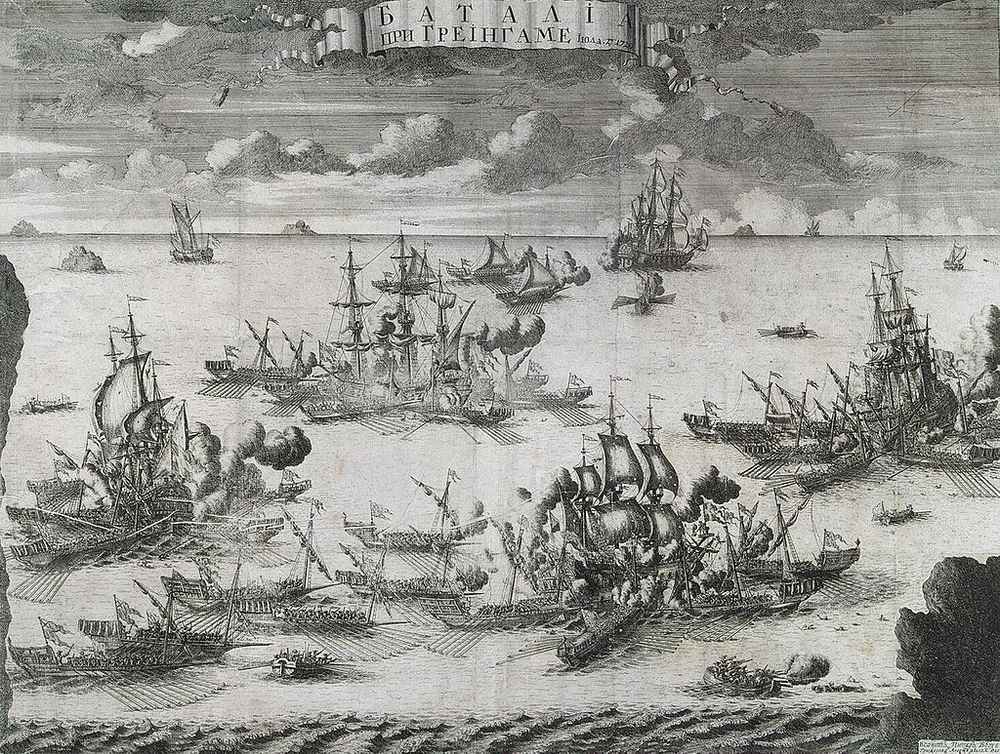
In 1700, the Great Northern War began when Sweden found itself against an alliance composed of Russia, Denmark-Norway, and Saxony-Poland. The war was primarily driven by territorial disputes and power struggles in the Baltic Sea region. Sweden, under the rule of King Charles XII, aimed to assert its dominance and protect its strategic interests against the coalition of powerful neighbors.
The war had significant consequences for all parties involved. Initially, Swedish forces achieved several victories, including the Battle of Narva in 1700, showcasing their military prowess. However, as the conflict prolonged, Sweden's resources became strained, leading to a shift in power dynamics. The alliance gradually gained the upper hand, gaining territories and weakening Sweden's influence in the region.
The Great Northern War ultimately reshaped the political landscape of Northern Europe. It marked the decline of Sweden as a dominant power and the rise of Russia as a major player in European affairs. The war also highlighted the importance of alliances and military strategies in determining the outcomes of conflicts.
#GreatNorthernWar #Sweden #BalticPowerStruggles #EuropeanPolitics
View details1658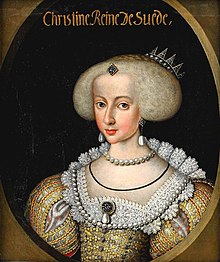
Queen Christina of Sweden signed the Treaty of Roskilde, relinquishing control of Scanian lands to Denmark. The treaty was a result of the Second Northern War, a conflict fueled by territorial disputes and power struggles in the region. By ceding Scanian lands, Sweden aimed to secure peace and end the costly war. The treaty marked a significant loss for Sweden, reducing its territory and strategic holdings. This event reshaped the balance of power in the region, bolstering Denmark's influence and weakening Sweden's position. The Treaty of Roskilde had long-lasting consequences, impacting the political landscape and relationships between the two nations.
#QueenChristina #TreatyofRoskilde #Scanianlands #Sweden #Denmark #SecondNorthernWar #territorialdisputes #politicalconsequences
View details1654
Queen Christina of Sweden's decision to abdicate the throne and convert to Catholicism sent shockwaves throughout the country. Born into the Protestant Vasa dynasty, Christina ascended the throne at a young age and was known for her intelligence and unconventional ways.
Her conversion to Catholicism was a bold move that went against the deeply-rooted Protestant beliefs of the Swedish people. It sparked controversy and division, as many viewed her conversion as a betrayal of her country and her role as the defender of the Protestant faith.
Christina's abdication further fueled the already existing tensions between the crown and the powerful nobility in Sweden. The nobles saw an opportunity to increase their influence and power in the vacuum left by her departure.
The repercussions of Christina's actions were felt for years to come, with the country grappling with the aftermath of her decision. The event highlighted the complexities of religious and political power struggles in Sweden during that period.
#QueenChristina #SwedishHistory #ReligiousControversy
View details1631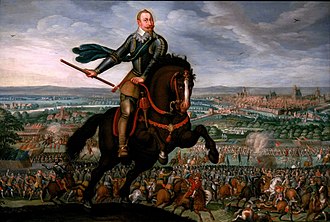
In the Battle of Breitenfeld, the Swedish army faced the Holy Roman Empire forces during the Thirty Years' War. Led by Gustavus Adolphus, the Swedish troops implemented innovative tactics, including a combined infantry and cavalry approach, securing a crucial victory. This battle marked a turning point in the war, demonstrating the effectiveness of the Swedish military reforms.
The defeat of the Holy Roman Empire at Breitenfeld had far-reaching consequences, weakening their position and bolstering Sweden's influence in the region. The Swedish victory also enhanced Gustavus Adolphus' reputation as a skilled military commander and strategist. The battle showcased the importance of disciplined troops and strategic maneuvers over sheer numbers, influencing future military tactics.
Breitenfeld signified the rise of Sweden as a major power in Europe and solidified its standing in the Thirty Years' War. The outcome of this battle reshaped the political and military landscape of the time, positioning Sweden as a key player in the conflict. The success of the Swedish army at Breitenfeld reverberated throughout Europe, emphasizing the significance of innovative military tactics and effective leadership.
#BattleOfBreitenfeld #ThirtyYearsWar #SwedishVictory #MilitaryStrategy #GustavusAdolphus
View details1617
Amidst the tensions of the Ingrian War, Russia and Sweden gathered at the Treaty of Stolbovo negotiations. The conflict stemmed from Sweden's ambition to control key trade routes in the Baltics, prompting clashes with Russia. The treaty brought an end to the hostilities, marking a shift in regional power dynamics.
The Treaty of Stolbovo saw Sweden cede significant territories to Russia, including Ingria, granting access to the vital Baltic Sea. This concession weakened Sweden's stronghold in the region, altering the balance of power in favor of Russia. The treaty also solidified Russia's presence in the Baltic region, setting the stage for future conflicts and alliances.
The territorial concessions made by Sweden as part of the Treaty of Stolbovo had far-reaching implications, reshaping the political landscape of Northern Europe. The aftermath of the treaty underscored the importance of strategic positioning and territorial control in the region, as nations vied for dominance and influence.
#TreatyofStolbovo #IngrianWar #Sweden #Russia #TerritorialConcessions #BalticRegion #PowerDynamics
View details1613
Kalmar War ends with peace talks between Sweden and Denmark-Norway, resolving conflicts effectively.
The Kalmar War, a conflict between Sweden and Denmark-Norway, reached its conclusion after peace negotiations were successfully conducted. The war had initially erupted over territorial disputes and power struggles in the Kalmar Union region. It had taken a toll on both countries, causing widespread devastation and loss of lives.
The peace talks eventually led to the signing of a treaty that outlined the terms for ending the hostilities and restoring diplomatic relations between the warring nations. As a result, the conflict came to an official close, bringing a sense of relief and stability to the region.
The conclusion of the Kalmar War had significant implications for both Sweden and Denmark-Norway. It marked the beginning of a period of relative peace and cooperation between the two countries, allowing them to focus on rebuilding and strengthening their economies and societies.
Overall, the peace negotiations that ended the Kalmar War were a crucial turning point in the history of the region, paving the way for improved relations and future diplomatic engagements between Sweden and Denmark-Norway. #KalmarWar #PeaceNegotiations #Sweden-DenmarkPeace #HistoricTreaty
View details